REVIEW · PRETORIA
Soweto Tour with a Local Guide
Book on Viator →Operated by Socioolite Group Travel & Tours · Bookable on Viator
Soweto is the kind of place where politics, pride, and everyday life sit side by side—so your morning drives turn into a real lesson you can walk through. I love that the tour hits key apartheid landmarks with admission tickets included, which keeps the pace smooth and the stops meaningful. I also like that you get a local-guided flow (with guides such as Shaun and Noel popping up in service) so you’re not just sightseeing—you’re getting the stories. One drawback to plan for: this is a 5–6 hour schedule built around walking and early start times, and lunch isn’t included, so you’ll want to think about snacks.
You’ll see why Soweto is often called South Africa’s big, famous township: it’s large, culturally influential, and still connected to the struggle-era places people care about. The route mixes solemn memorials with street-level culture—then finishes with a walk on Vilakazi Street, where two Nobel Peace Prize winners lived on the same road, plus a look at the 2010 World Cup footprint nearby.
In This Review
- Quick highlights (what you’ll feel on the day)
- Why a Soweto Tour From Pretoria Makes Sense
- Pickup, Air-Conditioning, and Timing: The Comfort Stuff That Actually Helps
- Mandela House: More Than a Photo Stop
- Hector Pieterson Museum and Memorial: June 16 in One Focused Hour
- Walter Sisulu Square: Culture, Movement, and Modern City Life
- Regina Mundi: When a Church Became a Lifeline
- Passing World Cup Sites: How 2010 Shows Up in Everyday Streets
- Vilakazi Street: Two Nobel Winners, Street Crafts, and Real Neighborhood Life
- What You’re Really Paying For: Value of $98.28
- Service That Shows Up in Small Ways
- Who This Tour Fits Best (and Who Might Want to Skip)
- Should You Book This Soweto Tour?
- FAQ
- How long is the Soweto tour with a local guide?
- What’s included in the price?
- Which stops include admission tickets?
- Does the tour offer pickup?
- What if the weather is bad?
- Is this a private tour?
Quick highlights (what you’ll feel on the day)

- Mandela House in context: a focused visit to the second home Mandela spent most of his Johannesburg time at, alongside his family and Winnie Mandela
- Hector Pieterson Museum & Memorial: a carefully timed stop that marks the story of the iconic June 16 uprising
- Church-as-shelter history at Regina Mundi: see how a major Roman Catholic church supported anti-apartheid groups during apartheid
- Vilakazi Street for people, not just photos: an easy walk with shopping for arts and crafts and a direct link to Nobel Prize history
- World Cup-era landmarks outside the obvious tracks: drive-bys and views connected to 2010 soccer history
Why a Soweto Tour From Pretoria Makes Sense

If you’re basing yourself in Pretoria and want Soweto in one day, this tour format is practical. You get a structured route rather than trying to stitch together transport, tickets, and timing on your own. That matters in Soweto because some places need a respectful, guided approach and a clear schedule so you don’t feel rushed at memorials.
The other reason this works is emotional pacing. You start with homes and memorials tied to the struggle, then shift into culture and modern urban life. Soweto isn’t presented as a museum-only experience; it’s shown as a living community where identity shows up in street life, fashion, food, and entertainment that keep changing.
You can also read our reviews of more guided tours in Pretoria



Pickup, Air-Conditioning, and Timing: The Comfort Stuff That Actually Helps
This is a private tour for your group, with pickup offered, so you’re not squeezed into a big bus lineup. There’s also group discount potential depending on your booking situation, and you receive a mobile ticket.
The vehicle is air-conditioned, and that’s not a throwaway detail. A 5–6 hour township day can mean heat between stops, and even small comfort wins help you stay present when you’re learning serious history. Bottled water is included, which is a simple but real win when you’re out for hours.
Your tour runs during the morning window listed as 9:00 AM to 12:00 PM (with a total duration of about 5 to 6 hours). Plan for the day to run past lunchtime. Since lunch isn’t included, I’d treat this like a half-day outing and plan either a pre-tour snack or money for food after.
Mandela House: More Than a Photo Stop
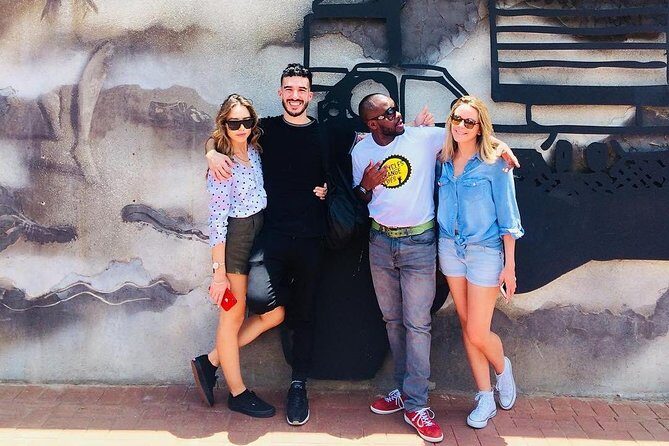
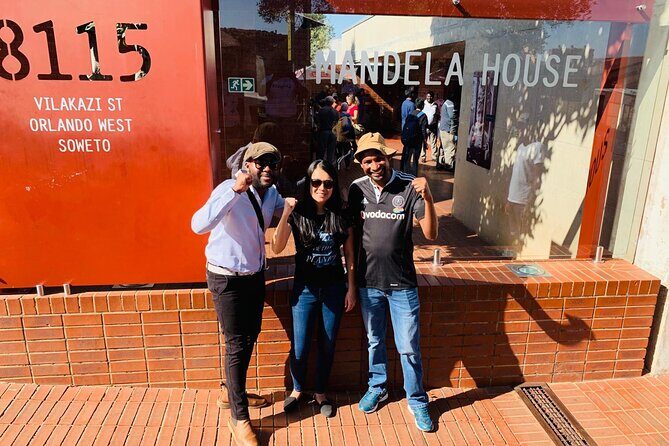
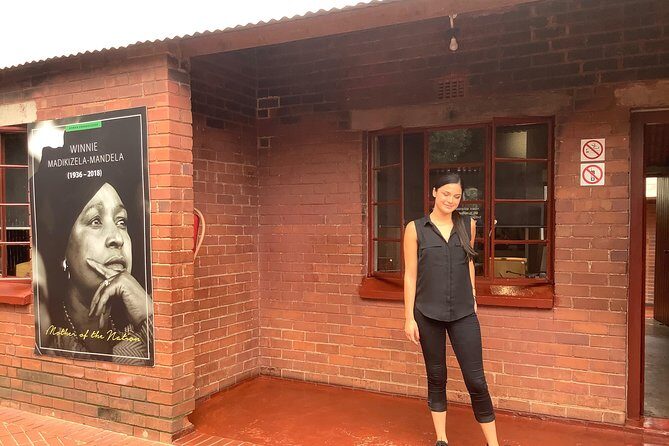
Mandela House is the kind of stop that rewards a guide-led pace. You visit the second home Mandela spent most of his time living in Johannesburg, where he lived with his family and his ex-wife Winnie Mandela. The time allocation here is short—about 30 minutes—so the tour’s value is how it frames what you’re seeing.
What I like about this stop is that it doesn’t focus only on big speeches or headlines. It points you toward the personal side: the idea that political life was also family life, with real routines and real relationships. Even if you’ve read about Mandela before, this kind of visit tends to make the story feel more grounded.
Practical tip: take a moment before you enter to look slowly and then listen. In tight spaces, the guide’s explanations can make the difference between seeing buildings and understanding them.
Hector Pieterson Museum and Memorial: June 16 in One Focused Hour
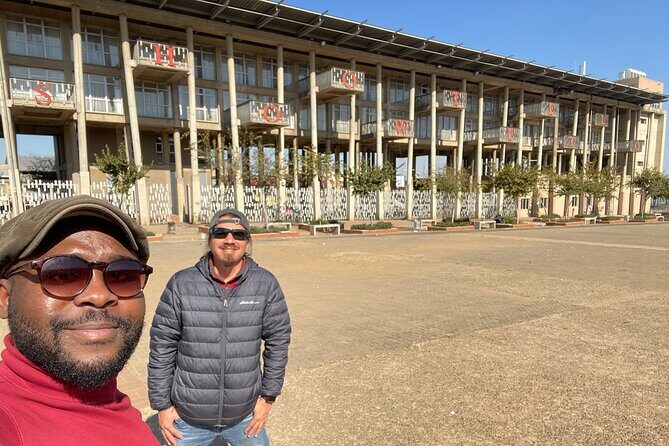
The Hector Pieterson Museum and Memorial is next, with around 40 minutes and admission included. This is where the tour honors the story of the iconic 12-year-old Hector Pieterson, who died during the June 16 Soweto uprising.
This is the stop where the emotional volume rises. Memorials like this can feel heavy if you’re unprepared, so I recommend you bring a calm mindset and let the guide set the tone. A guided pace matters here because the details connect across time—why the uprising happened, what it meant, and how it echoes into South Africa’s later democratic story.
One consideration: because this is a memorial tied to tragic events, you may want to pause for a breath if you feel overwhelmed. It’s totally okay to take a second before moving on to the next stop.
Walter Sisulu Square: Culture, Movement, and Modern City Life
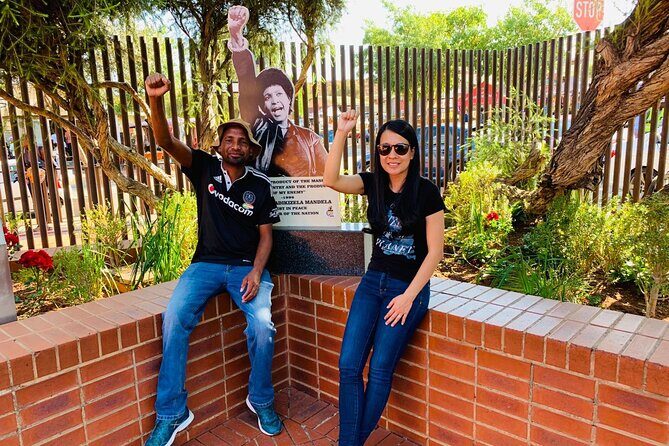
After the memorial, the tour shifts to Walter Sisulu Square for about 20 minutes, again with admission included. The point here isn’t just architecture. It’s the feeling of culture meeting city life—where everyday Soweto energy and modern urban development show up side by side.
I like this stop because it changes your mental gear. You’re reminded that Soweto isn’t frozen in 1976, or trapped in “apartheid history” mode. It’s a community with ongoing creative expression, different cultures, and ways of life you can still see while you’re standing there.
If you like street-level travel, you’ll probably enjoy this one because it’s easier to relate to than a purely indoor museum stop. Take it as a palate cleanser before you head into the church and the street walking.





Regina Mundi: When a Church Became a Lifeline
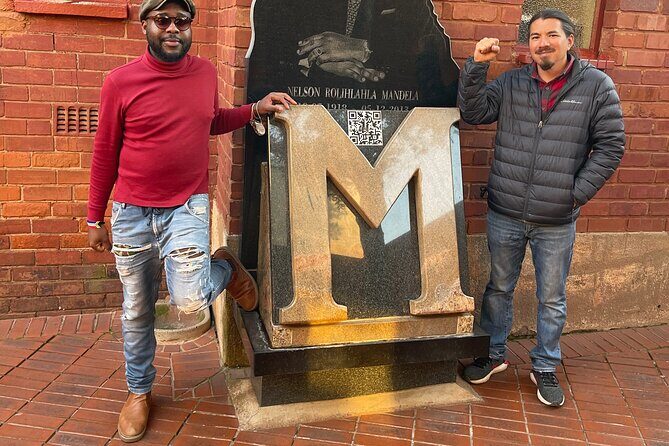
Regina Mundi is one of the most important stops on this route. It’s described as the largest Roman Catholic Church in South Africa, and it played a role during apartheid by opening its doors to anti-apartheid groups and providing shelter to activists.
The visit is about 20 minutes, with entry included. This is history you can feel in the physical space. Churches like this aren’t just landmarks—they become part of the story of how people protected one another when the rules were designed to harm.
Possible drawback: if you’re expecting a quick “see-and-go” sight, this might feel too important for that pace. But if you’re in the mood for meaning and context, Regina Mundi delivers.
Tip: if your guide mentions the specific role of shelter and support during apartheid, listen closely. Those details are the difference between passive observation and real understanding.
Passing World Cup Sites: How 2010 Shows Up in Everyday Streets
In the middle of the day you’ll also drive past a former cooling station that later became a tourist destination during the 2010 soccer World Cup. You also stop at—or view from near—the main stadium where the 2010 World Cup was hosted.
This part of the tour is worth it for a reason beyond soccer nostalgia. It shows how big global events can leave behind infrastructure and attention that shape how places are remembered and used. You get to connect the dots between the struggle-era story and the later push toward global visibility.
If you’re a sports fan, you might get extra satisfaction from it. If you’re not, still pay attention—Soweto isn’t just a tragic chapter. It’s also where modern South African identity keeps evolving.
Vilakazi Street: Two Nobel Winners, Street Crafts, and Real Neighborhood Life
Next is Vilakazi Street, with about 20 minutes on foot. The tour highlights it as the only street in the world with two Nobel Peace Prize winners living on the same street. You’ll also have the chance to browse a small array of arts and crafts and do some shopping.
This is one of the best “choose your own pace” sections of the tour. It’s a walk, not a lecture hall. You can focus on the Nobel Prize story, or you can focus on the craft stalls—either way, your guide can steer you toward what’s most interesting and how to handle shopping respectfully.
Practical shopping tip: if you plan to buy crafts, have some local cash or payment plan ready. And if you’re taking photos, it’s smart to ask before photographing people or stall owners.
What You’re Really Paying For: Value of $98.28
At $98.28 per person for a 5–6 hour private tour, the price is easier to judge when you look at what’s included. You’re not just paying for a driver. You’re getting:
- Air-conditioned vehicle
- Pickup offered
- Bottled water
- All fees and taxes
- Admission tickets included for multiple key stops (Mandela House, Hector Pieterson Museum and Memorial, Walter Sisulu Square, Regina Mundi)
Then you’re also getting a guide to connect everything. That’s the part that’s hard to recreate on your own. Trying to match timing across memorials and ticketed sites can eat time and energy, especially if you want a calm, respectful visit.
Lunch isn’t included, so if you want a full day feel, budget for food separately. That’s the main “extra” cost you’ll likely face, plus anything you choose to buy on Vilakazi Street.
Service That Shows Up in Small Ways
A recurring theme in the service style associated with this tour is responsiveness and care. Guides linked with the experience, including Shaun and Noel, are described as making plans line up properly and staying on top of the day so you don’t feel abandoned once you’re out in Soweto.
Another specific plus: the tour can include a welcoming feel that goes beyond the usual “follow the guide” routine. In at least some cases, traditional dancers have been part of the experience, and that adds warmth and rhythm to a day that otherwise carries heavy historical weight.
I’d call this a strong fit if you care about safety and clarity. When a guide is present and communicative, you waste less mental energy figuring out where to go next and more time paying attention to the sites.
Who This Tour Fits Best (and Who Might Want to Skip)
This Soweto tour is a great match if you want:
- A guided route through major anti-apartheid and democracy-linked landmarks
- A blend of memorial sites and street culture
- A day you can handle without managing multiple tickets and transport puzzle pieces
It’s also a good fit for first-time visitors who want to understand Soweto beyond stereotypes. The mix of Mandela House, Hector Pieterson Museum, Regina Mundi, and Vilakazi Street gives you multiple entry points into the story.
If you’re the type who wants a super casual “wander at your own speed” day, this may feel structured. The stops are scheduled and timeboxed (often 20–40 minutes each). Also, because it requires good weather, you should be okay with potential rebooking if conditions are poor.
Should You Book This Soweto Tour?
Yes, I’d book it if you want a single, efficient day that connects Soweto’s democratic struggle sites with the living culture of the township. The included admissions, the air-conditioned transport, and the focus on major landmarks make the value feel fair for $98.28. Add a private group setting and pickup, and you get a smoother experience than a do-it-yourself plan.
Only think twice if you hate structured itineraries, you’re arriving with no plan for food, or you’re sensitive to memorial environments. If that’s you, bring snacks, take breaks when you need them, and choose a respectful frame of mind.
If you want to see how South African history and everyday life overlap in the same streets, this is exactly the kind of tour that makes the day stick.
FAQ
How long is the Soweto tour with a local guide?
The tour runs about 5 to 6 hours.
What’s included in the price?
It includes an air-conditioned vehicle, all fees and taxes, bottled water, and admission tickets for several stops. Lunch is not included.
Which stops include admission tickets?
Admission tickets are included for Mandela House, Hector Pieterson Museum and Memorial, Walter Sisulu Square, and Regina Mundi.
Does the tour offer pickup?
Yes, pickup is offered.
What if the weather is bad?
The experience requires good weather. If it’s canceled due to poor weather, you’ll be offered a different date or a full refund.
Is this a private tour?
Yes. It’s a private tour/activity, and only your group will participate.