REVIEW · JOHANNESBURG
Soweto: Hector Pieterson Memorial, to Orlando Towers Tour
Book on GetYourGuide →Operated by Johannesburg Excursions · Bookable on GetYourGuide
Hector Pieterson Memorial hits hard, fast. This Soweto tour takes you from the 1976 uprising sites into everyday life in the township, with a local guide who connects what happened then to what people are dealing with now. I like how the route mixes big landmarks with small moments, then adds minibus taxi rides so the day doesn’t feel like a museum marathon.
I especially love the way meals and local drinks are built into the itinerary, from Kota (township burger) to a stop for Tolokazi beer. One consideration: the tour involves about a 5 km (3.1 miles) walk and it’s not suitable for wheelchair users.
In This Review
- Key things to know before you go
- Why this Soweto route starts at Hector Pieterson Memorial
- Finding the meeting point without getting lost
- Vilakazi Street: Mandela’s house and the Desmond Tutu connection
- Kota, braai, and Tolokazi beer in real township stops
- Moema Street and the minibus taxi ride to Orlando East
- Orlando East and the brick-house milestone
- Optional informal settlement visit: what you might see
- Walking comfort and safety: what to bring for 4 hours
- Orlando Towers: the last stop that makes the day feel complete
- Should you book this Soweto: Hector Pieterson Memorial to Orlando Towers tour?
- FAQ
- Where is the meeting point for the tour?
- How long is the tour, and how much walking is involved?
- Is lunch included, and are drinks included?
- Do I need tickets or money for entry fees?
- Is the tour wheelchair accessible?
- Can I cancel, and how far in advance?
Key things to know before you go
- Start at Hector Pieterson Memorial and follow the Soweto Uprising story into later changes
- Vilakazi Street time for Mandela’s house and Desmond Tutu’s former home area
- Township food is part of the plan, including Kota and braai-style options
- Tolokazi beer tasting and a local bar stop for a taste of everyday culture
- Minibus taxi ride and meet-and-greet so you’re not just watching from the sidewalk
- Optional informal settlement visit if you want to see early Soweto living conditions
Why this Soweto route starts at Hector Pieterson Memorial

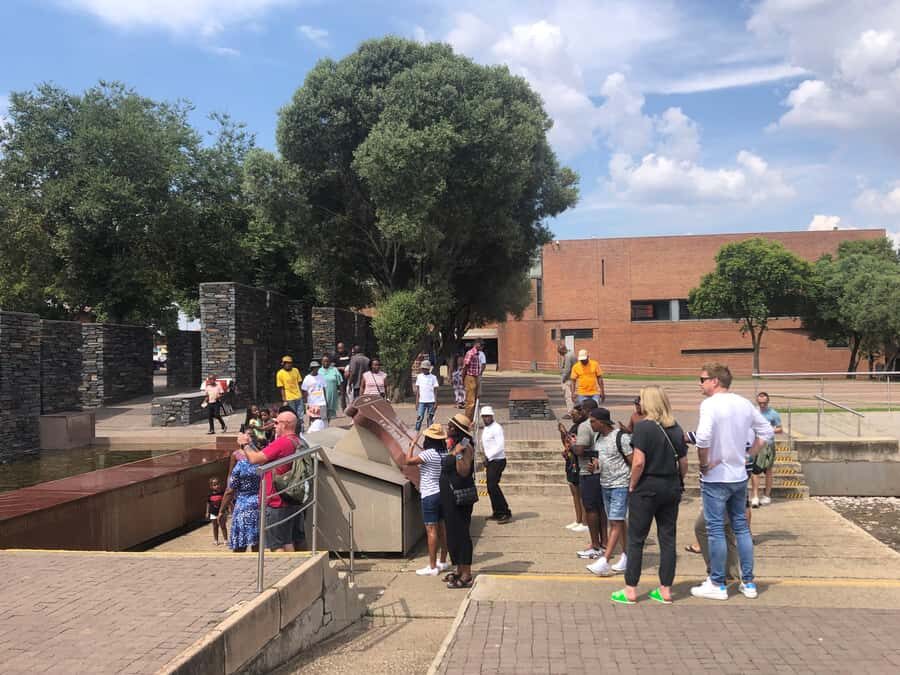
The best reason to book this tour is also the most serious: it begins at the Hector Pieterson Memorial, where you’ll get guided context for the 1976 Soweto Uprising. That’s where young people protested the apartheid system, and where names like Antoinette Sithole and Hector Pieterson come up as part of the story.
What I like is that this isn’t treated like trivia or a quick photo stop. You spend about an hour there with a guide, which gives you the chance to understand why this moment matters so much in South African history—and why it still shapes how people talk about education, youth, and freedom today.
And then the tour moves forward. You’re not left staring at the past with no next step. Instead, the day keeps working the theme: what changed after apartheid, and what challenges still remain for many South Africans in townships like Soweto.
You can also read our reviews of more tours and experiences in Johannesburg.



Finding the meeting point without getting lost
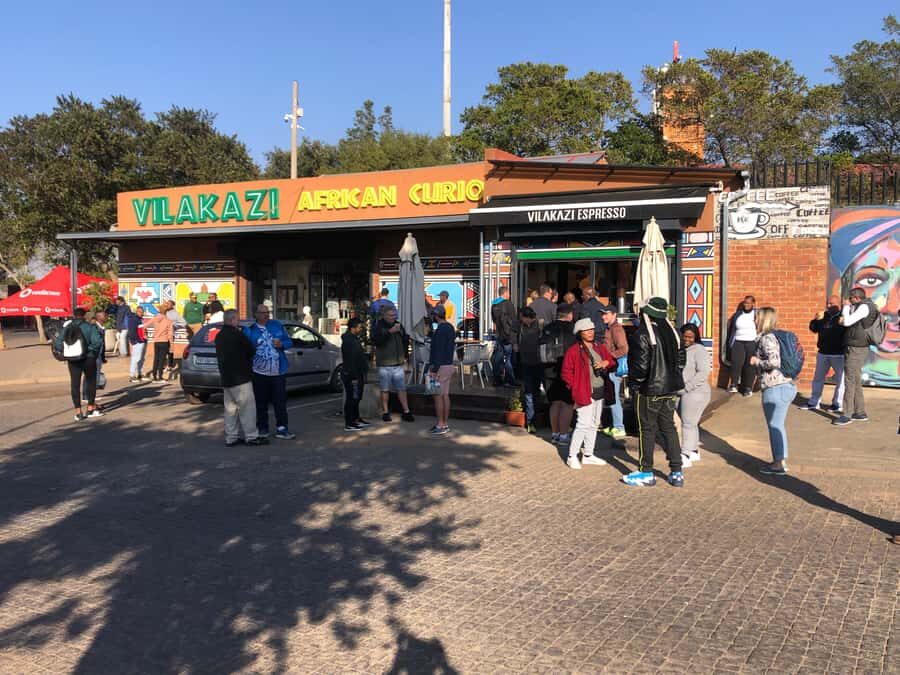
You meet near the Hector Pieterson Museum and Memorial at K & K Soweto Bakery, Coffee Shop. The practical clue is that next to the meeting spot there’s a coffee shop called Vilakazi Espresso (the name is in bold), and the meeting location is on the right-hand side of that coffee shop.
This matters because the area can feel busy and confusing if you arrive late or with a dead phone. Bring your patience, charge your smartphone, and if you’re the type to overthink meeting points, take a minute to confirm you’re standing at the right side of Vilakazi Espresso before the guide’s group arrives.
English is the tour language, and you’ll be with a live guide for the full experience. If you like asking questions, this tour is built for that kind of back-and-forth, not for silent standing-and-staring.
Vilakazi Street: Mandela’s house and the Desmond Tutu connection

Vilakazi Street is one of those places you hear about before you ever arrive, and this tour gives you real time there. You’ll walk and sightsee with your guide, then spend time around the homes that symbolize major South African leadership.
On this tour, you get a stop at Mandela’s House for a self-guided visit (about 30 minutes). You’ll also have time on Vilakazi Street to learn about Arch-Bishop Desmond Tutu’s former home area. Even without being in a classroom, the guide’s explanations help you connect the names to the neighborhoods where they lived and influenced public life.
A smart way to use the Vilakazi Street portion is to treat it like a geography lesson, not just a sightseeing stop. Look at the street itself and how the area functions today, then listen to the guide’s interpretation of what these leaders represented during apartheid and beyond.
Also, plan for walking shoes. This part is short, but it adds up across the whole 4 hours.
Kota, braai, and Tolokazi beer in real township stops
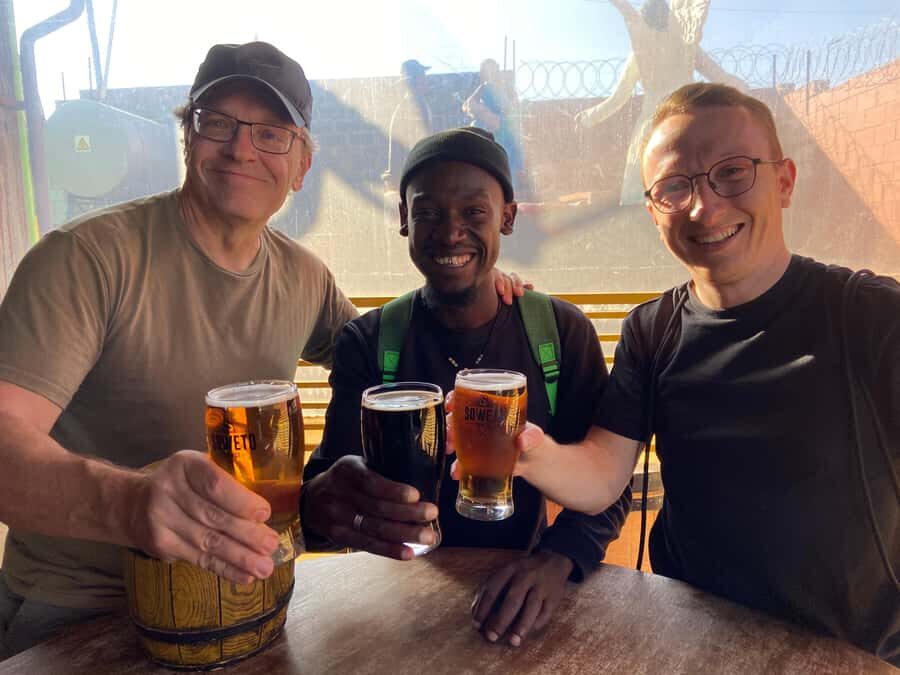
Food is not just a break on this tour; it’s part of how you understand Soweto. You’ll have an included meal on Vilakazi Street with regional food, and Kota is specifically mentioned as a must-try option. Kota is the kind of comfort food that feels both filling and street-level—simple, tasty, and very “this is how people eat here.”
If you enjoy grilled meat culture, keep an eye out for braai-style options during the meal time. The tour is structured so you’re not just eating in a generic setting; it’s tied to the neighborhood experience.
Then comes the beer stop. The tour includes a chance to visit a local brewery and do a Tolokazi beer tasting, followed by a local bar stop. In practical terms, this is where the day shifts again—from guided historical context to the kind of relaxed, human interaction that helps you see the township as something alive and current, not only remembered for what happened decades ago.
And yes, you should pace yourself. You’re still doing a fair amount of walking.
Moema Street and the minibus taxi ride to Orlando East

Soweto isn’t one place—it’s many places, with different neighborhoods and different levels of development. Part of why this tour works is that you get moved through the town rather than stuck in a single corridor.
You’ll stop at Moema Street briefly (about 15 minutes). It’s short, but it’s there to break up the day and keep the story grounded in everyday streets.
Then you’ll hop on a minibus taxi—South Africa’s common local transport—to head toward Orlando East. This is a big part of what you’re paying for. The taxi ride gives you a sense of real movement through Soweto, and it also sets up time for a meet-and-greet with locals.
One thing to remember: this portion is not about luxury or quiet. It’s about local rhythm. If you’re comfortable being a bit flexible and not expecting things to feel like a timed city bus tour, you’ll enjoy this section a lot.


Orlando East and the brick-house milestone
When you reach Orlando East, you’re in an area described as the first part of Soweto to feature brick houses—a formal settlement development. That detail matters because it helps explain how the township evolved over time, not just in terms of politics, but in terms of housing and everyday living.
The guide’s explanations are key here. Without them, “brick houses” can sound like a small factual point. With them, it becomes a shortcut to understanding how resource access changed in different parts of Soweto, and how that ties back to the lasting impacts of apartheid on African South Africans.
You’ll have guided time there (about 15 minutes) for sightseeing. It’s not meant to be an all-day research project. Think of it as a focused orientation: you get enough context to notice differences, ask better questions, and understand why some areas look and feel different from others.
Optional informal settlement visit: what you might see
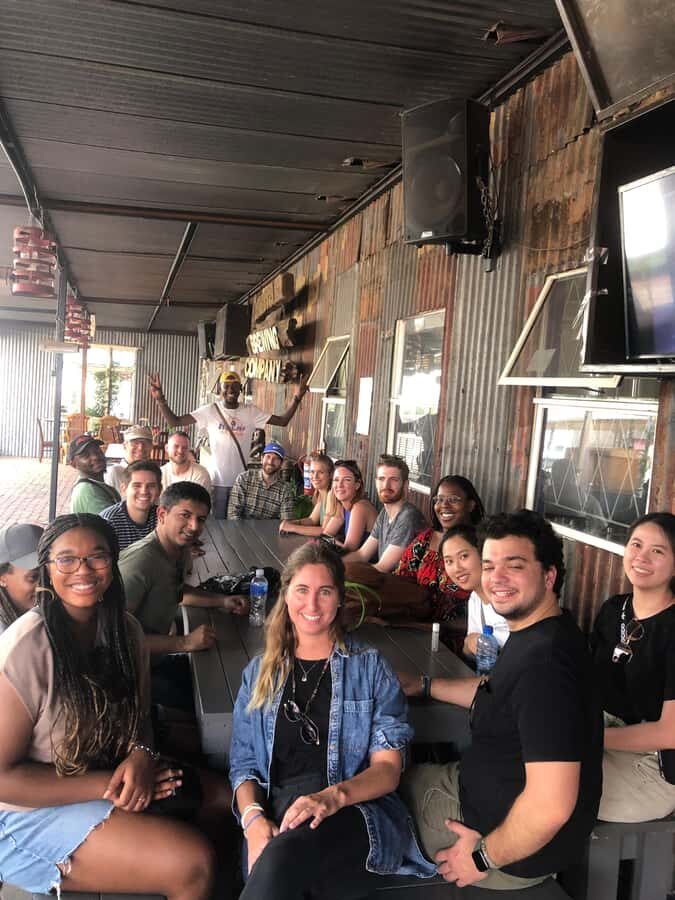
There’s an optional stop to visit an informal settlement and see how Soweto first looked. The tour description also notes that Soweto can be segregated into three living classes—even though it’s sometimes thought of as middle-class overall—so this optional component may include a look at the lowest living class conditions.
This part is optional for a reason. If you decide to do it, go with respect and keep your expectations realistic: you’re not there to inspect poverty like a zoo exhibit. You’re there to understand context, and the guide will shape what you’re allowed to see and how you interpret it.
If you’re the kind of traveler who wants the day to include the full range of lived reality, this is the stop to consider. If you prefer lighter walking and less emotionally heavy material, you might skip it.
Walking comfort and safety: what to bring for 4 hours
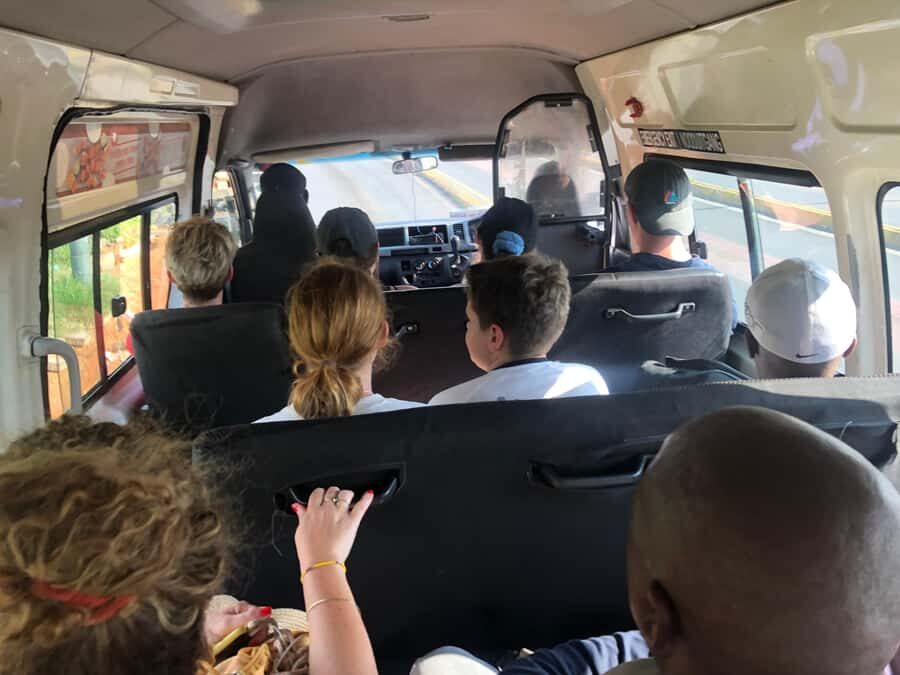
This is not a sit-and-watch tour. You’ll walk about 5 km (3.1 miles) total, with stops along the way. There’s also time spent riding and using a coach/bus segment (about 10 minutes), so you’re not walking nonstop.
Bring comfortable shoes, a hat, and biodegradable sunscreen. You’ll want hand sanitizer or tissues, plus a charged smartphone, power bank, and anything you typically use to stay comfortable in heat or sun. The tour doesn’t list special gear, so pack like you’re doing a day hike with cultural stops.
Safety-wise, the tour includes taxi and street segments, and the guide keeps the group together. Many people emphasize feeling safe with the guide and having clear guidance on what comes next. Still, keep your own street-smart basics: stay with the group, keep valuables secure, and avoid rushing ahead for photos.
One more hard limit: it’s not suitable for wheelchair users, based on the walking requirements.
Orlando Towers: the last stop that makes the day feel complete
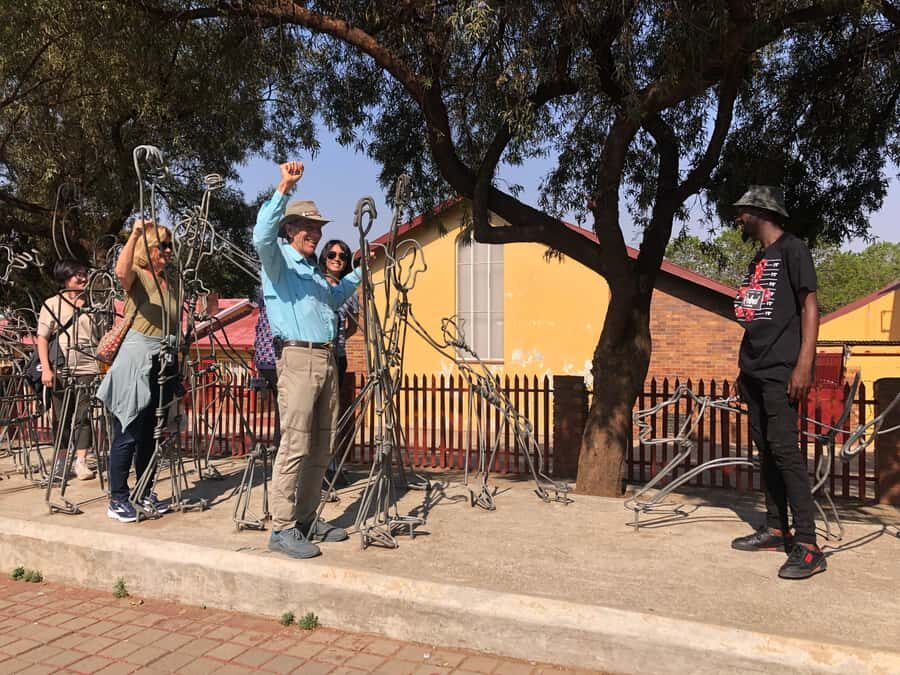
The tour finishes at Soweto Towers, with a short sightseeing window. The towers are a landmark, and they offer a sense of where this township is headed—both in terms of growth and in terms of how residents experience their city space.
What’s nice about the ending is the contrast. You start at a memorial tied to the 1976 uprising. You end at a place tied to everyday township life. In between, you pass through places linked to national leaders, food culture, local transport, and housing history.
If you’re curious about photography, plan to use this final stop for photos and a few minutes of just watching. The last minutes are where you can connect the dots you learned earlier without feeling like you’re being “tested” with more facts.
Should you book this Soweto: Hector Pieterson Memorial to Orlando Towers tour?
I’d book this tour if you want Soweto in one packed, guided loop: Hector Pieterson Memorial, leadership sites on Vilakazi Street, food and Tolokazi beer, then a taxi-and-neighborhood feel as you reach Orlando East and finish at Orlando Towers.
Skip it if you can’t handle walking roughly 5 km over 4 hours, or if you need wheelchair-friendly access. Also, if you want only light sightseeing and zero emotional weight, you might find the memorial content more intense than you expected.
If you show up with comfortable shoes, a question-ready mindset, and respect for the people and places you’re visiting, this is one of the better ways to understand why Soweto matters—then see what daily life looks like after the headlines.
FAQ
Where is the meeting point for the tour?
You meet at K & K Soweto Bakery, Coffee Shop, near the Hector Pieterson Museum and Memorial. The meeting spot is on the right-hand side of Vilakazi Espresso.
How long is the tour, and how much walking is involved?
The tour lasts about 4 hours and includes a total walk of about 5 km (3.1 miles), with stops along the way.
Is lunch included, and are drinks included?
Lunch is included. Drinks are not included, though the tour offers a chance for Tolokazi beer tasting and includes a local bar stop.
Do I need tickets or money for entry fees?
Entry tickets are not included in the price.
Is the tour wheelchair accessible?
No. The tour is not suitable for wheelchair users.
Can I cancel, and how far in advance?
You can cancel up to 24 hours in advance for a full refund.