REVIEW · CAPE TOWN
Cape Town: Authentic 3–4 Hour Cultural Township Experience
Book on GetYourGuide →Operated by Sam's Cultural Tours · Bookable on GetYourGuide
Cape Town stops feeling simple fast. This 3-hour township circuit connects the dots from apartheid planning to what daily life meant for families. I like that it is paced well for a short visit, with both driving time and a real walking tour that keeps the story grounded. I also love the human touches: meeting a traditional healer, seeing local beer made at a shebeen, and learning how community groups like the Philani Center show up for mothers and children. The one possible drawback is the emotional weight—this is a hard subject, so come ready for sad and uncomfortable moments.
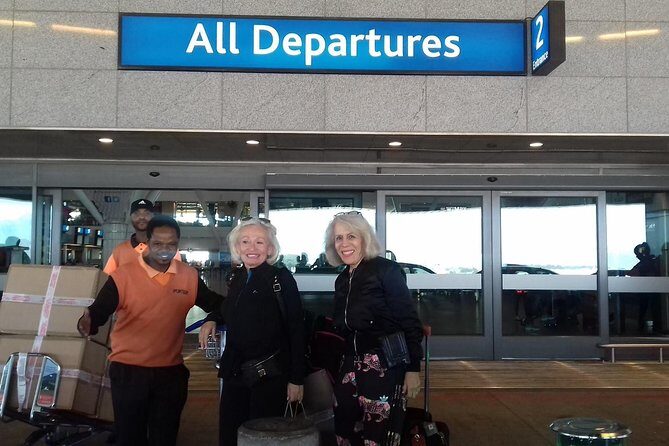
You’ll ride in an air-conditioned minivan with pickup and drop-off, then step into places that still shape Cape Town today. Private-group tours make it easier to ask questions, and the guide names matter here too: Sam runs the operation, and guides like Loyola are called out for being prompt, charming, and genuinely responsive. Just note that food and drinks are not included unless specifically stated, so plan on buying something only if your guide offers it as part of the day.
In This Review
- Key things I’d flag before you go
- District Six and the apartheid machinery you can actually see
- Langa: Old Pass Office, Robert Sobukwe, and rules that shaped movement
- Walking the township: hostels, shacks, and the importance of pacing
- A shebeen and homemade beer: community, not just history
- Traditional healer visit: local knowledge and dignity
- Bonteheuwel and the apartheid map: being labeled changed everything
- Gugulethu 7 memorial and Amy Biehl: remembering resistance and aftermath
- Khayelitsha and the Philani Center: support that stays after the tour
- Price and what $261 per group buys you
- Guides make the difference: Sam and Loyola’s on-the-ground style
- Practicalities: what to bring and what to skip
- Who should book this cultural township experience
- Should you book? My take for decision time
- FAQ
- How long is the township experience?
- What’s included in the tour price?
- Is food and drinks included?
- What should I bring?
- Is the tour wheelchair accessible?
- What’s the group size and format?
Key things I’d flag before you go
- District Six, Langa, and Bonteheuwel in one tight route, with context for how apartheid organized space
- Shebeen time to taste homemade beer and understand the role of informal community spaces
- Old Pass Office and Robert Sobukwe sites that explain how laws shaped movement and identity
- Gugulethu 7 and Amy Biehl memorials, built around remembrance and consequence
- Khayelitsha and the Philani Center, where support for mothers and children becomes practical, not just symbolic
- Comfortable-shoes walking, plus the option you might have a quieter group day (some departures end up very small)
District Six and the apartheid machinery you can actually see
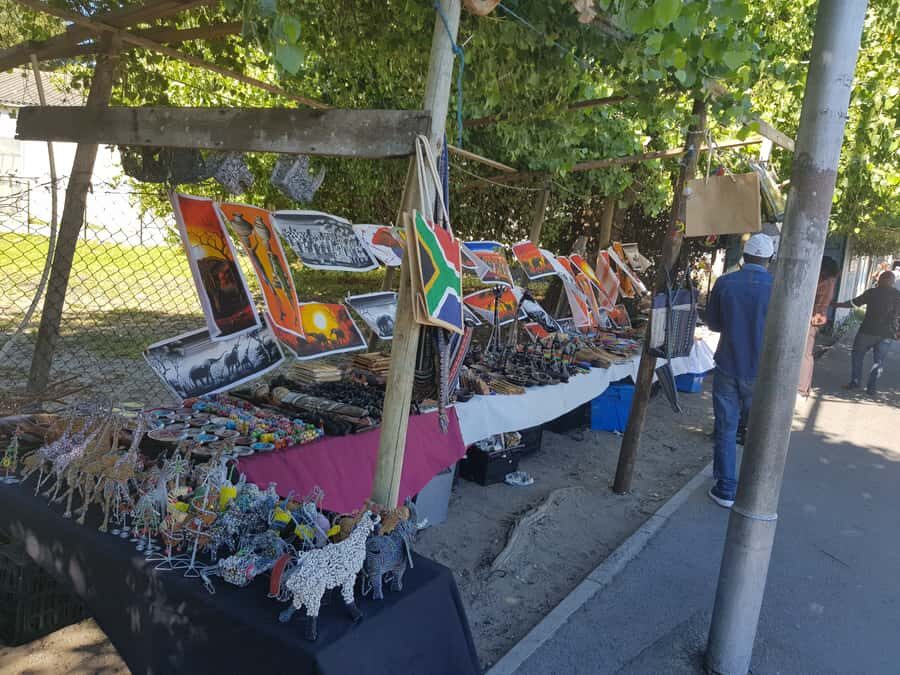
District Six is the opening punch, and it matters that it is first. You’ll learn about how, in the 1970s, about 60,000 people were forcibly removed—an event that isn’t just a headline. It’s a reminder that apartheid wasn’t only about hate; it was also about paperwork, planning, and control of where people could live and belong.
Walking or stopping in the area gives you a better feeling for how policies turn into real-world disruption. You start to see why later stops focus so much on rules—pass laws, designations, and what happened when communities were targeted. This is the kind of context that makes the rest of Cape Town’s contrasts more than just a view; it becomes an explanation.
You can also read our reviews of more tours and experiences in Cape Town.

Langa: Old Pass Office, Robert Sobukwe, and rules that shaped movement
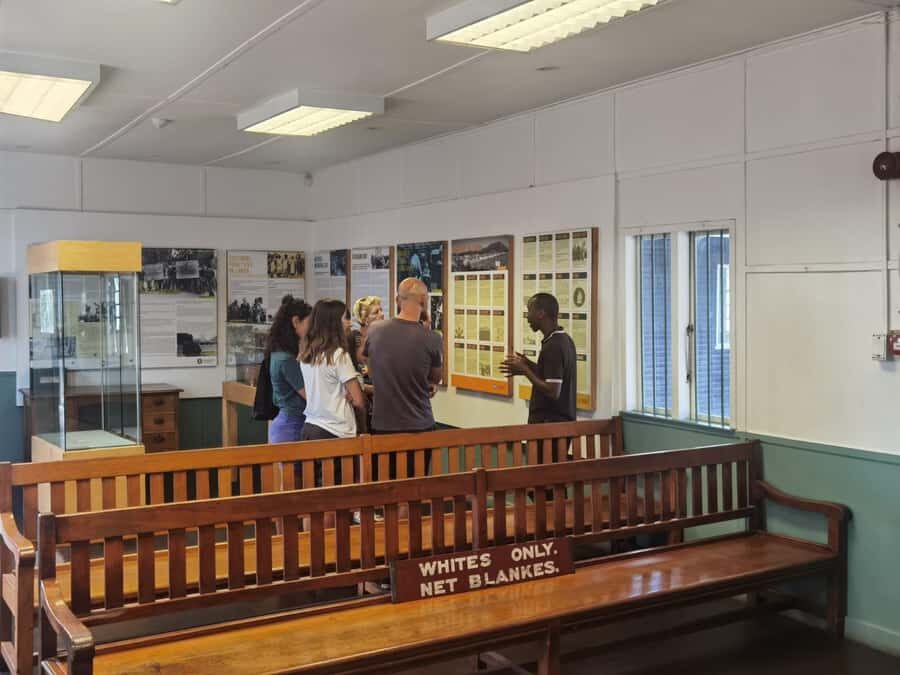
After District Six, the drive brings you to Langa, described as the oldest township. Here, the stops are built around the machinery of segregation. You’ll visit sites like the Old Pass Office and the monument to Robert Sobukwe, and the guide will connect those places to the lived experience of apartheid.
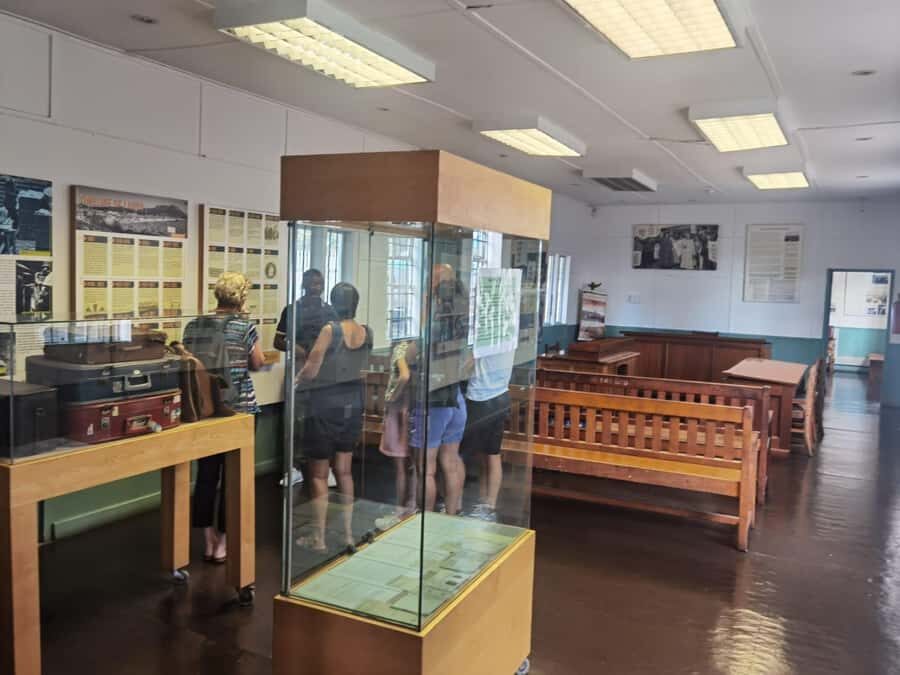
One detail I’d specifically watch for: in Langa, some tours include a small museum-style explanation of how the system worked, including the Dumb Card, which Black South Africans were required to carry. That kind of example makes the abstract concrete. When you see how daily life ran through documents and permissions, you understand why families couldn’t simply move, study, or work without consequences.
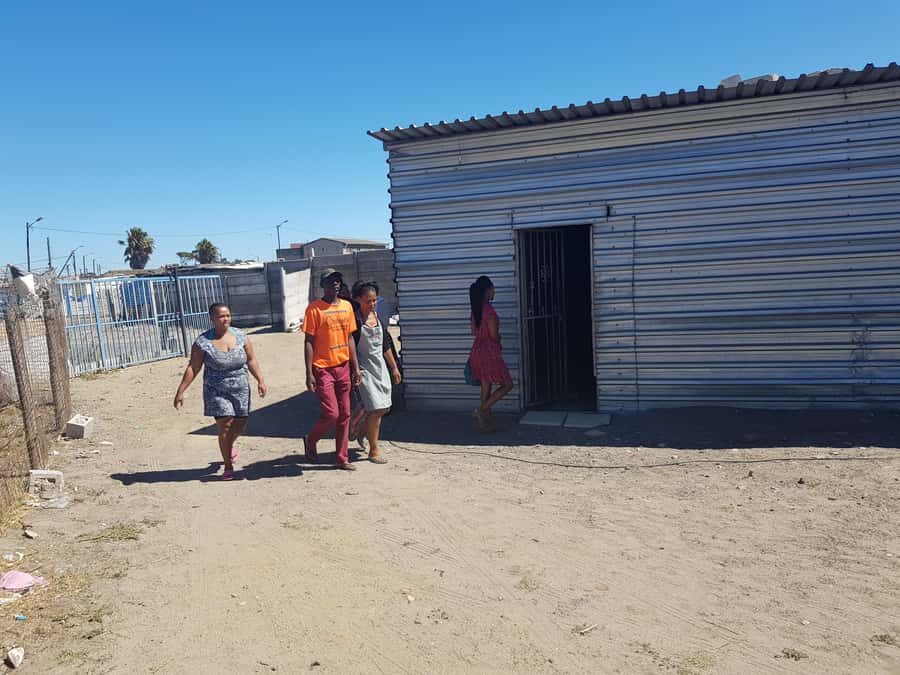
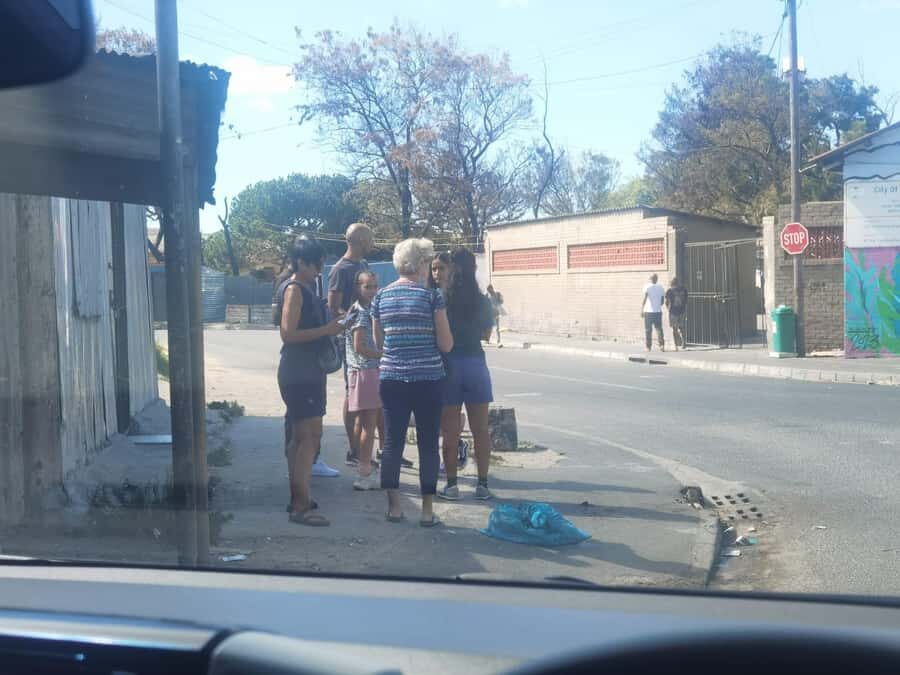
Then comes the walking portion around hostels and shacks. That is where you get past myths and into ordinary reality—how people built homes and communities under pressure. The short duration (about 3 hours total) means you won’t get every detail, but you will get a coherent arc.
Walking the township: hostels, shacks, and the importance of pacing
I like that this tour does not try to cram in too much walking. You’re on the ground long enough to see housing types and understand the basics of township life under apartheid conditions, but you’re not out there for hours.
This pacing is a big deal because it helps you stay respectful. When a tour is rushed, you miss the point and people feel like props in someone else’s story. Here, the structure supports a slower mental shift: you look, you listen, you ask questions, then you move on to the next site.
A practical note: plan on comfortable shoes. The tour is built around short walks and stops, and you’ll want your feet to do you a favor, not argue with you.
A shebeen and homemade beer: community, not just history
At some point, you’ll visit a shebeen, the informal pub-style space where locals socialize. The big draw is not alcohol—it’s the conversation and the context. You’ll try homemade beer and learn how these spaces function in everyday community life.
This is one of the most memorable parts of the experience because it changes your frame. Apartheid topics can pull you into only pain and policy. A shebeen reintroduces rhythm: people still laughed, still gathered, still made culture even under restriction. In other words, this isn’t history as a lecture; it’s history as lived behavior.
Traditional healer visit: local knowledge and dignity
Another standout is the chance to meet a traditional African healer. The experience is designed so you can see traditional healing in action and hear how that knowledge is practiced locally.
I like that this isn’t treated like a sideshow. It’s presented as part of community life—something that exists alongside modern systems rather than replacing them. Even if you don’t follow these traditions yourself, you come away with a clearer picture of how people preserve identity and care networks.
Because the tour is short, you’ll likely get an overview rather than a deep medical education—but the contact point is valuable. It adds a human layer to a route that otherwise focuses heavily on apartheid and its aftermath.

Bonteheuwel and the apartheid map: being labeled changed everything
Bonteheuwel is where the tour turns toward the social geography of apartheid. You’ll drive through the township and learn that it was reserved for the colored community during the apartheid era.
Hearing this in the places where it happened is powerful. The policy becomes personal: separation isn’t just a concept; it shapes neighborhoods, opportunities, and how communities understand themselves. The guide should explain how that division affected daily life, and it connects back to the earlier stops on forced removals and pass laws.
If you like tours that connect the dots—laws to streets to lived consequences—this is the part that will click.
Gugulethu 7 memorial and Amy Biehl: remembering resistance and aftermath
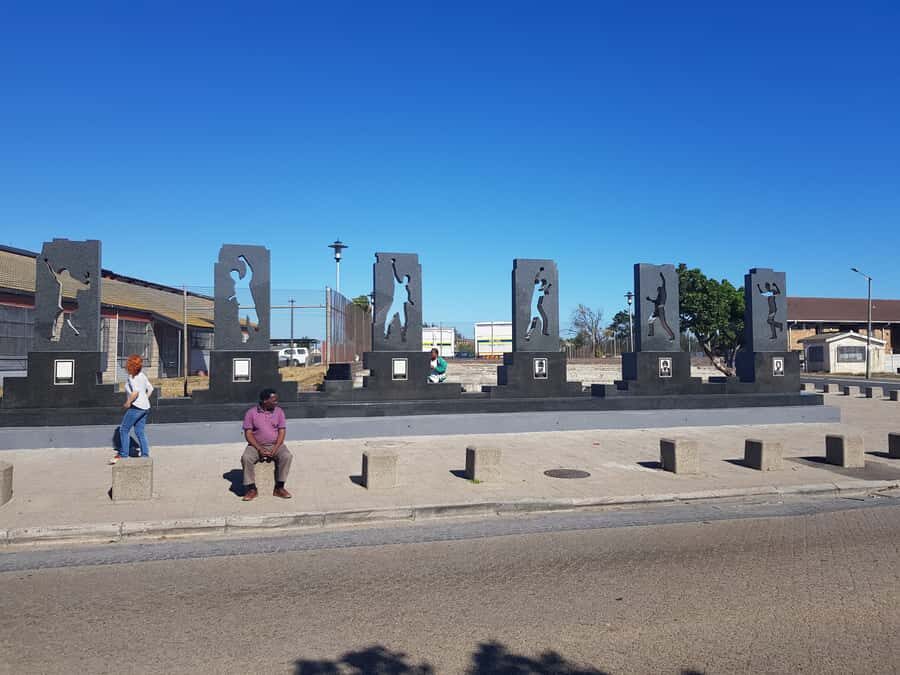
The route includes two major memorial moments: the Gugulethu 7 Memorial and the memorial to American student Amy Biehl, murdered by PAC supporters in 1993.
These stops shift the mood from explanation to remembrance. The tour frames them around anti-apartheid struggle and police action, including the killing of members of an anti-apartheid group in 1986. With Amy Biehl, it adds an international thread—how apartheid violence reached beyond South Africa’s borders and how global attention followed tragedy.
I appreciate memorial-focused stops because they avoid turning events into trivia. They push you to respect that these were real lives, real choices, and real consequences—not just chapters in a textbook.
Khayelitsha and the Philani Center: support that stays after the tour
The final stretch ends in Khayelitsha and focuses on work being done there by the Philani Center, especially for local mothers and children. This is where you see a practical outcome, not only a painful past.
It can be easy for tours like this to stop at education. This one keeps going. By the time you reach Khayelitsha, you have enough context to understand why support matters—why community initiatives carry weight when government systems historically failed people.
One more thing I’d keep in mind: the emotional intensity can build. By the end, you’ll probably feel more than just informed. That’s normal. Just take a moment to breathe before you head back to the city.
Price and what $261 per group buys you
At $261 per group (up to 3 people) for about 3 hours, this is priced like a private, story-driven tour—not a budget bus ride. The value comes from three things:
- Private-group format: you can ask questions without waiting for a crowd’s attention to shift
- Hotel pickup and drop-off plus an air-conditioned minivan: you lose less time fighting transport
- A focused itinerary: you hit major sites without turning the visit into a full-day sprint
Food and drinks are not included unless specified, so budget extra if you want a meal afterward. Tips are also optional and not included, which is typical for this type of experience.
Guides make the difference: Sam and Loyola’s on-the-ground style
The strongest reviews point to guide quality, and it shows in the details. Sam’s Cultural Tours is led by Sam, and people repeatedly highlight how helpful and organized the operation feels.
Loyola comes up in particular as a driver-guide who is prompt and personable, with strong explanations and lots of patience for questions. For Langa, a local guide helps with the walking portion, and that local perspective is the kind of thing you can’t fake. It turns the tour from a set of stops into a conversation.
The best part is that the guides don’t just talk—they answer. You get the feeling they want you to understand, not just check boxes.
Practicalities: what to bring and what to skip
Bring comfortable shoes. You’ll be walking in township environments, and good footwear keeps your focus on the story rather than your feet.
Don’t bring pets or oversize luggage, and please avoid smoking. The tour is designed to stay respectful and smooth, and small rules help keep that intact.
Who should book this cultural township experience
This is a great fit if you:
- Want a short, structured tour that still covers multiple key areas
- Appreciate guided context for apartheid policies, including specific sites tied to memory and control
- Prefer private groups where you can ask follow-up questions
- Enjoy cultural encounters beyond museum walls, like the traditional healer and shebeen visit
It might be a tougher fit if you:
- Want a relaxed, light sightseeing day (this is not that kind of tour)
- Get overwhelmed by topics involving forced removals and violence
- Expect food included as part of the ticket (it isn’t, unless stated)
Should you book? My take for decision time
If you want to understand Cape Town in a way that goes past scenery, this is one of the better 3-hour options. The route is tight, the guide support is strong, and you get a balance of apartheid policy context plus real community touchpoints like Khayelitsha and the Philani Center.
Book it if you’re ready for emotional content and you care about learning with respect. Skip it if you want only gentle sightseeing, because the subject matter can hit hard. If you do book, wear comfortable shoes, come with questions, and give yourself permission to feel the weight of what you’re hearing.
FAQ
How long is the township experience?
It runs for about 3 hours.
What’s included in the tour price?
You get hotel pickup and drop-off, air-conditioned minivan transportation, and a township tour with an English-speaking guide.
Is food and drinks included?
Food and drinks are not included unless specified.
What should I bring?
Wear comfortable shoes.
Is the tour wheelchair accessible?
Yes, the experience is listed as wheelchair accessible.
What’s the group size and format?
It’s a private group, priced for up to 3 people.