REVIEW · JOHANNESBURG
Maropeng Cradle of Humankind Museum &Sterkfontein Cave Experience
Book on Viator →Operated by Solly · Bookable on Viator
Ancestors, fossils, and a museum you can navigate. This guided Cradle of Humankind experience centers on the Maropeng Visitor Centre and the dramatic Tumulus entrance, plus hands-on exhibits that explain how humans changed over millions of years. You also get a structured visit that’s much easier than trying to piece the story together alone.
I really like the guided layer, especially when the guide connects the dots between fossil discoveries and what they mean for early human life. Guides such as Trevor and Nathi (and the careful driving from Tshepo) show how to turn a museum visit into a coherent lesson, not just a walk-through.
One thing to plan around: the Sterkfontein caves are closed due to heavy flooding, so this tour focuses on the museum rather than the cave walk right now. If you booked specifically for the cave part, check expectations before you go.
In This Review
- Key things to know before you book
- Maropeng and the human story inside the Tumulus
- Sterkfontein caves are closed now: what you should expect instead
- Why a guided format matters at Maropeng
- Stop-by-stop: what your day feels like from pick-up to exhibits
- Transportation, timing, and comfort on the Johannesburg loop
- Price and value: does $103.52 make sense?
- Practical tips to make the museum day work smoothly
- Should you book this Maropeng + Sterkfontein cave experience?
- FAQ
- How much does the Maropeng Cradle of Humankind and Sterkfontein Cave experience cost?
- What time does the tour start, and how long does it take?
- Does the tour include pickup from Johannesburg?
- Are the Sterkfontein caves included on this tour right now?
- What’s included in the tour price?
- Is lunch included?
- What group size and dress code should I plan for?
Key things to know before you book
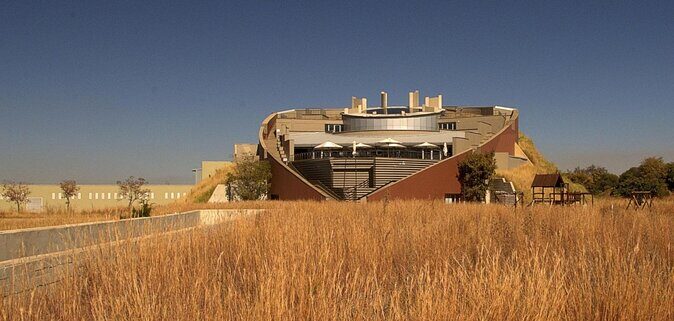
- The Tumulus entrance kicks off a human-evolution storyline from the moment you arrive
- 2500m² of interactive exhibits, including an underground boat ride experience
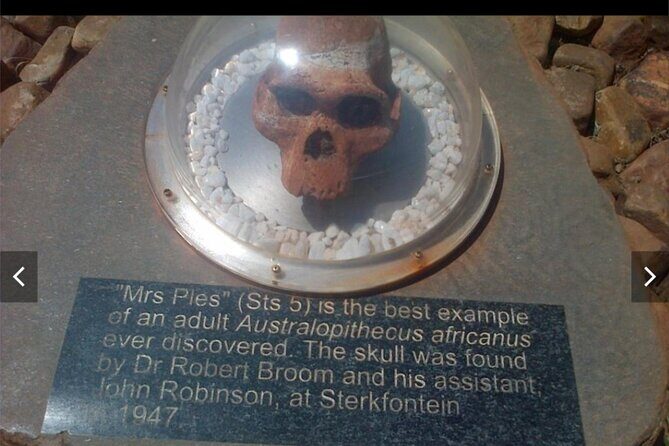
- Sterkfontein is the big hook in the full concept, built around fossils such as Little Foot and Mrs. Ples, though caves are closed now
- Small-group touring (max 15) keeps questions from getting lost
- A/C vehicle + pickup option makes the long drive feel manageable
- Museum time is the core today (and cave time depends on conditions)
Maropeng and the human story inside the Tumulus
Maropeng is the reason this area works so well for first-timers. Even if you know the broad idea of human evolution, you’ll likely appreciate how the exhibits break it into clear steps across deep time. The Tumulus (the large burial-mound feature) isn’t just a photo stop—it’s literally your gateway into the museum’s version of the story.
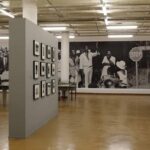
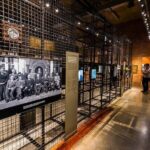
Inside, you’re looking at a world-class exhibition about how humans and our ancestors developed over the past few million years. The experience is designed to be interactive, so you spend less time staring at labels and more time learning by doing. It also helps that the visitor centre covers a lot of ground—there’s a stated tour of 2500m² of exhibits—so you won’t feel like you rushed through in ten minutes.
One of the most distinctive parts is the underground boat ride through the Maropeng exhibits. I like rides like this because they slow you down and give your brain a moment to “reset” while you’re still moving forward in the lesson. That said, if the narration or pacing doesn’t click right away, ask your guide to connect it back to what you just saw. You’ll get more out of it with a human explanation than by watching it passively.
There’s also a practical benefit to this museum focus: it’s reliable in a way that outdoor cave touring can’t be. When you’re learning about fragile fossil timelines, you don’t want the day to hinge on weather, closures, or trail conditions. Maropeng’s indoor format does the heavy lifting for you.
You can also read our reviews of more museum experiences in Johannesburg

Sterkfontein caves are closed now: what you should expect instead
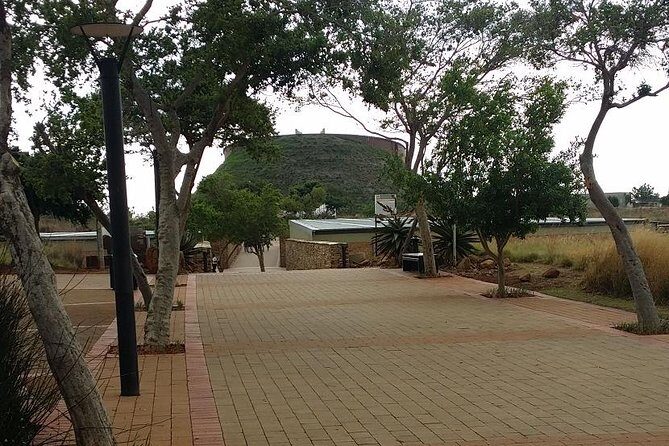
The tour’s name points you toward Sterkfontein Cave, but the current reality matters more. Heavy flooding has the caves closed, and this experience visits the museum rather than doing the cave walk right now. That shift changes the “shape” of the day, even if the overall outing still feels like a full excursion.
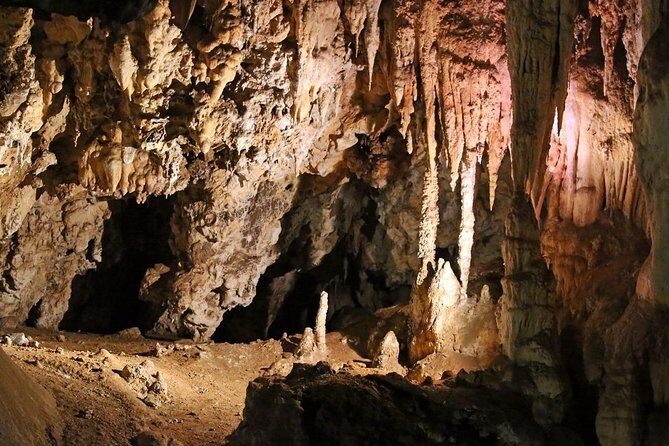
Here’s what the cave portion is built around: you’d normally walk through Sterkfontein Cave areas tied to major fossil finds, including famous hominids like Little Foot and Mrs. Ples. The concept of a cave walk is powerful because it puts you physically closer to the settings where fossils were found and discussed.
Even with caves closed, you can still get value from the learning focus. The museum is where you’ll most likely understand why the Cradle of Humankind region is so significant for archaeology and human origins. If you’re expecting the cave itself—steps, crouching, and the “real deal” sense of underground spaces—plan for a museum-only version today.
When conditions allow cave visits again, it’s worth knowing that the cave walking isn’t casual. You may face lots of steps up and down and sections where you’ll need to crouch down. If stairs or tight spaces are an issue for you, Maropeng-only days can actually be a relief, and you can enjoy the fossil story without the physical hurdles.
Bottom line: this is a great plan for human-evolution learning, but it’s not the same experience as walking Sterkfontein Cave entrances and paths. If you want the cave itself as the main event, you should treat this as a “Maropeng learning day” until the caves reopen.
Why a guided format matters at Maropeng
Maropeng is packed with exhibits, and that can be either a plus or a problem. With a guide, the museum clicks into place faster because someone explains the fossil discoveries and why they matter. Without guidance, it’s easy to admire the displays but miss the connections between them.
I like the way guides help you interpret the site’s fossil record. The Cradle of Humankind area is important because it holds major evidence about early human ancestors, and that evidence is easier to understand when a guide gives context. A good guide also helps you notice what to pay attention to, instead of trying to read everything at once.
I also think group size makes a difference here. With a maximum of 15 travelers, you’re more likely to ask questions and get clear answers than you would in a larger crowd. That matters in a place where the details are genuinely interesting—species names, time periods, and why one discovery changed the conversation.
Some people come expecting a quick museum hit and find the day better than planned. Others arrive with the cave in mind and feel disappointed when it’s unavailable. Either way, a guided approach is the difference between leaving with facts and leaving with a mental map.
Stop-by-stop: what your day feels like from pick-up to exhibits
Your day typically starts at 9:30 am, and the total outing runs about 7 to 8 hours. That length surprises some people until you realize it includes the travel time between Johannesburg and the Cradle of Humankind area. The museum itself is a major chunk—one part of the experience is listed at around 4 hours—so you’re not just “passing through.”
You’ll have the option of pickup, and you’ll ride in an air-conditioned vehicle. That comfort helps, especially because this is a longer day than a simple half-hour museum sprint. You’re also given a bottle of water, which is an easy win on a busy outing.
At the museum, you start with the big entrance feature and then move through interactive areas. The exhibits are structured to explain evolution over a long timeline, not just “here’s a skeleton” in isolation. The underground boat ride adds a break from standing still, and it helps keep the experience from feeling like a long gallery.
What you won’t get today (because of cave closures) is the in-cave walking experience tied to Sterkfontein. If the caves were open, the day would likely feel more physically active, and you’d spend more time “in the environment” where fossils were found. Right now, the museum is your main learning zone, so build your day around it and you’ll feel satisfied.
Transportation, timing, and comfort on the Johannesburg loop
This tour is designed for people who don’t want to figure out logistics on their own. You get pickup offered, A/C transport, and a guide-led structure for the time you’re on-site. That reduces decision fatigue, which is especially valuable if you’re juggling other Johannesburg plans.
Because the duration is 7 to 8 hours, you should treat it like a full outing even if the museum section is about half that. Plan snacks if you’re the type who gets hungry mid-day, because lunch isn’t included. Drinks are available to purchase, but the tour doesn’t include food as part of the package.
The tour format also mentions mobile tickets, which is convenient. If you’re traveling light, having the ticket accessible on your phone saves time at the start of the day. Just make sure your phone is charged, especially if you rely on maps and camera use.
One more timing note: the museum visit and the travel time both matter for your energy levels. If you’re sensitive to long car rides, plan to take a comfortable posture break when you can. The included A/C helps, but you’ll still be in transit for a while.
If plans change, you do get a safety net: cancellation is free up to 24 hours in advance for a full refund. That buffer is useful when weather conditions can affect day plans in South Africa.



Price and value: does $103.52 make sense?

At $103.52 per person, you’re paying for more than “museum entry.” Your cost includes admission tied to the Maropeng Visitor Centre, plus guided explanation, plus transport in an air-conditioned vehicle. There are also all fees and taxes included and a bottle of water.
When you compare this to the real cost of doing the same trip on your own, the guide can be the value driver. Maropeng covers a lot of material, and fossil stories are easier to understand when someone guides you through them. You’re also paying for convenience: pickup option and a planned schedule that gets you out there without navigating details.
Is it a bargain? Not always, because the caves are closed right now. If your main motivation is Sterkfontein cave access, the museum-only format can feel like a reduced experience. In that case, the value depends on your interest in the museum exhibits and the fossil explanations.
If you’re more interested in the big-picture story of human origins and want expert commentary plus comfortable transport, it can feel like strong value. The key is matching your expectations to what’s actually available today: a guided Maropeng museum visit with the broader Sterkfontein story as the context.
Practical tips to make the museum day work smoothly
Casual dress is recommended, but I’d still aim for comfort. You’ll be doing walking inside the museum, and you might also do some outdoor movement depending on how the day is paced. Wear shoes you can stand in for a while.
Bring your own water only if that helps your routine, but remember a bottle is included. For food, plan ahead: food and drinks (including lunch) aren’t included, so you may want to grab something before the tour starts or eat on your schedule near the end.
If you’re sensitive to crowds, go early. The start time is 9:30 am, and arriving right on time helps you settle in before the museum gets busy. Also, since the caves are closed, you’ll likely spend more of the day focused on exhibits rather than cave stops, so give yourself time to read and compare displays.
One trick that consistently improves museum tours: pick one theme and stick with it. For example, focus on what the exhibits say about fossil evidence and what changed in how scientists interpret human evolution. With a guide, you can ask direct questions and steer your attention faster.
Finally, if the underground boat ride confuses you, don’t just shrug. Ask your guide to connect the experience back to what you’re learning in the surrounding exhibits. That way, it becomes part of the story instead of a detour.
Should you book this Maropeng + Sterkfontein cave experience?
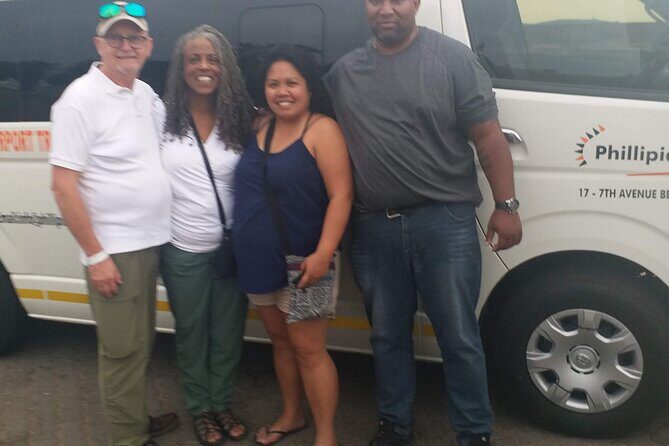
You should book if you want a guided, structured way to learn about early human evolution at Maropeng, especially if you value the convenience of pickup and air-conditioned transport. It’s also a good choice if you enjoy interactive museums and want a guided explanation of why the Cradle of Humankind matters.
You might skip or delay if Sterkfontein Cave access is the main reason you chose this tour. With caves currently closed due to flooding, you’re getting a museum-centered day. In that case, decide if museum learning alone feels satisfying for your schedule and interests.
If you’re flexible and mainly want the best possible learning from the Cradle of Humankind area, this tour can be a solid plan—just go in expecting Maropeng to be the star today, not the cave.
FAQ
How much does the Maropeng Cradle of Humankind and Sterkfontein Cave experience cost?
It costs $103.52 per person.
What time does the tour start, and how long does it take?
The start time is 9:30 am, and the duration is approximately 7 to 8 hours.
Does the tour include pickup from Johannesburg?
Pickup is offered, and the tour includes an air-conditioned vehicle.
Are the Sterkfontein caves included on this tour right now?
The caves are currently closed due to heavy flooding, and this tour visits the museum.
What’s included in the tour price?
Included are all fees and taxes, an air-conditioned vehicle, and a bottle of water.
Is lunch included?
No. Lunch is not included, and food and drinks other than the specified value-added offers are not included.
What group size and dress code should I plan for?
The tour has a maximum of 15 travelers and a casual dress code.