REVIEW · JOHANNESBURG
Johannesburg and Soweto: Half-Day Tour
Book on GetYourGuide →Operated by African Eagle Johannesburg Day Tours · Bookable on GetYourGuide
Johannesburg looks futuristic, but the meaning is real. This half-day route gives you the skyline side of the city, then swaps gears for Soweto’s key moments in the fight for freedom. You’ll move from apartheid-era architecture vibes to the streets of Soweto where history is still in the air.
What I like most is the way the tour pins the story to specific places: Mandela’s House on Vilakazi Street and the Hector Pieterson Memorial tied to the 1976 youth uprising. Second, I appreciate how the guides pair serious context with practical care—people name guides like Samuel and James for being responsive, patient with questions, and focused on making the ride feel safe and comfortable.
One thing to consider is pacing. With only 5 hours, you can end up wanting a bit more time at the memorial or museum if you like to read slowly and linger—one review even wished for extra time at Hector Pieterson.
In This Review
- Quick hits before you go
- Johannesburg’s skyline first, Soweto second
- The Soweto drive: power landmarks, then the 1976 memorial
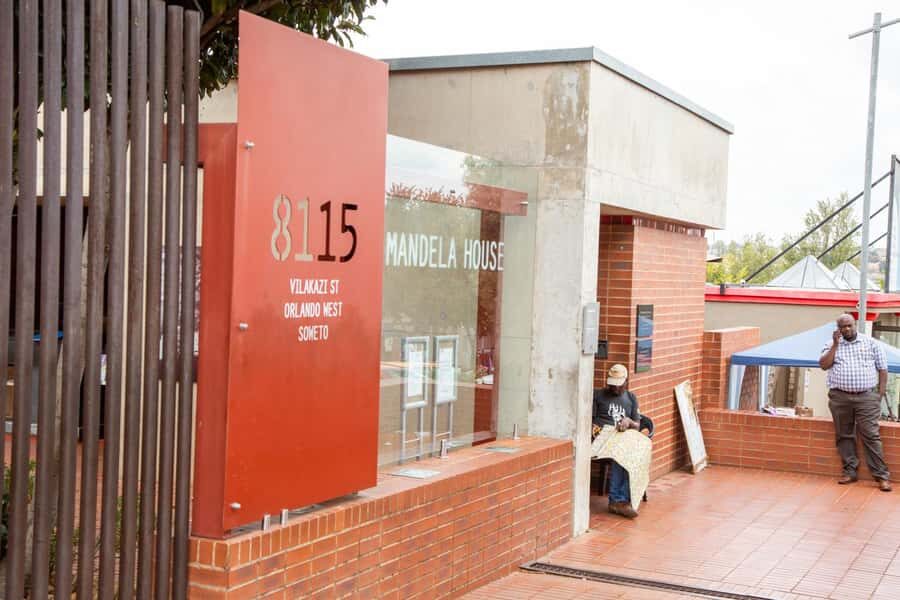
- Mandela House on Vilakazi Street: the story gets personal
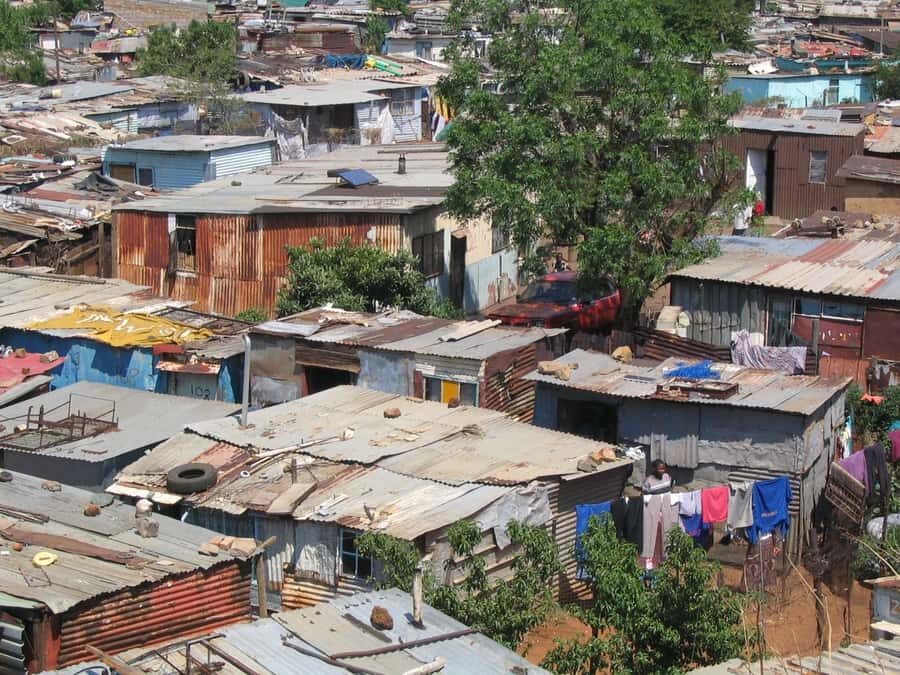
- Views that broaden the picture: cooling towers, hospitals, and informal settlement life
- The return route and FNB Stadium’s World Cup echo
- Guides make the difference in a short 5-hour day
- What you need to know for comfort (and what not to bring)
- Price and value: $71 for a fast, meaningful hit
- Who this tour is best for
- Should you book this Johannesburg and Soweto half-day tour?
- FAQ
- How long is the Johannesburg and Soweto half-day tour?
- Do I get hotel pickup and drop-off?
- What are the main stops during the tour?
- Is lunch included in the price?
- Which attractions are included besides Mandela House and Hector Pieterson?
- What should I bring for the day?
- Are there luggage restrictions?
- What languages are the guides available in?
- Is there free cancellation?
- Is it possible to reserve now and pay later?
Quick hits before you go

- Mandela House on Vilakazi Street: a focused stop that makes Nelson Mandela’s story feel close and personal.
- Hector Pieterson Memorial: a hard-hitting 1976 stop that anchors the Soweto narrative in one moment.
- Soweto landmarks in passing: cooling towers, former power sites now used for bungee jumping, and views that set the scene.
- Neighborhood-life perspective: you’ll see an informal settlement and other real-world parts of township life from the road.
- A guide who answers everything: guides such as Samuel and James are praised for handling lots of questions clearly.
- FNB Stadium on the return: you pass Soccer City, known as The Calabash, tied to the 2010 World Cup finals.
Johannesburg’s skyline first, Soweto second
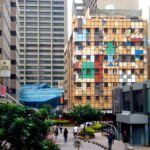
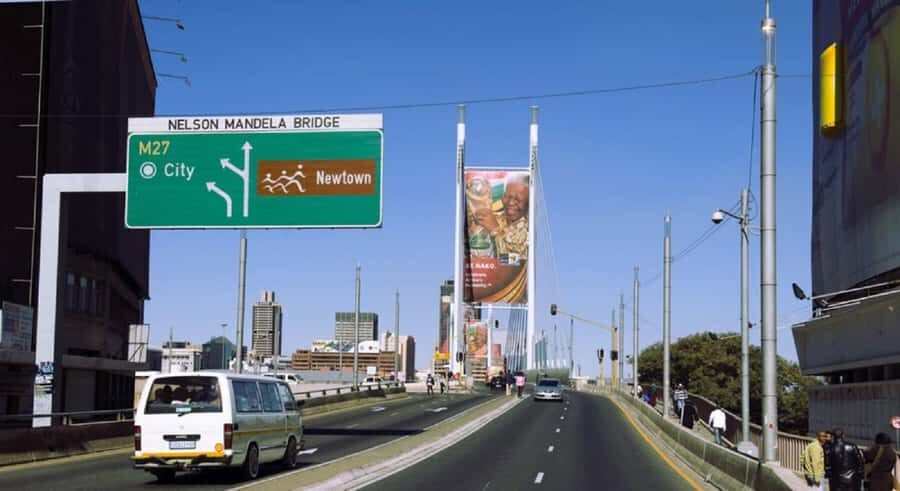
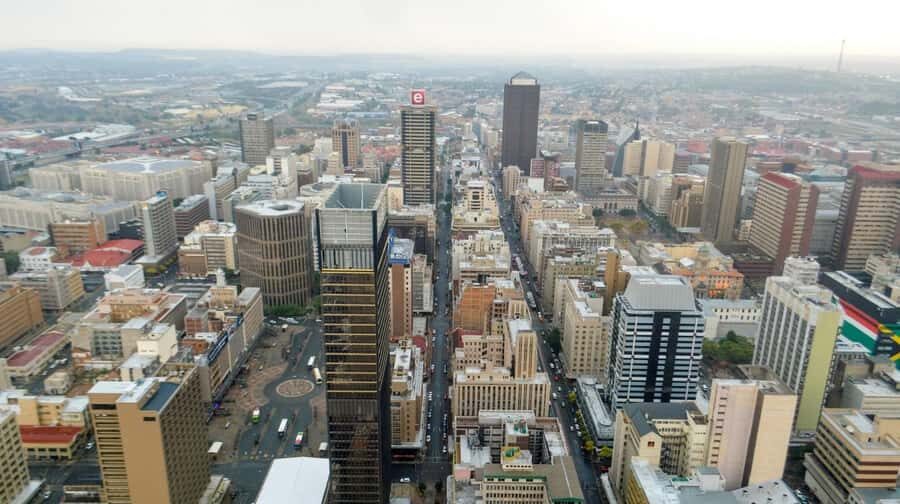
This tour is built like a quick contrast lesson. You start in Johannesburg’s city center, where the geometrical planning and tall buildings can remind you of Manhattan-style angles—then you head southwest and the scenery shifts as you approach Soweto.
On the drive, you’ll also pass through southern suburbs and see the difference in living styles, traffic patterns, and what the built environment looks like. It’s not just sightseeing. It’s a fast way to understand how Johannesburg can feel both modern and deeply shaped by its past.
You’re also looking at tall buildings that were largely created during the apartheid era. Even if you don’t obsess over architecture, the visual cue matters: it helps you connect the present city layout to the political systems that influenced where money, power, and infrastructure ended up.
If you’re in Johannesburg for a short time, I like that the tour doesn’t start with a history lecture. It starts with the geography you can actually see, so when you reach Soweto the meaning lands faster.
A few more Johannesburg tours and experiences worth a look


The Soweto drive: power landmarks, then the 1976 memorial
As you enter Soweto, the feel of the streets changes quickly. The township scenery disappears in the way you’d expect when a city’s districts switch from one reality to another—and that contrast is exactly what makes the drive useful.
Two iconic landmarks along the route are former power sites in Soweto. They’re now used for bungee jumping, which gives you a strange-but-real lesson: places tied to one era of life can later be repurposed. It’s one of those details that helps you hold both stories at once—past and present.
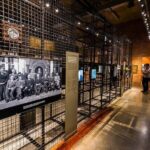
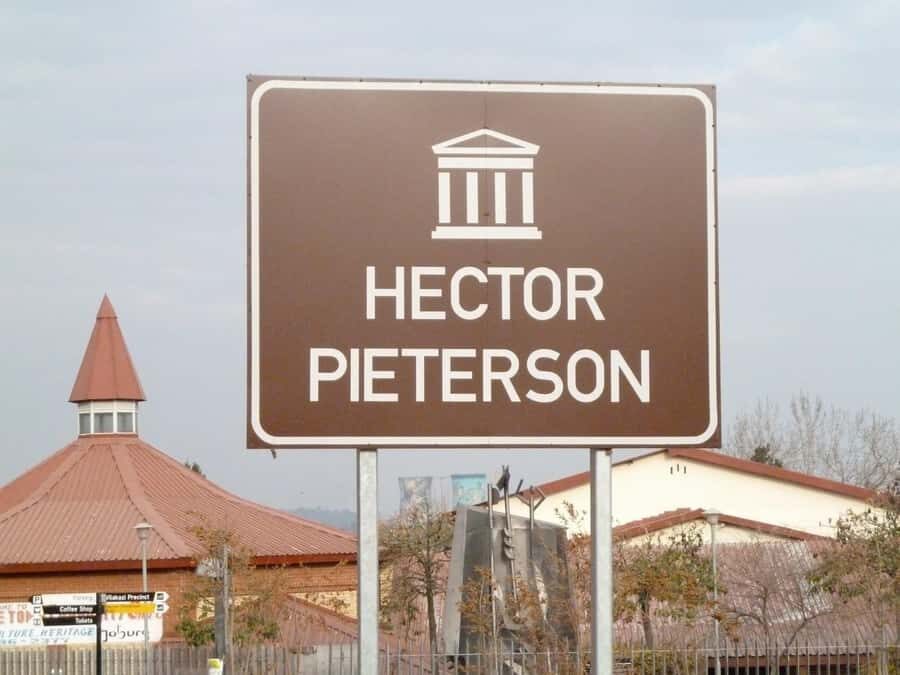
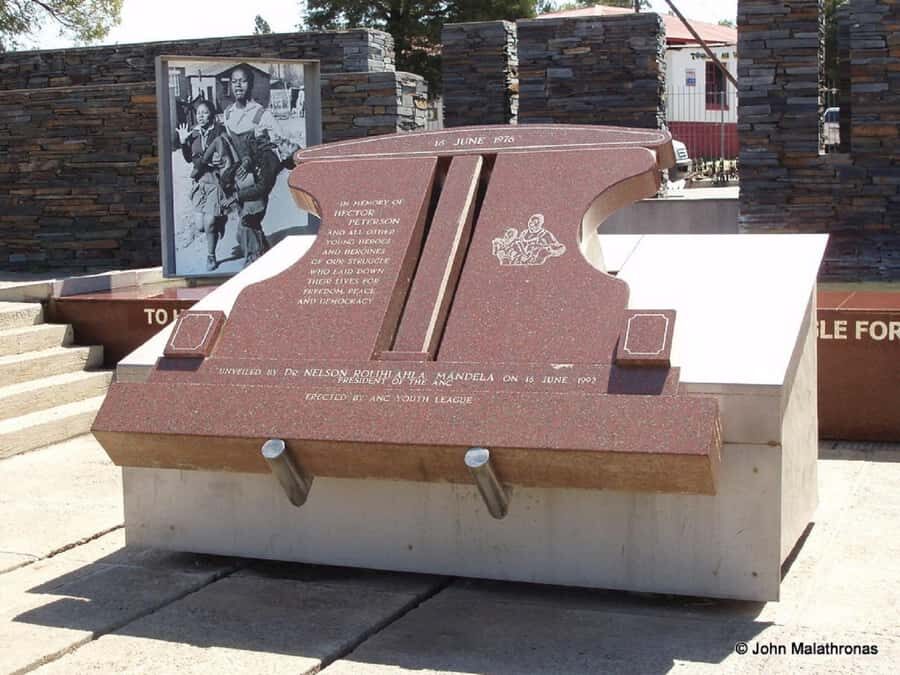
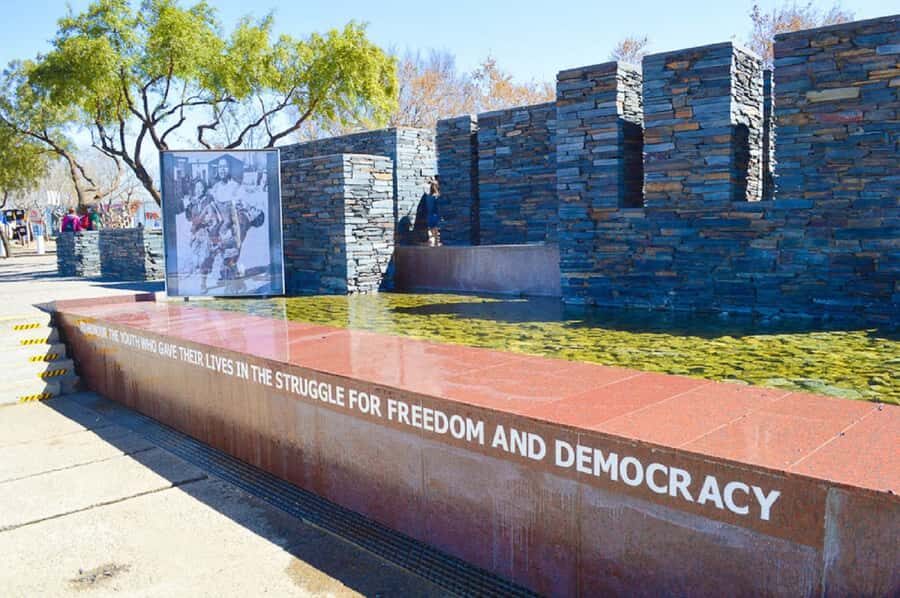
Next comes the Hector Pieterson Memorial, which is the emotional core of the tour. This stop isn’t light. You’ll learn about the youth uprising in 1976, and that context matters because it explains why Soweto’s identity is so tightly linked to resistance and political change.
Practical reality: because the tour is only 5 hours total, you may not have endless time inside the memorial area. If you’re the type who likes to absorb every exhibit slowly, plan for the pace and don’t expect a full, do-everything museum visit. That’s also why having a good guide is a big deal here—guides can point you toward what to focus on so you leave with clarity, not confusion.
Mandela House on Vilakazi Street: the story gets personal
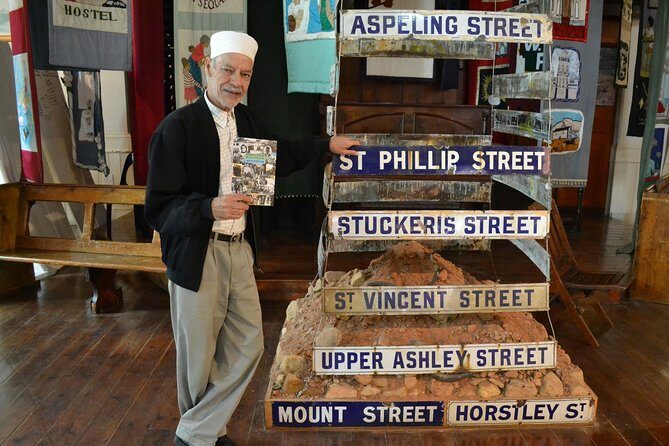
After the memorial, the tour continues through Soweto with more sightseeing from the vehicle, then lands on Mandela House Museum on Vilakazi Street.
Vilakazi Street is the kind of place where you can feel the importance just by being there. The tour’s structure makes sense: you hit the tragedy and uprising first, and then you move to a place associated with transformation. It’s a natural emotional progression.
At Mandela’s House Museum, you’ll learn about Nelson Rolihlahla Mandela, the father of the nation and a global icon. The museum stop is where all those earlier roadside glimpses start to feel connected, because you’re dealing with one person’s story rather than a broader overview.
A small practical tip: the entrances connected to this stop are covered, but it can be worth carrying a little cash if you want to show appreciation to people connected to the site experience. One review specifically suggested having cash on hand for small tips at Mandela House, including for student guides and performers.
This isn’t a stop for checking a box. It’s one of the places you’ll likely remember later when you’re talking about South Africa’s political change and its human cost.
Views that broaden the picture: cooling towers, hospitals, and informal settlement life
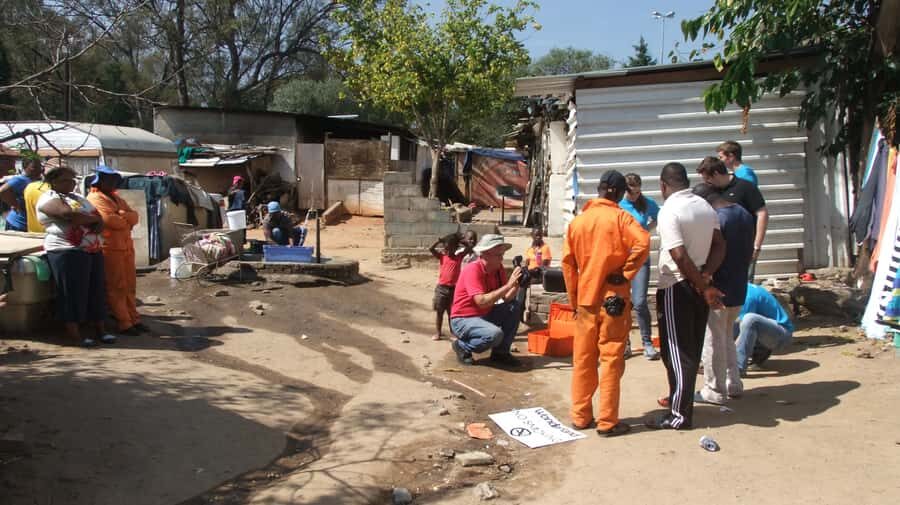
Not every stop is a ticketed attraction, and that’s okay. Part of the value here is what you see from the road—because township life isn’t only museums. It’s also infrastructure, services, daily movement, and community spaces.
You’ll get views of the Soweto cooling towers. These are the kind of landmark you recognize quickly once you see them, and they help anchor the visual identity of Soweto in your mind.
You’ll also pass viewpoints connected to:
- Baragwanath Hospital
- the houses associated with Desmond Tutu and Winnie Mandela
- informal settlement areas (seen from the roadside)
These aren’t quick photo ops for fun. They help you understand the tour isn’t only about political symbols. It’s also about where people live and how communities function—what exists, what’s limited, and what keeps people going.
Important note on how to interpret these views: you’re seeing snapshots from a vehicle. That’s still useful, but it’s not the same as a slow neighborhood walk with deeper local context. If you want intimate street-level detail, you might want an additional guided walk later. For a half-day, though, this setup gives you an honest overview without dragging your schedule into the next day.
The return route and FNB Stadium’s World Cup echo
On your way back, you pass FNB Stadium, also known as Soccer City and The Calabash. It’s tied to a modern global moment too: it hosted the opening and closing matches of the 2010 World Cup finals.
This stop works as a contrast button. You started with Johannesburg’s city geometry, you spent time in Soweto’s struggle and memory, and then you glance at a stadium symbolizing international spotlight. It’s not that the story changes. It’s that Johannesburg holds multiple realities at once.
If you’re a soccer fan, you’ll probably spot the excitement in that detail immediately. If you’re not, it still helps you understand why Johannesburg can feel like it’s operating on different cultural tracks simultaneously.





Guides make the difference in a short 5-hour day
A half-day tour rises or falls on the guide. In the reviews connected to this experience, names like Samuel, James, Pascal, Vincent, and Marc show up as standouts.
What people seem to value most is not just facts—it’s the way questions are handled and the way the tour feels safe and organized. One review even described a guide who took on a protective, careful vibe in the car, focusing on comfort and safety throughout. That matters in cities where your itinerary can affect how you feel from minute to minute.
You’ll also have a live guide in English, French, or Portuguese, so you’re not stuck with vague explanations. And because the tour is only 5 hours, strong guidance is the difference between:
- seeing locations, and
- actually understanding what those locations mean.
What you need to know for comfort (and what not to bring)
This is a hotel pickup and drop-off style tour. You’ll board in a comfortable vehicle, and the included plan also provides bottled water and a map.
There’s one clear rule: please do not carry any luggage. That’s a big one. It affects where you can sit, how the vehicle is managed, and how smoothly you move at stops.
For your own comfort, think light and practical:
- wear comfortable shoes (memorial and museum spaces can involve standing)
- keep your day bag small since you’re traveling in a vehicle for most of the time
- bring a layer for weather swings, since Johannesburg afternoons can shift fast
Also, plan around that 5-hour rhythm. It’s enough time to cover the big hitters, but it’s not enough time to do a slow, deep research session at every stop.
Price and value: $71 for a fast, meaningful hit
At $71 per person for a 5-hour tour, the real value isn’t the sticker price—it’s what’s included that would otherwise cost you extra time.
You’re getting:
- hotel pickup and drop-off in a comfortable vehicle
- a driver/guide
- entrance to Mandela House
- visits to Hector Pieterson Memorial and Vilakazi Street
- views of multiple major Soweto landmarks (including cooling towers) and sites tied to key figures
- bottled water and a map
If you tried to stitch this together on your own, the hardest part wouldn’t just be transport. It would be timing, route efficiency, and having someone explain what you’re seeing while you’re moving. In this format, you get those logistics solved, plus interpretation at the places that matter most.
Could it be cheaper? Sure, if you’re comparing to a basic city bus tour. But this isn’t just a city bus day. It’s a focused mix of architecture, memorial context, and landmark views in a time-tight window.
So I think this price makes sense if you’re:
- short on time in Johannesburg
- new to South Africa’s modern story
- looking for a guided experience that tries to be responsible and organized
Who this tour is best for
This one fits best if you want a structured introduction without committing a whole day.
It’s a great match for:
- first-time visitors who need a clear overview
- people who want Mandela-focused history without hunting for tickets and transport
- anyone who prefers guidance because they’re short on time but not short on questions
It might feel less ideal if:
- you want long museum reading time at Hector Pieterson or Mandela House
- you dislike road-view sightseeing and prefer only slow walking neighborhood experiences
- you want a very relaxed pace with lots of breaks
Should you book this Johannesburg and Soweto half-day tour?
Yes, if you want the most important Johannesburg-to-Soweto story beats in one efficient 5-hour plan. The combination of Mandela House, Hector Pieterson Memorial, and multiple Soweto landmark viewpoints is a strong way to get your bearings fast and leave with understanding, not just photos.
I’d book it even more confidently if safety and local guidance matter to you, because guide performance is a repeated theme in the experience feedback. Just go in knowing the pace is brisk, so you’re choosing depth where it counts and accepting that this is not a full-day slow museum marathon.
If that trade-off sounds right, this is a smart use of your time in Gauteng.
FAQ
How long is the Johannesburg and Soweto half-day tour?
It runs for about 5 hours.
Do I get hotel pickup and drop-off?
Yes. Pickup is included from Johannesburg hotels and surrounding areas, and you’re dropped back at your hotel at the end.
What are the main stops during the tour?
You visit Mandela House Museum on Vilakazi Street and the Hector Pieterson Memorial. You also get views of several Soweto landmarks and notable residences.
Is lunch included in the price?
No, lunch is not included.
Which attractions are included besides Mandela House and Hector Pieterson?
You’ll have Vilakazi Street included and you’ll get views of Desmond Tutu House and Winnie Mandela house, an informal settlement, Soweto cooling towers, Baragwanath Hospital, and FNB Stadium on the return drive. A map is also included.
What should I bring for the day?
The tour includes bottled water and a map. You should keep your day simple since you are advised not to carry any luggage.
Are there luggage restrictions?
Yes. The guidance is please do not carry any luggage.
What languages are the guides available in?
The live guide is available in English, French, and Portuguese.
Is there free cancellation?
Yes. You can cancel up to 24 hours in advance for a full refund.
Is it possible to reserve now and pay later?
Yes. The option is reserve now & pay later, so you can book without paying today.