
REVIEW · SOWETO
Johannesburg: Soweto Half-Day Tour
Book on GetYourGuide →Operated by MoAfrika Tours (Pty)Ltd · Bookable on GetYourGuide
Soweto is South Africa’s story in miniature. This half-day tour strings together the big names and big moments—think Vilakazi Street, the 1976 uprising, and real township life—without turning it into a history lecture. After pickup in Johannesburg, you roll out with a live guide and get the kind of context that helps the sights make sense fast.
I especially love how the route mixes symbolism and daily reality, from views of Desmond Tutu and Winnie Madikizela-Mandela homes to a walk through vendor streets in Diepkloof. I also like the emotional anchors: an included visit to the Hector Pieterson Museum and Regina Mundi Church. The main drawback is simple: five hours moves quickly, so if you want extra time inside sites like the Mandela House Museum, you may feel a bit rushed.
In This Review
- Key points worth your attention
- A Half-Day Soweto Plan That Makes Every Minute Count
- Pickup, Briefing, and the Route That Sets Your Brain On
- Diepkloof Street Walk: Where You Learn the Scale
- Vilakazi Street: The One-Road Connection to Mandela, Tutu, and 1976
- Hector Pieterson Museum and Regina Mundi Church: The Included Emotional Heart
- Informal Settlement Visit: Powerful, Personal, and Not a Spectator Sport
- A respectful tip that actually helps
- Soweto Cooling Towers and University Views: The City as It Is
- Baragwanath Taxi Rank and Chris Hani Baragwanath Hospital: Real Life at Real Scale
- Price and Logistics: Is $74 Actually Good Value?
- Who Should Book This Soweto Half-Day Tour?
- Should You Book This Soweto Half-Day Tour?
- FAQ
- How long is the Johannesburg: Soweto Half-Day Tour?
- Where does pickup happen?
- Is the tour guided?
- What entrances are included?
- Are meals included?
- Is Nelson Mandela House Museum included?
- Will I have time to walk?
- Does the tour include an informal settlement visit?
- Is WiFi available on the vehicle?
- Is the tour wheelchair accessible?
Key points worth your attention
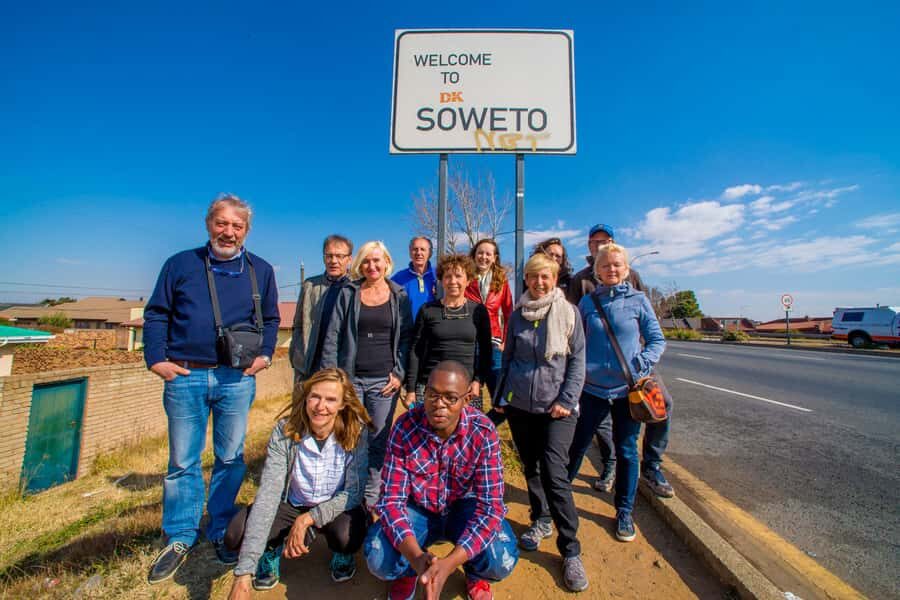
- Vilakazi Street, from the road: You get the Mandela and Tutu connection without spending your whole day sitting still.
- Two included memorial stops: Hector Pieterson Museum and Regina Mundi Church set an emotional tone early.
- Diepkloof walk with vendors: A short stroll helps you understand township bustle in human scale.
- An informal settlement visit: You’ll interact with locals, and it’s powerful—handle it with respect and patience.
- Local transport and scale markers: The Baragwanath Taxi Rank and the Chris Hani Baragwanath Hospital add real-world perspective.
A Half-Day Soweto Plan That Makes Every Minute Count
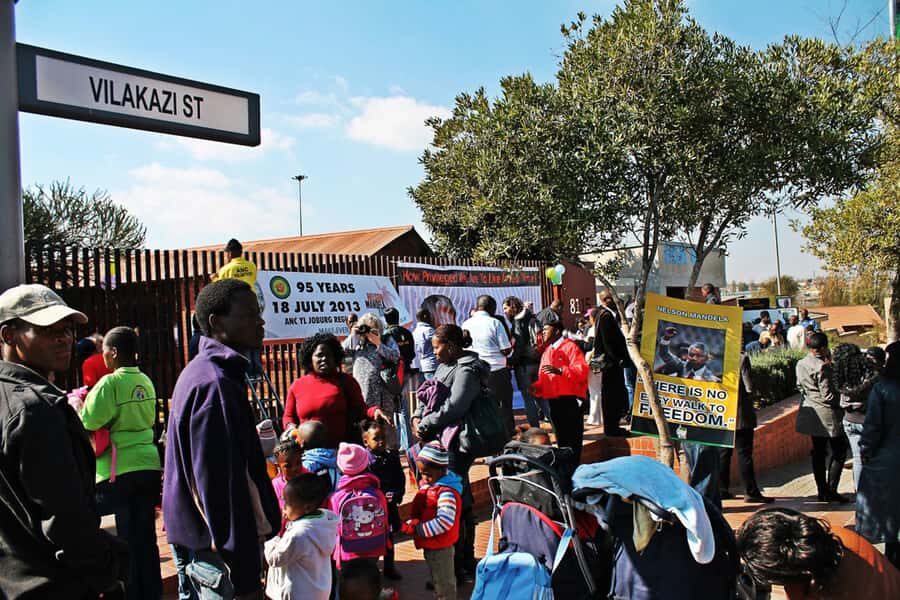
This is the kind of tour that works best when you’re limited on time but still want a genuine sense of place. Five hours sounds short, but the schedule is built around momentum: transit, one short walk, a main sightseeing stretch, and an endcap of major landmarks before you head back to Johannesburg.
If you like your travel with structure—pickup, a guide who keeps you on track, and clear stops—you’ll appreciate how the day is paced. And if you’re the type who gets restless in long museum marathons, this works in your favor.
What you’re paying for at this price point (about $74 per person) is not just driving. It’s the guidance and the access: museum entrances are included, major sites are handled in a timed way, and you get constant narration while you move through Soweto.
You can also read our reviews of more tours and experiences in Soweto.



Pickup, Briefing, and the Route That Sets Your Brain On
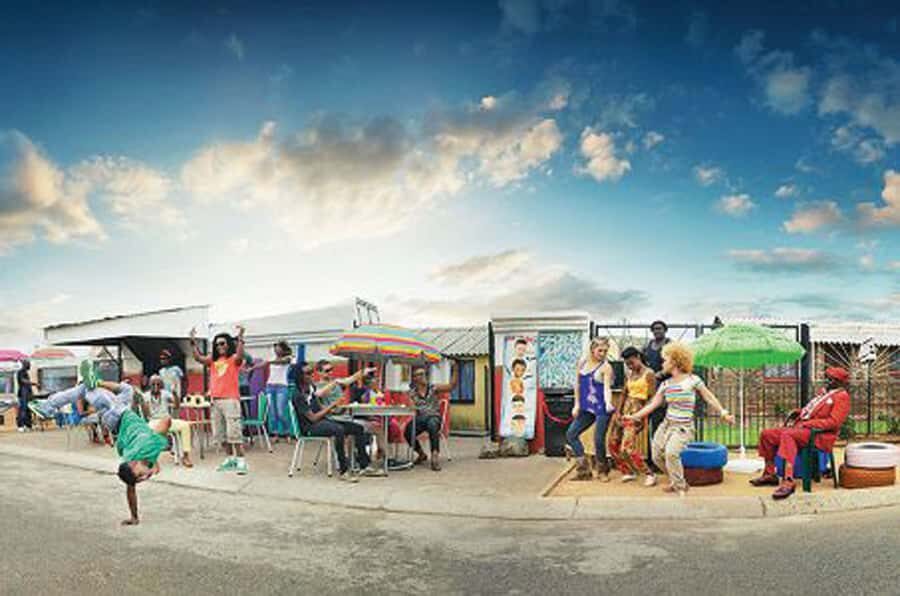
Your day starts with pickup in Johannesburg, then a quick pre-departure briefing from your guide. That briefing matters more than it sounds. Soweto isn’t a checklist of photo stops; it’s a living area shaped by apartheid policy, resistance, and ongoing change. A good guide helps you avoid the two common mistakes: treating it like a theme park, or treating it like a guessing game.
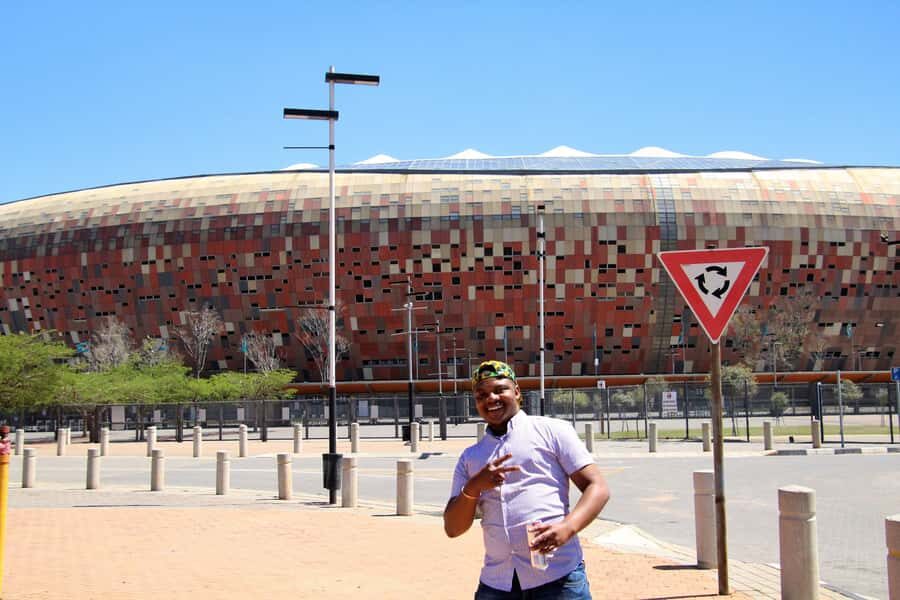
On the way in, you pass the National Football Stadium, known for hosting the opening and closing ceremonies of the 2010 World Cup. That stop is a quick reminder that Johannesburg isn’t just one story—it’s layered, and so is Soweto.
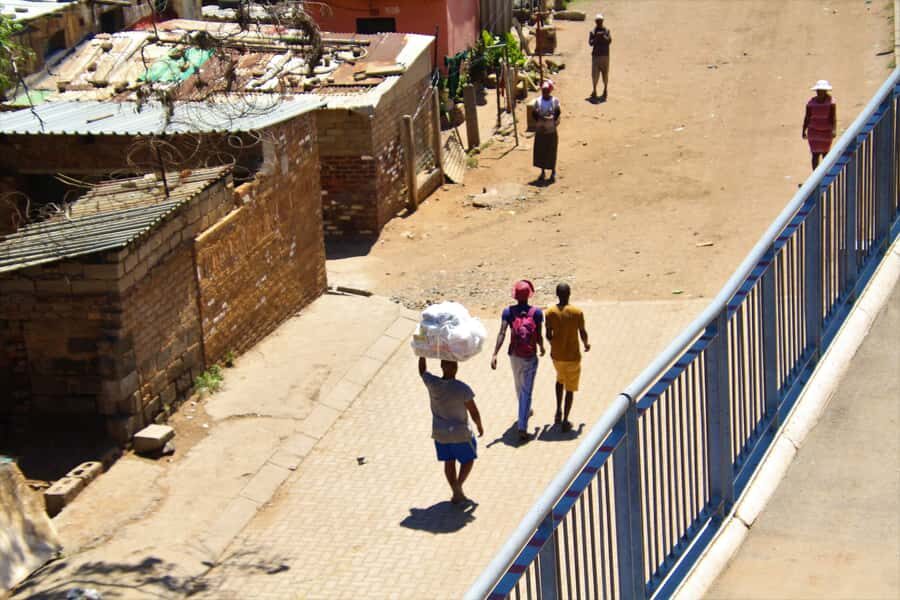
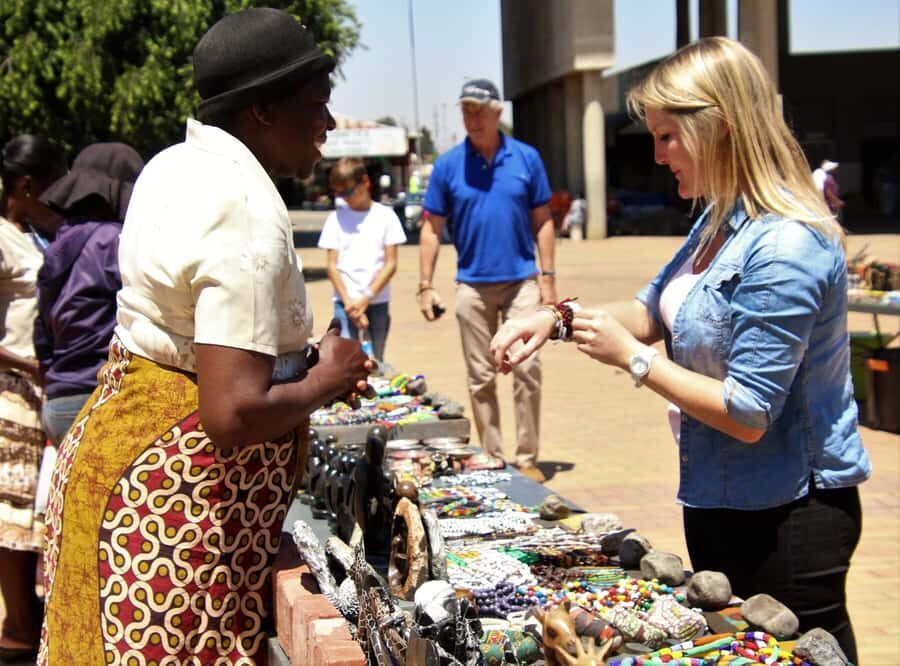
Then you enter Soweto through the Diepkloof area, where you start to meet the everyday rhythm. You’ll take a 30-minute walk with vendors selling everything from practical goods to everyday treats. It’s short, but it’s one of the best ways to get your bearings before the more solemn stops.
Diepkloof Street Walk: Where You Learn the Scale

The walk in Diepkloof is one of those moments that can quietly change how you interpret everything else. In that half hour, you see how commerce, community, and daily schedules overlap. You’re not just looking at buildings—you’re watching how people use the street.
This is also where the tone of the tour shifts from arrival to observation. Your guide will point out what you’re seeing and why it matters, so you don’t just snap photos and move on.
Practical note: since this part includes walking, wear comfortable shoes and keep your camera handy. You’ll want both hands free at times.
Vilakazi Street: The One-Road Connection to Mandela, Tutu, and 1976
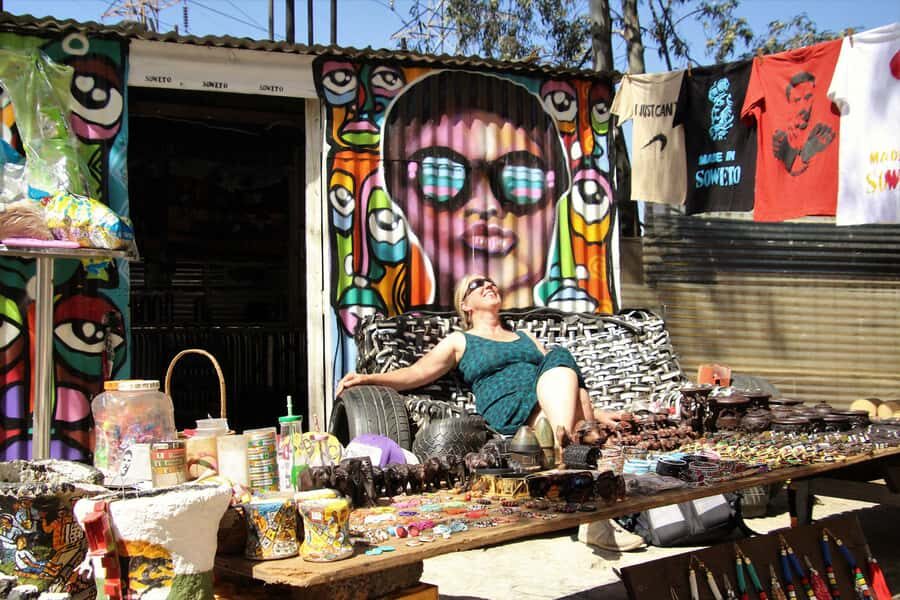
Vilakazi Street is where the tour earns its headline. You’ll visit Vilakazi Street in Orlando West, and you’ll drive past the homes tied to major South African figures.
From the road, you’ll see the former home of Nelson Mandela, the current home of Archbishop Desmond Tutu, and you’ll also get the story thread that links this street to the broader struggle, including the Soweto uprising of June 16, 1976. Your guide will explain why that date still echoes today—and why the people who lived through it shaped the country’s future.
You’ll also pass the Mandela House Museum. Visiting it inside is optional and comes with an extra cost paid on arrival, but even the view helps you understand what kind of place you’re in. In other words: you don’t have to choose between context and photos; you get both.
If you’re a first-timer in Johannesburg, this is a smart way to get oriented. If you already know the dates, it still helps because the narration makes the personal connections feel immediate rather than textbook-based.
Hector Pieterson Museum and Regina Mundi Church: The Included Emotional Heart
The tour includes two major stops that do heavy emotional lifting: Hector Pieterson Museum and Regina Mundi Church.
Hector Pieterson Museum is included with the tour, and it’s described as strong on the emotional side in past experiences. That matters, because the 1976 uprising isn’t just political history. It’s personal tragedy, and the memorial focus is part of why people remember this tour long after they’ve left Soweto.
Regina Mundi Church is also included. This is a place that helps you understand how community spaces became connected to resistance and survival. It’s not only about what happened; it’s about where people gathered, prayed, argued, and tried to keep going.
One practical upside: the tour states it helps you skip the ticket line, which is helpful if you’re visiting during busy periods or have a tight half-day schedule.
Informal Settlement Visit: Powerful, Personal, and Not a Spectator Sport
One of the most meaningful parts is the visit to an informal settlement, where you interact with locals. This is where the tour stops being a drive-by and becomes a human encounter.
This is also where you need the right mindset. You’re not going there to judge poverty, and you’re not there to collect a dramatic story for later. You’re there to listen, ask respectful questions through your guide, and notice how people build normal life around difficult conditions.
Some people have had strong feelings about whether entering people’s homes is appropriate. If you’re sensitive to privacy issues, you might want to be prepared for the possibility that the visit could feel intrusive. The good news is that you’re going with a local guide who can set expectations—so pay attention to instructions and follow their lead.
A respectful tip that actually helps
From past guide feedback, people recommend bringing small items like sweets for kids, or small change for tips. Some also suggested paper and pencils. I’d still frame it this way: bring whatever your guide says is appropriate, keep it simple, and focus on courtesy over spectacle.
Soweto Cooling Towers and University Views: The City as It Is
Half-day tours often skip the “in-between” details, but this one includes views that broaden your perspective. You’ll get views of the Soweto cooling towers, plus a drive past the Soweto Campus of the Johannesburg University.
These aren’t just background facts. They remind you Soweto isn’t only about the past. It’s also about energy infrastructure, education, and how the area functions today. The cooling towers, for example, become a visual shorthand for how industry and daily life coexist.
If you’re someone who likes to understand a place as an operating system—not just a monument—these drive-by and viewpoint stops help.
Baragwanath Taxi Rank and Chris Hani Baragwanath Hospital: Real Life at Real Scale
Near the end, the tour gives you views that feel instantly different in scale: the Baragwanath Taxi Rank and the Chris Hani Baragwanath Hospital.
The taxi rank is a window into movement—how people commute, how errands get done, and how the city keeps its rhythm. It’s not only transportation; it’s a social hub.
Then you end with a view of Chris Hani Baragwanath Hospital, described as the largest hospital in the world. Even if you take that claim with the usual tourism caution, it still signals something important: Soweto isn’t far from major services. It sits at the center of real, everyday systems that affect countless lives.
This is a strong way to close the half-day. You’ve seen the story, you’ve seen the struggle, and you’ve also seen scale—what it takes to support a community.
Price and Logistics: Is $74 Actually Good Value?
At about $74 per person for around 5 hours, this tour is priced like a practical, guided sampler rather than a bare-bones transport service. And that’s exactly what it includes.
Here’s what you get for the money:
- Pickup in Johannesburg and comfortable vehicle transfers
- Live English-speaking guide
- Entrance to Hector Pieterson Museum
- Entrance to Regina Mundi Church
- Sights and viewpoint stops like Vilakazi Street, views of Mandela and Tutu homes, cooling towers, and Chris Hani Baragwanath Hospital
- A visit to an informal settlement
- Free onboard uncapped WiFi
- Wheelchair accessibility is listed as available
What costs extra:
- Food
- Personal purchases
- Any optional entrance fees, like the Nelson Mandela House Museum, which is specifically noted as optional and paid on arrival
If you’re comparing to doing things on your own, the biggest value is the guide + included entrances. In a place shaped by history and sensitive sites, having narration and scheduling matters more than it does at many destinations.
Who Should Book This Soweto Half-Day Tour?
Book this if you want:
- A first introduction to Soweto without needing a full day
- A route that connects famous names to everyday township reality
- Included visits that focus on the 1976 uprising and community memory
You might want a different approach if:
- You hate tight schedules and need long museum time
- You’re uncomfortable with informal settlement visits, especially if the tour includes interaction that could feel personal
That said, many guides and visitors emphasize feeling respected and cared for during the experience. The key is your attitude: treat it like learning from real people, not like checking boxes.
Should You Book This Soweto Half-Day Tour?
Yes, I’d book it if you’re in Johannesburg and want a meaningful, guided taste of Soweto. The price is fair for what’s included—especially the museum entrances and the structured route—and you get enough stops to feel like you understand the major story threads.
Do it with two expectations set up front: it’s emotional, and it’s time-managed. Bring comfortable shoes, expect quick transitions between sites, and let your guide steer how you interact. If you do that, you’ll leave with more than photos—you’ll leave with context you can actually carry back to the rest of your South Africa trip.
FAQ
How long is the Johannesburg: Soweto Half-Day Tour?
The tour duration is listed as 5 hours.
Where does pickup happen?
Pickup is included from your accommodation in Johannesburg.
Is the tour guided?
Yes. It includes a live tour guide who speaks English.
What entrances are included?
Entrance to the Hector Pieterson Museum and entrance into Regina Mundi Church are included.
Are meals included?
No. Food is not included.
Is Nelson Mandela House Museum included?
Entry to the Nelson Mandela House Museum is not included. Viewing is included, and visiting inside is described as optional with extra cost paid on arrival.
Will I have time to walk?
Yes. You’ll take a walk in the Diepkloof area for about 30 minutes.
Does the tour include an informal settlement visit?
Yes. The itinerary includes a visit to an informal settlement with interaction.
Is WiFi available on the vehicle?
Yes. There is free onboard uncapped WiFi.
Is the tour wheelchair accessible?
Wheelchair accessibility is listed as available.