
REVIEW · CAPE TOWN
Cape Town: Woodstock Street Art & Culture Tour
Book on Viator →Operated by One Day Africa · Bookable on Viator
Street art in Cape Town hits harder than you expect. In Woodstock and Salt River, murals, tags, and big walls become a living street-level history of change, hope, and friction. You’re not just looking at color. You’re learning the why behind it.
I really like the focus on local context—social and economic issues, plus what’s improving. I also love that guides bring real neighborhood insight, and names that come up again and again include Chandy, Terrence, and Shipo (and sometimes a trainee with them), which helps the stories feel grounded.
One thing to consider: you’ll spend the whole 2 hours walking, so you’ll want comfortable shoes and a weather-ready plan for Cape Town. It’s not a sit-and-watch kind of tour.
In This Review
- Key Highlights You’ll Actually Care About
- Why Woodstock and Salt River Street Art Feels Personal
- What Happens on the Walk (and How It Stays Interesting)
- Reading the Murals: Techniques, Meaning, and Motivation
- Salt Circle and the Difference Between Tagging and Murals
- The Social Side: Art With Purpose, Not Just Aesthetic
- Getting Your Bearings: Comfort, Timing, and Conversation
- Who This Tour Is Best For
- Price and Value: What $38.65 Buys You
- Practical Tips for a Smoother Experience
- Should You Book the Cape Town Woodstock Street Art & Culture Tour?
- FAQ
- How long is the Woodstock Street Art & Culture Tour?
- What areas of Cape Town do you visit?
- How much does the tour cost?
- Is this tour a walking tour?
- How large is the group?
- Do I need a printed ticket?
- Are service animals allowed?
- Can I cancel for free?
Key Highlights You’ll Actually Care About

- Woodstock + Salt River on foot: street art tied to everyday life, not just photo ops
- Artist stories, techniques, and motivations: you’ll hear what drives the work and how it’s made
- Salt Circle mural cluster: a specific pocket of mural-style street art tied to festivals/exhibitions
- Small-group feel: a maximum of 30 travelers keeps the conversation possible
- Purposeful discussion: murals as a response to social and economic pressure
- Real local guides: feedback repeatedly praises guides like Chandy, Terrence, and Shipo for clarity and patience
Why Woodstock and Salt River Street Art Feels Personal
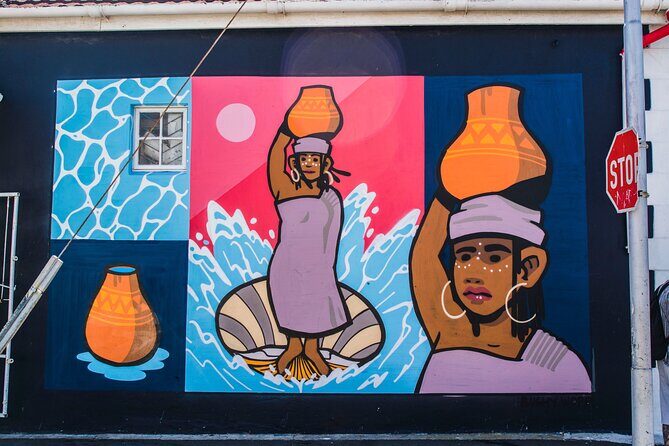
Cape Town has famous viewpoints, but the walls tell a different story. In Woodstock and Salt River, the street art doesn’t feel like decoration. It feels like commentary—about work, inequality, identity, and community pride. That matters because you get to see how art works as a public conversation when galleries might not be accessible or affordable for everyone.
This tour is built around that idea. You walk through the neighborhoods, and your guide connects pieces to the bigger picture: the new South Africa, the creative scene, and the tensions people live with daily. It’s a big theme in a small footprint. Two hours goes quickly because the walk stays active, and the talk stays tied to what you’re seeing.
A few more Cape Town tours and experiences worth a look



What Happens on the Walk (and How It Stays Interesting)

The tour runs about 2 hours and is a guided walking route. You’ll move from one wall to the next while your guide explains what you’re looking at: the artist’s motivations, the techniques used, and the meaning behind the imagery. The rhythm is simple—stop, observe, discuss, move on.
Here’s what makes that format work for you:
- You can ask questions without the tour turning into a lecture.
- You’re not left guessing why a mural is there. The guide connects it to local life.
- Seeing multiple works in one route helps your brain make patterns. You start noticing repeated themes: struggle, resilience, community care, and changing attitudes.
Also, the maximum group size is 30. That’s a reasonable cap for a walking tour. It’s big enough to meet other people, but small enough that the guide can still keep track of the group and answer questions.
Reading the Murals: Techniques, Meaning, and Motivation

Street art is often explained like it’s just style. Here, it’s treated like communication. Your guide walks you through individual pieces instead of treating the neighborhood like one giant mural. That detail is where the tour becomes more than sightseeing.
You’ll hear how artists think about their work—what they’re trying to say, who they’re speaking to, and why certain visuals land emotionally. You’ll also learn about different techniques, which helps you spot the difference between a quick mark and a planned piece with layers of meaning.
One strong point from feedback is that guides focus on the story behind the art. Names that show up positively include Chandy, Terrence, and Shipo, with comments about patience, lots of details, and an ability to explain background clearly. That’s exactly what you want when you’re trying to understand art that’s not made for a museum label.
Salt Circle and the Difference Between Tagging and Murals

In Salt River, there’s a specific area people point to: Salt Circle. It’s described as a cluster of mural-style street art, including work tied to a festival or exhibition. That matters because it shows two sides of street art culture.
- Some street art is about urgency—quick expression in public space.
- Other work looks more planned, with the feel of an organized event or a larger artistic campaign.
When you see both styles on one walk, the city stops being confusing and starts being understandable. Even if you’re not an art person, you’ll start noticing how artists choose their approach based on the message they’re trying to send.
And here’s the practical benefit: when you get back to your own planning, you’ll know what to look for. You’ll pay attention to scale, finish, and context—because you learned how to read the street.
The Social Side: Art With Purpose, Not Just Aesthetic

This is the part of the tour that many people seem to remember most. The guide doesn’t treat murals like separate “art objects.” The conversation is also about why people make art on walls where everyone can see it.
In Woodstock and Salt River, you’ll talk about:
- the social and economic issues the neighborhoods face
- what a changing South Africa means for young people and creative communities
- the positives—how art supports voice, identity, and community energy
That balance is important. You get context without being stuck in doom-and-gloom. Several comments highlight that the tour has purpose: it’s not graffiti explained as a stereotype. It’s street art understood as a real response to real life.
If you’re the type who likes your travel with meaning—this delivers. If you’re more casual, you can still enjoy it. You just won’t be able to unsee the connection between the walls and the streets.






Getting Your Bearings: Comfort, Timing, and Conversation

A walking tour sounds simple, but timing can make or break it. This one is short—about 2 hours—so you’re moving steadily. Bring comfortable shoes and plan for Cape Town weather. If it’s sunny, you’ll appreciate a hat and sunscreen. If clouds roll in, a light layer helps.
Also, pay attention to the meeting point. One review notes a problem where the correct meeting location wasn’t clear in the booking details, and the group started late. That’s a reminder to double-check the meeting instructions before you head out.
Once you’re on the route, the best way to enjoy this tour is to treat it like a guided conversation walk. Ask about technique, ask why a particular image was chosen, and ask how the neighborhood has changed. The guides named in feedback—Chandy, Terrence, Shipo—are praised for encouraging questions and explaining details patiently. That style helps you get more out of each stop.
Who This Tour Is Best For
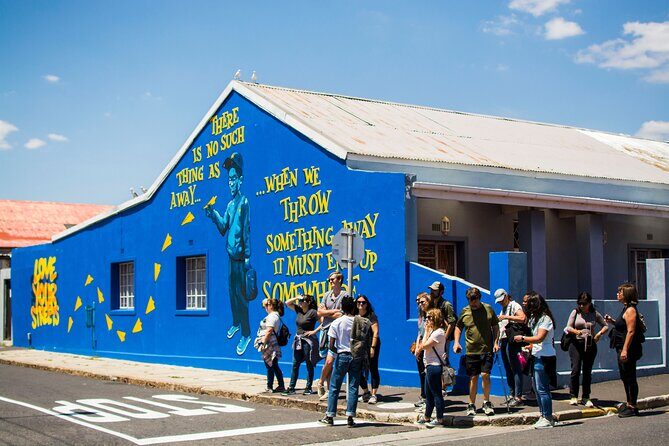
This tour is a great fit if you want street art with context. It’s ideal for:
- you if you love walking tours but get tired of generic photo stops
- you if you’re interested in creative culture and how communities shape art
- you if you want to understand modern South Africa beyond headlines
- you if you like talking with locals and hearing the human side of change
It also works well if you’re not an art expert. The guide explains what you’re seeing, and the focus stays anchored in motivation and meaning. One piece of feedback even describes the tour as more about young South African life than pure street art trivia—and that’s actually a plus if you want culture, not just aesthetics.
Price and Value: What $38.65 Buys You

The price is $38.65 per person for a 2-hour guided walking tour. That sounds steep or reasonable depending on your home base and what you expect from a walking experience.
Here’s why it can feel good value:
- You’re paying for a guide who connects multiple pieces to neighborhood context.
- You’re getting artist motivation and technique explanations, not just a list of murals.
- You’re getting a route through Woodstock and Salt River, neighborhoods that many visitors skip because they’re outside the usual tourist loop.
Also, the group size is capped at 30 travelers, which usually means you’re more likely to get interaction rather than hearing the guide only from the back of the pack.
And you can plan with a bit of confidence: confirmation is provided at booking, and there’s a mobile ticket. Booking is also typically done ahead of time, with an average booking window of about 15 days, which suggests this tour is in demand. If your dates are fixed, don’t wait until the last week.
Practical Tips for a Smoother Experience
Here are the smart moves that match what the tour data supports—and what people seem to appreciate once they’re out there:
- Wear shoes you can walk in for 2 hours. This is a walking-first tour.
- Bring curiosity. The tour pays off when you ask why things are there.
- Don’t rush photos. Spend a few extra seconds looking before snapping. The explanations make the visuals click.
- Expect a mix of art types. You’ll likely see both quick street expressions and larger mural-style works like those in Salt Circle.
- Check meeting instructions early. One experience report mentioned a meeting point mix-up caused a delayed start.
- Use transit nearby. The tour is near public transportation, so you can arrive without turning it into a whole logistics project.
If you want a short, memorable Cape Town experience that’s not just “see the art,” this is the kind of tour where you’ll leave with more questions answered than you expected.
Should You Book the Cape Town Woodstock Street Art & Culture Tour?
I’d book it if you want street art with real-world context and you like your travel slightly more thoughtful than a checklist. The strongest reasons to go are the explanation-heavy approach and the social discussion—how the art relates to community challenges and opportunities.
Skip it if you’re chasing a totally passive, sit-down experience or you don’t want your sightseeing tied to social themes. Also, if walking for two hours is difficult for you, plan carefully.
For most people, this feels like one of those Cape Town tours that makes the city more understandable. You’ll walk through Woodstock and Salt River with a guide who helps you read the walls like messages—messy, personal, and very much alive.
FAQ
How long is the Woodstock Street Art & Culture Tour?
The tour lasts about 2 hours.
What areas of Cape Town do you visit?
You’ll explore the Woodstock and Salt River neighborhoods.
How much does the tour cost?
It costs $38.65 per person.
Is this tour a walking tour?
Yes. It’s described as a guided walking tour.
How large is the group?
The maximum group size is 30 travelers.
Do I need a printed ticket?
No. It uses a mobile ticket.
Are service animals allowed?
Yes, service animals are allowed.
Can I cancel for free?
You can cancel for a full refund if you cancel up to 24 hours in advance of the experience start time.