REVIEW · CAPE TOWN
Hiking Table Mountain via India Venster Morning Hike
Book on Viator →Operated by Table Mountain hiking tours · Bookable on Viator
Scrambling up Table Mountain feels wildly real. This India Venster morning hike tackles the steepest, most rewarding line to the summit, with a guide leading you from the cableway area toward big Cape Town views.
I love the small group size, usually no more than four hikers (with a stated maximum of six), because the pace stays human and the guide can correct your footing fast. I also love the staples-and-chains sections that make the hardest scrambling feel controlled instead of guessy. The main catch: it’s not for serious vertigo, and wind plus cold at the top can make the route feel harder.
In This Review
- Key things to know before you go
- India Venster Morning Hike: what makes this route special
- How long the hike takes (and why 4 hours feels different here)
- Starting at the Table Mountain Aerial Cableway station
- The climb through gully and buttress country (India Venster’s steep character)
- The chain-and-staple scramble: safer than it looks
- The Ledge and the Camps Bay Atlantic payoff
- Past the corners: cliffs, ledges, and the shaded ravine
- Guides and group size: how you avoid the solo-hike stress
- What to pack for a chilly, windy summit day
- Cable car down: what’s included and what you must plan
- Price value: is $92.35 worth it for this kind of summit climb?
- Who should book this hike (and who should skip it)
- Should you book the India Venster morning hike?
- FAQ
- How long is the India Venster morning hike?
- Where does the hike start?
- How many people are in the group?
- What’s included in the price?
- Is the cable car down included?
- What should I bring?
- What happens if weather is bad?
Key things to know before you go
- India Venster is the hands-on route: expect steep scrambling and a few exposed moments
- Small group coaching: up to four in practice (max six), with a guide keeping you on route and on pace
- Engineered climbing aids: staples and chains help on the trickier sections
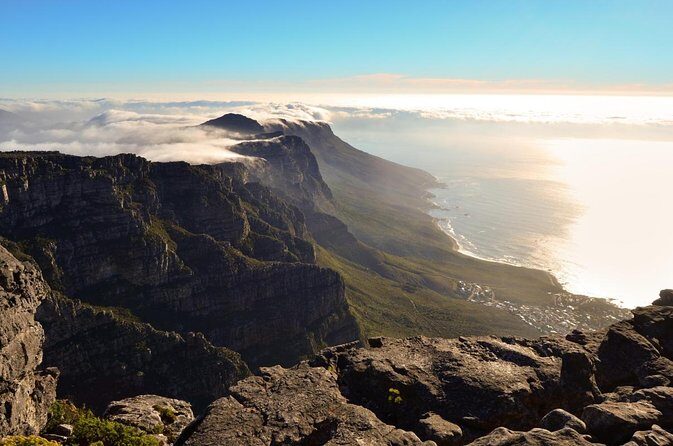
- Great viewpoints along the way: Camps Bay and the Atlantic show up around The Ledge
- Morning conditions can shift quickly: the later ravine can feel cold and windy, even if earlier parts are sunny
- What you’re really paying for: a registered adventure guide plus photos/video and first-aid support
India Venster Morning Hike: what makes this route special
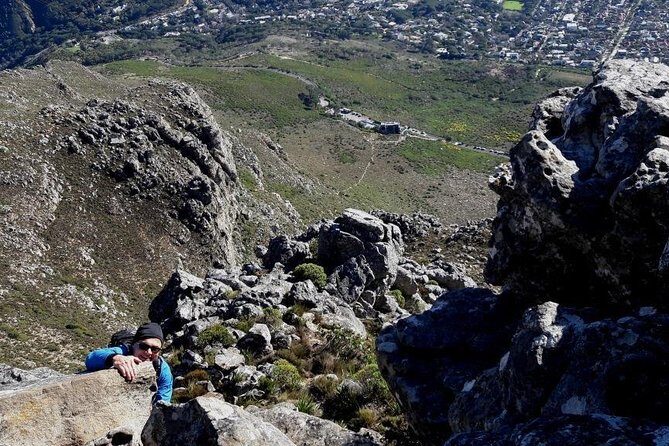
Table Mountain has a lot of ways up. The India Venster trail is one of the most memorable because it’s not just a walk with occasional views—it turns into climbing and scrambling at points, then rewards you with classic Cape Town panoramas.
What you’re really buying with this guided hike is confidence. A good guide keeps the pace steady, points out safe foot placements, and helps you read the trail when it stops being obvious. In the guide team, names like Patrick, André, and Johan show up in past hikes, and the common theme is clear: they’re patient on difficult bits and they’ll explain what you’re looking at—plants, geology, and the mountain’s story—while you earn the view.
This is also a morning approach. That matters because you’ll hit the more exposed and wind-prone stretches during the time of day when the mountain can feel sharp and cool, even when Cape Town is warm below.
You can also read our reviews of more hiking tours in Cape Town


How long the hike takes (and why 4 hours feels different here)
The hike runs about 4 hours. On an easy trail, that would mean long leisurely breaks. On India Venster, it’s more like: climb, scramble, catch your breath, keep moving.
Here’s how it tends to feel in real terms:
- You start climbing early from the cableway area.
- The trail gradually rises, then becomes steeper near the rock features.
- A climbing section with chains and staples breaks up the hardest part.
- After that, you still have a final push before the summit.
If you’re fit but new to scrambling, don’t panic. The hike is challenging, but guides often pace people well. One reason the small group format works is simple: nobody gets left behind, and nobody slows the whole line to a crawl.
Starting at the Table Mountain Aerial Cableway station
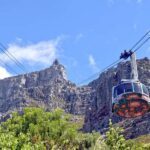
You meet at the Table Mountain Aerial Cableway (5821 Tafelberg Rd, Table Mountain Nature Reserve, Cape Town). This spot is convenient because it’s right where most people orient themselves for the mountain.
From there, you don’t begin with a gentle warm-up stroll. The trail starts behind the lower cableway station, heading up Table Mountain before you reach a contour path. That early ramp-up is useful: you get moving fast, and your body warms before the steeper parts arrive.
If you’re the kind of person who gets nervous when paths split, you’ll like having a guide. The trail includes segments where it can be easy to lose the line on your own, and a guide helps you avoid that stress.
The climb through gully and buttress country (India Venster’s steep character)
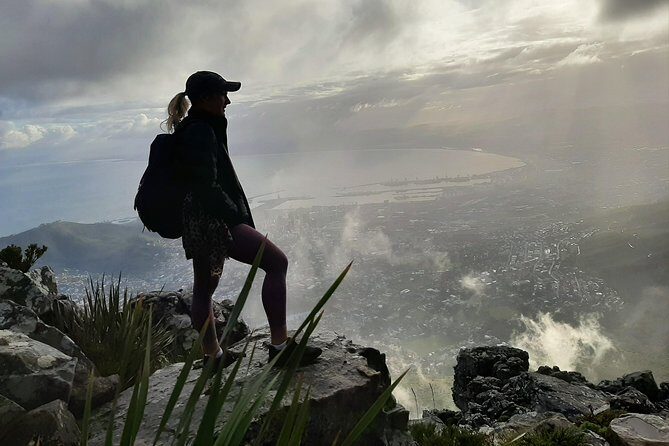
India Venster is named from the shape of a ravine between two big rock buttresses. That geology detail isn’t trivia—it helps you understand what you’re stepping through. You’re essentially moving through a “cut” in the mountain’s rock structure, and the route keeps funneling you toward the summit.
The hike pattern goes like this:
- After the contour path, the trail gradually ascends a gully tied to the Venster buttress.
- Then the route veers left below a rock amphitheater.
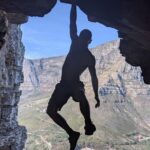
- As you approach the end of the east side of that amphitheater, the trail gets steeper and turns into hands-on scrambling.
This section is where you’ll feel the true “adventure” side. In earlier climbs on this route, people have described it as challenging but not insane—still, you should expect moments where your hands help with balance. One review specifically flagged a few spots that can feel aerial or vertiginous, so if height fear is part of your story, take that warning seriously.
The chain-and-staple scramble: safer than it looks
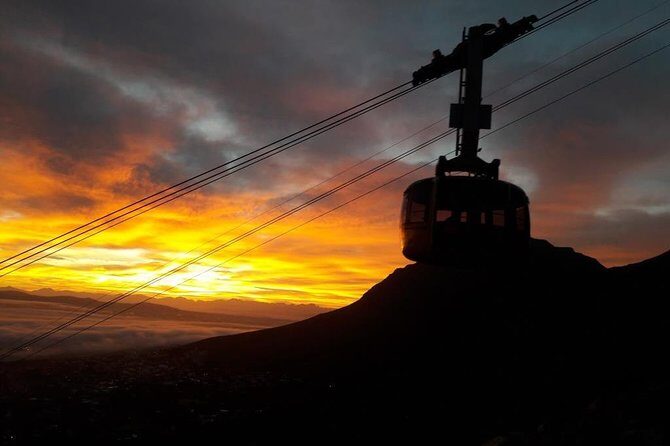
The most confidence-building part is the engineered climbing section. On the steepest scrambling area, staples and chains have been installed to make the climb more user-friendly and safer.
What this means for you:
- You can focus on balance and foot placement rather than searching for a safe line.
- When the rock gets steep, there’s physical structure to help you stay stable.
- With a guide nearby, you’re not guessing where to place your hands or how to route around tricky steps.
If you’ve never scrambled before, this is the part that often decides whether the hike feels fun or stressful. And from guide experiences shared by past hikers, a consistent highlight is that guides show you exactly what to do—especially on the climbing and scrambling bits—so you don’t feel like you’re making it up on the fly.
A few more Cape Town tours and experiences worth a look



The Ledge and the Camps Bay Atlantic payoff
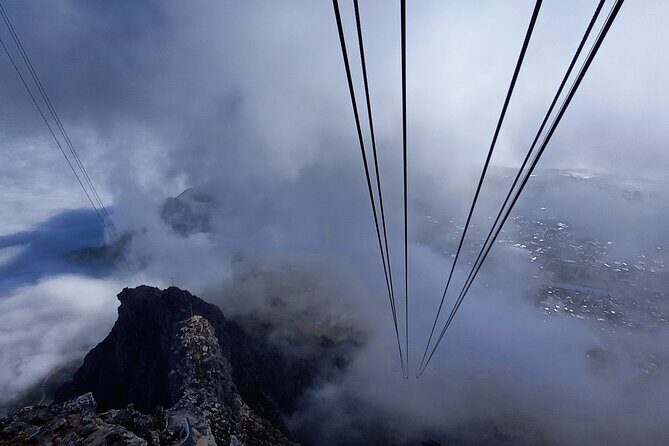
After the scrambling and climbing aid section, the route wanders more easily up to The Ledge. This is a huge morale boost. The mountain gives you a break from constant steep effort, and you can take time with the view.
At The Ledge, you often get:
- A cooling breeze (it can feel great after work on rock)
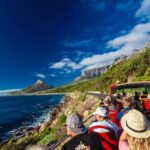
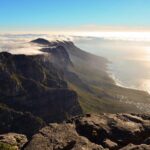
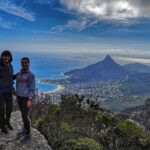
- A strong overlook toward Camps Bay and the Atlantic Ocean
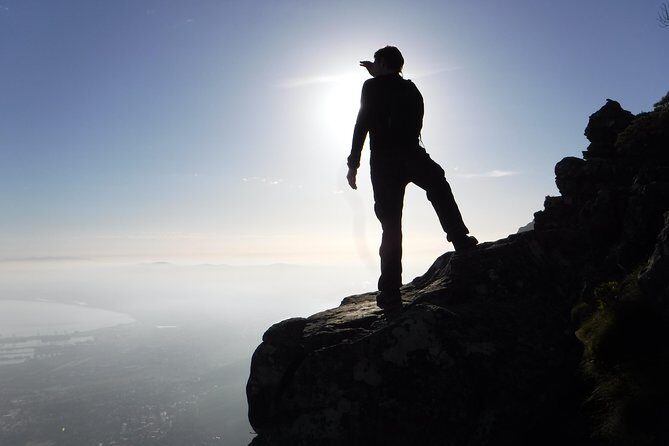
This is also a great spot for a camera pause. Bringing your camera is a smart call here because the views open up in a way that’s hard to recreate later from memory.
Also, the hike isn’t one long uninterrupted photo sprint. You’ll get rest breaks, but the guide’s job is to keep you moving. That balance is part of why this route works well as a guided experience.
Past the corners: cliffs, ledges, and the shaded ravine
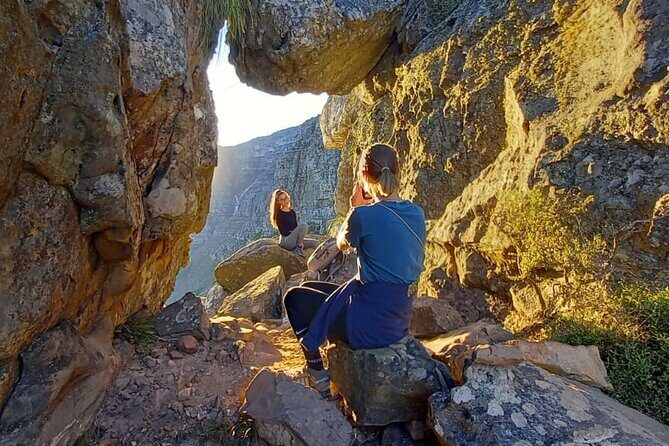
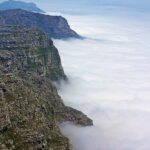
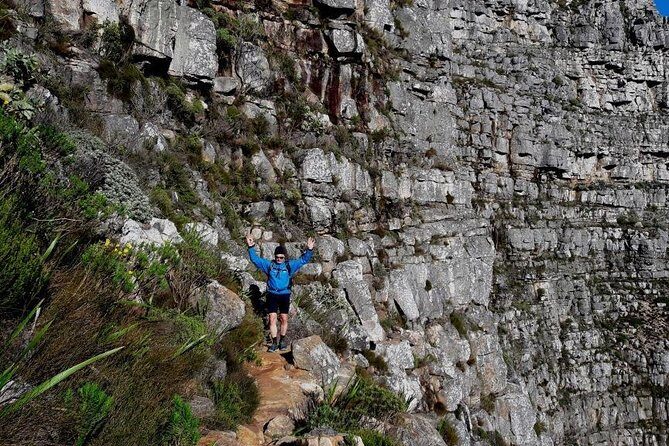
Once you round the next corner, you’ll see impressive cliff walls high up. The path continues SSE and then rises steeply to a higher ledge below massive overhangs. At that stage, the hike shifts character again.
Then comes the shaded ravine section (on a morning hike). This part can be cold and windy. It’s also where your planning pays off:
- A warm layer matters more than you’d expect if you’ve been sweating earlier.
- A windbreaker helps because the mountain can whip the air around you right when your energy dips.
The good news: you’re not that far from the top. From this point, the summit is about 10 minutes away. That last push feels shorter because you’ve already “done the hard work.”
Guides and group size: how you avoid the solo-hike stress

This isn’t a huge crowd hike. The small-group setup—usually no more than four, with a stated max of six—changes the whole experience.
Here’s what that helps with:
- The guide can adjust pace when someone needs extra time on scrambling sections.
- You get real-time route guidance if the trail looks confusing.
- You can ask questions without waiting for a long line to shuffle forward.
Names like Patrick come up because he’s described as patient and positive, even when someone is slower than the rest. People also mention the guide sharing stories about flora and the mountain itself, which makes the climbs feel less like sweat-with-silence and more like an outdoor lesson you can feel in your legs.
What to pack for a chilly, windy summit day
You’ll hike in changeable conditions. The route is weather dependent, and even if it looks fine in town, the summit can get chilly and windy.
Bring:
- Warm top + windbreaker (the top and later ravine can feel cold and windy)
- Closed shoes (trainers/sneakers work; avoid sandals)
- Water (a bottle to stay hydrated)
- Camera (The Ledge and summit views make it worth it)
- Layers that you can manage when you warm up, then cool down
If you’re thinking about packing for comfort, think “temperature swings,” not just “sunny day.”
Also, closed-toe shoes matter for scrambling. You want grip when the rock gets steep and hands-on.
Cable car down: what’s included and what you must plan
The climb up is guided, and the activity ends back at the meeting point. The package does not include a one-way cable car ticket down.
So you have to decide your descent plan:
- If the cableway is running, you can use it down.
- If you’re visiting during the maintenance window—15 July 2024 to 31 August 2024—the cableway is closed, and you’ll need to hike down instead.
That maintenance note can matter a lot if you hate extra time on your feet. If you’re visiting near those dates, plan for an active day, not just a hike up.
Price value: is $92.35 worth it for this kind of summit climb?
At $92.35 per person for roughly 4 hours, this isn’t a budget add-on. It makes sense only if you value what’s included and what small-group guiding buys you on a steep route.
You’re paying for:
- A registered adventure hiking and culture guide
- A first aid kit
- Photos and video as part of the experience
- The structure of a guided route on a trail that includes scrambling and places where you can lose the line
On an easier Table Mountain route, you might feel okay going DIY. On India Venster, the chain-and-staple sections and the occasional exposed feeling mean a guide’s presence is not just nice—it’s part of why people walk away saying it’s a bucket-list hike with less worry.
If you’re nervous about heights, though, don’t treat this as a “try it anyway” option. It’s better to match the experience to your comfort level than to force it.
Who should book this hike (and who should skip it)
This hike fits best if:
- You have a strong physical fitness level
- You’re comfortable with steep sections and using your hands for balance
- You want guided route-finding support and safety-minded coaching
- You enjoy nature talk—guides often share info on flora, birds, and geology
Skip or strongly reconsider if:
- You have fear of height or vertigo (this route is not recommended for it)
- You’re expecting a simple walking tour with no scrambling
If you’re a confident hiker who’s curious about novice scrambling, this is a great match. If you’re looking for a relaxing scenic walk, you’ll likely find it more work than you want.
Should you book the India Venster morning hike?
I think you should book this if you want Table Mountain in its more adventurous form—not just a summit photo, but a route that feels like a real accomplishment. The small group size, the guide coaching on the hardest bits, and the payoff viewpoints (especially around The Ledge) make the price feel earned.
If heights make you uneasy, be honest with yourself. The trail has a few spots that can feel aerial, and the mountain can be windy and cold later on. In that case, it’s smarter to choose a different route that matches your comfort.
If you do go, come ready with layers, closed shoes, and the mindset that the climb includes hands-on scrambling. That’s when this hike turns from “challenge” into one of those Cape Town memories you’ll actually remember for years.
FAQ
How long is the India Venster morning hike?
It’s listed at about 4 hours.
Where does the hike start?
You meet at the Table Mountain Aerial Cableway, 5821 Tafelberg Rd, Table Mountain (Nature Reserve), Cape Town.
How many people are in the group?
The hike is described as a small group of no more than four, and the activity also lists a maximum of six people.
What’s included in the price?
Included are a registered adventure hiking and culture guide, a first aid kit, and photos/video.
Is the cable car down included?
No. The cable car ticket one way down is not included.
What should I bring?
Wear closed shoes, bring water, and plan for a warm top and windbreaker because it can get chilly and windy near the top.
What happens if weather is bad?
The hike is weather dependent. If it’s canceled due to poor weather, you’ll be offered a different date or a full refund.