REVIEW · CAPE TOWN
Authentic African Cuisine Cooking Experience
Book on Viator →Operated by Authentic African Cuisine Cooking Experience · Bookable on Viator
Dinner turns into a cooking lesson. You’ll learn classic African home-style dishes step by step in a small Salt River setting, then sit down together to eat. Expect to get hands-on with dishes like Sadza (mealie pap) and chakalaka, plus a cultural explanation of how African cooking travels through generations.
Two things I really like: the teaching feels personal, and the way you’re brought into the cooking (not just watching) makes it easy to participate. I also appreciate the warmth of the hosts, with Caleb guiding the history and Florence taking the lead in the kitchen.
One possible consideration: this class is aimed at cooks who want clear, doable steps more than advanced culinary technique. If you’re looking for knife-work or high-level chef tricks, you might find the approach more basic than you hoped.
In This Review
- Key highlights you’ll feel right away
- Where the class happens: Pahari African Restaurant in Salt River
- What you cook (and why these dishes matter)
- Sadza (mealie pap)
- Meaty beef bones with green vegetables
- Chicken stew
- Green vegetables with peanut butter
- Chakalaka
- Sugar beans
- The 2.5-hour flow: welcome drinks to communal eating
- First stop: African drinks and starter snacks
- Then: cooking instruction plus a cuisine story
- Hands-on cooking: each person contributes
- Finish: communal meal, then tea or coffee
- Caleb and Florence: how the hosts guide you
- Price and value: $57.51 for a full meal-focused class
- Food techniques you’ll actually remember at home
- Who this Cape Town experience is for (and who should choose something else)
- Logistics that matter: location, transport, and group size
- Should you book this African Cuisine Cooking Experience in Cape Town?
- FAQ
- How long is the cooking experience?
- Where do I meet for the class?
- What dishes will I learn to make?
- Is lunch included?
- Are drinks included, and is alcohol part of the experience?
- Is there a limit on group size?
- Do I need private transportation?
- What is the cancellation window?
Key highlights you’ll feel right away
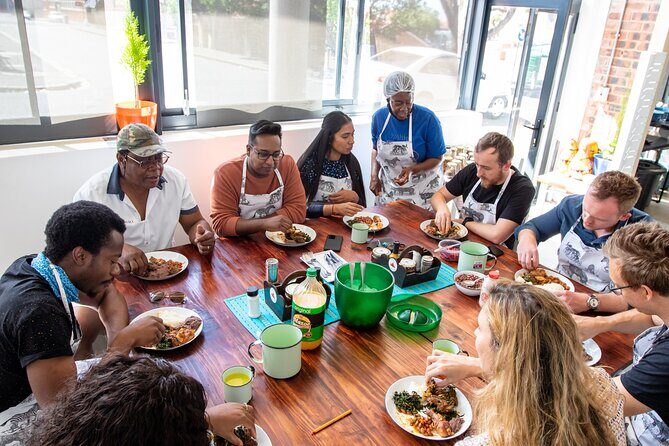
- Learn Sadza and mealie pap basics from start to finish, not just a tasting
- Hands-on cooking with multiple dishes on the menu, so you contribute
- History + ingredients talk led by Caleb, then cooking guidance from Florence
- A communal meal in an African-home style, with everyone eating together
- Chakalaka, sugar beans, peanut-butter greens, plus meat and veggie options
- Max 10 people, keeping the atmosphere relaxed and interactive
Where the class happens: Pahari African Restaurant in Salt River
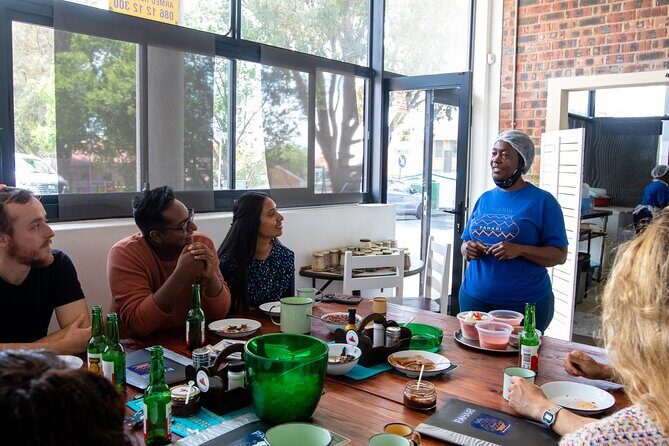
This experience takes place at Pahari African Restaurant at 121 Cecil Rd, Salt River, Cape Town. It’s an easy meetup point for planning your day, and it’s listed as being near public transportation. It also runs as a mobile ticket activity, so you don’t need to juggle paper.
Salt River isn’t trying to be a postcard. That’s the point. You’re stepping into a neighborhood food space, not a staged “show kitchen” designed for photos.
Practical tip: if you’re using Uber, it helps to tell the driver the restaurant name and address. One review even notes that the driver knew the spot when they were told clearly where to go.
You can also read our reviews of more cooking classes in Cape Town
What you cook (and why these dishes matter)
The class builds around a full spread of well-loved African comfort food. You’ll learn how to make these dishes, with vegan and vegetarian options available too:
Sadza (mealie pap)
Sadza is mealie pap, made from maize meal. It’s one of the most recognizable staples in Southern African cuisine, and it works as the “base” that ties the rest of the meal together. In class, you’ll learn how to get the texture right as you cook from start to finish.
Meaty beef bones with green vegetables
This dish is hearty and deeply savory. It’s a great choice for people who want the meal to feel substantial, especially if you’re pairing it with the starchy comfort of sadza.
Chicken stew
Chicken stew brings warmth and balance to the plate. It also gives you a feel for how sauces and spices are used to coat meat in a home-style way.






Green vegetables with peanut butter
This is the dish that often pulls people in. Peanut butter adds body and richness, while the greens bring freshness and color. One of the reviews specifically mentions learning how peanut butter is made traditionally, which makes this part more than just a finished plate.
Chakalaka
Chakalaka is a vegetable relish-style dish with a spicy edge. It’s the kind of side that makes you reach for more sadza because it tastes like it was built for eating with your hands.
Sugar beans
Beans add comfort and protein, rounding out the meal. You’ll learn how they fit into a typical home spread where nothing is “just a side.”
Important note: the experience includes lunch and dinner as part of the booking. The schedule is built around cooking and then eating together, so you won’t leave hungry.
The 2.5-hour flow: welcome drinks to communal eating
The total time is about 2 hours 30 minutes. The rhythm is simple: you arrive, get welcomed, cook step by step, then share the meal communally. That last part matters because it’s part of how the food is meant to be enjoyed.
First stop: African drinks and starter snacks
You’ll be welcomed with a variety of African drink choices and tasty starter snacks. Alcoholic beverages are listed as included, so you can plan accordingly if you want to try something. Either way, the early snacks help you settle in before you get your hands messy.
Then: cooking instruction plus a cuisine story
The host explains the history of African cuisine, plus ingredients and how recipes evolved over time and were passed down through generations. Caleb leads this kind of talk, and the way he’s described in reviews suggests it’s more than trivia—it gives you context so the cooking makes sense as culture, not just food.
Hands-on cooking: each person contributes
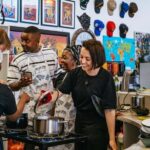
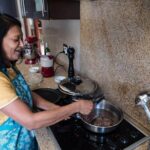
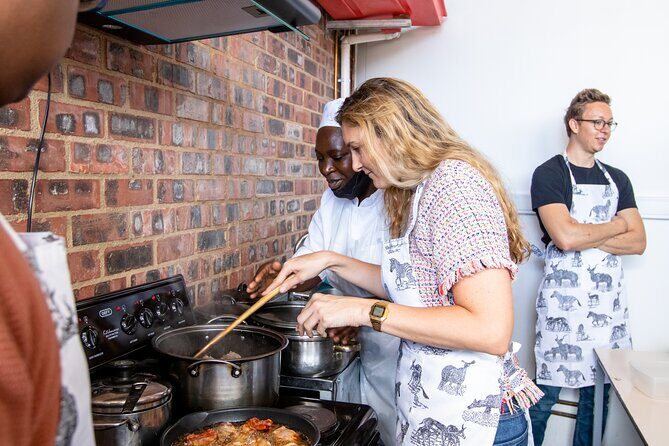
You’re not stuck at the sidelines. Each person has the chance to contribute during the cooking. You’ll work with the dishes being prepared—mixing, shaping, or assisting where it makes sense—so you leave feeling you made something real, not just watched someone else do it.
Be prepared to get your hands dirty. That’s part of the experience, and it changes how you remember the meal afterward.
Finish: communal meal, then tea or coffee
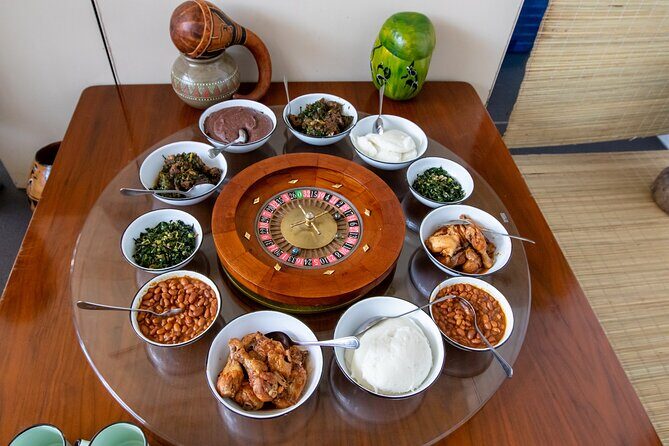
After cooking, you enjoy the dishes together, communally, in an African-home style. Reviews also mention eating with your hands, so go in with the mindset that this is part of the tradition, not a gimmick.
The experience concludes with an African hot beverage, either tea or coffee.
Caleb and Florence: how the hosts guide you
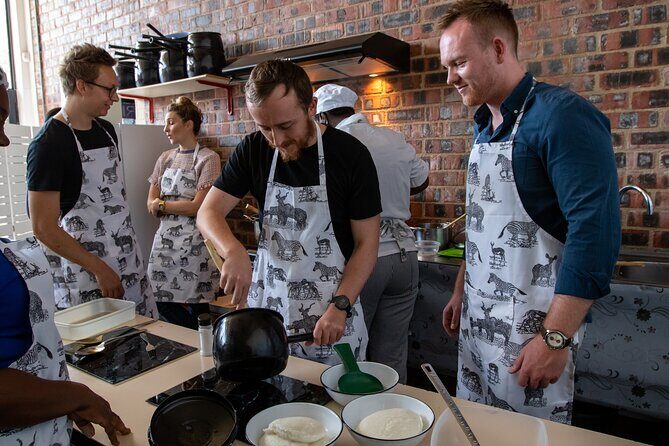
This is a hosted experience with a small group (maximum 10 travelers), and that scale shows up in how the class feels. Reviews repeatedly highlight the welcoming vibe, and the names you’ll hear most are Caleb and Florence.
Caleb is described as providing a lesson on the history of the food before shifting you into the cooking workflow. Florence is often credited with guiding the cooking itself, and she’s portrayed as kind and attentive, especially when people ask questions or want to understand why something is done a certain way.
One nice touch: multiple reviews mention that after the class, the hosts shared photos and videos and even recipe info. That can be helpful if you want to recreate dishes later.
Price and value: $57.51 for a full meal-focused class
At $57.51 per person, this isn’t a “grab a bite and watch” experience. It’s priced as a meal and culture experience rolled into one. You’re getting:
- Coffee and/or tea
- Alcoholic beverages (listed as included)
- Snacks at the start
- Lunch and dinner
- Step-by-step cooking instruction
- A guided explanation of food history and ingredients
- A group limit of 10, which tends to make it easier to ask questions and participate
The best value angle here is that it’s food-heavy. Many classes charge a similar amount but deliver just one dish or a short tasting. This one revolves around building a complete spread, including sadza, chakalaka, beans, and peanut-butter greens.
Book early if you can. The average booking timing is listed as about 33 days in advance, which suggests it fills up at peak times.
Food techniques you’ll actually remember at home
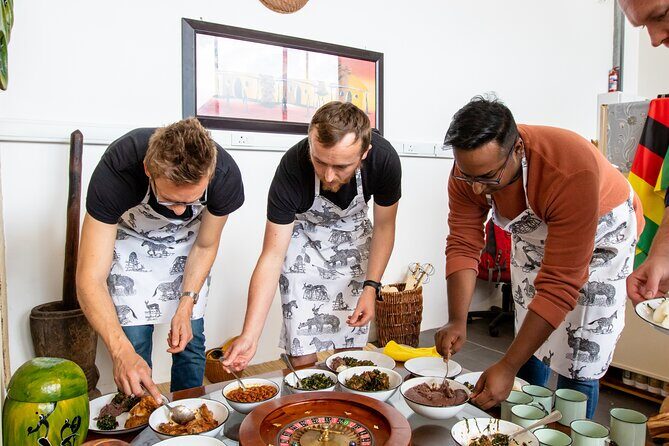
Even if you cook confidently already, the class can give you a strong “how it’s done” mental model.
Here are the likely takeaways, based on what’s emphasized in the experience description and what people highlight afterward:
- Staple first mindset: Sadza isn’t treated like an afterthought. It’s the anchor of the meal.
- Sauce and relish balance: Chakalaka-style sides are taught as something you pair, not something you “serve.”
- Peanut butter beyond the jar: Learning how peanut butter is made traditionally (mentioned in reviews) helps you understand why the dish tastes the way it does.
- Whole meal planning: You learn how multiple dishes work together on one table.
And because it’s communal and hands-on, you’ll likely remember texture and timing more than you would from a lecture-only class.
Who this Cape Town experience is for (and who should choose something else)
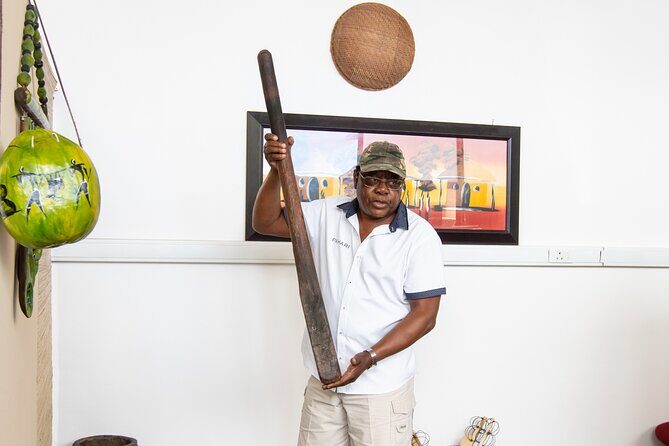
This works especially well if you want an authentic-feeling meal with real cultural context and a relaxed group size.
It’s a good match for:
- Food lovers who want more than restaurant sightseeing
- People who like hands-on activities
- Families and groups looking for a shared activity with warmth and laughter
- Anyone curious about Southern African staples like mealie pap/sadza and vegetable sides like chakalaka
One review notes that two boys (ages 11 and 14) enjoyed the experience, including eating with their hands and trying challenging foods. That’s a good sign the class can be approachable for younger eaters, as long as they’re open to new flavors and textures.
If you’re an advanced home cook, the one caution is the class may feel like it’s aimed at basic to intermediate comfort rather than advanced technique.
Logistics that matter: location, transport, and group size
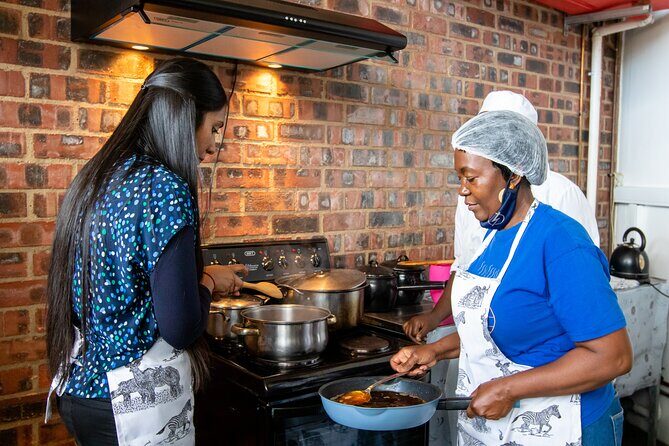
The meetup and end point are back at Pahari African Restaurant, and the experience ends there too. The listing notes near public transportation, which makes it easier if you don’t want to hire private transport.
Private transportation isn’t included, so you’ll need to plan your own way there. On timing, the class is 2 hours 30 minutes, which is long enough to feel like an experience but not so long it ruins your whole day.
Group size matters here. With a maximum of 10, you get a more personal vibe and more chances to contribute.
Should you book this African Cuisine Cooking Experience in Cape Town?
If you want a Cape Town activity that goes beyond tasting and instead teaches you how to make a traditional meal, I’d book it. The combination of hands-on cooking, a guided explanation led by Caleb, and cooking leadership associated with Florence makes it feel like an actual home-food learning experience.
I’d skip it only if you’re specifically chasing advanced culinary technique or you strongly prefer a purely observational format. Otherwise, this is a smart way to understand Southern African food through what you cook, not just what you order.
If your schedule allows, reserve early. And if you’re the kind of traveler who remembers meals by the stories behind them, this one has plenty to offer.
FAQ
How long is the cooking experience?
It runs for approximately 2 hours 30 minutes.
Where do I meet for the class?
Meet at Pahari African Restaurant, 121 Cecil Rd, Salt River, Cape Town, 7925, South Africa.
What dishes will I learn to make?
The class focuses on Sadza (mealie pap), beef bones with green vegetables, chicken stew, green vegetables with peanut butter, chakalaka, and sugar beans. Vegan and vegetarian options are available.
Is lunch included?
Yes. Lunch is included in the booking, and dinner is also included.
Are drinks included, and is alcohol part of the experience?
Coffee and/or tea are included, and alcoholic beverages are listed as included too. You’ll also be welcomed with a variety of African drinks and starter snacks.
Is there a limit on group size?
Yes. The experience has a maximum of 10 travelers.
Do I need private transportation?
Private transportation is not included, so you’ll need to arrange your own way to the meeting point.
What is the cancellation window?
Free cancellation is available if you cancel up to 24 hours in advance for a full refund.