REVIEW · ST LUCIA
Whale and Dolphin Watching Cruise in St Lucia
Book on Viator →Operated by Captain Mike's Ltd · Bookable on Viator
St Lucia’s ocean wildlife can turn a morning into a story. This 3 to 3½-hour whale and dolphin watching cruise heads out from Captain Mike’s Vigie Marina in Castries at 8:00 am, with a local marine expert on board to explain what you’re seeing. You also get complimentary rum punch, sodas, and bottled water, so the trip feels like an outing, not a bare-bones search.
My favorite part is the way the crew keeps you engaged while you scan the sea. They even encourage you to help spot wildlife, and you’ll sail for a mix of whales (including humpback, sperm, and pilot whales) plus several dolphin species. The one drawback to keep in mind is simple: you’re not guaranteed to see whales or dolphins every time, even with a 90% sighting average and an early start.
In This Review
- Key things to know before you go
- Where the cruise starts in Castries (and what that means)
- The 8:00 am advantage: why the early start matters
- What whales and dolphins you’re actually hunting for
- The marine expert on board: how education improves your spotting
- Comfort on the water: drinks, shade, and motion
- The “hunt” phase: what the first part feels like
- Mid-cruise scenery: St Lucia’s coastline as a bonus
- When you see whales: what the best sightings tend to have in common
- When dolphins are the main win (and that’s not a loss)
- Price and value: is $65 a good deal?
- Who this cruise suits best (and who should think twice)
- Practical tips that can improve your odds
- Should you book this whale and dolphin cruise?
- FAQ
- Where is the meeting point for the cruise?
- What time does the tour start?
- How long is the whale and dolphin watching cruise?
- What’s included on board?
- Are hotel pick-ups included?
- What animals are they looking for?
- How large is the group?
- What is the cancellation policy?
Key things to know before you go
- 8:00 am departure gives you the best shot at spotting wildlife earlier in the day
- Marine expert commentary helps you read whale and dolphin behavior, not just spot shapes
- Up to 40 people keeps the boat from feeling like a floating crowd
- Complimentary drinks (rum punch, soft drinks, bottled water) keep the mood easy
- Coastline views between sightings add value even when the animals are shy
Where the cruise starts in Castries (and what that means)
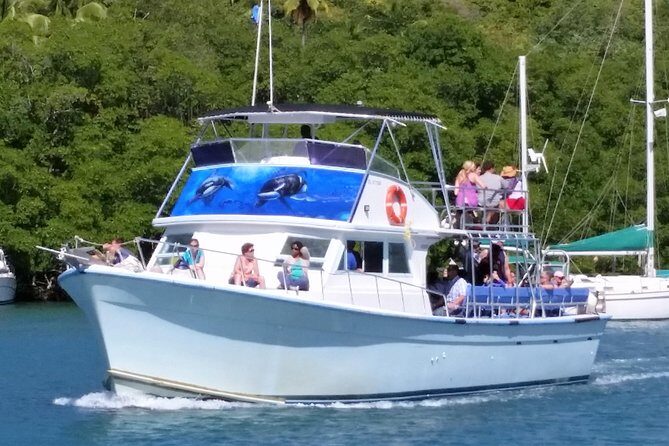
Your morning begins at Captain Mike’s Vigie Marina in Castries. The tour runs about 3 to 3½ hours, and it ends back at the same meeting point—so you’re not looking at a complicated end-of-day logistics puzzle.
Since there are no hotel pick-ups, you’ll want to plan your transport to the marina in advance. The good news: it’s near public transportation, so you can usually build a simple plan without a long taxi hunt. Also, most people can join this cruise, and it caps at 40 travelers, which usually means you won’t be packed in like sardines.
If you’re visiting cruise ship ports, you’ll likely need to share your ship name and docking details at booking. That’s not just paperwork—it affects timing. The biggest practical advice: if you’re on a tight schedule, give yourself extra cushion to reach the marina on time, because the ocean trip doesn’t wait for late arrivals.
You can also read our reviews of more boat tours in St Lucia
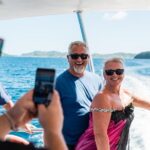
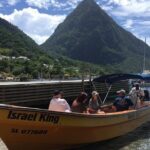
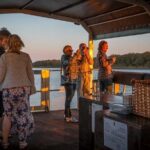
The 8:00 am advantage: why the early start matters
St Lucia wildlife can be visible all year, but the timing still changes your odds. This tour’s early departure is built for spotting—less glare on the water, more calm early conditions in some weather windows, and more time for the crew to find active zones.
In plain terms: you’re paying for time on the water plus a crew that knows where to look. Starting early helps you spend your prime viewing hours scanning for movement and feeding activity rather than burning daylight later.
You’ll also feel the difference on board. An early trip often makes people more alert during the search. And since you’re encouraged to participate in spotting, that energy matters—everyone starts looking faster when the boat first pushes out.
What whales and dolphins you’re actually hunting for
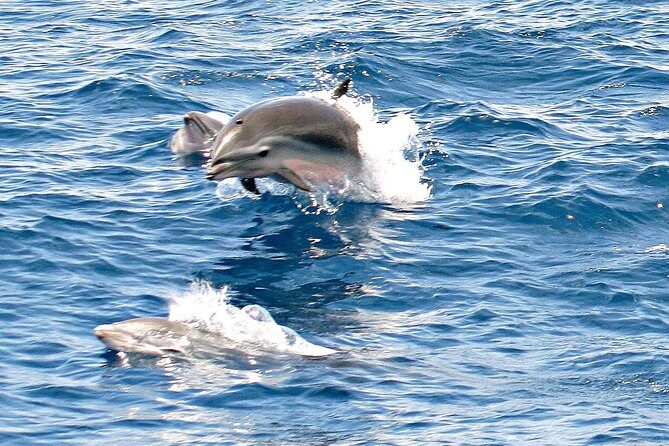
This isn’t a vague promise of sea life. The cruise targets a specific set of species, including:
- Whales: sperm whales, humpback whales, and pilot whales
- Dolphins: spinner dolphins, spotted dolphins, Fraser’s dolphins, and common dolphins
You’ll also learn how these animals behave. That matters because wildlife spotting isn’t just seeing something—it’s knowing what you’re looking at. A marine expert helps you connect signs like surfacing patterns, movement direction, and pod behavior to the animals you’re likely seeing.
One more reality check: whales and dolphins are wild. Even with a 90% sighting average, some trips end with dolphins instead of whales, or no major sightings in tougher weather. The cruise keeps going to maximize chances, but nature stays nature.
The marine expert on board: how education improves your spotting
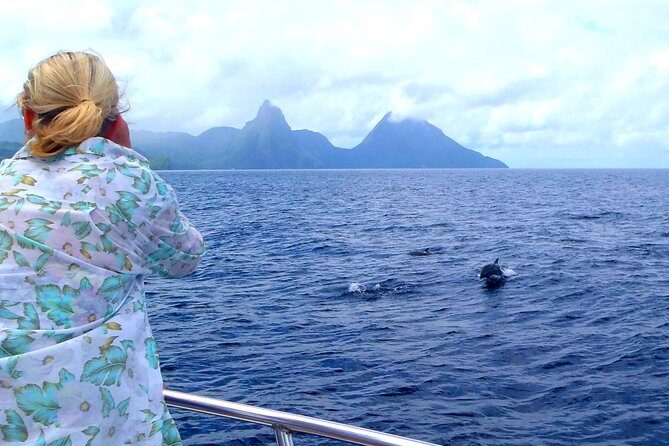
A lot of boat tours tell you “look out there.” This one goes a step further. The marine expert gives a briefing on the mammals you might spot and talks through habits and behaviors while you sail.
That turns your scan into something smarter. Instead of staring at open water hoping for a miracle, you start watching for clues—like where animals surface relative to boat movement and what pod behavior looks like when dolphins are actively feeding or socializing.
The best reviews emphasize friendliness plus helpful spotting guidance. And on many departures, the crew appears tuned to keeping people watching, not just cruising. Still, keep expectations realistic: if weather is rough or visibility is limited, even expert guidance can only do so much.
If you’re the type who loves context—why an animal is doing what it’s doing—this is one of the better ways to spend your half-day. You’re not just collecting photos. You’re building a short, useful mental guide for future whale and dolphin encounters.
Comfort on the water: drinks, shade, and motion
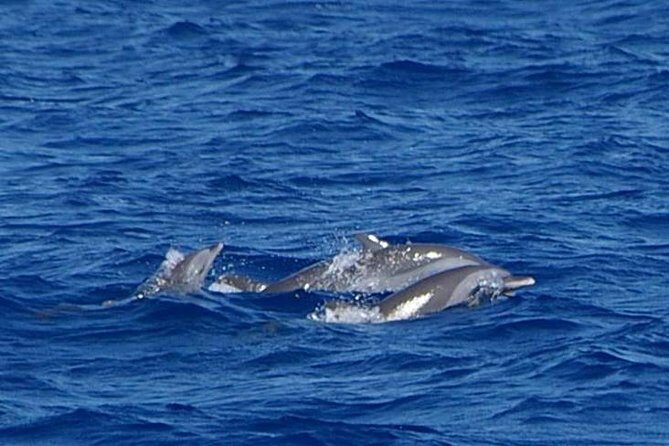
This cruise is designed to feel relaxed. Complimentary rum punch, sodas, and bottled water keep everyone hydrated and in good spirits. You can grab a drink without stepping away from the viewing deck for long.
Many guests also mention comfort points like shade and a generally easy vibe on board. With a max group size of 40, it tends to feel smoother than big sightseeing boats.
Now the practical part: boat motion is real. Some people can handle choppy water fine; others get hit by seasickness fast. Reviews include comments about rough waves and discomfort, plus the warning that this trip may not suit people who are easily motion sick. If you know you’re vulnerable, pack what you usually use for sea travel (and consider arriving with enough time to settle before departure).
Tip: if you want the best wildlife viewing angles, ask crew where to stand or sit for viewing. One review even mentioned heading toward the bow for a better vantage. You’ll know quickly whether you’re more comfortable near the front or the calmer mid-boat area.





The “hunt” phase: what the first part feels like
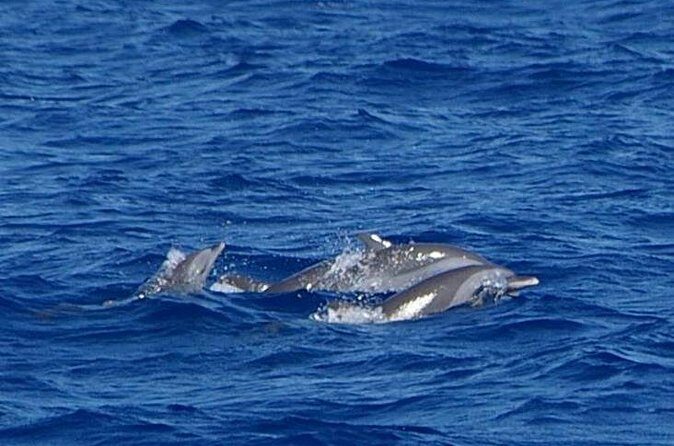
Once you board, you’re not immediately surrounded by whales. Most of the excitement is preceded by scanning time. The cruise typically runs for around 3 to 3½ hours total, so those initial search minutes matter.
Here’s what I’d pay attention to as you move out:
- The crew starts scanning in a rhythm: spot signs, reposition, then search again
- You’ll likely get prompts to watch for surfaces or changes in water movement
- People on board tend to cluster where sightlines are best
This is also where participating helps. The crew encourages guests to join the spotting. That doesn’t mean you need eagle vision—it means you’re more likely to catch the first glimpse that others miss, and then the whole group benefits.
If you’re traveling with kids, this is one of those tours where engagement beats passive watching. Active spotting keeps attention from drifting.
Mid-cruise scenery: St Lucia’s coastline as a bonus
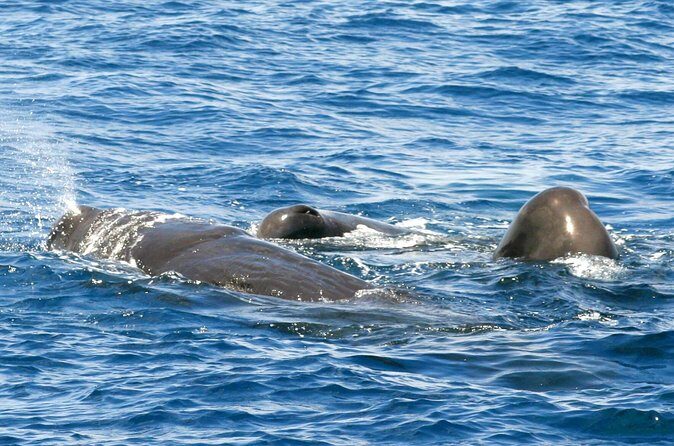
Even when the animals are quiet, you’re still cruising the water around St Lucia. You get coastline views from the sea, and the trip has enough sailing time that it feels like a proper outing, not a quick dash to a single location.
Several reviews mention the Pitons area as part of the experience after sightings. Even if your cruise focuses on wildlife first, you’ll often get at least a taste of the island’s big, recognizable scenery between animal-search legs.
This is a good reason to book even if you’re not 100% whale-focused. Your “Plan B” isn’t a wasted afternoon. It’s a scenic boat ride that can still deliver flying fish sightings in some conditions (yes, that happens), plus birds and other sea activity around the boat.
When you see whales: what the best sightings tend to have in common
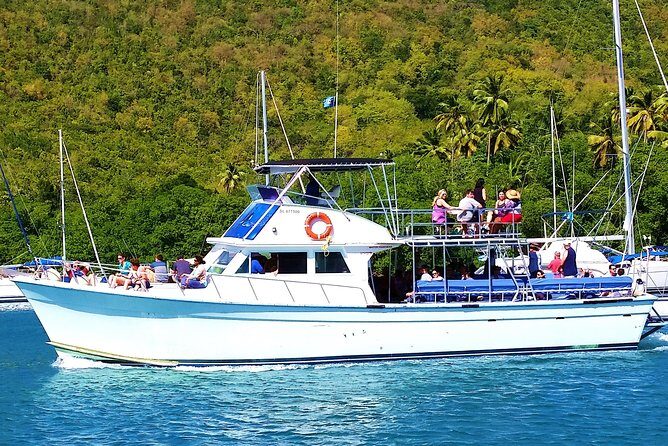
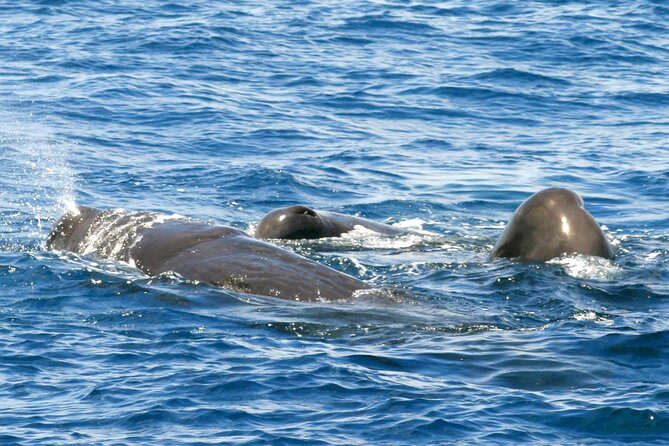
The standout whale encounters in the reviews shared a pattern: animals came close and pods showed active behavior. People reported sightings of sperm whales, pilot whales, and close encounters alongside dolphins.
When whales surface, timing is everything. If you catch the blow first, you’ll see the rest more clearly. If you blink at the wrong moment, it can vanish before you frame the perfect photo.
So, don’t just watch for the first sign. Watch for the next one too:
- Scan the same area the crew points at for the next surfacing
- Pay attention to how dolphins (if present) behave around the same water
- Follow the crew’s repositioning rather than drifting your attention
Also, a calm moment is often when the animals pop. If you’re constantly distracted, you’ll miss the short windows that make wildlife watching special.
When dolphins are the main win (and that’s not a loss)
Some of the most positive experiences were dolphin-heavy. Guests often come home talking about lots of dolphins, including pods that stayed near the boat.
If whales don’t show, you can still have an excellent day. Dolphins are energetic and easier to spot than whales at a distance, especially when they’re moving in groups. For many people, that turns the cruise into a highlight even without whales.
And if you do see dolphins plus occasional whale activity, you get that best-of-both-worlds feeling: quick motion and close-up energy, plus the slower, awe factor of whales.
Price and value: is $65 a good deal?
At $65 per person, this cruise sits in the “worth it if you’re going early and patient” category.
What you’re paying for:
- A half-day on the water (3 to 3½ hours)
- On-board interpretation from a local marine expert
- Complimentary drinks (rum punch, soft drinks, bottled water)
- A boat-size limit of 40 travelers
- A 90% sighting average (still not a guarantee, but it’s a strong planning signal)
Where the value equation can wobble:
- No hotel pickup means you need to handle getting to Vigie Marina
- If the sea is rough or visibility is poor, your experience may feel shorter on wildlife
- If you expect a guaranteed whale show, you may feel disappointed when animals stay distant
Still, for most people, the combination of wildlife search plus expert help plus free drinks makes this price feel reasonable. It’s not a bargain safari that ignores comfort. And it’s not a premium whale theater either. It’s a balanced afternoon outdoors.
Who this cruise suits best (and who should think twice)
This tour is a great match if you:
- Want a half-day that blends wildlife with St Lucia scenery
- Learn best with a guide explaining behavior, not just pointing
- Prefer smaller group dynamics (up to 40)
- Enjoy getting drinks included while you wait for wildlife
It may be a weaker match if you:
- Are very sensitive to motion sickness
- Need guaranteed sightings no matter the weather
- Have a super tight schedule and can’t risk delays reaching the marina
Also, if you’re traveling in a season you’ve heard rumors about, remember this: the crew states they see mammals year-round. That still doesn’t remove the “wildlife isn’t promised” part—but it does support the idea that you’re not booking a dead window.
Practical tips that can improve your odds
A few small things can make a big difference on a wildlife cruise:
- Arrive early and settle in before departure. If you’re rushing, you’ll miss your best viewing setup.
- Dress for wind and spray. Even on sunny days, open water cools you down.
- Bring motion-sickness support if you need it. Don’t tough it out.
- Ask crew where to stand or sit for best sightlines (front areas can offer great viewing angles).
- Stay engaged during the search, not just after you spot your first animal. The next 10 minutes matter.
And if you’re the type who loves details, keep listening to the marine expert. The explanations can help you spot faster the next time something surfaces.
Should you book this whale and dolphin cruise?
Yes, I think you should book it if you want a fun, early-morning wildlife outing with real interpretation and included drinks. The best version of this trip delivers dolphins in good numbers and sometimes whales close enough to feel the moment. Even when whales don’t show, dolphins and sea life can still make the cruise feel like money well spent.
Book it with one honest expectation: wildlife viewing is a chance game. You’re buying time, effort, and expert guidance—not a guaranteed show. If you can handle that, and you’re excited by the idea of learning while you look, this is a strong use of a half-day in St Lucia.
FAQ
Where is the meeting point for the cruise?
The tour starts at Captain Mike’s Vigie Marina in Castries, St Lucia.
What time does the tour start?
The start time is 8:00 am.
How long is the whale and dolphin watching cruise?
It lasts about 3 to 3½ hours.
What’s included on board?
You’ll have bottled water, soft drinks, and rum punch, plus a local marine expert.
Are hotel pick-ups included?
No. Hotel pick-ups are not included.
What animals are they looking for?
The cruise searches for humpback, sperm, and pilot whales, and spinner, spotted, Fraser, and common dolphins.
How large is the group?
The maximum group size is 40 travelers.
What is the cancellation policy?
You can cancel for a full refund up to 24 hours in advance of the experience start time.