REVIEW · ST LUCIA
Shoreline Hippo and Crocodile Boat Cruises, iSimangaliso Wetland Park
Book on Viator →Operated by Shoreline Hippo and Croc Boat Cruises | St Lucia · Bookable on Viator
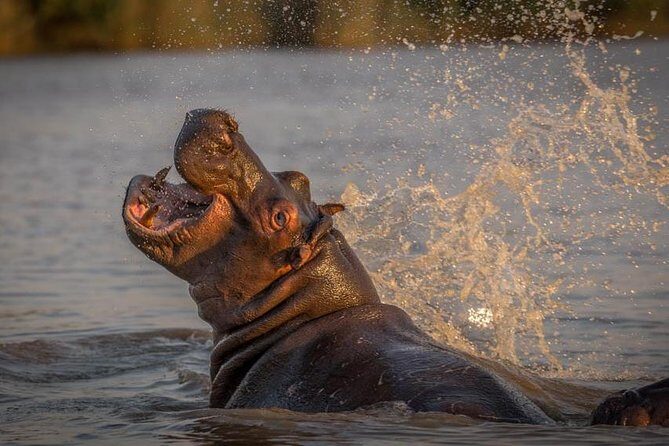
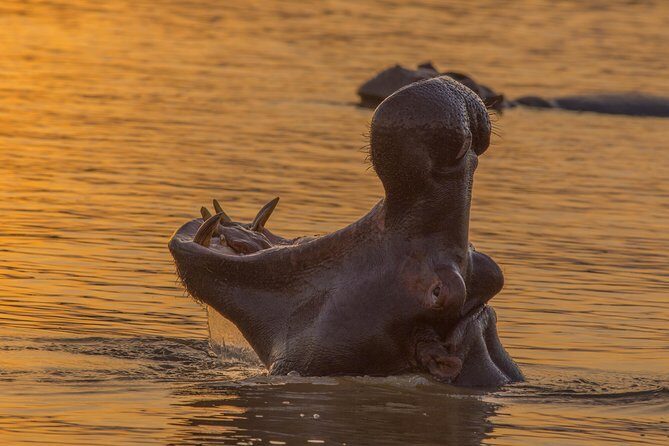
Hippos float close on Lake St Lucia. This two-hour cruise in iSimangaliso Wetland Park takes you out over Lake St Lucia for wildlife viewing, with park ranger commentary as you scan the waterline for movement. You also get that rare feeling of watching animals in their own rhythm, not behind a fence.
I love the small-group setup (max 15), because it keeps viewing simple and lets you stay focused when the guide spots fresh action. I also love the ranger-led information, with guides such as Mdu and Mdudusi pointing out what matters in the wetland—hippo behavior, birdlife, and the basic “who lives where” logic of the estuary.
One consideration: crocodile sightings are less consistent than hippo sightings. Many cruises deliver hippo pods close by, while crocs can be only one or two, or sometimes missed entirely.
In This Review
- Key things to know before you go
- Why Lake St Lucia and iSimangaliso Wetland Park fit together
- The St Lucia Estuary stretch: what you’ll actually spend time doing
- Small boat viewing: the secret weapon for close hippo pods
- Wildlife expectations: hippos first, crocodiles second (but still possible)
- Bonus wildlife you might spot along the way
- How the ranger and guide info makes the cruise better
- Duration and pacing: how to fit a two-hour cruise into your day
- Price and value: what $23.01 buys you in real terms
- Who this cruise is best for
- Should you book Shoreline Hippo and Croc Boat Cruises?
- FAQ
- How long is the boat cruise on Lake St Lucia?
- Where does the cruise start, and where does it end?
- What is the maximum group size?
- What wildlife might I see during the cruise?
- Do I get on-board commentary?
- Will I receive a mobile ticket?
- What happens if the weather is poor?
Key things to know before you go
- Small boat, up to 15 people for better viewing and less crowding
- Up to two hours on Lake St Lucia focused on wildlife watching
- Ranger commentary on board with practical facts about the wetland
- Hippo pods can be very close (often just a few meters away)
- Crocodiles are hit-or-miss, so plan for hippos first
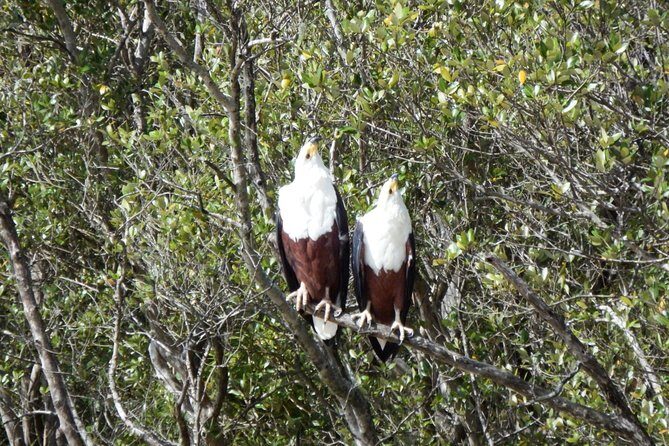
- Birdlife shows up too, including mentions like fish eagle and other species
Why Lake St Lucia and iSimangaliso Wetland Park fit together
Lake St Lucia is the headline act inside iSimangaliso Wetland Park. This is a place where the water is doing the work: it shapes habitat, brings food, and pulls animals into predictable areas at predictable times. On your cruise, you’re not just passively sightseeing—you’re actively looking along the edges of the estuary where wildlife tends to surface, feed, and move.
What I like about this style of outing is that it’s built for eyes-on-the-water watching. Hippos can pop up where you can actually see their whole bodies in the water, not just the occasional head-and-shoulders silhouette. The lake also brings birds into the mix, so even when hippos pause, you still have cues to watch for feathers, wings, and hunting behavior overhead.
If your goal is a classic St Lucia nature day, this hits a sweet spot: it’s short enough to fit into a busy schedule, but long enough to find rhythm and catch wildlife moments.
You can also read our reviews of more boat tours in St Lucia
The St Lucia Estuary stretch: what you’ll actually spend time doing
Your main time on the water is spent cruising the St Lucia Estuary area out on Lake St Lucia. Expect a guided wildlife-watching run that balances travel time with stops where the captain and ranger choose vantage points.
This kind of estuary cruise usually works because you’re covering a lot of water without rushing. You get windows of time where the boat slows or holds position while the guide scans for animals. That’s when you’ll hear the commentary shift into “watch this” mode—hippo groups feeding, birds reacting to activity, and occasional surprises like a monitor lizard sighting that can pop up during the search.
The best moments tend to be simple: a pod floats in, you spot baby hippos among the group, and suddenly you can track their spacing and movement. Some people even end up watching tiny details like swatting hippo flies when the animals get a bit restless. For a wetland experience, that kind of small behavior is what turns the cruise from generic to memorable.
Small boat viewing: the secret weapon for close hippo pods
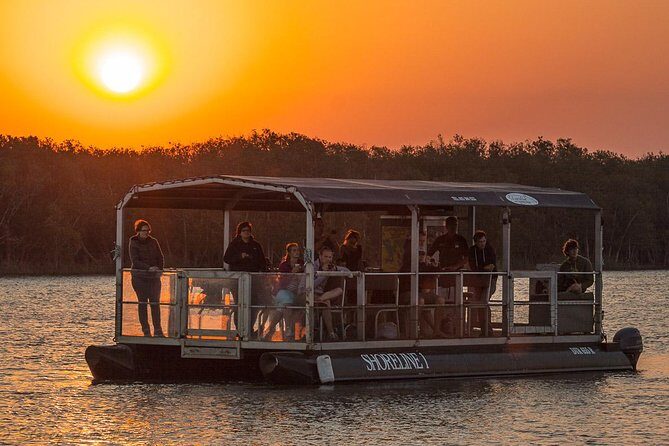
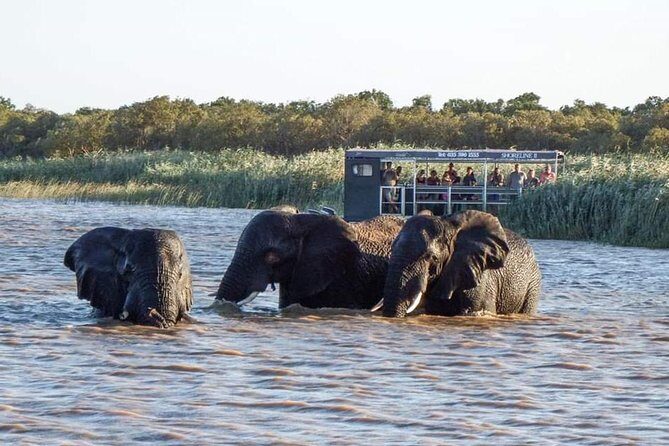
The biggest reason this cruise feels different from the big-boat options is the size. With space for up to 15 passengers, the boat stays manageable, and the viewing stays more personal. That matters when animals appear suddenly. If you have too many people, you end up with cameras competing and sightlines blocked.
On this smaller craft, you’re more likely to get clear sightlines for:
- hippos at the surface
- pods traveling in a line
- close-up moments where you can estimate distance in a way that makes photos look better
In multiple reports, people describe hippos as close—sometimes just a few meters away. Whether you’re photographing or just soaking it in, that nearness is the whole point. You’re not craning across a crowd; you’re watching from the same general viewing area as the guide and the rest of the group.
And yes, this also helps for families. If kids are with you, a small group often means the guide can keep attention on what to watch next, rather than constantly herding people around.
Wildlife expectations: hippos first, crocodiles second (but still possible)
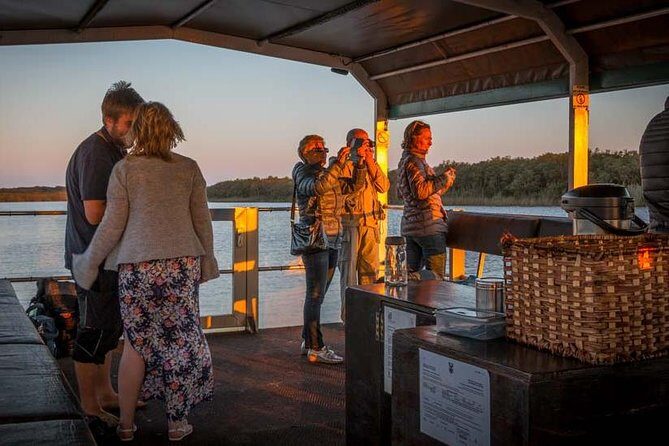
Let’s talk about reality before you go. This cruise is widely associated with hippos, and that’s where the consistency lives. Many sightings include hippo pods—groups of hippos together—plus baby hippos mixed in.
Crocodiles can happen. Some cruises report seeing one crocodile, others mention a couple. But there’s also the pattern of people returning with lots of hippos and few or no crocs. That doesn’t mean you did it wrong; it means the crocs are less predictable in practice, even in a place where they exist.
So my advice: go in with a two-part checklist.
1) Expect hippos as the main payoff.
2) Treat crocodiles as a bonus outcome.
If you do that, you’ll enjoy the ride for what it delivers well, instead of feeling like the day was incomplete.
Bonus wildlife you might spot along the way
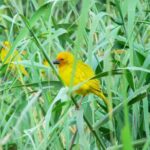
Beyond hippos and crocs, the lake and estuary can bring birds into your frame. Reports include fish eagle mentions, plus general “amazing birdlife.” You may also see other reptiles like a monitor lizard during the wildlife search. The exact mix varies day to day, but the takeaway is steady: it’s not a one-species experience.
How the ranger and guide info makes the cruise better
The boat experience here is more than sitting and waiting. On board, you get commentary from park rangers and guides, with people calling out specific guides such as Mdu and Mdudusi for explaining what they’re seeing.
That explanation matters because it changes how you watch. When you know what to look for—movement patterns, where animals prefer to rest, how different species use the shoreline—you start spotting sooner. Instead of asking what that floating shape is, you catch it instantly and you understand why it’s there.
It also helps with photo timing. When the guide tells you what behavior to expect next, you’re ready for the brief moments when an animal surfaces, turns, or shifts position.
One fair caution: not every guide interaction lands the same. A couple of reports mention a guide being distracted with a phone during the cruise. That doesn’t erase the value of the outing—many days still deliver strong sightings—but it’s a reminder that experience can vary in the human part, even when the wildlife is the star.
Duration and pacing: how to fit a two-hour cruise into your day
This activity runs about two hours. That’s a good length for St Lucia because it won’t swallow your whole schedule. You can pair it with other park or beach time without feeling rushed.
Two hours also gives you enough time for at least one real “animal focus” stretch. In other words, it’s long enough for hippos to appear consistently during the cruise, not just pass by once at speed.
What to plan around:
- You’ll want your camera and phone charged and ready, since hippo sightings can be close and quick.
- Bring something for sun and wind. Estuary water can feel cooler than you expect, and the glare off water is real.
- If you’re traveling with kids, this is one of the better “sit-and-watch” activities in the area—especially because the small group size helps keep attention from splintering.
Price and value: what $23.01 buys you in real terms
At about $23.01 per person, this cruise sits in the “high value for what it delivers” category. You’re paying for:
- time on Lake St Lucia (not just a quick pass)
- wildlife-focused scanning from a boat
- on-board ranger commentary
- a smaller boat rather than a massive crowd environment
If hippos are your priority in St Lucia, the math is simple: the boat gets you into viewing range and into the right areas, and it does so quickly enough to fit any itinerary. Even when crocodiles don’t show, you’re still getting the main product—hippo pods close by plus birdlife and estuary scenery.
Is it perfect? No. Crocodiles are not guaranteed. But for most people, the cruise’s strongest selling point is the hippo viewing, and that’s where it tends to deliver.
Who this cruise is best for
This is a great match if you:
- want hippo viewing as a top priority
- prefer a smaller group with easier sightlines
- like guided wildlife interpretation, not just a boat ride
It’s also a solid choice for families. Reports include kids enjoying hippos very close by, and the guide’s explanations helping younger travelers stay engaged.
If your main goal is crocodile spotting above everything else, I’d still consider going—but be mentally prepared that crocs can be fewer than you hope.
Should you book Shoreline Hippo and Croc Boat Cruises?
I’d book it if you want a short, focused wildlife outing on Lake St Lucia that’s built for hippo viewing and guided facts. The combination of small-group comfort and regular hippo pod sightings is exactly the kind of value you look for in iSimangaliso Wetland Park.
Skip it (or pair it with another plan) only if crocodiles are your single obsession and you’re unable to enjoy the day without them. Otherwise, this cruise is one of the most straightforward ways to see why Lake St Lucia is famous in the first place.
If you go, go with the mindset: hippos first, crocs as a bonus, and birds as the extra surprise. You’ll enjoy the experience a lot more that way.
FAQ
How long is the boat cruise on Lake St Lucia?
The cruise runs for about 2 hours.
Where does the cruise start, and where does it end?
It starts at Siyabonga Tourism Centre, St Lucia, South Africa and ends back at the same meeting point.
What is the maximum group size?
The boat cruise has a maximum of 15 travelers.
What wildlife might I see during the cruise?
Lake St Lucia is known for crocodiles and hippos, along with pelicans and flamingos. Some cruises also include birdlife and other animals like a monitor lizard.
Do I get on-board commentary?
Yes. There is commentary from park rangers during the cruise.
Will I receive a mobile ticket?
Yes, it says the experience includes a mobile ticket.
What happens if the weather is poor?
The experience requires good weather. If it’s canceled due to poor weather, you’ll be offered a different date or a full refund.