REVIEW · CAPE TOWN
Cape Town: Guided Township Tour with Hotel Pickup
Book on GetYourGuide →Operated by Camissa Travel and Marketing · Bookable on GetYourGuide
A ferry ride ends at a prison. This full-day Cape Town tour links township walks with an afternoon on Robben Island, so you get both the everyday reality of post-Apartheid life and the hard facts behind Apartheid. I like that you travel with a driver-guide and local voices, but one catch matters: Robben Island tickets and ferry timing are not prearranged, and weather can affect the crossing.
What I love most is how the day threads together key places that reshaped communities: District Six and Cape Town’s oldest township, Langa. You’re not just handed dates; your guide explains how policies shaped daily life, from Bonteheuwel’s roots to Gugulethu’s post-Apartheid growth.
Expect a long-but-manageable 8-hour rhythm, with a break at the V&A Waterfront for lunch and Table Mountain views, then a guided maximum-security prison tour where Nelson Mandela spent 18 of his 27 prison years.
In This Review
- Key highlights worth planning for
- A practical look at the 8-hour route
- District Six: how policy turned streets into history
- Langa’s walking tour with a local site guide
- Bonteheuwel and Gugulethu: post-Apartheid life isn’t one story
- Lunch with Table Mountain views, then ferry time
- Robben Island ferry and the Mandela cell tour
- Price and logistics: where your money goes
- Who this tour is best for
- Should you book this Cape Town township and Robben Island tour?
- FAQ
- What’s the duration of this Cape Town tour?
- Where does hotel pickup happen?
- What does the tour cost, and what is included?
- Is lunch included?
- Is the Robben Island ticket included in the price?
- Do I need to pre-book Robben Island tickets?
- What time are the Robben Island ferry departures for this tour?
- What documents should I bring?
- Is the tour wheelchair accessible?
- Are pets or large bags allowed?
Key highlights worth planning for
- District Six on the Group Areas Act’s doorstep: a sobering starting point before you head into living neighborhoods.
- A Langa walking tour with a local site guide: the kind of context you can’t get from photos.
- Bonteheuwel and Gugulethu, explained in plain terms: how space, race classification, and economics intersect.
- V&A Waterfront lunch break: quick reset with views of Table Mountain.
- Robben Island’s guided maximum-security prison tour: including Mandela’s cell.
- Hotel pickup + air-conditioned transport: makes a long day feel doable.
A practical look at the 8-hour route
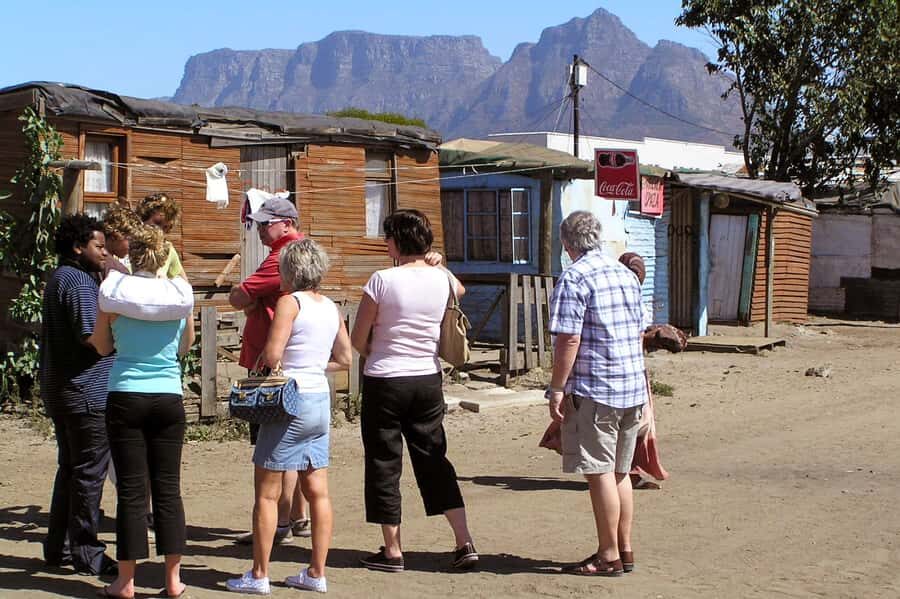
This is a full-day, structured outing built around two very different parts of Cape Town. First, you tour several townships and a District Six historical site by coach and on foot. Then you switch gears and take a ferry out to Robben Island for a guided prison visit.
The big practical win is that you don’t have to coordinate transport between neighborhoods. Hotel pickup options include the Victoria & Alfred Waterfront area, City Centre, Sea Point, Camps Bay, Tamboerskloof, and Gardens. It’s air-conditioned, driven by a driver-guide, and paced so you can ask questions without feeling rushed through every stop.
The timeline is compact, but you are out for about 8 hours total. That means good shoes, and some patience for traffic and walking segments. It’s also not a “lunch is included” day; you’ll have a lunch break at the waterfront, then you head back toward the ferry pier.
You can also read our reviews of more guided tours in Cape Town


District Six: how policy turned streets into history
District Six is where the story starts in the most direct way. The tour begins at the District Six historical site, tied to the Group Areas Act of 1950, when residents were forcibly removed under Apartheid planning.
Even if you’ve read about Apartheid before, this stop lands differently. You’re standing at a place that represents what happens when a government draws lines on a map and then enforces those lines with real consequences. It helps set the tone for the rest of the day, because the later township neighborhoods you visit aren’t random stops. They are part of the same system—just viewed from ground level.
You’ll also get a feel for how displacement echoes forward. In the same way that the removal of people doesn’t erase social networks overnight, the neighborhood layouts you see today come from decisions that were made decades ago. This is why District Six is more than a memorial stop; it’s a framework for understanding everything that comes after.
Langa’s walking tour with a local site guide
Next comes Langa, Cape Town’s oldest township. You’ll spend about an hour here, and the emphasis is on a guided walking tour led by a local site guide.
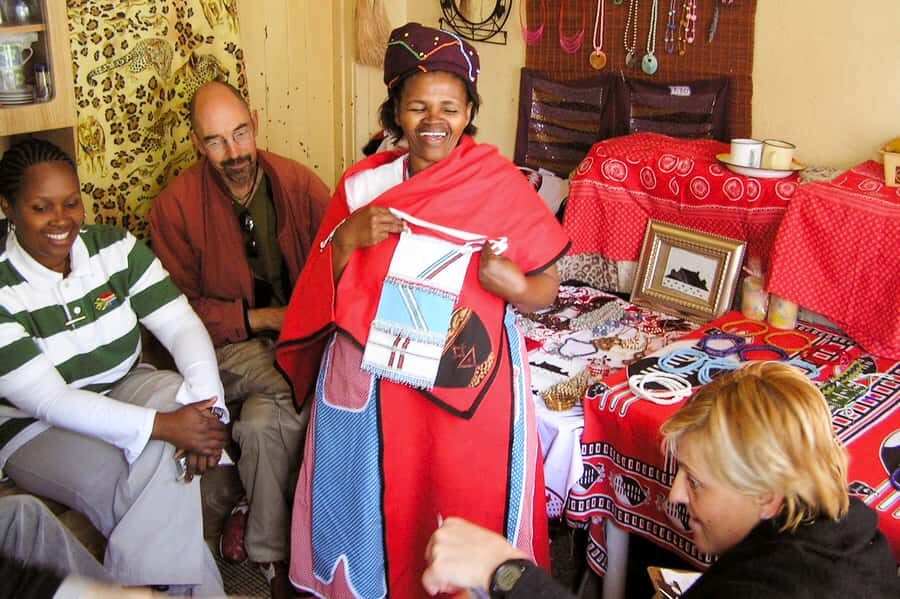
This is the part of the day that usually feels most human. A local guide doesn’t just explain the past; they can point out what’s working, what’s changed, and what daily life looks like now. The tour format also matters: walking keeps you moving slowly enough to ask follow-up questions and see details that you’d miss from a bus window.
One reason Langa is such a strong choice for a guided experience is that “oldest township” doesn’t mean “museum.” Your guide is there to connect the history to ongoing realities—community rhythm, neighborhood structure, and how residents understand the transition after Apartheid.
Expect the tone to be thoughtful, not performative. This is the kind of stop where you come away with a sharper sense of how people navigate systems, not just how systems were built.
Bonteheuwel and Gugulethu: post-Apartheid life isn’t one story
After Langa, the route continues through Bonteheuwel and then on to Gugulethu.
Bonteheuwel is closely tied to District Six. The tour explains that this township was developed from forcibly removed District Six residents who were classified as colored. That detail matters. It shows how Apartheid didn’t only segregate; it reorganized. People weren’t simply separated from one another—they were placed into different categories and different destinations.
Gugulethu is on a different scale. You’ll spend time here learning about the socio-economic dynamics in township communities after the fall of Apartheid. Gugulethu is home to more than 300,000 residents, so the guide’s job is to help you understand how big communities function when shaped by decades of constraints.
This is also where you’ll start noticing the tour’s overall balance. It doesn’t focus only on struggle or only on progress. Instead, it focuses on how the rules of the old system left long-term effects, and how communities respond today. That’s the part you’ll likely remember later when you’re back in the city center looking at how uneven life can still feel.
Lunch with Table Mountain views, then ferry time
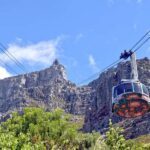
You’ll get a break at the V&A Waterfront for lunch. The stop is about 30 minutes, so it’s more of a reset than a long meal. Still, it’s a convenient spot to stretch your legs, grab something quick, and look toward Table Mountain from the waterfront.
This contrast is useful. You’ve spent time in neighborhoods shaped by Apartheid’s forced geography. Then you’re at a major tourist hub with its own energy and views. It can feel jarring—in a good way—because it highlights how different Cape Town can look just a short distance away.
After lunch, you head toward the ferry for Robben Island. One practical note: plan to stay organized with documents, because the Robben Island visit has its own identification requirements.


Robben Island ferry and the Mandela cell tour
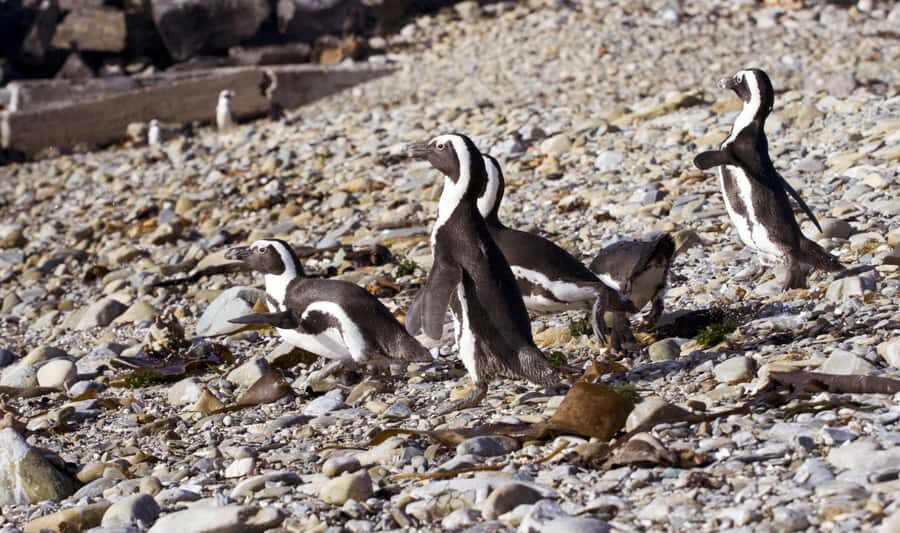
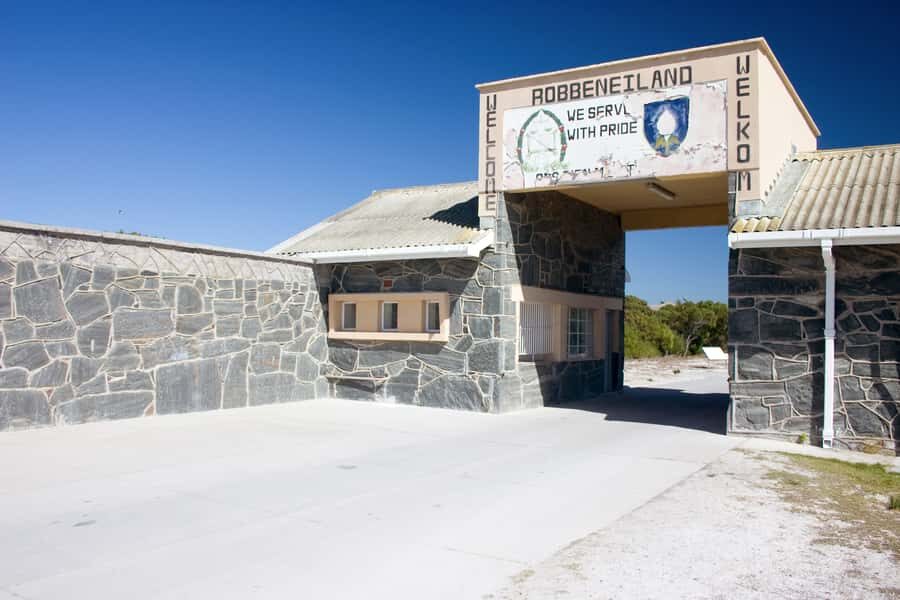
Robben Island is the emotional centerpiece. Nelson Mandela was incarcerated there for 18 of his 27 years of imprisonment, and you’ll get to see where he was held.
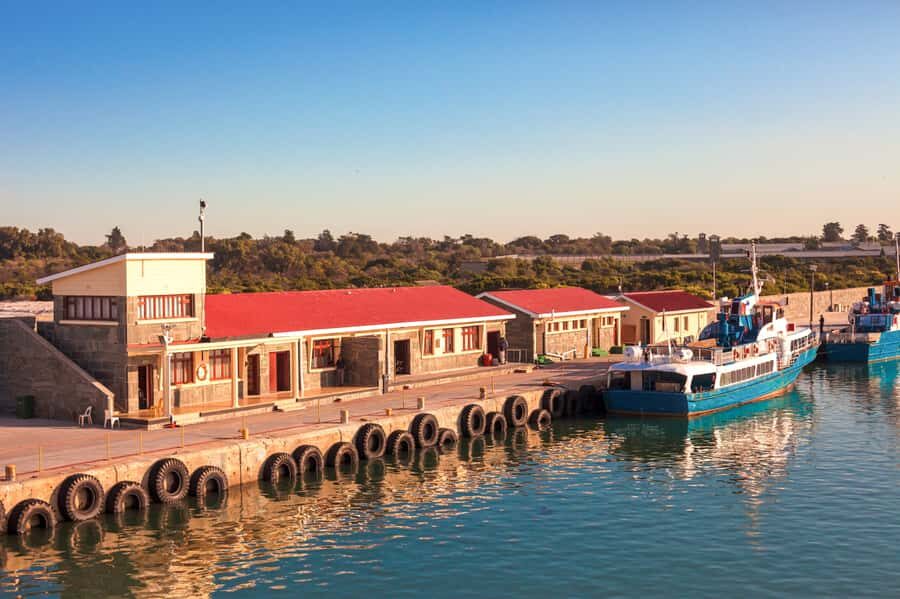
The ferry portion is not included in the tour price, and tickets are not pre-booked for you. You’ll need to arrange your Robben Island ferry and guided prison tour directly with the Robben Island museum online or at the Nelson Mandela Gateway building at the waterfront. The tour guidance also notes to book an afternoon departure slot at 13h00 or 15h00.
Why this matters: Robben Island is weather-dependent. Wind and rough conditions can interrupt the crossing, and the ferry tickets are subject to availability. So even though the day is planned, the island experience hinges on factors outside your control.
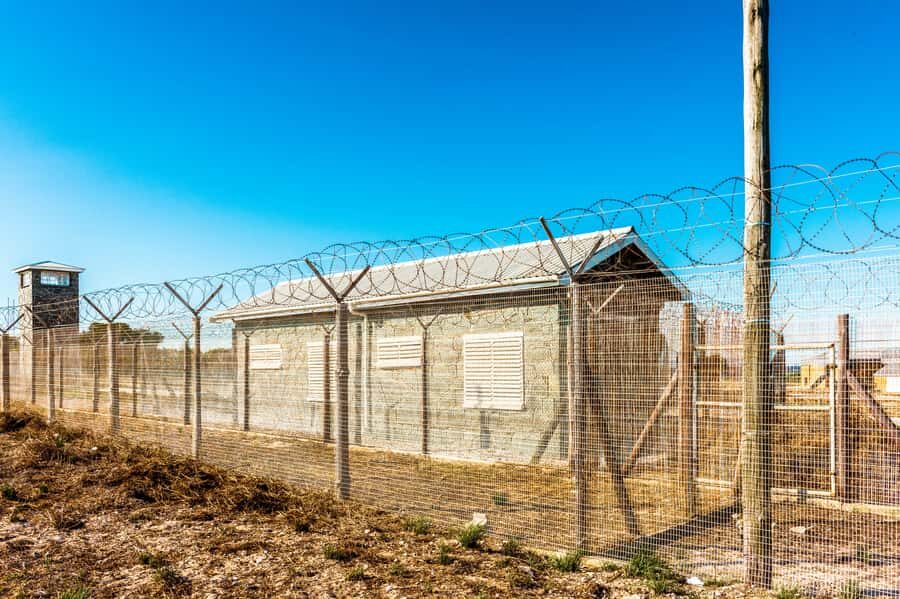
On the island, you’ll join a guided maximum-security prison tour. Your route takes you through the prison environment and includes a visit to Mandela’s cell. A guided prison experience works better than a self-tour here because a guide can connect the spaces to what life was like inside, and you don’t have to guess what you’re looking at.
If you want to get the most out of this part, come in ready to listen. This isn’t sightseeing with trivia stops. It’s a tour about incarceration, resilience, and the cost of political oppression.
Price and logistics: where your money goes

The tour price is listed at $54 per person for about 8 hours, including hotel pickup, transportation by air-conditioned vehicle, a driver-guide, a District Six visit, and a guided walking tour in Langa.
What’s not included is lunch and, most importantly, Robben Island ferry + the guided prison tour. Robben Island costs are given as R600 per adult and R310 per child (with discounts applying for South African citizens). The Robben Island part also requires that you arrange your own tickets and carry the correct ID.
So is it good value? In my view, yes, if your goal is a guided township day plus a Robben Island add-on without having to figure out local transport. You’re paying for a structured route, pickup convenience, and local guided time where it counts. The extra cost is the island, which is non-negotiable if you truly want the Mandela cell visit.
Two logistics tips can save you headaches:
- Bring your passport or ID card. Robben Island has specific ID number requirements that need to be provided for booking.
- Don’t show up to the ferry side hoping it will all sort itself out. The tour explicitly notes that they do not pre book Robben Island tickets.
Also, you won’t be allowed pets, and luggage or large bags aren’t permitted. If you pack light, you’ll keep the day smooth.
One more small planning habit: bring water. At least one participant suggested it would help, and on a hot day with walking, that’s easy to agree with.
Who this tour is best for
This experience fits best if you want more than Cape Town’s surface postcard scenes. It’s a strong choice for people who care about how history shaped today’s neighborhoods, and who appreciate learning from local guides rather than only from a guidebook.
It’s also a good option if you like a day that moves between parts of the city with a clear theme. You go from District Six’s forced removals to living township realities, then finish with the physical prison where Mandela was held.
If you’re sensitive to emotionally heavy content, it’s worth knowing upfront that Robben Island can be intense, and the township history is not neutral. That said, the tour approach is guided and structured, and many visitors describe feeling welcomed and comfortable with the local guidance.
If you have limited mobility, the activity is listed as wheelchair accessible. Still, you should expect that some parts involve walking segments, and you’ll want to judge your comfort level.
Should you book this Cape Town township and Robben Island tour?
I’d book this tour if you want a guided day that combines Apartheid context you can actually see with the Mandela prison experience that most people plan Cape Town around. The local-led walking portion in Langa is the kind of grounding that makes the rest of the day click, and the transportation and pickup are a real convenience.
Skip or rethink it if you strongly prefer to control every ticket yourself or you’d rather avoid weather risk. Robben Island ferry timing is not guaranteed, and the tour isn’t responsible for pre-booking your island slots. You’ll also need to plan for the extra Robben Island cost beyond the $54.
If you do book, the smartest move is simple: sort out your Robben Island tickets early, travel with the correct ID, and keep your afternoon flexible. Do that, and you’ll get a day that’s more than a box-check. You’ll leave with a sharper picture of Cape Town’s past and present—plus the kind of memory that stays quiet but sticks.
FAQ
What’s the duration of this Cape Town tour?
The tour lasts about 8 hours, including the township visits and the Robben Island portion.
Where does hotel pickup happen?
Pickup is available from hotels in Cape Town city center, the waterfront, and areas on the Atlantic seaboard, including Camps Bay. Specific pickup options listed include Victoria & Alfred Waterfront, Tamboerskloof, Cape Town City Centre, Sea Point, Camps Bay, and Gardens.
What does the tour cost, and what is included?
The listed price is $54 per person. Included are hotel pickup, transportation in an air-conditioned vehicle, a driver-guide, District Six visit, and a guided walking tour in Langa.
Is lunch included?
No. Lunch is not included. You’ll have a lunch break at the V&A Waterfront.
Is the Robben Island ticket included in the price?
No. Robben Island ferry and the guided tour are not included. The cost is listed as R600 per adult and R310 per child (with discounts for South African citizens).
Do I need to pre-book Robben Island tickets?
Yes. The tour states they do not pre book tickets for Robben Island. You should make your own arrangement online or at the Nelson Mandela Gateway building at the waterfront.
What time are the Robben Island ferry departures for this tour?
You’re advised to book an afternoon slot at 13h00 or 15h00.
What documents should I bring?
You should bring a passport or ID card. For Robben Island, you may need to provide passport or ID numbers for booking, and South African citizens need to provide an ID number and date of birth.
Is the tour wheelchair accessible?
The tour is listed as wheelchair accessible.
Are pets or large bags allowed?
Pets are not allowed. The tour also notes that luggage or large bags are not allowed.