REVIEW · EAST LONDON
Addo Elephant Park multi-day Photo Safari
Book on Viator →Operated by Traveloma Tours & Safaris · Bookable on Viator
Big animals, small group, real history. This 3-day Addo Elephant Park photo safari blends East London stops with a full day in Addo’s Big Seven country, plus two nights close to the action. I like the focus on photography time and the capped group size (max 13), so you’re not stuck sharing every sighting through a crowd.
One thing to consider: you’ll spend long hours outdoors in the park, so plan for heat, dust, and a photo day that depends on conditions and animal movement. The payoff is the guide-led search for the shots you might miss on your own.
In This Review
- Key points at a glance
- East London City Hall to King Williams Town: a strong start
- The Steve Biko Centre: learn the language of the place
- Addo’s Big Seven in one long photo day
- Two nights near Addo plus a braai night
- Sundays River Mouth and Beach: cruise or sandboarding time
- Small-group cap: why it changes the safari feel
- Price and value: is $517.25 a fair deal?
- Logistics and timing: the stuff that affects your experience
- Should you book this Addo Elephant Park Photo Safari?
- FAQ
- How many days is the Addo Elephant Park photo safari?
- What time does the tour start and where does it end?
- What is the maximum group size?
- Is pickup offered, and what vehicle do you use?
- What happens on the full Addo Elephant National Park day?
- Is admission included on the East London and Sundays River Mouth stops?
- Is accommodation included, and is there a meal on the trip?
- What activities are available at Sundays River Mouth and Beach?
- If weather is bad or I need to cancel, what are my options?
- Are service animals allowed?
Key points at a glance
- Max 13 people keeps the vibe social without feeling chaotic
- Full day in Addo (about 9 hours) gives your camera time to work
- Braai night plus Xhosa click practice adds cultural texture beyond wildlife
- East London history stops (including the Steve Biko Centre) set the context fast
- Sundays River Mouth offers a break with optional boat cruises or sand boarding
East London City Hall to King Williams Town: a strong start
Day 1 begins with an 8:00 am start from the meeting point, and you’ll ride in an air-conditioned vehicle while working your way through East London. The first stop is the East London City Hall area, with time to see places like Beachfront, Hero’s Park, the German Settler Monument, City Hall, and Duncan Village.
From there, you’ll travel through Mdantsane Township en route to the historic area of King Williams Town. This is one of those days that works well if you’re tired of jumping straight into animals without understanding the human story in the background. The stops are brief, but they’re varied enough to give you quick context for South Africa today and yesterday.
Practical tip: if you want photos that aren’t all “car window blur,” bring a camera strap you can use one-handed. You’ll be passing many scenes quickly, so think photo bursts rather than perfect framing.
You can also read our reviews of more tours and experiences in East London.
The Steve Biko Centre: learn the language of the place
After the city-area orientation, you’ll spend about an hour at the Steve Biko Centre. Admission is included, which matters because these cultural sites can add cost on top of a wildlife-heavy trip.
This stop focuses on South African history, especially the Apartheid era and the story of Steve Biko, who led the Black Consciousness Movement. I like how this isn’t presented as a dry lecture. It gives you names, context, and a clearer sense of how people shaped the country you’re about to explore.
Photo tip: the centre is ideal for slower, more intentional shots. If you’re used to wildlife photography, shift gears. Look for faces, exhibits, and the small details that tell you what mattered to the people telling the story.
Addo’s Big Seven in one long photo day
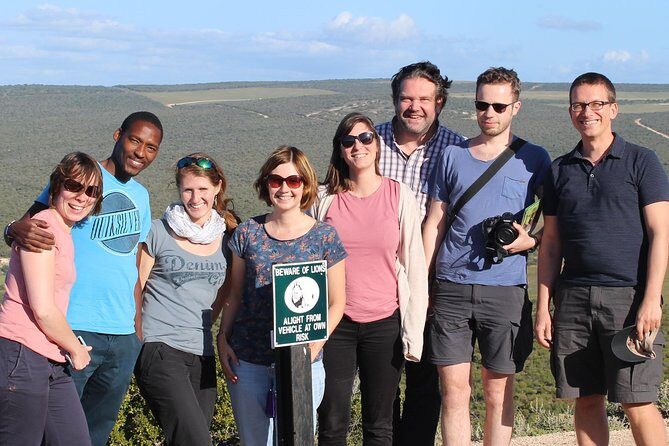
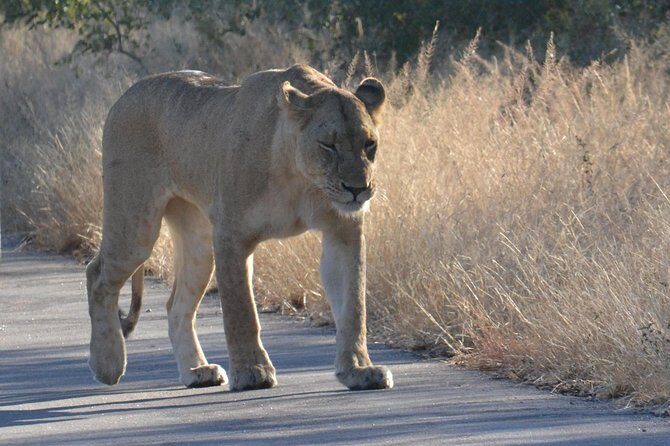
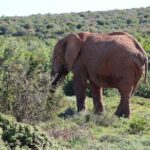
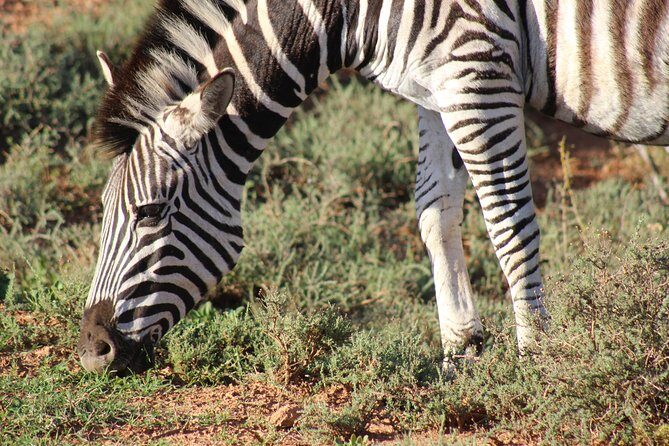
Day 2 is the heart of the trip: a full day inside Addo Elephant National Park. You’ll spend about 9 hours in the park, and admission is free for this day. Addo is known for the Big Seven: lion, buffalo, elephant, rhino, leopard, plus a couple of other big draws. What makes this park special for a photo safari is that it mixes land mammals with the marine world too.
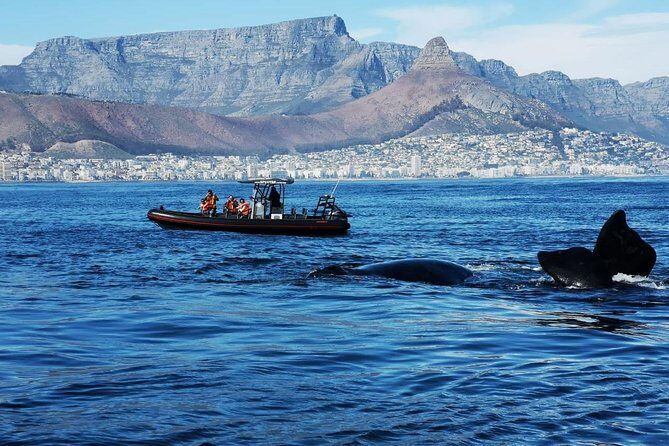
In the Addo program here, you’re also told to keep an eye out for the great white shark and southern right whale. Even if you don’t catch the ocean animals directly on your park route, that mix helps you understand why people talk about Addo as more than just a big-land safari. It’s a whole ecosystem story.
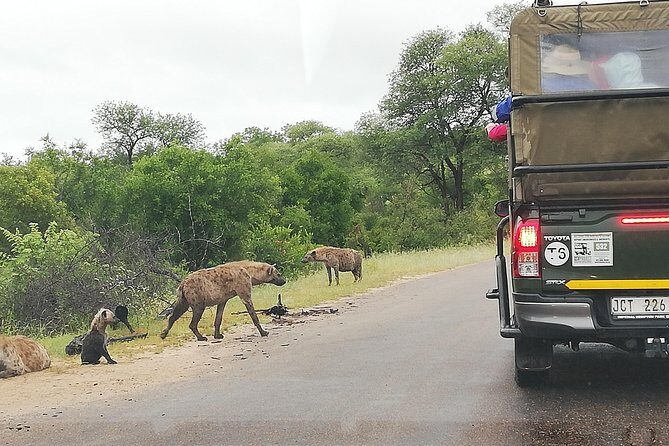
This is where your guide matters. In the reviews tied to this tour, Tobz comes up again and again for spotting animals you might not clock on your own. The practical value is simple: he knows where to look and he’ll point out what to notice, which saves you time and frustration. In a wildlife park, your “best shot” often arrives when you’re paying attention to the right tiny signs.
How to make your 9 hours work for your photos:
- Use short bursts and stay ready. Animal sightings can be brief, then gone.
- Expect dust and heat haze; pack a microfiber cloth for lenses.
- Think in layers: wide-scene when you see the landscape, then zoom for behavior shots (ears, tails, head turns).
Two nights near Addo plus a braai night
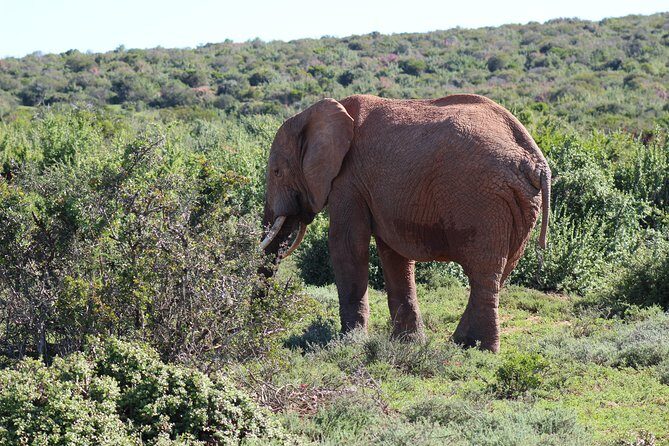
You get two nights of accommodation in the area near Addo, which is a big value piece for a 3-day itinerary. Instead of rushing back and forth, you actually get time to reset, recharge gear, and be ready for the next day’s sightings.
One highlight that turns this into more than a “wildlife only” trip: a traditional South African braai is included. You’ll also get help learning to pronounce Xhosa clicks. That part may sound small, but it’s a fun way to break the ice with the culture instead of just treating it like a backdrop.
I like braai nights on safari trips because it slows everything down. You stop thinking about your next camera moment and start sharing the day’s best sightings, the weird moments, and the near-misses. And if you’ve never tried practising click sounds before, you’ll appreciate how quickly the group learns together.
Practical note: bring a light layer. Even if the day is hot, evenings can feel cooler, especially when you’re checking camera batteries and transferring photos.
Sundays River Mouth and Beach: cruise or sandboarding time
On Day 3, you head to Sundays River Mouth and Beach for about 3 hours. The tour gives you options, including boat river cruises or sand boarding. Admission is included for this stop, so you’re not stacking extra ticket costs onto a day that’s more about variety and relaxation.
This day works as a palate cleanser after the intense focus of Addo. You shift from spotting wildlife to photographing coastlines, motion, and landscapes that feel less rigid than a safari grid. If you enjoy action shots, sand boarding can be great for capturing movement—just keep your lens protection in mind.
What to pack for this portion:
- Sun protection (it’s still South Africa, and it’s bright)
- A way to secure your camera during movement
- A plan for water resistance or at least splash protection, depending on your chosen activity
Small-group cap: why it changes the safari feel
The tour caps the group at 13 travelers, and that number matters more than it sounds. Smaller groups usually mean you get better time with your guide, less waiting when someone needs a break, and fewer people crowding each photo stop.
On safari days, that can be the difference between seeing something in theory and getting the shot in practice. The reviews specifically praise the guide’s ability to spot animals you would have missed and to keep things running smoothly—organized timing is a quiet superpower on a long park day.
Also, smaller groups tend to gel fast. You’re in a vehicle all morning, then you’re out in the park all day, and you end up trading tips like where to stand, when to swap batteries, and what settings worked best. That social piece is part of the value here.
Price and value: is $517.25 a fair deal?
At $517.25 per person for roughly 3 days, this tour is priced for people who want real safari time without turning the trip into a DIY headache.
Here’s what you’re paying for that’s clearly built in:
- Two nights of accommodation near Addo
- A full day in Addo Elephant National Park (about 9 hours), with admission included for that day
- A traditional South African braai
- Cultural time in East London and at the Steve Biko Centre
- Vehicle support with an air-conditioned vehicle
- Meals/experiential extras like Xhosa click practice
What’s not included: equipment used on activities. That matters for the Sundays River Mouth options. If sand boarding or a boat cruise requires gear you’re expecting to be provided, verify what you’ll be given. If you bring your own camera system, you’re fine—this is really about activity equipment.
Who this price fits best:
- You want guided spotting and timing in Addo
- You’d rather do a structured 3-day plan than juggle transport and bookings
- You care about photo opportunities but also want cultural stops that feel local
Logistics and timing: the stuff that affects your experience
The tour starts at 8:00 am, runs across three days, and ends back at the meeting point. That simple loop is good. It reduces the mental load of figuring out where you’ll be dropped.
Also, this experience requires good weather. If it’s canceled due to poor weather, you’ll be offered a different date or a full refund. That’s worth taking seriously because wildlife timing and beach/coast plans aren’t always predictable.
One more practical angle: the itinerary packs a lot into Day 1 and Day 3 after the big Day 2. That’s not a problem if you like variety, but if you prefer slow days, you’ll want to go into it knowing Day 1 is mostly “see and learn,” Day 2 is “hunt the best shots,” and Day 3 is “play and refresh.”
Should you book this Addo Elephant Park Photo Safari?
I’d book it if your priorities are guided wildlife photography time plus a cultural thread that isn’t just a quick bus stop. The combination of a full Addo day, two nights near the park, and a braai night with Xhosa click practice makes it feel like a real trip, not a checklist.
Skip it (or at least ask more questions) if you need total flexibility every day or you’re expecting lots of included activity gear at Sundays River Mouth. Otherwise, this small-group format is a strong fit for people who want the Big Seven experience with a guide who can help you actually notice what’s there.
FAQ
How many days is the Addo Elephant Park photo safari?
It’s a 3-day experience, approximately.
What time does the tour start and where does it end?
The start time is 8:00 am, and the tour ends back at the meeting point.
What is the maximum group size?
The tour has a maximum of 13 travelers.
Is pickup offered, and what vehicle do you use?
Pickup is offered, and you travel in an air-conditioned vehicle.
What happens on the full Addo Elephant National Park day?
You spend the whole day in Addo (about 9 hours), learning about animals, plants, and bird species. Admission for this day is included.
Is admission included on the East London and Sundays River Mouth stops?
Yes. Admission is included for the East London City Hall stop and the Steve Biko Centre, and admission is included for Sundays River Mouth and Beach.
Is accommodation included, and is there a meal on the trip?
Accommodation is included for two nights near Addo, and a traditional South African braai is included.
What activities are available at Sundays River Mouth and Beach?
You can choose between boat river cruises or sand boarding (among other activities), during the roughly 3-hour stop.
If weather is bad or I need to cancel, what are my options?
This experience requires good weather. If it’s canceled due to poor weather, you’ll be offered a different date or a full refund. You can also cancel for a full refund up to 24 hours in advance of the experience’s start time.
Are service animals allowed?
Yes, service animals are allowed.