REVIEW · CAPE TOWN
Cape Agulhas, Hermanus & Stoney point Penguins full Day Tour
Book on GetYourGuide →Operated by Cape Archives tours · Bookable on GetYourGuide
Two oceans meet, then penguins steal the show. This full-day tour from Cape Town threads the Whale Coast route to Stoney Point for African penguins up close, then pushes on to Cape Agulhas where you can climb the lighthouse for wide views. I like how it mixes wildlife, coastal scenery, and culture in one tight plan, not just a long car day.
The one real drawback is time and price: at $224 per person for a 10-hour day, the long driving hours can feel steep if you’re only after one or two stops.
In This Review
- Key things that make this day tour worth your time
- The Whale Coast Route Sets the Tone for the Day
- Stoney Point Penguins: Close Encounters, Better Focus Than You Expect
- Hemel en Aarde Wine Tasting: Cool-Climate Flavor with Atlantic Influence
- Hermanus for Lunch and Whale-Watching Season (June to November)
- Elim: A Quiet Moravian Town Founded in 1824
- Struisbaai to Cape Agulhas: The Most Southern Point Feeling
- Cape Agulhas Lighthouse and Museum: The Stairs That Make the Trip Stick
- Price and Logistics: Is $224 Good Value for a 10-Hour Day?
- Your Guide Makes the Day: Friendly, Patient, and Built for Long Hours
- Who Should Book This Tour (and Who Might Not)
- Should You Book Cape Agulhas, Hermanus & Stoney Point Penguins?
- FAQ
- How long is the tour?
- What is included in the price?
- Are meals and drinks included?
- What languages is the live guide available in?
- Can the tour be run in bad weather?
- Is there a chance to see whales in Hermanus?
- Where do you visit the African penguins?
- Which wines are tasted in Hemel en Aarde?
- Is the Cape Agulhas lighthouse climb part of the experience?
- What should I bring?
Key things that make this day tour worth your time
- Atlantic meets Indian at Cape Agulhas—a quick trip with big “this is the edge of Africa” payoff
- Stoney Point penguin viewing gives you close-range moments without needing to plan a separate trip
- Hemel en Aarde wine tasting focuses on cool-climate bottles like Pinot noir and Chardonnay
- Hermanus whale season is seasonal (best June to November), so you’re planning with the calendar, not luck
- Elim (Moravian town, founded in 1824) offers a rare slow pace and historic walking moments
- Agulhas lighthouse stairs add an active option with strong viewpoints at the end of the drive
The Whale Coast Route Sets the Tone for the Day
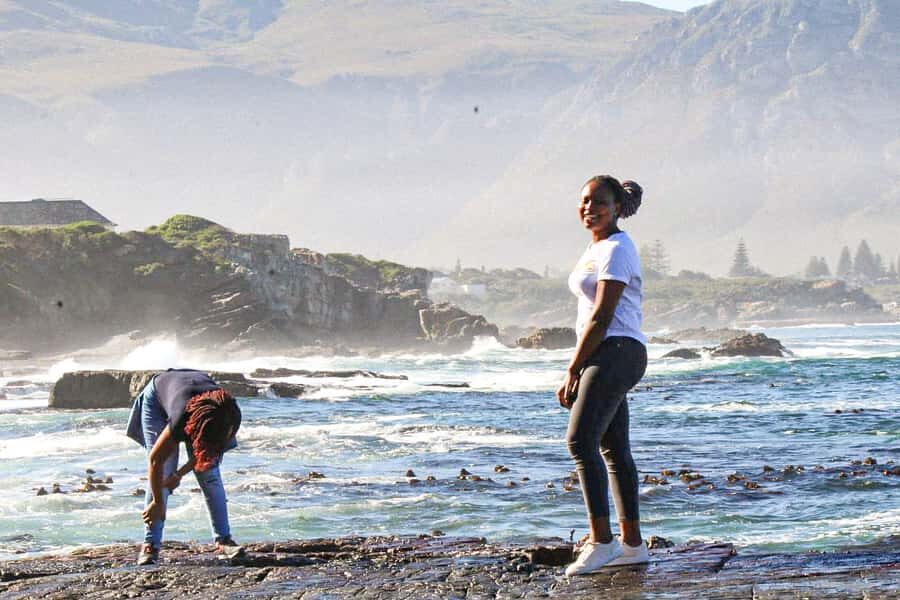
This tour starts the way the best Western Cape days do: you’re rolling out of Cape Town and heading along the Whale Coast route. The drive matters here. You get repeated chances for photos and those classic coastal “salt air + rugged rock” feelings as the coastline curves toward the meeting point of oceans later in the day.
You’ll pass stretches where the Cape folded belt mountains run right alongside ocean views—especially around the False Bay area. Even if you’re not a window-photo person, this kind of routing is why the day feels like more than checkboxes. It’s also a relief that the plan is structured: you’re not figuring out a multi-stop map while you’re tired.
This is also a full-day format, so it helps to go in expecting a lot of time on the road. In return, you get the southern sweep plus multiple stops that each have their own character—penguins, wine, whales (seasonal), a Moravian town, then the Cape Agulhas lighthouse.
A few more Cape Town tours and experiences worth a look

Stoney Point Penguins: Close Encounters, Better Focus Than You Expect
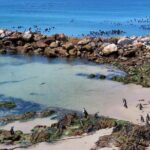
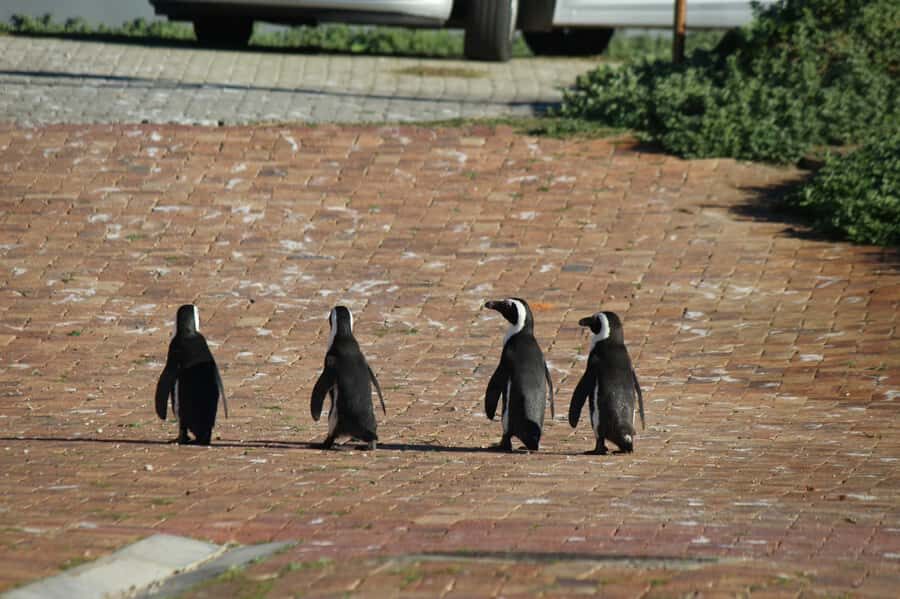
Stoney Point is one of the reasons to choose this exact itinerary instead of piecing things together. You arrive at a working African penguin breeding colony where you can see the birds from close range. The value here is simple: you’re not traveling hours just to get a distant coastal view. You’re there for the penguins, and the stop is built around that.
One of the most praised parts of this tour is the way the penguin viewing feels more relaxed than other popular spots. The setting has a charm to it—less about battling crowds and more about watching the colony in motion. If you’ve ever thought you’d like penguins but hate the idea of long, uncomfortable waits, this is a good bet.
Practical note: wear comfortable shoes. Penguin viewing paths can mean uneven ground and frequent short walks. Also, sunscreen helps—coastal sun shows up fast, even when clouds roll in.
If penguins are your main priority, you should still treat the rest of the day as important. That’s because the penguin stop is just the first “wow.” After that, the itinerary keeps your momentum going with wine and coastal towns that feel very different from each other.
Hemel en Aarde Wine Tasting: Cool-Climate Flavor with Atlantic Influence
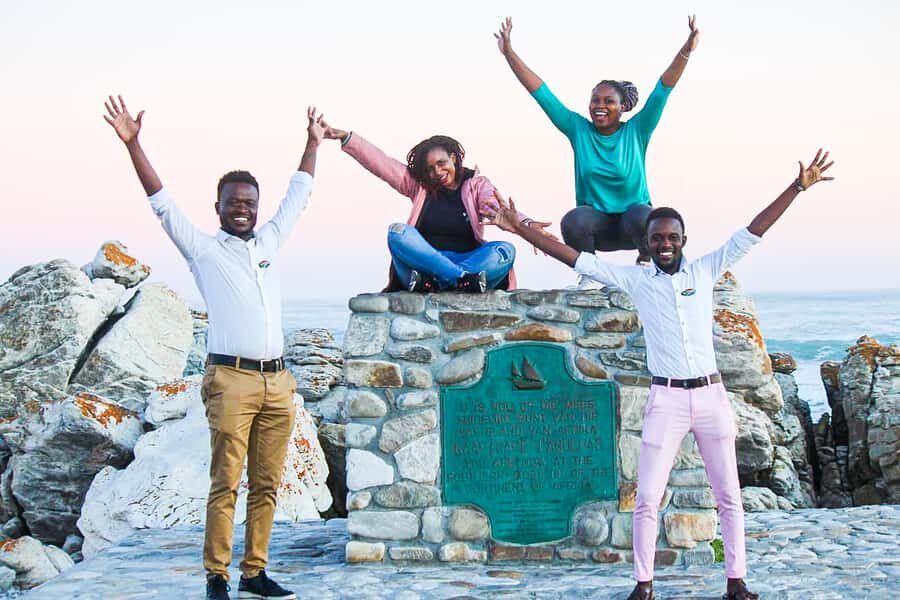
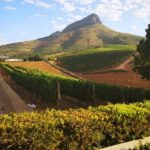
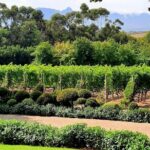
Next comes Hemel en Aarde, South Africa’s cool-climate wine region. This stop is short enough to keep the day moving, but specific enough that it doesn’t feel like an obligation. The key detail: altitude and sea breeze help create fresher profiles here than you might expect from a country known for sun-warmed grapes.
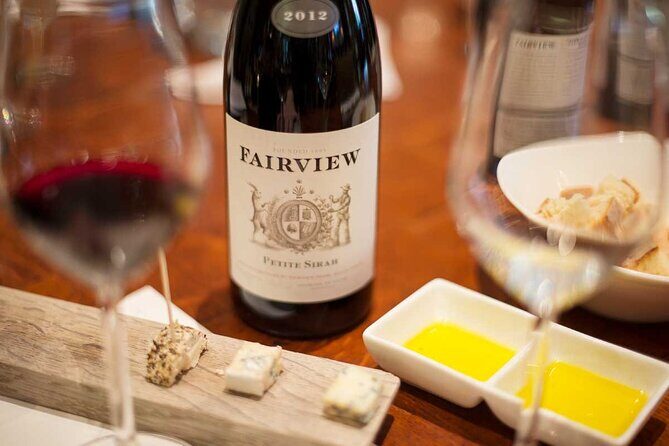
You’ll have a wine tasting session focused on Pinot noir and Chardonnay. I like that the tasting lineup is clear. You know what you’re showing up for, and you can decide quickly whether you’re into lighter reds and crisp whites or you’d rather be sampling something else on another trip.
This stop also balances the wildlife parts of the day. Penguins and coastline are all texture and movement. Wine tasting is the opposite: it gives you a chance to slow down for a set period, ask questions, and taste something made from this exact geography.
If you’re the type who usually skips tastings, don’t automatically assume this will be boring. Cool-climate wines in a high, windy region can taste very different from what you’ll find elsewhere. Even if you don’t buy bottles, you’ll still learn how the region’s air and elevation shape flavor.
Hermanus for Lunch and Whale-Watching Season (June to November)
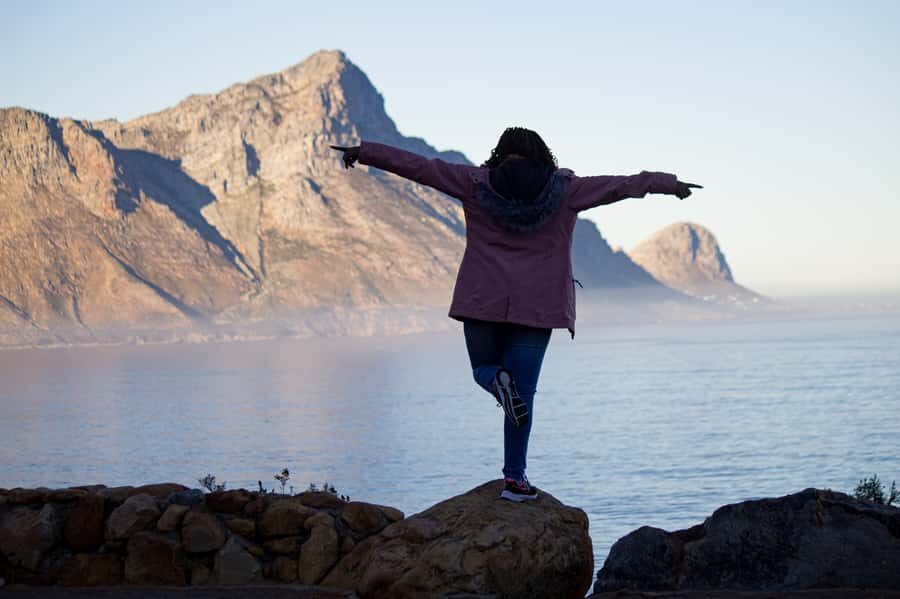
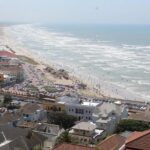
Hermanus is next, and it’s a smart pivot from wine to coastline. The town is known as South Africa’s whale-watching capital, and the itinerary lines up that promise with reality: whales can be spotted from the whale trail along the shores during June to November.
That season detail matters. If you’re traveling outside those months, you might still enjoy Hermanus a lot—but you shouldn’t anchor your day on whale sightings. The day tour still gives you time to enjoy the town and have lunch there, which makes the long drive feel less punishing.
Hermanus also has a reputation as a gastronomy town. The practical benefit is that you’ll have choices for lunch without feeling like you’re stuck with a single preset menu. And because the day tour continues after Hermanus, you’re not spending your entire afternoon waiting around. You’re eating, strolling, and then moving south again.
If you love coastal walks, Hermanus is where your pacing can change for a bit. If you’re not into walking, even a short look along the shore can be enough—Hermanus is made for watching the ocean for signs.
Elim: A Quiet Moravian Town Founded in 1824
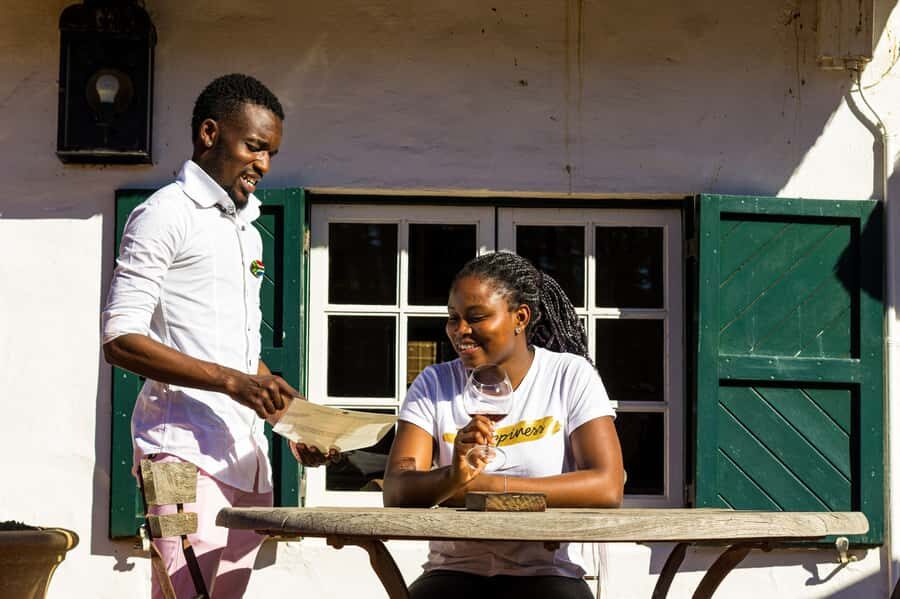
After Hermanus, you head to Elim, a small town founded in 1824 by German missionaries as a Moravian station near Cape Town. This is where the tour gains something most “coast + animals” days forget: real culture, with a human scale.
You’ll get a guided walk and visits to historic buildings. The point isn’t just photos. It’s understanding how a mission settlement took root and continued for generations. Elim is described as having changed very little despite modernization in nearby areas, which makes it feel unusually intact.
I like this stop for two reasons. First, it breaks up the day’s repetitive “drive, stop, drive again” rhythm. Second, it gives you a slower lens on the region. You move from penguins and ocean to streets lined with whitewashed cottages and thatched roofs—then into the stories behind them.
And there’s a peace-of-mind factor. Elim is presented as having very low crime rates. That doesn’t mean you stop thinking about safety, but it does mean you can enjoy wandering and listening without that constant mental background noise.

Struisbaai to Cape Agulhas: The Most Southern Point Feeling
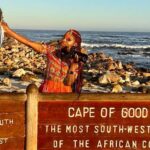
Next the tour travels further south toward Struisbaai, described as the most southern town in Africa, with Cape Agulhas situated there. This is the moment where the trip stops being about “a day around the Cape” and starts being about the literal edge.
From here, you’re in Agulhas National Park, which includes major wetland reserves. The wetlands are said to attract over 20,000 different bird species annually, and the park is part of the Cape Floral Kingdom, described as the world’s richest flora kingdom. Those are big statements. The translation for you is that this isn’t just a viewpoint stop. It’s a place where the coast supports wildlife and plant life in ways that go beyond the lighthouse photos.
Now, you won’t spend hours on birdwatching. This is still a 10-hour day tour. But the order of stops helps you connect the dots: penguins, whales/shore views, then birds and flora as you approach Cape Agulhas.
Cape Agulhas Lighthouse and Museum: The Stairs That Make the Trip Stick
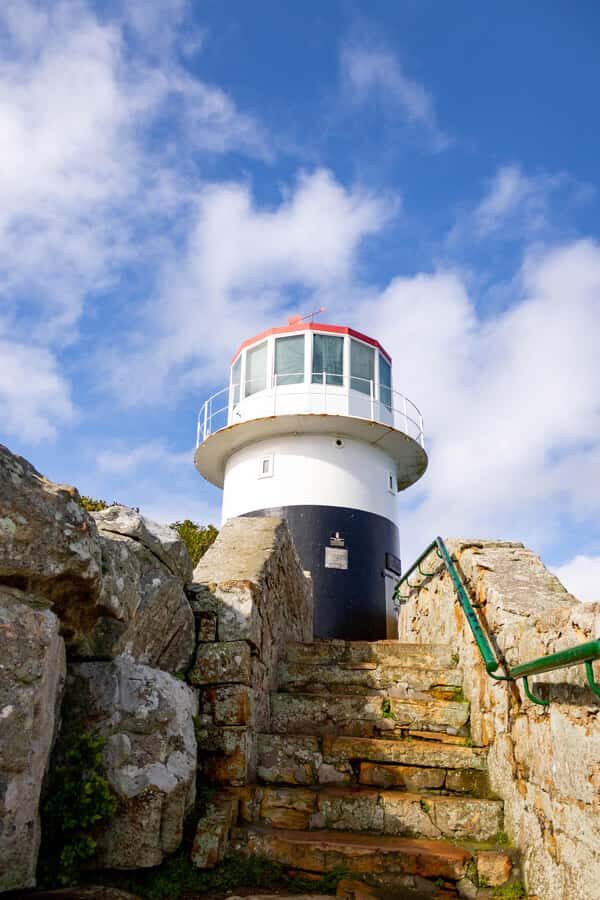
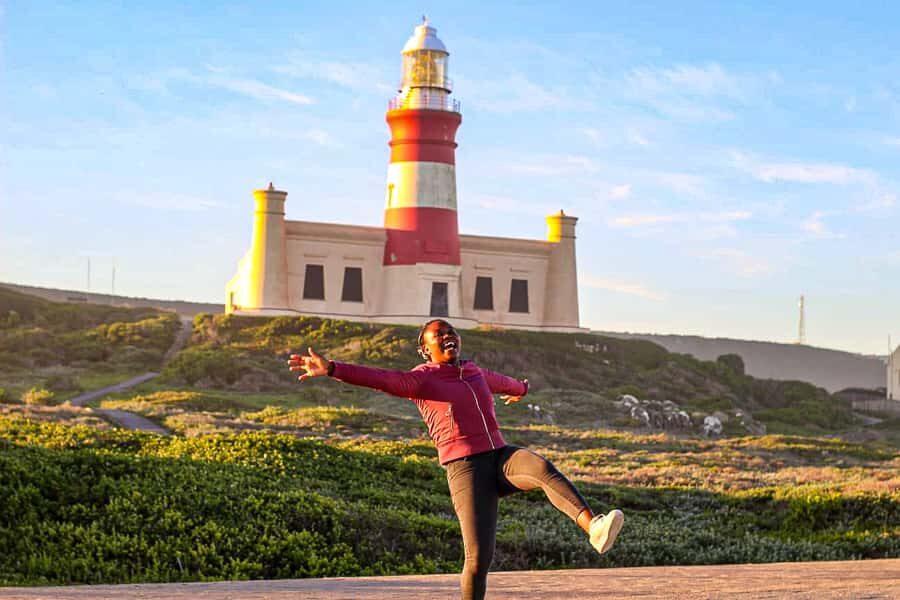
Cape Agulhas Lighthouse is the second oldest lighthouse in South Africa, and the tour includes a chance to climb the steep staircase to the summit for views over the town and national park. This is a big reason I think the itinerary has staying power. You’re not just arriving at a marker and moving on—you’re doing one active thing that rewards you with perspective.
That climb also helps with the pacing problem of a long day. After hours of driving and short stops, getting your legs moving resets your attention. It’s a good time to slow down and actually look around: the coastlines, the park edges, and that feeling of being at the end of a long journey.
The tour also includes Cape Agulhas Museum fees, which adds context to what you’re seeing. Even if you only skim a portion, having museum time connected to the lighthouse stop makes the moment more meaningful. You’re not just collecting scenery. You’re placing it in a broader story.
If you’re sensitive to stairs, plan smart. The information specifically calls out steep steps, so wear sturdy shoes and take it slow on the way up and down.
Price and Logistics: Is $224 Good Value for a 10-Hour Day?

Let’s talk value, because it’s easy to judge a day tour by the sticker price and ignore what’s included. This one is $224 per person for a 10-hour private tour with hotel pickup and drop-off.
What’s included that you’d otherwise pay for on your own:
- Stoney Point entrance fees
- Wine tasting fees in Hemel en Aarde
- Cape Agulhas Museum fees
Food and drinks are not included, so lunch will be on you in Hermanus (or wherever you choose within your planned time). That matters when comparing tours. Some cheaper options bundle fewer entrance and tasting costs, so the final math can shift fast.
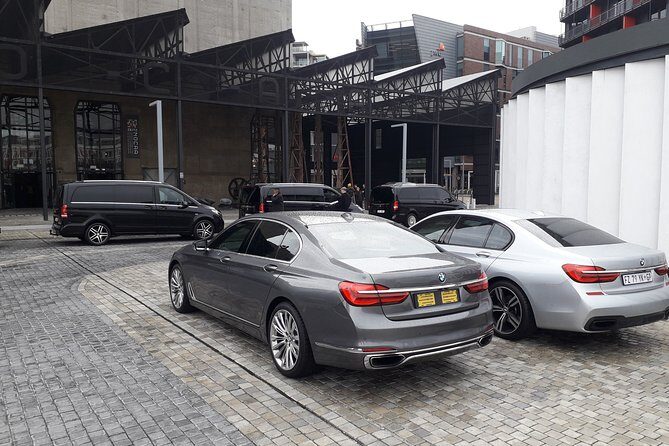
You’re also paying for the hard part: the driver and guidance through a long southern loop. Private format means the day can feel smoother, with a live guide in English or French and a plan that doesn’t fall apart if you miss one quick photo stop.
Still, price can feel high if your priorities are narrow. One guide-led day that focuses heavily on a few icons can become expensive if you compare it to other Cape day trips that cover fewer paid activities. If your main goal is one single highlight, you might feel like the day is trying to deliver more than you need.
For me, this tour’s best value shows up if you want a day that combines:
- wildlife viewing that isn’t a distant viewpoint
- a real wine tasting with specific varietals
- a historic Moravian town stop that’s more than just a quick photo
Your Guide Makes the Day: Friendly, Patient, and Built for Long Hours
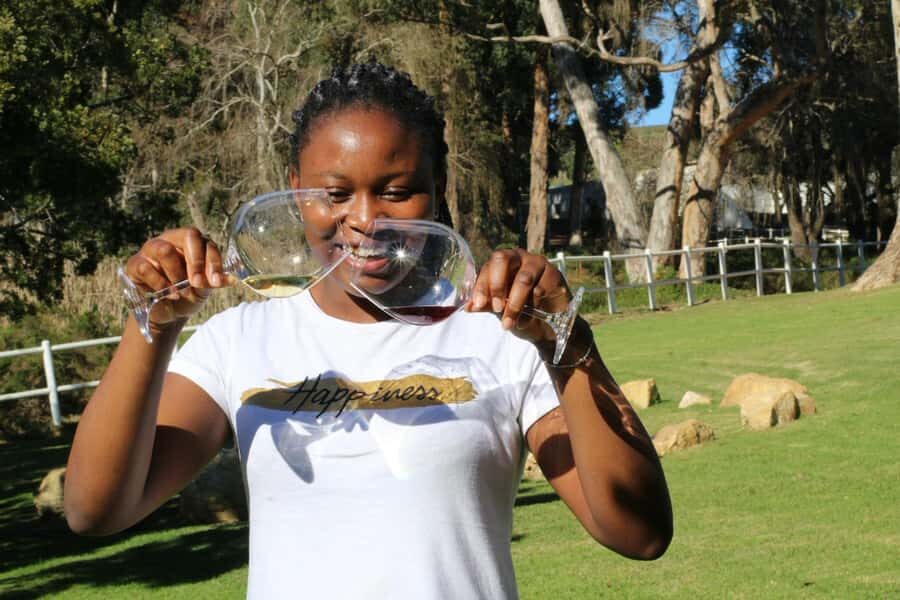
A strong part of this experience is the people leading it. The day tour runs with a live guide in English or French, and the guides associated with this itinerary show up as friendly, attentive, and comfortable talking through the region as you move.
I noticed a pattern in the guidance style: guides are described as friendly and knowledgeable, but also patient at each stop and good at keeping you calm during long driving hours. Names like Danson, Peter, Kevin, and Xochitle came up as guides who helped make the day feel like a conversation, not a rushed checklist.
That matters because this is a long day. When you’re spending hours in a vehicle, your guide becomes part of the experience. If they can explain what you’re seeing and keep the pacing comfortable, the day feels shorter.
You’ll also appreciate that this tour runs rain or shine. Coastal regions can change quickly, so having a guide who keeps the plan moving helps. Bring your sunscreen and be ready for weather shifts, because both are part of the job description.
Who Should Book This Tour (and Who Might Not)
This is a great fit if you want one full day that covers a lot of South Africa’s southern character without doing multiple independent planning tasks. It works especially well for:
- couples and friends who want a private group day with pick-up and a set route
- anyone who wants both wildlife (penguins) and human-scale history (Elim)
- wine lovers who are happy with a focused tasting of Pinot noir and Chardonnay
It’s less ideal if:
- you strongly dislike long drives and would rather split into shorter, regional segments
- you’re traveling outside June to November and whale sightings are a must-have
- you expect food and drinks to be included (they aren’t)
Also, pack for comfort: comfortable shoes for walking and sunscreen for the coastal sun.
Should You Book Cape Agulhas, Hermanus & Stoney Point Penguins?
I’d book it if you want a structured, guided day that hits major highlights: the penguin colony at Stoney Point, the cool-climate tasting in Hemel en Aarde, and the iconic “end of the African continent” moment at Cape Agulhas with the lighthouse stairs.
I’d think twice if your budget is tight or you’re only chasing one photo stop. In that case, the 10-hour format and private pricing might feel like more than you need.
If you do book, go in with the right mindset: this day is about variety. Penguins plus ocean plus wine plus a Moravian town plus a lighthouse climb. It’s a full plate, and that’s exactly why it’s memorable.
FAQ
How long is the tour?
The duration is 10 hours.
What is included in the price?
Hotel pickup and drop-off are included, along with Stoney Point entrance fees, wine tasting fees, and Cape Agulhas Museum fees.
Are meals and drinks included?
No. Food and drinks are not included.
What languages is the live guide available in?
The live guide is available in English and French.
Can the tour be run in bad weather?
Yes. The tour takes place rain or shine.
Is there a chance to see whales in Hermanus?
Whales can be spotted from the whale trail along the shores between June and November.
Where do you visit the African penguins?
You visit the Stoney Point penguin colony.
Which wines are tasted in Hemel en Aarde?
The tasting includes Pinot noir and Chardonnay.
Is the Cape Agulhas lighthouse climb part of the experience?
Yes. There is a steep staircase to climb to the lighthouse summit for views.
What should I bring?
Bring comfortable shoes and sunscreen.