REVIEW · CAPE TOWN
Cape of Good Hope, Cape Point & Penguins Private Afternoon Tour
Book on Viator →Operated by Table Mountain hiking tours · Bookable on Viator
Cape Peninsula magic happens fast
This private afternoon route strings together Cape Town’s best coastal scenery without you dealing with parking, routing, or toll stops. You’ll hit Chapman’s Peak Drive in the best late-day light, then spend time at Cape Point and the dramatic Cape of Good Hope turnaround.
What I like most is the feel of a true private day. You get a friendly local driver-guide just for your group, and you move at a pace that makes the viewpoints actually enjoyable (not a race).
One thing to consider: a few of the headline sites charge entry on the spot, so you’ll want to budget extra for reserve and penguin access.
In This Review
- Key moments that make this tour worth it
- Private Afternoon Cape Peninsula: How This Tour Feels Different From Self-Driving
- Price and Value: What You’re Really Paying For
- Picking Your Day: Why 1:00 pm Can Be the Sweet Spot
- The Route Out and Back: Eastern Coastline Then Western Coastline
- Camps Bay to Maiden’s Cove: Atlantic Views, Quick Photo Stops
- Hout Bay, Kommetjie, Scarborough: Small Stops With Big Personality
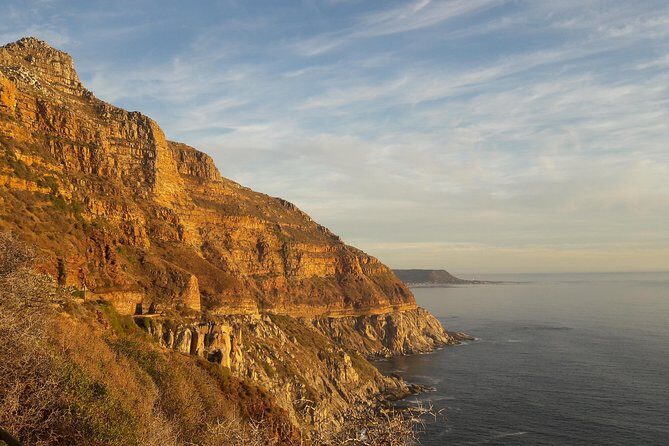
- Chapman’s Peak Drive: The Afternoon Road You’ll Want to Slow Down For
- Ostrich Farm Stop: A Fun Breather Before Cape Point
- Cape Point Nature Reserve: Wildlife Chances and the Best Driving Lines
- Cape Point: Lighthouse Views, a Walk, or the Funicular
- Cape of Good Hope: Beach Time at the Southern Edge
- Boulders Beach Penguin Colony: The Real Star (And the Rules Matter)
- Simon’s Town, Kalk Bay, Boyes Drive, Muizenberg: The Return Leg With Color
- What You’ll Notice Most: Guide Style That Makes the Whole Day Click
- Logistics That Matter: Comfort, Time Windows, and What to Budget
- Food and Timing: A Simple Bonus After Your Tour
- Should You Book This Cape of Good Hope and Penguin Tour?
- FAQ
- What time does the tour start?
- How long is the tour?
- Where do we meet and where do we end?
- What’s included in the price?
- What entrance fees are not included?
- How much time do we spend at Boulders Beach?
- Is this a private tour?
- What is the cancellation policy?
Key moments that make this tour worth it
- Chapman’s Peak Drive timed for afternoon light and big photo angles
- Boulders Beach penguin colony plus a boardwalk walk along the granite boulders
- Cape Point Nature Reserve wildlife spotting with baboons as a real possibility
- Cape of Good Hope beach time at the most southwesterly tip marker
- Ostrich farm stop where your guide can answer questions from hands-on experience
Private Afternoon Cape Peninsula: How This Tour Feels Different From Self-Driving
If you’ve ever tried to drive the Cape Peninsula while hunting parking, you know the stress. This tour saves you from that. You’re picked up from your central Cape Town hotel, then you’re back at the same place at the end—no car puzzle, no route guessing, and no wondering where to pull in for one more viewpoint.
The afternoon timing matters. Chapman’s Peak Drive is a highlight, and going later in the day usually means more forgiving light for photos and calmer roads than peak daytime traffic. It also fits well with how most people want their Cape Town days to go: morning for the city, afternoon for the coast.
You also get a real guide voice in the car, not just a map on your phone. In this tour, the guide’s commentary is a big part of the value. People consistently mention guides like Patrick and Frank for being warm, polite, and very ready with local history and nature details. That turns the drive into the experience, not just transportation.
Only note the practical part: entrance fees at the Cape Point/Cape of Good Hope area and at Boulders Beach are not included. The itinerary gives you time for the sights, but you’ll pay the site charges yourself when you arrive.
You can also read our reviews of more private tours in Cape Town


Price and Value: What You’re Really Paying For
At about $173.06 per person for a 5-hour private tour, you’re not paying for a long bus ride. You’re paying for three things:
- Door-to-door pickup and drop-off from central hotels, which saves time and energy.
- A private guide for your group, which usually means you’ll get answers to your questions and adjust the pace.
- Included driving costs like the Chapman’s Peak drive toll gate and an air-conditioned vehicle.
If you were to self-drive, you could avoid guide cost—but you’d still pay tolls, fuel, parking, and the entrance fees. And you’d spend mental energy steering, stopping, and timing everything around traffic and crowds.
This is also one of those tours where “private” can change how much you actually enjoy it. You get photo stops and viewpoint time, not just checkmarks. Many guides on the peninsula can turn the day into a sprint. Here, the time windows are built so you can breathe a little—especially around Cape Point and the penguin colony.
Picking Your Day: Why 1:00 pm Can Be the Sweet Spot
The tour starts at 1:00 pm from the Victoria & Alfred Waterfront area, and it runs about 5 hours. That timing is smart for two reasons.
First, the peninsula’s best roads and viewpoints are very photogenic, and afternoon light tends to flatter the sea cliffs and mountain shadows. Second, it gives you time that same morning for Table Mountain area plans, the Waterfront, or a relaxed lunch—without forcing a full-day itinerary.
If you’re visiting in windy season, you should plan for wind. One guide-led tip that comes up in feedback: hold on to your hat. The peninsula can be a gusty place, especially around the open viewpoints near Cape Point and Cape of Good Hope.
The Route Out and Back: Eastern Coastline Then Western Coastline
One of the clever parts of the plan is the direction switch. On the way out, you’ll follow the eastern coastline, and on the way back you’ll take the western side. That means you see more variety than a simple out-and-back.
You’re also not locked into one big drive. You get a series of short stops—often around lookout points or coastal towns—so your eyes keep changing scenery. The day stays moving, but it doesn’t feel like nonstop driving.
It’s also the kind of routing that tends to reduce the “we’re stuck in traffic all day” problem. You’re not driving one narrow road for hours with zero breaks. You’ll pause often enough to reset and enjoy what you’re seeing.
Camps Bay to Maiden’s Cove: Atlantic Views, Quick Photo Stops
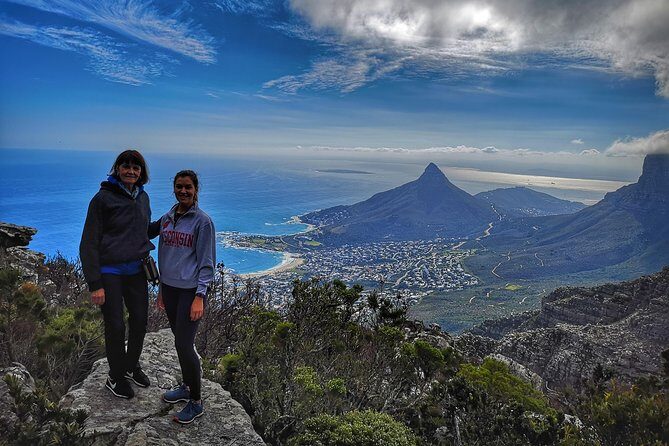
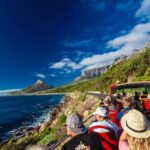
Your tour begins with a scenic coastal start. You’ll travel along the Atlantic seaboard, with the sea and mountains running side-by-side. The first photo stop is at Maiden’s Cove, a lookout point tucked between Clifton’s beaches and the Camps Bay area.
This stop is short—about 10 minutes—but it’s a great warm-up. You get that “Cape Town coast” feeling immediately: bright water, steep slopes, and that dramatic sense of the peninsula dropping straight into the Atlantic.
It’s a good moment to decide what kind of photos you want later. If you love wide-angle coastal shots, you’ll know what lenses or phone settings you’ll want for Cape Point and Cape of Good Hope.



Hout Bay, Kommetjie, Scarborough: Small Stops With Big Personality
Between Camps Bay and the Cape Point area, you’ll pass through a few places that add local flavor.
You’ll hear about Hout Bay, including the Dutch origin story behind the name. You’ll also get a chance to notice Kommetjie, known for having the tallest lighthouse in South Africa. Another quick stop area is Scarborough, described as a laid-back stretch with beaches, rugged coastline, and a vibe that fits surfers, hikers, and nature lovers.
These aren’t the headline “you must go there” sites for most short Cape Peninsula trips. But as part of a guided route, they help you understand the region. The commentary turns them into context—why the coastline looks the way it does, what people do there, and how the peninsula’s nature shapes daily life.
Chapman’s Peak Drive: The Afternoon Road You’ll Want to Slow Down For

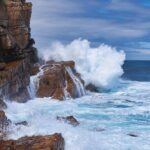
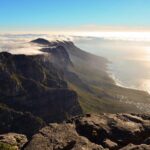
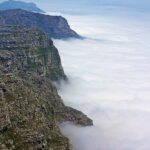
Chapman’s Peak Drive is one of the most famous drives on the peninsula for a reason. The scenery is intense: cliffs dropping toward the ocean, and roads that feel carved for viewpoints.
In this tour, the toll gate for the drive is included, so you don’t have to figure it out at the entrance. The stop time is short—about 10 minutes—but it’s enough to grab photos, stretch your legs, and get oriented.
Why it’s a highlight: it’s a “now I get it” drive. Even if you’ve seen Cape Peninsula photos online, driving it makes scale real. The Atlantic looks close enough to touch, and you feel how quickly the terrain changes.
If the wind is up, don’t fight it. Use the time for stable footing shots and then enjoy the ride. The best view is the next one, not the last one.
Ostrich Farm Stop: A Fun Breather Before Cape Point
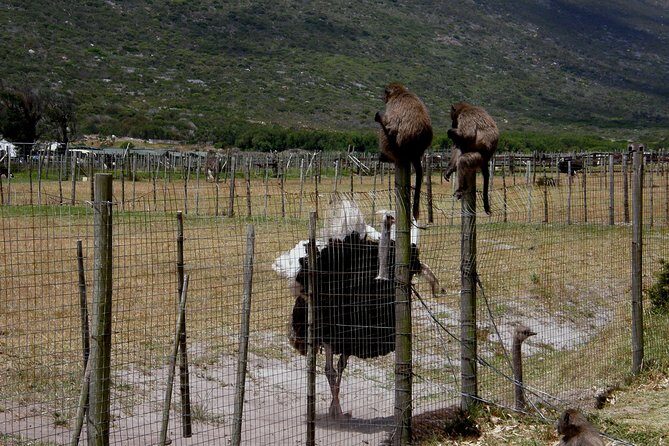
Before you reach the nature reserve area, you’ll stop at a Cape Point Ostrich Farm. The stop runs about 10 minutes, and it’s described as the southernmost ostrich farm in Africa.
This is a quick, low-pressure break between roads. It also makes sense from a practical standpoint. Cape Point and Cape of Good Hope are the kind of places where you’ll want your energy later. The farm stop gives you a reset and a chance to ask questions.
The guide here can be especially useful. Some guides on this tour have worked on ostrich farms themselves, so you get answers that feel grounded, not like generic facts.
Also: it’s a nice change from cliff lookouts. Even if you’re not an animal-spotting person, seeing how local farms fit into the peninsula’s working landscape adds variety.
Cape Point Nature Reserve: Wildlife Chances and the Best Driving Lines
Once you enter Cape Point Nature Reserve, you shift from road scenery to nature-focused time. The plan is to drive leisurely toward the tip of the reserve, with stops along the way for famous monuments.
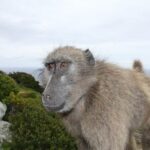
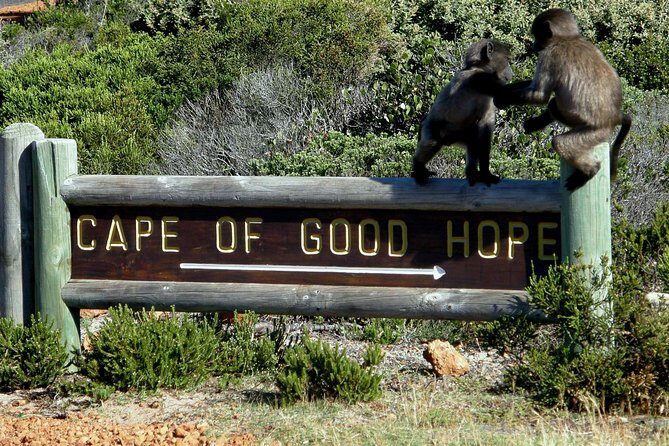
You’ll see the Dias and da Gama monuments, which gives the area a historical anchor beyond scenery. It’s also where wildlife can show up. The route notes possible sightings like baboons, plus animals such as bontebok, Cape eland, and Cape mountain zebra. Birdlife is also highlighted—over 250 species—so keep your eyes moving even when you think the view is just cliffs.
Time here is about 40 minutes, and you’ll likely experience it as a mix of:
- slow driving and viewpoint stops,
- wildlife scanning with the guide helping spot movement,
- photos that feel more “you are here” than “postcard from far away.”
Small consideration: this reserve is natural, so you won’t have total control over animal sightings. The value is in the chance and in the guided scanning.
Cape Point: Lighthouse Views, a Walk, or the Funicular
At Cape Point, you get about 45 minutes. This is where the day’s “wow” often turns into a “let’s do this” moment.
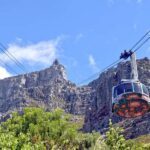
You can hike up toward the Cape Point lighthouse for the top views. Or you can take the funicular, which is listed as a possibility but the funicular cost isn’t included in the tour price.
Here’s how I’d think about it. If you’re okay with a short hike and you enjoy moving through viewpoints, the walk feels rewarding. If you prefer simpler effort and you’d rather spend time at the top looking out, the funicular saves energy.
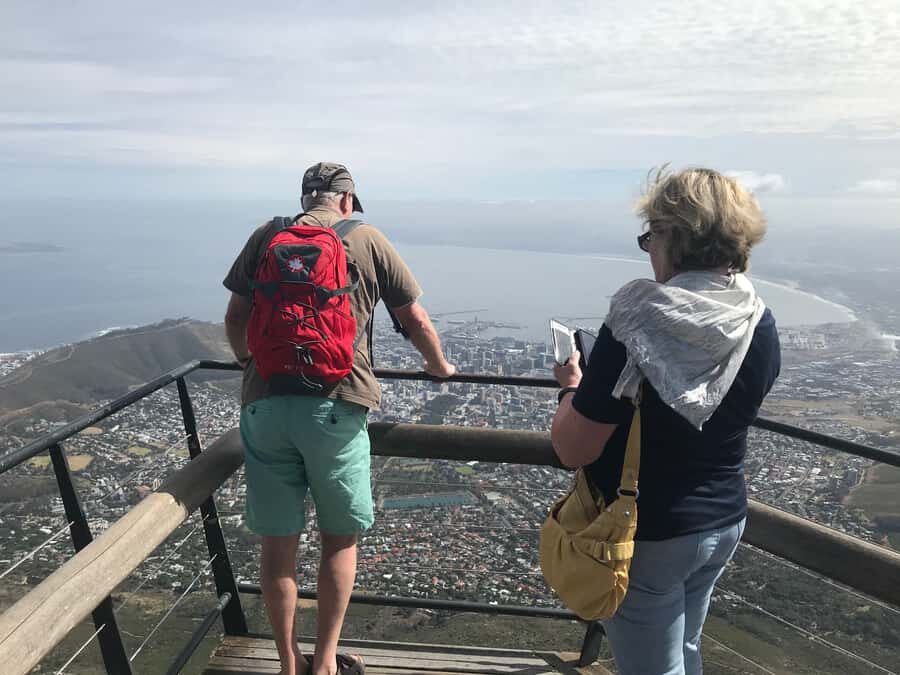
Either way, you’re in the area where winds can catch you off guard. Plan for gusts at the open top spaces. That hat tip matters.
Cape of Good Hope: Beach Time at the Southern Edge
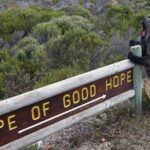
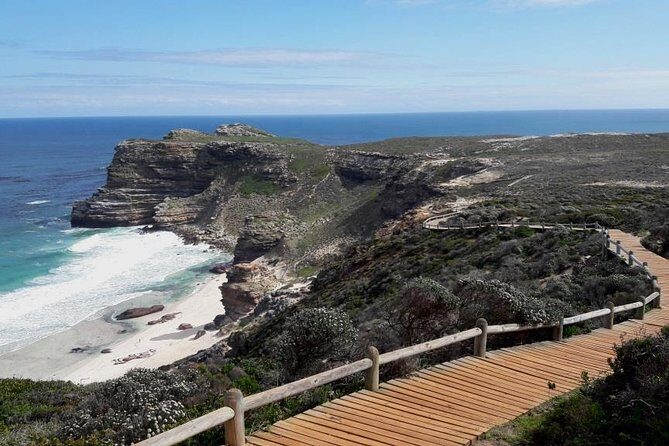
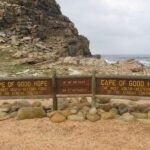
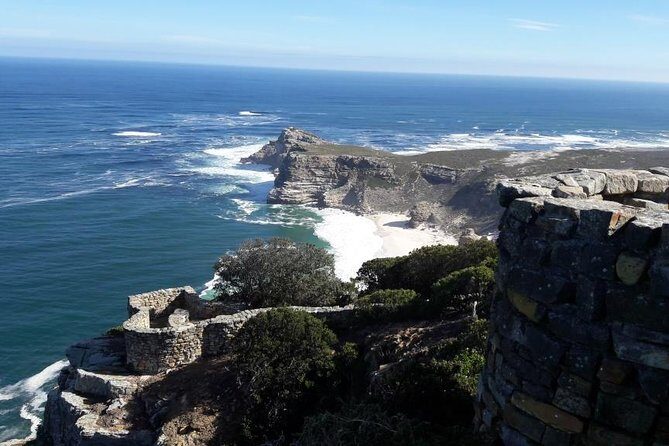
After Cape Point, the drive continues down to Cape of Good Hope, described as the most southwesterly tip of the African continent. You’ll have about 15 minutes there.
This stop is short, but it’s a classic capstone. You’ll do two simple things:
- take photos near the most westerly tip signboard,
- walk on the beach.
In practical terms, 15 minutes is enough to say you did it properly if you keep your feet moving and let the guide help you choose where to stop for photos. If you want longer beach time, this is the one place you might wish you had a bit more—though the tour is designed to fit everything else in.
The good news: you can still walk, breathe, and get a real feel for the coastline even in that short window.
Boulders Beach Penguin Colony: The Real Star (And the Rules Matter)
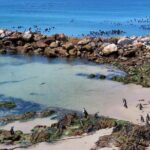
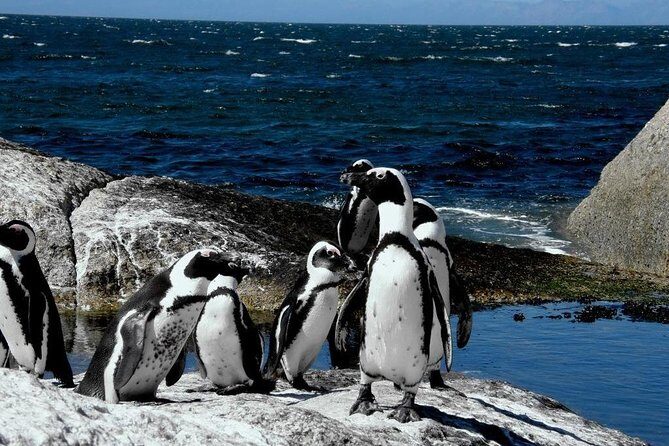
Then comes the stop that many people remember most: Boulders Beach Penguin Colony, near Simon’s Town. The stop is about 30 minutes.
The colony is famous for the huge, ancient granite boulders along the coast. The tour setup includes a boardwalk that runs from Foxy Beach to Boulders Beach. You can also go down to the sand where the penguins are.
Important: don’t pet the penguins. They have sharp beaks and it can cause injuries. This isn’t a “be careful” suggestion; it’s a safety rule that helps both you and the birds stay safe.
Why this stop works in an afternoon tour: it’s not just a quick glance. You get enough time to walk the boardwalk, spot penguin movement, and take photos without feeling like the group is funneling you through at lightning speed.
If you care about wildlife behavior, pay attention to what they’re doing instead of just lining up for photos. The best penguin moments can be small—one turning, a waddle, a hop into a new spot.
Simon’s Town, Kalk Bay, Boyes Drive, Muizenberg: The Return Leg With Color
On the way back to Cape Town, the tour stays scenic. You’ll pass through Simon’s Town, a coastal naval town located on the eastern side of the peninsula.
Next up is Kalk Bay, a fishing village on False Bay. It sits between the ocean and the sharply rising Table Mountain Sandstone heights, so you’ll see that dramatic “sea meets cliff” contrast again.
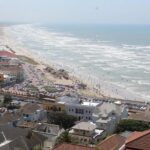
Then you’ll go along Boyes Drive, a scenic coastal road that climbs the lower slopes of Muizenberg Mountain for panoramic views over Muizenberg beach. Final photo time is along the way inland.
Muizenberg is where you see the famous colorful beach huts. It’s also a well-known surfing destination, and surf schools often draw beginners. The tour notes that if timing works, you may still see a shark spotter on duty—so if you like local practices, this is the moment to look.
What You’ll Notice Most: Guide Style That Makes the Whole Day Click
This tour is built around places. But the experience is really how the day is told.
Feedback repeatedly emphasizes that guides like Patrick and Frank are:
- welcoming and polite,
- quick with local context on plants, animals, and regional history,
- attentive to pacing so the day doesn’t feel rushed.
One review detail that really fits your expectations: the guides don’t just read facts. They talk in a way that makes you see why the Cape Peninsula matters. That’s why the drive time feels like part of the itinerary, not dead time.
If you like small course corrections—spending a few extra minutes when something interesting happens—that’s where a private tour shines. You’re not stuck with a fixed group rhythm.
Logistics That Matter: Comfort, Time Windows, and What to Budget
You’ll ride in an air-conditioned vehicle. That matters because even in the afternoon, the peninsula can be warm and sunny between stops.
Time windows are fairly tight:
- Many coastal photo stops are around 10 minutes.
- Nature reserve driving is about 40 minutes.
- Cape Point is 45 minutes.
- Cape of Good Hope is 15 minutes.
- Penguins are about 30 minutes.
So pack light and move efficiently at each stop. Wear shoes you can handle on boardwalks and uneven ground near penguin areas. Bring a wind-resistant layer. And yes, bring a hat you’re willing to hold down.
Budget extra for entrance fees:
- Cape of Good Hope Nature Reserve
- African Penguins at Boulders Beach
- Cape Point funicular if you choose that option
Food and Timing: A Simple Bonus After Your Tour
Your tour ends back at the Waterfront hotel meeting area. One practical tip that comes from guide feedback: if you want a dinner plan nearby, Den Anker restaurant at the Victoria & Alfred marina is suggested as a solid option.
You don’t need to hunt for something complicated. It’s an easy way to turn your day into a full outing without transporting yourself across the city.
Should You Book This Cape of Good Hope and Penguin Tour?
I’d book it if you want a stress-free private afternoon that covers the key Cape Peninsula hits without you doing route math. It’s a strong fit for couples, small groups, and anyone who wants to maximize scenery in limited time.
I’d skip or reconsider if you’re:
- trying to keep costs extremely low (because entrance fees are on your own tab),
- the type who wants a long hike or lots of beach time (this tour keeps those segments shorter),
- hoping for a purely hands-on nature experience with lots of walking (this is mostly guided driving plus short viewpoint stops).
If you care about the full set—Chapman’s Peak Drive, Cape Point, Cape of Good Hope, and Boulders penguins—this tour is a practical shortcut to seeing it well. And with guides like Patrick and Frank bringing the stories, it’s not just a checklist. It feels like a guided coastal day that makes Cape Town’s edge make sense.
FAQ
What time does the tour start?
The tour starts at 1:00 pm.
How long is the tour?
The duration is about 5 hours (approx.).
Where do we meet and where do we end?
Pickup is offered from central Cape Town hotels, and the activity is associated with the Victoria & Alfred Hotel on the Pierhead, Dock Rd, Victoria & Alfred Waterfront. The tour ends back at the meeting point.
What’s included in the price?
Included items are the Chapman’s Peak drive toll gate, an air-conditioned vehicle, hotel pickup and drop-off, and a local English-speaking professional tourist guide.
What entrance fees are not included?
Entrance to the Cape of Good Hope Nature Reserve, entrance to the African Penguins colony at Boulders Beach, and the Cape Point funicular (if you choose it) are not included.
How much time do we spend at Boulders Beach?
You get about 30 minutes at the Boulders Beach Penguin Colony area.
Is this a private tour?
Yes. It’s a private tour/activity, and only your group participates.
What is the cancellation policy?
Free cancellation is available up to 24 hours in advance for a full refund. If you cancel less than 24 hours before the start time, the amount you paid will not be refunded.