REVIEW · CAPE TOWN
Cape Peninsula with a Marine Biologist
Book on Viator →Operated by RockHopper Tours · Bookable on Viator
Penguins meet pop-up science on the Cape. This private Cape Peninsula outing, guided by marine biologist Justin Blake of RockHopper Tours, strings together Cape Point, Boulders Beach, and Cape of Good Hope with a clear focus on what lives in these cold and warm waters. It’s the kind of day where the scenery stays stunning, but the ocean biology actually makes the places click.
I love that Justin isn’t just telling facts. He’s a professional marine biologist and underwater cameraman, and the tour style is built around spotting behavior—so you understand what you’re looking at, not just that it exists. I also like the early start and the crowd-smart routing, which gives you calmer time for the big sights, plus those quieter side stops many tours skip.
One consideration: several key spots have separate entrance fees, and cash rules can be strict. Cape of Good Hope requires a card (cash not accepted), Boulders Beach penguin walkway is optional and extra, and the Cape Point lighthouse funicular costs extra too.
In This Review
- Key takeaways before you go
- Why a marine biologist changes Cape Town’s coast
- Starting at Chardonnay Deli Constantia: coffee, parking, and a smooth launch
- Old Cape Point Lighthouse before the buses (and why it matters)
- Boulders Beach penguins: early, respectful, and actually manageable
- Chapman’s Peak Drive lookouts for whales, dolphins, and seals
- Cape of Good Hope rooibos tasting: quiet shoreline time plus animal watching
- What’s included (and what you’ll pay separately)
- Included
- Not included
- Price and value: what $173.16 covers
- Timing, weather, and what to pack for a windy coast day
- Who this tour fits best (and who might not love it)
- Should you book Cape Peninsula with a Marine Biologist?
- FAQ
- FAQ
- What time does the tour start?
- How long is the tour?
- Is this a private tour?
- Where do we meet?
- What’s included with the tour?
- Is lunch included?
- Do I need to pay for the Boulders Beach penguins walkway?
- Are Cape of Good Hope entrance fees included?
- How much does the Old Cape Point Lighthouse funicular cost?
- What should I bring?
- What is the cancellation policy?
Key takeaways before you go
- Marine biologist guide: Justin Blake turns ocean spotting into easy explanations, with gear and guidebooks to help you look harder.
- Crowd-busting order: you head to Cape Point before most groups, which helps the day feel more relaxed.
- Boulders Beach at a quieter hour: you’re there early for a more respectful, intimate feel around the African penguins.
- Real wildlife scanning on route: Chapman’s Peak is built for watching for whales, dolphins, seals, and more when conditions line up.
- Snorkel and observation gear included: binoculars, mask & snorkels, and changing robes are part of the plan.
- Rooibos and rusks on the coast: a tasting break is tied to daily conditions and wildlife sightings.
Why a marine biologist changes Cape Town’s coast
A standard Cape Town day can feel like a long list of lookouts. This one feels different because you’re being taught how the coast works—tides, currents, and food chains—while you’re standing right on the cliff edges and shoreline.
Justin Blake’s background helps here. He’s not presenting the ocean like a theme park. The tour is set up so you can notice details: what kinds of animals tend to show up where, how the coastline shape matters, and why some spots are better at certain times.
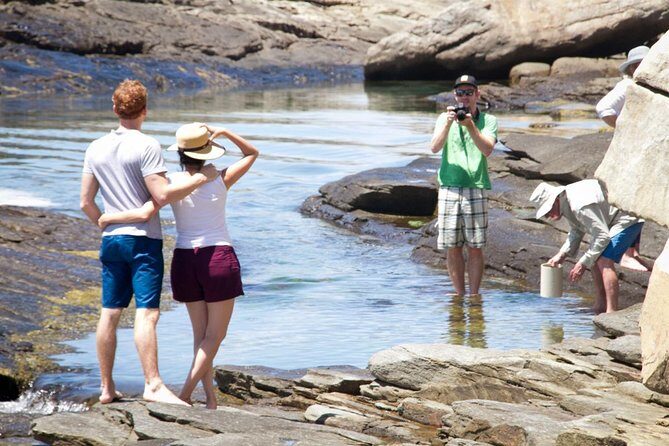
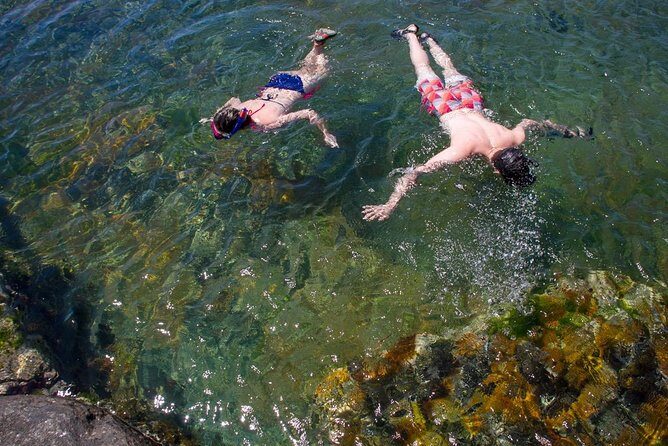
You also get a practical angle on ocean life. The gear helps you pause longer and look more carefully, whether that’s binocular time or the option to explore rock pools when conditions allow.
You can also read our reviews of more tours and experiences in Cape Town.

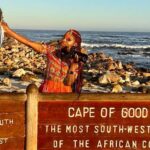
Starting at Chardonnay Deli Constantia: coffee, parking, and a smooth launch
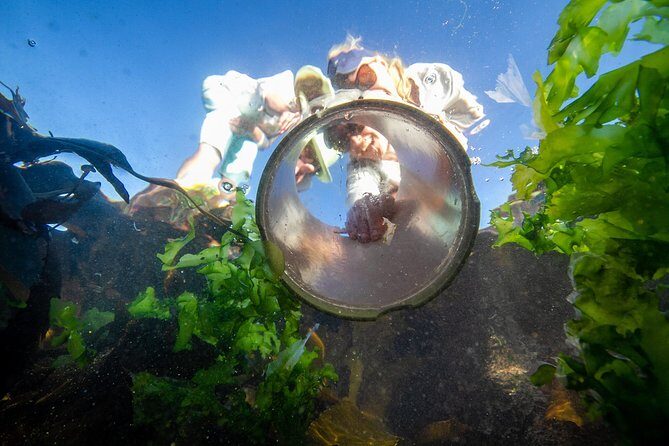
The day starts at 7:00 am at Chardonnay Deli Constantia, 87 Constantia Main Rd. It’s in the Constantia area, about a short run from the city center, and the location matters because the early departure is part of the value.
Stop one is RockHopper Tours’ meeting point inside a charming bakery and farm stall setup. You’ll get coffee and fresh-baked croissants—exactly the kind of “small morning treat” that keeps an 8-and-a-half-hour outing comfortable before you’re out chasing the wind and views.
If you’re driving or taking a taxi yourself, there’s free, safe public parking at the deli. That’s a nice practical detail, especially because the tour ends back at the same meeting spot.
Finally, this is a private setup for your group. That matters on tours like this, because it’s easier to adjust pacing when weather, tide timing, or wildlife sightings shift.
Old Cape Point Lighthouse before the buses (and why it matters)
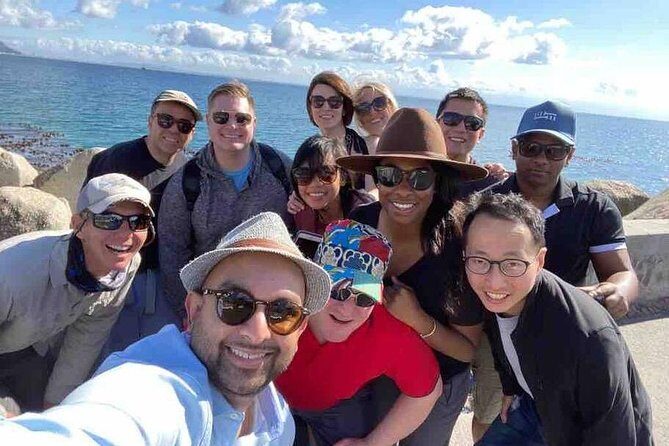
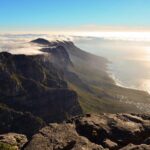
The second stop is the Old Cape Point Lighthouse. This is one of those places you’ll see in photos for a reason: the views sweep across both sides of the Cape, and the lighthouse area gives you strong orientation fast.
Because the tour is routed early, you’re aiming to visit before the larger bus waves. That usually means shorter queues, less crowd pressure around viewpoints, and more time to actually take in what you came for.
From here you can take a stroll for the most flexible photo and view breaks, or use the funicular (listed at R70) if you’d rather conserve energy. Entrance fees for Cape Point / Cape of Good Hope are not included, and cash isn’t accepted—so have your debit or credit card ready.
One more useful tip: this is also a smart moment for your “spotting baseline.” Once you get your bearings, later lookouts like Chapman’s Peak make more sense because you understand which coast you’re viewing.
Boulders Beach penguins: early, respectful, and actually manageable
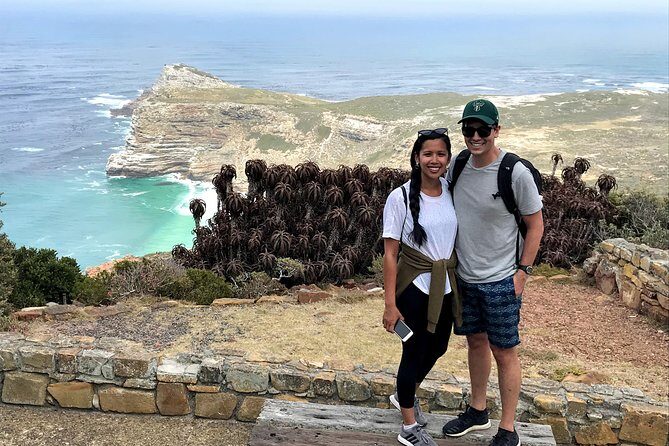
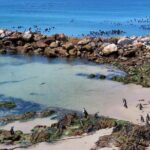
Yes, you’re going to see African penguins at Boulders Beach. But the key difference is when you go and how the visit is structured.
You’ll spend about an hour at Boulders Beach, and the plan is to arrive early for a more intimate, respectful encounter with the penguins on their morning routine. Early time isn’t just “nice”—it often means fewer people, calmer animal behavior, and less stress for everyone involved.
The main tourist walkway is optional and costs extra (listed at R176 for foreign travellers). You can decide how close you want to get and how much you want to rely on the built path versus doing your own viewing.
This is a good stop for patience. Penguins aren’t showy on command. If you slow down, you’ll start seeing small routines—where they pause, how they move, and how the coastline layout influences them.
Chapman’s Peak Drive lookouts for whales, dolphins, and seals
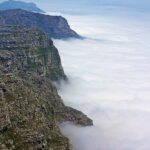
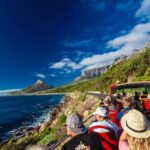
After penguins and viewpoints, you shift into the driving portion on Chapman’s Peak Drive. It’s not just scenery; it’s a designed-looking route that gives repeated chances to stop for the sea views.
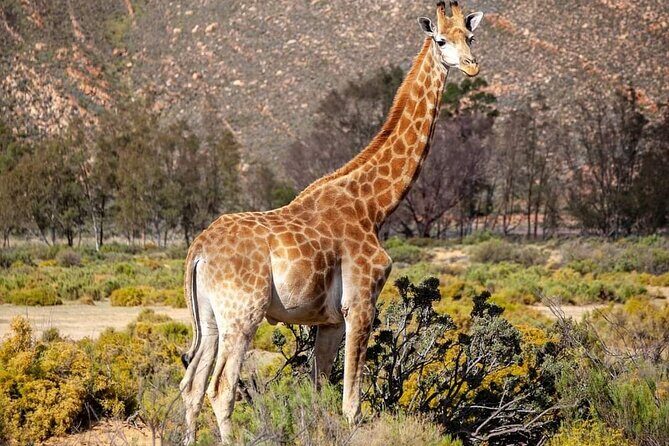
The tour includes about 20 minutes here, and the emphasis is on scanning. Depending on conditions, you may spot whales, dolphins, seals, sunfish, and other marine life. Even when sightings are limited, you’ll learn what to look for—where to focus and what changes mean different types of activity.
Keep your eyes peeled but don’t rush it. Cliffside sea viewing rewards slower observation, especially in patchy weather. This is one of those parts of the day where your guide’s explanations can make your attention work better.
Cape of Good Hope rooibos tasting: quiet shoreline time plus animal watching
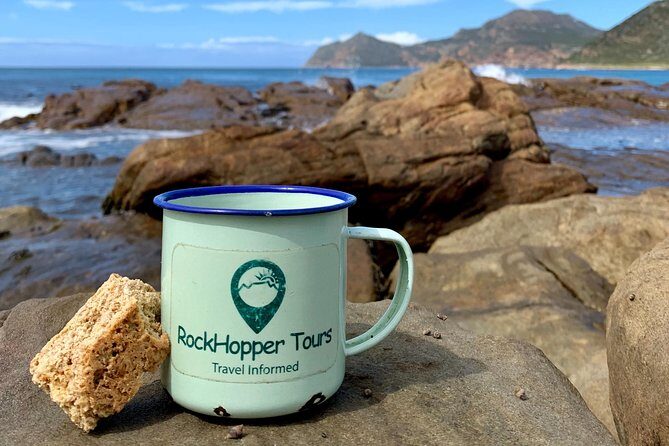
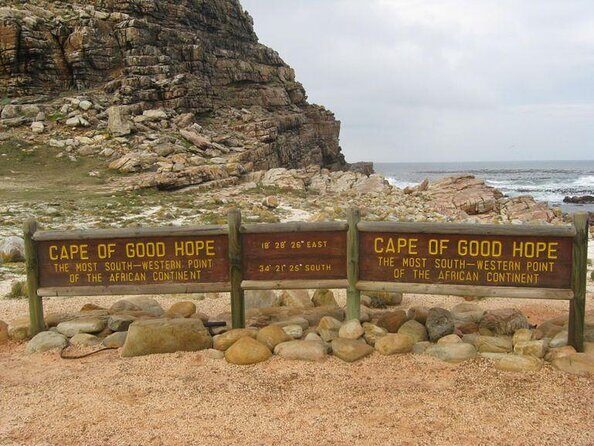
The final big stop is Cape of Good Hope, where you’ll get around two hours. This is where the day shifts gears from “see the landmark” to “settle in and watch the ocean.”
You’ll taste Cape Town’s best rooibos tea and rusks on a secluded shoreline. The tour ties the timing to what’s happening that day—your guide watches real-time animal sightings and adjusts the break so it feels like part of the experience, not a random fuel stop.
This is also a practical advantage if you’re traveling with limited time. Cape of Good Hope is spectacular and often busy, but with the way this day is paced, you get longer stretches of calmer focus.
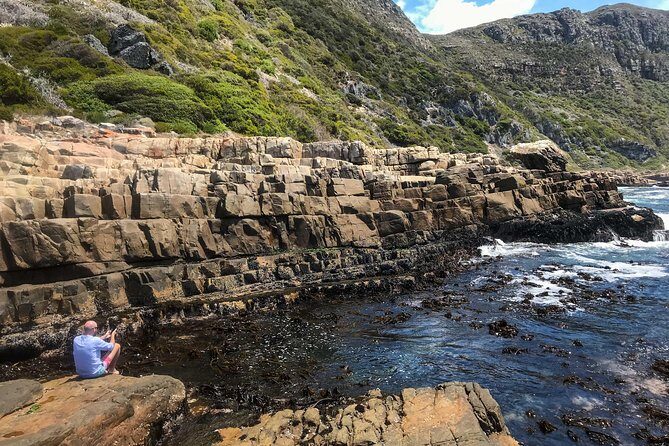
If you’re keen to explore rock pools, bring swimwear. You’ll have a chance to do it when conditions are right, and your guide will steer you toward safe opportunities.
What’s included (and what you’ll pay separately)
This tour is built around being “prepared for the ocean,” not just “transport to landmarks.”
Included
- Rooibos and rusk tasting
- Justin Blake as the guide (marine biologist, underwater cameraman, registered tour guide)
- Exploration gear: binoculars, guide books, mask & snorkels, and changing robes
- Comfortable air-conditioned ECO-vehicle
- A tree planted to help restore an ecosystem for each trip
Not included
- Boulders Beach penguin walkway entrance fee (optional)
- Lunch (plan on arranging your own food timing)
- Cape of Good Hope entrance fees (not included), and cash isn’t accepted for that payment
Also note: the tour uses a mobile ticket, and confirmation is sent within 48 hours of booking, subject to availability.
Price and value: what $173.16 covers
At $173.16 per person, you’re paying for more than a bus ride and a guide who talks. You’re paying for a specialist-led route, a longer day, and the included equipment that makes you a better observer.
Here’s where the value tends to land:
- Expert guidance: Justin Blake’s marine background means you spend your time understanding what you’re seeing.
- Included gear: binoculars and snorkel kit save you from renting or figuring out what’s useful at each stop.
- Early, crowd-smart timing: beating buses and queues is a real comfort upgrade, especially at Cape Point and around the lighthouse area.
- Snack support: morning tea and snacks mean you won’t be scrambling for food right after pickup.
The trade-off is clear: you still need to budget for entrance fees at certain sites. Cape Point / Cape of Good Hope has park entrance fees, and Boulders Beach’s main walkway is optional but costs extra. If you go into the day knowing that, the overall cost feels fair for what you get.
Timing, weather, and what to pack for a windy coast day
This is a 7:00 am start, so treat it like a full-day coastal outing. Even when the forecast looks fine, the Cape Peninsula can feel sharp and breezy once you’re near the water.
Bring:
- Sunscreen, a hat, and shoes you trust on uneven paths
- A wind-breaker (you’ll thank yourself at Cape Point and Cape of Good Hope)
- Swimwear if you’re hoping to check rock pools
- Layers, since the morning air can feel cooler than the city
If you’re photo-focused, pack your patience too. Ocean wildlife and cliff views can be great, but the best moments often happen while you’re waiting calmly rather than rushing to the next stop.
Who this tour fits best (and who might not love it)
This experience is ideal if you want something beyond a sightseeing checklist. You’ll likely love it if:
- You enjoy animal watching with explanations that connect behavior to habitat
- You want a smaller, private-group feel
- You’re comfortable walking a bit and you like being outside early
It’s also a strong pick for shorter trips to Cape Town. In one day you hit multiple key coastline highlights while still getting time for calm viewing and a tea break with a view.
If you only want quick, landmark-only photos with minimal theory, you might find the marine focus a bit more than you need. The payoff, though, is that you start noticing more and spending less time just guessing what you’re looking at.
Should you book Cape Peninsula with a Marine Biologist?
Book this tour if you want Cape Peninsula in a way that feels taught, not rushed. The early route, the included observation gear, and Justin Blake’s marine-biologist perspective are exactly what turn Cape Point and Boulders Beach from famous stops into a day with meaning.
If you’re okay with extra entrance fees at the parks and you’re prepared for a cold, breezy coastal morning, this is a high-value way to see one of the world’s most distinctive coastlines—while understanding the ocean life you came to find.
FAQ
FAQ
What time does the tour start?
The tour starts at 7:00 am.
How long is the tour?
It runs for about 8 hours 30 minutes.
Is this a private tour?
Yes. It’s private, so only your group participates.
Where do we meet?
You meet at Chardonnay Deli Constantia, 87 Constantia Main Rd, Cape Town, 7806, South Africa.
What’s included with the tour?
The tour includes rooibos and rusk tasting, guided exploration led by Justin Blake, binoculars and guide books, mask & snorkels, changing robes, and transport in an air-conditioned ECO-vehicle. A tree is also planted for each trip.
Is lunch included?
No. Lunch is not included.
Do I need to pay for the Boulders Beach penguins walkway?
The main tourist walkway at Boulders Beach is optional and not included. The additional fee listed is R176 for foreign travellers.
Are Cape of Good Hope entrance fees included?
No. Cape of Good Hope entrance fees are not included. The tour notes cash is not accepted, so bring a debit/credit card.
How much does the Old Cape Point Lighthouse funicular cost?
The funicular is listed as R70.
What should I bring?
Bring sunscreen, a hat, and shoes you trust for walking. Also pack a wind-breaker, and if you want to explore rock pools, bring swimwear.
What is the cancellation policy?
You can cancel for free up to 24 hours in advance for a full refund. If you cancel less than 24 hours before the start time, the amount paid will not be refunded.