REVIEW · CAPE TOWN
Cape Point and Peninsula Trike Tour from Cape Town
Book on Viator →Operated by Cape Town Trike Tours · Bookable on Viator
Cape Town by trike is the easiest way to see a lot. You get a motorized tricycle with a helmet, plus hotel pickup and drop-off, so you can spend the day watching cliffs and coastline instead of figuring directions. It’s built for a full loop that would be a pain by rental car.
The best part for me is the fully narrated guide time—your stop-to-stop context makes the views feel earned, not random. The one thing to watch is that entry to Cape Point nature reserve isn’t included, so you should budget for that if you want to go all the way in.
In This Review
- Key things I’d plan for
- A trike tour that beats car stress on the Peninsula
- Pickup, timing, and what the day feels like (9am to ~5pm)
- From V&A Waterfront to Camps Bay: warming up the coastal views
- Hout Bay and the Chapman’s Peak moment (if open)
- Down the coast to Noordhoek, Kommetjie, Misty Cliffs
- Cape Point stop and lunch: the big viewpoint payoff
- Simon’s Town and Boulders Penguin Colony
- Fish Hoek, Kalk Bay, and Boyes Drive: a coastal photo line
- Rhodes Memorial and the ride back to Cape Town
- Guide narration is the real premium
- Price and value: what $346.31 gets you (and why it can still be worth it)
- Weather and the helmet reality check
- Who this tour is best for
- Should you book Cape Point and the Peninsula Trike Tour?
- FAQ
- How long is the Cape Point and Peninsula trike tour?
- What time does the tour start?
- Does the tour include hotel pickup and drop-off?
- Is a helmet included?
- Are toll fees included?
- Is food included?
- Is entry to Cape Point nature reserve included?
- Where are the tour start and end points?
- Is this a private tour?
- What is the cancellation policy?
Key things I’d plan for
- Hotel pickup, then a single guided loop means less logistics and fewer “are we there yet” moments.
- Helmets and trikes are provided, so you’re not hunting for gear or trying to rent something the day-of.
- Chapman’s Peak is a conditional highlight—it’ll be there if open, and you’ll still have great coastal riding either way.
- Cape Point is a major lunch-and-views stop, but reserve entry costs extra.
- Boulders Penguin Colony is the wildlife payoff after the dramatic coastline driving.
A trike tour that beats car stress on the Peninsula
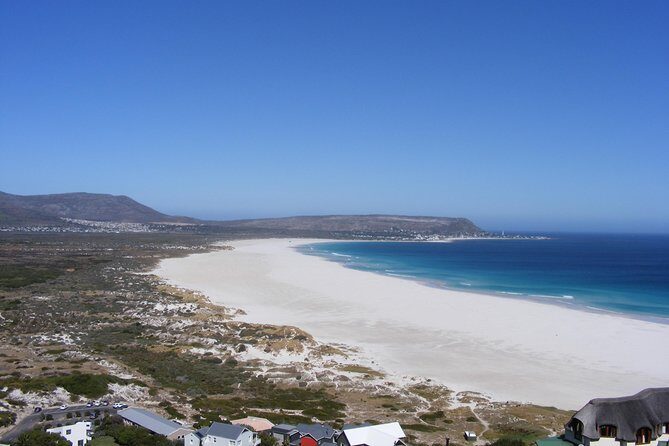
On the Cape Peninsula, most people think the hard part is finding parking. I think it’s the bigger stuff: narrow roads, big viewpoints, and the mental load of driving and navigating at the same time. A motorized trike tour cuts that out. You ride, you pause for photos, and you let someone else manage timing and turns.
You also get something that’s hard to recreate on your own: narration that connects what you’re seeing to what it means. That’s how Cape Town stops feeling like a list of famous places and starts feeling like a real place with history, routes, and culture.
I especially like that you’re not stuck in one place. You’re moving along the coast for hours, with multiple photo stops and a route that hits the big-name scenery without feeling like a sprint.
You can also read our reviews of more tours and experiences in Cape Town.

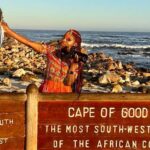
Pickup, timing, and what the day feels like (9am to ~5pm)
Your day starts around 9:00am with hotel pickup in Cape Town. From there, the route threads through several coastal areas before you even get to the big Cape Peninsula stuff—so you’ll build momentum right away.
The tour runs about 8 hours and ends around 5:00pm back at your starting meeting point area. That timing matters because it keeps the day long enough to feel like you saw the “why” of the Peninsula, not just the “what,” while still letting you go back to your hotel without scrambling for dinner plans.
Because it’s a private tour/activity, it’s only your group. That’s a plus if you prefer a calmer pace or you just don’t want to share your ear time with strangers while your guide talks through the route.
From V&A Waterfront to Camps Bay: warming up the coastal views
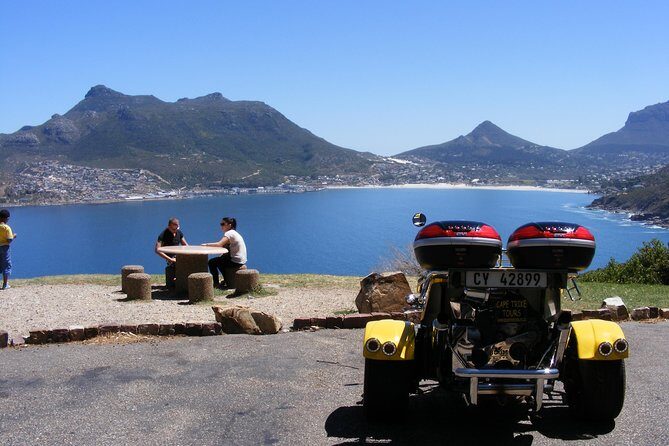
The morning route typically runs via the V&A Waterfront area, then through Sea Point, Bakoven, and Camp Bay. You’ll get a photo stop above Llandudno, which is a quick way to reset your camera brain before you hit the more dramatic riding later.
This part is useful even if you’ve seen Cape Town photos before. It gives you a feel for how the city sits against the Atlantic—hills, neighborhoods, and coastline all mixing into one view. It’s also where the guide’s narration usually helps you understand what you’re looking at.
If you’re the type who gets impatient waiting at viewpoints, this is still a good start. Stops are built into the route, so you’re not sitting around for long stretches with nothing happening.
Hout Bay and the Chapman’s Peak moment (if open)
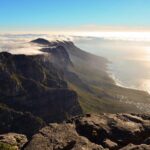
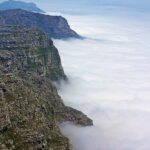
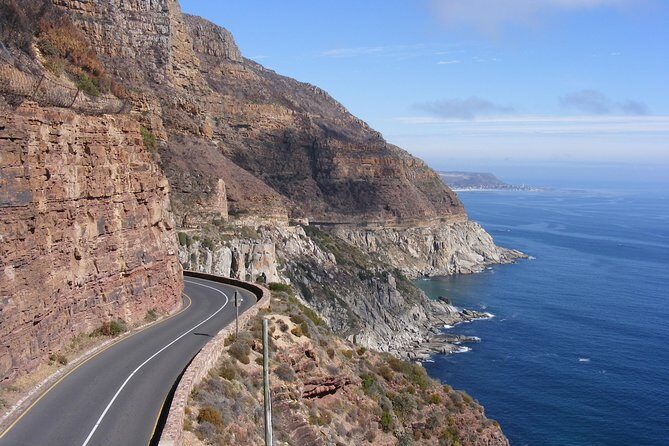
Next comes Hout Bay harbour, which changes the mood from city-coast to working-coast. You’ll then head toward Chapman’s Peak, rated as the second most scenic marine drive in the world, with a photo stop on the pass.
There’s one honest catch: Chapman’s Peak is only included if it’s open. That’s not a dealbreaker, because the coast routing still delivers great scenery. But it does mean you should expect the day to be flexible around road conditions.
When Chapman’s Peak is open, it’s exactly the kind of stretch where a guided ride helps. Your guide can point out what you’re seeing—ocean angles, cliffs, and the logic of the roadway—so the views feel more specific than just scenic.
Down the coast to Noordhoek, Kommetjie, Misty Cliffs
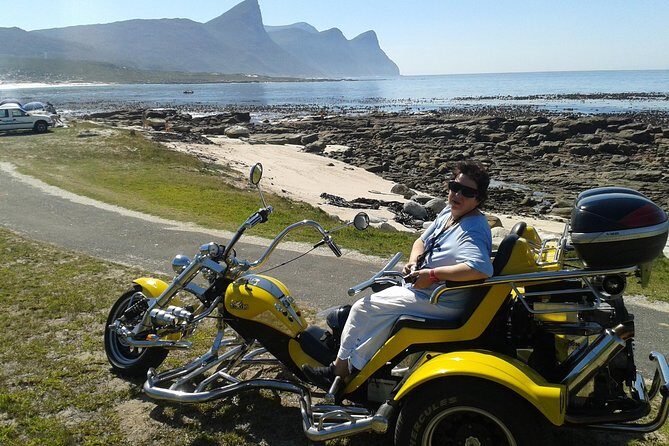
After the Chapman’s Peak section, the trike tour keeps moving, riding down through Noordhoek, Kommetjie, and Misty Cliffs. This sequence matters because it’s less about one single postcard moment and more about how the coastline changes as you go.
Noordhoek brings a different shoreline feel, while Kommetjie and Misty Cliffs keep the ride visually busy in a good way—coastal turns, viewpoint opportunities, and plenty of ocean views. If you like travel days where your eyes stay busy, this stretch does that.
Also, because you’re on a trike, you’re not hunched over a steering wheel for hours. You can focus on watching and listening. That’s where the narration becomes more than background noise.

Cape Point stop and lunch: the big viewpoint payoff
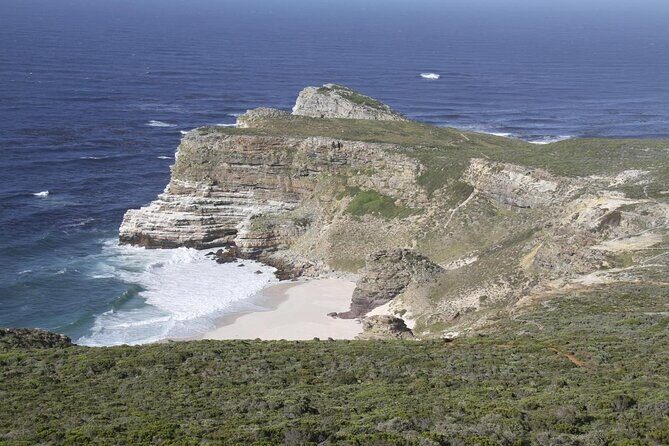
Cape Point is the headline stop, with a lunch stop along the way. Cape Point entry to the nature reserve is not included, so you’ll want to decide in advance how much you want to pay for access.
That’s a key value question. Even without reserve entry, you should still get the Cape Peninsula energy—big ocean views and that “I’m at the end of the map” feeling. If you’re someone who wants to walk into the reserve areas and spend time inside, budgeting for the entry cost becomes part of your planning.
One more practical detail: since food and drinks aren’t included, you’ll want to eat smart at the lunch stop. This tour is great for sightseeing, but it’s not a full meal plan. Bring your preferred water strategy so you’re not stuck feeling thirsty when you’re ready to slow down.
Simon’s Town and Boulders Penguin Colony
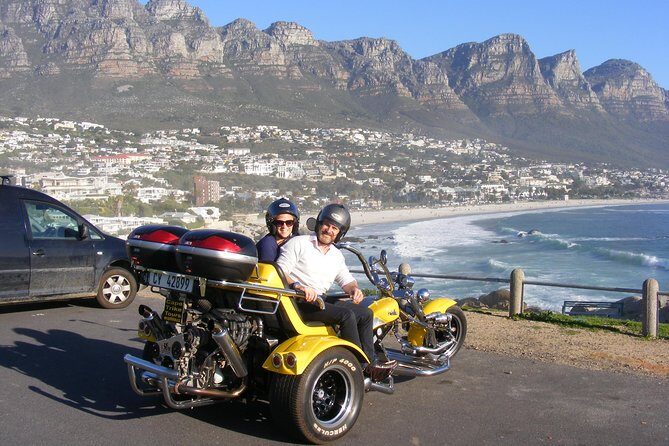
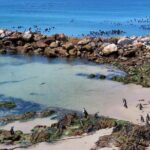
After Cape Point, the route continues to Simonstown and then to the Boulders Penguin Colony. This is where the day adds a different kind of excitement—wildlife.
The value here is timing. You’ve already seen dramatic coastlines and lookout views, so it doesn’t feel like you’re repeating the same type of scenery. The penguin colony gives you a calmer, more grounded change of pace.
This stop also works well for photos. You’ll have the opportunity to see the penguins at Boulders Beach, then transition back onto the scenic driving with fresh energy.
If you’re traveling as a couple or small group, this kind of stop is also a nice “we all want to look at the same thing” moment, which can be surprisingly hard to find on long sightseeing days.
Fish Hoek, Kalk Bay, and Boyes Drive: a coastal photo line
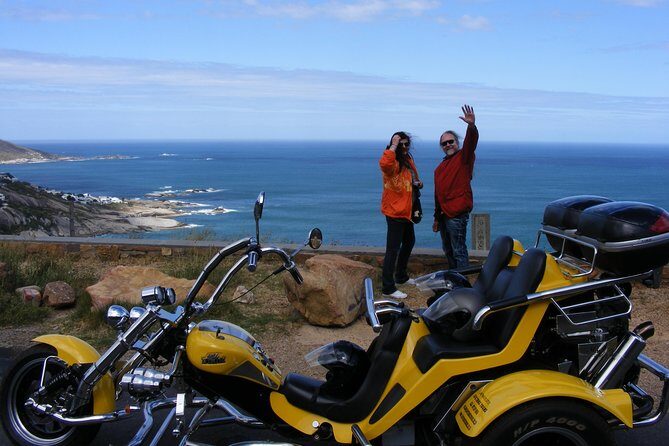
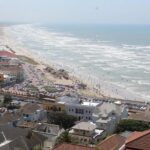
From Boulders, you head through Fish Hoek and Kalk Bay. You’ll then go over Boyes Drive with a photo stop above Muizenberg. This section is all about viewpoint stacking—moving from one coastline look to another, without feeling like you’re just driving through.
Boyes Drive is one of those places where the road itself is part of the story. The guide narration helps you understand what you’re looking at and why this stretch is worth slowing down for.
And because the tour builds in a photo stop above Muizenberg, you get a classic end-of-day reward: a different coastline angle and a sense that you’re rounding the Peninsula back toward the city.
Rhodes Memorial and the ride back to Cape Town
Later in the day, you’ll head onto the M5, with a stop at Rhodes memorial. This is a cultural and historical pause that breaks up the coastal-only rhythm.
Then it’s back to your hotel area, typically around 5:00pm. The timing is nice because you’re not arriving late at night tired and hungry. You still have enough energy to shower, change plans, and go do dinner on your own terms.
For me, this is what makes the tour feel efficient: it closes with something different before sending you back, instead of just turning the same day into a long return drive.
Guide narration is the real premium
A big reason this tour lands a 5-star average is the guide-led pacing and storytelling. In one standout case, the guide Willem was highlighted as outstanding—someone who took the time to explain culture and history of Cape Town, not just run the route.
Even if you never met Willem, the point is what you should expect from a good trike guide: context that makes the scenery more meaningful. You’re not just moving past famous names. You’re learning why Cape Town and the Peninsula developed the way they did, and how each stop fits into the broader map.
This is also where “private tour” helps. If you can ask questions, the narration can fit your interests. If you can’t, you still benefit because the guide can keep the rhythm right for your group size.
Price and value: what $346.31 gets you (and why it can still be worth it)
The price is $346.31 per group, up to 2 people. If you book as two, that’s roughly $173 each for an 8-hour guided trike ride with helmet use and all toll fees included.
Here’s how I think about value on a day like this:
- You’re paying for a guided trike plus someone handling the route, stops, and timing.
- You’re avoiding car rental hassles, parking problems, and the stress of driving a scenic route while trying to enjoy it.
- You’re getting narration, which is the difference between a photo trip and a “I understand what I saw” day.
Food and drinks aren’t included, and Cape Point reserve entry costs extra, so you should factor that into your total budget. Still, for a full-day Peninsula loop that includes multiple major stops and tolls, the pricing can feel reasonable—especially if you’d otherwise be driving yourself or hiring a car and then hiring a separate guide.
One more booking tip: the tour is commonly booked about 43 days in advance. If you’re visiting in peak season or you want a specific pickup slot, plan ahead.
Weather and the helmet reality check
The tour operates in all weather conditions, so you’ll want to dress appropriately. Coastal Cape Town weather can change quickly, and trikes are an outdoor ride. I’d treat this as a “bring layers” day, not a “one outfit fits all” day.
Helmets are supplied, which is one less thing to worry about. It also means you can travel light and focus on camera gear, water, and a practical day bag.
Since the route includes multiple photo stops, having a jacket you can quickly put on (and take off) makes the whole day easier.
Who this tour is best for
This is a strong match if you want a lot of Peninsula highlights in one day without car stress. It’s especially appealing for couples and small groups who want scenic variety—city coastline, dramatic drives, wildlife, and historical stops—wrapped into one guided loop.
It may be less ideal if you want total freedom to wander at each site for hours. Stops are part of a route, and Cape Point reserve entry is not included, so you’ll need to manage your expectations about walk time and costs.
It also works well for people who like structure. You’ll feel guided from about 9:00am to around 5:00pm, with a clear progression through coastal highlights.
Should you book Cape Point and the Peninsula Trike Tour?
I’d book it if you want the Peninsula experience without doing the heavy lifting of driving, parking, and route planning. The combination of hotel pickup, a guided trike ride, helmet use, and all toll fees included makes it feel like a smart shortcut to the best parts of the day.
I’d hesitate if you’re set on spending most of your time inside the Cape Point reserve and walking around extensively, since reserve entry isn’t included. I’d also make sure you’re comfortable with a structured day: you’ll get multiple stops, but it’s not the kind of trip where you can linger endlessly.
If you’re craving dramatic coast views, penguins at Boulders, and a guide who actually explains what you’re seeing, this is an easy yes.
FAQ
How long is the Cape Point and Peninsula trike tour?
The tour lasts about 8 hours.
What time does the tour start?
Pickup and departure are around 9:00am (start time is listed as 9:00am).
Does the tour include hotel pickup and drop-off?
Yes. Hotel pickup and drop-off are included.
Is a helmet included?
Yes. Helmets are supplied.
Are toll fees included?
Yes. Toll fees are included.
Is food included?
No. Food and drinks are not included.
Is entry to Cape Point nature reserve included?
No. Entry to Cape Point nature reserve is excluded.
Where are the tour start and end points?
It starts in Cape Town, Western Cape, and ends back at the meeting point.
Is this a private tour?
Yes. It’s private, and only your group participates.
What is the cancellation policy?
This experience is non-refundable and cannot be changed for any reason. If you cancel or ask for an amendment, the amount you paid will not be refunded.