REVIEW · CAPE TOWN
Cape Town: Atlantis Sand Dunes Sandboarding Experience
Book on GetYourGuide →Operated by Revolver Adventures · Bookable on GetYourGuide
Sandboarding in Cape Town beats most city plans. You get the rush of Atlantis Dunes runs plus killer views toward Table Mountain, with instruction to help you find your feet fast.
Two things I’d happily put at the top: the fact that you don’t need to bring gear (a sandboard and wax are supplied), and the guided coaching that keeps your first run from turning into a slow-motion comedy.
One thing to keep in mind: the experience is advertised as 2 hours, but timing can run shorter on the day, so don’t build a strict schedule right after your slot.
In This Review
- Key Highlights I’d Prioritize
- Atlantis Dunes Sandboarding: The Real Reason It’s Worth It
- Getting Started: Meet-Up, Check-In, and Your Gear
- Quick practical tip for Cape Town sun
- Your Runs: How the Session Usually Flows
- Choosing the Right Dune Size for Your Comfort Level
- Safety Rules You’ll Actually Notice (No Alcohol, No Chaos)
- Who should avoid sandboarding here
- Timing: 2 Hours on Paper, Real-World Session Length
- What to Wear and Bring (So You Don’t Regret It)
- Price and Value: The Real Cost Breakdown
- Who This Atlantis Sandboarding Experience Fits Best
- Should You Book This Atlantis Sand Dunes Session?
- FAQ
- How long is the Cape Town Atlantis sandboarding experience?
- Do I need to bring a sandboard?
- What’s included in the price?
- Is the entrance fee included?
- Is the instruction available in English?
- Is this suitable if I have back problems?
Key Highlights I’d Prioritize
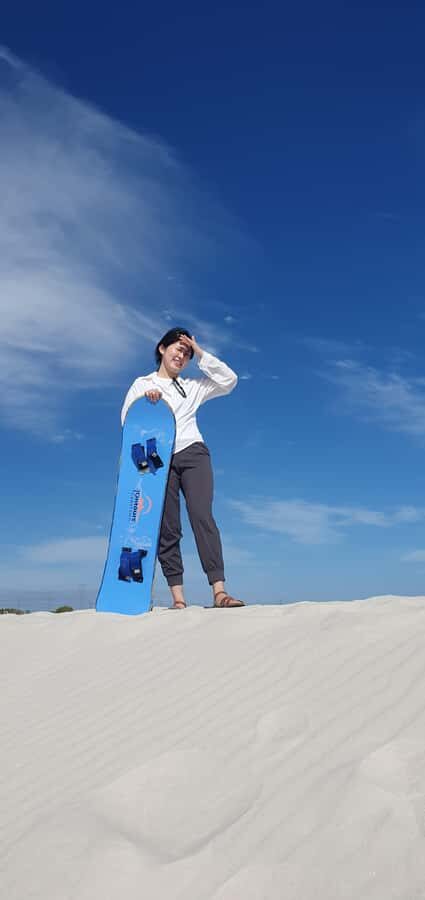
- Table Mountain views while you’re sliding, not just standing around
- Instructor-led basics so you’re not guessing how to steer
- Sandboard and wax provided, meaning lighter packing and less hassle
- Multiple dune sizes so you can match your comfort level
- Sun support: shade and bottled water are included, which matters in Cape Town
Atlantis Dunes Sandboarding: The Real Reason It’s Worth It
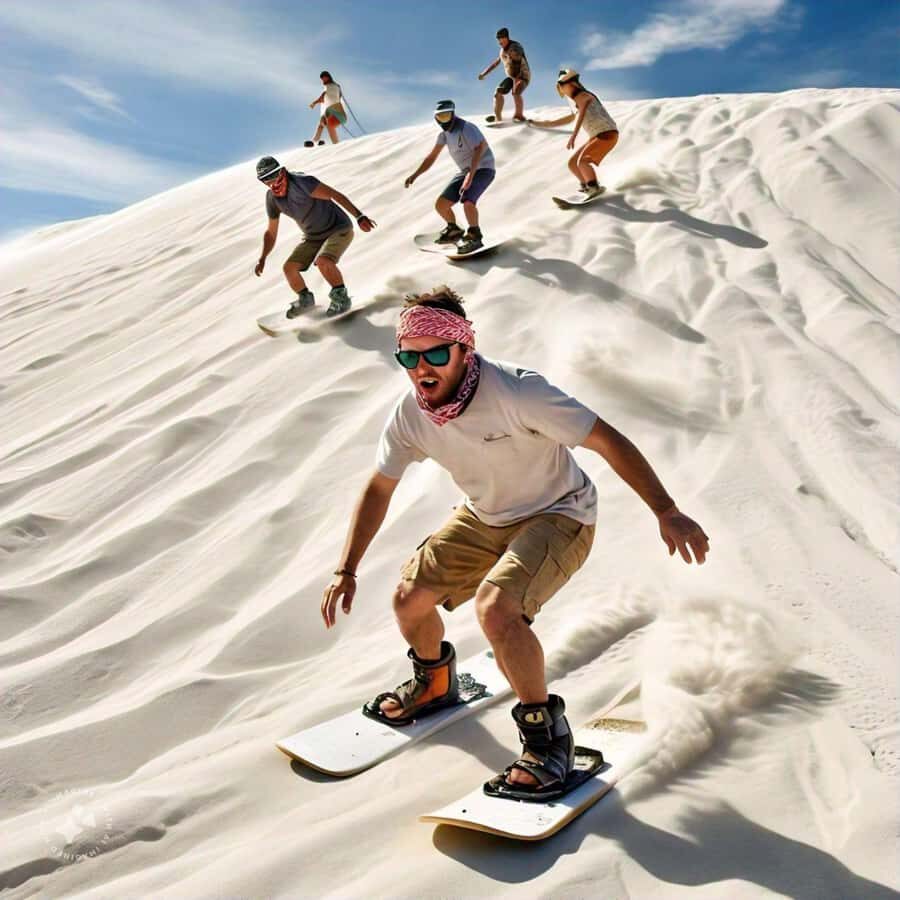
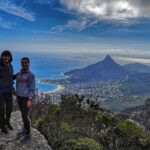
If you’re in Cape Town and you’re only doing viewpoints, you’ll feel the gap. This outing is movement-first: you spend your time going down dunes, not walking past them. The Atlantis Dunes sit close enough to Table Mountain that the scenery feels like part of the sport, not a distant postcard.
The other big win is the instruction. Sandboarding looks simple until you’re on the slope, and then speed, balance, and control start acting like they have opinions. Here, you get an English-speaking instructor guiding technique from the start. That’s what turns it from a risky novelty into something you can actually enjoy.
You can also read our reviews of more tours and experiences in Cape Town.


Getting Started: Meet-Up, Check-In, and Your Gear
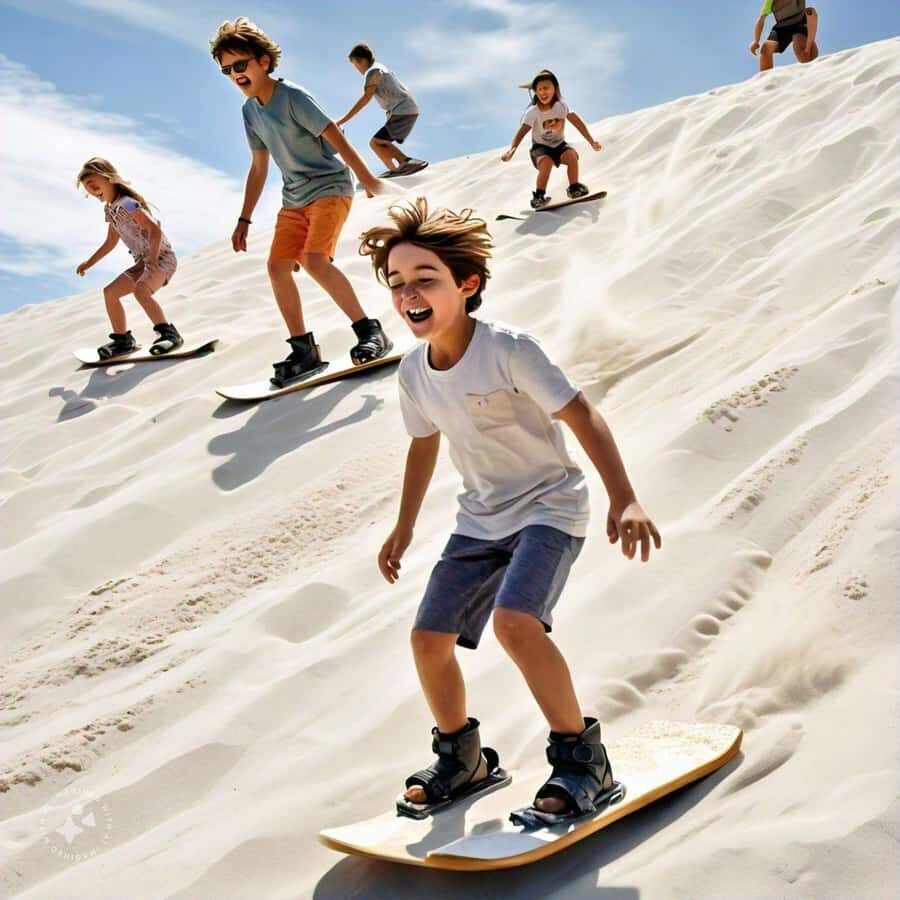
Your experience begins at the dune entrance, where you’ll meet your guide and get set up. When you arrive at Atlantis Dunes, you’ll want to ask for Godfrey or Bonnie. They handle check-in and make sure you’re sorted before you head into the sand.
What you get right away:
- A sandboard (no need to bring your own)
- Wax (this helps you slide with less sticking)
- Shade during the session setup and breaks
- Bottled water
- An instructor to run you through the basics
This “show up and ride” setup is a value play. You’re paying for the teaching and the activity, not renting equipment at the last second or figuring out the rules alone. Also, bottled water is one less item you have to track in your daypack.
Quick practical tip for Cape Town sun
One guide-led session was specifically flagged for intense sun. I’d take that seriously. Bring a hat and consider long sleeves so you’re comfortable before you even start sliding. Even if you’re moving, you can still get cooked.
Your Runs: How the Session Usually Flows
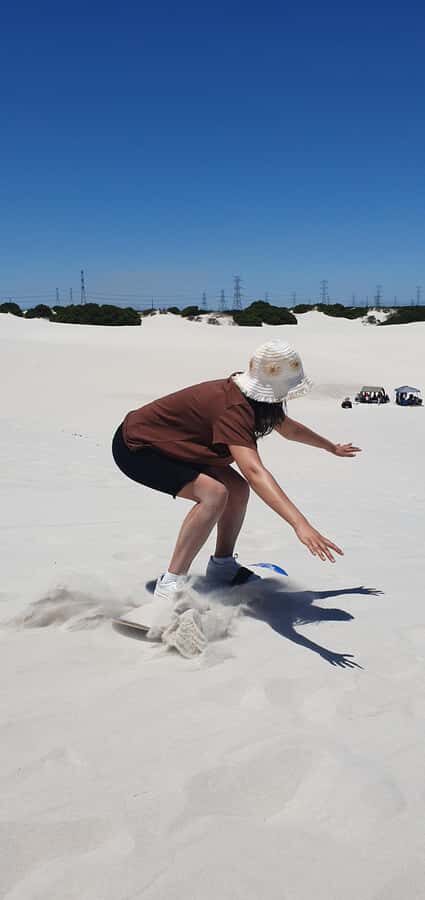
You’ll take your first steps with an instructor. Expect a teaching rhythm: basics first, then practice runs, then more confident descents.
Here’s the flow that matters for planning your mindset:
- Get equipped with the sandboard and wax
- Learn how sandboarding works (balance and how to control your direction)
- Pick a dune size based on your comfort level
- Slide down and build confidence as you go
- Take in the Table Mountain views between runs
- Return to the meeting point when your adventure finishes
Because the dunes are adjustable in “difficulty” by dune choice, you can make this what you want it to be. Newer riders can focus on smooth, controlled rides. More adventurous riders can take bigger slopes for more speed.
Choosing the Right Dune Size for Your Comfort Level
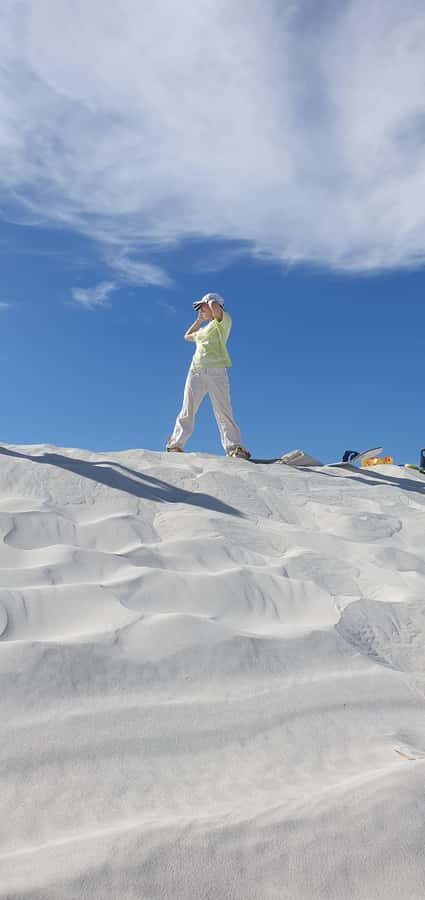
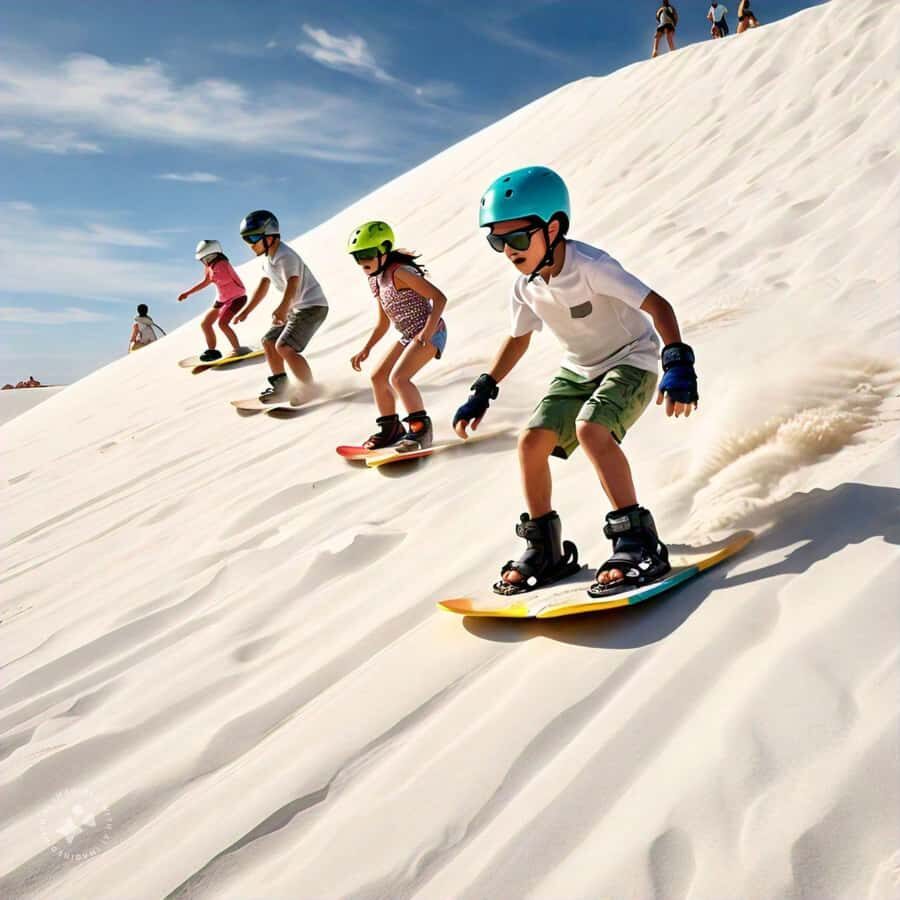
Not everyone wants the same intensity, and that’s exactly why the experience lets you choose from different dune sizes. If you’re new to sandboarding, smaller dunes help you learn how the board behaves—especially when you’re trying to slow down or angle your path.
If you’re more comfortable, a bigger dune is where you’ll feel the real thrill. It’s also where good technique pays off. With instruction right there, you’re not just taking a gamble; you’re learning what to do as you go.
One more human detail: instructors are described as flexible with comfort levels. That matters because nerves are normal. If you feel uncertain, it’s better to adjust your dune choice rather than powering through and fighting your balance.

Safety Rules You’ll Actually Notice (No Alcohol, No Chaos)
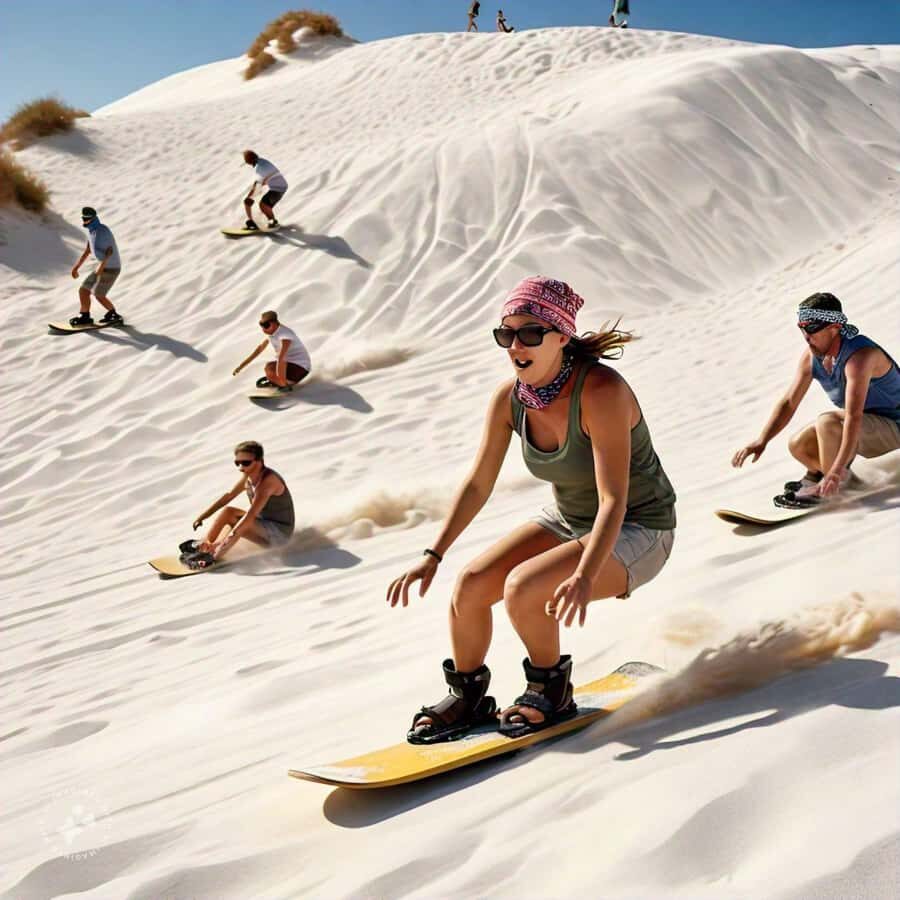
This isn’t an “anything goes” activity. It has clear rules:
- No alcohol and drugs
- No alcoholic drinks in the vehicle
- No touching animals
Even if you’re not thinking about alcohol, these rules tell you the provider is focused on keeping the outing controlled and safe. That shows up in how the session is run: gear first, instruction second, then sliding.
Also, sandboarding is physical. Your feet, ankles, core, and balance get used right away. If you’re thinking of skipping because you’re worried about soreness, don’t. Expect it, then plan for it.
Who should avoid sandboarding here
This one is explicit: it’s not suitable for people with back problems. If your back is already touchy, don’t treat this as a “maybe.” Sandboarding puts demand on your body with quick movements and board control.
Timing: 2 Hours on Paper, Real-World Session Length
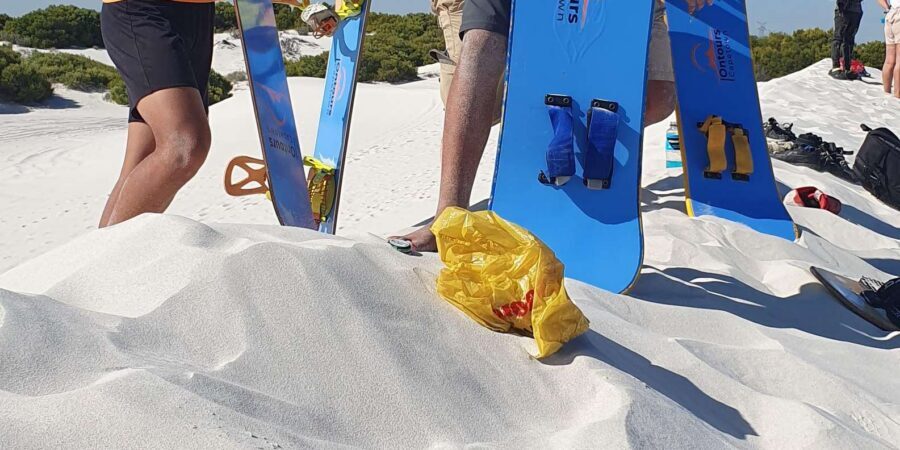
The experience is advertised as 2 hours, and that’s a solid block for learning basics and doing multiple descents. Still, one rating noted they only received about one hour instead of two.
So here’s my practical take: plan your day with a bit of slack. If you have another timed activity right afterward, add buffer time. That way, even if your session runs short, you won’t be stressed trying to rush out of the dunes.
What to Wear and Bring (So You Don’t Regret It)
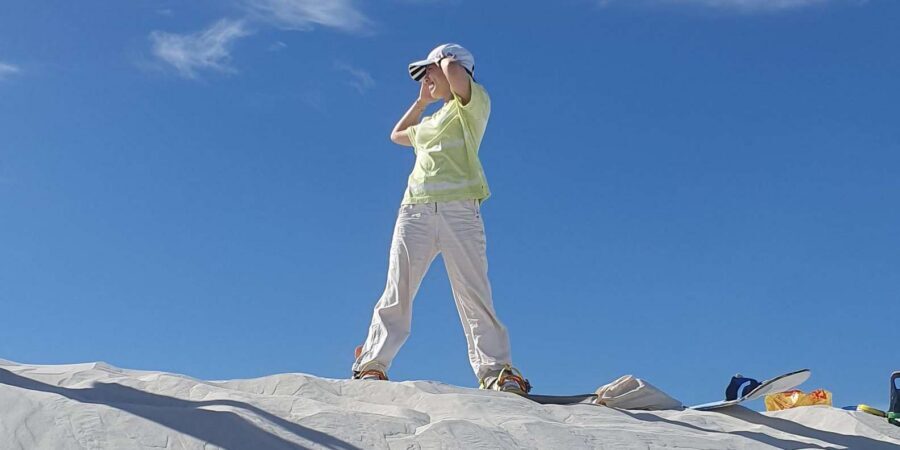
Since equipment is provided, your packing list can stay simple. But sand plus speed plus sun means clothing and comfort still matter.
Wear:
- Long sleeves or at least sun-protective layers (sun intensity is real)
- A hat
- Comfortable footwear you’re okay getting sandy (the dunes can be dusty)
- Sunglasses if you like them (the glare can be intense)
Bring:
- A small daypack or crossbody for essentials
- Sunscreen (not listed as included)
- Any personal comfort items you prefer
Food:
- Snacks aren’t included, so if you need something to eat between runs or after, plan to bring it or pick it up elsewhere.
Water:
- Bottled water is included, which is a nice baseline. If you prefer extra, bring it yourself, but you shouldn’t need to.
Price and Value: The Real Cost Breakdown
The listed price is $21 per person, and the included package already covers what most people forget:
- sandboard rental
- wax
- instructor time
- shade
- bottled water
That’s value, because sandboard rentals and equipment hassles add up fast if you try to build this day on your own.
One key detail: there’s an entrance fee (R80 per person) that is not included. You pay this separately to Godfrey or Bonnie upon arrival. So your “all-in” cost is the $21 plus that R80 entrance fee.
If you’re comparing options, treat it like this: the activity price covers the ride experience; the entrance fee is the separate access cost. When you see it that way, the pricing looks more reasonable.
Who This Atlantis Sandboarding Experience Fits Best
This is a strong pick if you want:
- a break from indoor sightseeing
- an active outdoor activity that’s still beginner-friendly
- a guided session that helps you control the board instead of just launching
It also works well for people traveling as a group for fun, because the instructor-led structure gives everyone a clear start.
It may not be ideal if:
- you have back problems (explicitly not suitable)
- you dislike outdoor sun exposure and you don’t plan to protect yourself
- you’re trying to fit this tightly between other time-sensitive plans (since sessions can be shorter than the full two hours)
Should You Book This Atlantis Sand Dunes Session?
I’d book it if you want a true Cape Town activity with momentum: slide first, enjoy the views, learn technique, and don’t waste time juggling rentals. The included sandboard, wax, and instructor support are where you get your money’s worth.
Book with extra planning patience if timing matters for you. Also, take the sun seriously and wear protection from the start. If you do those two things, Atlantis turns into one of those rare days that feels like a story you’ll actually tell later.
FAQ
How long is the Cape Town Atlantis sandboarding experience?
It’s listed as 2 hours. One review noted the session may be shorter, so it’s smart to leave some flexibility in your schedule.
Do I need to bring a sandboard?
No. Sandboards and wax are provided, along with an instructor to guide you.
What’s included in the price?
Included items are sandboards, shade, a sandboarding instructor, wax, and bottled water.
Is the entrance fee included?
No. There’s an entrance fee of R80 per person, paid directly to Godfrey or Bonnie upon arrival.
Is the instruction available in English?
Yes. The instructor is listed as English.
Is this suitable if I have back problems?
No. It’s not suitable for people with back problems.