REVIEW · HARTBEESPOORT
Johannesburg: Lesedi Cultural Village Show with Pickup
Book on GetYourGuide →Operated by LBK Tours. · Bookable on GetYourGuide
The drumming starts your whole day. This Lesedi Cultural Village experience pairs a guided homestead tour with a high-energy music and dance show that explains how several South African cultures live, celebrate, and remember. I like the straightforward flow (welcome, video context, homesteads, performance), and I also like that the day isn’t just sitting in a theater since you actually walk through the communities. One thing to consider: it’s a fixed-format show, so if you want long, unscripted Q&A time, this may feel a bit structured.
You also get a practical advantage: private hotel pickup and drop-off in an air-conditioned vehicle, which makes the trip easy from Johannesburg. And in the small-group format, you’re more likely to hear the guide clearly while moving between the different spaces. The main drawback is simple—comfortable shoes matter, because you’ll be doing some walking on the village grounds.
In This Review
- Key Things I’d Focus On Before You Go
- Getting There: Private Pickup, Real-Time South Africa
- The Ndebele Welcome: Drumming That Actually Sets the Pace
- Ingoma Amphitheatre: Video Context Before You Walk
- Homesteads Tour: Seeing Traditions in Real Spaces
- The Cultural Dance Show: Drums, Songs, and Choreography
- The Village Shop and Curios: Browse, Don’t Rush
- Optional Lunch at Nyama Choma: A Steady End to the Day
- Price and Value: Is $130 Worth It?
- Who This Tour Fits Best (And Who Might Skip It)
- Your Quick Pre-Show Checklist
- Should You Book Lesedi Cultural Village With Pickup?
- FAQ
- How long is the Lesedi Cultural Village show with pickup?
- Where does the tour pick up and drop off?
- Is lunch included?
- What cultures and groups does the tour cover?
- What happens at the amphitheatre at the start of the tour?
- Is there an audio-visual presentation?
- What’s included besides the show?
- Is this tour suitable for children?
Key Things I’d Focus On Before You Go
- Small group size (up to 3 participants) means less crowding and a more personal pace.
- Welcome drumming at the Ndebele amphitheatre sets the tone fast with music and atmosphere.
- Video presentation in the Ingoma amphitheatre gives you quick cultural context before you tour homesteads.
- Homesteads from Zulu, Ndebele, Xhosa, Basotho, and Pedi help you connect traditions to real spaces.
- Music, drums, and choreographed dance turn cultural stories into something you can feel in your body.
- Optional lunch at a Nyama Choma restaurant gives you a solid meal without derailing timing.
Getting There: Private Pickup, Real-Time South Africa
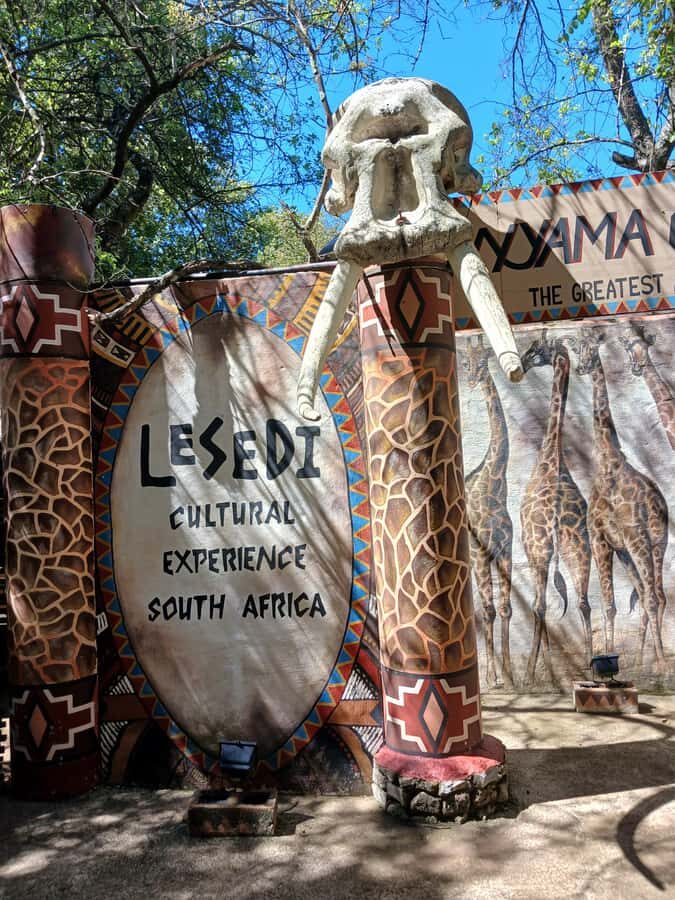
This starts the easiest way possible for Johannesburg: you’re collected from your address in a private, air-conditioned vehicle and dropped back at the same place afterward. That matters more than people think. Instead of managing public transport schedules or guessing how to get out to North West Province, you can treat this as a clean half-day plan.
The drive is about an hour, and the village sits in a landscape that feels distinctly South African bushveld with rocky hills. Even though you’re not out in the field for a long trek, the ride helps you “switch gears” from city time to countryside time. It’s also a good moment to settle in, because the village portion is scheduled and runs as a sequence: amphitheatre welcome, then presentation, then homesteads, then the performance.
Your group stays limited to a small number of participants, and the tour runs in English with a live guide. That combination is practical: with fewer people, you can hear explanations without constantly leaning in, and you’re less likely to feel like you’re moving with a conga line.
You can also read our reviews of more tours and experiences in Hartbeespoort.

The Ndebele Welcome: Drumming That Actually Sets the Pace
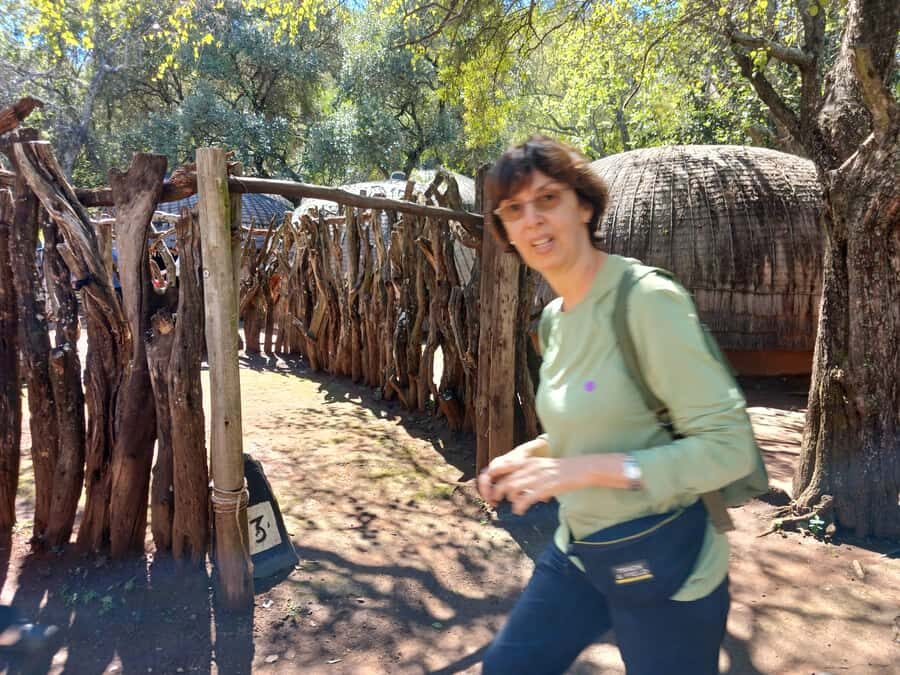
The tour begins with a welcome and drumming at the amphitheatre in the Ndebele village area. The walls are decorated with tribal homestead paintings, so even before anyone explains anything, you’re already surrounded by visual cues. That’s useful. It helps your brain organize what you’re seeing once the guide starts connecting the dots.
Then comes the drumming itself. The point isn’t background noise. It’s the opening “signal” for the whole event, and it sets an energetic pace right away. You’ll see choreographed drumming and performance-style presentation that frames the day as cultural storytelling, not just sightseeing.
I like that this welcome isn’t an afterthought or a short clip. It’s part of the day’s structure. If you’re the type who wants to feel you’ve started the experience properly, this does it.
Ingoma Amphitheatre: Video Context Before You Walk
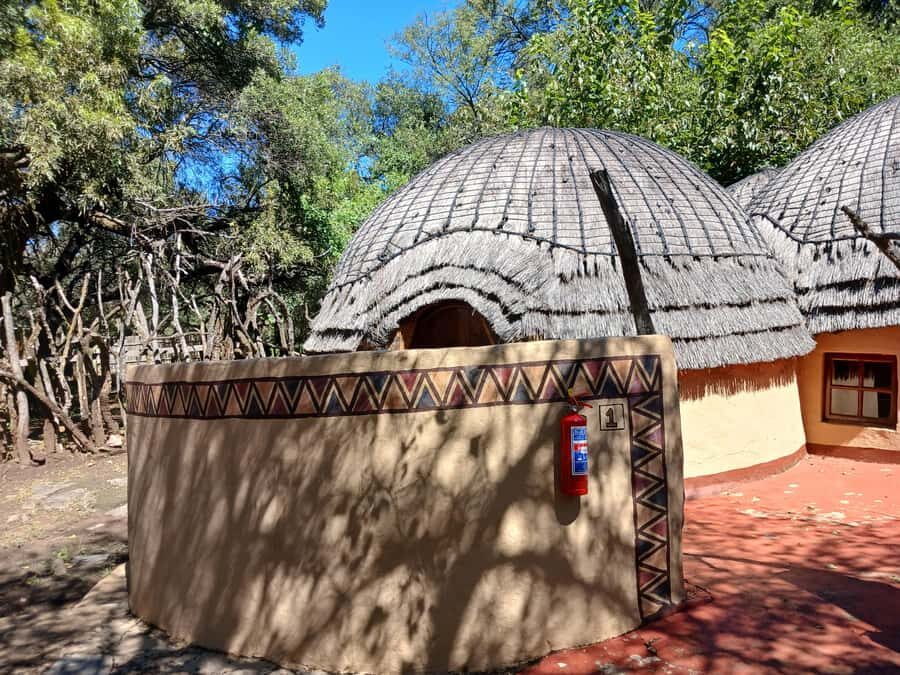
After the welcome, you move to the Ingoma amphitheatre, where you’ll see an audio-visual presentation introducing the history and culture of tribal groups. This step is important because the homesteads you’ll visit next cover multiple communities: Ndebele, Zulu, Xhosa, Basotho, and Bapedi. If you try to do that only by observing buildings and then guessing at meanings, the day can feel like a checklist.
Instead, the video helps you build a mental framework before you start touring. It’s not a long lecture. It’s designed to prepare you for what you’ll see and hear in the homestead sections.
Homesteads Tour: Seeing Traditions in Real Spaces
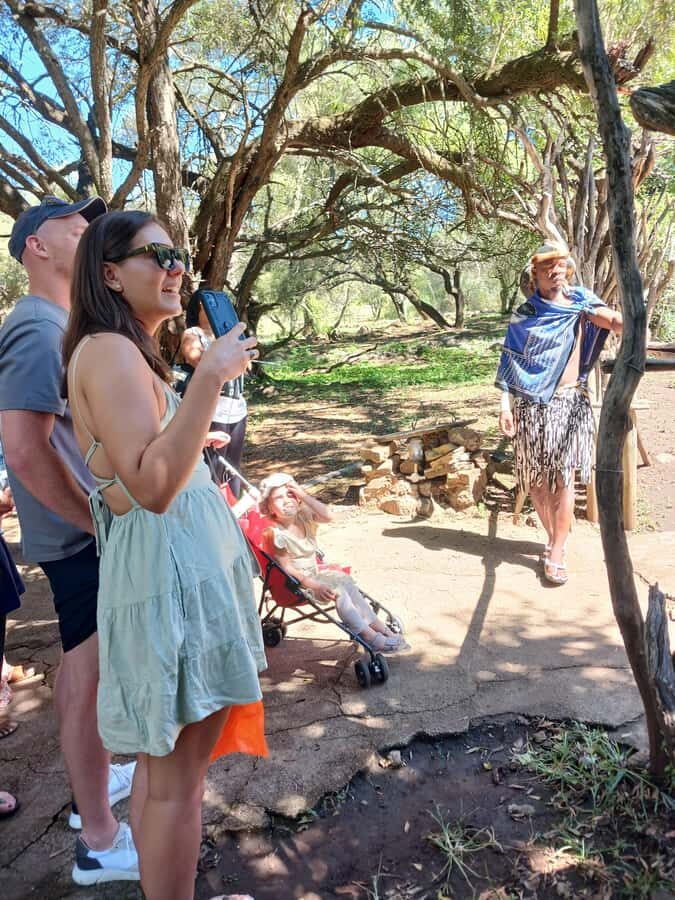
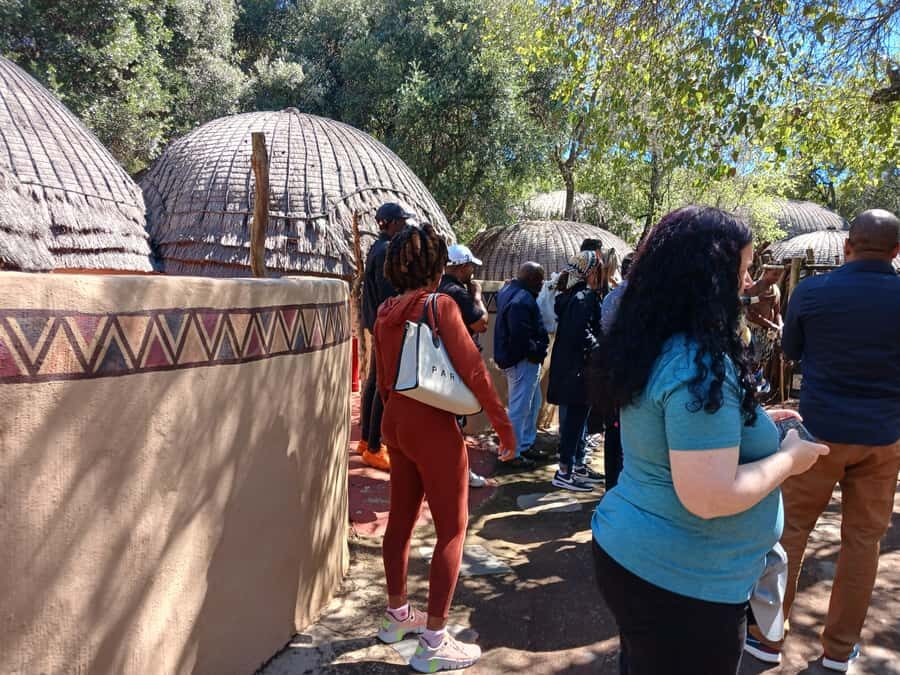
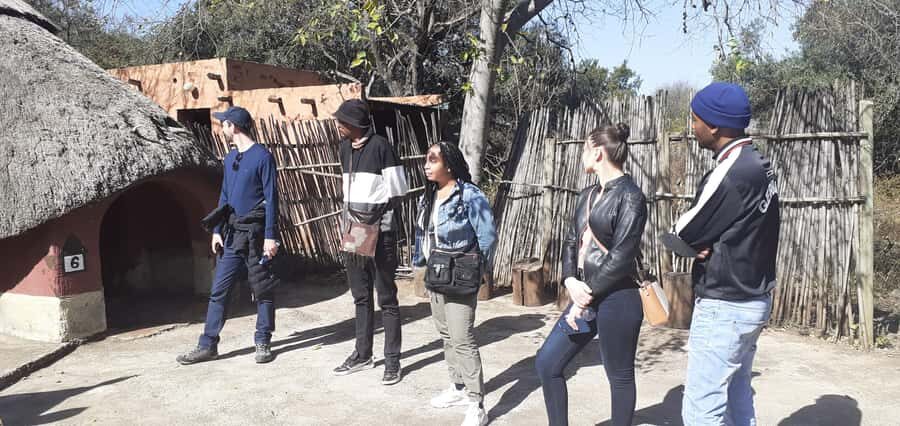
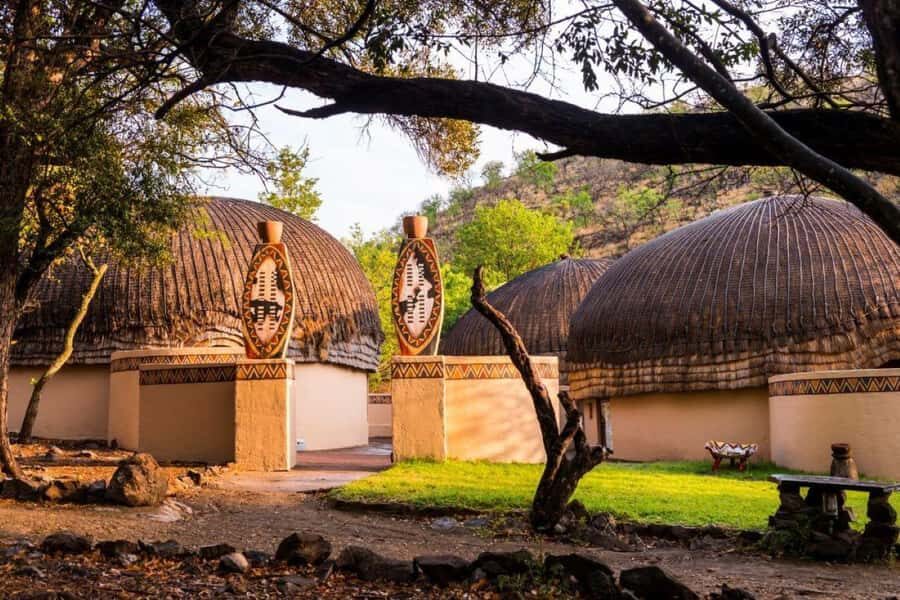
Next comes the walking tour through the homesteads. You’ll visit the Ndebele, Zulu, Xhosa, Basotho, and Pedi areas. This is where the day becomes more than performance. Homesteads are specific spaces tied to daily life, community structure, and cultural expression. When you move from one area to the next with a guide, the culture stops being abstract.
Here’s what’s especially helpful for your understanding: this isn’t just “look at a hut.” You’re guided through the village layout and how each community’s homestead area fits into the overall cultural story the day is telling. You get the sense that these are living traditions, not museum pieces.
Practical note: since this is a village environment, wear comfortable shoes. The tour includes walking and it’s better if your footwear has grip. There’s no guarantee the ground feels like a smooth city sidewalk.
Also consider pacing. You might have a lot of inputs in one afternoon: drumming, then video, then multiple homestead areas, then a full dance show. If you’re prone to information overload on busy tours, take moments to slow down and actually look around between explanations. That’s where the meanings usually “stick.”
The Cultural Dance Show: Drums, Songs, and Choreography
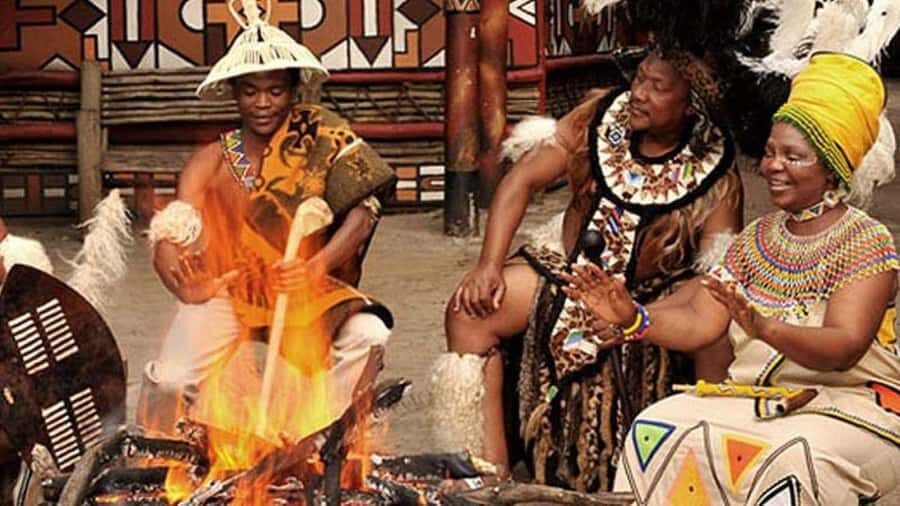
After the homesteads, you head back to the amphitheatre for the big music and dance extravaganza. This is where the day’s storytelling becomes physical and theatrical.
The show focuses on ancestral folklore and rituals brought to life through choreographed movements, drumming, and song. That combination matters: the drums are not just for rhythm, and the movement isn’t random. It’s designed to communicate cultural ideas in a format that’s easy to watch, even if you don’t know all the background.
In the notes from past visitors, the dance and music were repeatedly called out as especially entertaining, and that matches what this format promises. You’re going to feel the performance energy more than you’ll study details like you would in a museum.
Another bonus: you’re already primed by the morning welcome and the video context. So by the time the show starts, you’re not starting from zero. You’re watching with a bit of a map in your head.




The Village Shop and Curios: Browse, Don’t Rush
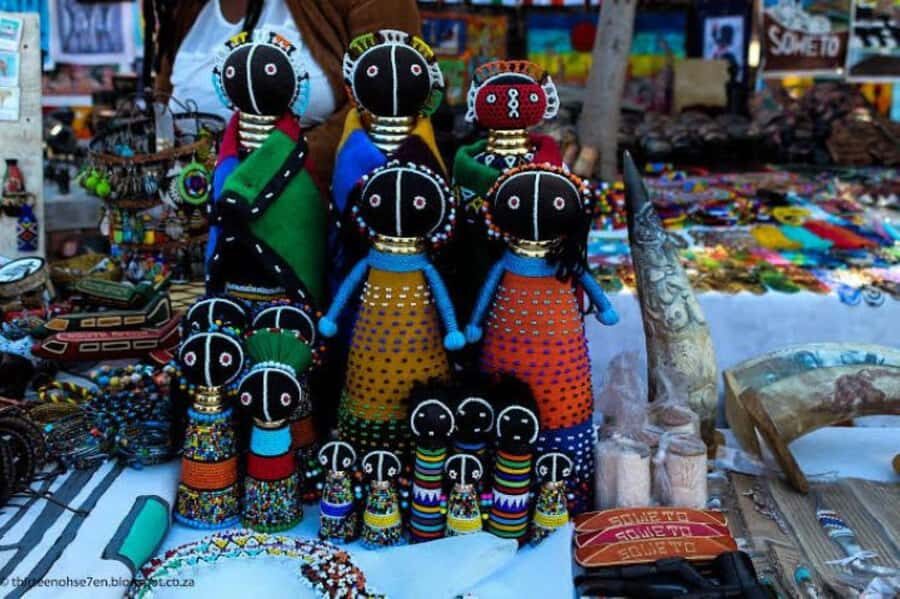
Lesedi includes a shop where you can browse for African clothing, artefacts, magnets, curios, and other items. There’s also a flea-market style selling area with items like beads and bags, including African clothing.
This is a “browse at your own speed” part of the experience, and it’s worth treating as optional, not required. If you love craft shopping, you’ll likely enjoy wandering and comparing styles across the items. If you don’t, you can still use this time to reset.
What I’d watch for is time pressure. Since lunch is optional and the tour runs a fixed schedule, don’t assume you’ll have hours to shop. If there’s something you really want, check it early in the free time rather than leaving it until the end.
Optional Lunch at Nyama Choma: A Steady End to the Day
If you choose lunch, you’ll eat at the Nyama Choma restaurant at the end of the tour. Lunch is described as a buffet, and drinks aren’t included.
This matters for planning. If you like to hydrate with juice or other drinks, budget for it separately. Still, the food being included as part of the optional lunch setup can make the overall day feel smoother. Instead of searching for lunch after the show, you get a prepared meal at the village.
Also, lunch helps you recover from the afternoon pace. By the time the dance show finishes, your legs and ears may be ready for a break. A buffet lunch gives you a practical landing point before the drive back.
Price and Value: Is $130 Worth It?
At $130 per person for a 5-hour experience with private pickup and drop-off, a guided program, and entrance included, the value depends on what you want most: convenience, cultural structure, and performance.
Here’s how it pencils out in real-life terms:
- You’re paying for transport from Johannesburg plus the scheduled village program.
- You’re not managing tickets, timing, or finding the location yourself.
- You’re getting multiple elements in one visit: drumming welcome, video context, homestead tour across several ethnic groups, and the dance show.
- You have an English-speaking guide, and the group stays very small.
Could it cost less on a larger group tour? Possibly. But larger groups often mean less room to hear, less personal pacing, and more waiting around. With the group capped at a maximum of 3 participants, the experience feels less like moving through a crowd and more like being guided through a planned cultural day.
For me, the biggest value marker is the combination of performance plus guided context. If you only wanted a dance show, you might find shorter entertainment options elsewhere. But if you want the “why” and the “where” as well as the “wow,” Lesedi’s format is built for that.
Who This Tour Fits Best (And Who Might Skip It)
This is a strong pick if you want a guided cultural day that blends storytelling and performance without needing to do independent logistics.
It fits well if you:
- prefer private pickup convenience from places like Sandton, Rosebank, Houghton Estate, Fourways, Randburg, and other Johannesburg neighborhoods
- like having a structured schedule when you’re short on time
- enjoy dance and music as a teaching tool, not just entertainment
- want to see several cultures in one visit through homesteads and explanations
It may not be ideal if you:
- travel with children under 12, since this experience is not suitable for that age group
- hate scheduled activities and want total free time
- dislike walking on uneven village ground, even if it’s not an all-day trek
One more practical thing: since pickup options include areas like Pretoria pick-ups in Hatfield and Brooklyn, you can expect the day to be planned around urban meeting points rather than a remote rendezvous. That’s usually a good sign for a smooth, stress-free experience.
Your Quick Pre-Show Checklist
Before you go, keep it simple:
- Wear comfortable shoes since the day involves a guided walk through multiple homestead areas.
- Plan on a 5-hour block. This is not a “pop in for an hour and leave” kind of activity.
- If you want lunch, treat it as optional but plan for it so you don’t feel rushed when the schedule moves on.
And if you enjoy conversation, you might appreciate the kind of guidance that goes beyond just facts. In one of the more detailed notes, the guide Maryam stood out for providing insights and even discussing current affairs alongside the cultural explanations. Not every guide experience will be identical, but that tells you the tour can go beyond memorized lines.
Should You Book Lesedi Cultural Village With Pickup?
I’d book this if you want a smooth, guided cultural day that mixes drumming, homesteads, and a full dance show in one 5-hour block. The private pickup and drop-off remove the usual friction of getting out to the countryside, and the small-group setup helps you actually hear and see what’s happening.
I wouldn’t book it if you’re seeking a slow, self-paced museum-style visit or if you want deep independence time. This is a show with guided walking and a clear sequence, so your best experience will come when you’re ready to follow the flow.
If you’re comparing options, think of it this way: you’re paying for convenience, structure, and a cultural performance built to be understood, not just watched.
FAQ
How long is the Lesedi Cultural Village show with pickup?
The experience runs for 5 hours.
Where does the tour pick up and drop off?
You’re picked up and dropped off at your accommodation in Johannesburg North. Pickup and drop-off include multiple areas, and the tour also lists Pretoria pick-up options in Hatfield and Brooklyn.
Is lunch included?
Lunch isn’t included. Lunch is optional, with lunch available as a buffet at the Nyama Choma restaurant. Drinks are not included.
What cultures and groups does the tour cover?
The tour includes cultural areas and homesteads for Zulu, Ndebele, Xhosa, Basotho, and Bapedi.
What happens at the amphitheatre at the start of the tour?
You’ll have a welcome and drumming at the Ndebele village amphitheatre.
Is there an audio-visual presentation?
Yes. There is an audio-visual presentation in the Ingoma amphitheatre that introduces history and culture.
What’s included besides the show?
You’ll also have a guided tour of the homesteads and a cultural dance show, plus entry as part of the experience fee.
Is this tour suitable for children?
No. It is not suitable for children under 12 years old.