REVIEW · HARTBEESPOORT
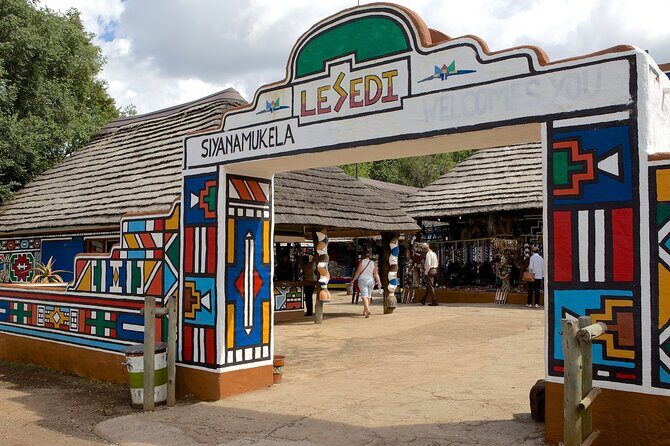
Lesedi Cultural Village
Book on GetYourGuide →Operated by Pure diamond tours and safari · Bookable on GetYourGuide
Watching traditional dance in the open air around Johannesburg makes this half-day feel way more personal than a typical museum stop. You’ll visit five cultural villages at Lesedi Cultural Village, then get a handy bonus stop at the Cradle of Humankind for a guided introduction.
I especially like the way the day mixes storytelling with hands-on moments: you’ll hear music, learn background stories from local community members, and then see the dancing that ties it all together. I also like the small-group feel (limited to 15), which makes it easier to ask questions and actually understand what’s going on.
One consideration: the village food experience is through Nyama Choma, and meals aren’t listed as included in the base tour price—so you’ll want to budget for lunch or dinner when you’re there.
In This Review
- Key points before you go
- Lesedi Cultural Village: what you’re really paying for
- Getting there from Johannesburg: pickup, timing, and comfort
- Stop 1: Cradle of Humankind, guided tour plus self-paced time
- Stop 2: Lesedi Cultural Village walkthrough (five communities in one flow)
- The music-and-dance moment: the part most people remember
- Nyama Choma at the end: food is the payoff, but it’s usually separate
- Guide quality and small-group value
- Practical rules that affect what to bring
- Who should book this tour (and who might pass)
- Price and value: is $102 a fair deal?
- Should you book Lesedi Cultural Village?
- FAQ
- Where does pickup happen?
- How long is the tour?
- What’s included in the price?
- Is food or alcohol included?
- How many people are in the group?
- What languages are the guides?
- Is the tour wheelchair accessible?
- What should I bring?
- What items are not allowed during the tour?
- Is free cancellation available?
Key points before you go
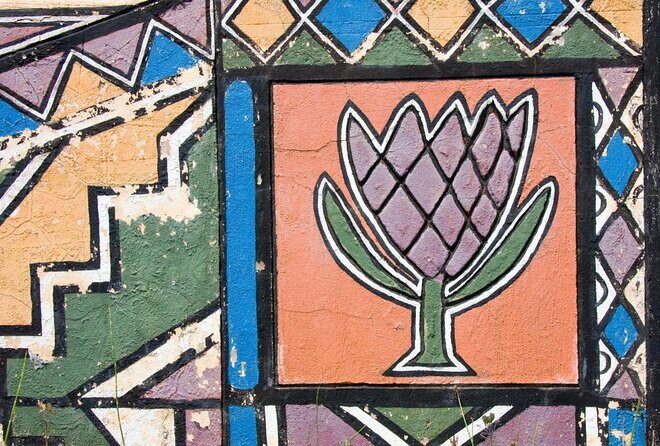
- Five community villages in one visit: Xhosa, Zulu, Pedi, Basotho, and Ndebele, with music and guided explanations.
- Short, well-paced history stop: Cradle of Humankind for about an hour, including a walk and time you can do at your own pace.
- Dance is the main event: A traditional tribal get-together style moment right before the meal options.
- Nyama Choma is a smart add-on: You can eat an African buffet on site; pricing is separate from the tour.
- Small group, 2 pickup zones that work: Options include Pretoria, Sandton, and Midrand pickup and drop-off.
- Bring comfy shoes: You’ll do guided walking at both stops, plus time inside the restaurant areas.
Lesedi Cultural Village: what you’re really paying for
This is one of those tours where the price mostly buys access. Access to a cultural site that’s actively preserving community traditions, not just reenacting them for photos. And because it’s structured as a guided visit, you don’t have to guess what you’re seeing—you get context as you go.
At Lesedi Cultural Village, you’ll spend about 2.5 hours inside the site, moving through traditional villages and learning how different communities live, celebrate, and pass on traditions. The day’s rhythm matters here: you start with explanations and music, then hit the dance moment, and only then go to food. That order helps everything click.
If you’re worried it’ll feel scripted, you can still keep it human by asking your guide questions during the walk. The group size (up to 15) makes that possible.
You can also read our reviews of more tours and experiences in Hartbeespoort.
Getting there from Johannesburg: pickup, timing, and comfort
The tour is designed around pickups near Johannesburg. You can be collected from Pretoria, Sandton, or Midrand, and you’ll also be dropped off at one of those same areas. The point is simple: you don’t have to organize local transport on your own.
Duration is listed as 4 to 7 hours, depending on the start time and how your schedule lines up. Practically speaking, that puts it in the sweet spot for travelers who want culture without losing a whole day.
Come prepared for walking. You’ll wear comfortable shoes and clothes because you’ll do a guided walk at the village, plus time at the Cradle of Humankind stop. Also, the tour notes that no jewelry is allowed. That’s unusual, but it’s part of keeping the visit orderly and respectful, so leave extras behind.
Stop 1: Cradle of Humankind, guided tour plus self-paced time
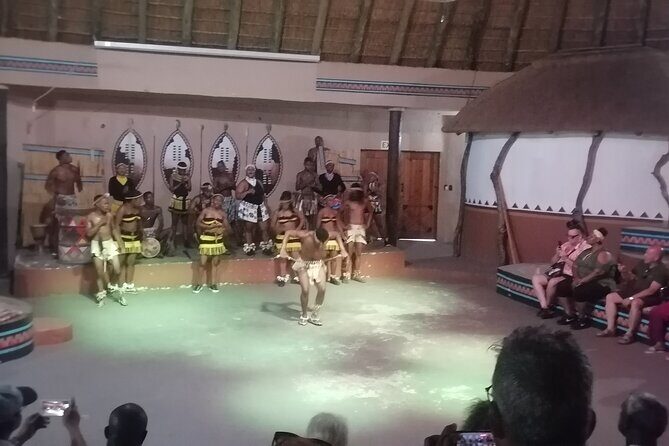
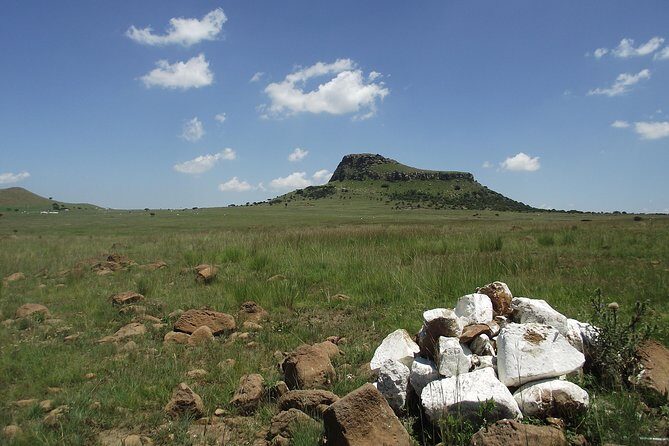
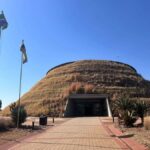
Before you reach Lesedi Cultural Village, you’ll make a stop at the Cradle of Humankind. Plan on about 1 hour at this portion of the day, with a guided tour, a walk, and some self-guided time.
Why it works: it gives you a broader sense of South Africa beyond city life. Even if you only get a short dose, you’ll have enough guidance to understand what you’re looking at and what makes the area significant.
A practical tip: treat this like a warm-up. Wear shoes you don’t mind for uneven ground, and keep your water situation simple (the tour specifies no drinks in the vehicle, but it doesn’t say you can’t have water at all—still, follow what your guide tells you on the day).
Stop 2: Lesedi Cultural Village walkthrough (five communities in one flow)
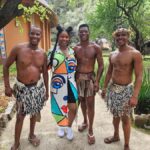
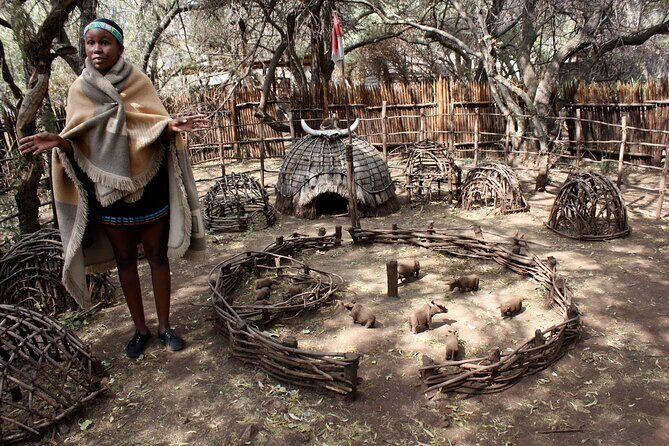
Now for the main event. At Lesedi Cultural Village, you’ll visit five traditional villages: Xhosa, Zulu, Pedi, Basotho, and Ndebele. This part is about 2.5 hours and includes guided touring and walking.
What you’ll likely experience (and why it matters):
- Traditional music while you move between villages. It creates momentum and helps the explanations feel connected, not like you’re just reading signs.
- Stories from community members. The tour is built around narratives, so you hear the “why” behind the cultural details.
- Time to watch and absorb before the dancing. You’re not rushed from stop to stop with no time to notice.
The best way to get value here is to treat it as learning in motion. The villages aren’t meant to be checked off like a checklist. If you pause when something catches your attention—music, a performance, or a particular story—your guide can connect it to other villages and make the whole visit feel coherent.
The music-and-dance moment: the part most people remember
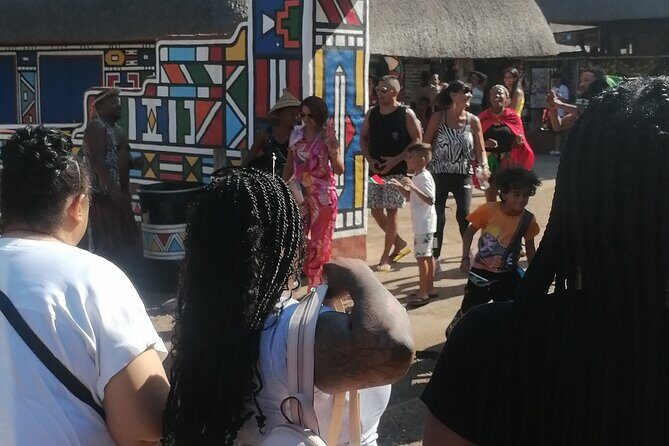
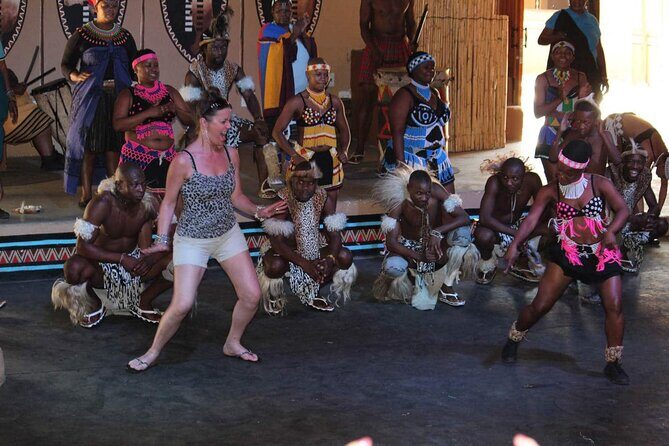
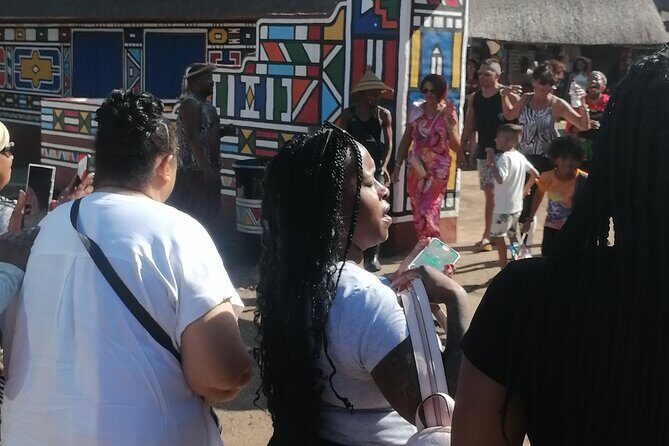
After the village walkthrough, the day shifts into a traditional get-together style moment with traditional dancing. This is where the tour often becomes memorable because it moves from information to participation, energy, and shared rhythm.
One reason this works well for many visitors: it’s not locked behind a stage. You can see what’s happening, follow along, and understand how dance fits into community life. If you’re taking photos, do it lightly and respectfully—watch first, then shoot.
Also note the tour includes live guiding in English and French. In one past experience, the guide Serge was praised for staying with the group and handling translations when needed. Another experience mentioned Albert as a careful, supportive guide—especially helpful for older visitors. Point is: the guide role matters a lot here, and the setup is designed so your questions aren’t awkward or ignored.



Nyama Choma at the end: food is the payoff, but it’s usually separate
After the dance, you head to Nyama Choma, which is described as a great African feast. This is where the tour becomes a true full-circle experience: culture, then food.
A key detail for your planning: food isn’t listed as included in the base package. But you can choose to eat at the restaurant on site, and the reviews suggest it’s an easy add-on. One guide experience noted that a buffet was not included in the tour package, but the buffet was described as delicious and reasonably priced to pay at the end of your meal.
What’s useful to know before you go hungry:
- The restaurant offers a wide African dish selection.
- Some items you might see listed include crocodile and ostrich, but availability can vary by day.
- The restaurant is divided into themed areas: North Africa, East Africa, and South Africa. That’s a nice way to keep the meal from feeling one-note.
Also, the tour information says alcohol isn’t included, and it specifically notes no drinks in the vehicle. So if you want a beer or wine, plan to purchase it at the restaurant and follow whatever rules the guide shares on the day.
Guide quality and small-group value
This is a small-group tour limited to 15 participants. That’s not just a comfort detail. It affects how much attention you get when you ask questions or when something needs translating.
English and French are offered. In real-world experience, guides like Serge and Albert were specifically praised for taking care of the group, keeping timing on track, and answering questions. Even if you don’t know your guide’s name ahead of time, this tour is structured around active guidance, not silent transfers.
And because pickup is handled via a private vehicle with your last name on the board, it’s usually straightforward to find your group at the start. Still, I’d keep your phone notifications on and arrive at your pickup point a few minutes early.
Practical rules that affect what to bring
The tour lists a few clear rules. Here’s why they matter and how you can prepare.
Bring:
- Comfortable shoes
- Comfortable clothes
Not allowed:
- Pets
- Jewelry
- Drinks in the vehicle
- Food in the vehicle
- Alcohol and drugs, and alcoholic drinks in the vehicle
- Nudity
The jewelry rule is the one that catches people off guard. If you’re planning to wear a favorite necklace or earrings, leave them at home. It’ll save you from last-minute issues at the start of the day.
Who should book this tour (and who might pass)
This tour fits best if you:
- Want a cultural experience that includes music and traditional dancing, not just a guided lecture.
- Prefer a short itinerary you can fit into a Johannesburg stay without sacrificing a full day.
- Enjoy small-group tours where you can ask questions.
You might consider a different option if you:
- Only want a meal that’s fully included in the package price (food is typically paid at Nyama Choma).
- Hate any chance of walking on uneven ground for short periods.
- Want to bring lots of valuables or accessories—because of the no-jewelry rule, it’s easier to travel light.
Price and value: is $102 a fair deal?
At around $102 per person, this isn’t a budget “drive-by” experience. You’re paying for transport plus live guiding, and you’re getting two stops rather than one. You also get access to a working cultural village setup where the time is structured around five communities.
Here’s the value equation that matters to you:
- If you’re the kind of traveler who asks questions and watches performances closely, you’ll likely feel the time is well used.
- If you plan to eat at Nyama Choma anyway, you’ll probably treat the meal cost as part of the full day budget.
- If you dislike guided walking or you want fully included meals, your out-of-pocket costs may feel higher than expected.
On the positive side, the rating is 4.9 from 14 reviews, and the consistent themes are strong guide care, well-run timing, and an engaging show-and-story format.
Should you book Lesedi Cultural Village?
Yes, if your idea of a good Johannesburg-area day is culture that feels alive—music, stories, dance, and then food at the end. The small group size, the bilingual guide option (English/French), and the fact that it pairs Lesedi with the Cradle of Humankind stop make it a strong value for a half-day.
I’d book it if you’re traveling with older relatives too, since guides like Albert have been specifically praised for taking extra care. And I’d budget for a meal at Nyama Choma rather than assuming the buffet is included.
If you want to be extra smooth on the day: wear comfortable shoes, travel without jewelry, and plan to arrive ready to learn and watch.
FAQ
Where does pickup happen?
Pickup is offered from Pretoria, Sandton, or Midrand, and you’ll also be dropped off at one of these locations.
How long is the tour?
The duration is listed as 4 to 7 hours. You can check starting times based on availability.
What’s included in the price?
Transportation and guiding are included.
Is food or alcohol included?
Alcohol and food are not included in the tour price.
How many people are in the group?
The group is limited to a small group size of 15 participants.
What languages are the guides?
Live tour guides are available in English and French.
Is the tour wheelchair accessible?
Yes, the tour is wheelchair accessible.
What should I bring?
Bring comfortable shoes and comfortable clothes.
What items are not allowed during the tour?
Pets and jewelry are not allowed. The tour also says no drinks or food in the vehicle, and no alcohol and drugs (including alcoholic drinks in the vehicle). Nudity is also not allowed.
Is free cancellation available?
Yes. You can cancel up to 24 hours in advance for a full refund.