REVIEW · CAPE TOWN
Cape Town: Cape of Good Hope & Cape Point Prebooked Ticket
Book on GetYourGuide →Operated by Ingwe Africa Safaris · Bookable on GetYourGuide
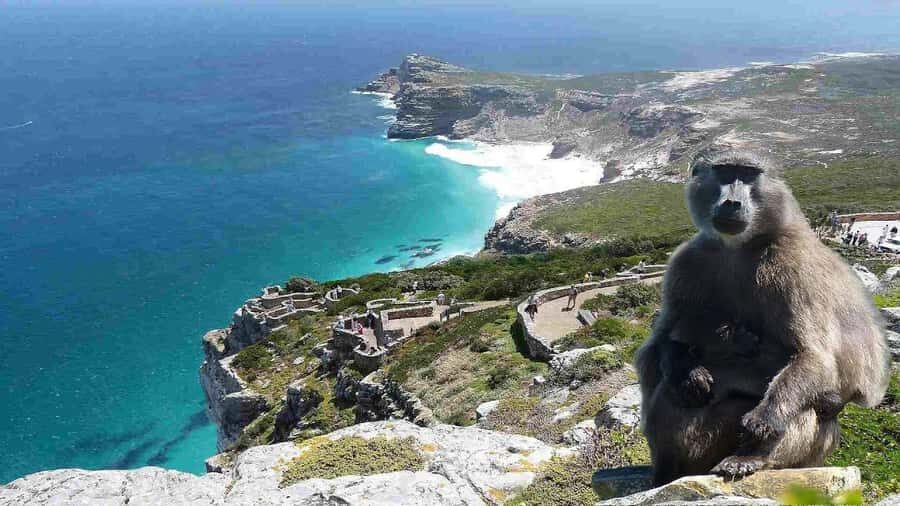
Big views and wildlife, with ticket stress removed. I like the prebooked ticket setup: you use it at the Cape of Good Hope main gate and step right into Table Mountain National Park. Once inside, you may spot baboons, antelopes, and a bunch of bird species as you go between viewpoints.
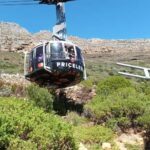
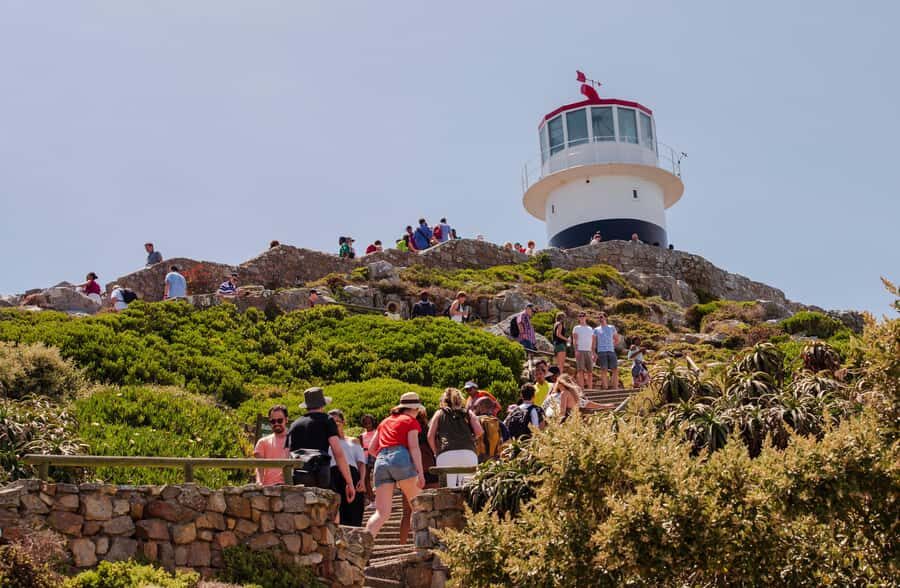
My favorite payoff comes at Cape Point Lighthouse and the Two Ocean Currents panorama. You can walk to the lighthouse (about 15 minutes) or take the Flying Dutchman Funicular, but the funicular requires a separate ticket, so plan for that cost if you want the ride.
In This Review
- Key highlights to look for
- Prebooked Cape of Good Hope access: start at the main gate
- Cape of Good Hope Nature Reserve: beacons, signs, and wildlife moments
- UNESCO World Heritage coast: what it means for your day
- Cape Point Lighthouse and the Two Ocean Currents: the big payoff
- Walk vs Funicular: choosing the easiest way up
- Wildlife etiquette in the reserve: keep it safe and respectful
- Price and value: what $56 really covers
- Timing tips for a smooth one-day Cape
- Who should book this Cape of Good Hope and Cape Point day
- Should you book it?
- FAQ
- What is included with the Cape of Good Hope main gate ticket?
- Do I need a separate ticket for the Flying Dutchman Funicular?
- How do I find the meeting point?
- How long is the ticket valid?
- What wildlife can I expect to see?
- Are there rules about interacting with animals?
- What main sights are part of the experience?
Key highlights to look for
- Prebooked Cape of Good Hope entry at the main gate (no scrambling on the day)
- Dias and Da Gama beacons for classic Cape landmarks and photo angles
- Wildlife spotting chances for baboons, antelopes, and many bird species
- UNESCO World Heritage coast within Table Mountain National Park
- Cape Point Lighthouse views where the Two Ocean Currents are meant to be seen
- Flying Dutchman Funicular is optional and not included with your entry ticket
Prebooked Cape of Good Hope access: start at the main gate
This is the kind of ticket that makes a big difference in Cape Town. Instead of figuring out last-minute entry details on the spot, you arrive at the Cape of Good Hope main gate and use your pre-booked ticket to enter the Cape of Good Hope Nature Reserve. That reserve sits inside Table Mountain National Park, so you’re not just visiting one lookout point—you’re walking into a protected area.
You’ll know you’re at the right place because there’s signage at the entrance gate mentioning Cape of Good Hope Nature Reserve. That’s it for meeting info. From there, you’re free to explore during the day, as long as you’re within your 1-day validity.
I also like that the experience provider is Ingwe Africa Safaris. Even though this is self-led once you’re in the reserve, the fact that it’s organized and ticketed helps you feel grounded from the start.
A few more Cape Town tours and experiences worth a look
Cape of Good Hope Nature Reserve: beacons, signs, and wildlife moments
Once you enter, your route naturally becomes a mix of viewpoints, short photo stops, and wildlife chances. One of the first named landmarks you’ll want to find is the area around the Dias and Da Gama beacons. These are the kind of historic-feeling markers that help you orient yourself, even if you’re not following an “official” guided script.
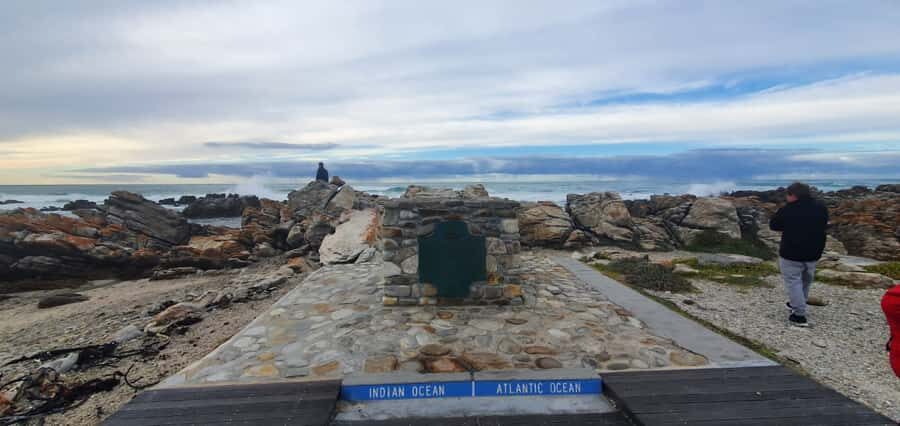
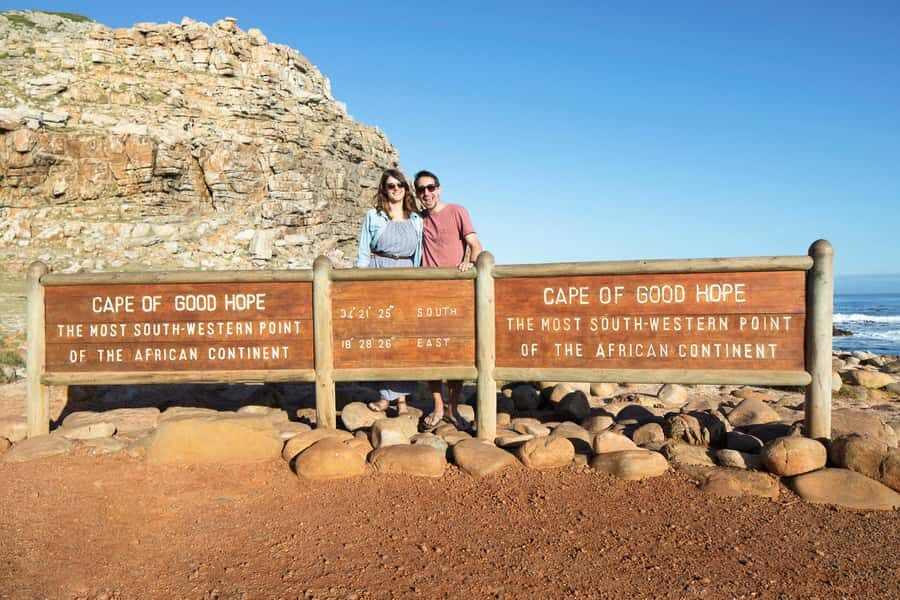
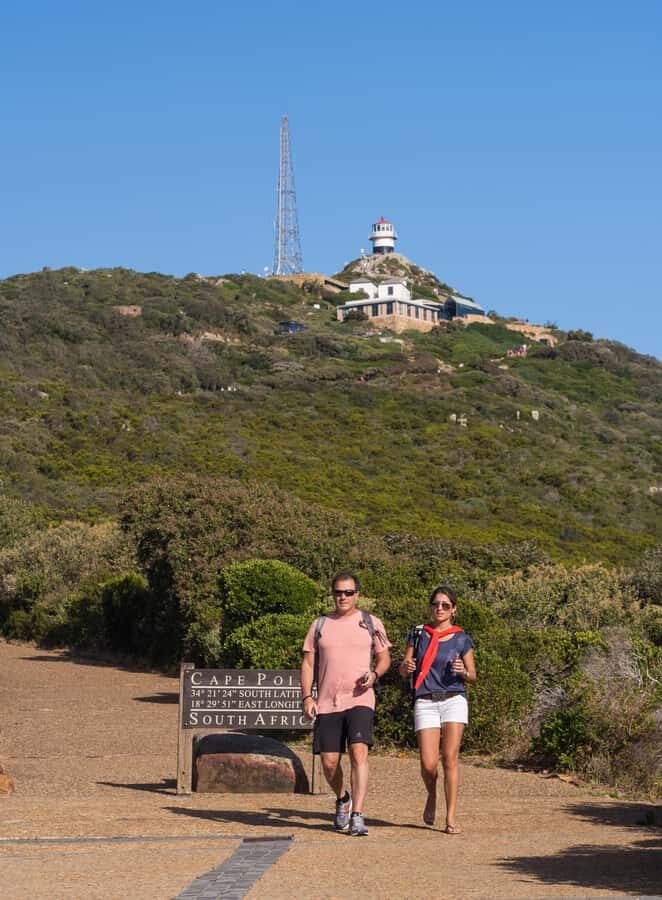
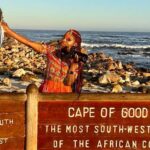
You’ll also come across iconic Cape of Good Hope and Cape Point signboards, including the classic photo spots you’ll want to use to prove you were really there. I’m a fan of these stops because they’re quick, clear, and easy to fit into your day without overplanning.
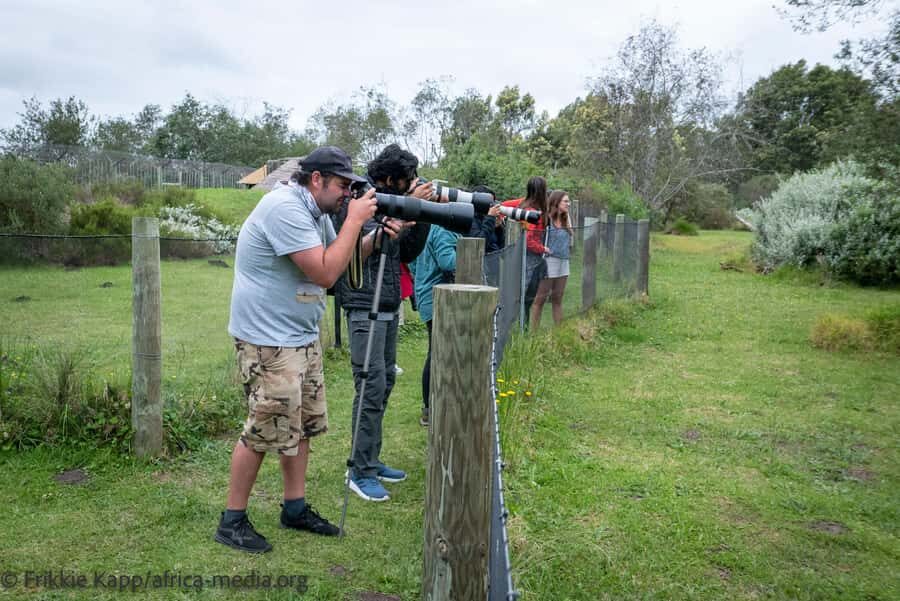
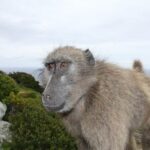
Now, wildlife. The reserve is known for sightings of baboons, antelopes, and a variety of bird species. You can’t force an animal to appear on cue, but this is one of those places where your best strategy is simple: slow down at viewpoints, watch your surroundings, and keep an eye on movement near paths. Birds especially tend to make themselves known if you pause long enough.
If you want to maximize your wildlife time, aim to spend more moments standing still than power-walking between stops. In practice, that’s when you spot something first—before it gets a chance to vanish.
UNESCO World Heritage coast: what it means for your day
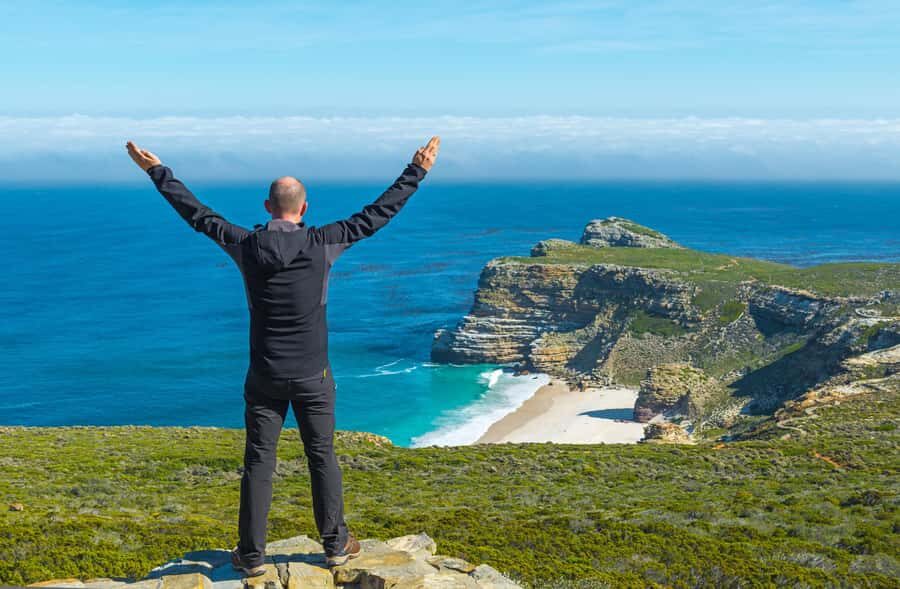
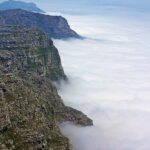
Cape of Good Hope and Cape Point fall within a UNESCO World Heritage area noted for its flora, fauna, and coast. The label matters because it helps explain why the scenery feels both dramatic and protected. You’re not treating this like a theme-park attraction. You’re visiting an ecological zone with rules designed to keep it healthy.
And that UNESCO context changes how you experience the coast. Instead of only chasing the most famous view, you also start paying attention to edges—cliff lines, shoreline shape, and how the land meets the ocean. Even if you’re just a casual photo taker, those details make your pictures more interesting.
One practical note: the reserve is part of Table Mountain National Park. That means your day is about moving through an ecosystem with viewpoints and marked areas, not about sitting in a vehicle the whole time.
Cape Point Lighthouse and the Two Ocean Currents: the big payoff
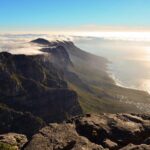
Cape Point is where the day feels like it “locks in.” Your ticket entry gets you into the reserve, and from there Cape Point Lighthouse becomes the main target for the best views. The highlight description is clear: you’ll get spectacular views from the lighthouse, including the Two Ocean Currents.
This is the moment you want to plan around. The currents are the headline, but the real experience is the way the ocean looks meeting cliffs and coastline from above. Standing at the lighthouse viewpoint gives you that classic Cape feeling: big skies, hard edges, and ocean horizons that look different depending on where you stand.
You have two options to get to the lighthouse:
- Walk about 15 minutes (simple and flexible)
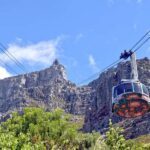
- Use the Flying Dutchman Funicular (closer access, but not included)
If you’re the type who likes to keep momentum and enjoy the walk, the 15-minute route works well. If you’d rather save energy for photos and standing still at the best angles, the funicular can be worth it—just remember it needs a separate ticket.
Walk vs Funicular: choosing the easiest way up
Your entry ticket covers the Cape of Good Hope main gate. The optional Flying Dutchman Funicular is a separate purchase. That detail is important because it affects how you budget and how you pace your day.
Walking (about 15 minutes) is usually the simplest approach: no extra ticket, no added step of buying something else, and you control your pace. It’s also a nice way to break up the day between signboard stops, beacons, and viewpoints.
Taking the Flying Dutchman Funicular can reduce effort and help if you’d rather keep your energy for lighthouse time. The catch is financial and planning. Since the funicular requires its own entry, you’ll want to decide before you go so you don’t end up rushing at the point where you’re ready to relax and photograph.
If you’re traveling with limited walking tolerance, the funicular option can be a helpful way to get to the top. Still, because the exact accessibility details aren’t stated here, I’d treat it as a “helpful option,” not a guarantee—check on the day for the best fit.

Wildlife etiquette in the reserve: keep it safe and respectful
One rule is explicitly stated: feeding animals is not allowed. That’s a big deal, and it’s worth respecting even if you see people moving around with food.
Here’s what that means for you in practice:
- Don’t try to attract baboons or other animals.
- Keep distance and let wildlife move naturally.
- Focus on photos and observation rather than interaction.
Also, if you see animals near your path, the best move is to pause and watch. Trying to maneuver too quickly can make everyone less comfortable and increases the chance you’ll spook wildlife.
Wildlife viewing is one of the most rewarding parts of this trip, but it works best when you’re a quiet observer, not a participant.
Price and value: what $56 really covers
At about $56 per person for the Cape of Good Hope and Cape Point prebooked ticket, the value depends on how you think about what’s included.
Included:
- Entry ticket to the Cape of Good Hope main gate
Not included:
- Optional entry ticket to the Flying Dutchman Funicular
So you’re paying for reserve access and the freedom to explore the Cape of Good Hope Nature Reserve and reach Cape Point Lighthouse. That’s a good structure if you’re comfortable moving through viewpoints on your own. You’re not stuck in a rigid plan, and you can spend more time on the stops that catch your eye—beacons, signboards, wildlife zones, and the lighthouse area.
If you definitely want the funicular ride, budget a bit extra since it’s an additional ticket. If you don’t mind walking the roughly 15 minutes, you can keep costs more predictable.
From a practical standpoint, the ticket’s “main gate entry” model often works best in national parks: you’re paying for access to a protected area, and you get to choose how you spend your time inside it.
Timing tips for a smooth one-day Cape
This is a 1-day experience. Because the day has several high points—beacons, photo signboards, wildlife potential, and the lighthouse—it helps to arrive ready to stay flexible.
A simple strategy:
- Start early enough that you can enjoy viewpoints without feeling rushed.
- Plan your lighthouse time so you don’t end up sprinting back and missing the Two Ocean Currents views.
- Build in pauses for wildlife. Those sightings don’t happen on your schedule.
Also, keep in mind that the funicular option is optional and costs extra. If you decide to use it, it’s better to make that call sooner than later so you don’t end up changing plans at the last moment.
Who should book this Cape of Good Hope and Cape Point day
This ticket fits best if you:
- Want a high-impact day with big lighthouse views and scenery focused around Cape of Good Hope and Cape Point
- Like self-paced exploring inside a protected reserve
- Enjoy wildlife viewing, especially the chance for baboons, antelopes, and birds
- Are comfortable with the walking option (about 15 minutes) or you’re willing to pay extra for the funicular
You might consider another setup if you prefer fully guided, timed viewpoints or if you expect everything to be included for a single fixed price. Since the funicular requires a separate ticket, this isn’t the “one price covers every step” type of experience.
Should you book it?
Yes, I think this one is worth booking if you want a straightforward day with the Cape’s famous highlights and the freedom to explore. The biggest practical win is the prebooked ticket model at the Cape of Good Hope main gate. It reduces day-of friction, and once you’re inside, you can build the day around the sights that matter to you: Dias and Da Gama beacons, signboard photo stops, wildlife chances, and Cape Point Lighthouse with the Two Ocean Currents.
If you’re determined to use the Flying Dutchman Funicular, factor in the separate ticket cost. If you’re okay walking to the lighthouse, you’ll likely feel like you got a clean, good-value entry to one of the most scenic stretches of South Africa.
And if your plans change, the experience offers free cancellation up to 24 hours in advance for a full refund, which makes it a less risky decision.
FAQ
What is included with the Cape of Good Hope main gate ticket?
Your ticket includes entry to the Cape of Good Hope main gate, which gives you access to the Cape of Good Hope Nature Reserve within Table Mountain National Park.
Do I need a separate ticket for the Flying Dutchman Funicular?
Yes. The Flying Dutchman Funicular is optional and requires a separate entry ticket. It is not included with your main gate ticket.
How do I find the meeting point?
There is a signboard at the entrance gate that mentions Cape of Good Hope Nature Reserve. Use your pre-booked ticket there to enter.
How long is the ticket valid?
The ticket is valid for 1 day, based on availability.
What wildlife can I expect to see?
You may spot wildlife such as baboons, antelopes, and a variety of bird species while exploring the reserve.
Are there rules about interacting with animals?
Feeding animals is not allowed.
What main sights are part of the experience?
You’ll have access to explore areas including the Dias and Da Gama beacons, photo spots near the Cape of Good Hope and Cape Point signboards, and views from Cape Point Lighthouse (including the Two Ocean Currents).