REVIEW · TENIKWA WILDLIFE REHABILITATION AWARENESS CENTER
Plettenberg Bay: Private Guided Wildlife Photography Tour
Book on GetYourGuide →Operated by Tenikwa Wildlife Rehabilitation Center · Bookable on GetYourGuide
Tenikwa is where wildlife rehab meets hands-on photography time, without the chaos of a big group. This private guided tour in Plettenberg Bay is built around wild cats of South Africa, great viewing pathways, and a guide who keeps the focus on both behavior and conservation.
I especially like that you get a true private setup. In a place like this, having space matters for both comfort and photos, and the schedule is paced so you can actually watch first, then shoot.
One heads-up: because this is a working rehabilitation center, what you see can depend on what the animals are being cared for that day. Plan for flexible wildlife viewing, not a guaranteed checklist.
In This Review
- Key highlights that make this tour a strong pick
- Tenikwa’s working rehab reality: why it feels more meaningful than a typical zoo
- Price and value: what you’re paying for in a 2-hour private tour
- Getting there and arriving: the easy checklist before you enter
- Start of the tour: safety briefing, intro video, and how your guide will run the day
- Meerkat Meander: fast-moving fun and good early camera practice
- Leopard walkway: searching for a well-camouflaged cat
- Cheetahs: close viewing plus the story behind changing numbers
- White lion and the lion walkway: high vantage points for strong portraits
- The tour rhythm: breaks, coffee, snacks, and a quick shop stop
- Photo behavior rules that help you get better images (and avoid hassles)
- What makes this tour feel different: life-enrichment, education, and real closeness
- Who should book this private cat photography tour in Plettenberg Bay?
- Should you book Tenikwa’s private wildlife photography tour?
- FAQ
- How long is the private guided wildlife photography tour?
- What is included in the price?
- What’s not included?
- Is the tour private, and what group size should I expect?
- Can I bring a camera, and are there any photo rules?
- Are there restrictions around touching or feeding animals?
- What should I wear or bring?
- Where do I meet the guide?
Key highlights that make this tour a strong pick
- Private guided pace for better photos: You’re not fighting a crowd for angles or moments.
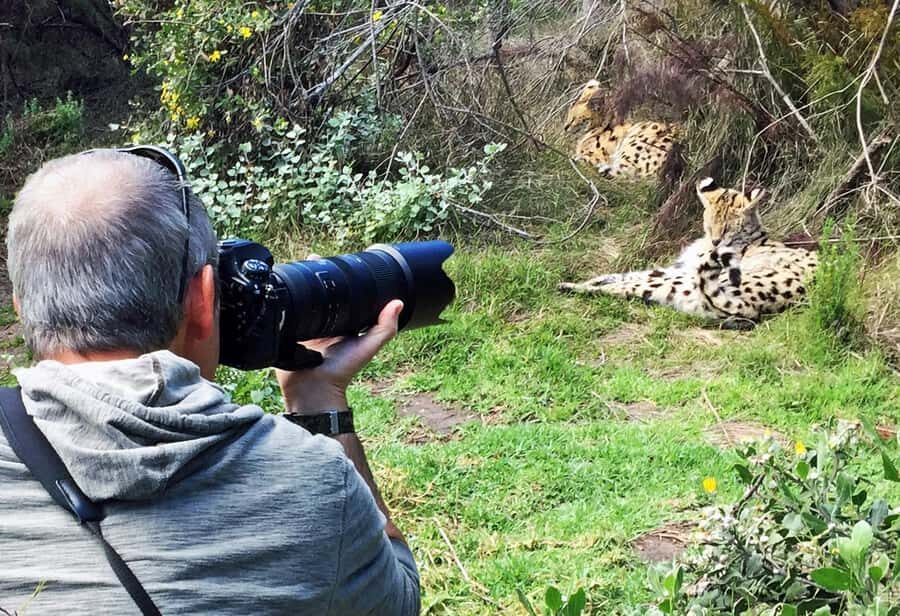
- Cat pathways designed for viewing: Leopard walkway, cheetah stops, and a white lion area with high vantage points.
- Meerkat Meander after check-in: Short, lively viewing that’s great for practicing camera settings.
- Conservation talk with your guide: The focus stays on real challenges, not just animal facts.
- You can get close—safely: Some enclosure viewing is possible where it’s considered safe, with no touching.
- Revisit option: After the tour, you can return to one favorite part so you can try again with fresh angles.
Tenikwa’s working rehab reality: why it feels more meaningful than a typical zoo
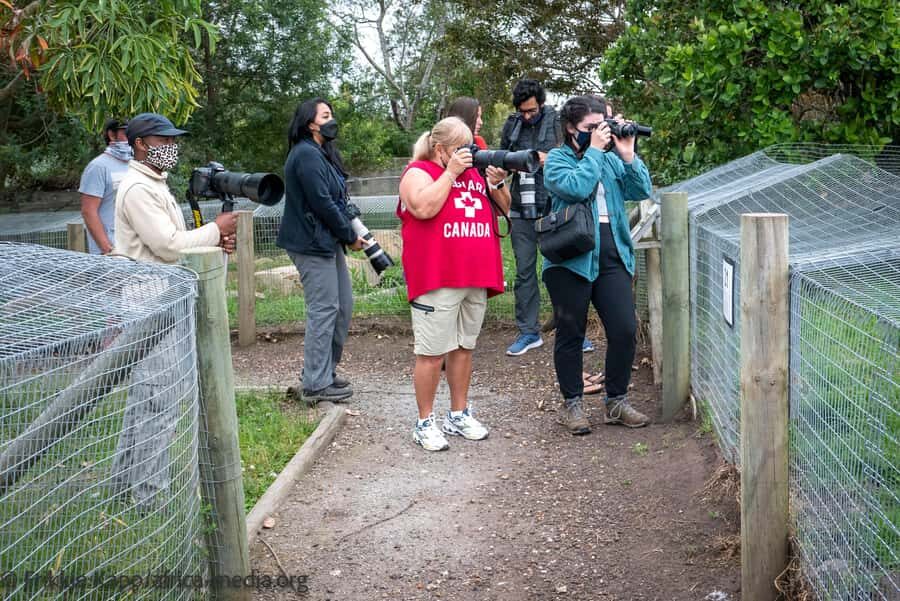
Tenikwa Wildlife Rehabilitation & Awareness Centre isn’t just a viewing spot. It’s a place doing wildlife rehabilitation work, plus education about conservation issues affecting South Africa’s cats and other animals. That matters, because it changes the tone of your tour: you’re not only looking at animals, you’re also learning why these animals are here and what threats exist outside.
You’ll start with an educational introduction, including an orientation video and a safety briefing. That sets expectations quickly: this is a controlled environment designed around animal welfare and visitor safety. The rules are clear—no touching, no feeding, and no selfie sticks—and that actually helps the experience stay respectful and calm.
And because it’s a working center, you might find that one cat is more visible than you expected, while another might be tucked away during your visit. That variability is part of the authenticity here. You’re seeing the animals as they are, in real day-to-day conditions—not scripted photo moments.
You can also read our reviews of more tours and experiences in Tenikwa Wildlife Rehabilitation Awareness Center.
Price and value: what you’re paying for in a 2-hour private tour
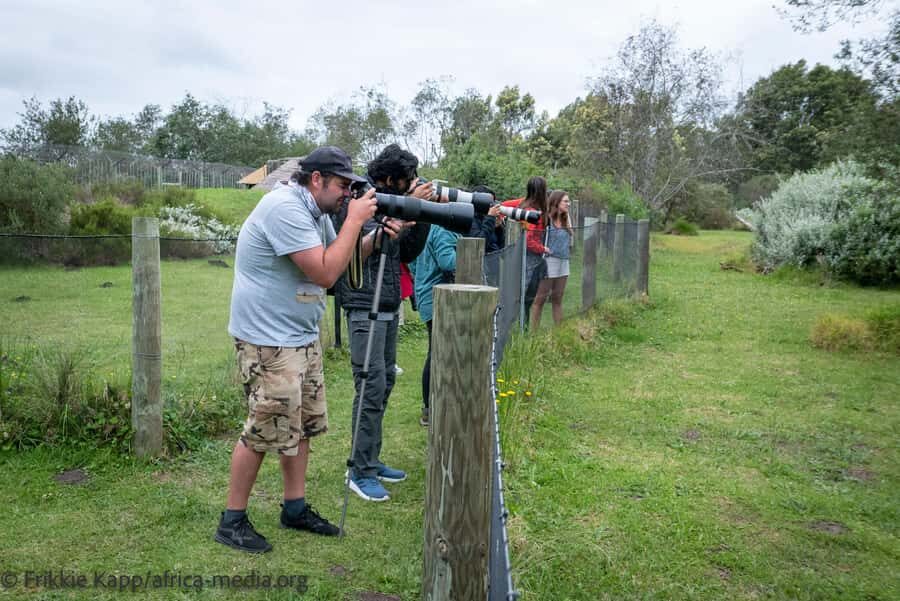
At about $41 per person for 150 minutes to 2 hours of private guiding, the value comes from three things.
First, it’s guided photo time. The guide helps you position yourself and search deliberately, especially for cats that may be well camouflaged. Second, it’s private. Even with a moderate time window, private access lets you spend more time watching and less time waiting in line or managing other visitors. Third, you’re getting more than “see animals” content—you’re getting conservation context and a chance to discuss conservation challenges with your guide during the walk.
You’re not paying for a long full-day safari. You’re paying for a focused, efficient experience with structured viewing stops, brief breaks, and real education. If you’re short on time in Plettenberg Bay but still want a top-tier cat-focused experience, the format is a good match.
Getting there and arriving: the easy checklist before you enter
Meet at Tenikwa Reception, reached by turning off the N2 where it’s signposted Tenikwa/Monkeyland/Elephant Sanctuary. From there, keep left at Animal Alley (Tenikwa signs posted) and drive past Kurland Village. At the fork, keep right and follow signs into Tenikwa.
When you arrive, check in at Reception. Plan to arrive about 15 minutes early so you don’t feel rushed before the safety briefing and the start of the guided walk.
A few practical reminders that really help:
- Wear comfortable walking shoes (there’s a fair amount of walking on pathways).
- Bring a sun hat and sunscreen. It’s outside viewing for most of the tour.
- Lock valuables and backpacks in your vehicle if the center requests it (it’s a good habit for any wildlife site).
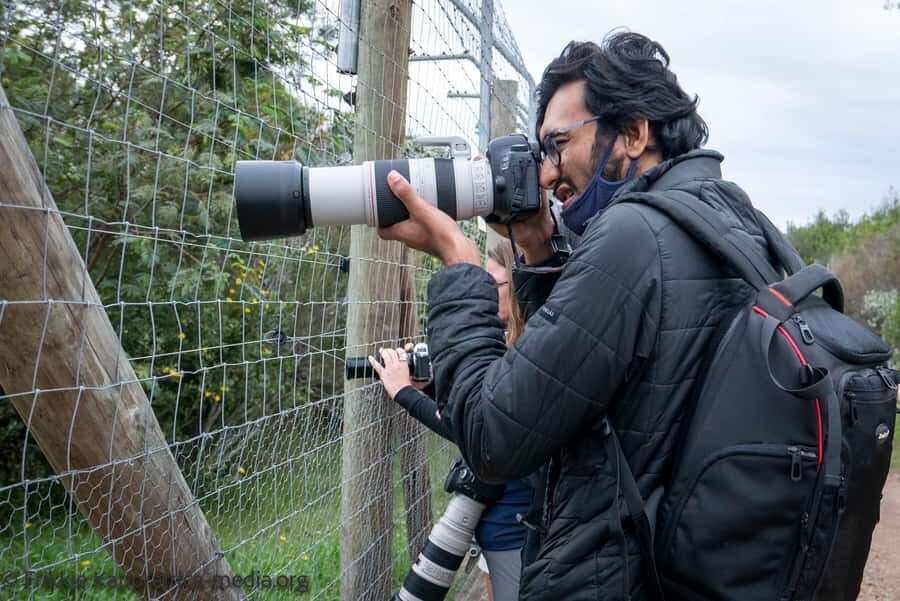
- Cameras are allowed, but no selfie sticks, and you should avoid any posing with wildlife.
Also, the tour skips the ticket line, which saves you time before you get into the viewing areas.
Start of the tour: safety briefing, intro video, and how your guide will run the day
Your tour begins at Tenikwa with a short safety briefing (about five minutes). Then you’ll meet your personal guide and get a quick center introduction, including educational background through a video.
Here’s why I think the intro matters: once you understand what the center does and what the animals need, your viewing experience becomes more than just “cute or cool.” You’ll notice behavior more clearly—resting patterns, alertness, and how handlers manage daily life-enrichment activities with animals that aren’t releasable.
Your guide sets the tone for the whole session. Expect conservation discussion to be built into the walk, not tacked on at the end. You’ll be able to ask questions as you go, which is a big quality-of-life upgrade if you’re genuinely curious about the cats.
Meerkat Meander: fast-moving fun and good early camera practice
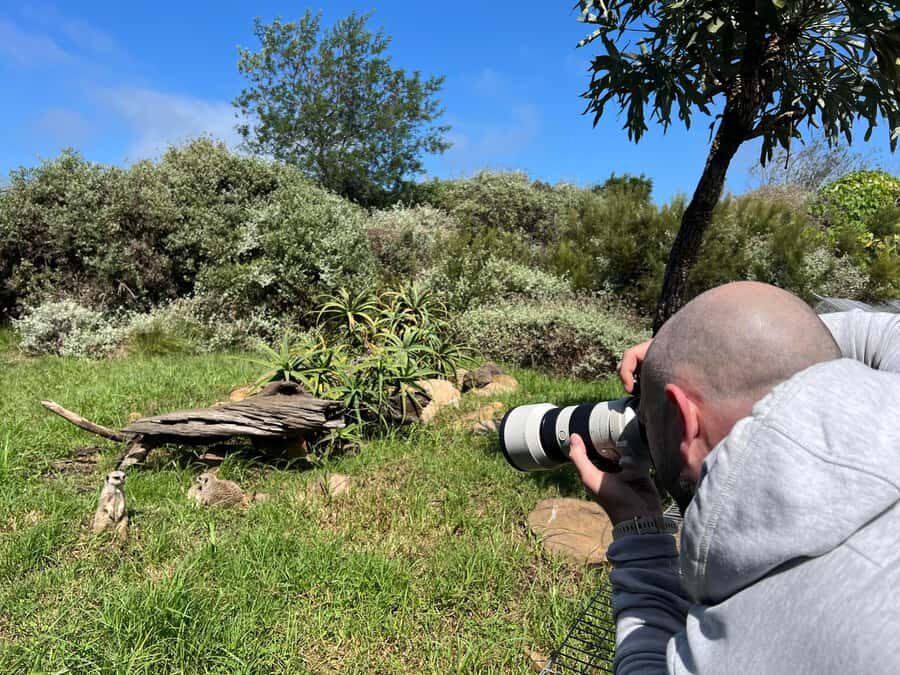
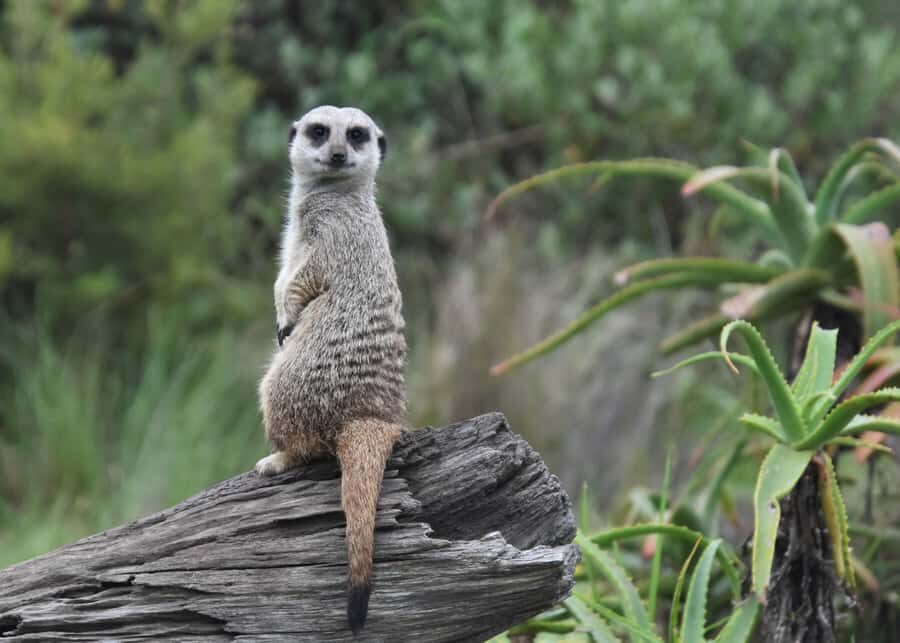
After the orientation, you’ll head to Meerkat Meander. This part is great as a warm-up because meerkats keep their energy high and move constantly, which helps you test:
- shutter speed for quick movement,
- how your camera handles fast subject shifts,
- and how quickly you can compose without stepping around other people.
It’s also a calmer moment than some of the big-cat areas. You’ll learn that some meerkats here have been confiscated and now have a permanent home. That adds meaning to the viewing, even if the meerkats are the ones doing all the entertaining.
For photography, the key is patience. Wait for upright moments, then shoot in short bursts. You’ll get more usable frames when you’re ready for micro-actions—head turns, quick glances, and changes in stance.
Leopard walkway: searching for a well-camouflaged cat
Then comes one of the tour’s most photogenic challenges: entering the leopard walkway with your guide. The wording matters—leopards can be well camouflaged, so you’re not just walking into a viewing spot and waiting for a clear picture.
Your guide becomes your “eyes.” They’ll help you scan and interpret what you’re seeing. This is where the private nature of the tour helps again. You’re not competing with a crowd for the same line of sight. You can take time searching, step aside when needed, and focus on the cat rather than the group flow.
A good expectation to set: leopard viewing is often about finding the cat first, then waiting for it to move or reposition. If you want sharp shots, start by getting comfortable with the area and then shoot only when the leopard is clearly visible.
Cheetahs: close viewing plus the story behind changing numbers
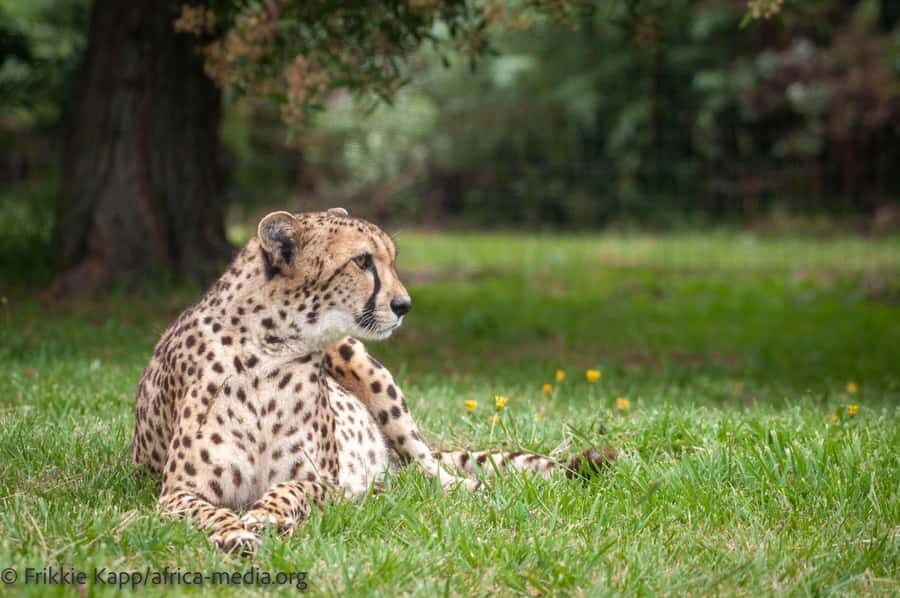
Next you’ll see cheetahs, and this is where the tour broadens from spotting animals into understanding threats. You’ll learn about how cheetah numbers are diminishing in the wild, and your guide will connect that to broader conservation issues.
Why this matters for your experience: cheetah viewing can be quick if the animal is pacing or resting out of sight. With the conservation context in your head, the viewing feels more purposeful. You’re watching a living creature shaped by pressures it faces, not just checking a box.
Photographically, keep your expectations realistic. Cheetah energy can spike fast, then settle. If your camera supports it, use continuous autofocus and shoot bursts during short “activity windows.” When the cheetah pauses, slow down and get your composition right—those frames tend to be the most convincing.
White lion and the lion walkway: high vantage points for strong portraits
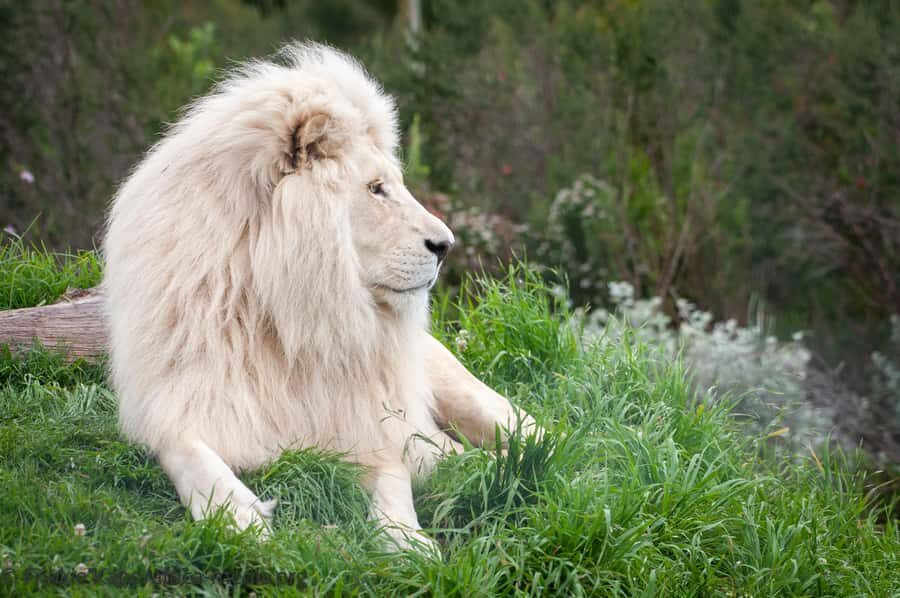
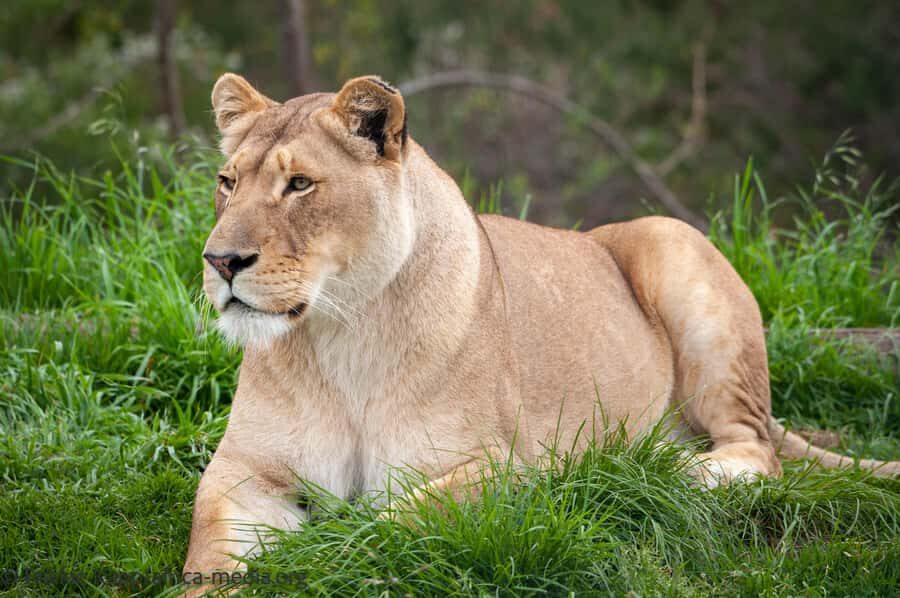
The tour culminates with the white lion. You’ll finish with a walk high above on the lion walkway, which gives you a different perspective than ground-level viewing.
High vantage points help in two ways:
- You can get cleaner lines in your photos, especially if enclosures have plants or visual clutter at eye level.
- You’re often able to shoot from a steadier standpoint, which can mean better sharpness and less frantic repositioning.
This is also one of those moments where conservation education makes the image feel heavier. The white lion is stunning, but the real value is pairing that visual impact with what the center is doing and why these animals need long-term care.
If you fall in love with a specific cat photo angle, take your time here. You’ll often notice new details only after you’ve watched for a while—tail position, eye line, mane texture in light, and how the cat responds to nearby movement.
The tour rhythm: breaks, coffee, snacks, and a quick shop stop
Between the cat viewing segments, the tour includes a short break (about 15 minutes), plus a short coffee and local snacks stop. It’s not long, but it’s timed well so you can reset without losing the momentum of the animal viewing.
There’s also a photo stop and a final shopping period (about 10 minutes). Think of this as your chance to grab small souvenirs or educational materials, if that’s your style. Even if you don’t buy anything, the timing is useful—it gives you a natural moment to organize your photos and get ready for your departure.
Photo behavior rules that help you get better images (and avoid hassles)
The tour is strict about etiquette, and it’s worth treating that as a photography advantage. Since touching animals is not allowed and there’s no selfie-sticks rule, the area stays calmer. Calm means you can focus on the cat, not on interruptions.
Also important:
- No posing with wildlife.
- If you’re bringing gear, keep it manageable. You’ll be moving between areas and you don’t want to be fumbling mid-search.
A small strategy that works well in this kind of environment: shoot in “layers.” First, get wider establishing shots to show where the animal is in the enclosure. Then switch to tighter shots when the animal moves into clearer light. The tour is designed for photo opportunities, but you’ll get better results by letting behavior drive your camera rather than forcing your setup.
What makes this tour feel different: life-enrichment, education, and real closeness
One standout feature is that you’ll get to take part in a life-enrichment exercise with non-releasable animals. Even if you’re not involved physically, it changes how you view the enclosure areas. You’ll see that the daily routine isn’t only about care—it’s also about keeping minds active and encouraging natural behaviors where possible.
You might also get a chance to go inside some enclosures where it’s safe. The key detail here is the safety framing. You’re close, but you’re not crossing the line into risky behavior. And again, no touching. The closeness can be excellent for photos, but the experience remains professional and controlled.
Across the session, you’ll have plenty of time to ask your guide about conservation work and what animals need from humans. That conversation piece is a major reason people enjoy private guiding so much—you’re not stuck with a script.
And if your guide is someone like Davidson (who was singled out for allowing ample time for photos while explaining the facilities), you’ll likely feel even more at ease in the photo process. You can slow down without being rushed.
Who should book this private cat photography tour in Plettenberg Bay?
Book it if you:
- love wildlife photography and want cat-focused viewing with photo time built into the schedule,
- prefer a private group where you can ask questions and reposition without crowd pressure,
- want conservation education that you can discuss with a guide while you’re watching animals.
Consider skipping (or at least set expectations) if you:
- need guaranteed sightings of every cat type every time. This is a working center, and visibility can shift based on daily care routines.
- hate walking. Comfortable shoes really matter here.
It also makes a strong choice for couples and birthdays, especially because the private format means you can focus on the moment rather than navigating group logistics.
Should you book Tenikwa’s private wildlife photography tour?
If you’re in Plettenberg Bay and you want a focused, high-value wildlife experience, I’d say yes—especially if photography is your priority. The private guiding, the leopard search challenge, and the high-vantage white lion finale give you a strong mix of effort and payoff, and the conservation education makes the viewing feel grounded.
Just be smart about expectations. This isn’t a theme-park checklist. It’s a working rehab center, so build in flexibility. If you go with a patient, observant mindset and take your time where your guide encourages careful searching, you’ll likely leave with both better photos and a better understanding of why this work matters.
FAQ
How long is the private guided wildlife photography tour?
The tour runs about 2 hours to 150 minutes.
What is included in the price?
You get the entrance fee, a private English-speaking guide, a private guided tour, and the option to revisit one part of the program after the tour.
What’s not included?
Hotel pickup and drop-off are not included, and food and drinks are not included.
Is the tour private, and what group size should I expect?
It is a private group, with a personal guide.
Can I bring a camera, and are there any photo rules?
Cameras may be taken on tour. Selfie sticks are not allowed, and you also must not pose with wildlife.
Are there restrictions around touching or feeding animals?
No touching or feeding of wildlife is allowed.
What should I wear or bring?
Bring comfortable shoes, comfortable clothes, and a sun hat. Sun protection is also advised.
Where do I meet the guide?
Check in at Tenikwa Reception. The route is from the N2, using the Tenikwa/Monkeyland/Elephant Sanctuary signpost, then following the directions to the Tenikwa entrance.