REVIEW · TENIKWA WILDLIFE REHABILITATION AWARENESS CENTER
Plettenberg Bay: EcoKidz Family Wildlife Tour
Book on GetYourGuide →Operated by Tenikwa Wildlife Rehabilitation Center · Bookable on GetYourGuide
Wild cats, for kids, in 90 minutes. The EcoKidz Guided Wildlife Tour at Tenikwa Wildlife Rehabilitation & Awareness Centre in Plettenberg Bay turns close animal viewing into a kid-sized lesson about conservation.
I especially like that the tour covers a mix of must-see animals, from the Meerkat Meander and owls to bigger predators and other wild cats, with your guide keeping the pace easy for children. I also love the hands-on learning moment: kids work through an EcoKidz booklet quiz during the tour and then take home an EcoKidz Certificate.
One important consideration: the experience is strictly observation. You can’t touch animals, and selfie sticks are not allowed, so set expectations for photography and viewing only.
In This Review
- Key highlights to know before you go
- Tenikwa Wildlife Rehabilitation Centre: the setting and the deal
- All-weather planning for families (and why it matters)
- Where the tour starts at Tenikwa (and how the day stays simple)
- The EcoKidz route, stop by stop (what each part feels like)
- Safety briefing (about 5 minutes)
- Guided tour and wildlife viewing (about 1 hour)
- Camp activities (about 30 minutes)
- Shopping and browsing (about 10 minutes)
- Coffee and meals window (about 30 minutes)
- The animals kids remember: meerkats, owls, and wild cat focus
- Penguins prepared for release: a conservation lesson with real meaning
- Big cats and the pause on safety: viewing etiquette that teaches respect
- EcoKidz booklet quizzes and certificates: the take-home payoff
- Price and value: is $28 a fair deal?
- Who this tour fits best (and who might want to rethink it)
- A quick word on guide style and group energy
- Should you book EcoKidz Family Wildlife Tour at Tenikwa?
- FAQ
- What is the duration of the EcoKidz Family Wildlife Tour?
- What age range is this tour ideal for?
- What animals will we see during the tour?
- How much does the tour cost?
- What is included in the ticket price?
- What is not included?
- Can we use selfie sticks or touch animals?
- Where do we meet and check in?
- Is the tour wheelchair accessible and offered in English?
Key highlights to know before you go
- Kid-first pacing for ages 5–12 with an activities block built in
- Meerkat Meander and owls to kick things off in a lively way
- Wild cat search time focused on enclosures and conservation messages
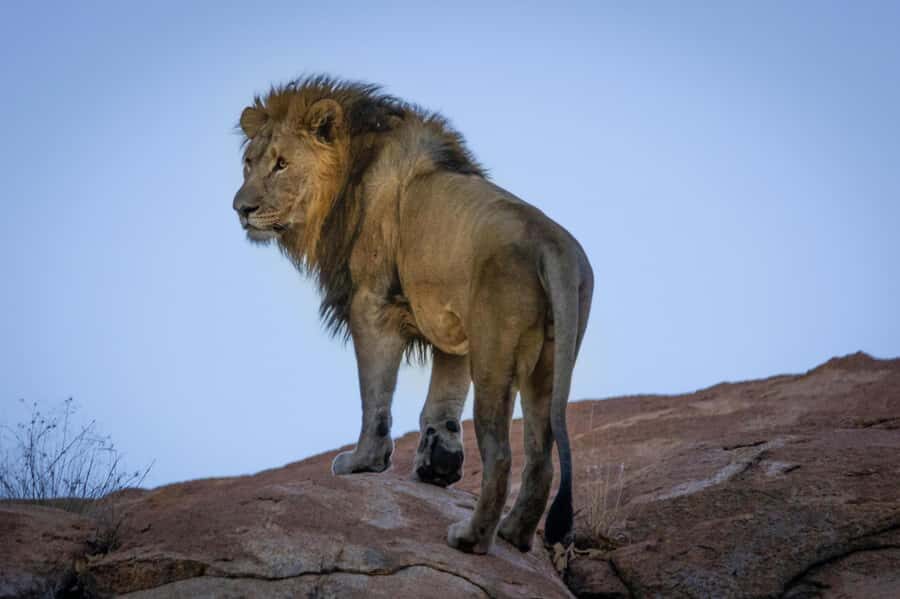
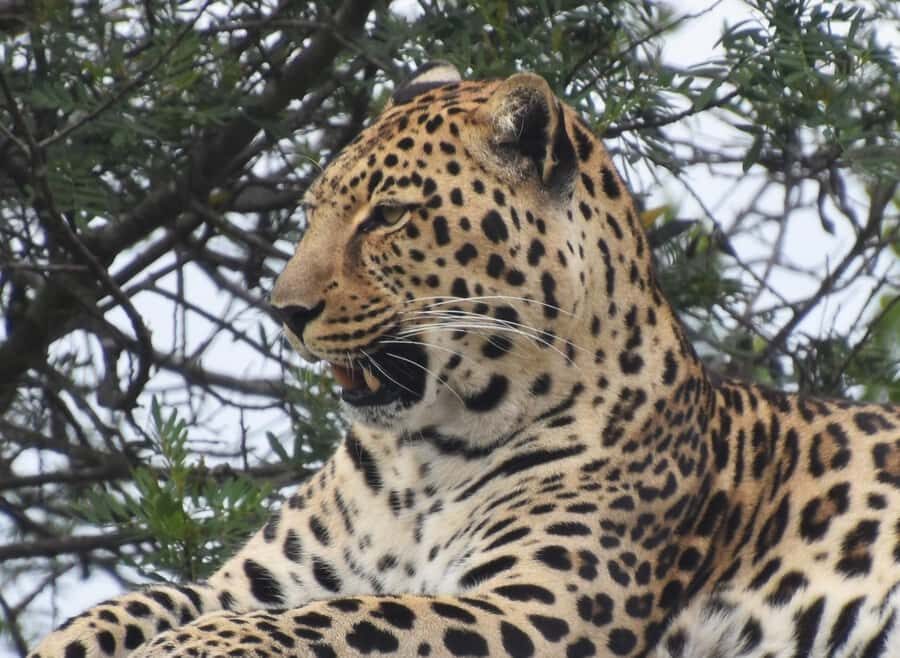
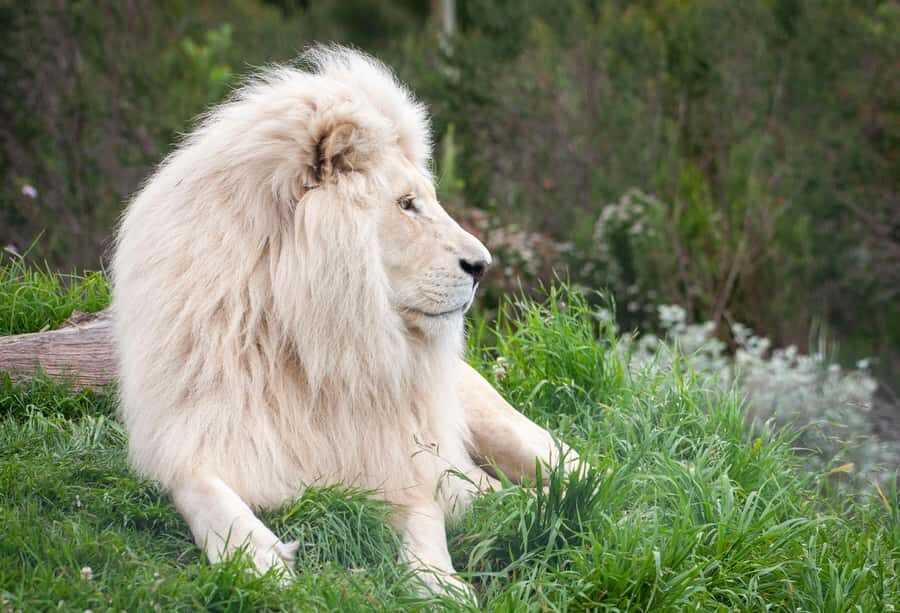
- Predators in the spotlight including cheetahs, leopards, and even a magnificent white lion
- Rehabilitation and release learning, including penguins prepared for release
- EcoKidz booklet quiz and certificate to turn the outing into a keepsake
Tenikwa Wildlife Rehabilitation Centre: the setting and the deal
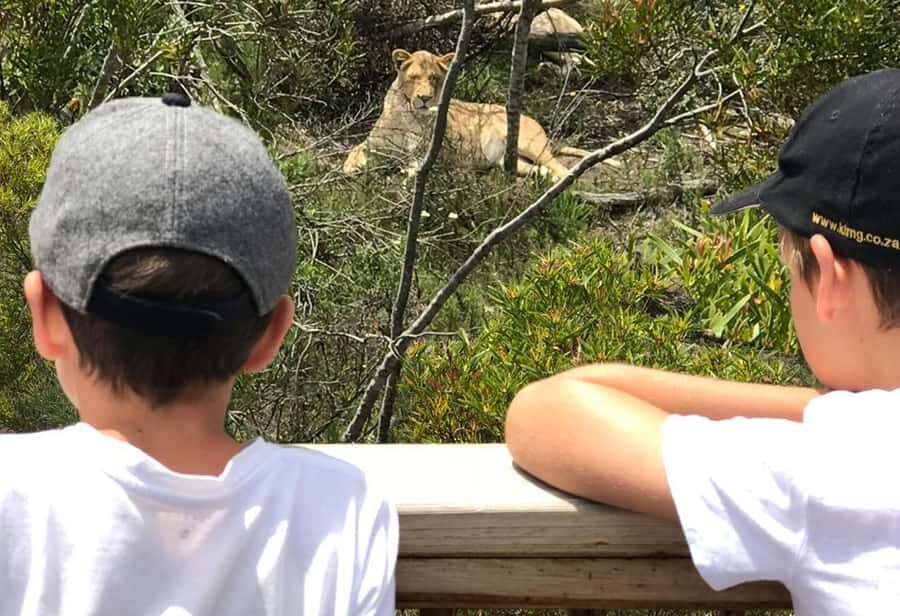
This is not a zoo night out. Tenikwa is a wildlife rehabilitation and awareness centre, and that shows in the tone of the tour. The guide’s job is to help children understand animals in context: where they fit in the ecosystem, why they matter, and what humans can do to help.
For you, that means you get more than a checklist of sightings. You get a story your kids can repeat later. And for the animals, it’s a calmer experience—there’s no animal-handling pressure, and the rules keep things safe for both wildlife and visitors.
A few more Tenikwa Wildlife Rehabilitation Awareness Center tours and experiences worth a look
All-weather planning for families (and why it matters)
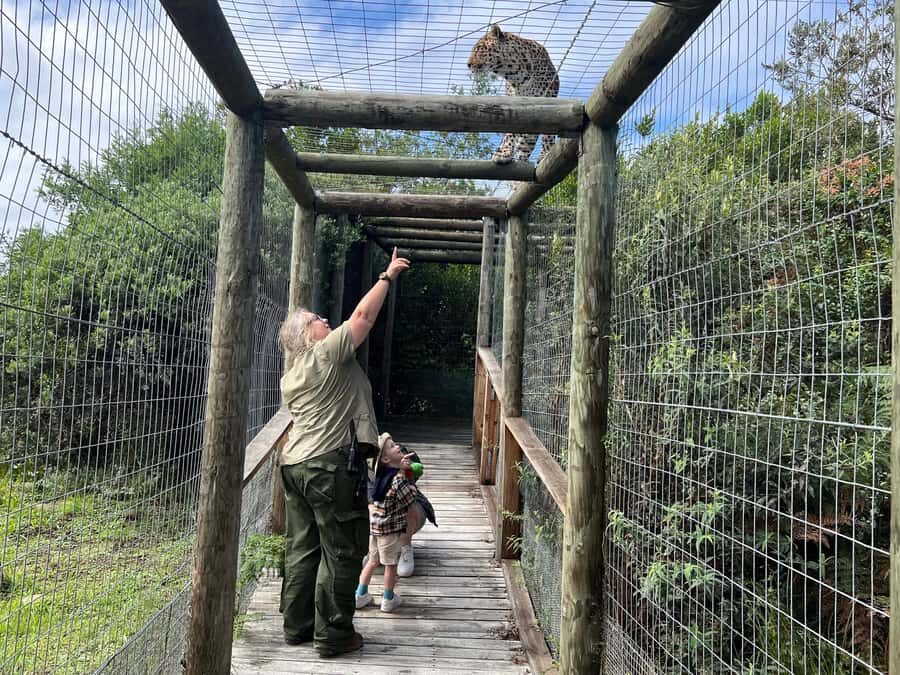
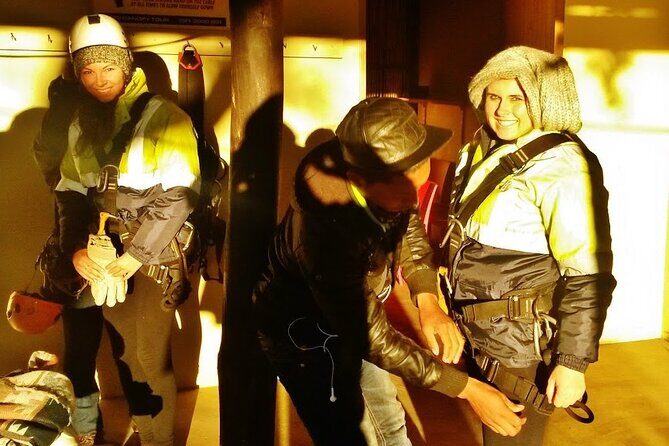
The tour runs about 90 minutes, and it works in rain as well as sun. Rain jackets are provided if weather turns, which is a small thing that makes a big difference with children’s moods and stamina. Still, bring the basics: comfy walking shoes, sun hat, and sun protection.
Also, show up a little early. You’ll be asked to check in at Tenikwa reception, and the tour starts with a short safety briefing. Arriving about 15 minutes ahead helps your family settle in without the stress that can come from rushing with kids.
Where the tour starts at Tenikwa (and how the day stays simple)
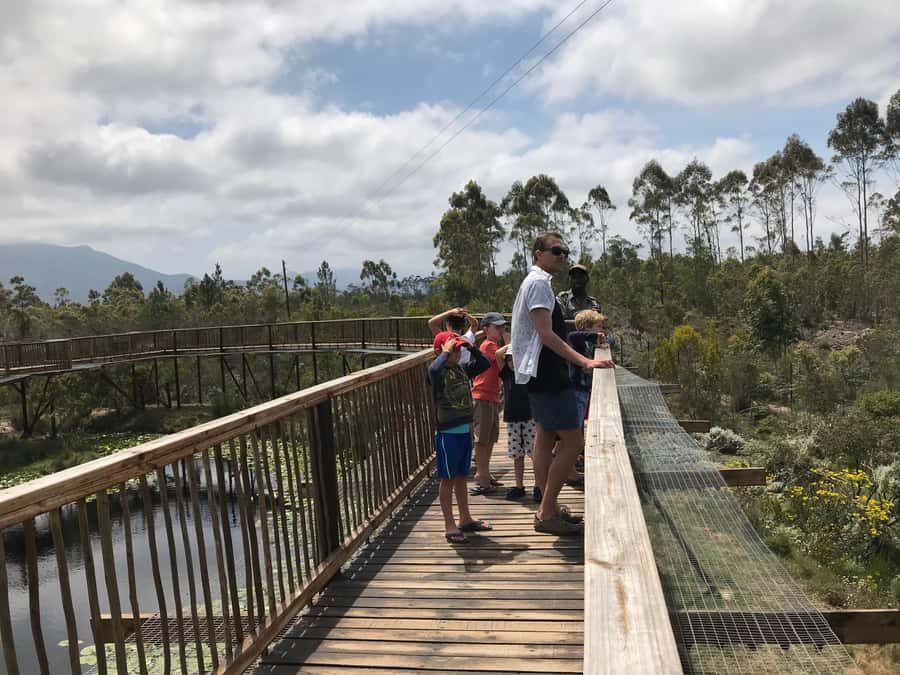
You’ll meet at Tenikwa Wildlife Rehabilitation & Awareness Centre (it’s signposted on the N2 with Tenikwa/Monkeyland/Elephant Sanctuary). Once you spot the Tenikwa signage, follow the route to Animal Alley and keep to the Tenikwa fork. Then check in at reception and follow staff directions.
Parking is available at reception, but it’s smart to lock valuables and backpacks in your vehicle. It’s the kind of place where kids will be excited to move, and you’ll want your things to be safe while you’re watching wildlife.
The EcoKidz route, stop by stop (what each part feels like)
The experience is built around variety, not marathon walking. The tour starts with a short safety briefing, then you move into guided viewing.
Safety briefing (about 5 minutes)
This is where you’ll learn the basic behavior expectations. No touching animals, no feeding wildlife, and follow the guide’s instructions for safe viewing distances. It’s short, but it matters—kids get boundaries early, and the rest of the tour goes smoother.
Guided tour and wildlife viewing (about 1 hour)
This is the main movement section: photo stop, guided walk, and wildlife viewing. The guide introduces the animals and explains characteristics in a way kids can remember. If you’ve got a 5–12-year-old, you’ll probably notice the guide keeps the energy up with quick explanations and frequent opportunities to look and ask questions.
In this stage, you’ll cover key highlights, including:
- Meerkat Meander and owls
- Guided searching for African wildcats in their enclosures
- A lineup that can include cheetahs, leopards, and a magnificent white lion, along with other wild cats
The enclosures are a big part of the “feel” of this tour. Instead of hoping for a lucky sighting, the route is designed so your family is actually looking at animals and learning what you’re seeing.
Camp activities (about 30 minutes)
After the main viewing, the tour shifts into a camp-style activities block. This is where the kids get more engaged away from the walking and where learning starts to feel like play.
It’s also where you’ll likely see the EcoKidz materials being used more actively—your guide helps children through the EcoKidz booklet quizzes, guiding them so they can connect earlier animal facts to the questions in the booklet.
Shopping and browsing (about 10 minutes)
There’s a shopping stop built into the timing. It’s not meant to turn the tour into a mall run. It’s more like a chance to grab a souvenir or educational items tied to the centre’s mission—useful if you’re the type who likes something tangible to bring home.
Coffee and meals window (about 30 minutes)
You’ll have a 30-minute break that includes time at the café for coffee and brunch/lunch options. Food and drinks aren’t included, so treat this as a chance to buy what works for your family. For many parents, this becomes a practical reset: kids can snack, adults can refill water, and everyone recharges for the rest of your Plettenberg Bay day.
The animals kids remember: meerkats, owls, and wild cat focus
The tour is designed around attention spans. Starting with meerkats and owls helps, because these are animals kids tend to find fascinating fast. You’re not stuck waiting quietly for a big cat to appear; you’re moving from one engaging sight to the next.
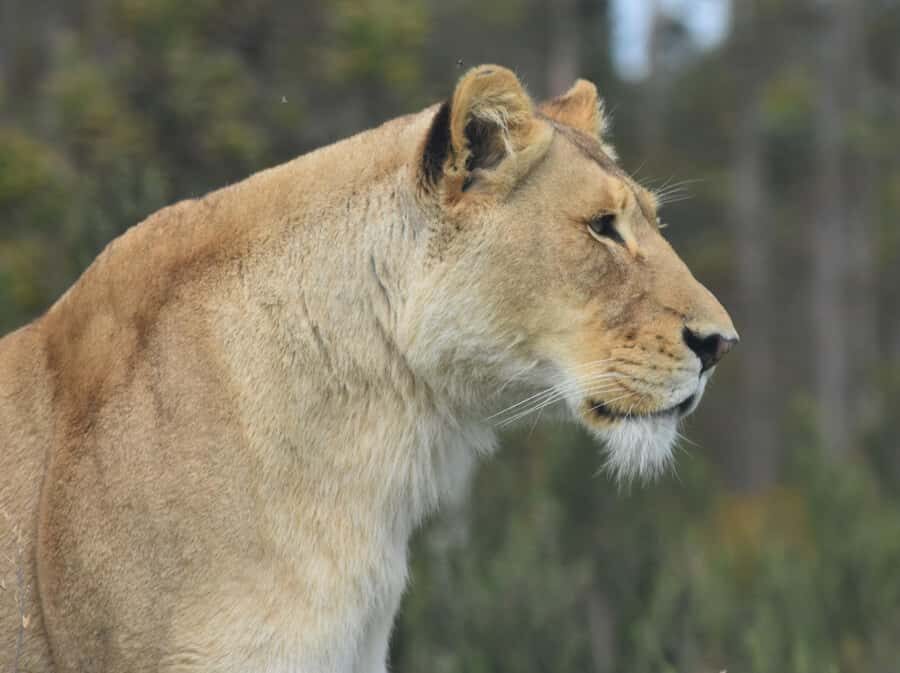
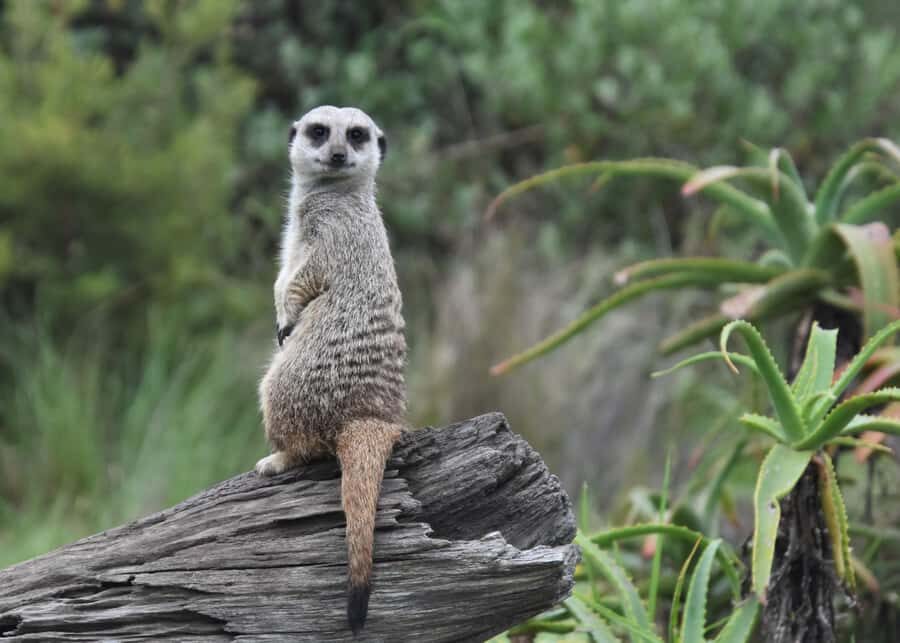
Then comes the wild cat theme, which is the heart of EcoKidz. Your guide will explain how species such as lions, leopards, cheetahs, servals, caracals, and African wild cats differ, and how each one plays a role in the eco-system. For kids, that kind of comparison is gold. It’s easier to remember facts when they’re organized as a set.
One standout piece is the “search” feel. You’re not just told what animals live where—you’re guided to look for African wildcats in their enclosures as part of the activity. That turns wildlife viewing into a mission, which is exactly what many families need with children.
Penguins prepared for release: a conservation lesson with real meaning
Not every family wildlife tour includes rehabilitation in a way children can understand. Here, you may see penguins being prepared for release, and that can be a big learning moment.
The guide ties it back to conservation and environmental responsibility—how healthier habits and choices can support wildlife long-term. You’re helping your kids connect the idea that nature needs care, not just entertainment. And because the lesson is tied to a real process happening at the centre, it lands better than abstract facts.
Big cats and the pause on safety: viewing etiquette that teaches respect
When the tour reaches predators like cheetahs and leopards, your job as a parent is mostly to keep expectations aligned. This is observation only. There’s no touching, no feeding, and the rules are firm.
That limitation is not a flaw in the experience—it’s the point. Your children learn that wildlife isn’t a petting-zoo moment. Instead, they practice how to watch respectfully at a distance, which is a life skill, not just a park rule.
If you’re hoping for the kind of closeness you’d get from an animal encounter, you’ll likely feel disappointed. But if your goal is educational wildlife time with a conservation focus, the discipline makes the tour feel more responsible.
EcoKidz booklet quizzes and certificates: the take-home payoff
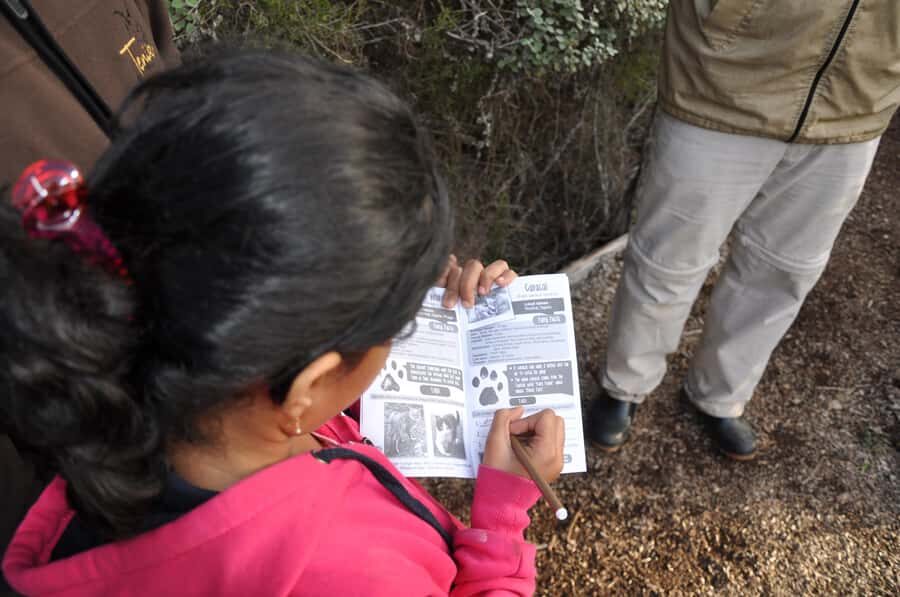
This is one of the best reasons to book. During the tour, the guide helps children complete EcoKidz booklet quizzes, and at the end each participating child receives educational material plus an EcoKidz Certificate.
That certificate matters because it turns a “we saw animals” day into “we learned something.” It gives kids a way to show what they did, even after the excitement fades. In families, that’s often the difference between a fun outing and a lasting memory.
Also, the quiz approach works well for ages 5–12 because it breaks learning into short prompts. Kids don’t need to sit still for a long lecture. They get moments of look-then-answer that fit how children actually pay attention.
In at least some cases, guides are especially good at connecting with kids. One guide name that shows up in experiences is Sandile, described as knowledgeable and good with a 7-year-old. You can’t guarantee which guide you’ll get, but it’s a sign the centre invests in people who can handle the family element well.
Price and value: is $28 a fair deal?
At $28 per person, this tour is priced for families, not for luxury experiences. You’re paying for a guided, kid-focused wildlife route that lasts about 90 minutes and includes the educational components your children take home.
Here’s where the value comes from:
- A real guided route (not self-guided wandering)
- Structured learning through EcoKidz booklet quizzes
- Certificate and educational material for kids
- Rain gear provided if weather turns
- A chance to see a range of animals tied to rehabilitation and conservation themes
The parts that cost extra are also clear. Hotel pickup isn’t included, and food/drinks aren’t included in the ticket price. Still, the built-in café time gives you flexibility to buy what your family will actually eat.
Who this tour fits best (and who might want to rethink it)
If you’re traveling with children ages 5–12, you’re the target audience, and the structure fits that age range well. The tour includes activities beyond just animal viewing, which helps kids stay engaged.
This is also a good option if you want something family-friendly that won’t become a long, exhausting ordeal. At 90 minutes, it’s long enough to feel like an experience, but short enough that you can keep the day moving.
If your kids are older teens who crave long, in-depth commentary or long stays, you might find the pace a bit short. And if you expect hands-on animal time, adjust your mindset: this is viewing and learning, with strict safety rules.
A quick word on guide style and group energy
Most tours like this succeed because the guide can balance facts with kid management. The pace here is designed for families, but not every guide will have the same style. If your guide keeps explanations shorter, you may need to ask follow-up questions to get the depth you want.
On the other hand, if you get a guide who’s naturally good with children, the whole tour can feel extra special. The best outcomes seem to happen when guides actively work with kids on the booklet and keep the attention moving from animal to animal.
Should you book EcoKidz Family Wildlife Tour at Tenikwa?
I’d book it if your top goal is a kid-friendly wildlife experience that teaches conservation instead of just providing a quick animal sighting. The EcoKidz quizzes and certificate are the kind of value you can’t fake, and the mix of species—from meerkats and owls to wild cats and penguin release prep—gives you a fuller story than many tours.
I’d skip it (or at least lower expectations) if your family wants hands-on interaction or lots of time for wandering. With rules like no touching and no selfie sticks, it’s an observation-first experience.
If you’re in Plettenberg Bay with kids and you want a structured, educational outing that still feels fun, this is a solid choice.
FAQ
What is the duration of the EcoKidz Family Wildlife Tour?
The tour lasts approximately 90 minutes.
What age range is this tour ideal for?
It is ideally suited to children aged 5 to 12 years.
What animals will we see during the tour?
The tour includes viewing and learning about indigenous wild cats and may include experiences such as the Meerkat Meander and owls, African wild cats in enclosures, cheetahs, leopards, and a magnificent white lion, plus penguins being prepared for release.
How much does the tour cost?
The price is $28 per person.
What is included in the ticket price?
You get an allocated guide and a guided wildlife tour, plus an EcoKidz booklet quiz (one per participating child) and an EcoKidz certificate (one per participating child). Rain gear is provided in inclement weather.
What is not included?
Hotel pickup and drop-off are not included. Food and drinks are also not included.
Can we use selfie sticks or touch animals?
No. Selfie sticks are not allowed, and you are not allowed to touch or feed wildlife.
Where do we meet and check in?
Look for the signpost on the N2 that says Tenikwa/Monkeyland/Elephant Sanctuary, follow the Tenikwa directions to Animal Alley, keep right at the Tenikwa fork, and check in at Tenikwa reception.
Is the tour wheelchair accessible and offered in English?
Yes, the tour is wheelchair accessible and the live tour guide speaks English.