REVIEW · TENIKWA WILDLIFE REHABILITATION AWARENESS CENTER
Plettenberg Bay: Cats in Conservation Full Day Tour
Book on GetYourGuide →Operated by Tenikwa Wildlife Rehabilitation Center · Bookable on GetYourGuide
Plettenberg Bay turns wild cat care into a real hands-on day. This tour at the Tenikwa Wildlife Rehabilitation and Awareness Centre pairs a private guided cat experience with behind-the-scenes work you can actually help with, including early morning checks. I especially like how the staff focus on animal welfare in day-to-day routines, and in one standout case, a guide named Msizi explained each cat with calm confidence and clear personality details.
What I like most is the access. You get to see the rehabilitation facilities in a way the public can’t, then watch how animals are admitted and cared for in the wildlife hospital setting. It also includes an enrichment exercise for non-releasable animals, which keeps the day from feeling like only viewing and photographing.
One drawback to consider: you’ll be walking and moving around a lot, and it’s not set up for very young kids. If you’re traveling with a child under 9, or anyone who needs lots of seated time, this may feel like hard work more than a relaxed outing.
In This Review
- Key highlights worth planning around
- Tenikwa Wildlife Rehabilitation Center: what you’re really signing up for
- Morning arrival and the first round of animal checks
- Guided cat viewing that feels more like learning than watching
- The rehabilitation facilities moment: seeing care in action
- Enrichment for non-releasable cats: a quality-of-life focus
- Tsitsikamma forest walk: the break you didn’t know you needed
- Feeding prep, feedings, and how the staff handle the day’s rhythm
- End-of-day securement: what happens after the cameras stop
- Price and logistics: value in a $104 full-day day
- Who should book this Plettenberg Bay cat conservation day
- Should you book Cats in Conservation at Tenikwa?
- FAQ
- How long is the Cats in Conservation tour?
- Where do I meet the tour?
- What’s included in the price?
- Is hotel pick-up or drop-off included?
- Is the tour suitable for children?
- Can I take photos during the tour?
- What should I bring?
Key highlights worth planning around
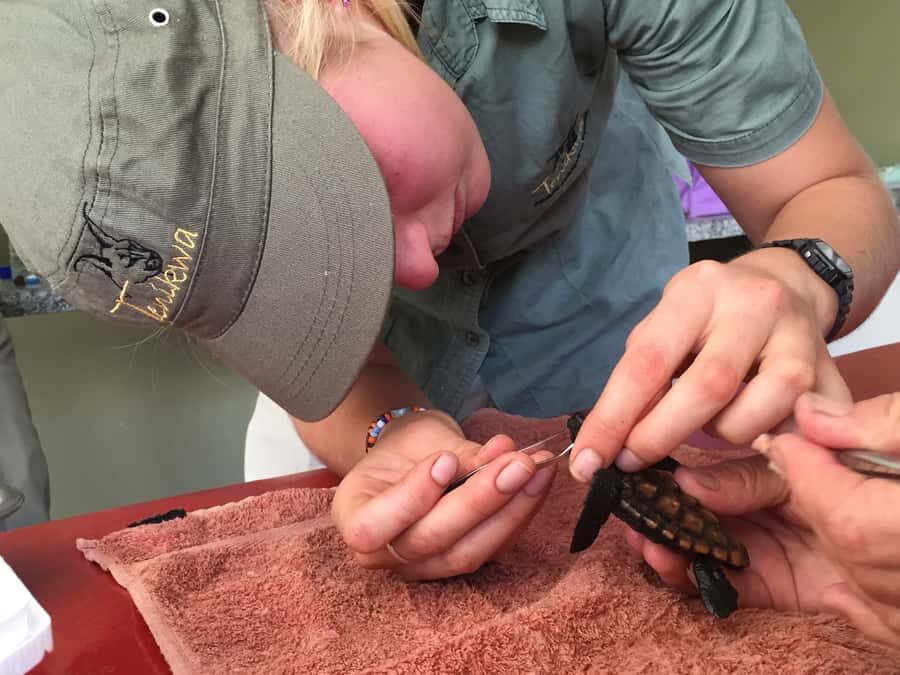
- Behind-the-scenes conservation work: Early enclosure checks and practical assistance with animal keepers
- Wild cat viewing with context: Guided time with indigenous South African cats and their conservation issues
- Enrichment for non-releasable animals: An activity designed to support quality of life in captivity
- Food prep and feeding time: Help prepare food, then accompany staff during feedings
- Forest walk if conditions allow: A guided stroll in the Tsitsikamma forest when time and weather permit
- Photo opportunities without the chaos: Cameras welcome, but no selfie sticks and you must not touch wildlife
Tenikwa Wildlife Rehabilitation Center: what you’re really signing up for
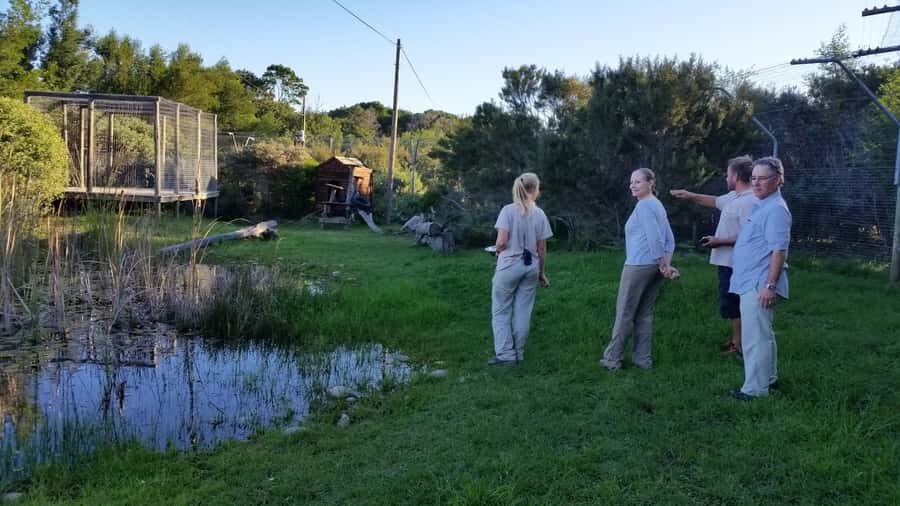
This full-day tour is built around one idea: conservation isn’t just a mission statement. At Tenikwa, it shows up in routine. You’ll spend the day with a guide and the animal-keeping team as they move through the tasks that keep the center running and the animals healthy and stress-aware.
The pace is steady, not rushed. You’re given time to walk, watch, listen, and do small pieces of the work, rather than racing through enclosures. And because the rehabilitation facilities aren’t open to the general public, the experience feels more like joining a working center than ticking off a show.
The focus is also honest: these are indigenous wild cats of South Africa, and you’ll learn why each species faces specific conservation pressures. That matters, because it turns your photos into more than souvenirs—you’ll understand what you’re seeing and why the center’s work matters.
You can also read our reviews of more tours and experiences in Tenikwa Wildlife Rehabilitation Awareness Center.
Morning arrival and the first round of animal checks
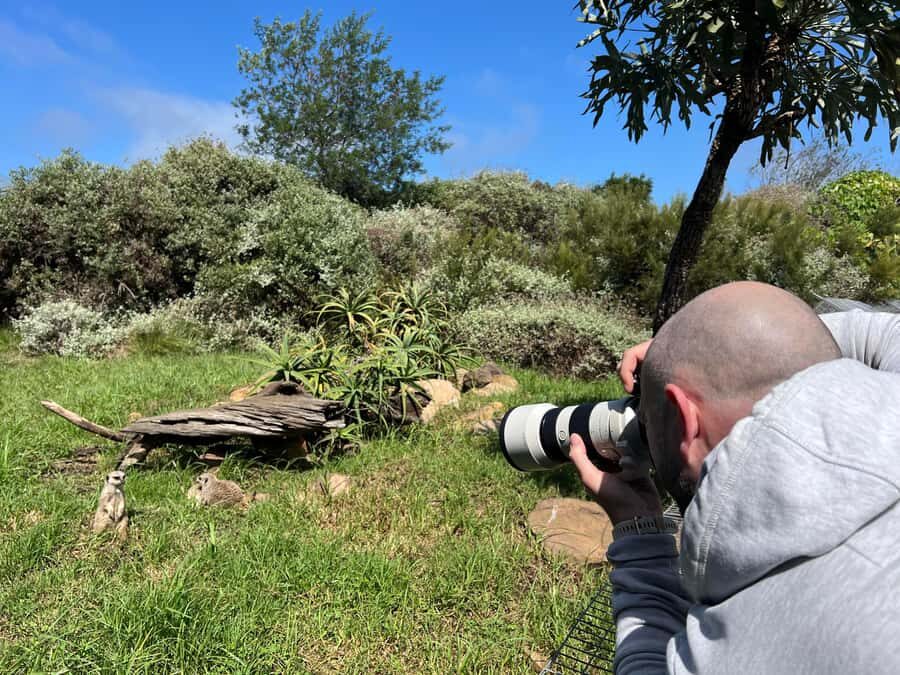
Your day starts at the Tenikwa Wildlife Rehabilitation and Awareness Centre, with check-in at reception. After that quick start, you get a short safety briefing—important because the rules are strict for a reason. You’ll be walking around living animals and secure enclosures, and the staff manage this environment with care.
Then it’s into early morning tasks. You’ll assist with day-to-day work like enclosure checks around the center. Even if you’re not doing the heavy handling (that stays with the animal keepers), this is still the kind of activity that makes you pay attention. You learn how much of animal welfare is prevention: checking spaces, monitoring conditions, and keeping everything stable before the day gets busy.
If you’re doing this tour with an appetite, there’s also the option of breakfast at their Boma restaurant. It’s a small, smart pause before the deeper animal viewing and walks. A lot of full-day tours fail because they rush breakfast and then you feel underpowered for hours outdoors. Here, you get a built-in reset.
Practical note: this is an all-weather program. Rain gear is provided if the weather turns, so don’t plan on skipping it because of drizzle.
Guided cat viewing that feels more like learning than watching
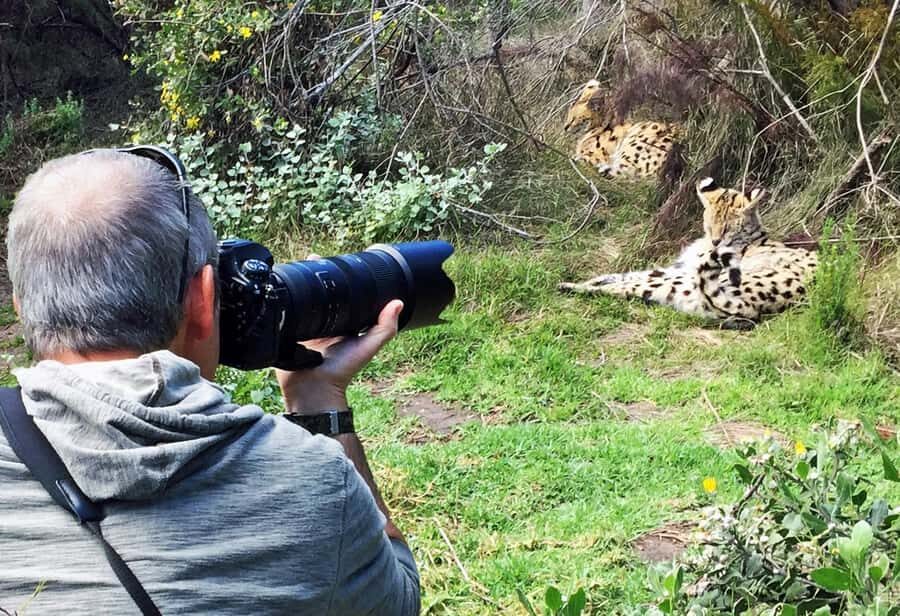
After breakfast, the tour shifts into guided viewing—plus time for photos and a walk. This is where you start connecting names, behavior, and conservation concerns. The guide leads you through different indigenous wild cat species and explains what makes each one vulnerable in the wild.
The center also gives you the feeling of being close without being in charge. You’ll be in observation mode for most of the day, and that’s exactly what you want. The rules include no touching or feeding wildlife, and that keeps the animals safe and keeps you from turning conservation into something chaotic.
One of my favorite parts of this style of tour is that it doesn’t treat cats as a single category. The guide’s job is to help you notice differences—how each animal fits into its environment, and what threats are common across the broader conservation landscape.
If you’re a cat person, you’ll likely leave with a mental map of the species you saw and why each one matters. And if you’re not a cat person, you’ll still come away with a respect for the work involved in rehab and monitoring.
The rehabilitation facilities moment: seeing care in action
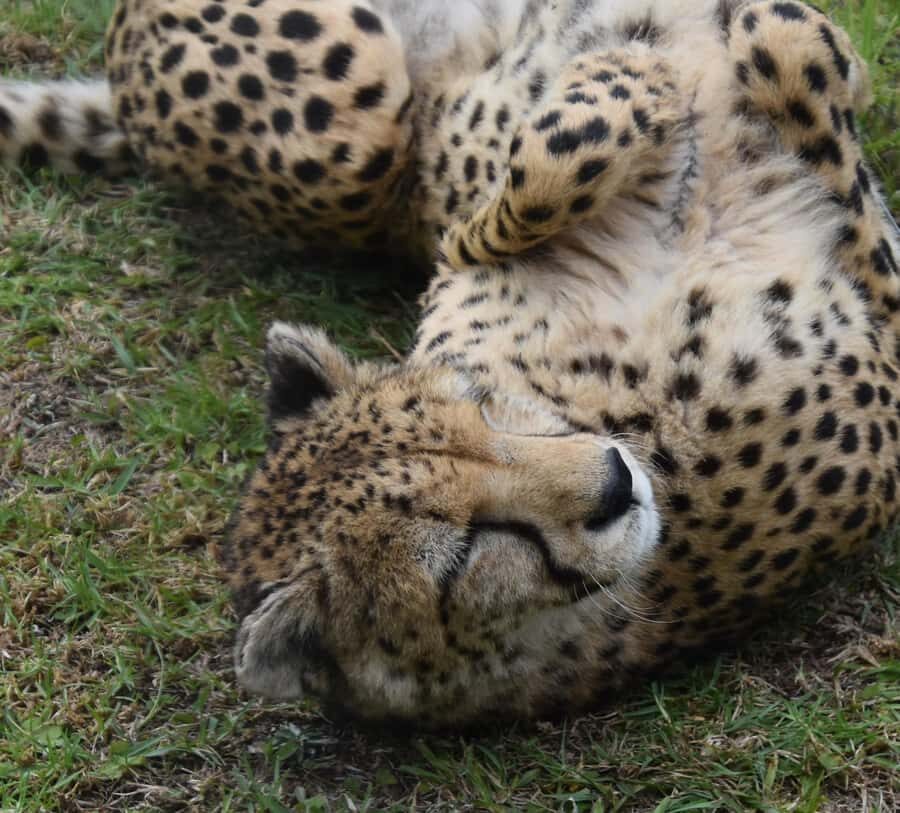
The tour includes observation in rehabilitation facilities that aren’t open to general public. That one detail changes the tone of the day. Instead of only seeing animals in outdoor viewing areas, you also get to see how the center works behind the scenes—how admitted animals are cared for, how the staff approach welfare, and how routine supports recovery and long-term survival.
This is also where the tour helps you understand what rehabilitation means in real terms. It’s not just helping an animal look better. It’s monitoring health, managing stress, and preparing animals for the best possible outcome under the center’s mandate. Even when the animals can’t be released, the care still has a purpose: safety, comfort, enrichment, and quality of life.
Because this portion is guided, you’re not just wandering around with questions. Your guide helps connect the visible steps to the conservation story behind them.
Enrichment for non-releasable cats: a quality-of-life focus
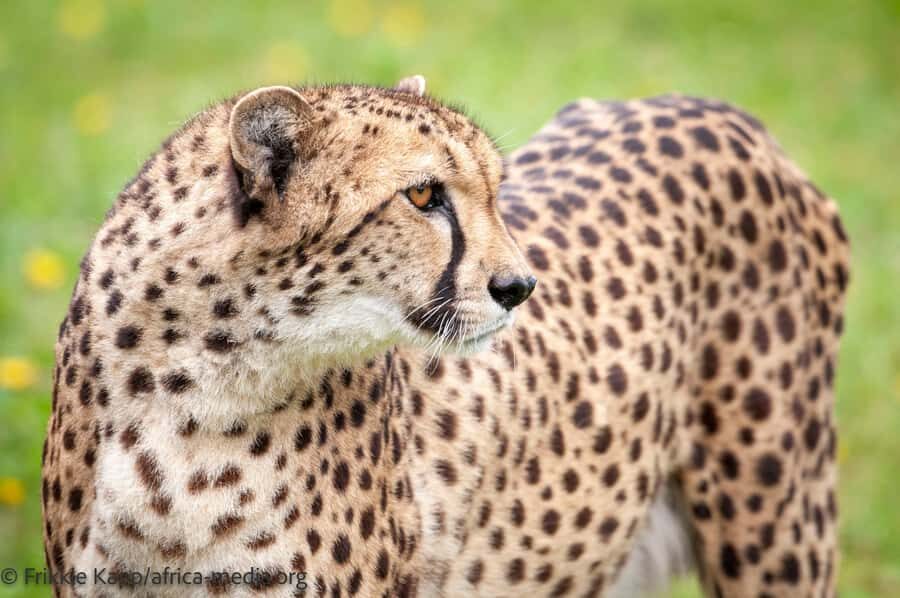
One of the most thoughtful parts of the day is the life-enrichment exercise for non-releasable animals. This is included after lunch, and it’s designed to keep the animals’ daily lives meaningful.
From a visitor’s perspective, it’s important that this isn’t framed as entertainment. Enrichment here is about improving day-to-day welfare—giving animals stimulation, movement opportunities, and a way to express natural behaviors as much as possible in a controlled environment.
This is also where the tour tends to feel more emotional, in a good way. You’ll see the animals as individuals, not just as “cats.” When you combine that with what you learn about conservation pressures, the day becomes both educational and grounded.
And yes, it’s also a good photo moment, as long as you follow the rules. Cameras are allowed, but no selfie sticks, and touching animals isn’t on the menu.
Tsitsikamma forest walk: the break you didn’t know you needed
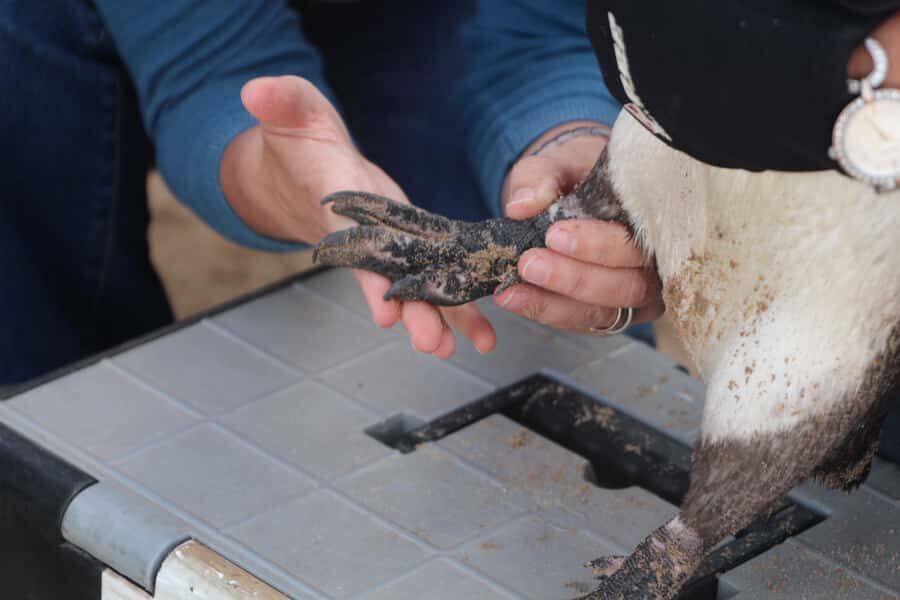
You may also enjoy a guided walk through the indigenous Tsitsikamma forest if time and weather permit. This isn’t just scenery filler. It provides a reset from the intensity of animal care routines and gives you a taste of the broader natural environment that surrounds the center’s mission.
The tour is structured so you’re not stuck waiting around forever. If conditions allow, you’ll get this guided forest stretch, and it’s a nice way to keep the day from becoming one long viewing block.
As with anything outdoors in this region, wear comfortable walking shoes and expect some uneven ground. The tour is built for moving.
Feeding prep, feedings, and how the staff handle the day’s rhythm

After the lunch-and-wine/beer/drink portion, the tour keeps rolling with behind-the-scenes help. You’ll help prepare food for the animals and then accompany staff as they conduct feedings.
This part of the experience is more than watching a meal. It shows the rhythm and planning that go into husbandry. Staff have to coordinate timing, portions, safety, and animal behavior. When you’re assisting during food preparation, you get a practical sense of the effort involved.
It also tends to produce great viewing. Feedings can bring out activity and familiar routines, and you’ll have chances to photograph without needing to chase the animals.
End-of-day securement: what happens after the cameras stop
One reason this tour feels serious is the way it ends. You’ll accompany the team as they secure the animals for the night at the end of the day. That might sound like a backstage chore, but it’s an essential part of welfare.
This final stretch helps you see the full loop: morning checks, daily care and enrichment, feeding routines, and then the secure, calm close. It’s a reminder that the center’s work doesn’t pause when visitors leave.
If you enjoy watching how teams work—how they move, communicate, and handle tasks with consistent procedures—this ending will likely be satisfying rather than just abrupt.
Price and logistics: value in a $104 full-day day
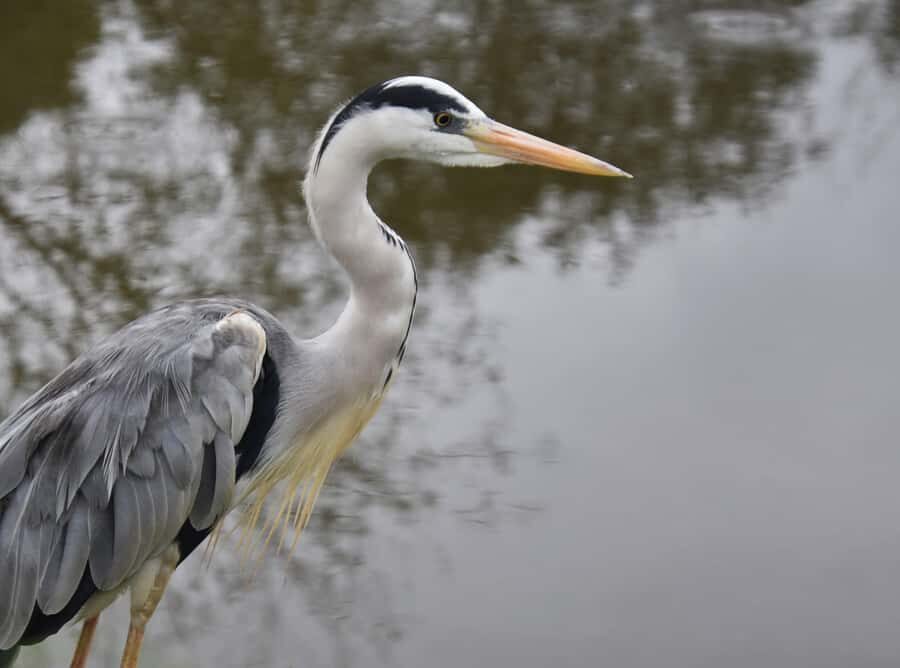
At $104 per person for a full day, you’re not just paying for a cat viewing ticket. You’re paying for a guided conservation experience that includes:
- Breakfast and lunch (with one included drink at lunch)
- Bottled water and rain gear when weather turns
- Behind-the-scenes access to rehabilitation facilities not open to the general public
- Assisted participation in husbandry tasks and enrichment
- Guided time in the center and time outdoors in the region (including the forest walk when possible)
You’re also paying for fewer extras and fewer hidden costs inside the experience itself. The only major items not included are hotel pick-up and drop-off, additional drinks, and snacks.
The biggest practical choice you’ll make is transportation. Since pick-up and drop-off aren’t included, make sure you can get to the center without stress. Parking is available at reception, so driving is straightforward if you’re based nearby.
You’ll want comfortable clothes for a full day outdoors and walking. Think sun and insects, not just weather.
Who should book this Plettenberg Bay cat conservation day
This is a strong fit if you:
- Love wildlife and want to learn how rehabilitation and conservation care actually works
- Prefer structured, guided access over wandering
- Want time to take photos but also respect animal safety rules
- Like hands-on support tasks, even if you’re not the one handling animals
It’s less ideal if you:
- Need lots of seated time
- Travel with children under 9
- Expect a light, casual half-day outing
Should you book Cats in Conservation at Tenikwa?
If your goal is to spend a day with wild cats while understanding how care supports conservation, I’d book this. The biggest value isn’t just that you see animals—it’s that you see the work: early checks, rehabilitation observation, enrichment, feeding prep, and the end-of-day securement. The format is thoughtful and paced so you don’t feel like you’re being herded.
One last tip: bring your patience for weather and the basics—comfortable shoes, sun protection, and insect repellent. When you do, this becomes a meaningful full-day experience that feels less like entertainment and more like a window into conservation in action.
FAQ
How long is the Cats in Conservation tour?
The tour runs for 1 day.
Where do I meet the tour?
Meet at Tenikwa Wildlife Rehabilitation and Awareness Centre. Look for the Tenikwa sign from the N2, then follow the Animal Alley directions (keep left at the signposted point, keep right at the fork), and check in at reception.
What’s included in the price?
You get a guide, breakfast with coffee or tea, a lunch with 1 drink, observation in the rehabilitation facilities, a guided private wildlife tour, behind-the-scenes activities with animal keepers, rain gear if needed, and bottled water.
Is hotel pick-up or drop-off included?
No, hotel pick-up and drop-off are not included.
Is the tour suitable for children?
This program is not suitable for children under age 9.
Can I take photos during the tour?
Yes, cameras may be taken on tour. Selfie sticks are not allowed.
What should I bring?
Wear comfortable shoes and comfortable clothes. Bring a sun hat, sunscreen, and insect repellent.