REVIEW · CAPE TOWN
Cape Town: Robben Island Ferry and Guided Tour
Book on GetYourGuide →Operated by Oasis Inclusive Centre Travel and Tours · Bookable on GetYourGuide
A prison island with a human story. This Robben Island experience ties together a scenic ferry from Cape Town with a guided walk led by a former political prisoner—so the history lands in a very real way. I like that you see Nelson Mandela’s prison cell in context, not as a quick photo stop, and I also like the added wildlife chance (penguins, seals, and birds) that makes the island feel alive, not frozen in time. One drawback to plan for: the trip can be affected by weather and island operations, so build a little slack around your schedule.
The route starts with the V&A Waterfront ferry ride, then you’re met by your guide and taken through key sites of the anti-apartheid struggle. I found the most powerful moments were the small, specific details: Mandela’s small cell, the prison yard, and the limestone quarry where prisoners worked. The other consideration is practical—comfortable shoes matter because you’ll be walking on an active, historic site for hours.
If you want your South Africa history to feel grounded and personal, this is a strong choice. If you hate uncertainty on a tight itinerary, you may want a backup plan for weather or day-of access issues.
In This Review
- Key things worth knowing before you go
- Clock Tower Meeting Point: the easiest way to start in Cape Town
- The V&A Waterfront Ferry Ride: views that make the waiting worth it
- Arriving on Robben Island: what the guide helps you understand
- Mandela’s small cell: the stop that changes the whole tour
- Prison yard and limestone quarry: where the day-to-day story becomes clear
- Wildlife on Robben Island: the unexpected side of the story
- Price and time: is $109 per person good value?
- What to bring (and what to skip) so the day stays comfortable
- Language options: English is standard, French needs a request
- Weather and day-of access: the one part you can’t control
- Who this tour suits best
- Should you book this Robben Island ferry and guided tour?
- FAQ
- Where is the meeting point for the tour?
- How long is the Robben Island part of the tour?
- What does the tour include?
- Is a French translator available?
- What should I bring?
- Is the tour wheelchair accessible?
Key things worth knowing before you go
- Former political prisoner guide: You’re not just hearing facts; you’re hearing lived experience.
- Mandela’s cell visit: A small space where Mandela spent 18 of his 27 years incarcerated.
- Prison-yard and limestone quarry stops: Work, routine, and punishment get explained on the ground.
- Ferry views from Cape Town: Table Mountain and the Atlantic coastline show up during the crossing.
- Wildlife may appear: You might spot penguins, seals, and various birds while you’re there.
Clock Tower Meeting Point: the easiest way to start in Cape Town
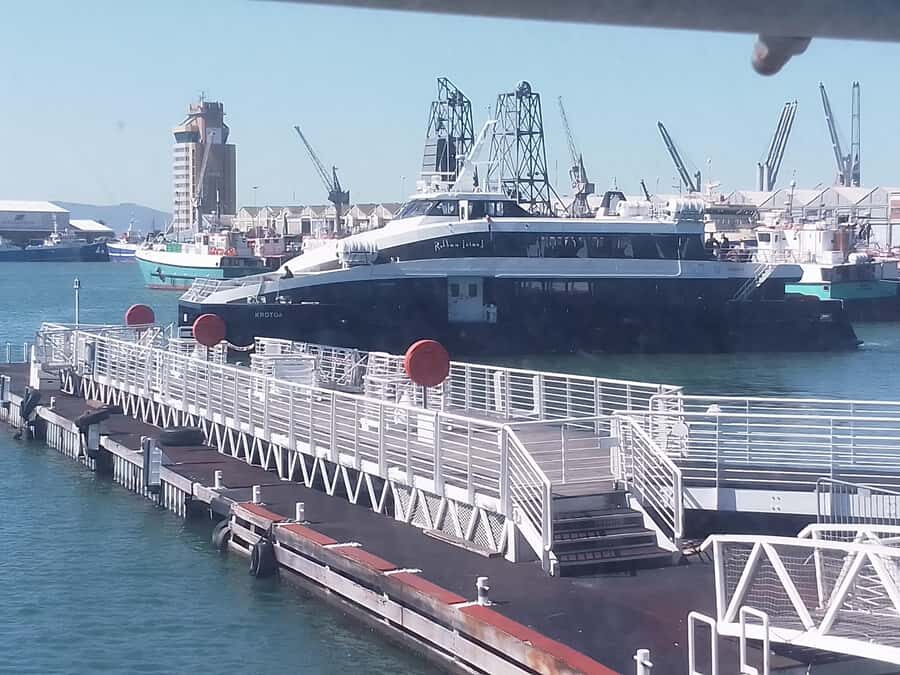
You meet at the Victorian Gothic-style Clock Tower Retail Centre. It’s a local landmark tied to Cape Town’s working harbour: the original Port Captain’s Office was built in 1882, and the tower has pointed Gothic windows with a clock imported from Edinburgh. The red walls were matched to the original 1800s paint color, down to scrapings from the historic surface.
Why I like this as a meeting point: it’s clear and central, which reduces that stressful scramble before a tour. Plan to arrive early enough to find your group and settle in before boarding time.
You can also read our reviews of more guided tours in Cape Town


The V&A Waterfront Ferry Ride: views that make the waiting worth it
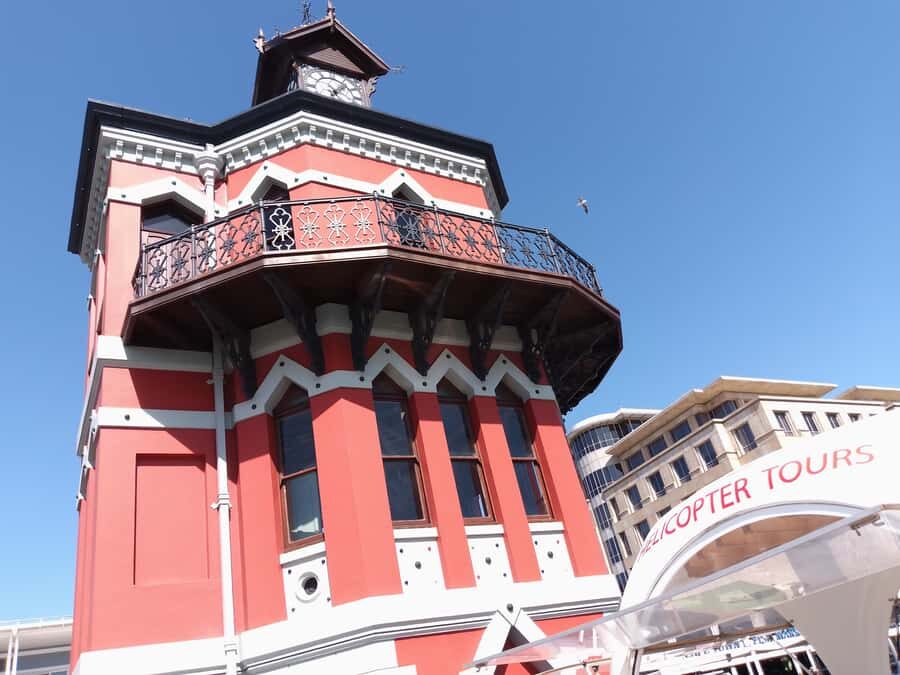
The tour includes a scenic ferry ride from the V&A Waterfront to Robben Island. The crossing is where Cape Town’s contrast starts to show: Table Mountain rising in the distance, and the Atlantic coastline stretching along the horizon.
This ferry segment does two helpful things. First, it puts you in “island time” before you ever reach the prison grounds. Second, it gives you a breather between city noise and a heavy historical setting. If you’re prone to motion sickness, keep that in mind and choose a spot where you can see the horizon.
Arriving on Robben Island: what the guide helps you understand
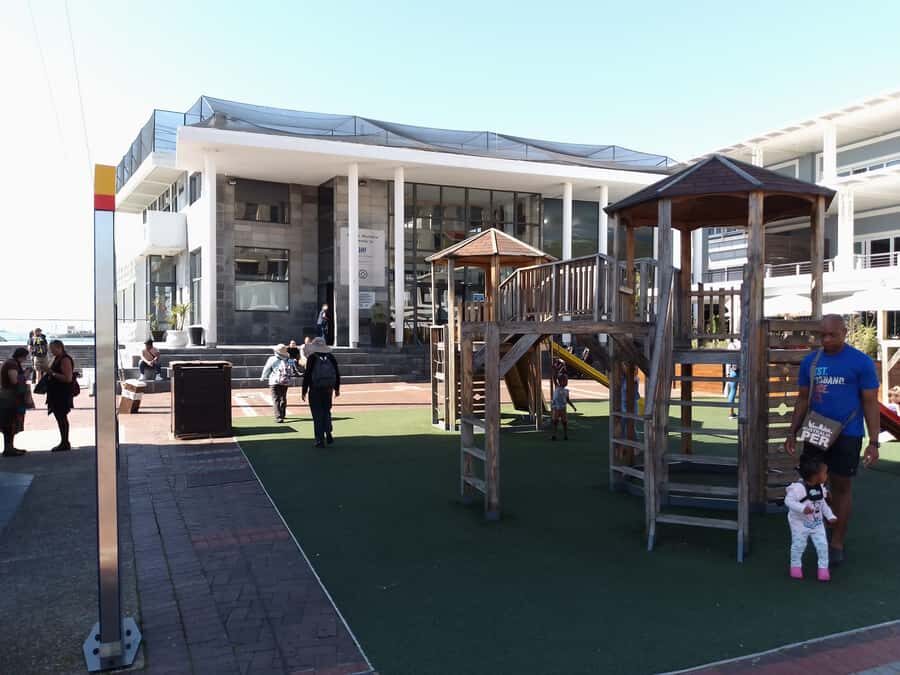
Once you land, your guide leads you through the island’s story. A big differentiator here is that the tour is conducted by an English-speaking guide who is often a former political prisoner. That changes the tone. You’ll still get structure and explanation, but you’ll also hear firsthand perspective on what life was like under apartheid rule.
Expect the guide to connect the sites you pass with daily realities—how prisoners lived, what work meant, and why these places were so important to the anti-apartheid struggle. It’s not a lecture from behind ropes. It’s a guided walk where each stop clarifies the next.
Also plan for weather. The island is an outdoor site, and the ferry operates only when conditions allow. If you go in thinking this is “history in comfort,” you may be surprised. If you go in prepared for wind or sun, you’ll do fine.
Mandela’s small cell: the stop that changes the whole tour
The emotional centerpiece is a visit to Nelson Mandela’s prison cell. This is the kind of site that can feel oversized in memory and tiny in reality once you’re standing there. The tour explains that Mandela spent 18 of his 27 years of incarceration on Robben Island, and the guide ties the space directly to his resilience and later vision for a free South Africa.
What I think makes this stop especially valuable is how it’s handled. Instead of treating the cell as a standalone monument, it’s presented as part of a broader system—routine, confinement, and psychological pressure. That context helps you understand why a small room could carry so much weight.
Bring your camera, but also give yourself a moment to look without it. You’re in a place that represents years of struggle, and the best understanding often comes from slowing down for a breath.
Prison yard and limestone quarry: where the day-to-day story becomes clear
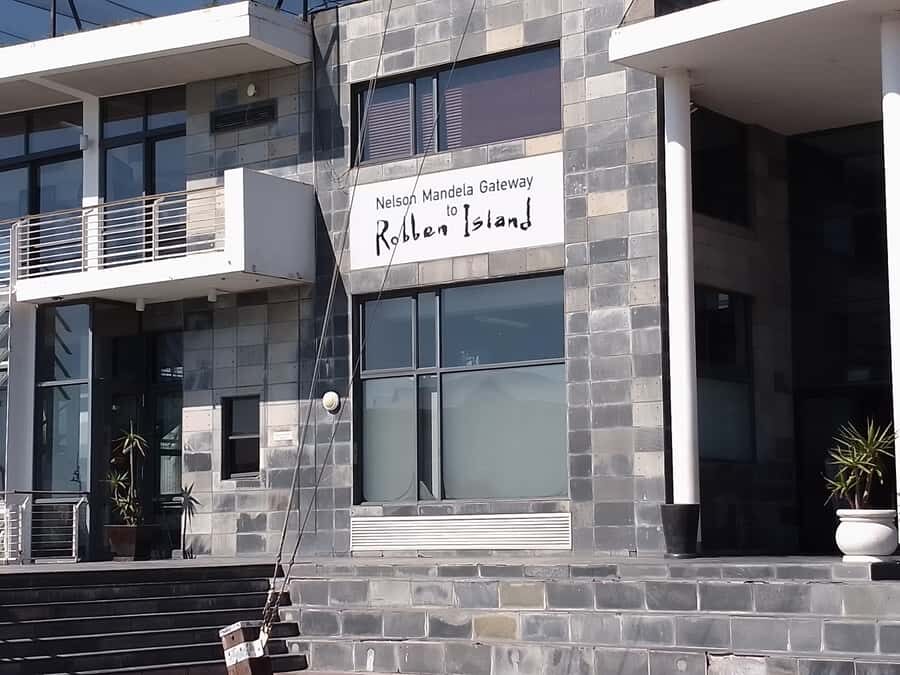
The tour doesn’t stop at the most famous landmark. You also visit key areas that explain what prisoners endured beyond the cell.
Two stops matter a lot:
- The prison yard, where the island’s daily rhythms come into focus.
- The limestone quarry, where prisoners worked.
These aren’t random “supporting locations.” They explain the machinery of imprisonment: confinement plus forced labor, with control baked into every part of the routine. If you’re the type of traveler who likes your history with cause-and-effect, these stops do that job.
One practical note: working sites and outdoor yards can be uneven. Wear shoes you can trust.



Wildlife on Robben Island: the unexpected side of the story
Robben Island isn’t only about politics and prisons. It’s also home to wildlife, and the tour includes the chance to spot animals during your visit.
You might see penguins and seals, plus a variety of bird species. This wildlife angle isn’t there to distract from history. It adds a real-world layer: you’re on an island with its own ecosystem, and that helps the place feel less like a museum set.
If wildlife sightings are a goal for you, the best approach is simple: stay observant, but don’t force it. The island’s nature doesn’t follow a tour schedule.
Price and time: is $109 per person good value?
The price is $109 per person, and the best way to judge value here is by what you’re paying for, not just by what’s listed. You’re getting:
- A ferry ride from Cape Town to the island
- A guided tour in English by a former political prisoner (and French translation available on advance request for an additional cost)
- Visits to major historical sites, including Mandela’s cell
- Time on the island that includes multiple stops, not a fast drive-by
In practical terms, this isn’t a “short stop photo tour.” The guided visit on Robben Island is about 3 hours, plus the ferry crossing time. That length matters because real storytelling needs real pacing.
So is $109 a bargain? Not exactly cheap. But it’s also not overpriced for what you’re getting: transportation, a multi-stop guide, and a firsthand-led experience tied to globally significant history.
If your budget is tight, it helps to ask yourself one question: do you want your trip to be about people and context, or about checking off landmarks? If it’s people and context, the guide format is where the money goes.
What to bring (and what to skip) so the day stays comfortable
Robben Island is an outdoor experience with a strong walking component. The basics matter.
Bring:
- Passport or ID card (a copy is accepted)
- Comfortable shoes
- Hat and sunscreen
- Camera
Skip:
- Smoking is not allowed
If you tend to run cold or hate wind, pack a light layer. The ferry and the island can feel cooler than the city feels.
Language options: English is standard, French needs a request
The tour is available with an English guide. French translation is available upon advance request, with an additional cost.
If French is important for you, don’t wait until the day of. Make the request early so your group has the right support from the start.
Weather and day-of access: the one part you can’t control
This tour depends on weather conditions for ferry operations. That’s the main factor you can plan around: if conditions don’t allow safe travel, the ferry may not run.
Also, I’d treat Robben Island access as something that can shift on the day. I’ve seen reports of cancellations linked to closures, with notice sometimes coming late. You can’t fix that, but you can protect yourself by avoiding booking this as the only thing you plan to do that day.
Who this tour suits best
This fits you if:
- You want anti-apartheid history explained by someone with lived experience
- You prefer walking through key locations instead of just standing and watching
- You’re interested in Mandela’s story in a place that shaped it, including the cell and surrounding sites
It may not fit you as well if:
- You have very tight timing with no backup options
- You dislike schedule changes due to weather or operations
- You’re expecting a mostly indoor, comfortable experience
Should you book this Robben Island ferry and guided tour?
If you can handle outdoor conditions and you’re okay with the occasional day-of uncertainty, I think this is worth booking. The reason is simple: a former political prisoner-led guide adds weight to every stop, especially the visit to Mandela’s small cell and the explanation of sites like the prison yard and limestone quarry. Add in the ferry views from the V&A Waterfront and the chance of wildlife, and you get more than a memorial visit—you get a guided understanding of how apartheid worked and what it cost.
My practical advice: book it if this is one of your must-dos, but keep a Plan B for the day so weather doesn’t hijack your whole trip.
FAQ
Where is the meeting point for the tour?
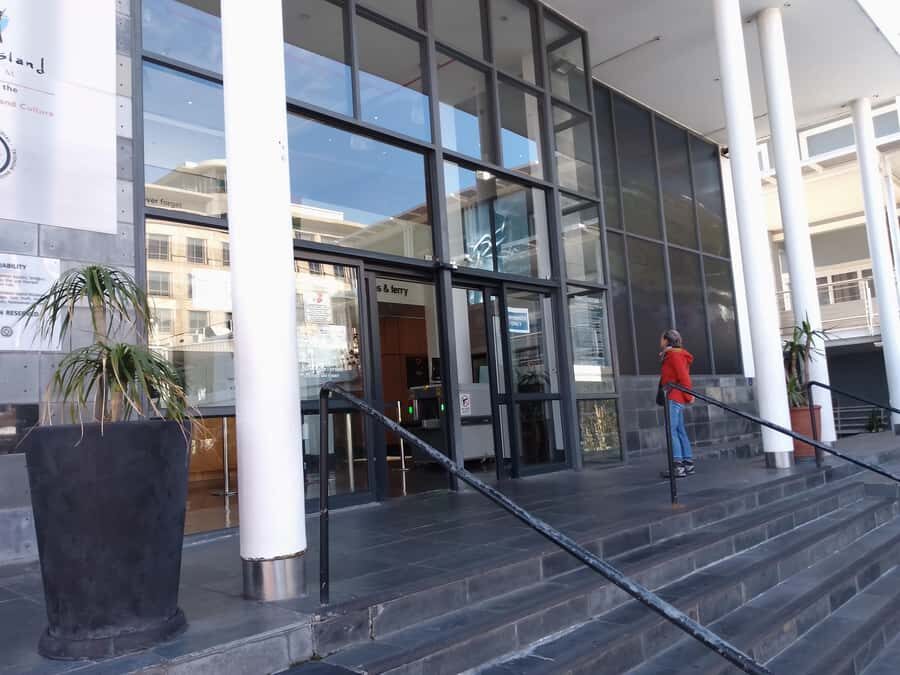
You meet at the Clock Tower Retail Centre in Cape Town.
How long is the Robben Island part of the tour?
The guided tour on Robben Island is listed as 3 hours.
What does the tour include?
It includes a scenic ferry ride from the V&A Waterfront to Robben Island, an English guided tour led by a former political prisoner, visits to key historical sites including Nelson Mandela’s cell, and the opportunity to see local wildlife.
Is a French translator available?
Yes. A French translator is available upon advance request, with an additional cost.
What should I bring?
Bring your passport or ID card (a copy is accepted), comfortable shoes, a hat, sunscreen, and a camera.
Is the tour wheelchair accessible?
Yes, the tour is listed as wheelchair accessible.