REVIEW · CAPE TOWN
Cape Town-Robben Island Ferry Ticket and Guided Prison Tour
Book on GetYourGuide →Operated by Kono Tours · Bookable on GetYourGuide
A prison tour shouldn’t feel so human. Robben Island pairs the scenic ferry ride out of Cape Town with a guided visit inside the maximum-security prison where Nelson Mandela was held, plus stories from a former political prisoner. I also love how the tour doesn’t just show buildings, it shows the routines, the fear, and the work behind the walls. One possible drawback: the group can be large, which can make it harder to hear the former prisoner’s commentary clearly in spots.
You’ll start with a shared pickup from your Cape Town City Centre hotel (CBD only), then head to the Nelson Mandela Gateway at the V&A Waterfront. From there it’s a ferry crossing to the island, an island bus loop, and finally time in the prison areas and the limestone quarry.
Bring a windbreaker and plan on taking things slower than you might on a typical sightseeing day, because this is the kind of visit where details matter.
In This Review
- Key points to know before you go
- Cape Town to Robben Island: the ferry ride that sets the tone
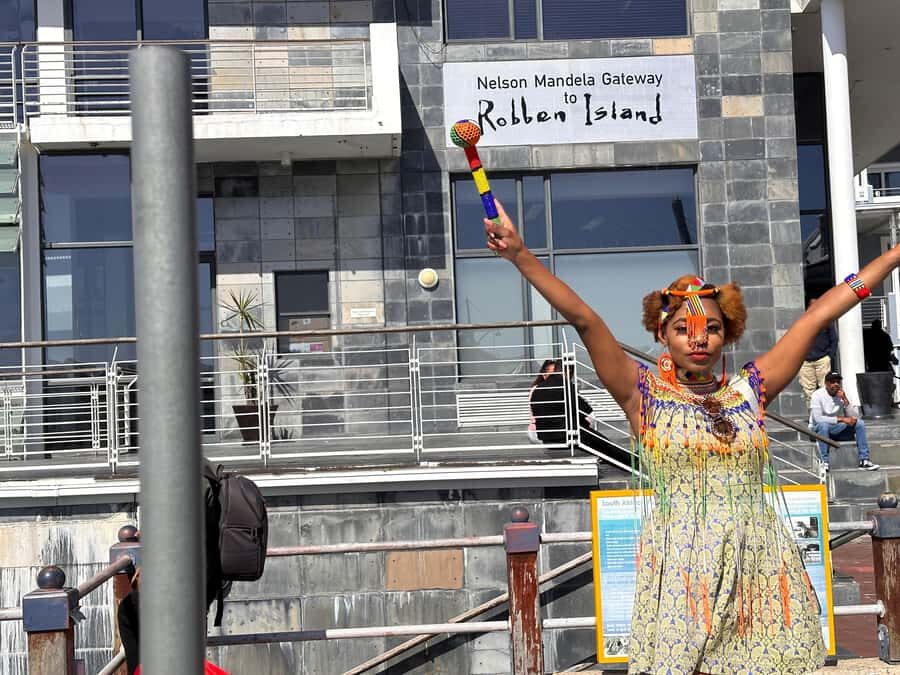
- V&A Waterfront pickup and the Nelson Mandela Gateway
- The island bus tour: leper colony to Apartheid, in the right order
- Inside the maximum-security prison: Mandela’s cell and more
- The limestone quarry: work as punishment, and the full picture
- Time on Robben Island and how the day flows
- Value and price: what $87 includes (and what you pay for)
- Guide quality: former prisoner stories, and why they matter
- Practical tips for making your day smoother
- Should you book this Robben Island ferry and prison tour?
- FAQ
- FAQ
- How long is the Robben Island ferry and guided prison tour?
- Where does hotel pickup happen?
- What do I need to bring?
- What’s included in the price?
- Is food included?
- Is hotel drop-off included?
- Is the tour guided in English?
- What happens if the ferry is canceled due to weather?
- Is the tour wheelchair accessible?
- How do I get to the waterfront after the tour?
Key points to know before you go

- Mandela’s cell is the anchor point, and you’ll get context for what made it different from the other prison areas
- Former prisoner guide for the prison walk brings the stories to a level brochures can’t
- Bus tour first helps you orient yourself before you step into the prison spaces
- Ferry views from Table Bay give you a calm, photo-friendly start before the emotional part begins
- Hearing can be tricky in bigger groups, so try to position yourself well during the prison talk
Cape Town to Robben Island: the ferry ride that sets the tone

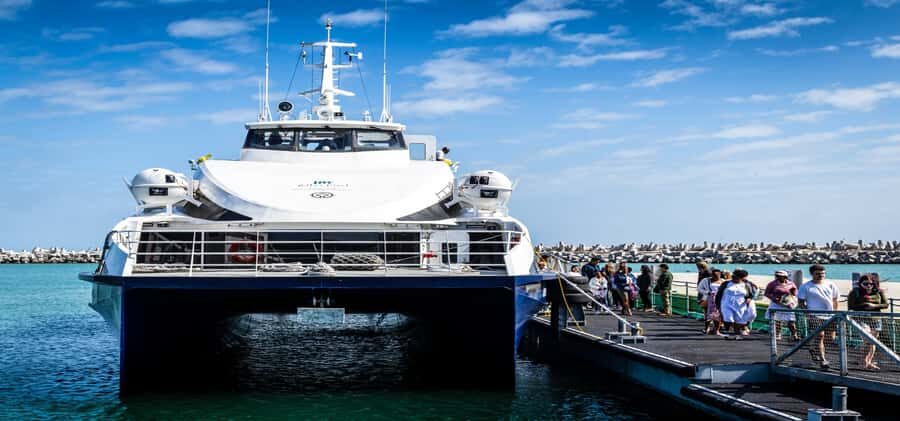
The experience starts with logistics that are mostly painless. You’re picked up from the Cape Town CBD and transferred to the V&A Waterfront at the Nelson Mandela Gateway, then you’re on the ferry. Expect about a 30 to 45 minute crossing, depending on timing and conditions.
Even if you already know the story, the water ride changes how you feel. Looking back at Cape Town from Table Bay, you get a strong sense of distance: you’re leaving the city and heading to a place designed for separation. That matters here. You can’t fully understand isolation until you feel it as a physical journey.
If the weather is rough, don’t panic. This is one of those trips where the ferry can be affected. When that happens, you’ll need to reschedule through the Robben Island ticket counter (subject to availability), or request a refund. Just know you may have to make your own way back to the waterfront for the new plan.
A few more Cape Town tours and experiences worth a look



V&A Waterfront pickup and the Nelson Mandela Gateway
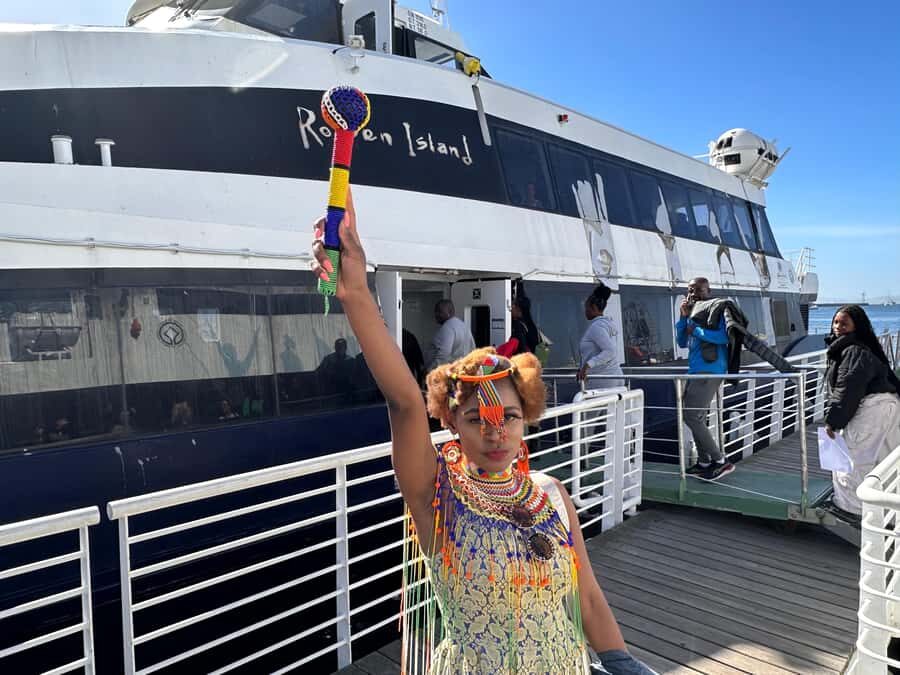
Pickup is within the Cape Town CBD only, and you meet your group at reception or at the main gate outside your accommodation. The transfer is short, so this isn’t a long bus commute. You just want to be ready at the agreed meeting point and keep your passport or ID close.
At the Nelson Mandela Gateway, you’ll be set up for ferry boarding. It’s a smart time to check you have what you need: a valid ID (passport or ID card is fine), and shoes that handle wind and uneven ground. Robben Island can feel exposed, so a windbreaker is a practical idea, not a fashion choice.
One small warning from real-world experience: if you’re staying near the waterfront, you might hear suggestions to walk on your own in some situations. For peace of mind, still plan around the pickup as advertised, but keep a Plan B in your head in case communications shift close to departure.
The island bus tour: leper colony to Apartheid, in the right order

Once you land, you don’t start by rushing into the prison. You board an island bus tour first. That order helps. You get an overview of the island’s layered history before you face the maximum-security reality.
The tour covers multiple eras, including when the island served as a leper colony and later when it became notorious during Apartheid. You’ll also get the basic geography—where you are, where the key prison areas sit, and how the working parts of the island connected to confinement.
I like this approach because it turns random buildings into a system. After the bus loop, the prison visit doesn’t feel like isolated scenes. It feels like part of a plan.
Depending on the day and your group size, there may also be a general guide providing background information during parts of the loop. In one case, the pickup driver also explained how the day would work, including a short video presentation to set context before arrival—an easy way to get your bearings without falling behind.
Inside the maximum-security prison: Mandela’s cell and more
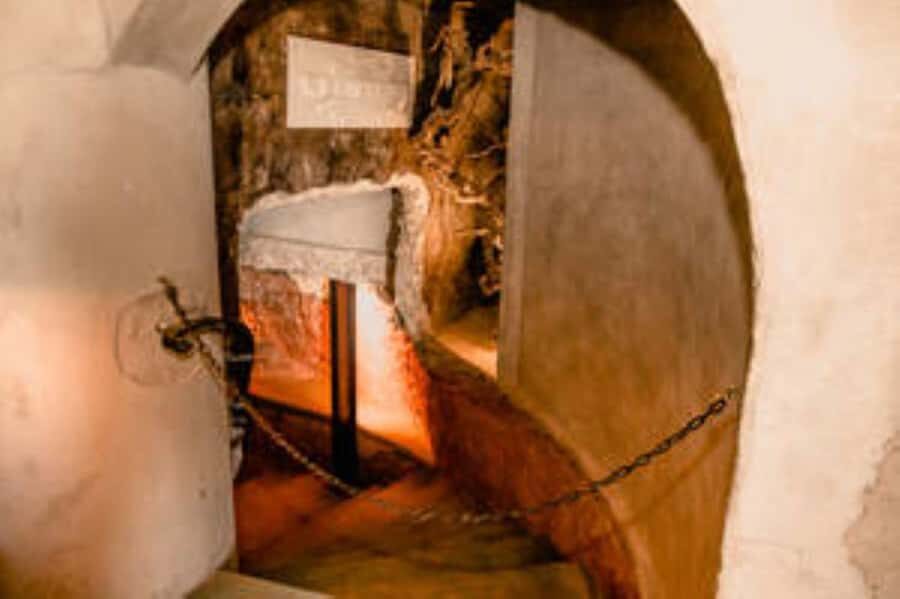
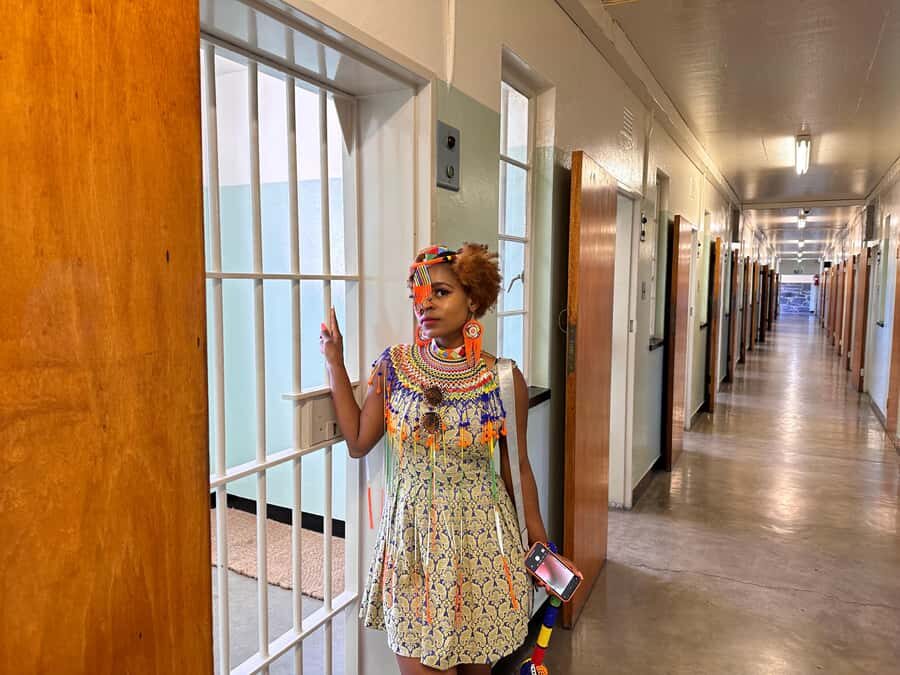
This is the heart of the tour. After the island bus portion, you step into the maximum-security prison areas and visit the very cell where Nelson Mandela spent 18 of his 27 years in captivity.
What you’ll feel walking through those spaces is different from what you see in photos. Cells aren’t just rooms here—they’re tools. The guide’s job is to connect the facts to what life was like: what prisoners did each day, what power looked like from the inside, and how resistance became part of survival.
The tour includes guided commentary from a former political prisoner. In at least one run, the former prisoner guide was named Mr. Xabela, and the storytelling stood out for being detailed and personal. That kind of firsthand explanation is why this tour can be worth it even when the day already feels emotionally heavy.
One practical consideration: group size can affect sound. If you end up in a large cluster, you might struggle to hear clearly at certain stops. The fix is simple—try to stay close to the guide, and position yourself so you’re not stuck behind taller people or where wind carries sound away.
The limestone quarry: work as punishment, and the full picture

After you move through the prison areas, you’ll visit the limestone quarry. This is where many prisoners were forced to work, including Mandela and fellow inmates.
The quarry stop matters because it links the punishment to physical labor. You’re no longer thinking only about cells and doors. You’re seeing the system that kept prisoners busy, exhausted, and controlled.
It also helps explain why historical accounts sometimes talk about both the prison life and the political purpose. The quarry isn’t a separate add-on. It’s part of the machinery of Apartheid-era incarceration.
You can also read our reviews of more guided tours in Cape Town






Time on Robben Island and how the day flows
Your total duration is about 4 hours, including pickup and the ferry ride both ways. On the island itself, the schedule is built around an island bus tour and then the prison walk, including time for photos and sightseeing.
In practice, this day is structured, not open-ended. You’re not getting a long, self-paced wander. That can be good. In a place like this, you want your time guided so you don’t miss the meaning of key stops.
One small note from a real itinerary experience: some people wished they had more time for outside sightseeing such as looking for penguins. The tour’s focus is the prison story and major sites like the quarry, so if you’re aiming to see wildlife, go in knowing your time on island is limited by the route and commentary.
Value and price: what $87 includes (and what you pay for)
At about $87 per person, this isn’t the cheapest way to visit Robben Island. But it’s also not just a ferry ticket with a self-guided audio app.
What you’re paying for includes:
- Hotel pickup within the Cape Town CBD
- Ferry ticket to Robben Island
- Guided tour of the island
- Guided prison experience with a former prisoner storyteller
That bundle can be good value if you don’t want to coordinate timing on your own, and if you strongly value direct, human explanation inside the prison areas.
Still, it can pay to compare prices. There have been situations where people felt the ticket value was higher than what they expected compared with other booking options. So if you’re price-sensitive, check official Robben Island ticket pricing alongside what you’re being offered here, then decide based on whether you care about pickup and the guided format.
Guide quality: former prisoner stories, and why they matter

The guide is a key part of the experience. A former prisoner brings a voice you won’t get from signage alone. You hear about how people were arrested, what they experienced inside, and how freedom-fighting took shape even while confined.
In one described day, the tour included a strong explanation of facts versus myths during the prison areas, plus room-by-room type context so you understand why each space mattered. That kind of guide work can turn a quick tour into something that stays with you long after you leave.
Just remember: hearing quality depends on placement and group size. If you care most about the prison guide’s speech, aim to stand where you can see the guide and hear clearly.
Practical tips for making your day smoother
Here are the small things that make the biggest difference on Robben Island:
- Wear comfortable shoes for walking on a windy, outdoor site
- Bring a windbreaker, even if Cape Town is sunny when you start
- Bring your passport or ID card so you can board without stress
- If you struggle with sound, move closer during the prison commentary
Also, keep your expectations aligned with the format: this is structured time, built around the ferry, bus tour, prison walk, and return. You’ll have a photo stop and sightseeing time, but you’re not running your own schedule.
Should you book this Robben Island ferry and prison tour?
I think you should book this if:
- You want a guided prison visit with a former prisoner and not just a self-paced ferry trip
- You prefer pickup in Cape Town CBD so the day runs on rails
- You like having context delivered in the right order: bus overview first, prison second
I’d think twice if:
- You’re very sensitive to group noise and struggle to hear in crowded situations
- You’re mainly looking for a long wildlife or self-guided island wander (this tour is mostly about the prison sites)
- You’re only interested in the ferry and basic sights and don’t care about a guided interpretation
If you’re on the fence, the best decision tool is your motivation. If your goal is to understand Apartheid-era imprisonment and see Mandela’s cell with guided explanation, this format is hard to beat.
FAQ
FAQ
How long is the Robben Island ferry and guided prison tour?
The total duration is about 4 hours.
Where does hotel pickup happen?
Pickup is included within the Cape Town CBD only.
What do I need to bring?
Bring your passport or ID card, wear comfortable shoes, and consider a windbreaker.
What’s included in the price?
It includes hotel pickup (CBD only), the ferry ticket to Robben Island, a former prisoner tour guide, and tours of the island and prison.
Is food included?
No. Food and drinks are not included.
Is hotel drop-off included?
No, hotel drop-off is not included.
Is the tour guided in English?
Yes, the live tour guide provides the experience in English.
What happens if the ferry is canceled due to weather?
You can reschedule at the Robben Island ticket counter (subject to availability), or apply for a refund. For rescheduled tickets, you may need to make your own way to the waterfront.
Is the tour wheelchair accessible?
Yes, it is listed as wheelchair accessible.
How do I get to the waterfront after the tour?
After returning by ferry to the V&A Waterfront, you’re free to explore the harbor area or make your way back to your accommodation on your own pace.