REVIEW · CAPE TOWN
Cape Town: Robben Island Museum Tour with Ferry Ride
Book on GetYourGuide →Operated by Coastal to Cape Wine Tours · Bookable on GetYourGuide
Robben Island hits hard. I like this tour because you combine a ferry ride with a prison walk led by a former political prisoner, so the history comes at you from two angles—views first, then lived reality. You’ll also get time to see key sites, including Nelson Mandela’s cell, and the Robben Island Museum exhibits that put it all in context.
One thing to consider: this is popular and can run with large groups, so on some days the ferry line and island movement may feel crowded, especially if weather disrupts timing.
The best part is the tone of the tour—matter-of-fact, first-person, and focused on what confinement was like and how resistance survived. The ferry segment adds a real sense of place, with exposed, cold wind and big views back toward Cape Town and Table Mountain. A potential drawback is that if conditions are rough, the schedule can shift quickly, and that can be frustrating if you’ve got tight plans.
In This Review
- Key highlights worth your attention
- V&A Waterfront ferry to Robben Island: the views are part of the story
- Inside the prison tour: why a former prisoner’s perspective lands differently
- Mandela’s cell, the lime quarry, and key prison buildings
- Robben Island Museum: where the exhibits turn scenes into context
- Price and value: is about $97 worth a half-day plus?
- Weather, crowds, and why timing can feel out of your control
- What to bring for a cold ferry and a long walk
- Who this Robben Island tour fits best (and who should reconsider)
- Should you book this Robben Island tour with ferry ride?
- FAQ
- How long is the Robben Island tour with ferry ride?
- Where do I meet for the ferry to Robben Island?
- What’s included in the tour price?
- Is hotel pickup or drop-off included?
- What parts of the island will the tour cover?
- What should I bring with me?
- Are there any restrictions on the island?
- Is the tour wheelchair accessible?
Key highlights worth your attention
- Former political prisoner guide: you’re not just hearing dates—you’re hearing how the system worked inside.
- Ferry ride from V&A Waterfront: coastal views and a classic route to Robben Island from Clock Tower.
- Nelson Mandela’s cell: one of the most important stops on the island tour.
- Prison work sites: you’ll visit places tied to forced labor, including the old lime quarry.
- Robben Island Museum access: exhibits and artifacts help you connect the dots after the walk.
- Real-world weather considerations: tours can be rescheduled or canceled with short notice.
V&A Waterfront ferry to Robben Island: the views are part of the story
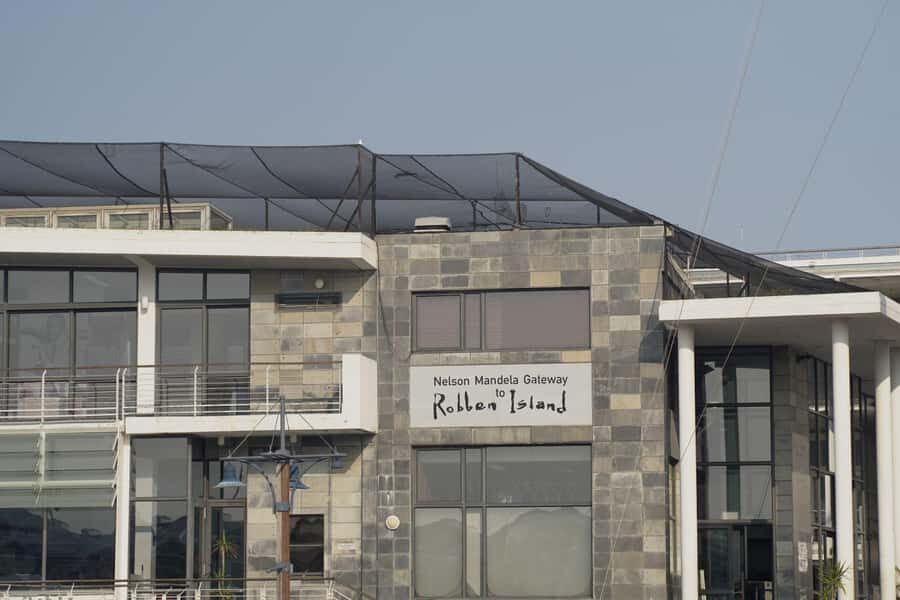
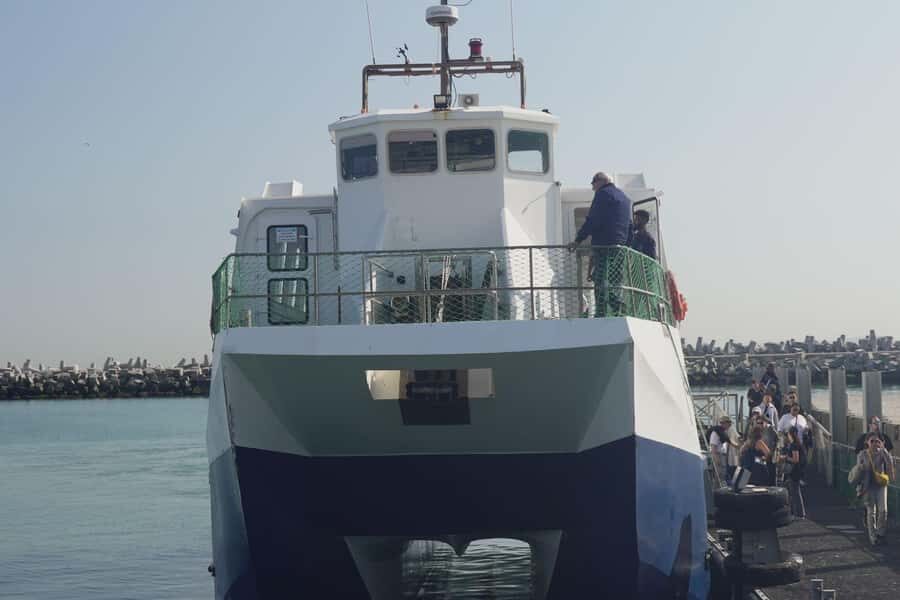
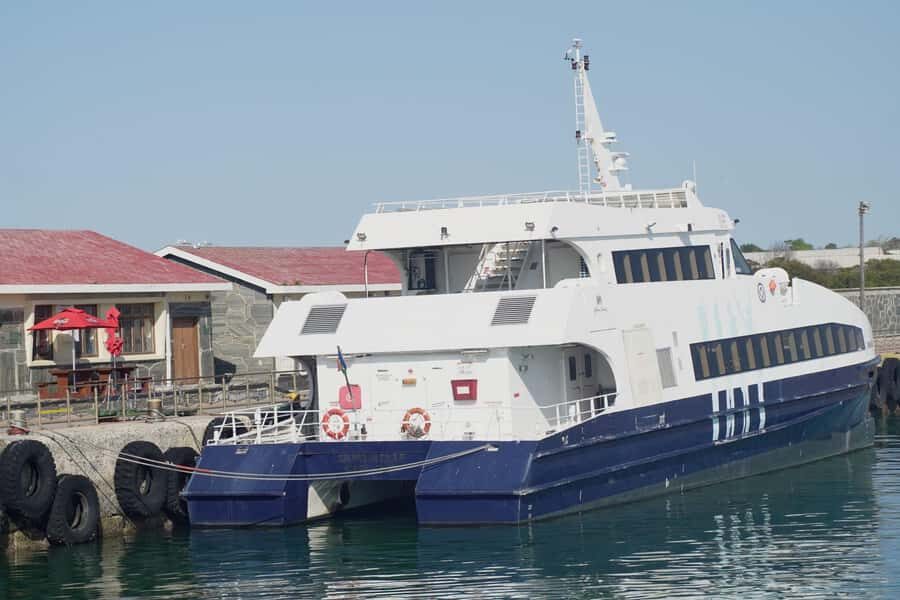
Most of your time starts at the V&A Waterfront, at the main ferry area near the Clock Tower. Look for The Nelson Mandela Gateway signage near the docks, and bring your passport or ID so boarding goes smoothly. The tour includes the ferry ride to and from Robben Island, which matters because it sets the pacing—you’re not rushing onto land and trying to absorb it all at once.
The crossing itself can be cold and windy. I recommend treating the ferry like you’ll be outside the whole time—because you basically are. Dress for real wind exposure, and don’t plan on staying comfortable in thin layers.
The upside is that you get panoramic Cape Town coastline views, with Table Mountain often in your field of vision. On a clear day, it’s an easy way to establish geography before you ever step into the prison narrative. And if you’re lucky, you may spot marine life along the way—one recent booking specifically called out whales and seals seen on the ferry route.
You can also read our reviews of more museum experiences in Cape Town


Inside the prison tour: why a former prisoner’s perspective lands differently
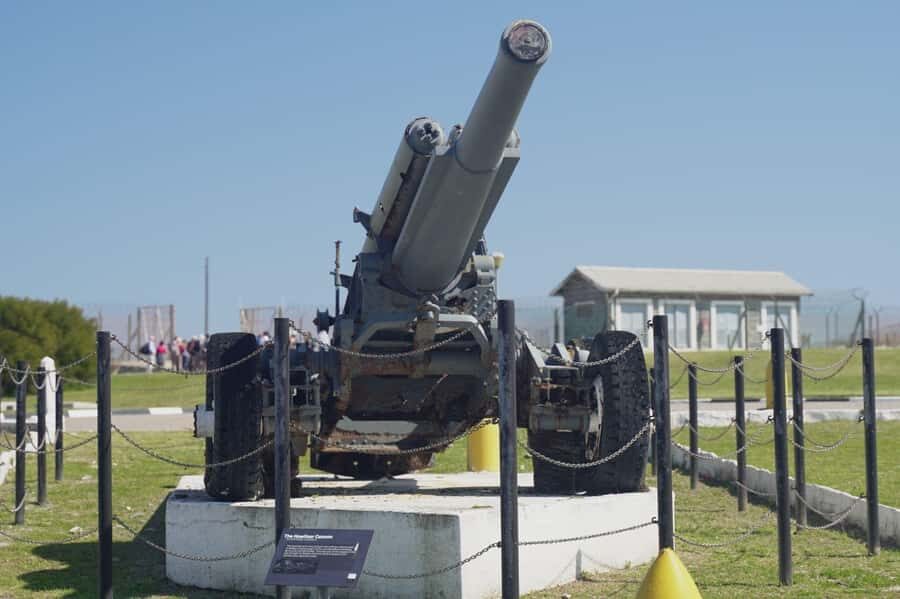
Once you’re on Robben Island, the heart of the experience is the guided prison walk led by a former political prisoner. That’s not just a credential; it changes the way the information is delivered. The tour is set up to explain the island’s role as a political prison where Nelson Mandela and other anti-apartheid activists were held.
Expect a personal, plainspoken style: harsh conditions, daily rules, and the ways prisoners resisted. The guide also covers how the island evolved over time—starting from its earlier use as a leper colony, then moving into its prison era. That timeline helps you understand why the place carries so many layers of South African history, not only one chapter.
What I like is how the tour is structured to show you systems, not just suffering in general terms. You’re guided through key locations so you can mentally map where people worked, where they were administered from, and where key figures were confined.
Mandela’s cell, the lime quarry, and key prison buildings
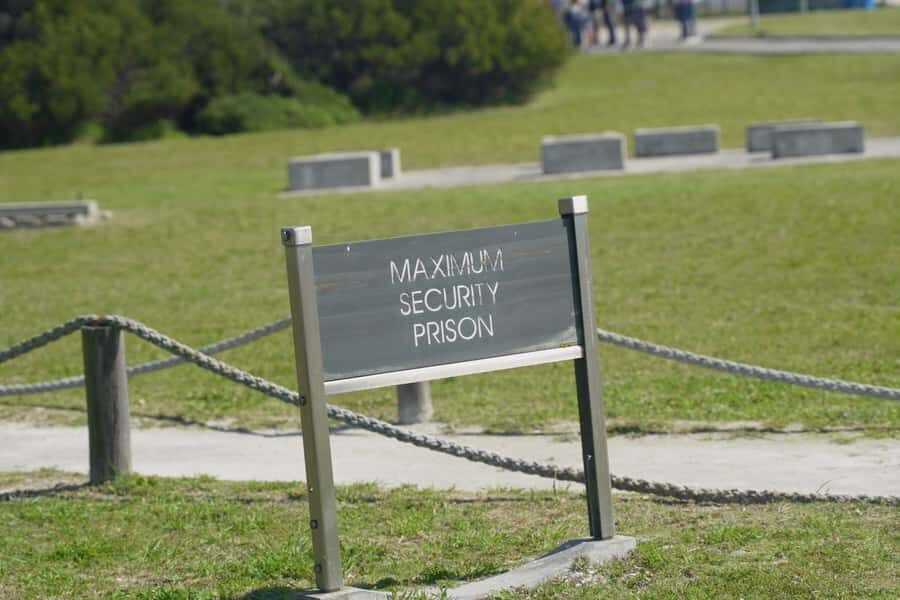
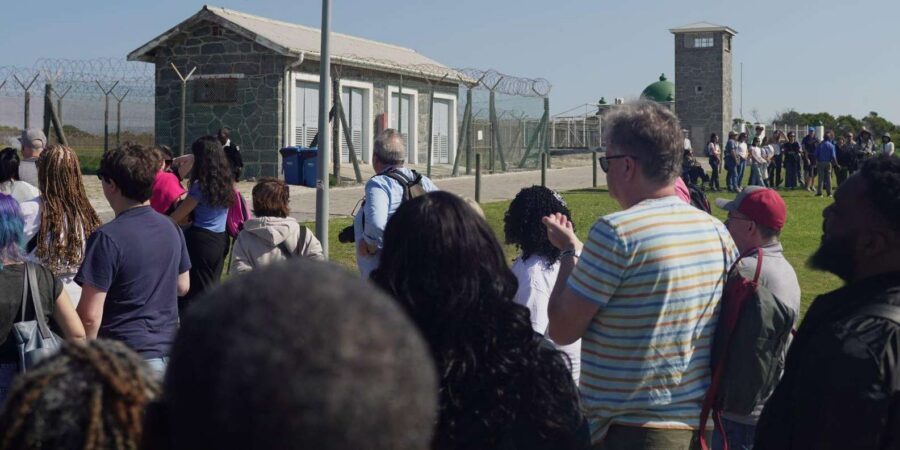
This is the part where the tour becomes very specific, and that specificity is what makes it memorable. You’ll explore key areas around the prison site, including Nelson Mandela’s cell. Even without dramatics, seeing the physical space is a powerful way to connect the story to something tangible.
Another essential stop is the old lime quarry, where prisoners labored. Forced labor is a heavy topic, but the value here is that you’re shown the site and then guided through what it meant in practice—work conditions, routines, and why resistance mattered. It’s not just about geography; it’s about understanding how control was enforced.
You’ll also pass or visit administrative buildings as part of the tour route. That helps you grasp that prison life wasn’t random—it was managed, documented, and organized through a real structure of authority.
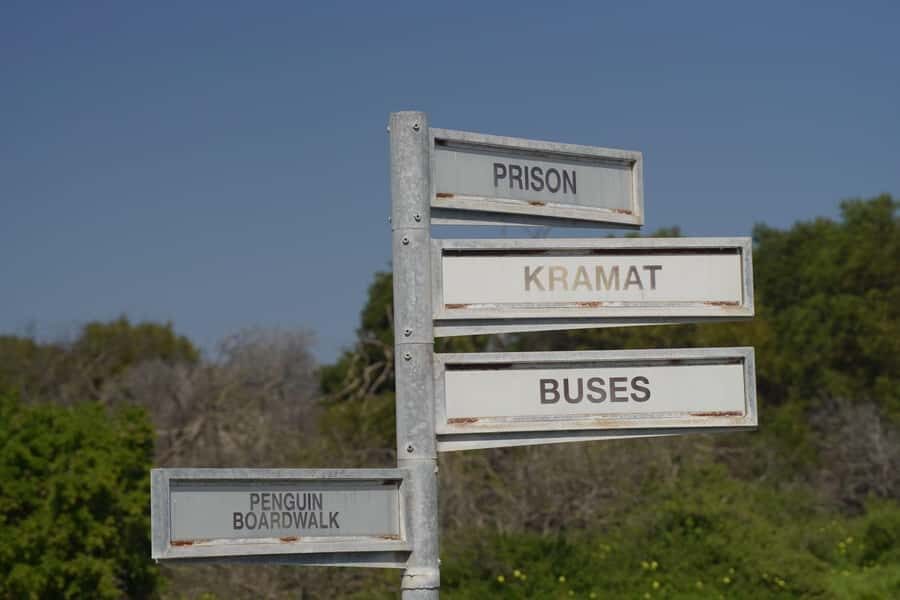
Be prepared for walking during the prison portion. Comfortable shoes matter, and you’ll want to keep your water handy. Also remember that photography is allowed, but you should follow the site’s rules and respect boundaries around sensitive areas.
Robben Island Museum: where the exhibits turn scenes into context
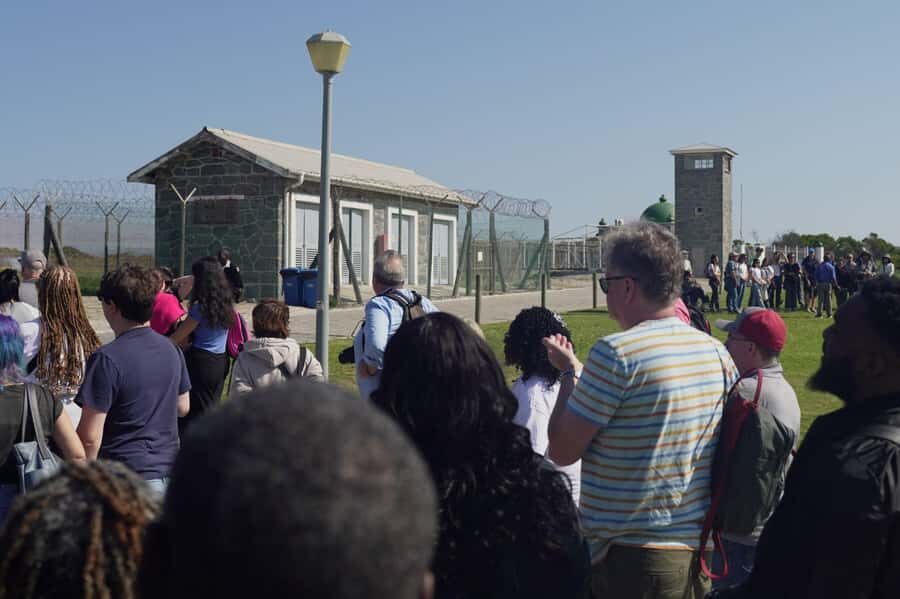
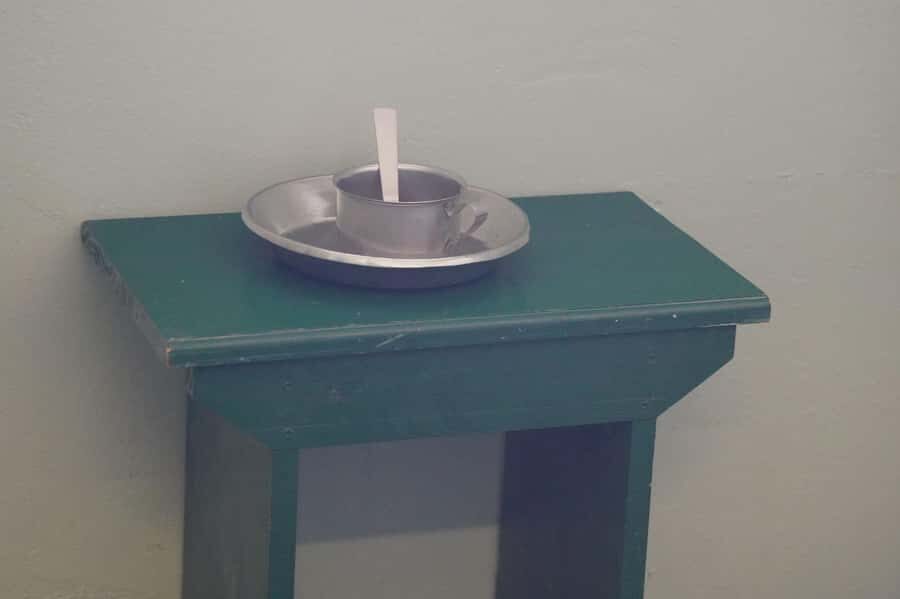
Your tour ends at the Robben Island Museum. This is where you get a calmer, indoor (or at least more exhibit-focused) follow-up to the walking component. You’ll have access to exhibits and artifacts that further illuminate the island’s historical significance.
I like museum time because it helps you process what the prison tour hits you with. When you’re standing in a site tied to confinement, it can be hard to absorb the full chain of history in real time. The museum gives you a chance to slow down and read at your own pace.
Since this part of the experience is included, it’s not an extra ticket decision you have to make on the fly. It’s also useful if you want a deeper understanding after seeing the physical locations—especially if you’re traveling with someone who wants context as much as they want sights.
Price and value: is about $97 worth a half-day plus?
At $97 per person, you’re paying for a bundled experience: ferry transport, a guided prison tour led by a former political prisoner, and access to the museum. That’s important. Many island experiences sell you transportation and basic commentary. Here, the included guide format is the core value driver.
Is it good value? For the right traveler, yes—because you’re getting more than narration. You’re getting a guided route through major sites, plus museum context, all anchored by first-person prison perspective.
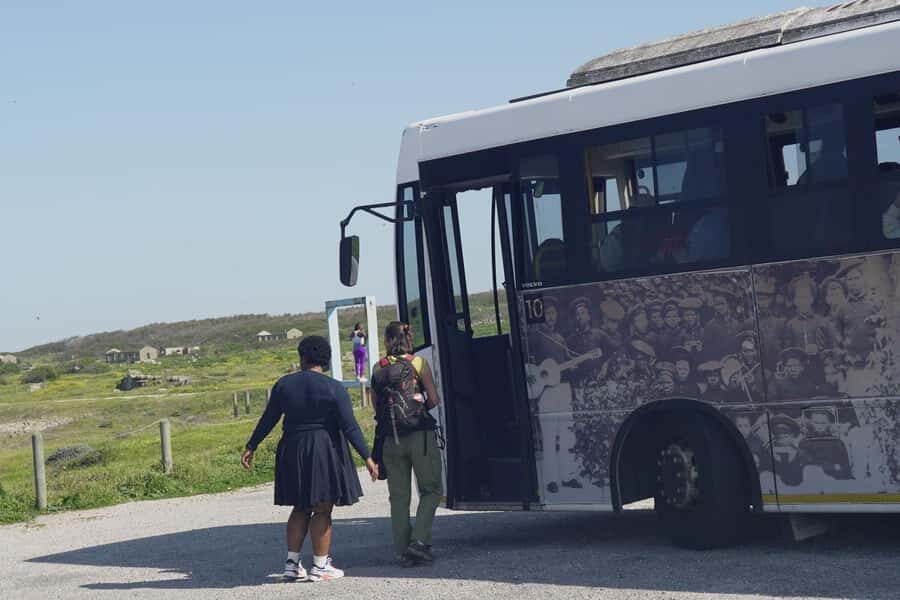
However, value depends on how the day runs. The overall experience can feel less worth it if you get stuck in long lines or if group size limits what you can actually see. One booking described an overcrowded ferry queue and then an overcrowded bus experience that didn’t allow much viewing from inside the vehicle. Another booking highlighted the prison walk as more engaging, but still too crowded overall.
So my practical advice is this: if you can handle a popular, structured tour format, the price can make sense. If you hate crowds or want lots of space and quiet, you may feel shortchanged on busier days.






Weather, crowds, and why timing can feel out of your control
Robben Island is exposed water and an outdoor island. Weather can change the day fast, and this tour is explicitly subject to those conditions. Tours may be rescheduled or canceled with short notice.
That weather dependency is where frustration can creep in. One recent booking said the tour was canceled due to bad weather after being warned it might happen, but they had difficulty getting a refund request resolved afterward. I can’t promise that outcome for everyone, but it’s a signal to treat weather and timing seriously and to keep flexibility in your schedule.
Then there’s the crowd factor. With any high-demand landmark tour, you should assume lineups and group logistics. Some bookings described near one-hour queues to get on the ferry and then packed transportation on the island. When you’re moving in a large group, you often trade personalization for coverage.
If you’re going anyway, you’ll have the best experience by going in with the right expectations. Think: an important, structured route; not a quiet private moment. Plan to be patient and build in extra time for boarding and movement.
What to bring for a cold ferry and a long walk
This tour gives you a clear checklist, and I’d follow it. Bring a passport or ID card for boarding, plus comfortable shoes for walking on the prison grounds. Pack warm clothing, and yes, also plan for a hat. The ferry can be cold and windy, and you’ll feel it more than you’d expect if you dress like it’s just a short boat ride.
Don’t forget sunscreen and water. You’ll be exposed at least during the ferry portion, and you don’t want to spend your day looking for places to buy drinks. A camera is also useful, since photography is allowed—just follow the site’s rules.
Smoking isn’t allowed, so if you’re a smoker, plan ahead. It’s a small rule, but it matters for pacing when you’re in a group.
Who this Robben Island tour fits best (and who should reconsider)
This is a strong fit if you want a guided experience that prioritizes meaning over scenery. If you care about understanding apartheid-era imprisonment through a former political prisoner’s narrative, this tour format is exactly built for you.
It’s also a good match if you like pairing a site visit with museum interpretation. Many people only do one or the other. Here, you get the physical locations first and then exhibits and artifacts afterward.
If you’re traveling with kids, note that it’s not suitable for children under 2 years, and babies under 1 year. For mobility, the information is a bit mixed: the tour lists wheelchair accessibility, but it also says it’s not suitable for wheelchair users. If that matters for you, you should confirm directly with the provider before booking.
Finally, if you hate crowds and long logistics days, you should think carefully. One of the main negative notes is crowding and limited visibility at certain points, which can clash with expectations if you imagined a calmer, more spacious day.
Should you book this Robben Island tour with ferry ride?
Book it if you want the best possible combination of ferry views, guided prison history, and museum context, and you’re comfortable with a popular group format. The tour’s strongest selling point is the former political prisoner guiding the prison walk, plus the stop locations that matter—especially Mandela’s cell and the lime quarry.
Skip or reconsider if you’re very sensitive to crowds, or if you have a schedule so tight that weather rescheduling would derail the rest of your trip. In that case, you might still want Robben Island, but you’d need a plan that gives you more breathing room.
If your goal is to understand what Robben Island represents and you can handle a structured half-day experience, this is a solid way to do it.
FAQ
How long is the Robben Island tour with ferry ride?
The duration is 270 minutes.
Where do I meet for the ferry to Robben Island?
You meet at the V&A Waterfront in Cape Town, near the main ferry terminal by the Clock Tower. The Nelson Mandela Gateway signage is near the docks.
What’s included in the tour price?
It includes the ferry ride to and from Robben Island, a guided prison tour led by a former political prisoner, and access to the Robben Island Museum.
Is hotel pickup or drop-off included?
No. Hotel pickup and drop-off are not included.
What parts of the island will the tour cover?
You’ll explore key locations such as Nelson Mandela’s cell, the old lime quarry, and administrative buildings, plus you’ll visit the Robben Island Museum exhibits and artifacts.
What should I bring with me?
Bring your passport or ID card, comfortable shoes, warm clothing, a hat, a camera, sunscreen, and water.
Are there any restrictions on the island?
Smoking is not allowed. Photography is allowed, but you should respect the site’s rules and guidelines.
Is the tour wheelchair accessible?
Wheelchair accessibility is listed, but it’s also noted as not suitable for wheelchair users. If mobility is a factor for you, confirm directly with the provider before booking.