REVIEW · CAPE TOWN
Cape Town: Heart of Cape Town Medical Museum Entrance Ticket
Book on GetYourGuide →Operated by City Pass Cape Town · Bookable on GetYourGuide
One date in 1967 changed medical history. At the Heart of Cape Town Medical Museum inside Groote Schuur Hospital, you’ll follow that story through the restored spaces where it happened.
What I love most is how original operating rooms are presented as they were on the day of the operation, not as a generic exhibit. I also like that you get a trained, certified English-speaking guide who walks you through what you’re seeing, including background material and period press items.
The main drawback to consider is simple: this is a focused medical-history visit, and it can be emotionally intense. It’s also not suitable for children under 10, so plan accordingly if you’re traveling with kids.
In This Review
- Key points before you book
- Cape Town’s medical-history stop: Groote Schuur Hospital in plain view
- What the guided 1.5-hour tour actually feels like
- Inside the story: the restored operating rooms and the 1967 moment
- The Charles Saint Theatre setting: why that specific location matters
- The film and the background materials that add context
- Price and value: is $22 worth it?
- Logistics you’ll want to plan for at the start of your day
- Who this tour suits best (and who should skip)
- Should you book the Heart of Cape Town Museum ticket?
- FAQ
- How much does the Heart of Cape Town Medical Museum entrance ticket cost?
- How long is the guided tour?
- Where do we meet for the tour?
- Is the tour offered in English?
- What’s included in the ticket price?
- Is hotel pickup or drop-off included?
- How big is the group?
- Is it wheelchair accessible?
- Is it suitable for children?
- What is the cancellation policy?
Key points before you book
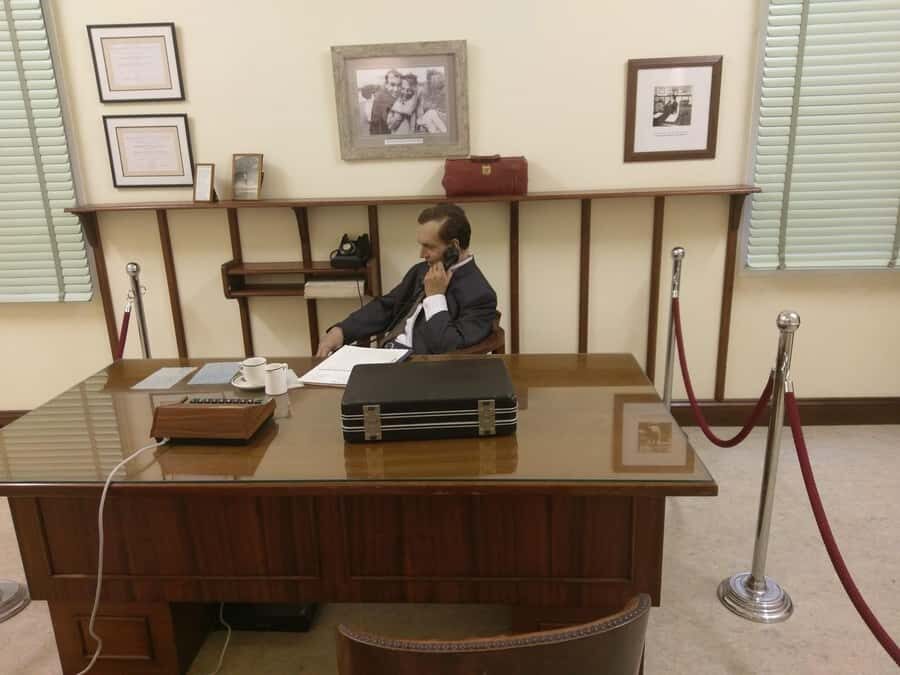
- Restored operating rooms shown the way they were on the operation day
- A guided tour led by a trained, certified guide in English
- Small-group size capped at 10 participants
- The story anchored to 3 December 1967, led by Professor Christiaan Neethling Barnard
- Close-up operation scenes connected to organ removal and transplantation (as shown in the experience)
- A film component that adds extra context to what you see
Cape Town’s medical-history stop: Groote Schuur Hospital in plain view
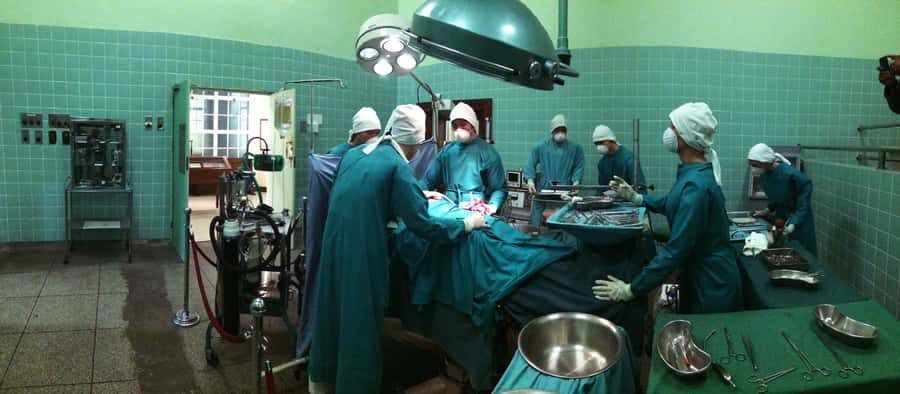
If you’re the kind of traveler who likes your history tied to a real place, this ticket delivers. The Heart of Cape Town Medical Museum is set at Groote Schuur Hospital, and the focus stays locked on one watershed moment: the world’s first successful heart transplant.
The museum doesn’t ask you to imagine what happened. It points you toward the drama of that day by showing you the preserved, restored operating setting connected to the operation. And the details are specific: you’re guided through the experience connected to Professor Christiaan Neethling Barnard and the event at the Charles Saint Theatre on 3 December 1967.
That matters because it turns “medical history” into something you can orient yourself around. You’re not just reading captions. You’re standing inside the environment the story refers to.
A few more Cape Town tours and experiences worth a look



What the guided 1.5-hour tour actually feels like
This is a short, concentrated experience. You start and finish at Groote Schuur Hospital, and the guided portion runs about 1.5 hours. The total booking is listed as valid for 1 day, but don’t expect a half-day or all-afternoon museum drift. Think of it as a focused visit with a professional guide, not a self-paced wander.
With a small group limited to 10 participants, the guide can slow down when people need it and answer questions without turning the room into a shuffle-fest. The pacing tends to work well for first-timers: you get enough time to absorb what’s in front of you without feeling like you’re trapped in a long lecture.
You’ll also have a clear language advantage. The tour is live and in English, so you won’t need to guess at key terms.
Practical note: since the tour is centered on one hospital location and the guided segment is time-bound, go in with your plan set. If you wait until the last second to eat or you’re stuck trying to figure out how you’ll get there, you’ll feel rushed.
Inside the story: the restored operating rooms and the 1967 moment
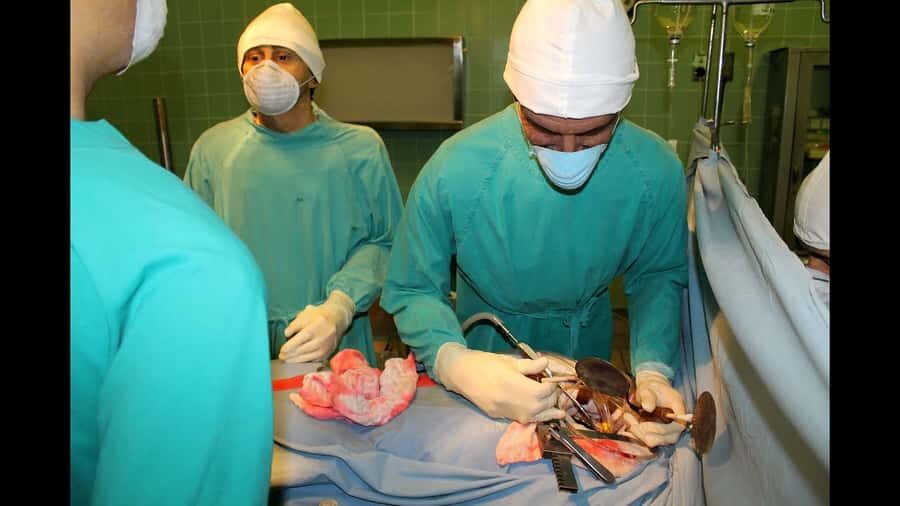
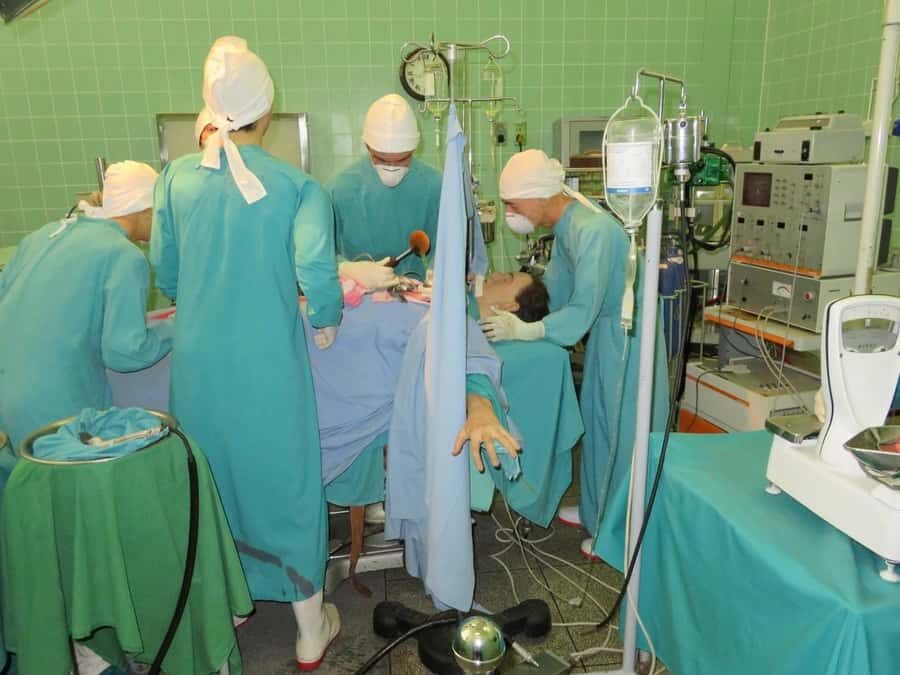
The centerpiece is the museum’s display of the original operating rooms, presented as they were on the day of the operation. That is the kind of detail that changes how you experience the visit.
When you see operating spaces laid out to match the original setup, you naturally start noticing scale and arrangement: where different actions would have taken place, how the space would have supported the work, and why this wasn’t just a lab breakthrough. It was an event executed in real physical rooms with real constraints.
One of the strongest highlights is the way the experience presents the operation scenes. In particular, you’ll encounter the decisive stages tied to organ removal and transplantation. The effect, based on visitor feedback, is described as very life-like and close-up, which is exactly what you want from a museum that claims authenticity. You’re meant to feel the stakes of the procedure, not just learn it as trivia.
And then there’s the human side of the story. The museum honors everyone who played a major role in the first successful heart transplant, with the tour guiding you through the narrative of what happened. You’ll connect the medical achievement to the people and the environment around it—especially through the figure central to the story, Professor Christiaan Neethling Barnard.
The Charles Saint Theatre setting: why that specific location matters
The experience is anchored not just to a hospital, but to a particular theatre: the Charles Saint Theatre at Groote Schuur Hospital. That specificity matters because it turns the “where” into part of the explanation, not an afterthought.
Knowing the operation is tied to a named setting on 3 December 1967 helps you keep the story straight while you’re moving through exhibits. It also gives you a stronger sense of place as you look at the restored rooms, since the museum is built around the same theme: a landmark moment carried out in a particular physical environment.
In a lot of museums, you get a general “in this time period” vibe. Here, the event is pinned down to one day and one lead figure. That makes the overall experience easier to follow, especially in a single 1.5-hour guided visit.
The film and the background materials that add context
One more element that’s clearly part of the experience is a film. People highlight it as engaging, and it can be a useful tool before you hit the operating-room displays—because it gives you a narrative framework.
You’ll also find background reporting and period press items connected to the transplant story. This combo matters. When you pair a film and historical materials with the restored operating spaces, you avoid two extremes:
- pure spectacle with no context, or
- text-heavy history with no sense of the real environment.
This museum seems to aim for that balance: story first, setting second, and then you get to see the most intense visuals tied to the operation scenes.
You can also read our reviews of more museum experiences in Cape Town



Price and value: is $22 worth it?
At $22 per person, this ticket isn’t a bargain price, but it also doesn’t feel overpriced for what’s included. You’re paying for two things that usually cost more if you do them separately: entrance fees and a guided tour (live, English, and certified).
Also, you’re not looking at a generic museum ticket. You’re paying for access to a very specific place—Groote Schuur Hospital—with exhibits built around restored, authentic operating-room presentation. That kind of “one location, one story” experience is expensive to create and maintain, which helps justify the price.
Where you can improve the value is in your planning:
- Combine the visit with other nearby stops in Observatory so you don’t burn time and money just getting back and forth.
- Give yourself enough margin to arrive without stress, because the guided experience runs on schedule.
One thing to remember: food and drinks aren’t included, and there’s no hotel pickup or drop-off. So your true cost is the ticket plus what you spend to get yourself there and stay fueled before or after.
Logistics you’ll want to plan for at the start of your day
Since the meeting point is Groote Schuur Hospital, Main Rd, Observatory, Cape Town (7925), you’ll want to handle your own arrival. The tour does not include pickup, and you’re also not getting food as part of the ticket.
That matters for a couple reasons:
- You don’t want to show up hungry, then realize the guided portion lasts long enough that waiting for a meal later might be inconvenient.
- If you’re planning to stack this with other Cape Town sights, you’ll want to protect that 1.5-hour block with some buffer.
The good news: because the tour is anchored at one specific hospital address, it’s straightforward to find compared to experiences that spread you across multiple venues.
Who this tour suits best (and who should skip)
This is best for you if you:
- enjoy medical history and landmark moments
- like guided interpretation rather than solo reading
- want the kind of authenticity you can see and orient yourself around inside restored rooms
- appreciate small-group tours with a guide who can respond to questions
You might want to skip it if:
- you’re looking for a light, casual museum afternoon
- you don’t want emotionally heavy or intense scenes
- you’re traveling with children under 10, since it’s not suitable for them
If you’re a history-minded traveler who also likes real places, this ticket fits well. It’s not trying to be everything. It’s trying to be exact about one big event—and it seems to do that.
Should you book the Heart of Cape Town Museum ticket?
Yes, if you want a focused, guided visit tied to a real Cape Town medical site. The restored original operating rooms, the connection to Professor Christiaan Neethling Barnard and 3 December 1967, and the guide-led storytelling are the big reasons to go. At $22, you’re also getting real value because your ticket includes both entry and the live tour.
Skip it only if the topic feels like the wrong mood for your day, or if you’re traveling with kids under 10. Otherwise, plan your arrival, bring your curiosity, and give the experience your full attention for the 1.5 hours—you’ll leave with a much clearer sense of why this moment mattered.
FAQ
How much does the Heart of Cape Town Medical Museum entrance ticket cost?
The price is $22 per person.
How long is the guided tour?
The guided tour lasts about 1.5 hours.
Where do we meet for the tour?
The meeting point is Groote Schuur Hospital, Main Rd, Observatory, Cape Town, 7925, South Africa.
Is the tour offered in English?
Yes. The live tour guide speaks English.
What’s included in the ticket price?
Entrance fees and a guided tour are included.
Is hotel pickup or drop-off included?
No, hotel pickup and drop-off are not included.
How big is the group?
The experience is a small group limited to 10 participants.
Is it wheelchair accessible?
Yes, the tour is wheelchair accessible.
Is it suitable for children?
It is not suitable for children under 10 years.
What is the cancellation policy?
You can cancel up to 24 hours in advance for a full refund.