REVIEW · CAPE TOWN
Township – Langa – Apartheid Museum Plus Arts and Culture Tour
Book on Viator →Operated by Raw African Safaris · Bookable on Viator
Langa Township makes you slow down and look closely at daily life. This half-day small-group tour pairs art and community culture with clear context on forced removals and apartheid-era separation. I love that the pace is human-scale, with round-trip transfers and a small group (max 13) keeping things manageable.
Two things I’d bet you’ll appreciate right away: you get hands-on culture at Gugu S’thebe (including African drum lessons), and you also get a grounded explanation of what apartheid did to real neighborhoods. One possible drawback is that the themes can feel heavy, and there’s no lunch built in.
In This Review
- Key takeaways before you go
- Why Langa is worth more than a quick photo stop
- Getting to Langa: the value of air-conditioned transfers
- Gugu S’thebe: District 6 forced removals, then drums and crafts
- What to watch for at Gugu S’thebe
- The Apartheid Hostel stop: learning that stays grounded
- Art and Craft Market walk: souvenirs that mean something
- A practical tip for the market
- Langa Taxi Rank: how transportation fits the neighborhood
- Price and what you actually get for $86.58
- The emotional tone: why this tour can land hard
- Who this tour suits best (and who should think twice)
- Timing, weather, and comfort details you’ll want to plan for
- Should you book Township Langa with Gugu S’thebe and apartheid context?
- FAQ
- What is the duration of the Langa Township art and culture tour?
- What does the tour include?
- Is lunch included?
- Where does the tour start?
- What time does the tour start?
- How big is the group?
- Is pickup provided?
- What ticket format do I need?
- Is the tour affected by weather?
- Can I cancel for a refund?
Key takeaways before you go
- Small group, personal feel: With a maximum of 13 people, questions actually get answered.
- Gugu S’thebe hands-on culture: Expect a quick African drum lesson and time linked to arts and community life.
- Apartheid context, not just photos: You’ll learn how forced removals reshaped communities in the Cape Town area.
- Local buying chance: You walk through an art and craft market where purchases are part of the experience.
- Transport reality check: You’ll see how people move via the Langa Taxi Rank.
Why Langa is worth more than a quick photo stop

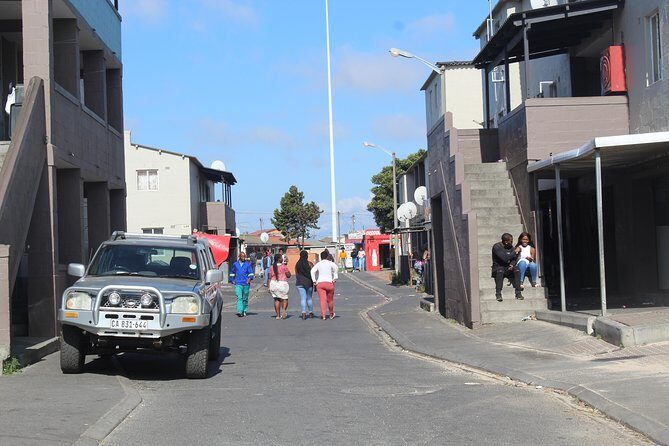
If you want Cape Town that feels like you’re talking to the place, not just passing it, this tour is a strong fit. Langa is often described as one of Cape Town’s oldest townships, and this route focuses on what people create and how communities function day to day.
What makes the approach practical is the mix of stops. You’ll see arts and craft spaces, learn about apartheid’s impact in plain language, and then end with a look at local transportation in the township. That combination helps you connect the dots instead of just collecting sights.
You’ll also be spending about 4 hours total, which makes this one of the easier ways to add township context to a busy trip schedule. For many people, that short window is exactly what makes it doable—especially when you’re trying to balance city sightseeing with something more meaningful.
You can also read our reviews of more museum experiences in Cape Town



Getting to Langa: the value of air-conditioned transfers
This is set up with round-trip pickup and drop-off by an air-conditioned vehicle. That matters because it removes a lot of friction: you’re not trying to figure out timing, routes, or local logistics on your own.
The meeting point is the Silo Hotel at Silo Square in Victoria & Alfred Waterfront, and the start time is 8:30 am. Morning timing often helps for comfort and easier daylight walking, especially when your tour includes outdoor stretches like the craft market and taxi rank area.
You’ll also have bottled water included, which is a small thing but a real comfort factor. When you’re moving around on a half-day tour, hydration and shade matter more than they do on a museum-only morning.
Gugu S’thebe: District 6 forced removals, then drums and crafts

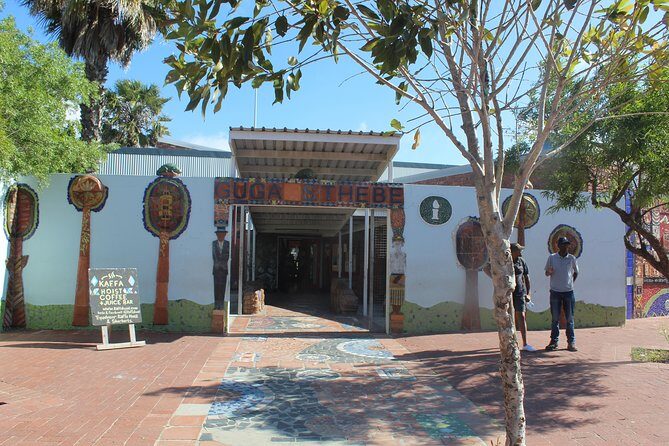
Gugu S’thebe is the cultural core of the experience. You’ll start with the story connection to District 6 and the forced removals associated with 1968. This part is where the tour’s tone becomes clear: it’s not only about what to see, but why the community layouts and separations happened.
Expect an explanation of how locals were treated when they were pushed out of the area, and how apartheid-era racial grouping shaped who lived where. The tour also frames this as a community reality—at the time, this was where the poorest lived, and the effects didn’t vanish once the labels changed.
Then the stop shifts from story to participation. At Gugu’s Thebe Art and Cultural Centre, you’ll see how the space supports performing arts and community discussion. This is one of the best parts for most people because it turns learning into something you can feel through culture rather than only through facts.
One highlight is a brief African drum (djembe) lesson—about 10 minutes. It’s short on purpose, and honestly that makes it more approachable. You get enough to understand rhythm basics and the spirit of the lesson without needing prior experience.
You may also see arts happening in parallel, including teaching linked to pottery and craft work for local kids. If you like souvenirs that feel connected to the place (not just mass-made), this is where you’ll likely find pieces with story behind them—like the mentioned pottery options and locally made items.
What to watch for at Gugu S’thebe
- Short lesson format: The drum session is brief, so go in ready to try, not to master.
- Craft purchases are part of the stop: If you’re budget-conscious, decide early what you want to spend.
The Apartheid Hostel stop: learning that stays grounded
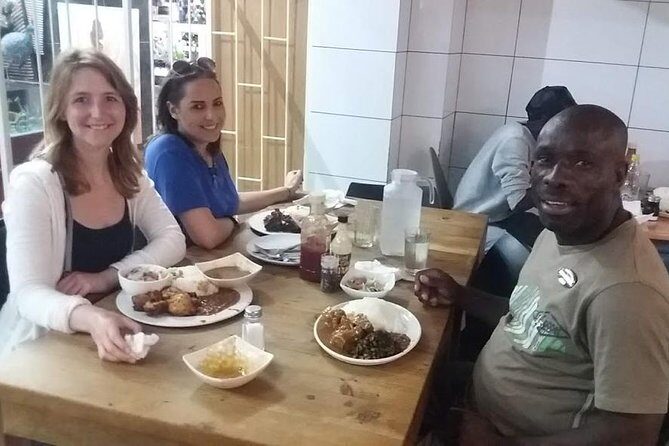
Another important piece is the visit to the Apartheid Hostel. This is where the tour’s apartheid explanation becomes more tangible. You’re not just hearing about laws and dates—you’re getting a view of how separation played out in housing and everyday community structure.
Some of the most strongly praised moments from this tour revolve around how it changes how you see ongoing segregation patterns and the long wait for housing. That theme is specifically referenced in feedback, and it’s worth taking seriously as part of what you’re going to witness.
The best way to approach this stop is with a calm mindset. You don’t have to have the perfect questions ready, but it helps to be mentally prepared for emotion. If you’re sensitive to topics like displacement and unequal access, plan for that before you join.
This isn’t a stop designed to make you feel guilty. It’s designed to make you understand mechanisms—how apartheid policies affected where people could live, and how that legacy can persist.





Art and Craft Market walk: souvenirs that mean something

After the story stops, you’ll walk through the Art and Craft Market. This is one of those parts that can feel either like shopping or like culture, depending on how you engage. The tour framing helps it feel closer to culture, because you’re not randomly browsing; you’re moving through the market with context.
You’ll get the chance to purchase locally made handicrafts. That’s usually where the value shows up best, because a market visit can become a direct way to support the creators you just learned about.
If you like buying souvenirs, I’d treat this like your chance to get something personal. Look for pieces tied to pottery and craft work you saw or heard about earlier. If you’re buying gifts, consider keeping your budget flexible enough to buy one item you genuinely want, not five items you only kind of like.
A practical tip for the market
Take your time with sizing and making. Craft items can vary a lot, and quick decisions lead to regrets later—especially when you’re carrying purchases back to your hotel.
Langa Taxi Rank: how transportation fits the neighborhood
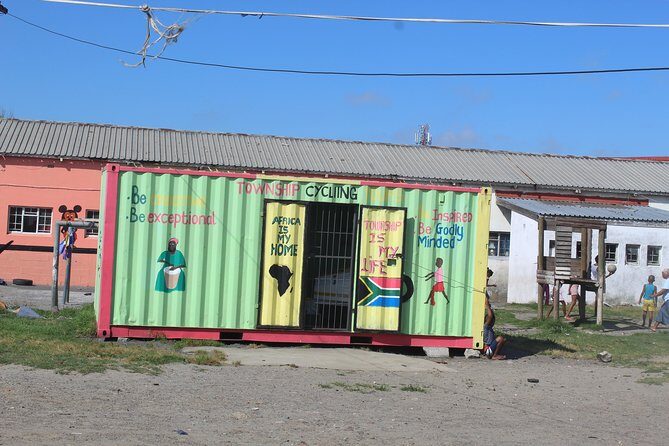
The Langa Taxi Rank stop is a smart closing note because it shifts you from history and art into daily systems. Transportation is how people connect to jobs, schools, services, and family life, and the taxi rank is one of the clearest windows into how movement works inside the township.
This isn’t the kind of stop where you’re expected to understand every detail in ten minutes. Instead, it helps you see how infrastructure and routes support real schedules and real routines.
If you’ve spent days in Cape Town’s city center, this is the moment that helps bring everything into alignment. You see that the township isn’t a separate planet—it’s a working place with networks and routines.
Price and what you actually get for $86.58
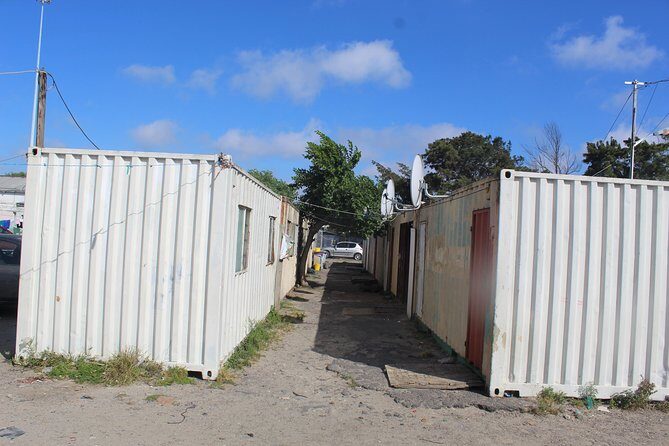
At $86.58 per person, this isn’t a bargain-basement deal. But it also isn’t overpriced for what’s included.
For the price, you’re getting:
- Entry to the Gugu S’thebe Arts and Craft Centre + Community Centre
- A drum lesson component linked to the cultural center
- Round-trip transfers in an air-conditioned vehicle
- Bottled water
- A small-group format (max 13)
- A mobile ticket
The value is in the combo: you’re paying for access, interpretation, and movement across multiple stops—not just a single museum entry. If you tried to DIY this, you’d likely spend time and energy solving logistics, and you might still miss the cultural context that ties the story together.
Also, the tour is usually booked with an average of 35 days advance. That doesn’t guarantee anything, but it’s a useful hint: if your schedule is tight, lock it in earlier rather than hoping for last-minute openings.
The emotional tone: why this tour can land hard
This is an “eye opening” kind of tour for a reason. The apartheid and forced removals story can feel intense, and the references to ongoing housing waiting and separation can hit emotionally because they connect past policies to living conditions.
The good news is that the tour also balances the heavy material with creativity and community life. The drum lesson and craft elements matter here. They show that culture is not an add-on; it’s part of how communities keep going.
A helpful mindset shift is to treat it like learning with respect. You’re not there to stare or to judge. You’re there to understand, then carry that understanding with you back into the rest of your trip.
Who this tour suits best (and who should think twice)

I think this is a great match for:
- People who want more than a surface-level township visit
- Travelers who enjoy cultural activities with a practical, participatory element
- Anyone who wants a half-day option that still covers meaningful themes
- Travelers who appreciate a small-group format for questions and pace
It may not be ideal if:
- You strongly prefer purely upbeat experiences with minimal heavy content
- You need guaranteed food stops, since lunch is not included
- You’re likely to be uncomfortable with weather-based scheduling needs (good weather is required)
Timing, weather, and comfort details you’ll want to plan for
This tour runs about 4 hours and starts at 8:30 am. That means you’ll want to eat breakfast beforehand, especially since lunch isn’t part of the plan.
The experience also requires good weather. If conditions aren’t right, the tour may be rescheduled or you may be offered a full refund, so it’s smart to keep some flexibility in your schedule.
Because you’ll be moving through different areas, wear comfortable walking shoes. You don’t need hiking gear, but you do need footwear that works for steady walking and market browsing.
Should you book Township Langa with Gugu S’thebe and apartheid context?
If you want one strong half-day in Cape Town that connects art, community, and apartheid-era impacts in a way you can actually understand, I’d recommend booking. The tour’s biggest strength is balance: it combines cultural participation (including African drum lessons) with clear housing and separation context at the Apartheid Hostel.
Book it if you like tours that help you see how a place works, not only what it looks like. Skip it or choose another option if you’re looking for a light, distraction-only morning, because this one includes serious themes.
If you’re on the fence, think about your goal for Cape Town. If your goal is to leave with insight you can carry home—this is one of the most direct ways to do it in a short time.
FAQ
What is the duration of the Langa Township art and culture tour?
It runs for about 4 hours.
What does the tour include?
You’ll have bottled water, an air-conditioned vehicle, entry to Gugu S’thebe Arts and Craft Centre + Community Centre, an opportunity to buy art and craft, and an African drum (djembe) lesson.
Is lunch included?
No. Lunch is not included.
Where does the tour start?
The tour starts at the Silo Hotel, Silo Square, Victoria & Alfred Waterfront, Cape Town.
What time does the tour start?
The start time is 8:30 am.
How big is the group?
The tour has a maximum of 13 travelers.
Is pickup provided?
Yes, pickup is offered via round-trip transfers in an air-conditioned vehicle.
What ticket format do I need?
You’ll use a mobile ticket.
Is the tour affected by weather?
Yes. The experience requires good weather, and if it’s canceled due to poor weather, you’ll be offered a different date or a full refund.
Can I cancel for a refund?
You can cancel up to 24 hours in advance for a full refund. If you cancel less than 24 hours before the experience starts, the amount you paid is not refunded.