REVIEW · CAPE TOWN
Cape Town: Shark Science SCUBA Diving Experience
Book on GetYourGuide →Operated by Cape RADD · Bookable on GetYourGuide
If you like sharks and science, this is your kind of morning. You’ll spend a half-day in False Bay’s kelp forests with marine biologists, then help collect underwater data by photographing patterns and recording sightings. Two things I really like are the small group setup (easy to ask questions) and the chance to contribute to real conservation work through citizen-science style data collection. A possible drawback: you’re expected to have open-water SCUBA certification, and follow-up like photo delivery or certificates may not match everyone’s expectations.
What makes this experience especially interesting is the focus on the Great African Sea Forest—South Africa’s underwater kelp ecosystem—and the structured way you’ll search for specific animals like puffadder sharks and pyjama sharks. The other detail I love is that you’re not just there to look; you’re there to help the project (including shark pattern photography submitted to Fin Spotter, plus fish abundance data methods). Plan for a short, efficient schedule. If you’re hoping for lots of extra time for chatting after, the session runs tight.
You’ll meet around 9:30 at the Ocean HUB in Simon’s Town, get a briefing and tea/coffee, head to the kelp zone, then return by early afternoon for a rinse and a warm drink. Bring the right basics—sunscreen and a towel do not count as optional—and remember you won’t be touching marine life or plants.
In This Review
- Key things that make this shark science SCUBA experience worth your time
- False Bay’s Great African Sea Forest: where the sharks hang out
- Ocean HUB in Simon’s Town: the setup before you go underwater
- Searching the kelp forest for sharks, rays, fish, and octopus
- What you’re hoping to spot
- How you’ll contribute: shark patterns and fish abundance data
- Gear, safety checks, and the question you should ask first
- Timing in Simon’s Town: from briefing to lunch time
- Price and value: is $178 worth it?
- Who should book, and who should skip?
- Should you book this Shark Science SCUBA experience in Simon’s Town?
- FAQ
- Where is the meeting point for this experience?
- What address should I use when planning my arrival?
- What time does the experience start?
- How long does the experience last?
- What’s included in the price?
- Do I need SCUBA certification?
- What marine animals are you looking for?
- How do I contribute to the project?
- What should I bring?
- Is touching marine life or plants allowed?
Key things that make this shark science SCUBA experience worth your time
- Marine biologists lead the outing, so the science isn’t just a poster on the wall
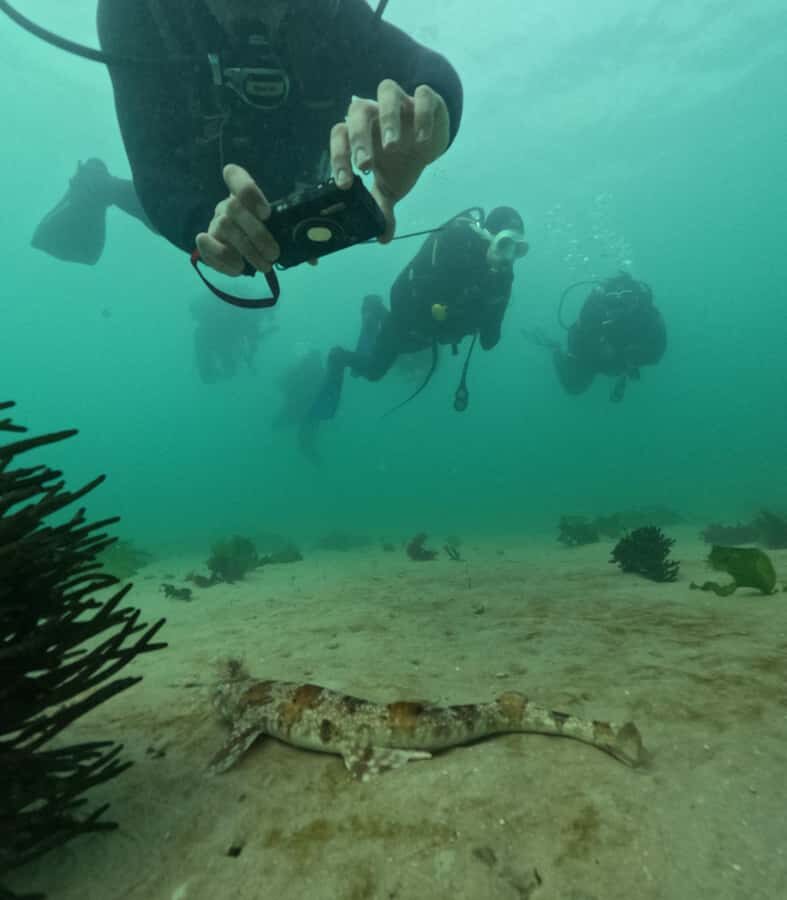
- Shark pattern photography feeds into Fin Spotter, aiming to estimate populations and movement
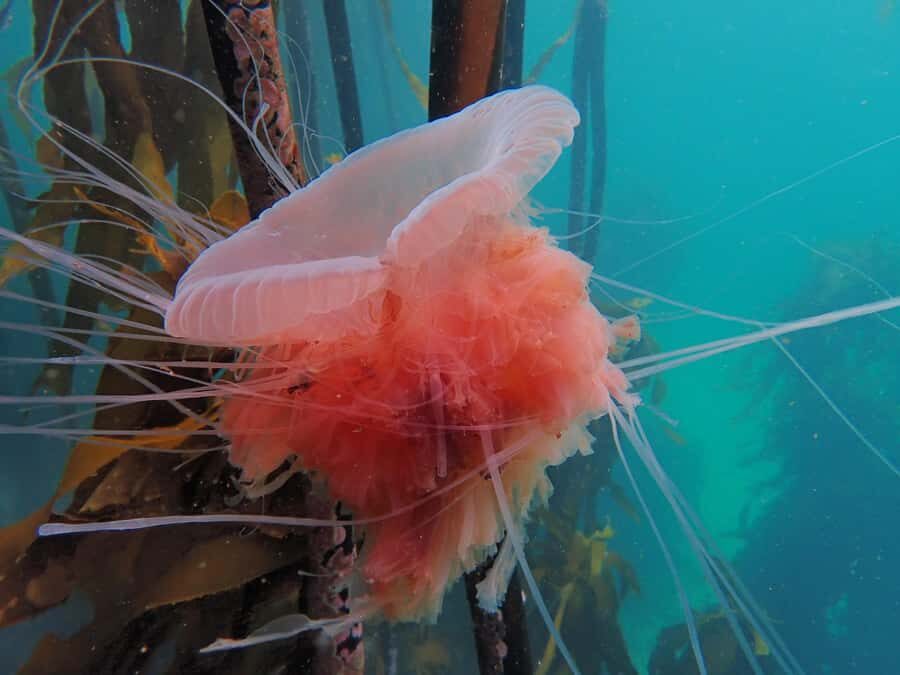
- Kelp forests of Simons Town and the Great African Sea Forest drive the whole search for life
- Citizen-science data collection can mean underwater slates for fish abundance too
- Small group limit of 10 helps with attention, gear checks, and question time
False Bay’s Great African Sea Forest: where the sharks hang out
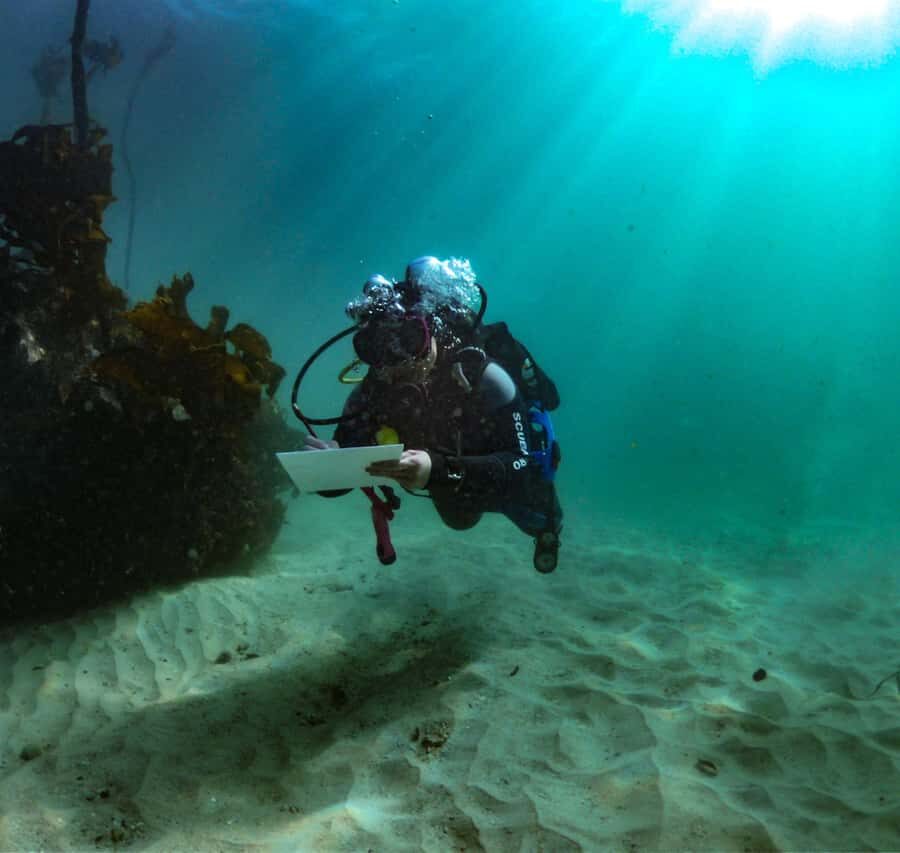
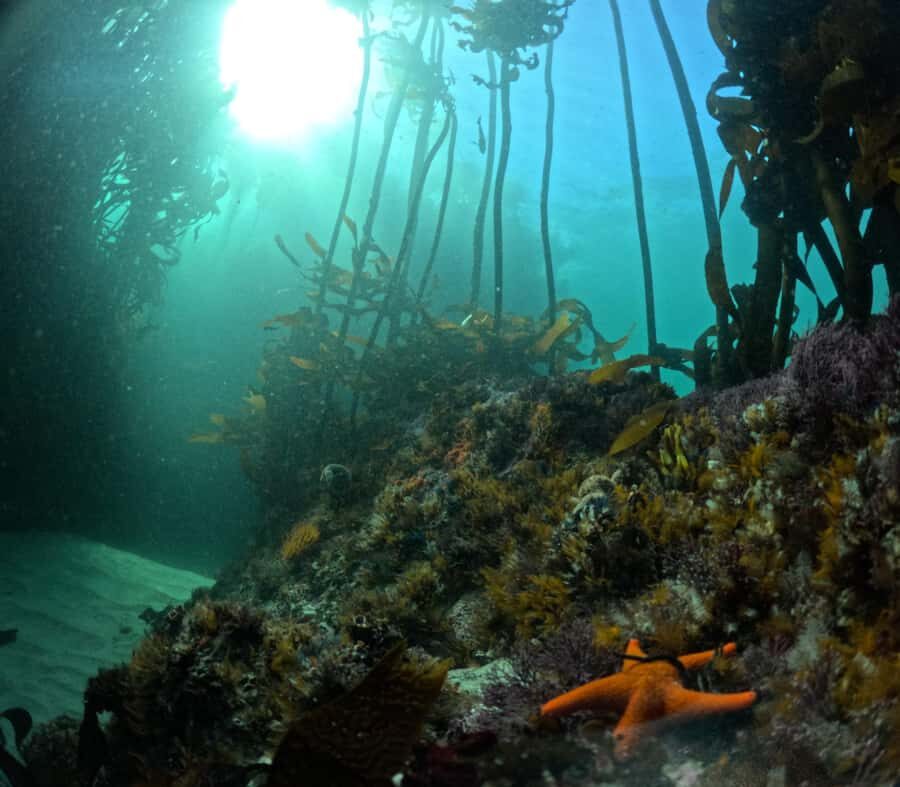
This experience is built around the kelp ecosystem of False Bay and the broader Great African Sea Forest. Kelp forests aren’t just pretty underwater scenery—they’re feeding grounds, shelter, and hunting territory. That’s why the science angle matters here: you’re searching in the habitat that supports the animals the team studies.
On your underwater route, you’re targeting animals that are known (or suspected) to use these kelp-rich waters. The briefing sets the tone: you’ll hear about the unique ecosystem first, before anyone asks you to perform tasks like recording abundance or photographing patterns.
Practical takeaway for you: kelp areas can look like “slow-moving grass” at first glance. The guide’s job is to help you read the water. If you want the experience to feel rewarding, go in ready to slow down, watch behavior, and follow the plan.
You can also read our reviews of more scuba diving tours in Cape Town
Ocean HUB in Simon’s Town: the setup before you go underwater
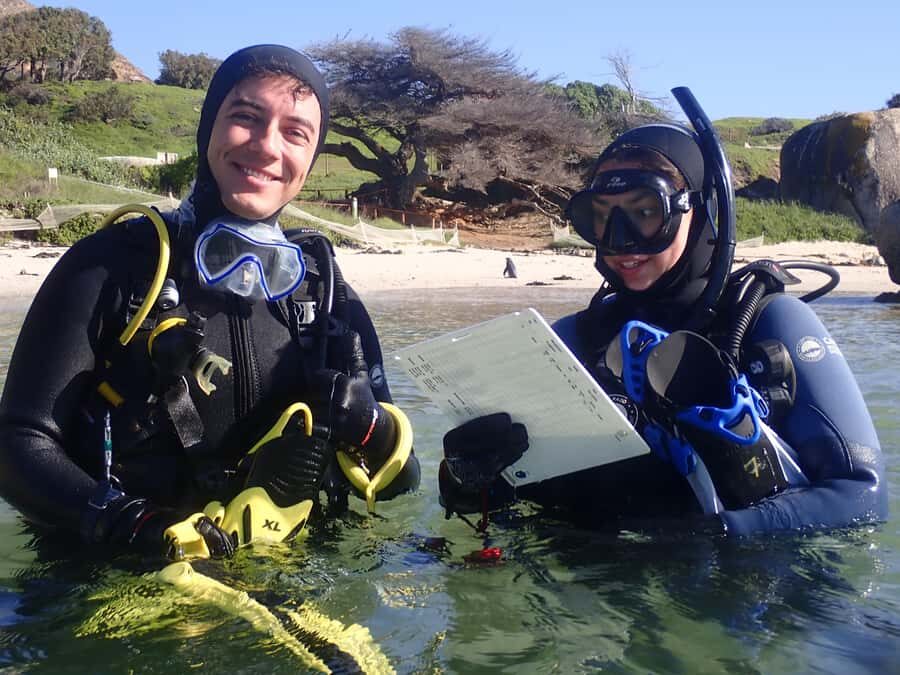
You’ll meet at the Ocean HUB in Simon’s Town, linked to 117 St George’s St and located in the parking lot of the False Bay Yacht Club under the Seven Seas Club building. Aim to arrive with a little buffer so your day starts calm.
Expect a short flow on land:
- A safety briefing (about 20 minutes)
- A briefing that frames the False Bay ecosystem and the day’s objectives
- Complimentary tea/coffee before you head out
One small detail that can make a big difference: this is a shore entry setup. That means you’re not relying on a boat ride to do the work. It’s simpler, but it also means your guide’s instructions and your buoyancy control matter a lot, since you’re going from land straight into the kelp zone.
Also, this isn’t a “wandering and hoping” experience. The plan uses predetermined water areas so the team can focus on the animals they’re studying. If you like structure, you’ll appreciate that.
Searching the kelp forest for sharks, rays, fish, and octopus
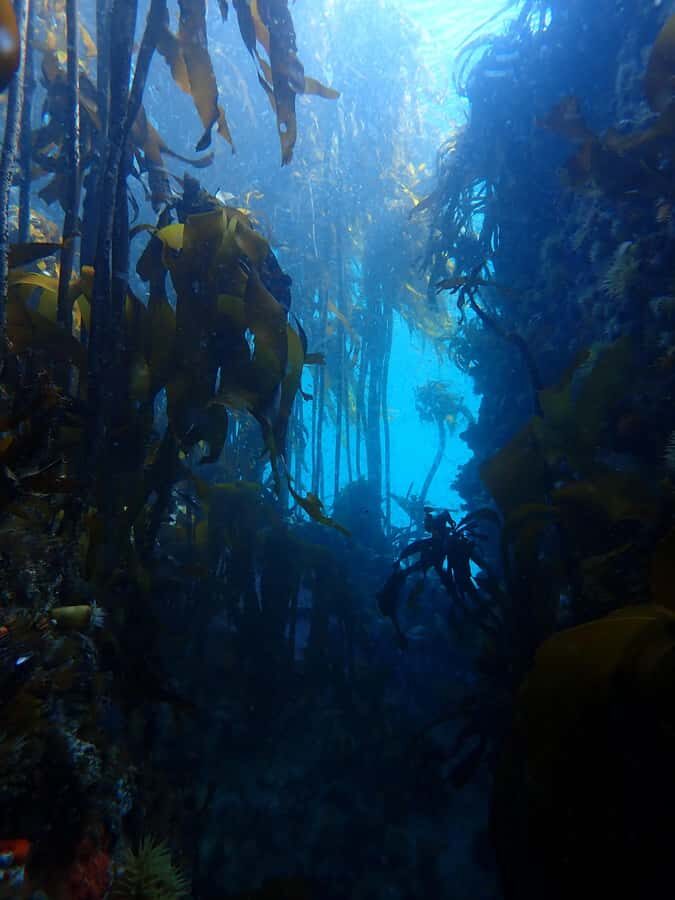
Once you’re suited up and briefed, the heart of the experience is the kelp forest search near Simons Town. This is where you’ll look for specific species and help with data collection.
What you’re hoping to spot
You’re not guaranteed any particular animal, but you’re specifically set up to search for:
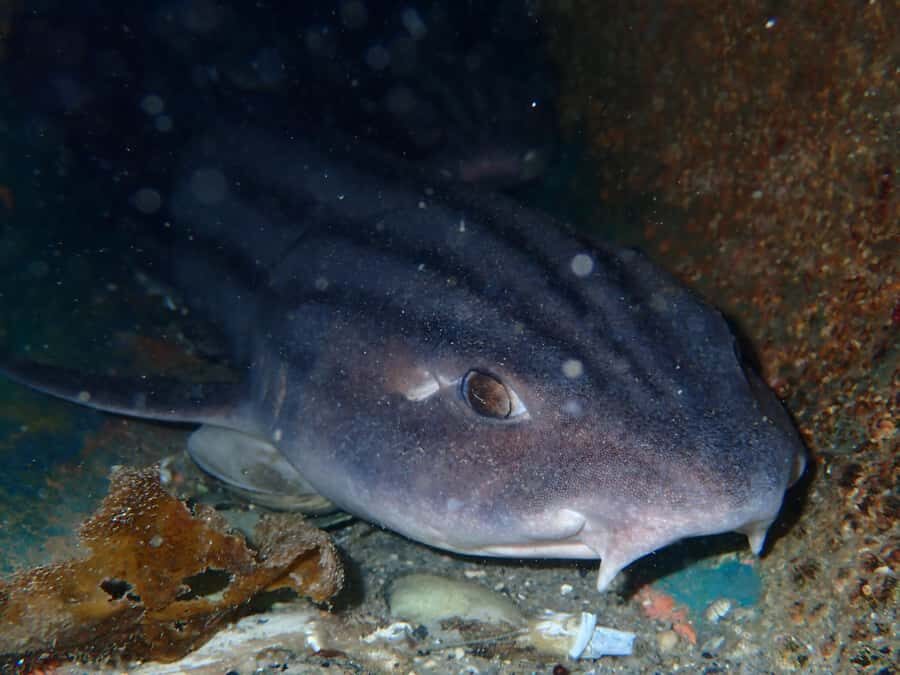
- Puffadder sharks
- Pyjama sharks
- Stingrays
- Sea breams
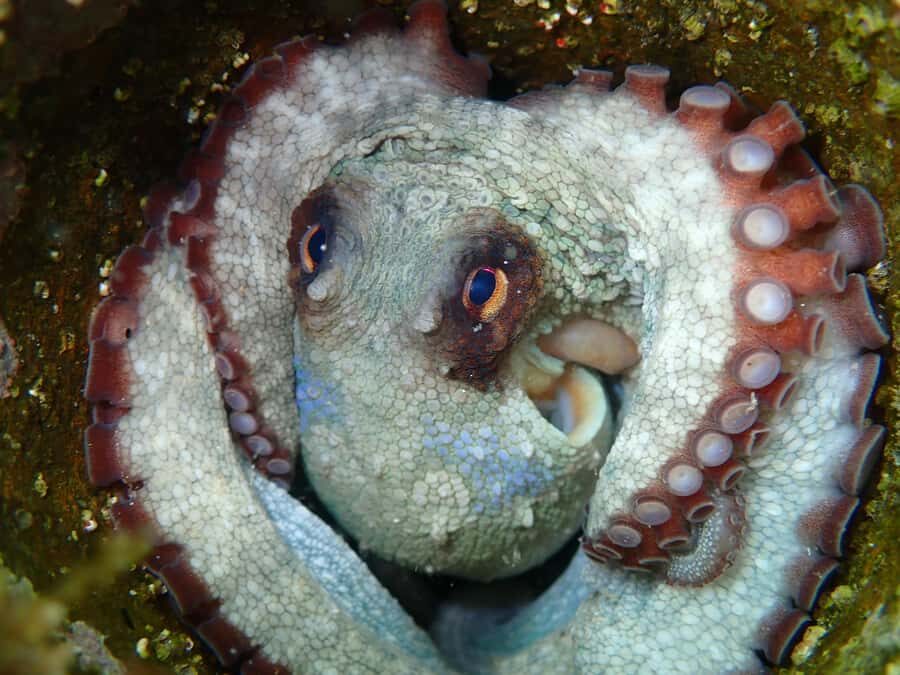
- Octopus
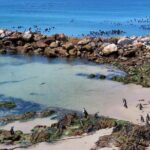
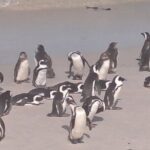
There’s also a real possibility of seeing other wildlife around the area, including penguins and sea otters at the dive site. That’s one of the fun parts of doing this in the local waters of the Cape Peninsula and False Bay—life isn’t limited to what’s in the kelp.
How you’ll contribute: shark patterns and fish abundance data
This is the “science” side that makes the outing feel more meaningful than a standard sightseeing session.
For shark-focused work, you’ll be encouraged to photograph shark patterns and then submit those images to Fin Spotter. The goal is to support estimates of population size and movement patterns. That matters because shark conservation often depends on understanding where animals go and how many of them are in an area.
For fish-focused data, you may use underwater data slates to record fish abundance. This kind of recording supports conservation planning by Cape RADD and helps the team track what’s happening in the kelp ecosystem over time.
Practical advice: if you’re bringing your own camera or housing, keep it simple. The best moments happen when you’re calm, buoyant, and ready to record what the guide points out.

Gear, safety checks, and the question you should ask first
Everything is included for you on the equipment side. That means all SCUBA gear is provided, and your guides handle the setup so you can focus on the water.
Safety is taken seriously. In at least some groups, the guide does an equipment buddy-check before you head in. That’s a good sign, because it reduces the “I thought it was fine” mistakes that can ruin a day.
Your instructor is English-speaking, and the group is capped at 10 participants. Small groups usually mean more time for questions and more hands-on attention when you’re adjusting gear or clearing your buoyancy.
Now the consideration part: the experience requires you to already have open-water SCUBA certification. It’s not suitable if you’re a brand-new diver or still working through basics. It’s also not a fit for people with back problems or heart problems, and it’s not designed for wheelchair users. Non-swimmers can’t participate either.
And here’s the thing you should confirm before you go:
- Ask whether you’ll receive any photos after the session and how that delivery works.
- If you’re expecting documentation or a certificate, ask what is (and isn’t) provided for your participation. Some people have felt disappointed when communication and follow-up didn’t match the details they expected.
If you want this to go smoothly, bring a clear expectation: you’re here for the science work and the kelp ecosystem search, not a guaranteed “photo album” experience.
Timing in Simon’s Town: from briefing to lunch time
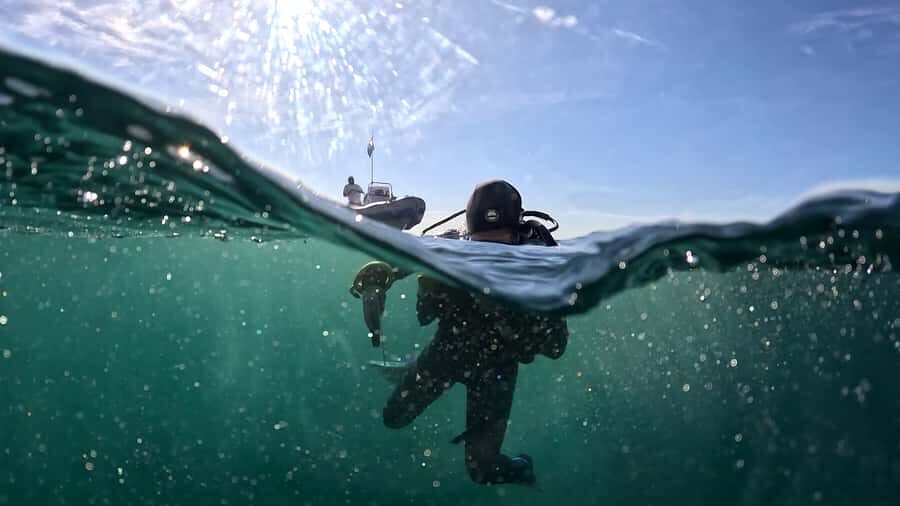
This is a short day. Even though it’s listed as 1 day, the actual on-water experience lasts about 3–3.5 hours. You should be done in time for lunch, around 12:30–13:00.
A typical flow goes like this:
- Meet around 9:30
- Safety briefing and ecosystem briefing, with tea/coffee
- Head into the kelp forest areas to carry out your search and data tasks
- Return to Cape RADD headquarters
Back on land, you’ll rinse off in a heated outdoor shower. That’s not a small perk—after cold water and kelp, being able to warm up matters. Then you’ll share stories and log your underwater session over a warm beverage. The team will also input the data collected into their database.
If you like finishing early and still having a full rest of the day for Cape Town sightseeing, this timing is a win.
Price and value: is $178 worth it?
At $178 per person for a morning session, you’re paying for a few things at once:
- Marine biologists leading the work
- A structured conservation component (Fin Spotter photo submissions and/or fish abundance recording)
- All SCUBA gear included
- A small group format (limit of 10)
- A “science + experience” package in a high-activity marine habitat
What you’re not paying for is transport to the meeting point or lunch, and of course SCUBA certification isn’t included. So your real value check depends on your situation.
This price tends to make sense if:
- You already have open-water certification and want a guided, purpose-driven outing
- You care about shark research and want to contribute in a practical way
- You’d rather pay for structure and gear support than manage logistics yourself
It might not be your best use of money if:
- You’re hoping for lots of extras like a certificate or consistent photo delivery and you don’t want to manage expectations
- You want a long, slow day on the water (this is efficient and ends in time for lunch)
Who should book, and who should skip?
This experience is a strong match for adults and older teens who:
- Have open-water SCUBA certification
- Prefer a small-group format
- Enjoy nature watching with a science mission
- Are okay with rules like not touching marine life or plants
It’s not suitable if you:
- Are under 10 years old
- Have back problems or heart problems
- Use a wheelchair
- Are a non-swimmer
- Don’t have SCUBA certification
If you’re sensitive to tight schedules, note that the session is time-focused and ends around early afternoon. This is also a morning start, so plan your sleep and energy accordingly.
Should you book this Shark Science SCUBA experience in Simon’s Town?
Yes, if your goal is to do more than “see sea life.” The value here comes from the science workflow: you’re in the kelp ecosystem where the animals are, and you’re helping collect data that supports conservation efforts. If you like structured guidance and you’re comfortable underwater, you’ll likely find it genuinely rewarding.
I’d think twice if you’re depending on guaranteed follow-up deliverables like photos or certificates, or if your plan includes people who don’t meet the certification and health requirements. In those cases, ask pointed questions before booking so the day matches what you’re expecting.
If you do book, go in ready for kelp watching, calm buoyancy, and the chance to photograph shark patterns for Fin Spotter. That combination is what turns a morning in False Bay into a story with purpose.
FAQ
Where is the meeting point for this experience?
You’ll meet in the parking lot of the False Bay Yacht Club, under the Seven Seas Club building in Simon’s Town.
What address should I use when planning my arrival?
The starting location is listed as 117 St George’s St.
What time does the experience start?
You’ll meet at about 9:30.
How long does the experience last?
It lasts about 3 to 3.5 hours, and you should be done around 12:30 to 13:00.
What’s included in the price?
A guided SCUBA experience with marine biologists, a briefing on the ecosystem, opportunities to photograph sharks and submit data, exploration of the kelp forests, and all diving gear.
Do I need SCUBA certification?
Yes. You must be a qualified open-water SCUBA diver. Certification is not included.
What marine animals are you looking for?
The plan includes searches for puffadder sharks, pyjama sharks, stingrays, sea breams, and octopus.
How do I contribute to the project?
You may photograph shark patterns to submit to Fin Spotter, and you may also record fish abundance using underwater data slates.
What should I bring?
Bring a hat, swimwear, a towel, snacks, sunscreen, and water.
Is touching marine life or plants allowed?
No. Touching marine life and plants is not allowed.