REVIEW · CAPE TOWN
Catch your first waves in Cape Town
Book on GetYourGuide →Operated by Surf Life Surf School PTY Ltd · Bookable on GetYourGuide
First wave jitters vanish fast. This 90-minute surf session at Cape Town’s Big Bay is built for real beginners, with winning pop-up coaching and wave-reading tips that help you catch more of the right swells instead of just paddling harder. I like that it’s private (solo or up to six people), so you’re not stuck competing for attention while the ocean does its own thing.
One thing to keep in mind: it’s weather- and sea-condition dependent, so you’ll want a little flexibility in your schedule. Also, there’s no transport included, so you need to plan your ride and parking time near Eden on the Bay.
In This Review
- Key things to know before you go
- Cape Town’s Big Bay surf spot: why Eden on the Bay is a smart start
- What you actually learn: the winning pop-up and catching more waves
- Surf safety and board handling: the calm part before the chaos
- The 90-minute flow: how the lesson builds your confidence
- Gear and wetsuit reality: what’s included (and what’s on you)
- Private group coaching: solo traveler or up to six people
- Price and value: does $52 make sense for a beginner lesson?
- Meeting point reality: arrive early and plan your ride
- Weather and sea conditions: what happens if it changes
- Who this surf lesson suits best (and who should skip it)
- Practical prep checklist for a smoother first surf day
- Should you book Have a Go in Cape Town’s Big Bay?
- FAQ
- How long is the surf lesson?
- Where do I meet the surf school?
- What’s included in the price?
- Do I need surfing experience?
- Does the lesson include transport to and from the beach?
- What should I bring and wear?
Key things to know before you go
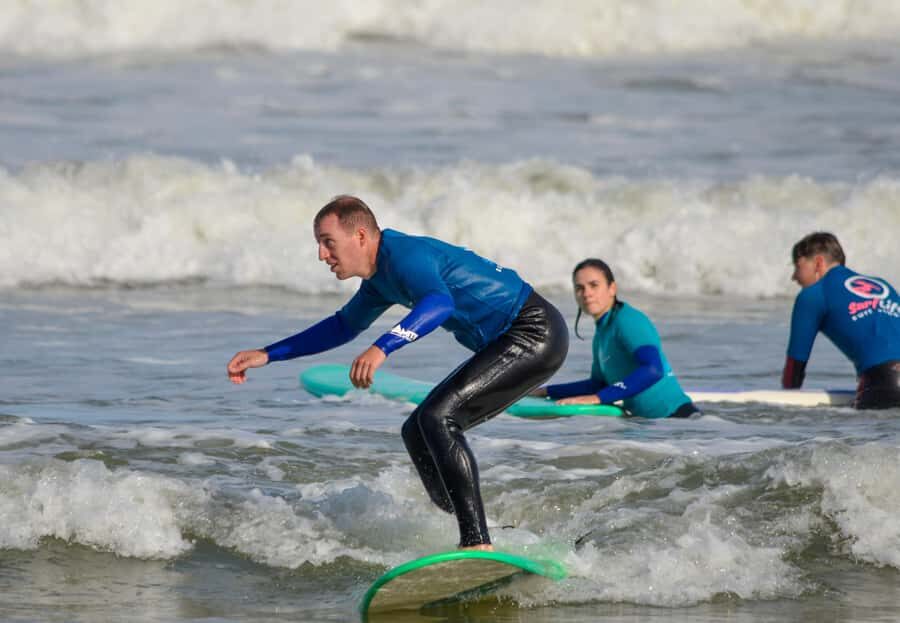
- Winning pop-up technique: You’ll focus on the exact movement that helps first-timers stand up faster
- Read where and when to catch waves: You learn not just how to pop up, but how to pick the right waves
- Surf safety and board control: You start with handling your board in and out of the ocean
- Steering left and right: Once you’re up, you practice controlling direction on a wave
- Private coaching up to six: Solo travelers can request extra 1-on-1 time during booking
Cape Town’s Big Bay surf spot: why Eden on the Bay is a smart start
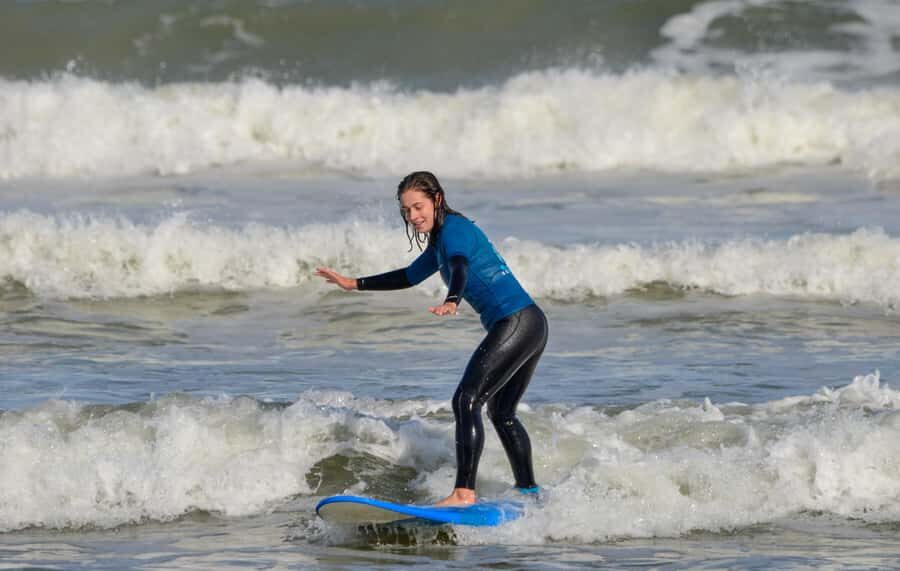
Big Bay (Bloubergstrand) is a classic Cape Town surf area for a reason. The session meets at Eden on the Bay, in the big parking lot at Hang Ten Drive, right by the lifesaving club and even near a KFC takeout. That matters because a first surf lesson is chaotic enough without adding a complicated “where do we go” puzzle.
You’re on the beach fast, you’re in wetsuit mode fast, and you get coaching that’s designed for quick learning. One review even noted that the experience included fun extras like seeing a seal in the water—small moment, but it captures the vibe: you’re not just learning a skill, you’re getting pulled into the ocean-world around you.
This lesson is all year round, too. Cape Town water can be chilly, but the structure stays the same: you’ll get instruction, board time, and repeated chances to apply technique rather than a single demo and a long wait.
You can also read our reviews of more tours and experiences in Cape Town.


What you actually learn: the winning pop-up and catching more waves
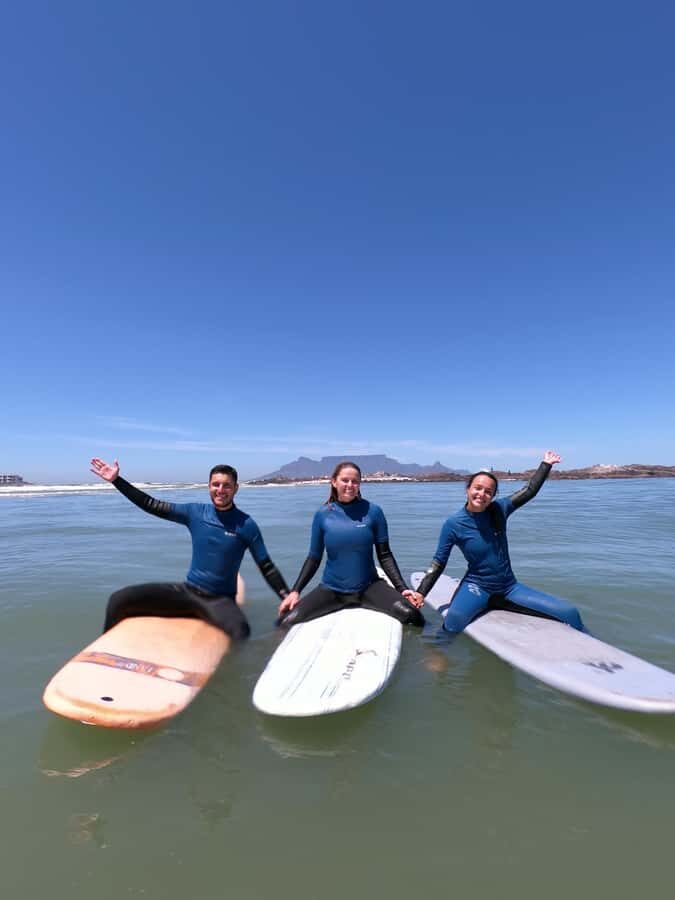
The core of this lesson is the pop-up technique. Not generic advice like push up and stand when you can—this one is about a specific pop-up approach that’s helped hundreds of students catch their first wave. For a beginner, that’s huge. Most people don’t fail because they’re “bad.” They fail because timing, body position, and wave selection are mixed up.
You’ll start building your approach from the ground up. The session includes an overview of your surfboard and how to handle it in and out of the ocean, then it moves into the pop-up mechanics. The aim is simple: help you go from paddling to standing with more consistency and less hesitation.
Then you layer in wave reading. You’ll learn where and when to catch waves, which boosts confidence fast. When you can predict the next good moment, you stop burning energy on every swell that passes. That’s how you “read and catch more waves” instead of just enduring a workout.
If you’ve had lessons before, the instructor assesses your current ability at the start and coaches you to progress. That’s good news if you’re not brand new and you want focused improvement rather than repeating basics.
Surf safety and board handling: the calm part before the chaos
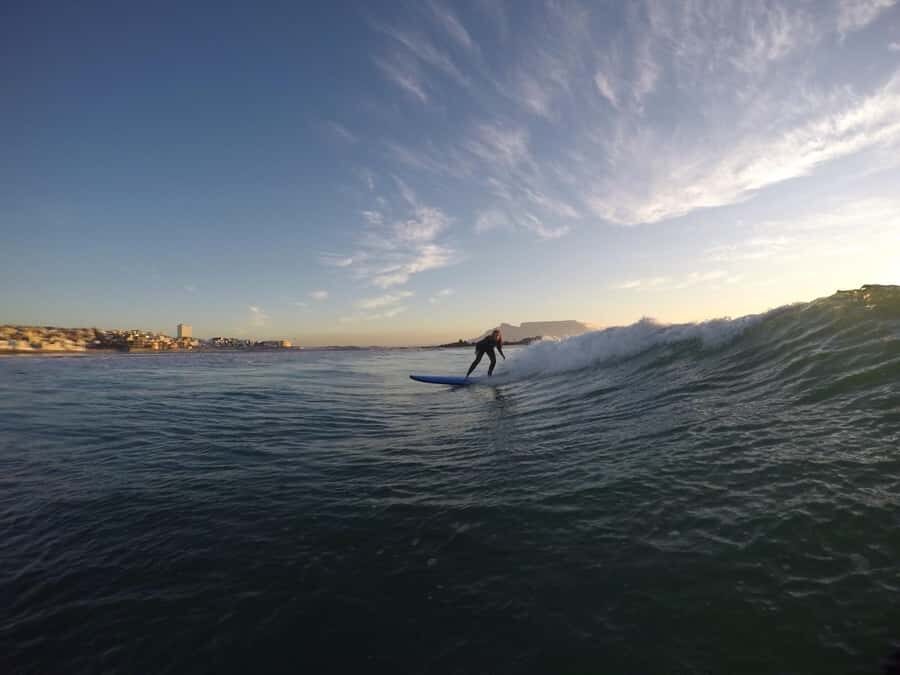
Before you rush into the fun part, you’ll get the safety basics and board control training. This isn’t only about preventing accidents (though that’s important). It’s also about making you feel in control.
You’ll cover:
- Surf safety (so you know how to behave in the water)
- How to handle your surf equipment through the waves (so the board doesn’t become an extra obstacle)
- Starting-board skills for handling the surfboard in and out of the ocean
That “equipment through the waves” piece is the sort of thing beginners often don’t realize is blocking them. If you’re fighting your board position or losing control at the wrong moment, you spend all your energy surviving rather than surfing. Good coaching here helps everything else work better.
You also get into steering on the wave. Once you pop up, the lesson doesn’t stop at standing. You’ll learn how to steer left and right on a wave. That direction control is what turns one clumsy ride into something that feels like actual surfing.
The 90-minute flow: how the lesson builds your confidence
This is a 1.5-hour lesson, and that time is used for progression. You’re not just “out there for an hour.” You’ll move through stages that build from understanding to execution.
Here’s the typical learning rhythm you can expect:
1) Arrival and check-in at the grass area in the big parking lot at Hang Ten Drive
2) Board overview: handling your surfboard and getting comfortable moving with it
3) Safety and technique focus so you can paddle and position yourself with less guesswork
4) Pop-up practice using a winning method (the key skill for first rides)
5) Wave reading and catching more waves (so you spend energy on the right swells)
6) Steering left and right once you’re up, for real control
7) A lot of time spent actually trying, not just listening
Non-paying spectators can watch from the beach, but they can’t participate. That’s useful if you’re traveling with family and friends who want to cheer rather than scramble into gear.
Also, the instruction is in Afrikaans and English, so you can expect clear communication either way.
Gear and wetsuit reality: what’s included (and what’s on you)
Included in the lesson is the equipment that matters most: a surfboard and a 4/3mm wetsuit. That wetsuit thickness is a big deal in Cape Town. It helps you stay comfortable enough to keep practicing instead of getting cold and calling it.
What you bring makes your day smoother after you’re done, because your body will need a warm reset. Pack:
- Swimwear (so you’re ready to change fast)
- A towel
- A dry set of swimwear to change into after
- Sunscreen (and consider biodegradable sunscreen since that’s allowed)
- Warm clothes if you get cold easily
A reusable water bottle is also a smart move. The lesson doesn’t include water or meals, so plan to hydrate before and after.
If you bring a camera, just know you’ll likely want waterproof handling for beach-and-surf conditions. Sunglasses and a hat also help with the Cape Town sun between sessions.


Private group coaching: solo traveler or up to six people
This is one of the reasons the lesson feels approachable. It’s not a crowded cattle-call class. You can book as a solo traveler (and if you want 1-on-1 coaching, you should state that during booking). Or you can book a private group with friends and family—up to six people per group.
That smaller group size changes the learning experience in practical ways:
- You get more individual coaching time when your pop-up needs fixing
- The instructor can adjust tips to your specific mistakes and progress
- You spend less time waiting and more time on the waves
One extra detail that’s easy to overlook: the lesson can include an assessment if you’ve surfed before. So you don’t have to pretend you’re brand new to benefit from the instruction.
Price and value: does $52 make sense for a beginner lesson?
At around $52 per person for 90 minutes, this is priced in the “serious try-it” range, not the “tourist photo moment” range. The value comes from what’s included: surf instruction plus surfboard and a wetsuit for the whole lesson.
What’s not included is also straightforward: transport, meals, snacks, and drinks, plus items like towel and sunscreen (you’ll bring those). That means your biggest cost after the lesson is getting yourself there and being prepared with basic essentials.
If you’re comparing surf experiences, focus on coaching time and equipment. This lesson gives you technique training aimed at standing up and catching waves, not just a board ride with minimal instruction. For many first-timers, better technique leads to more successful rides, and that’s what makes the lesson feel worth it.
Meeting point reality: arrive early and plan your ride
You’ll meet in the big parking lot at Hang Ten Drive, Eden on the Bay, Big Bay, in the grass area. Look for the Surf Life Surf School car. Arrive 15 minutes early so you can get sorted without rushing.
Transport isn’t included, so you’ll need your own rental vehicle or Uber. Plan for time: Uber or personal transport can take 35–45 minutes depending on traffic, and parking at Eden on the Bay can be tight on weekends. If you’re coming by car, give yourself extra buffer to find a parking bay.
If you’re traveling with valuables, the safest approach is to leave them at accommodation. There’s an option to leave small items in the Surf Life vehicle (like phone or keys), but it’s at your own risk. I treat that as a convenience, not a guarantee.
Weather and sea conditions: what happens if it changes
Surf lessons here run all year, but the ocean decides the final conditions. The session can be cancelled only if the ocean is too rough for surfing or if there’s lightning. That’s the right kind of safety rule—if you’re worried about wasting money, build some flexibility in your plan.
Because the weather and sea decide whether surfing is possible, you should think of this as an ocean activity, not a fixed “always happens at 10:00” show. When it does run, it’s because conditions are workable for training and safety.
Who this surf lesson suits best (and who should skip it)
This is built for beginners and early-stage surfers. There’s no experience requirement, and there’s no fitness requirement listed. The minimum age is 8 years.
It’s a strong fit if:
- You’re new and want coaching focused on standing up and catching your first waves
- You want to learn wave reading and steering, not only paddling
- You like private, smaller-group attention
It may not be right if you fall into categories listed as not suitable:
- Non-swimmers
- Pregnant women
- People with back problems, heart problems, vertigo, or respiratory issues
- People who have seasickness/motion sickness or are prone to it
- People with recent surgeries
- If you’re dealing with a cold or high blood pressure
If you’re unsure, it’s worth taking the health notes seriously. Surfing can be physical, and being honest about your body means the day stays fun instead of risky.
Practical prep checklist for a smoother first surf day
To keep your lesson focused on surfing (not sorting your stuff), pack like this:
- Swimwear and dry clothes after
- Towel
- Sunscreen (biodegradable if you have it)
- Water bottle
- Warm layer if you get cold
- Any emergency medication you need (like an asthma pump or Epipen)
- Hat and sunglasses for the walk and waiting time
If you’re bringing a camera, consider a waterproof setup. And please don’t show up intoxicated or with alcohol/drugs—this is a safety-first sport.
Also, bring a hair tie if you’ll need it. Small stuff, big comfort.
Should you book Have a Go in Cape Town’s Big Bay?
I’d book this if you want a first surf lesson that focuses on the skills that matter: a winning pop-up, wave reading, safety, and the basics of steering left and right. The private setup for solo travelers or small groups is a smart match for people who want real coaching time.
Skip it or reconsider if you don’t meet the listed suitability guidelines, or if you hate having your day depend on the ocean. And since transport and food aren’t included, make sure you’re set for getting to Eden on the Bay and refueling afterward.
If you’re in Cape Town and you want to trade guesswork for coaching that helps you actually catch waves, this is one of the more practical ways to start.
FAQ
How long is the surf lesson?
It’s a 90-minute lesson.
Where do I meet the surf school?
You meet at the big parking lot at Hang Ten Drive, Eden on the Bay, Big Bay. You’ll be met in the grass area, and you should look for the Surf Life Surf School car.
What’s included in the price?
The lesson includes surf instruction and the use of a surfboard and a 4/3mm wetsuit.
Do I need surfing experience?
No. There’s no experience requirement. If you’ve had lessons before, your ability is assessed at the beginning and the coaching focuses on what to improve.
Does the lesson include transport to and from the beach?
No. Transport is not included. You’ll need to get yourself there, such as by Uber or rental vehicle.
What should I bring and wear?
Wear swimwear. Bring a towel and a dry set of swimwear for after, plus sunscreen. A reusable water bottle is also a good idea since water and refreshments aren’t included. Warm clothing can help if you get cold easily.