REVIEW · CAPE TOWN
Ferry Tour to Robben Island Museum with One Way Hotel Transfer
Book on Viator →Operated by Giraffe Horizons · Bookable on Viator
Robben Island hits fast—then stays with you. I love the former political prisoner-led guiding and the way the tour turns apartheid history into real, human stories. I also like that you get a focused visit to Nelson Mandela’s cell, not just a quick photo stop.
You start with a scenic ferry ride from the V&A Waterfront, usually with clear views toward Table Mountain and the coastline. The main downside to plan for is that getting your tickets can take time at the ferry/museum ticket counter—think 20 to 30 minutes if there’s a line.
This is a compact, high-impact half-day: a ferry over, a guided bus tour, a prison tour, and a bit of walking, all in about 4 hours 30 minutes. With a maximum of 20 travelers and admission included for the Robben Island Museum experience, it’s a solid value if you’re ready for a serious education.
In This Review
- Key highlights you’ll care about
- The V&A Waterfront ferry ride sets the tone in 30–45 minutes
- Guided bus tour: seeing the quarry and understanding the system
- The maximum-security prison tour is the heart of the experience
- Mandela’s cell: when the story becomes personal
- Timing, walking, and group limits: what “4 hours 30 minutes” feels like
- Price and what you actually get for $82.32 per person
- Ticket timing: the one snag to plan for
- Who this Robben Island tour is best for
- Should you book this Robben Island ferry tour?
- FAQ
- FAQ
- Where does the tour start and end?
- How long is the tour?
- How long is the ferry ride to Robben Island?
- What parts of Robben Island are included in the guided program?
- Is admission included?
- What is included in the price?
- Is hotel pickup and drop-off included?
- Do I need good weather for this tour?
- How big are the groups?
- Is the tour wheelchair-accessible?
- Is the tour refundable if plans change?
- Do South African nationals need to bring an ID?
Key highlights you’ll care about
- Former political prisoner guides who share personal, lived details
- UNESCO Robben Island Museum access with guided bus and prison segments
- Nelson Mandela’s cell visit after the larger island context is set
- V&A Waterfront ferry ride (30–45 minutes each way) with classic Cape Town views
- Small group size (max 20) for a more controlled, respectful pace
The V&A Waterfront ferry ride sets the tone in 30–45 minutes
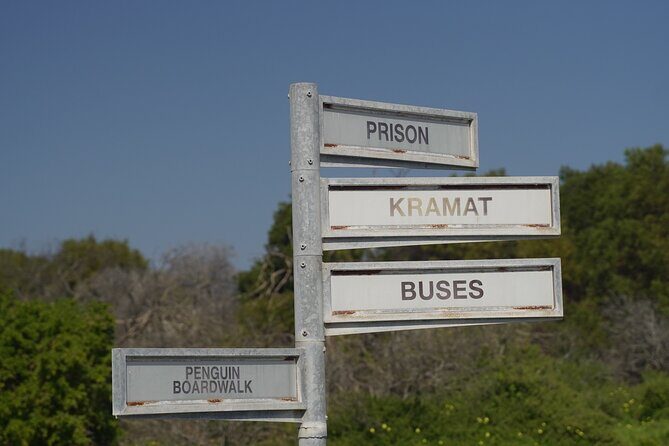
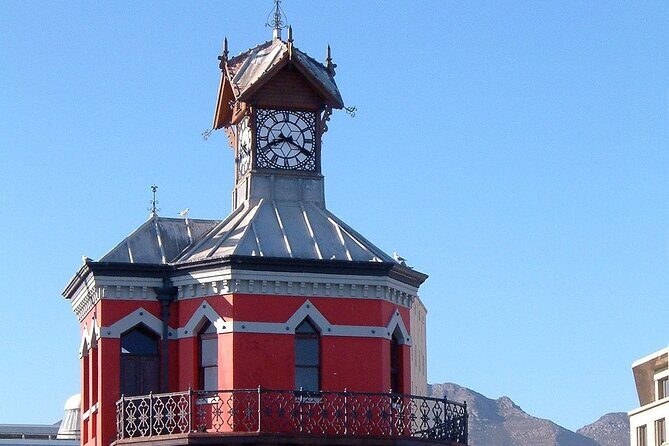
The tour begins at the Nelson Mandela Gateway at the V&A Waterfront. You’ll take the ferry out to Robben Island, and that ride is built into the experience instead of being dead time. Plan for about 30 to 45 minutes each way on the water, and use that time to get your bearings.
Cape Town’s coastline and Table Mountain often frame the route, which makes the whole trip feel more grounded and less like a “tour bus excursion.” That matters because Robben Island is not entertainment. The views help you understand the geography—this place wasn’t hidden. It was right there, visible, reachable, and used to enforce power.
A practical tip: bring a light layer. Ferry wind can change quickly, and you’ll want to feel comfortable during the wait and the short walk segments on the island.
You can also read our reviews of more museum experiences in Cape Town


Guided bus tour: seeing the quarry and understanding the system
Once you arrive, the tour shifts into a guided bus tour around key island sites, with about 1 hour allocated here. The stop that usually makes people pause is the limestone quarry, where political prisoners (including Nelson Mandela) were forced to work.
This part works because it gives context before you step into the prison reality. The quarry isn’t just a location—it’s a window into how the system tried to break people physically and mentally. A bus tour also helps you cover ground efficiently. Robben Island is not small, and you’d lose time trying to piece the story together alone.
What to watch for: listen closely to the personal stories tied to each site. Even when you’re riding, the guide’s narrative shapes how you understand the landscape. The quarry and the surrounding routes connect the big idea—apartheid imprisonment and resistance—into something you can actually visualize.
One consideration: the storytelling is intense. If you’re someone who gets overwhelmed easily, give yourself permission to take a slower moment during the bus stops. You’re going to want to absorb what you’re hearing.
The maximum-security prison tour is the heart of the experience
The highlight is the prison tour, also about 1 hour, and it’s often led by a guide who was a political prisoner. That’s a big deal. You’re not getting a textbook summary. You’re hearing first-hand descriptions of how daily life under maximum security worked, what messages prisoners had to carry, and what resistance meant when your choices were tightly controlled.
You’ll visit the prison area and hear stories that bring the place to life in a way that’s hard to recreate any other way. It’s emotionally heavy, but it’s also one of the most powerful forms of education travel offers: you walk through a space and hear the human details that explain how it functioned.
A key value here is authenticity. A former political prisoner guiding you doesn’t just add credibility—it changes the tone. The guide tends to focus on what mattered: what the rules did to people, what solidarity looked like, and how dignity was held onto even inside a system designed to erase it.
Plan for respectful quiet. This isn’t the kind of place where you want to rush for selfies. If you go in thinking you’ll “just get through it,” you’ll miss the point.
Mandela’s cell: when the story becomes personal
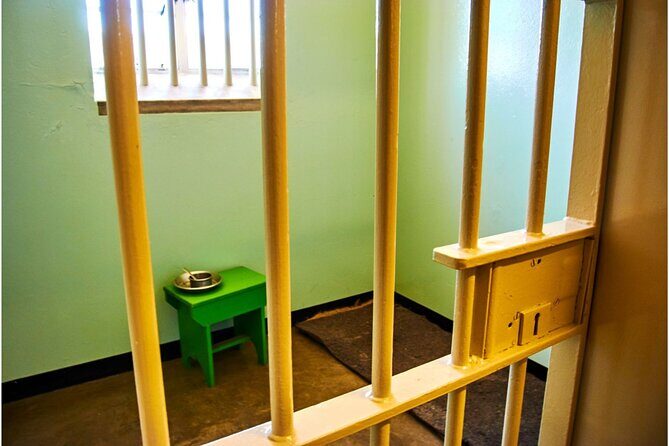
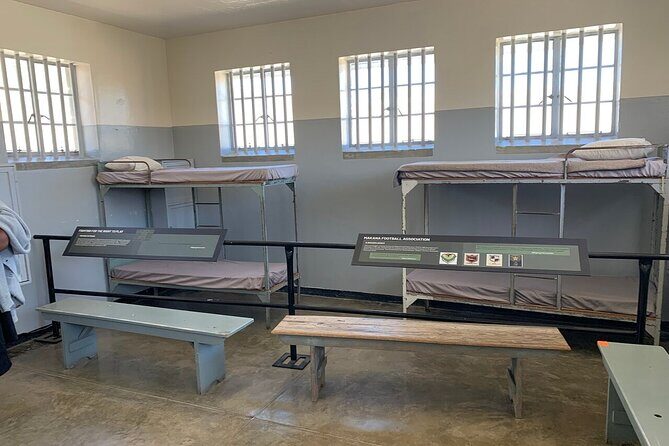
After the prison segment, you’ll move to Nelson Mandela’s cell, with about 30 minutes for this stop. This is the moment many people remember most because it compresses decades of struggle into a single, specific space.
The cell visit is emotionally significant because you’re seeing part of the reality of imprisonment—Mandela spent 18 of his 27 years in prison here. That number gives weight to the experience. It’s not just a highlight item. It’s a reminder of what it costs to resist in a world that intends to punish resistance.
How to make this stop meaningful: slow down. Look longer than you think you need to. Read what you can, but also listen to the way the guide frames the cell within the larger island story you already heard.
It also helps to think of this segment as a pause. The tour builds from context (quarry and island layout), moves into prison life (how it worked), then lands on Mandela’s specific confinement. That order is smart. It makes the last stop hit harder.
Timing, walking, and group limits: what “4 hours 30 minutes” feels like
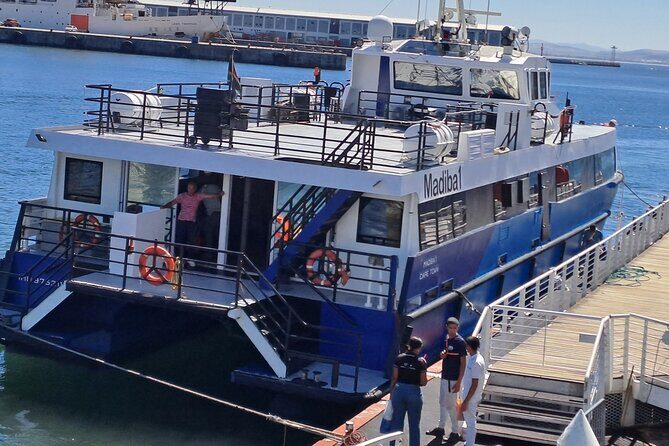
Overall, the experience runs about 4 hours 30 minutes (approx.). The flow is straightforward: ferry over, guided bus tour, guided prison tour, Mandela’s cell, then time for walking between the bus stops and back to the next segment (about 30 minutes).
The day doesn’t feel like a long day, but it does feel full. It’s a good half-day plan if you’re also doing other Cape Town basics. Just don’t schedule back-to-back activities that require you to be “fresh and ready” right after. You’ll likely need a bit of decompression time.
Group size is capped at 20 travelers, which usually helps with control and reduces crowding compared with bigger group operations. That matters in a place like Robben Island, where you want space to hear and process.
Weather is also a real factor. The experience is said to require good weather. If conditions are poor, you’ll be offered a different date or a full refund. That’s worth taking seriously, because ferry operations depend on sea conditions.
Practical packing ideas for comfort:
- Wear shoes you can walk in easily (you’ll do short walks between sections)
- Bring a light jacket for ferry wind
- Keep water and a snack plan in mind, since the tour is a set block of time
A few more Cape Town tours and experiences worth a look




Price and what you actually get for $82.32 per person
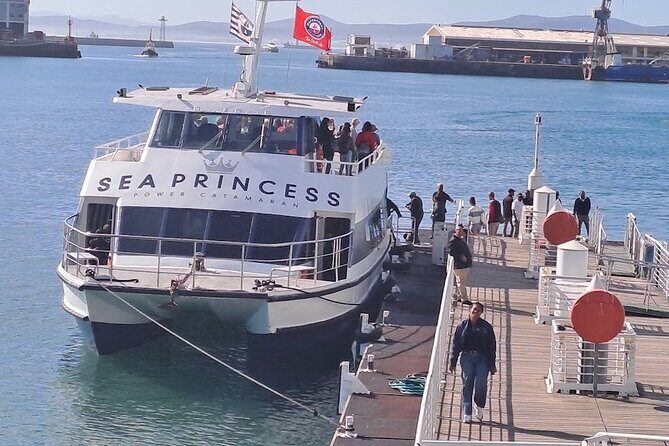
At $82.32 per person, you’re paying for more than just a boat ride. Admission is included for the Robben Island Museum components tied to the tour. The tour also includes the return ferry ticket, plus a guided bus tour and the prison tour led by the guide.
This is where the value makes sense: the most expensive parts of the experience aren’t only the sites—they’re the interpretive storytelling. A former political prisoner guide adds educational weight that you don’t get from a self-guided visit.
You also get group discounts, and the tour is limited to a maximum of 20 travelers. Smaller group size and included guidance usually raise the quality per minute you spend there.
One thing to note: hotel transfer isn’t listed as included in the details you have here. The meeting and redemption point are at the Nelson Mandela Gateway at the V&A Waterfront, and the activity ends back at the meeting point. So you’ll want to plan your own route to get there.
Also, the average booking window is about 14 days in advance. I’d take that as a hint: don’t wait until the last minute if your schedule is tight.
Ticket timing: the one snag to plan for
The single most practical piece of advice from the real-world experience around this tour is simple: build extra time at the ticket counter.
The process of actually obtaining tickets can take 20 to 30 minutes, especially if there’s a line. Since your tour schedule depends on boarding and ferry timings, arriving with a cushion is smart. Don’t show up thinking you’ll stroll up and be on your way in five minutes.
If you hate waiting, treat this as a “get there early” mission. Set aside time to redeem tickets smoothly, then relax for the ferry portion once you’re confirmed.
Who this Robben Island tour is best for
This tour is ideal if you want historical accuracy with real human voices. If you care about the apartheid era, civil rights struggles, and how resistance is remembered, this is the kind of experience that gives you more than names and dates.
It’s also a good fit if:
- You prefer guided structure over self-paced exploration
- You want a visit to key sites in a short time window
- You like tours that have a clear story arc: context → prison reality → Mandela’s specific cell
It may be less ideal if you’re seeking a light, casual sightseeing day. This is educational and emotionally serious.
Should you book this Robben Island ferry tour?
I’d book it if you want a guided, admission-included Robben Island experience that centers on first-hand storytelling. The combination of the ferry from the V&A Waterfront, a bus tour with major sites like the quarry, the maximum-security prison tour, and the Mandela cell stop makes it efficient and meaningful for a half-day.
Book it with one condition: come prepared for ticket counter timing. Arrive early enough to handle the ticket process, and don’t stack a tight schedule right after your return.
If you’re the type who values authenticity—especially when it comes to difficult history—this tour is hard to beat for the price and time.
FAQ
FAQ
Where does the tour start and end?
The tour starts at the Nelson Mandela Gateway to Robben Island at the V&A Waterfront in Cape Town. It ends back at the same meeting point.
How long is the tour?
The duration is about 4 hours 30 minutes (approx.).
How long is the ferry ride to Robben Island?
The ferry ride is about 30 to 45 minutes each way.
What parts of Robben Island are included in the guided program?
You’ll do a guided bus tour of the island, a prison tour, and a visit to Nelson Mandela’s cell, plus some walking between bus segments.
Is admission included?
Yes. Admission tickets for the Robben Island Museum segments are included in the tour.
What is included in the price?
The tour includes the return ferry ticket, the guided tour with a former political prisoner, and the bus tour.
Is hotel pickup and drop-off included?
Hotel pickup and drop-off are not included. The tour meets at the V&A Waterfront meeting point.
Do I need good weather for this tour?
Yes. The experience requires good weather, and if it’s canceled due to poor weather, you’ll be offered a different date or a full refund.
How big are the groups?
The maximum group size is 20 travelers.
Is the tour wheelchair-accessible?
Accessibility details are not provided in the tour information you shared, so you’ll need to confirm specifics with the provider.
Is the tour refundable if plans change?
Cancellation is free up to 24 hours in advance for a full refund.
Do South African nationals need to bring an ID?
Yes. For South African nationals, you must provide the identification card with the 13 card number.