REVIEW · CAPE TOWN
Franschhoek wine Tram & Stellenbosch Town Full day tour
Book on Viator →Operated by Cape Archives Tours · Bookable on Viator
One day, two towns, and a wine tram.
What I like most is the hotel pickup/drop-off that gets you out of Cape Town smoothly, and the Franschhoek Wine Tram that turns wine-hopping into a low-effort, scenic ride. The main catch: wine tasting costs are usually extra unless you choose a tasting-inclusive option, and the exact number you do can depend on timing.
Expect a long, satisfying 9 to 10 hours with a small group (max 12). It’s priced at $74.77 per person, and that number feels fair because tram tickets, a qualified guide, and bottled water are included, while tastings stay optional. Guides on this route are often praised by name too, including Peter, Candy, Mabee, Rodney, and Joseph.
In This Review
- Key moments that make this tour worth it
- How this Winelands day stays fun instead of chaotic
- Stellenbosch on foot: Cape Dutch streets and a quick reset
- Lanzerac Wine Estate: chocolate and a very specific kind of history
- Tokara Wine Estate: views, olive oil, and modern tastings
- Franschhoek town break: French Corner, mountains, and lunch time
- The Wine Tram in Franschhoek: how you get real choice
- Rickety Bridge by tractor: an option-rich stop
- Franschhoek Cellar: wine-and-cheese or Belgian chocolate pairings
- The Mandela prison memorial: a quiet moment before Cape Town
- Price and value: what you’re really paying for
- Pace, drinks, and small-group sanity checks
- Who should book this tour, and who should look elsewhere
- Should you book this tour?
- FAQ
- Do I get pickup and drop-off from Cape Town?
- How long is the tour?
- What’s included in the price?
- Is lunch included?
- Can I do wine tastings at all the stops?
- What is the maximum group size?
- How does the Wine Tram part work?
- Will the tram or wineries run if weather is bad?
Key moments that make this tour worth it
- Small group vibe (max 12): less waiting, easier to hear your guide, and smoother pacing.
- Stellenbosch on foot: a short town stroll before you start tasting.
- Two styles of wineries: older, architecture-focused estates like Lanzerac plus more modern estates like Tokara.
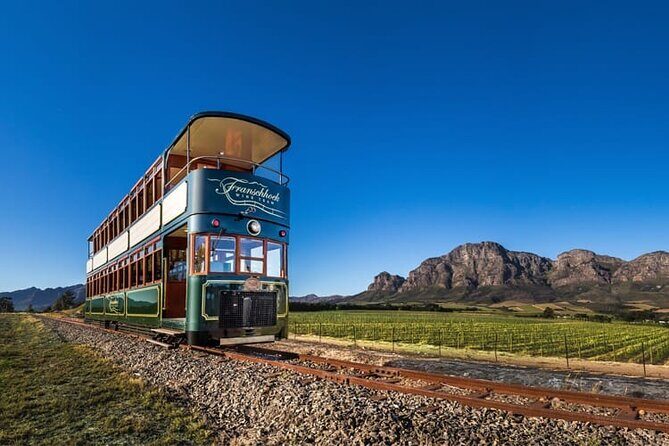
- Wine Tram hop-on, hop-off: you can pick which farms you hop to, with short transfer time between them.
- Tasting flexibility: you can choose chocolate/wine pairings, wine-only, or skip tastings at certain stops.
- Mandela memorial stop: a brief but moving historical moment on the return drive.
How this Winelands day stays fun instead of chaotic
This tour tries to solve the biggest Cape Town wine-day problem: logistics. You don’t drive yourself, and you’re not juggling separate reservations across distant towns. That matters, because the winelands are spread out, and a jam-packed day can turn stressful fast.
You also get a smart mix of activities. There’s a town break in Stellenbosch and Franschhoek, plus wine estates before and after the tram. And if you’re not drinking, the day still has options, since some stops offer non-alcoholic or food-focused pairings.
You can also read our reviews of more wine tours in Cape Town


Stellenbosch on foot: Cape Dutch streets and a quick reset
Your day starts with a drive from Cape Town toward the Mountainous town of Stellenbosch. Along the way, your guide points out landmarks as you cross the Cape flats, then you arrive ready for a short break.
Once there, you get about 45 minutes to explore on foot. It’s enough time to wander leafy streets lined with Cape Dutch-style buildings, browse small shops (art, antiques, jewelry, carved wood), and grab coffee if you want a caffeine anchor before tastings begin.
One practical note: this is a short stop. If you want a deep museum-style experience, you won’t get that here. Think of Stellenbosch as the “warm-up” that makes the rest of the day feel special.
Lanzerac Wine Estate: chocolate and a very specific kind of history
Lanzerac is one of the oldest estates in the area, and the estate itself is part of the appeal. It’s known for its Cape Dutch architecture, with a manor house dating back to the 1830s and heritage status tied to the property.
Your stop is built around a tasting pairing with chocolate and wine. That’s a great option if you like flavors that go beyond pure wine evaluation, because chocolate gives you something easy to compare across tastings.
Here’s a fun detail you’ll likely hear from your hosts: Pinotage was first bottled at Lanzerac. Even if you don’t chase wine trivia, it’s a nice reminder that this region has wine roots that run deep.
Potential drawback: this part of the day is tasting-focused, and you still have more tastings coming later. If you’re sensitive to alcohol, pace yourself and ask what’s in each pairing before you commit.
Tokara Wine Estate: views, olive oil, and modern tastings
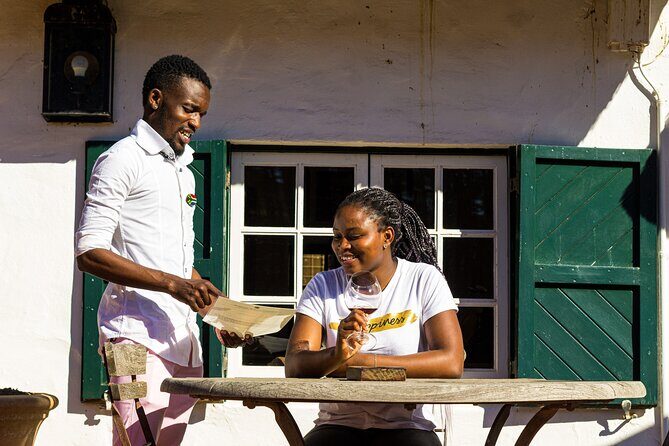
After Lanzerac, you’ll head toward Tokara, driving through a hilly stretch often described as Hell’s heights. Tokara is a different feel from Lanzerac—more modern in look—and it’s also known for the views, including the possibility of seeing Table Mountain on clear days.
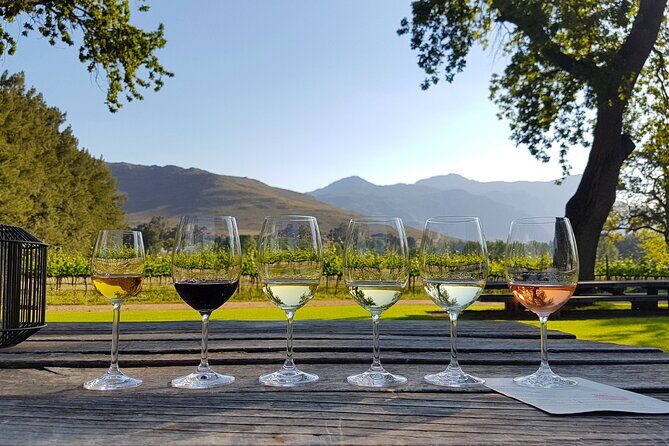
Tokara’s tasting includes 5 classic wines, and it typically includes a rosé plus a strong Sauvignon Blanc. The estate also has an olive grove, so if you have time and interest, you can add olive oil or even a cheese platter to your experience.
What I like about this stop is that it’s not just about wine. The olive oil angle and the food pair possibility give you a way to slow down and enjoy the setting, not just knock back flights.
Franschhoek town break: French Corner, mountains, and lunch time
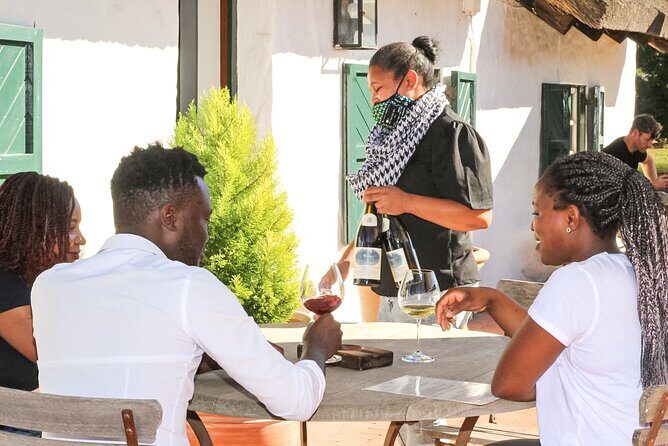
Next comes Franschhoek, but not before you pass through Pniel. The name Franschhoek literally means French’s corner, tied to French settlers arriving at the Cape in the 1680s and being granted land to grow vineyards.
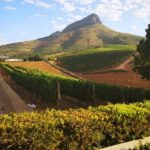
You’ll get about an hour and a half in town, which is a comfortable chunk of time. This is the part where you can take photos of mountains and vineyard scenery, browse shops, and reset your pace before the tram portion of the day.
Lunch is usually the big moment here, with the tour including a break so you can eat in town or at a selected venue depending on timing. Some tour days mention Leeu estate features like galleries, hotels, and restaurants, so you may see that name pop up as you wander.
Practical tip: use this time strategically. If you need water, snacks, or a restroom break, do it here, because later you’ll be moving between tram stops and farms.
A few more Cape Town tours and experiences worth a look


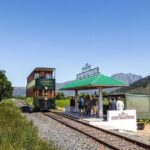
The Wine Tram in Franschhoek: how you get real choice

The Franschhoek Wine Tram is the headline activity, and it’s included. After lunch and exploring, your guide hands you tram tickets and explains how to read the timetable so you can choose your hop-off stops.
The tram ride between farms is short—about 8 minutes—so you’re not stuck on one long segment. Usually, you can visit up to two farms by tram comfortably, with a possible third if timing works out.
One important heads-up: the tram portion is more about the experience and the photo-friendly scenery than a full, deep tasting tour at every hop. A few people have said the wine there can feel like a check-in rather than the best part of the day. So if you care most about top bottles, treat the tram as a transport-and-view highlight, then make your favorite estate tastings count.
Rickety Bridge by tractor: an option-rich stop
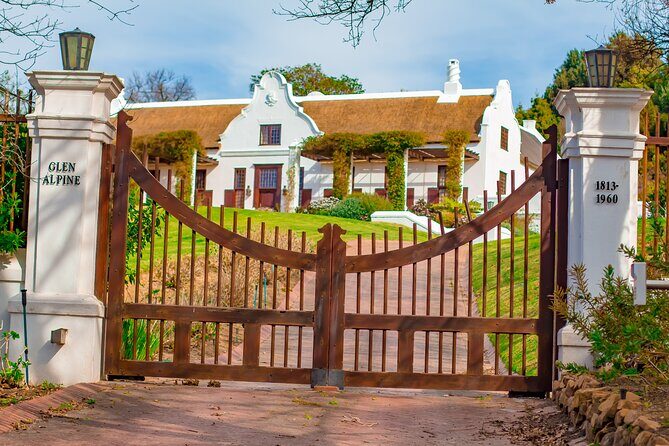
Your first possible tram hop might be Rickety Bridge, known as the first female-owned farm in Franschhoek. When the tram drops you off, you’re moved to the tasting area by tractor with comfortable seating.
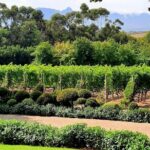
At Rickety Bridge, the day gives you options. You can choose from available wine tasting formats, or you can skip tastings and head to Paulina’s restaurant for a snack, coffee, or a glass of wine while you enjoy the panoramic mountain-and-vineyard view.
This stop tends to work especially well for mixed groups, including people who don’t want constant alcohol tasting. If you’re a non-drinker, Paulina’s type of alternative matters because it keeps you in the action without feeling like you’re sitting out.
A balanced note: at least one person felt the wine experience here was less satisfying than the setting. The setting is strong; just don’t assume every pour will match your taste.
Franschhoek Cellar: wine-and-cheese or Belgian chocolate pairings
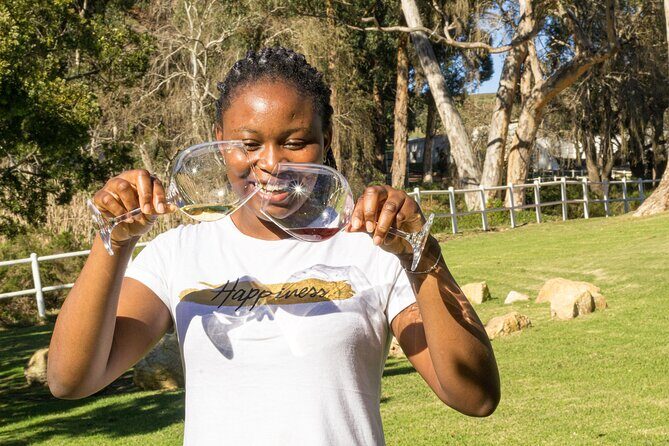
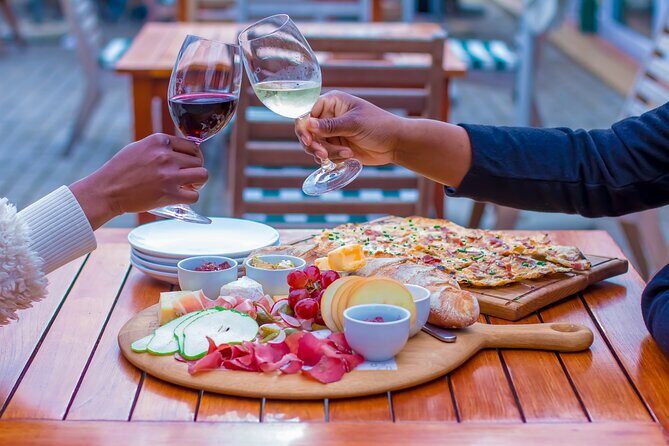
Another tram-area option is Franschhoek Cellar, and it has a fun angle: tastings are built around pairing. You can choose a wine-and-cheese style pairing, or a handmade Belgian chocolate pairing (made down the road in the same town).
If you prefer simpler structure, there’s also a wine-only tasting. What I like here is that the stop is close to the tram terminals, so if your legs need stretching after multiple tastings, you could possibly walk back rather than waiting around.
This is a good stop when you want something different from the “heavy wine” feeling. Chocolate and cheese help you taste without getting overwhelmed by alcohol.
The Mandela prison memorial: a quiet moment before Cape Town
On the way back to Cape Town, your tour includes a stop at a prison where Nelson Mandela spent the last two years of his 27 years in incarceration. Outside the gates, there’s a lifesize bronze statue with a fist clenched, designed to symbolize strength and courage.
Your guide gives a brief explanation of the past, present, and Mandela’s release, then you head onward to your hotel. It’s short, but it lands with weight, especially after a day that’s otherwise full of beauty and wine.
Practical advice: keep this in mind if you’re very tired or have a tight dinner plan. This stop asks for a bit of quiet attention, even though it isn’t long.
Price and value: what you’re really paying for
At $74.77 per person, the value mostly comes from what’s included. You get air-conditioned transport, pickup and drop-off from Cape Town, a qualified tour guide, tram tickets, and complimentary bottled water. Those pieces remove the usual hidden costs and hassle of booking separately.
Wine tasting fees are not included unless you select a tasting option. That sounds like a drawback, but it can also be a smart way to control your day. If you enjoy wine, you can lean into tastings. If you don’t, you can choose stops with food or chocolate pairings, or sit out a tasting and still enjoy the scenery.
Also watch your pacing. Some itineraries include up to five tasting sessions as an option, but the fifth can depend on time. In other words, you might get fewer tastings than the maximum advertised if the schedule runs tight. The upside is that this makes it easier to keep the day enjoyable rather than rushing.
Pace, drinks, and small-group sanity checks
This tour is often praised for being well organized and fun, and the small group helps with that. With max 12 people, it’s easier for your guide to manage timing and for you to hear instructions (like tram timetable use) without craning your neck.
A few reviews also highlight that guides like Peter, Candy, Mabee, Rodney, and Joseph keep the energy light while sharing practical regional context. That combination matters on long wine days: you want the route explained, not lectured at.
If you’re doing this as a non-drinker, I’d still book it. The day isn’t only “taste alcohol or nothing.” Pairings and restaurant options at certain stops give you ways to participate without drinking wine-heavy flights all day.
Who should book this tour, and who should look elsewhere
Book this if you want an easy, guided day that hits multiple parts of the Cape Winelands without planning. You’ll get Stellenbosch walking time, estate tastings, Franschhoek town time, the tram experience, and a Mandela memorial stop.
You might skip it if:
- You want long stays at one or two estates rather than a rotation.
- You’re extremely picky about wine quality at every single pour.
- You hate alcohol tasting days and don’t want to make use of non-drinking options.
This is best for couples, friends, solo travelers who like meeting people, and anyone who values convenience. It’s also a solid choice if you want photo opportunities, because the tram rides and mountain views make it easy to capture the region.
Should you book this tour?
I’d book it if you want the classic “Cape Winelands day” feel with less driving stress. The tram makes a big difference, and the combination of Stellenbosch, Franschhoek, and estate stops gives you variety without wasting half the day in transit.
Before you go, decide how you want to handle tastings. If you’re tasting-heavy, pick options that include or allow more tastings and pace with water. If you’re flexible or mostly there for views and town time, use the pairing stops and restaurant alternatives so you still enjoy the day fully.
FAQ
Do I get pickup and drop-off from Cape Town?
Yes. The tour includes pickup and drop-off from your accommodation in Cape Town, plus an air-conditioned vehicle and bottled water.
How long is the tour?
It runs about 9 to 10 hours.
What’s included in the price?
You get the wine tram tickets, a qualified tour guide, bottled water, and the transport with pickup and drop-off. Wine tasting fees are not included unless you select a tasting option.
Is lunch included?
Lunch is not included. The tour includes time in Franschhoek, where you can take your lunch break.
Can I do wine tastings at all the stops?
You can choose tasting options at different farms depending on your selected package and time. Some tastings are optional, and some stops also offer alternatives if you don’t want to taste wine.
What is the maximum group size?
The tour has a maximum of 12 travelers.
How does the Wine Tram part work?
Your guide explains the timetable. The tram ride between farms takes about 8 minutes, and you can typically hop off at your chosen farms (usually up to two, with a possible third if time allows).
Will the tram or wineries run if weather is bad?
This experience requires good weather. If it’s canceled due to poor weather, you’ll be offered a different date or a full refund.