REVIEW · CAPE TOWN
From Cape Town: Glass-Bottom Boat Seal Watching Tour
Book on GetYourGuide →Operated by Circe Launches · Bookable on GetYourGuide
Two quick steps and you’re on the water in Hout Bay, staring at mountains that steal the show. This glass-bottom seal watching tour takes you out to Duiker Island, where Cape fur seals crowd the rocks and the kelp forests can be seen below through viewing ports.
I really like two things here. First, you get a short, focused visit to the action—about 10 minutes with the seals—instead of a long slog where the main attraction disappears. Second, the boat ride is scenic on purpose: you’ll pass historic fortifications, then sail beneath the Sentinel Mountain cliffs with Chapmans Peak in view across the bay.
One drawback to plan for: the glass-bottom experience is not the same as a full underwater viewing platform. Some people find the viewing limited, and the deck time vs. under-boat viewing can feel like no real win if you’re hoping for constant wildlife under the glass.
In This Review
- Key points before you go
- From Hout Bay Harbour to seal island in 45 minutes
- The scenery part: forts, cliffs, and Chapmans Peak views
- Duiker Island: where the fur seals do their thing
- Glass-bottom viewing: kelp forests and the limits you should know
- Wildlife beyond seals: what you might spot on the way back
- Cruising past history: why those fortifications are more than trivia
- Crew and guide: what makes the tour feel smooth
- Value for money: is $8 worth it?
- Who this tour fits best (and who might want a different option)
- Tips to get the most from your 45-minute cruise
- Should you book the seal watching cruise?
Key points before you go
- Duiker Island (seal island) is the main event, with thousands of Cape fur seals in their natural habitat
- Kelp forests below you can be seen through the glass-bottom viewing ports
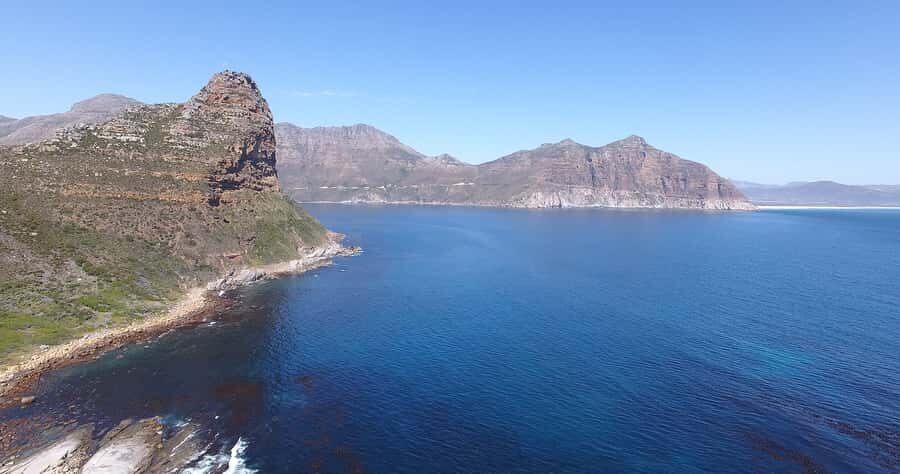
- The route includes big scenery: Sentinel Mountain and Chapmans Peak across the bay
- Expect the seals stop to be short—around 10 minutes—then you’re back on the return cruise
- The glass-bottom view may be more limited than you expect, depending on where you sit and sea conditions
From Hout Bay Harbour to seal island in 45 minutes
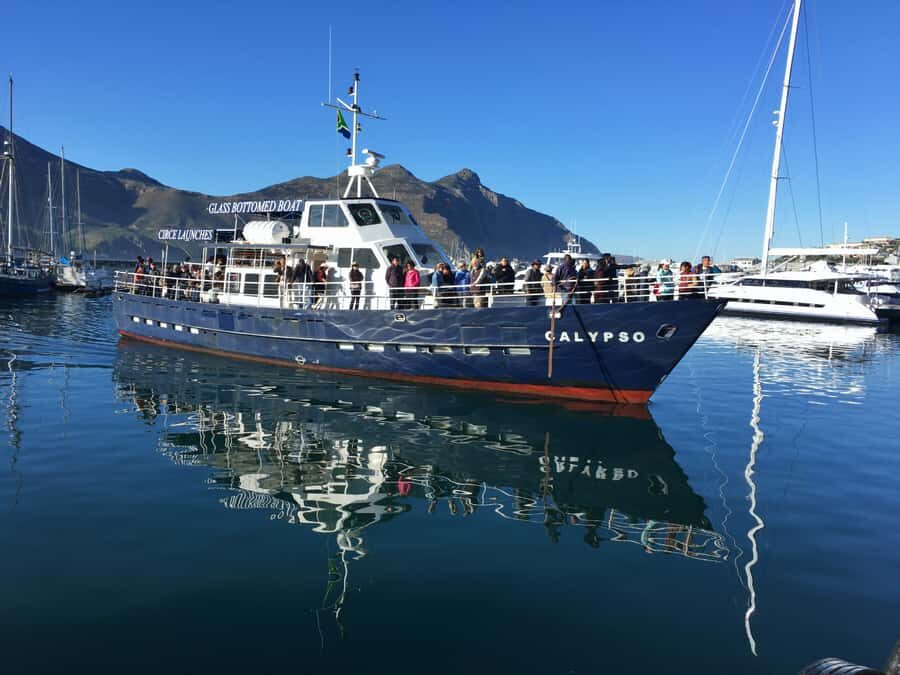
This is a compact tour by design. You’re not signing up for a half-day expedition—you’re choosing a quick Cape Town nature hit with a big payoff. The full experience runs 45 minutes, and the boat heads out from Hout Bay Harbour toward Duiker Island, also commonly called seal island.
That timing matters. In a place where weather and wind can change fast, shorter tours let you fit seal watching into a day without burning hours. It also keeps the focus tight: you’re going for the fur seals, and the schedule supports that.
You can also read our reviews of more boat tours in Cape Town
The scenery part: forts, cliffs, and Chapmans Peak views
Before you even reach the seals, you get a scenic warm-up that feels like Cape Town geography homework done the fun way.
You’ll cruise past 300-year-old fortifications that were built to protect Hout Bay beach from enemy troops. It’s a quick moment, but it adds a layer beyond wildlife spotting—you’re traveling through a coastline with a purpose, not just a pretty shoreline.
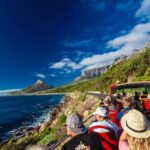
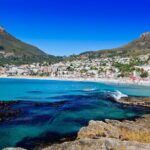
Then the boat moves into more dramatic territory. The route takes you under the vertical cliffs of the Sentinel Mountain, with Chapmans Peak across the bay. This is the kind of sight that makes you pause and look up, because the mountains feel close even though you’re out on the water.
If you’re traveling with kids or anyone who gets bored waiting for wildlife, this section helps. Even if the seals are quiet for a few minutes, you’re still surrounded by strong views.
Duiker Island: where the fur seals do their thing
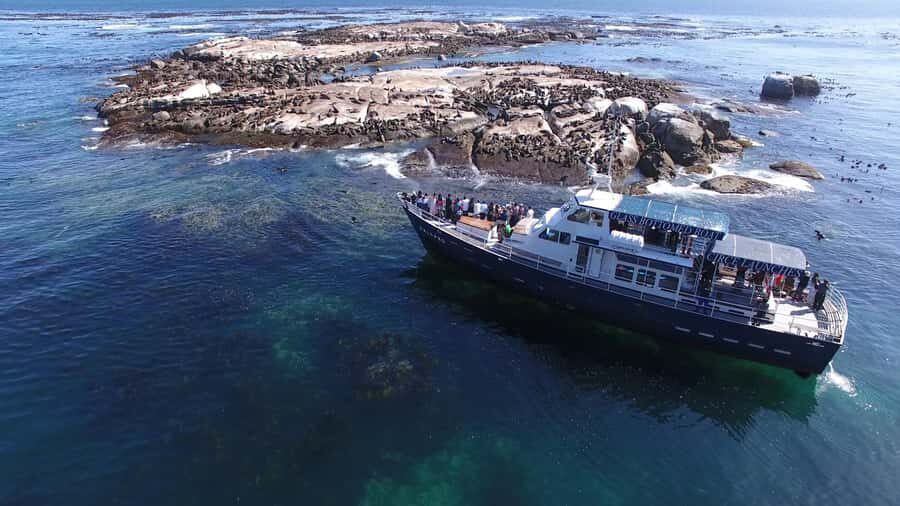
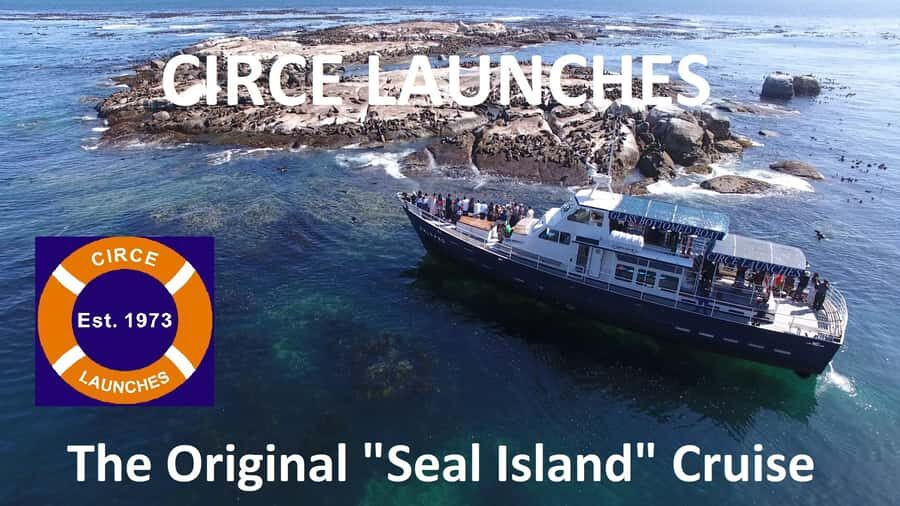
Duiker Island is the destination, and it’s where the tour earns its ticket. The main draw is close viewing of thousands of Cape fur seals on the island’s rocks and shoreline edges.
The timing is important: you’ll spend about 10 minutes with the seals. That’s long enough to get photos, watch their movements, and see how densely they occupy the area. It’s also short enough that the boat doesn’t turn into an all-afternoon waiting game.
A practical way to enjoy this stop: don’t fixate on one spot for the full time. The seals move, settle, and shift around. Watch for patterns—some animals rest in clusters while others pop up and reposition near the waterline. If you get impatient, you miss it.
Glass-bottom viewing: kelp forests and the limits you should know
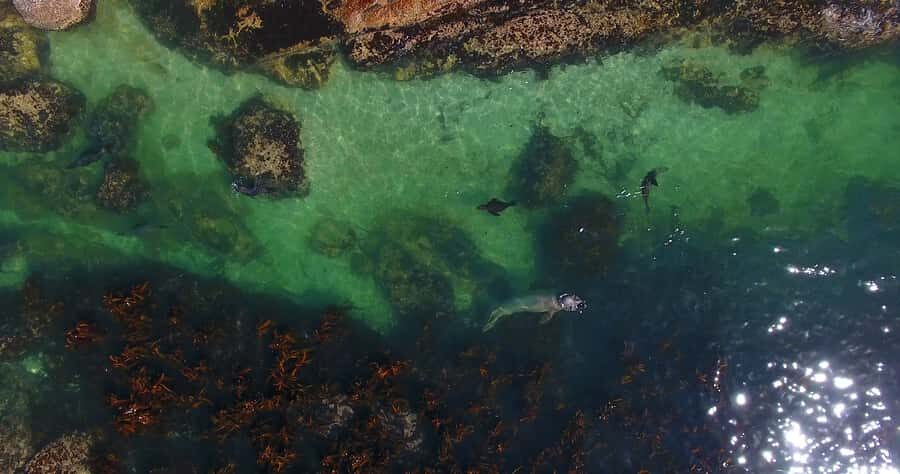
This is a glass-bottom boat tour, so naturally you’ll want to look down. The promise here is simple: you can see sealife below the water and watch the kelp forests through the glass-bottom viewing ports.
That said, I’d set expectations carefully. The glass-bottom portion can feel like a feature with compromises. Some guests have pointed out that it’s more like a couple of glass sections rather than a huge, continuous underwater window. And when the water is murky or covered with seaweed bits, the view may not be crystal-clear.
Here’s the best way to use it anyway: treat the glass as a bonus, not your only entertainment. If you want both perspectives, plan to spend some time standing on deck for the seals and scenery, and some time looking down to catch kelp and underwater movement.
Also note how the boat is designed. It’s described as custom built so everyone can get a good view. In practice, you’ll still want to position yourself for the clearest angle, especially if you care most about the underwater part.
Wildlife beyond seals: what you might spot on the way back
The seals are the headline, but the tour doesn’t ignore the rest of the bay.
On the return cruise, the crew points out wildlife they may spot. Dolphins, whales, and sunfish are mentioned as commonly sighted. You can’t guarantee wildlife on any ocean trip, but the route and timing are clearly chosen for a good shot at seeing something extra.
This is where the crew help most. When you’re on a moving boat, spotting from the deck is harder than it looks on land. Having staff scanning the water and telling you what to look for can turn a quiet moment into a real surprise.


Cruising past history: why those fortifications are more than trivia
It’s tempting to treat the fortifications as a quick background fact. But it changes how you experience the coastline.
When you hear that the fortifications are 300 years old and were built to protect the beach from enemy troops, the bay stops being generic scenery. It becomes strategic terrain. The cliffs, the sheltered waters, and the shape of the coastline start to make sense.
That context helps you understand why boats, routes, and observation points matter in Hout Bay. It’s not just a pretty bay—it’s a place people have used for practical reasons for a long time.
Crew and guide: what makes the tour feel smooth
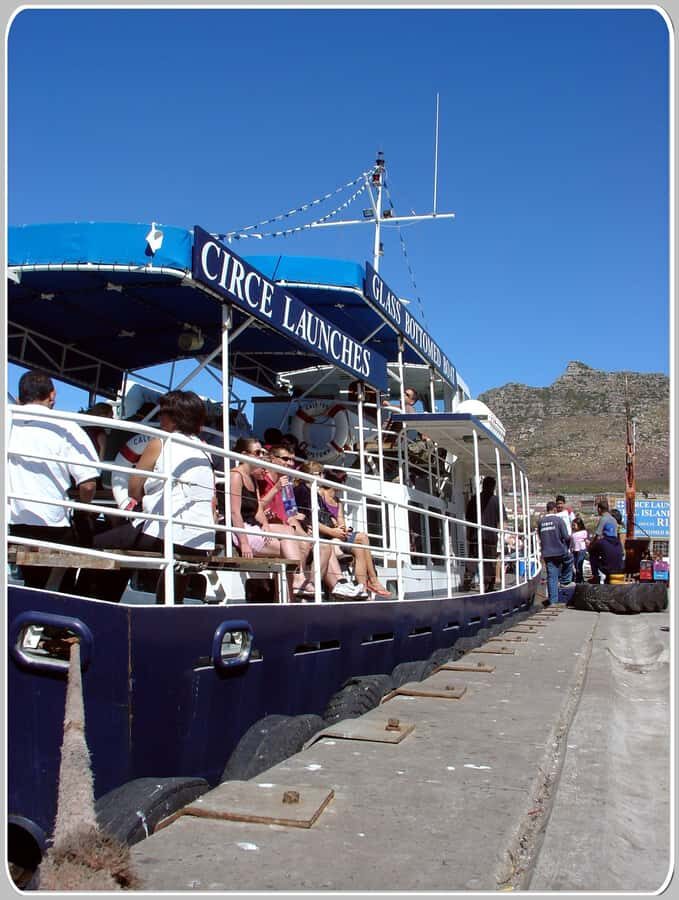
This tour includes a live tour guide in English. The guide and crew stay on deck and answer questions, and the vibe tends to be friendly and instructional.
In a short 45-minute format, that matters. You don’t have time for long lectures, so the best tours use the time efficiently: a bit of orientation, clear guidance for where to look, and quick explanations of what you’re seeing.
One thing to remember: this is a wildlife experience in open water. If you want good photos, it helps to follow the crew’s cues about where to stand and when to look down or toward the island.
Value for money: is $8 worth it?
At $8 per person, this tour sits in the budget-friendly category. In Cape Town, that price is meaningful because many ocean experiences cost far more for far less time with the main attraction.
The value comes from a few places working together:
- You get a real destination with Duiker Island instead of a long harbor loop.
- The ride includes strong scenery—Sentinel Mountain and Chapmans Peak aren’t filler.
- You spend a targeted chunk of time (about 10 minutes) where it counts: the seals.
- The boat is described as designed so people can get viewing angles for the underwater ports.
The main reason some people feel disappointed is not the price—it’s the mismatch between expectations and what glass-bottom viewing actually delivers. If you’re buying it like a marine-world underwater theater, you may feel shorted. If you buy it as a seal-watching cruise with an added look-down feature, the price starts to feel like a bargain.
Who this tour fits best (and who might want a different option)
This tour is a strong fit for:
- Families who want an easy outing with a clear payoff
- People who like quick nature trips instead of long tours
- Visitors who want both wildlife and scenic coastline views
- Anyone who enjoys being on deck and watching animals in the open rather than behind a screen
It may not be the best choice if:
- You’re mainly chasing the glass-bottom under-boat view and expect constant, clear underwater action
- You hate short wildlife visits and would prefer longer observation time at one spot
- You’re sensitive to the idea that sea conditions can affect what you see through the glass
Tips to get the most from your 45-minute cruise
Here’s how to make the most of a tight schedule.
First, plan to look both up and down. Watch for seal activity at the waterline and shifts in the groups, then use the glass-bottom ports for kelp and any underwater movement you can catch.
Second, move with the moment. Ten minutes at Duiker Island can pass fast. If seals are visible on one side, go with that flow instead of getting locked into a single pose.
Third, bring practical expectations about glass. Limited viewing areas and sea conditions can affect clarity, so treat the underwater view as an extra rather than the whole point.
Should you book the seal watching cruise?
I’d book it if you want a low-cost, short, scenery-plus-wildlife outing that gets you to the heart of Cape fur seal spotting in Hout Bay. The price and the targeted Duiker Island stop make it a good choice when your schedule is tight.
I’d hesitate if you’re booking mainly for the glass-bottom underwater experience and you need lots of uninterrupted viewing through large, clear windows. In that case, you might enjoy the cruise for the seals and mountains more than the glass itself.
If you’re flexible, curious, and happy to watch animals on deck while using the glass as a bonus, this one is likely to satisfy.