REVIEW · HLABISA
From St Lucia: Big 5 Safari in the Hluhluwe-Imfolozi Park
Book on GetYourGuide →Operated by Safari for six · Bookable on GetYourGuide
A Big 5 safari feels like a bucket-list promise, but the real win here is the setup. You ride with a tight group of just six people and you spend real time in Hluhluwe-iMfolozi Park, one of Africa’s older reserves, where White Rhino sightings are a major draw. You also get a guided day that’s built around spotting wildlife (and understanding what you’re seeing), not just driving past it.
I really like two things about this experience: the small-group limit and the “everything-included” comfort. With only six guests on the open safari vehicle, the guide can focus on finding animals and explaining the details, and you’re not stuck watching through a crowd. And the day runs with breakfast, a traditional braai lunch, all refreshments, entrance fees, binoculars, and warm blankets already covered, so you can relax and just enjoy the drive.
One thing to think through first: it’s a full 10-hour day, and the rules are strict on alcohol and drugs. If you want a long, laid-back hangout more than a serious wildlife day, this may feel like a lot, and if you’ve had recent surgery, this isn’t suitable.
In This Review
- Key Reasons This Safari Works So Well
- Hluhluwe-iMfolozi Park: Big Five Country With a Rhino Focus
- Getting From St Lucia to the Park: A Smooth, No-Fuss Start
- The Open Safari Vehicle and the Six-Guest Advantage
- Eight Hours of Game Drive: How You Actually Spot More Animals
- Breakfast and Braai Lunch: A Real Meal Break Inside the Safari
- Included Binoculars, Blankets, and Entrance Fees: Where the Value Hides
- Price and Value Check: Is $158 a Good Deal?
- Who This Safari Fits Best (And Who Should Skip It)
- Should You Book Safari for Six’s Big 5 Day From St Lucia?
- FAQ
- How many people are on the open safari vehicle?
- Where does pickup happen in St Lucia?
- How long is the safari day?
- What’s included in the safari price?
- Is alcohol allowed during the tour?
- What language is the tour guide?
- Is the tour refundable if plans change?
Key Reasons This Safari Works So Well
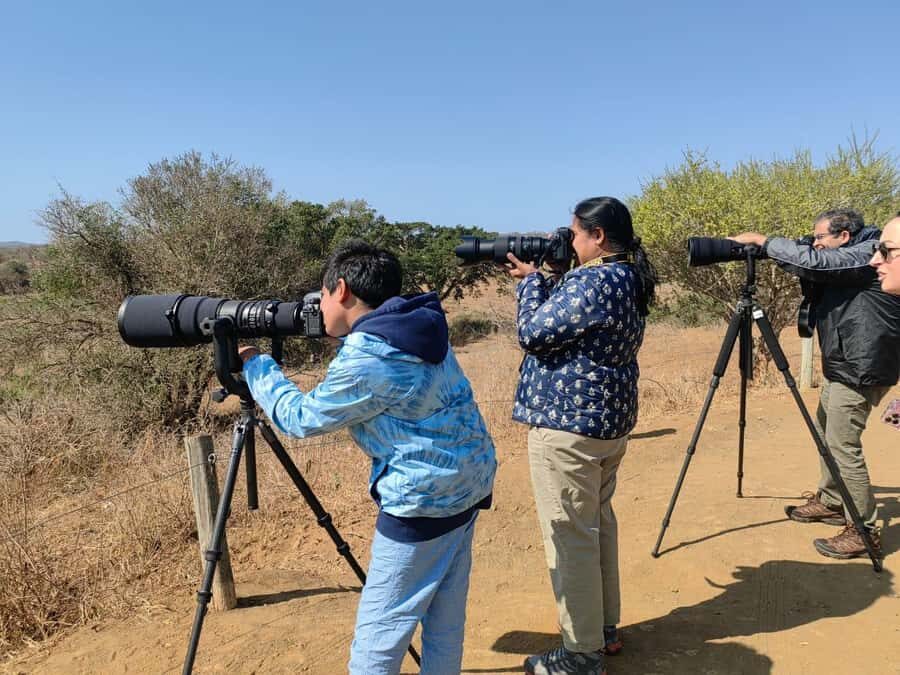
- Max of 6 people on the open safari vehicle for calmer viewing and better guide attention
- Hluhluwe-iMfolozi’s White Rhino density plus Big 5 country and serious predator chances
- Breakfast and a traditional braai lunch inside the park in a scenic setting
- English-speaking guide who points out animals, plants, and birds and explains the environment
- Binoculars and warm blankets included, which matters on long drives
- All entrances and conservation levies included, so you avoid surprise add-ons
Hluhluwe-iMfolozi Park: Big Five Country With a Rhino Focus
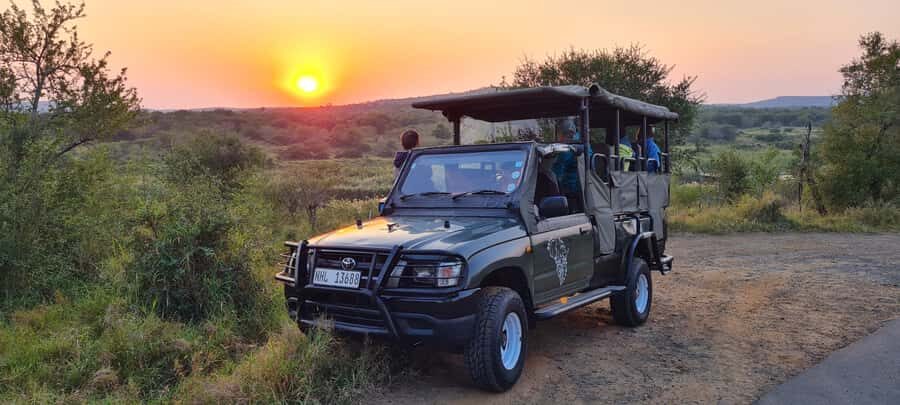
Hluhluwe-iMfolozi Park is one of those places where the wildlife reputation isn’t just marketing. It’s known for being among the oldest parks in Africa, and it sits in rolling hills and valleys that give animals cover and you better chances to spot them. The setting also carries local meaning: parts of the area were once occupied by Zulu Kings, so the land has a strong human story alongside the safari one.
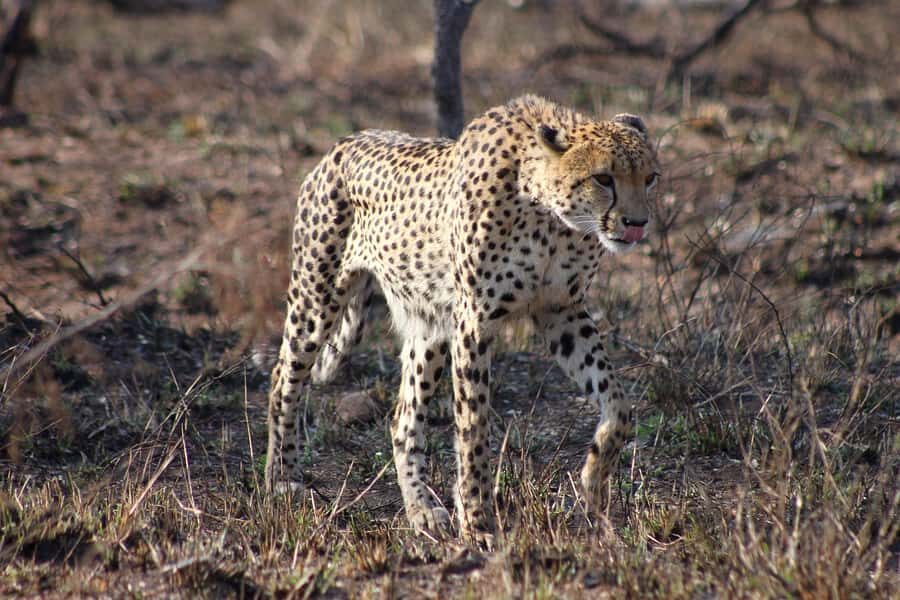
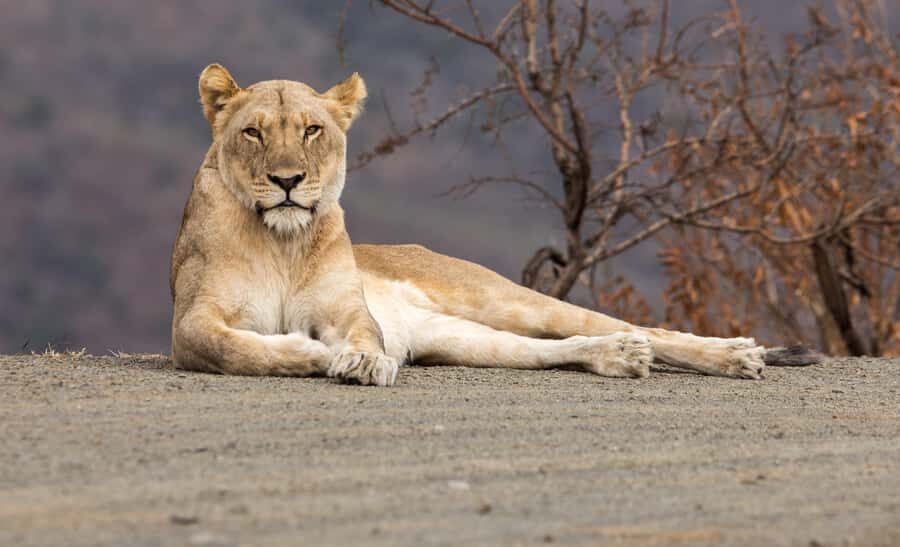
What makes the park especially appealing is the way it concentrates attention on a few headline targets. You’re in Big 5 territory, and it also leans hard into other standout animals like Cheetah, African Wild Dog, and Hyena—often grouped as the Magnificent 8 theme. On top of that, birding is a real component, with over 350 bird species noted for the area.
If you’re the kind of safari-goer who wants more than a checklist, this park helps you slow down. The guide is there to point out not only animals, but also plants and birds, so the day turns into a running conversation about the ecosystem. And the park is known for spectacular Zululand views, which are a bonus when you’re taking breaks or just catching a moment between drives.
You can also read our reviews of more tours and experiences in Hlabisa.
Getting From St Lucia to the Park: A Smooth, No-Fuss Start
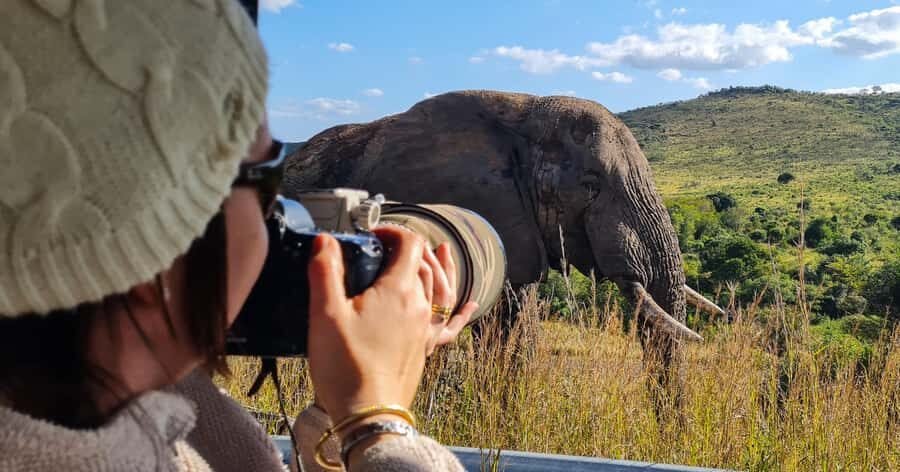
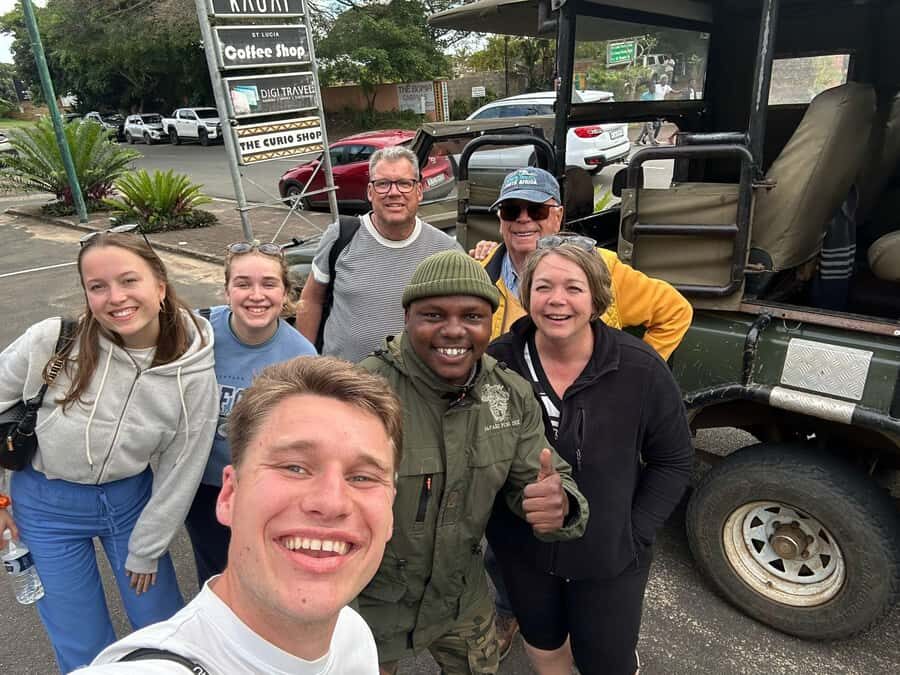
The day begins with pickup in St Lucia, either directly from your accommodation or at the entrance of the game reserve. That matters because it reduces the stress of figuring out transport on your own, especially if you’re arriving with limited time or don’t want to wrestle with local logistics.
You then head in a Jeep/SUV with about one hour of travel before you reach the reserve. It’s long enough to get moving and settle in, but not so long that you feel like you’re wasting a safari day commuting. Once you’re in, you get a safety briefing and also a rundown of the day’s schedule and relevant Covid-19 policies.
And here’s the practical part: you’re not just transported; you’re oriented. That means you spend your first hours knowing how to approach the drive—what to listen for, how to stay safe, and how the guide will run stops—so your game drive time is used well from the start.
The Open Safari Vehicle and the Six-Guest Advantage
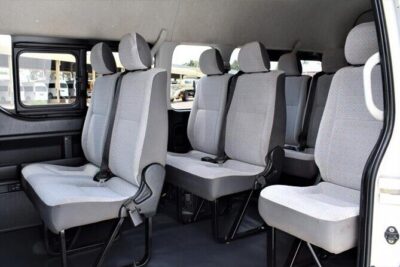
The safari vehicle is set up for real wildlife viewing, not museum-style comfort. You’ll be in an open safari vehicle, and the group size is capped at six guests per vehicle, which can change the whole feel of the day. With fewer people, you’re more likely to get clear sightlines and less likely to miss animal moments because you’re blocked by other heads.
Small group also makes the guide’s job easier. When the vehicle isn’t packed, it’s simpler to adjust where you position for sightings and to keep everyone on the same page with the guide’s spotting tips. That’s why the “personal attention” highlight is more than a marketing line; it affects what you actually experience during the drive.
Comfort supports the viewing, too. Warm blankets are included, and the safari runs long enough that having that extra layer can make the difference between enjoying the day and spending it distracted by the cold. Binoculars are provided, so you can scan without worrying about packing your own gear or relying on weak zoom.
Eight Hours of Game Drive: How You Actually Spot More Animals
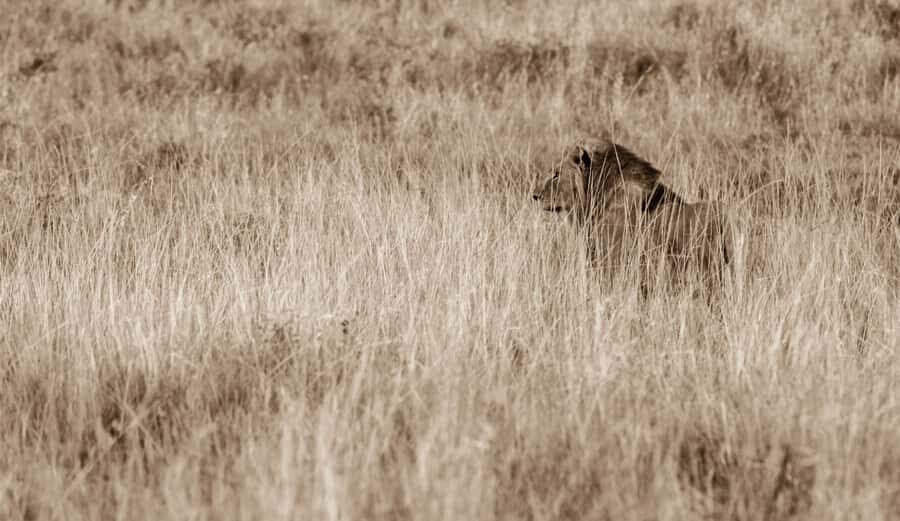
The main block is the guided park time, with eight hours of game drive and wildlife viewing inside Hluhluwe-iMfolozi. This is where the day earns its name, because you’re not just passing through. You’re driving with purpose, stopping when the guide finds activity, and scanning the terrain where animals might be moving or resting.
The guide is the engine of the day. The focus is an interpretive approach: the guide points out animals, plants, and birds and helps you read the environment. That matters because spotting on a safari isn’t only luck; it’s also pattern recognition—watching for movement, listening for signals, and learning what the landscape and vegetation tend to hide or reveal.
One guide named in the experience’s feedback is Hector, and the detail that sticks is how he could drive while still keeping an eye on sightings. That combination matters because in a good safari moment, you don’t want to lose time to shuffling, confusion, or slow scanning. A skilled guide keeps your attention where it counts and helps you notice animals even when they’re farther away.
You’ll also get refreshments during the day and periodic updates so you know what’s coming next. That keeps the day from feeling random, and it helps you manage your energy—so you can stay alert for the best chances later in the drive.
Breakfast and Braai Lunch: A Real Meal Break Inside the Safari
Safari days can suffer when food is an afterthought. Here, food is part of the experience rather than a rushed box you eat while standing near the vehicle. Your safari includes a light breakfast before the main game drive and then a traditional South African braai (barbecue lunch) served in a scenic park setting.
That braai detail is more than cultural flavor—it’s also a practical reset. After hours of scanning, sitting down and eating something warm and substantial helps you refocus. And because you’re still inside the park during the lunch stop, you’re not losing half the day to travel and logistics.
Refreshments are served during the day, so you’re not stuck waiting for your next stop while you feel drained. One thing to remember: alcohol and drugs are not allowed on this experience. If you enjoy a celebratory drink after a big sighting, plan on sticking to non-alcohol options so you don’t waste time figuring out what’s permitted.
Included Binoculars, Blankets, and Entrance Fees: Where the Value Hides
This is the kind of tour where the “small extras” add up fast. You get all entrances fees and conservation levies included, plus binoculars and warm blankets, and the day’s key meals and refreshments are covered. That reduces the kind of anxiety that shows up when you’re calculating what you still need to pay once you’re already in motion.
You’re also covered on the safari guide side: the guided tour, wildlife viewing time, and safety briefing are part of what you book. And the open safari vehicle isn’t just a vibe; it’s an advantage for visibility, especially when wildlife is active but positioned unpredictably across the terrain.
On the flip side, the tour notes that personal items aren’t included. So if you like to buy snacks, souvenirs, or any personal essentials, keep a little budget aside for that. But for the core safari day, you’re not getting nickel-and-dimed.
Price and Value Check: Is $158 a Good Deal?
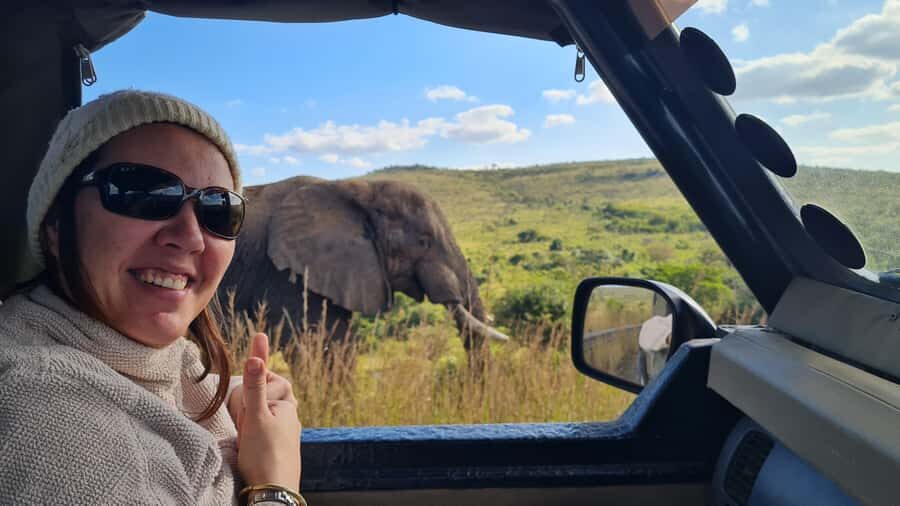
At $158 per person for a 10-hour day, the value comes down to what you’re getting besides the driving. You’re not paying extra for entrance fees or conservation levies, and you’re not scrambling for meals—breakfast and a traditional braai lunch are included, plus refreshments.
The small group size is another big lever. When only six guests share the vehicle, you’re paying for more guide attention and better viewing conditions. That’s a real quality factor on safari, because spotting isn’t only about the number of animals in the park; it’s about how the day is managed so you catch the sightings the moment they happen.
If you were to DIY this, you’d still need transport into the park, entrance costs, guide help (or serious effort to scout well), and a plan for food and timing. This tour compresses all that into one organized day, which is exactly why it tends to feel worth it—especially when you want a guided experience in a park that’s complex enough to reward expertise.
Who This Safari Fits Best (And Who Should Skip It)
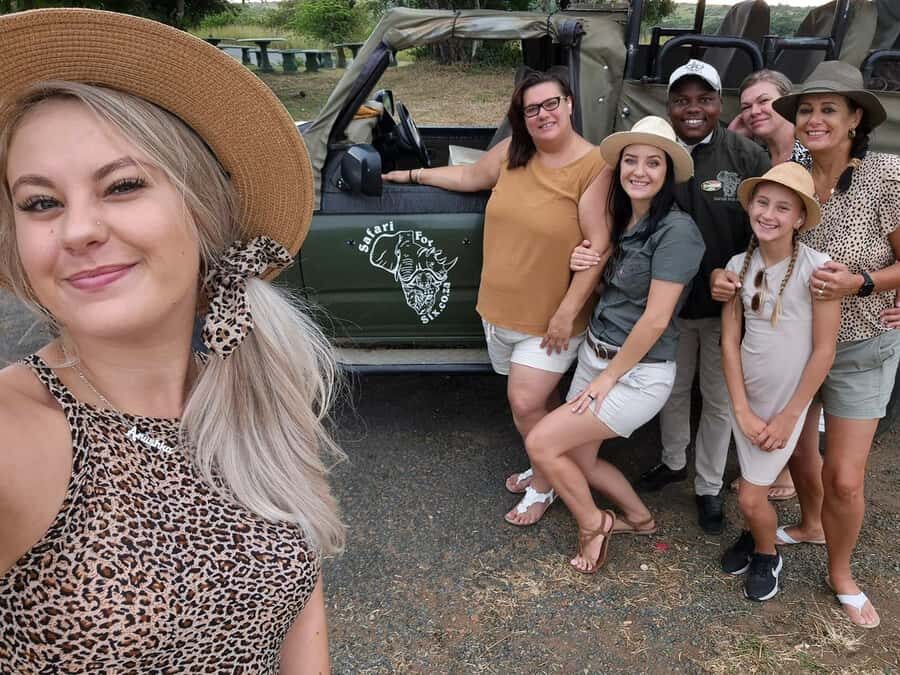
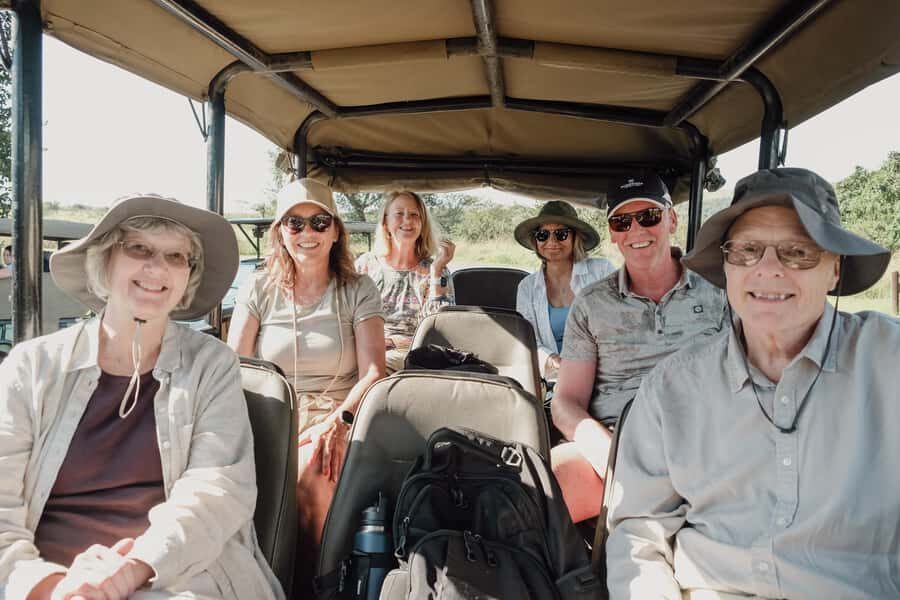
This safari is a strong fit if you want a focused wildlife day without the chaos of a large group. The max six guests makes it ideal for couples, small friend groups, and solo travelers who hate feeling anonymous in a big vehicle. It’s also a good choice if you care about learning, not only seeing—because the guide points out animals, plants, and birds and interprets the environment.
You’ll also likely enjoy it if birds are part of your travel radar, since 350+ bird species are part of the park’s draw. And if you’re chasing classic safari intensity in a manageable day, the timing structure works: pickup, drive in, long game drive block, then back to St Lucia.
Skip it if you’ve had recent surgeries, because it’s listed as not suitable for that situation. Also consider whether the alcohol rule fits your preferences, since alcohol and drugs are not allowed.
Should You Book Safari for Six’s Big 5 Day From St Lucia?
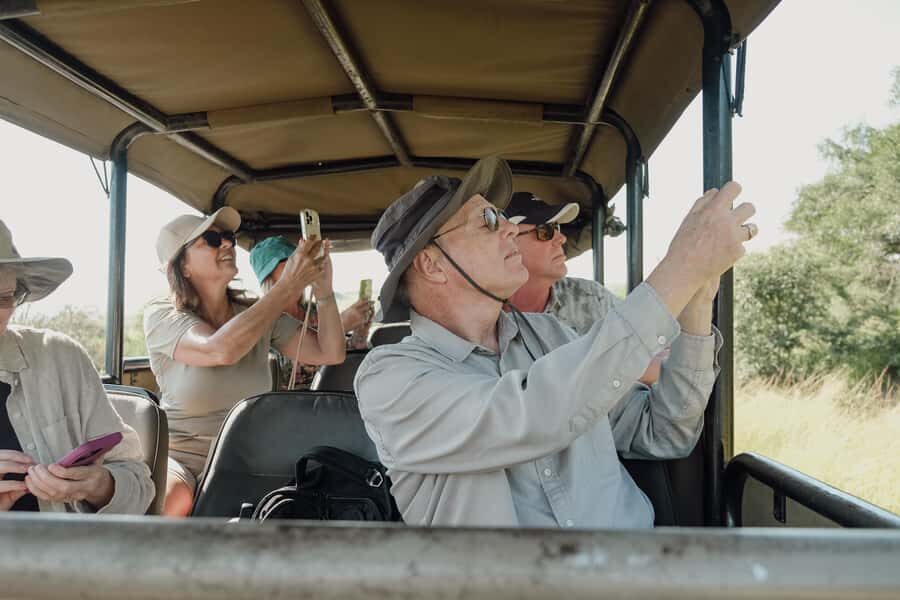
I’d book this if you want the best chance at a memorable safari day with minimal hassle. The mix of small-group touring, knowledgeable guiding, and included meals (including a traditional braai lunch) makes it feel like a full day you can settle into rather than a half-day raid on wildlife.
Before you go, do one smart thing: confirm your St Lucia accommodation details and connect with Safari for Six to ensure everything is in order. That quick step prevents annoying last-minute confusion and helps you start the day calm and ready to look for animals.
FAQ
How many people are on the open safari vehicle?
The experience limits the group to a maximum of six people on each open safari vehicle.
Where does pickup happen in St Lucia?
You’ll be collected from your accommodation in St Lucia, or you can meet at the entrance of the game reserve.
How long is the safari day?
The duration is 10 hours total, including time to travel to and from the park.
What’s included in the safari price?
It includes all entrance fees and conservation levies, breakfast, lunch (braai/barbecue), all refreshments, binoculars, warm blankets, and a guided safari tour.
Is alcohol allowed during the tour?
No. Alcohol and drugs are not allowed.
What language is the tour guide?
The live tour guide is English.
Is the tour refundable if plans change?
Yes. Free cancellation is available up to 24 hours in advance for a full refund.