REVIEW · UNDERBERG
From Underberg: 4×4 Sani Pass Tour and Basotho Village Visit
Book on GetYourGuide →Operated by Roof of Africa Tours Underberg · Bookable on GetYourGuide
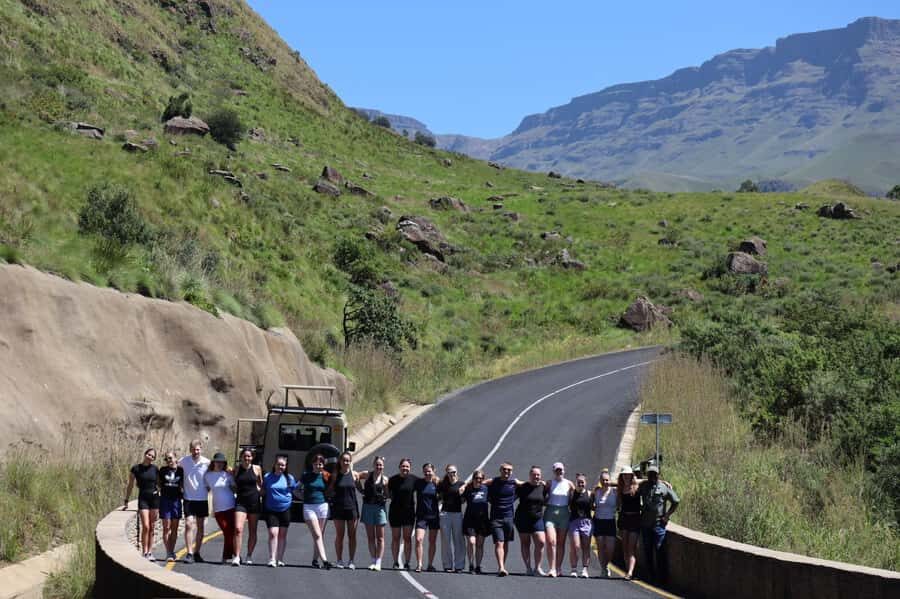
Sani Pass turns a drive into a real mountain moment. This full-day trip is built around the 4×4 climb up the pass, with frequent stops for sweeping Drakensberg views and the kind of scenery that makes you slow down and look twice.
I love the Basotho bread moment in a real village setting, where the day shifts from engines and switchbacks to people, routines, and simple hospitality. The only downside to plan around is the altitude and the rugged road: you’ll go up to about 2874m, and you should be ready for wind, cold, and a bumpy ride on gravel and steep gradients.
In This Review
- Key things I’d circle in your planning
- The Sani Pass 4×4 climb from Underberg or Himeville
- Drakensberg viewpoints and the rhythm of photo stops
- Where the tour turns into Lesotho: border formalities and altitude
- Basotho village visit: bread tasting and daily-life context
- Lunch in the Lesotho highlands: what’s included and what you’ll pay for
- Safety and guide style on a challenging road
- What to bring (and what to skip) for a 2874m day
- Who this tour suits best
- Price and value: what $72 actually buys
- Should you book the Underberg Sani Pass and Basotho Village Tour?
- FAQ
- How long is the Sani Pass 4×4 tour from Underberg or Himeville?
- Where do they pick you up and where do they drop you off?
- Does the tour include lunch and drinks?
- What’s included in the price?
- What altitude does the tour reach?
- Do I need a passport or visa to cross into Lesotho?
Key things I’d circle in your planning
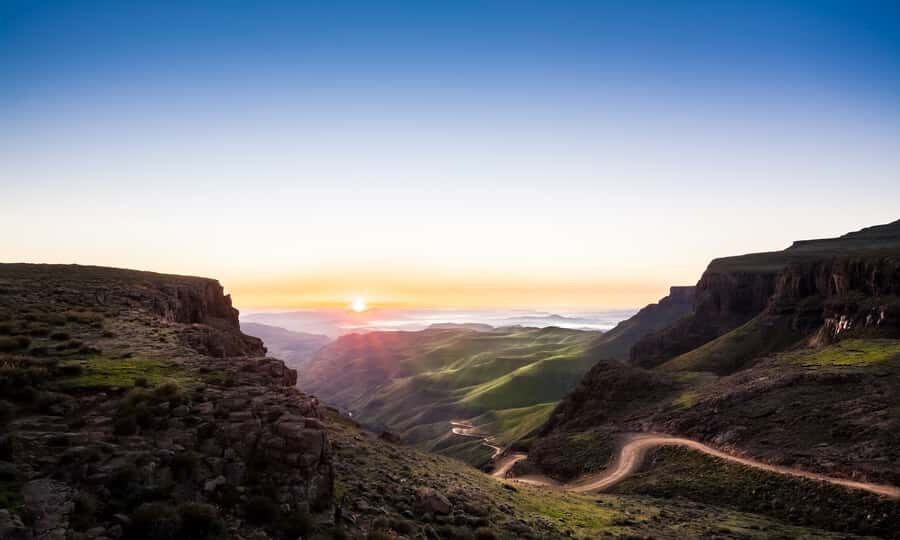
- High-clearance 4×4 on the Sani Pass route: the whole point is that tricky ascent, handled by local drivers.
- Frequent photo stops with changing light: viewpoints along the Drakensberg escarpment give you angles you won’t get from the road.
- Border formalities near the summit: you cross into Lesotho’s highlands after a short but important administrative stretch.
- Basotho village visit with bread tasting: you learn daily life, clothing, and livestock farming in a firsthand way.
- Lunch with mountain views, but not included: you’ll pay for it on your own, so plan ahead.
- Small group size (up to 8): it’s easier to ask questions and stay comfortable when the road gets intense.
The Sani Pass 4×4 climb from Underberg or Himeville
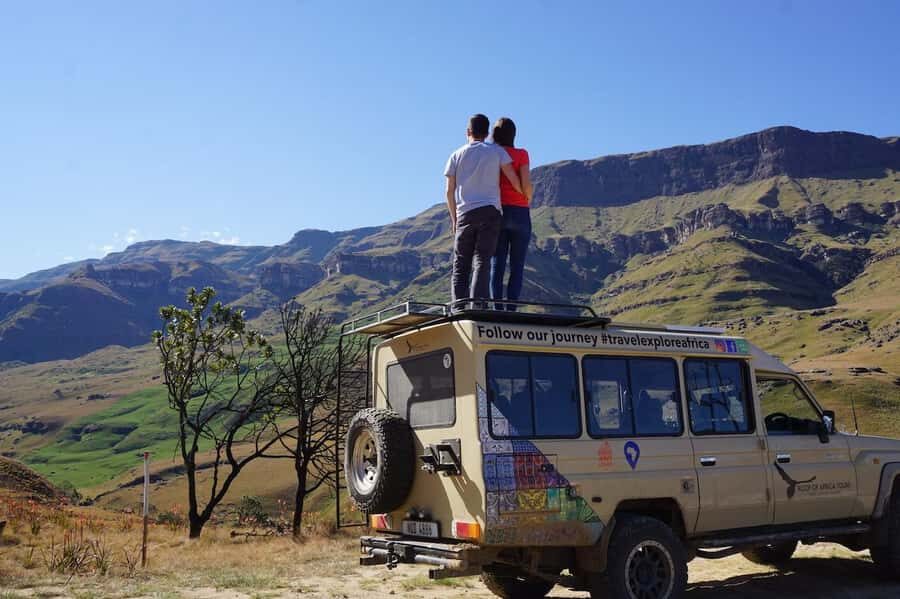
The day starts with pickup from Underberg or Himeville (or a nearby meeting point if you’re farther out). That matters because the Sani Pass isn’t a quick, walk-on-and-go kind of stop. You want the full experience: the slow shift from paved roads into gravel, then into that steep, winding climb that only works with a high-clearance 4×4.
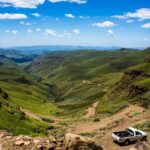
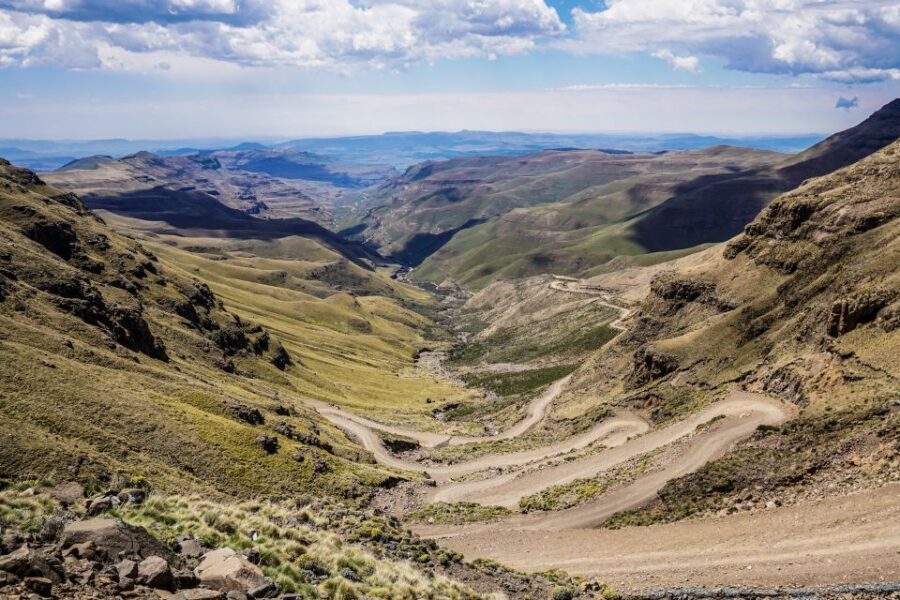
Once you’re on the ascent, the details are what you notice. Steep gradients mean you feel the engine work. Tight switchbacks bring you around bends where the drop-offs look bigger than they do in photos. And mountain streams cut across the route, which is why conditions can change fast—mist can roll in, winds can pick up, and the road can feel more dramatic than you expected.
This is also where the guide’s role becomes practical, not just entertaining. In the best moments of the day, the driver is calm and precise, and you get real confidence through the rough sections. I’d also pay attention to how guides talk during stops: people like Peter, Pat, Seya, and Mo (Mondli Miya, often called Mo) are repeatedly praised for combining safety with stories about the area—history, geology, and mountain life. That turns “we’re climbing” into “I understand what I’m seeing.”
You can also read our reviews of more tours and experiences in Underberg.
Drakensberg viewpoints and the rhythm of photo stops
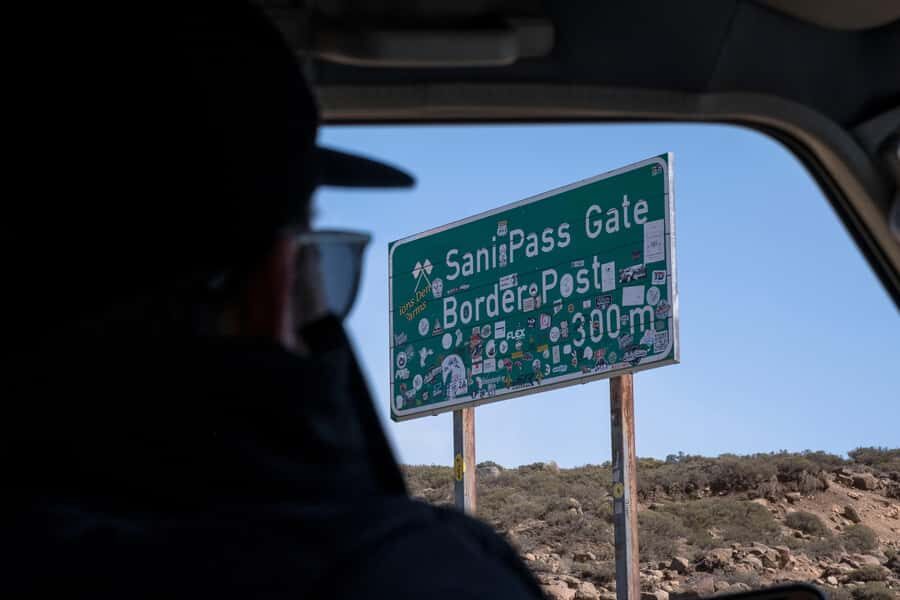
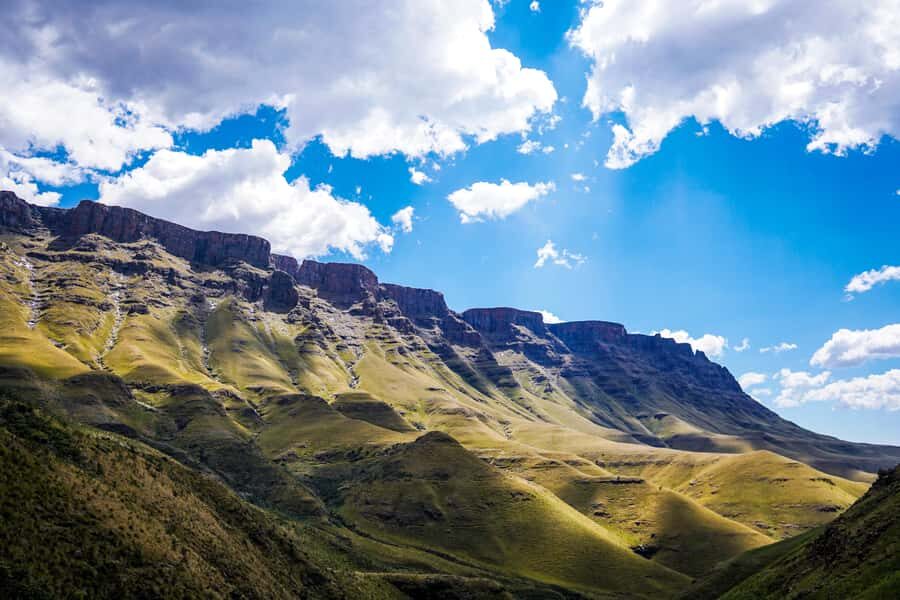
You don’t rush past the good parts. The tour builds in scenic viewpoints along the way, so you can actually take in the Drakensberg escarpment, waterfalls, and deep valleys far below. The timing is smart because mountain light changes quickly with altitude and weather.
Here’s the practical advice: bring your eyes and your camera, but also bring patience. You’ll likely stop often enough that you can re-compose shots as clouds shift. In mistier conditions, don’t assume the best views are gone—sometimes a thin fog layer makes the scenery feel even more dramatic.
A small tip from the feel of the experience: some guides focus on what’s around you besides the big view. One guide was even praised for spotting birds and keeping an eye out for wildlife, and another day included extra items like binoculars and blankets. Even if you don’t see wildlife in every moment, the mindset of looking closely is part of what makes this tour better than a standard drive-through.
Where the tour turns into Lesotho: border formalities and altitude
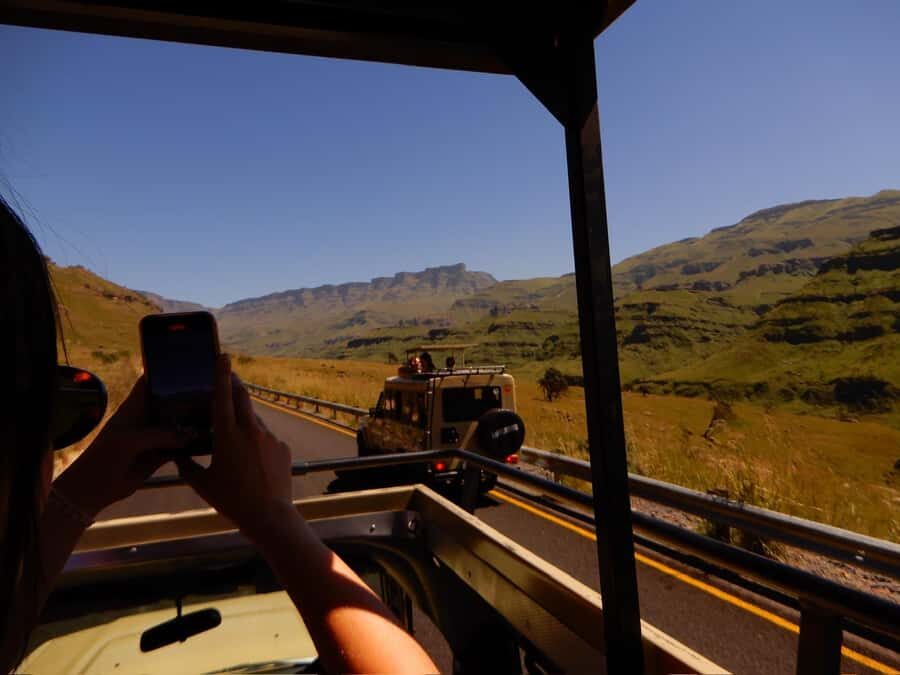
Near the summit, you complete border formalities and then cross into Lesotho. Lesotho is often called the Kingdom in the Sky, and the change happens in the air. You’re moving to nearly 2,900 meters, which means crisp air and a feeling of open space.
What you’ll notice up there is the difference in how people live with the altitude. Rolling alpine grasslands stretch across the highlands, and you’ll see stone huts and grazing livestock. Even if you’ve seen mountain scenes before, Lesotho’s high-elevation scale tends to land differently—everything looks farther, and the air feels sharper.
One important planning point: the tour crosses the border into Lesotho, and you’re responsible for having the right documents. The tour notes that you should make sure you’re not required to obtain a visa, because they can’t obtain it at the border. For your peace of mind, confirm your entry requirements before you go, and keep your passport handy.
Basotho village visit: bread tasting and daily-life context
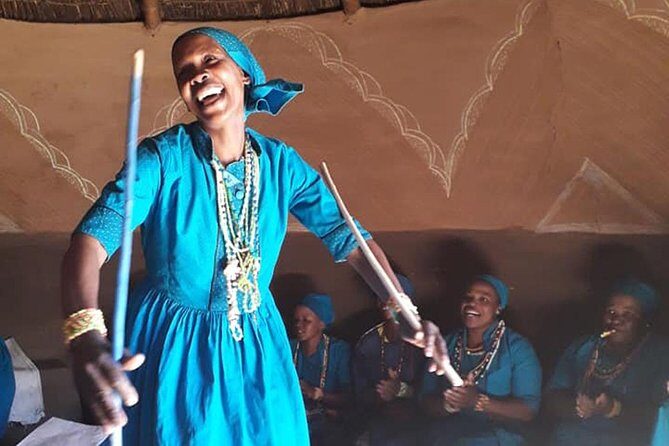
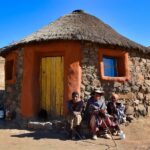
The Basotho village stop is where the tour becomes more than sightseeing. You’ll learn about daily life in the highlands—traditional clothing, livestock farming, and the community values that help people live with the realities of altitude.
The standout moment is the welcome and tasting of freshly baked Basotho bread. This isn’t a generic souvenir stop. It’s an introduction to food as part of culture, where you can ask questions and see how hospitality works in a place where weather and terrain shape the day.
Guides play a huge role here. People like Mondli Miya (Mo) and Peter are repeatedly praised for connecting cultural details to what you’re actually looking at—why people farm the way they do, how the landscape and seasons affect routines, and what community means when resources are practical and local.
If you care about authentic experiences, this is the best section to lean into. Dress appropriately for cooler, windier conditions, and keep your curiosity open. You’re not just visiting a village; you’re meeting people who have built their daily rhythms around the highlands.
Lunch in the Lesotho highlands: what’s included and what you’ll pay for
Lunch is part of the day, but it isn’t included in the tour price. You’ll either eat at a local eatery with simple, hearty mountain food or stop for a scenic picnic with views.
This is one of the most important value points to understand up front. At $72 per person, the tour includes a lot: transportation, an English guide, bottled water, tea/coffee with a light snack, and homemade Basotho bread. But lunch and drinks are on your own. So if you’re comparing costs, factor that in—especially if you usually expect drinks with meals.
My practical advice: bring cash/card options you’re comfortable using in small eateries, and plan for cool temperatures. Even if the sun breaks through, the highlands can feel chilly, especially during breaks away from vehicles.

Safety and guide style on a challenging road
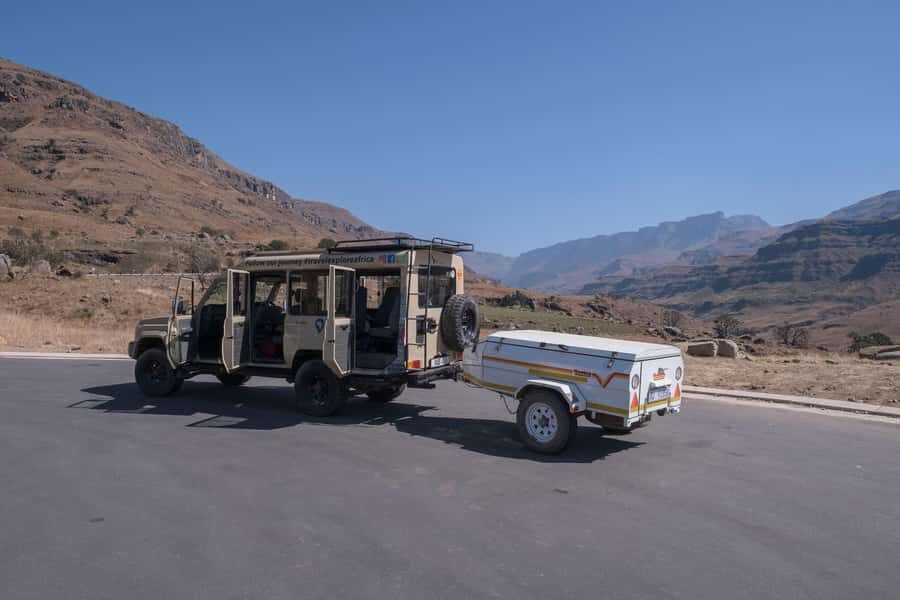
The Sani Pass is not the kind of road you forget quickly. That’s true even when the weather cooperates, because the route is steep and narrow with tight turns and sheer drop-offs. The good news is that the tour is designed around experienced local guides and high-clearance vehicles built for this terrain.
What I like most about the way guides are described is consistency: people repeatedly mention feeling safe and secure during the ride, including in misty conditions. That’s not a small detail. When a road is this demanding, your comfort depends on driving technique and calm decision-making—especially when visibility or traction changes.
The other strength is how guides explain things while they drive. Some names that come up again and again include:
- Peter (praised for deep cultural insights and strong driving)
- Seya (praised for history and geology, plus confident handling of the road)
- Mo / Mondli Miya (praised for humor, positive energy, and connection to Basotho culture)
- Pat and Moiloa (praised for stories and bird-spotting attention)
If you’re the type who likes to understand what you’re seeing, this tour is designed to help you do that. And if you just want a stress-free ride, the repeated emphasis on safe driving is also what you’re paying for.
What to bring (and what to skip) for a 2874m day
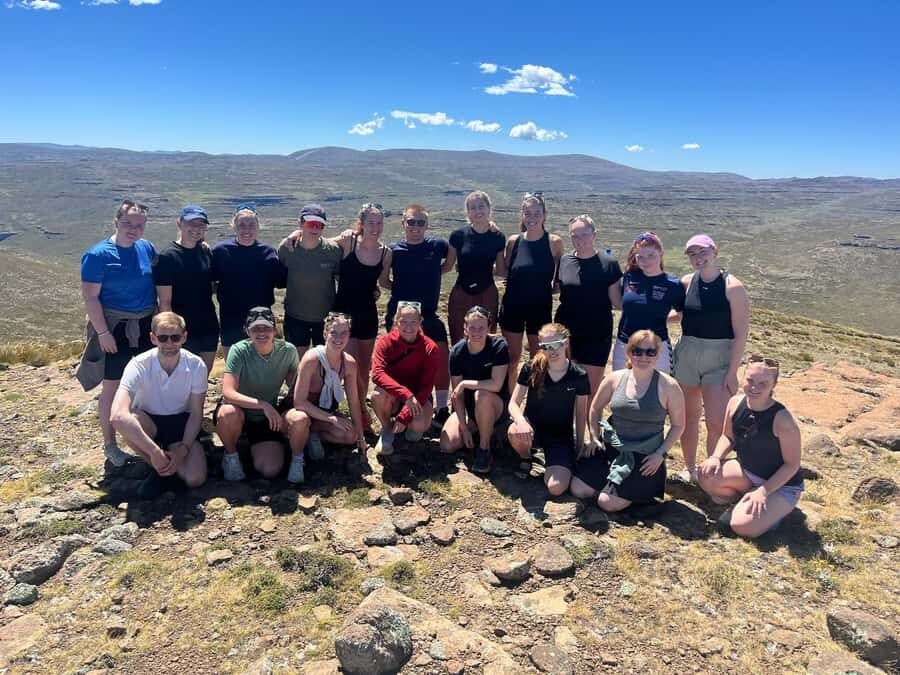
The essentials are straightforward, but don’t underestimate the weather. The tour asks you to bring:
- Passport (you cross into Lesotho)
- Comfortable shoes (for stops and uneven terrain)
- Windbreaker (this is mountain country)
A couple of common-sense adds that match the conditions: layers you can adjust, and something to protect your face and hands when wind picks up. The day also includes tea/coffee with a light snack and bottled water, so you don’t need to pack a full kit—just be ready to stay warm between vehicle stops and viewpoints.
If you’re sensitive to altitude, take it seriously. The tour reaches 2874m, and even short exposure can feel noticeable.
Who this tour suits best
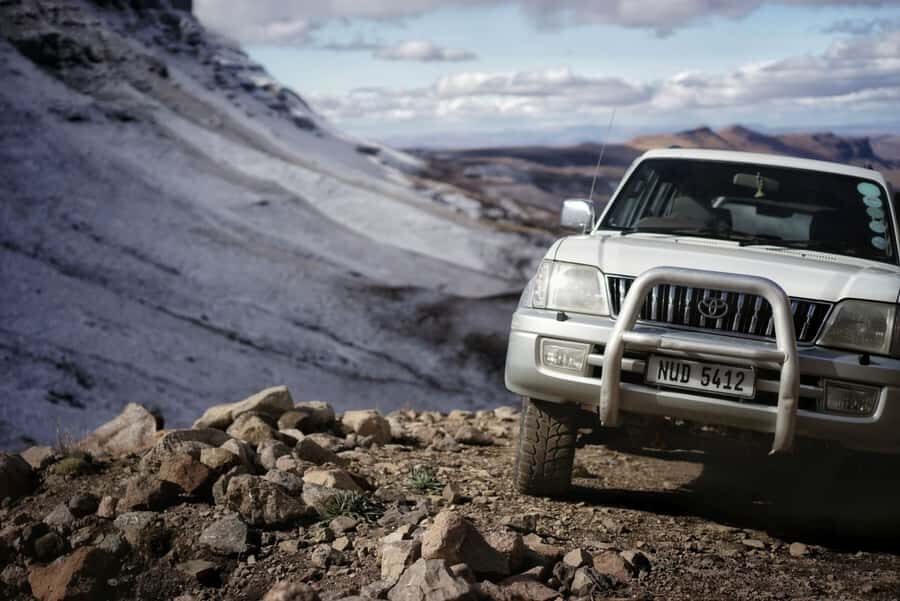
This is the right fit if you want a day that mixes adventure with real people. The 4×4 ascent scratches the thrill itch, and the Basotho village stop gives you context that sightseeing-only trips often skip.
You’ll likely enjoy it if you:
- want a small group experience (up to 8)
- like learning about geology, history, and local culture while you travel
- don’t mind a bumpy, high-altitude day with frequent stops
- prefer a guide who talks, not just a driver who stays silent
You might think twice if:
- you’re not comfortable with steep mountain roads and drop-offs
- altitude affects you quickly
- you don’t want to manage border-document requirements or cold/windy conditions
Price and value: what $72 actually buys
At $72 per person for a 7-hour trip, the price makes sense when you break down what’s included. You’re paying for a lot of the expensive stuff:
- 4×4 transport up a difficult pass
- an English live guide
- bottled water
- tea and coffee with a light snack
- homemade Basotho bread
Lunch is not included, and drinks at lunch time are also not included. So if you typically spend heavily on meals, budget extra. Still, this tour is positioned as a full experience rather than a quick route photo-op.
In other words: the value is in the combination. You get the drive up the famous pass, time for scenery stops, a cultural village visit, and food that’s locally meaningful—not just a packaged snack. For many people in the Drakensberg/Underberg area, that balance is exactly what turns a day into a highlight.
Should you book the Underberg Sani Pass and Basotho Village Tour?
I’d book it if you want more than a view. This is for people who like their travel with a mix of adventure, photo stops, and a real cultural welcome, all in a small group with an experienced guide behind the wheel.
Book it with confidence if:
- you’re okay with altitude around 2874m
- you have your passport sorted for Lesotho entry rules
- you can dress for wind and cool mountain air
- you’re willing to pay for lunch separately
Hold off if you’re hoping for an easy, flat, fully sheltered day. The Sani Pass is rugged by design. But if that sounds like the point, this tour is one of the best ways to experience why Sani Pass is so famous: it’s dramatic because the road is, and the culture visit is what makes the day feel complete.
FAQ
How long is the Sani Pass 4×4 tour from Underberg or Himeville?
The tour runs for about 7 hours.
Where do they pick you up and where do they drop you off?
Pickup is available from accommodation in Underberg or Himeville. If you’re farther out, you’ll be given a meeting point. Drop-off is also in Himeville or Underberg.
Does the tour include lunch and drinks?
Lunch is not included, and drinks at lunch time are also not included.
What’s included in the price?
Included items are the guide, transportation, bottled water, tea and coffee with a light snack, and homemade Basotho bread.
What altitude does the tour reach?
The tour travels to an altitude of about 2874 meters.
Do I need a passport or visa to cross into Lesotho?
You need a passport. The tour crosses into Lesotho, and you should make sure you are not required to obtain a visa to enter Lesotho, since they cannot obtain it at the border.