REVIEW · CAPE TOWN
Guided Table Mountain Hike – Kasteelspoort Scenic Route
Book on GetYourGuide →Operated by Path and Peak Adventures · Bookable on GetYourGuide
Table Mountain feels calmer on Kasteelspoort. This guided hike takes you up the longer, less crowded Castle’s Gate route, generally a friendlier ascent than many alternatives, and then it delivers the iconic diving board photo before the flat summit top. I also like that your mountain guide layers in local flora and fauna (plus Cape Town history) and helps you get the pictures you want along the way.
One catch: food and drinks aren’t included, so bring snacks and water. If you show up empty, Breakfast Rock can feel like it’s teasing you with the idea of breakfast while you’re stuck waiting for the next stop.
In This Review
- Key highlights at a glance
- Kasteelspoort is Table Mountain’s calmer, more scenic approach
- From hotel pickup to the start of the hike
- Castle’s Gate ascent: Kasteelspoort’s ravine and why it feels forgiving
- Breakfast Rock: the old cable car station snack stop
- The diving board rock: iconic views with real nerves
- Valley of the Red Gods and a guided silent meditation
- Summit time: flat top, huge views, and a semi-secret break
- What you get for $120: value that goes beyond the views
- Gear and weather: a rain-or-shine hike means you plan
- Who this hike is best for (and who should skip it)
- Should you book this guided Table Mountain hike via Kasteelspoort?
- FAQ
- How long is the guided Table Mountain hike?
- Is hotel pickup included?
- What’s included in the price, and what isn’t?
- Does the tour include a meditation and photography time?
- What should I bring for the hike?
- Does the tour run in bad weather?
- Who shouldn’t book this hike?
Key highlights at a glance
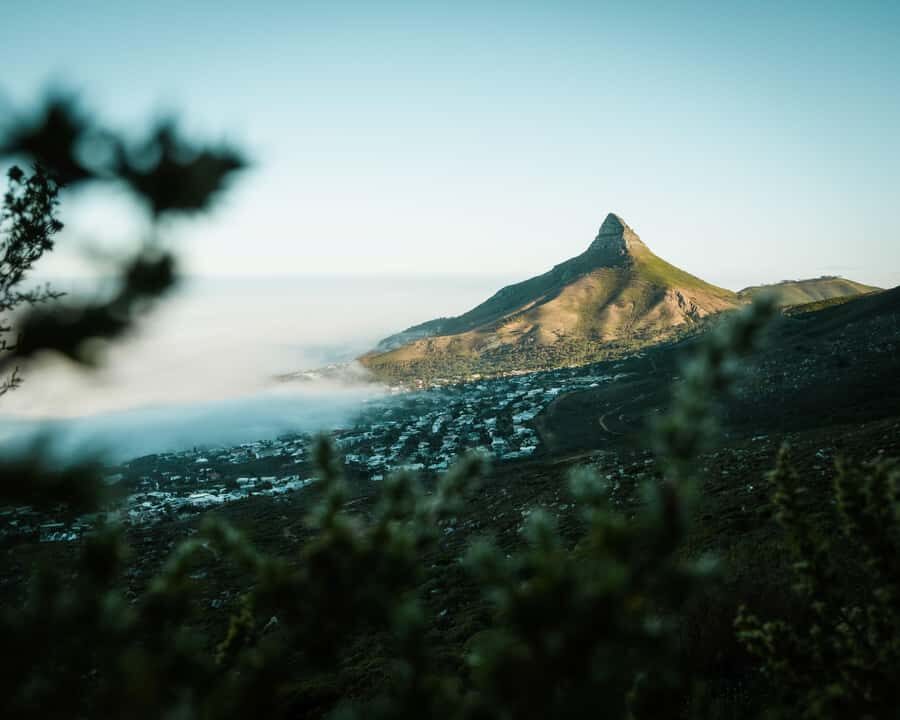
- Kasteelspoort (Castle’s Gate) is longer, less crowded, and scenic compared with many other Table Mountain routes
- Breakfast Rock connects the hike to the old lower cable car station and is a great snack moment
- The diving board rock photo stop puts you at the famous jutting viewpoint above the abyss
- Silent walking meditation helps you slow down with guided senses (sight, sound, smell, touch)
- Summit views cover City Bowl, the oceans, and Robben Island with a chance for an extended break
Kasteelspoort is Table Mountain’s calmer, more scenic approach
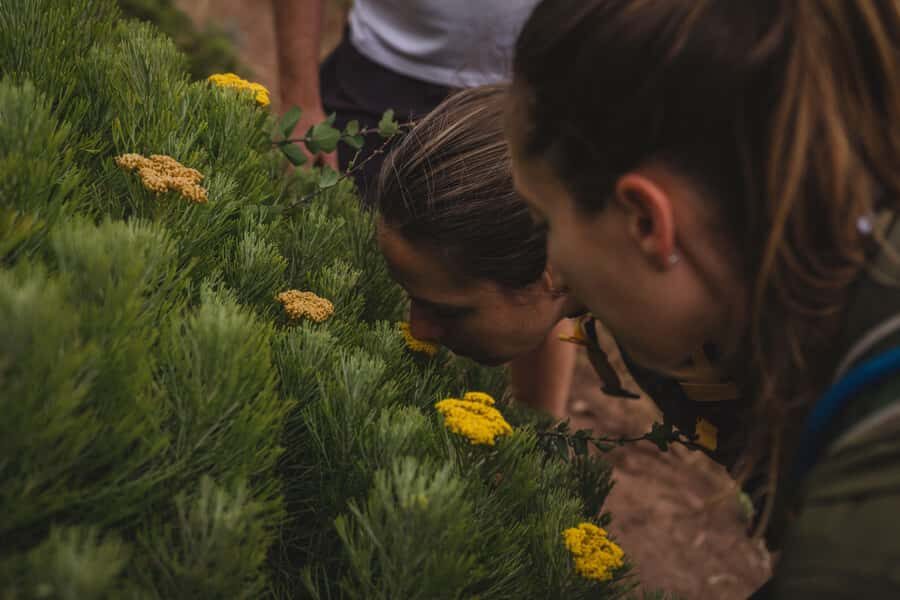
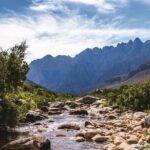
If Table Mountain is on your list, you’ll quickly notice how many ways there are to get up there. What I like about this hike is the choice of Kasteelspoort Scenic Route—it’s the kind of trail that feels less like a race and more like a walk with purpose. The climb goes up Kasteelspoort, a massive ravine with the Castle’s Gate feel, which helps take the edge off the effort compared with steeper, shorter options.
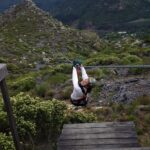
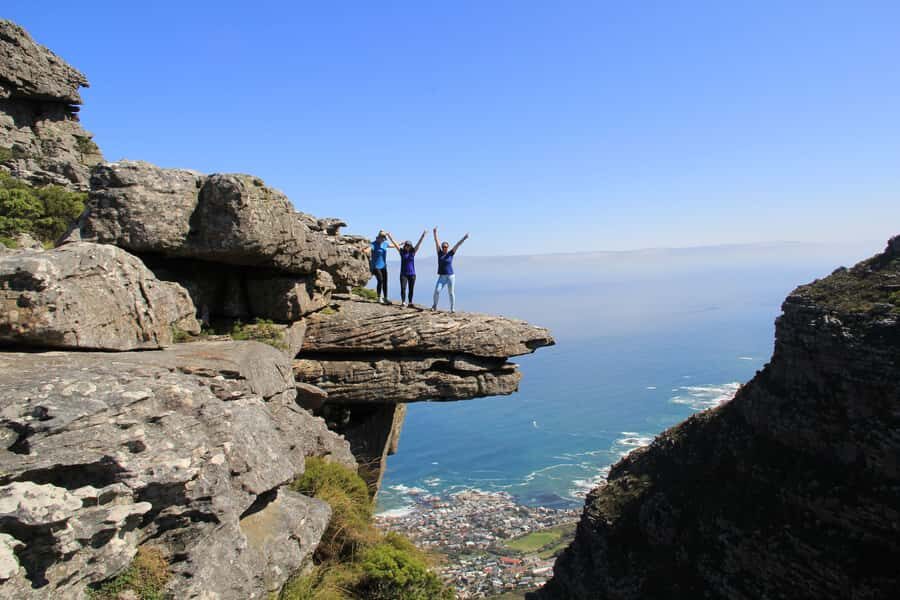
And then there’s the photo moment. The tour builds in a stop at the famous diving board rock—a surfboard-shaped stone that juts outward over the drop. It’s not for people who hate heights, but if you can handle a little vertigo, you’ll understand why it’s become one of the mountain’s most recognizable shots.
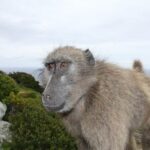
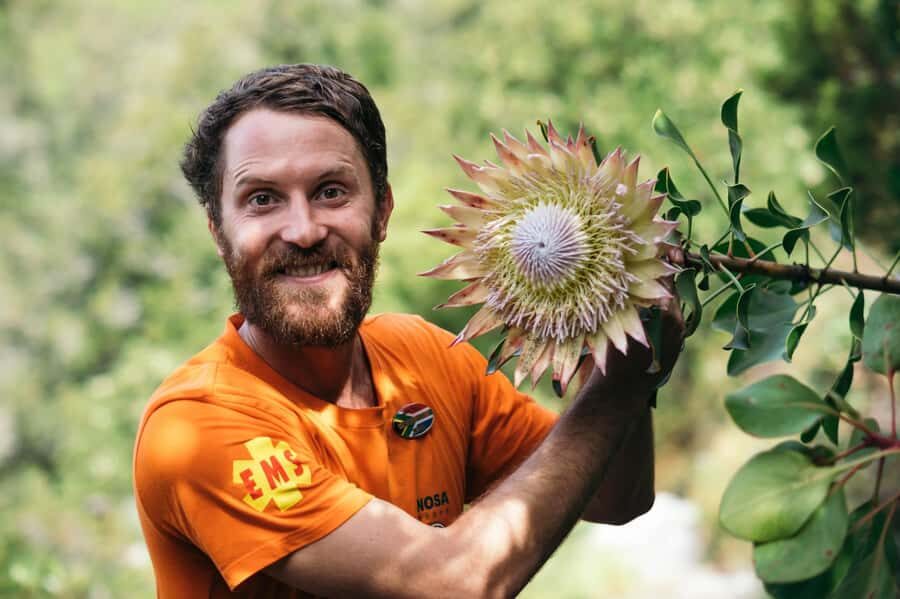
Finally, this is not just “walk and hope.” Your guide brings the mountain into focus—how it’s shaped, what grows here, and what you’re actually looking at as you go.
You can also read our reviews of more guided tours in Cape Town
From hotel pickup to the start of the hike
You’ll start with hotel pickup and drop-off within the city centre and Atlantic Seaboard. Your guide waits in the lobby about five minutes before the scheduled pickup time, which makes the whole morning feel organized instead of chaotic.
You’ll also get the basic setup for a safe hike: route navigation, safety guidance, and first aid support are part of the package. That matters on Table Mountain because conditions can change fast, even when the city looks sunny.
A nice detail from the vibe of the experience is the early start. One of the best ways to hike Table Mountain is to be moving before the heat really ramps up, and this tour’s pacing often feels timed for that cooler window (with the trail starting in shadow).
Castle’s Gate ascent: Kasteelspoort’s ravine and why it feels forgiving
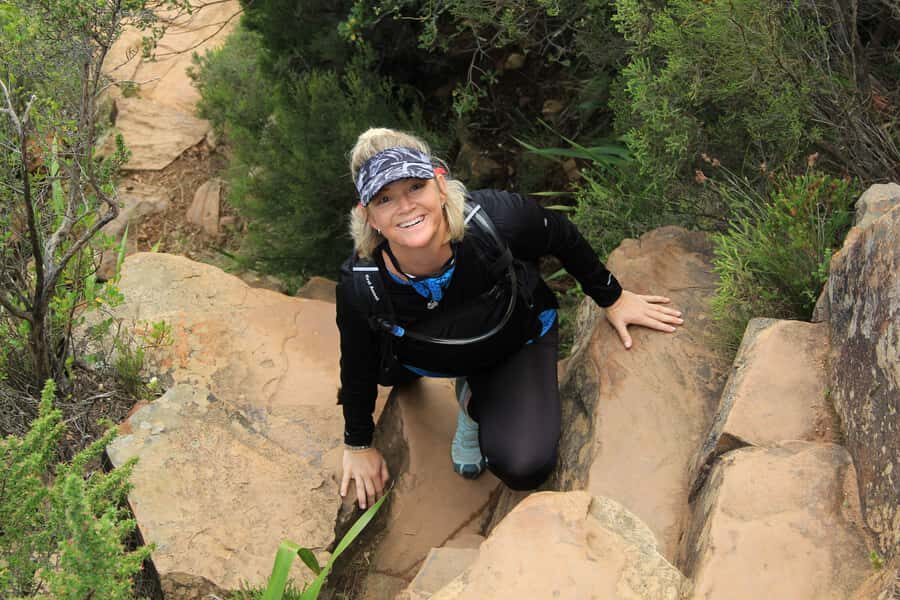
The heart of this route is the climb up Kasteelspoort, also called Castle’s Gate. Instead of heading straight for the summit in a nonstop push, you’re guided up a big ravine toward the top. That design changes how it feels: you get steady progress, more chances to reset your breathing, and less of that “what have I gotten myself into” energy you can get on harder routes.
It also tends to feel more forgiving in the way you move through it. One of the reasons this route is popular is that it’s longer and less crowded, which means fewer distractions and more time to actually notice the mountain.
Your guide keeps things moving, but also keeps an eye on people. In guides you might be paired with—like Nick, Keith, or Rob, based on past experiences—there’s a consistent theme: they encourage the pace, call for pauses when needed, and help you feel steady rather than rushed.
Breakfast Rock: the old cable car station snack stop
Before you hit the big photo spot, you pass Breakfast Rock. This is the site of the old lower cable car station, and it’s more than a historical marker. It’s a natural break in the hike—exactly the kind of moment where you can refuel without losing momentum.
The tour doesn’t include food or drinks, but this stop is where your snack plan becomes part of the fun. If you brought something simple (a bar, nuts, fruit), you’ll feel ready again for the next stretch. If you didn’t, you’ll still stop there, but it may feel more like a reminder that you should’ve packed ahead.
This is also a good time to check your basics: water level, sunscreen, and whether your hat is doing its job. Table Mountain sun can be sneaky, especially if the morning starts cooler.
The diving board rock: iconic views with real nerves
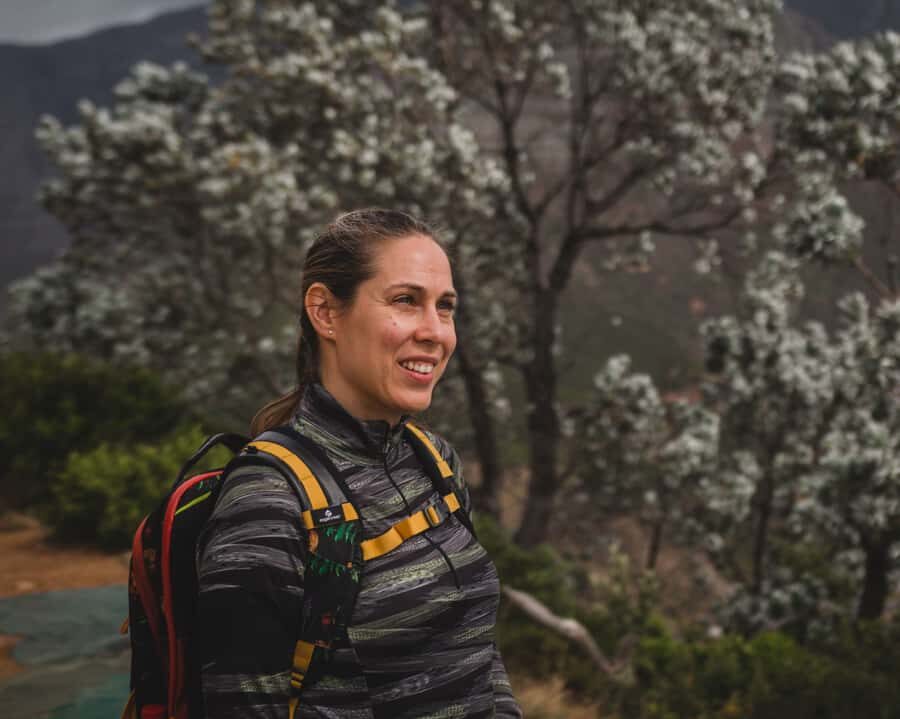
After the initial climb, the hike shifts toward the most famous photography spot on the mountain: the diving board. The rock juts out dramatically over the abyss and looks like a surfboard perched at the edge. It’s well worth it, but it’s also not subtle.
The good news: your guide handles the photo logistics. People in past experiences have specifically noted that their guides helped with getting the pictures they wanted. So if you’re the one who usually ends up behind the camera, this is where you’ll finally get to be in the shot without doing risky balancing acts.
Practical tip: if you’re not comfortable near edges, you can still enjoy the moment from a safer position nearby. The point is to see why it’s famous and capture what you can, without turning the photo stop into a stress test.
You can also read our reviews of more hiking tours in Cape Town


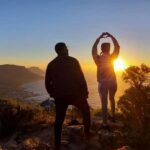
Valley of the Red Gods and a guided silent meditation
Once you leave the diving board area, you head into the Valley of the Red Gods. Expect an undulating walk that takes about two hours as you make your way toward the Table Mountain summit. This is where the route earns its “scenic” label: the terrain changes, the light can shift, and it doesn’t feel like you’re stuck in one long grind.
Then you’ll do something different from typical hikes: a brief but powerful silent walking meditation. Your guide brings attention to your senses—sight, sound, smell, and touch—so the experience turns inward for a moment. You’re still moving, but you’re also noticing.
I like meditation stops on hikes because they solve a common problem: on a steep climb, you can end up spending the entire time thinking about the next step. This practice nudges you to be present with what’s around you, which makes the scenery feel more personal rather than just scenic.
Also, silence isn’t the same as boredom. It’s the chance to hear the mountain, notice your own pace, and feel your body settle into rhythm.
Summit time: flat top, huge views, and a semi-secret break
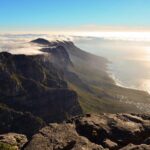
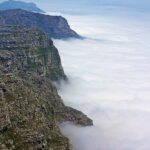
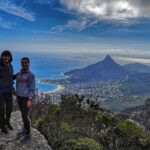
Reaching the summit of Table Mountain is the pay-off. From up here, you get sweeping views over the City Bowl, the surrounding oceans, and Robben Island on a clear day. The summit’s flat top is part of what makes it special—it creates space to stop without feeling like you’re wedged onto a ledge.
The tour includes time for a break at a semi-secret location where you can absorb the surroundings. This isn’t about rushing for photos in a crowded spot. It’s more like an intentional pause—take your time, take pictures if you want, and then breathe in the whole scene at least once without a screen between you and the view.
Once you’ve soaked it in, you’ll start the descent back toward the cable car station. This is a slower return after the uphill work, and it’s a good moment to keep using what your guide taught—route awareness, steady footing, and staying calm if the wind picks up.
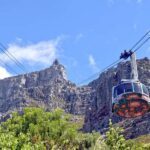
Just note: the cable car down is not included. That means your hike ends with the walk to the station, and you plan your next step from there.
What you get for $120: value that goes beyond the views
At $120 per person, this tour sits in the mid-range for guided Table Mountain experiences. The value comes from what’s bundled, not just the mountain access.
Here’s where the price turns into something practical:
- Hotel pickup and drop-off (within city centre and Atlantic Seaboard) saves you transport hassle
- A professional mountain guide handles safety, route navigation, and first aid readiness
- You get local knowledge of flora and fauna, plus history context that makes the walk more meaningful
- Silent walking meditation is included, which you won’t get on a DIY route
- Photography is included, and past experiences have highlighted guides helping with taking photos the way you want
- You’re getting the Kasteelspoort route choice, which tends to be longer and less crowded than many alternatives
If you’ve ever planned a hike and then realized you still need someone to explain what you’re looking at, this tour solves that. You’re not paying just for a body on a trail—you’re paying for direction, safety, and interpretation.
What’s not included matters too. Cable car down and food/drinks are on you, so your budget should include snacks, water, and whatever you’re planning after the station.
Gear and weather: a rain-or-shine hike means you plan
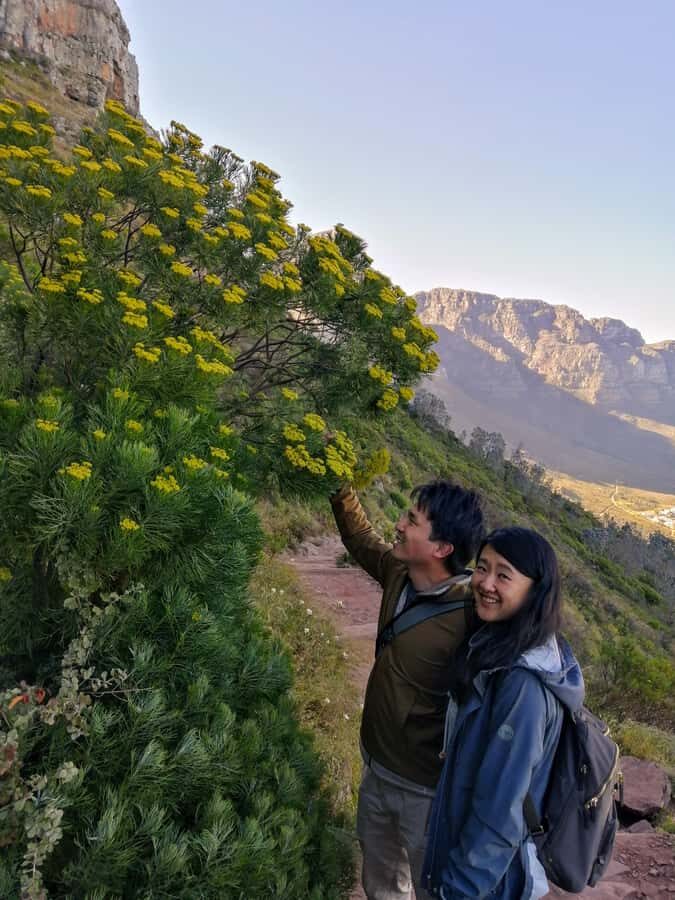
This tour runs rain or shine. The operator only cancels or reschedules in weather that could threaten safety, which is a good reminder that Table Mountain is real outdoor terrain, not a theme park.
So come prepared. Use the provided list as your checklist:
- Comfortable shoes with grip
- Camera (if you’re serious about the diving board shot)
- Snacks for Breakfast Rock and beyond
- Sunscreen and hat
- Weather-appropriate clothing
- Daypack
- Water
A small practical note: even when the temperature feels mild in Cape Town, the mountain can bring wind. Dress in layers so you can adjust without losing your pacing.
Who this hike is best for (and who should skip it)
This hike is not suitable for:
- children under 8
- people over 75
- people with low level of fitness
- pregnant women
That’s not being picky; it’s about route safety and comfort on a mountain that can be uneven and exposed.
Who it fits really well:
- You want a guided Table Mountain experience with more scenic route time instead of rushing to the summit
- You like learning—flora, fauna, and history as part of the hike
- You want quieter hiking and a structured pause like silent meditation
- You care about photos and would rather have help than play guessing games
If you’re nervous about the diving board edge, you can still enjoy the hike. Just be honest with your guide and keep your comfort level first.
Should you book this guided Table Mountain hike via Kasteelspoort?
I’d book it if you want Table Mountain with fewer crowds, a route that feels scenic rather than rushed, and a guide who makes the experience stick in your head. The Kasteelspoort approach is a smart choice when you want variety—ravine ascent, a historical snack stop at Breakfast Rock, a dramatic diving board photo moment, and then a quieter walk into the Red Gods valley.
Also, the guides you might be paired with (like Nick, Keith, or Rob) have a shared strength: they slow the experience down when people need it, teach as you go, and help with getting photos without stress.
Skip it if you’re in any of the not-suitable categories, or if you don’t want to handle food/drink planning yourself since those aren’t included. And if you know you hate heights, be cautious about the diving board stop—this is part of the core route.
If you’re ready for a guided five-hour climb that mixes views, learning, and guided silence, this one is a strong fit for a first or repeat Table Mountain day.
FAQ
How long is the guided Table Mountain hike?
The tour duration is 5 hours.
Is hotel pickup included?
Yes. Pickup and drop-off are included within the city centre and Atlantic Seaboard. Your guide meets you in the lobby about 5 minutes before the scheduled pickup time.
What’s included in the price, and what isn’t?
Included: hotel pickup/drop-off, local knowledge of flora and fauna, safety/route navigation/first aid, a professional mountain guide, silent walking meditation, and photography. Not included: cable car down, food, and drinks.
Does the tour include a meditation and photography time?
Yes. Silent walking meditation is included, and photography is included as part of the experience.
What should I bring for the hike?
Bring comfortable shoes, a camera, snacks, sunscreen, weather-appropriate clothing, a daypack, water, and a hat.
Does the tour run in bad weather?
The tour takes place rain or shine. It is only cancelled or rescheduled in weather that could threaten guest safety.
Who shouldn’t book this hike?
It isn’t suitable for children under 8, people over 75, people with low fitness levels, or pregnant women.