REVIEW · DURBAN
Hluhluwe Imfolozi Game Reserve & Phezulu Safari Park from Durban
Book on Viator →Operated by African Sun Safaris · Bookable on Viator
Zulu songs and big cats in two days. What makes this trip work so well is the tight mix: you get Zulu culture up close at Phezulu Safari Park, then you shift gears to wildlife drives in Hluhluwe–iMfolozi, aiming for the Big Five. It’s a private format with pickup from Durban, so the whole thing feels smoother than a piecemeal DIY day-by-day plan.
I especially love the rhythm of the wildlife schedule. You’re not stuck with just one game drive; you get a late-afternoon drive, an overnight stay in a wildlife camp, then a dawn drive plus a final drive after breakfast. I also like how the Phezulu portion explains traditions in a hands-on way, including demonstrations tied to sangomas and warriors, plus spear-making and dancing.
One thing to consider: this is a time-forward itinerary. You’ll have long days, an early morning on Day 2, and plenty of time in the vehicle while you chase sightings. If you’re hoping for a slow, laid-back pace, you might find the schedule a lot.
In This Review
- Key takeaways before you go
- Durban to Phezulu Safari Park: start with Zulu traditions, not just photos
- Hluhluwe–iMfolozi game reserve: three drives, Big Five odds, and real timing
- Late-afternoon drive: when animals head to water
- What three drives really do for you
- Overnight in a wildlife camp: the part you’ll remember later
- Day 2 at 6:00am: dawn game drive with coffee, biscuits, and sharper sightings
- Breakfast and lunch rhythms
- The final game drive and the return to Durban
- Price and value: what $675-ish actually buys you
- Who this tour suits best (and who might not)
- Small practical tips that make a difference
- Should you book this Durban safari combo?
- FAQ
- How long is the tour from Durban?
- What does the tour cost per person?
- Do I get pickup from Durban and drop-offs after the safari?
- What time does the experience start?
- How many game drives are included?
- What wildlife should I look for?
- What is Phezulu Safari Park, and how much time do we spend there?
- Is the overnight stay in a wildlife camp?
- What’s the cancellation policy?
Key takeaways before you go
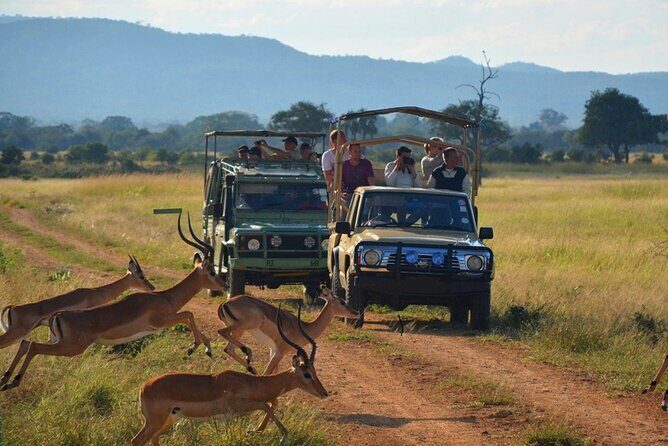
- Three game drives give you multiple chances at lions, elephants, rhinos, leopards, and buffalo
- Late afternoon water-source timing helps you spot animals when they come in to drink
- Dawn game viewing tends to be when animals are most active and visible
- Phezulu culture is not just watching: you see spear-making and dance demonstrations
- Private transfers reduce hassle between Durban, the parks, and the airport/hotels
- Camp night sounds are part of the experience, so earplugs can be a smart idea
Durban to Phezulu Safari Park: start with Zulu traditions, not just photos
The tour kicks off in Durban with stress-free private pickup, then heads straight to Phezulu Safari Park. This is your cultural primer before you go looking for wildlife, and it changes how you experience the whole trip. Instead of treating South Africa like a menu of sights, you get context about people, beliefs, and community life in the Zulu tradition.
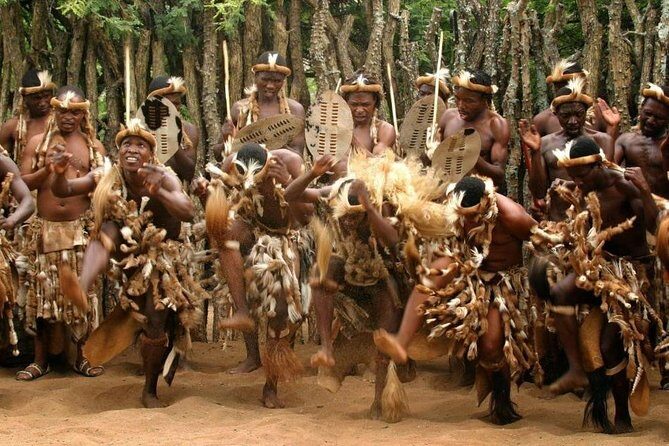
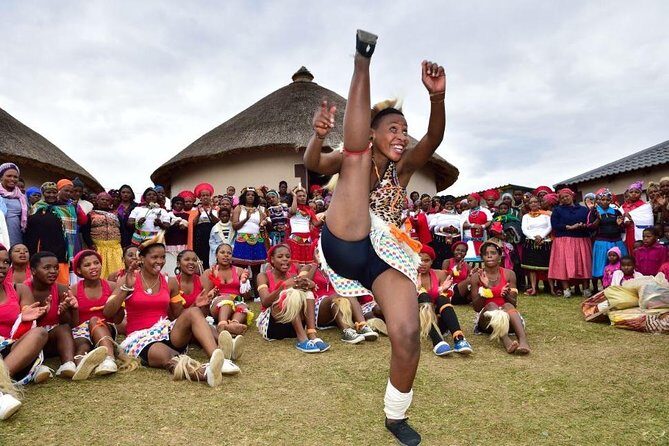
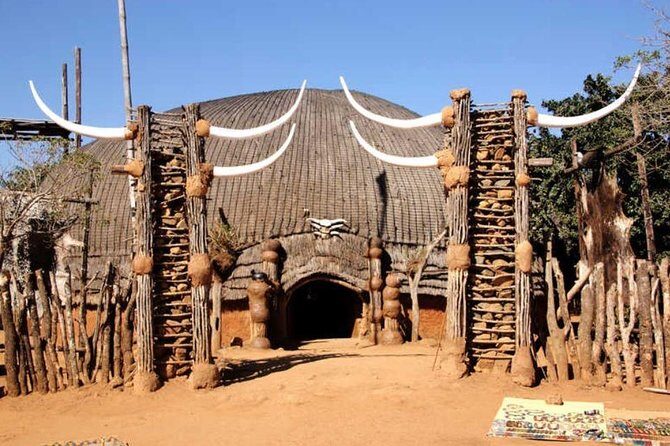
At Phezulu, you’ll spend about 3 hours at the cultural center. You’ll be introduced to Zulu traditions such as sangomas and warriors, and you’ll see demonstrations tied to spear making and dancing. The value here is that it’s interactive and watchable at the same time. Even if you don’t know the first thing about the history behind the symbols, the choreography and craft details help everything click.
Practical note: wear comfortable shoes. You’ll likely do some walking and standing for demonstrations. Also, if you’re the kind of person who likes asking questions, this is a good moment. Your brain is fresh before the long drive to the reserve.
A few more Durban tours and experiences worth a look
Hluhluwe–iMfolozi game reserve: three drives, Big Five odds, and real timing
After Phezulu, the drive to Hluhluwe–iMfolozi starts around 2:00pm, with arrival around 4:30pm. That timing is one reason the safari feels more productive. You’re not arriving in the middle of nowhere with no plan. You’re arriving when visibility and animal movement often improve.
Late-afternoon drive: when animals head to water
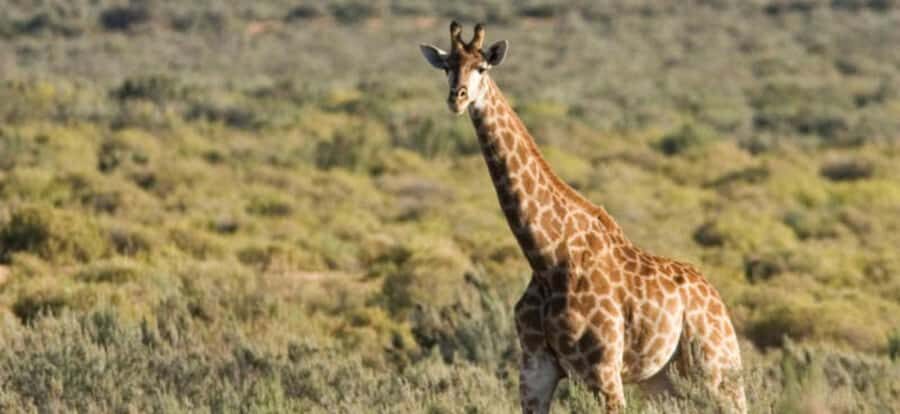
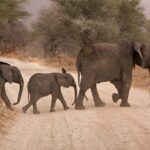
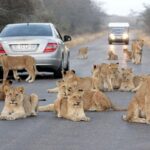
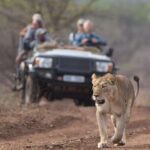
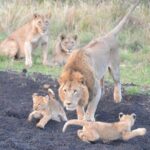
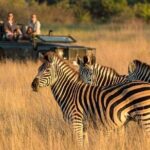
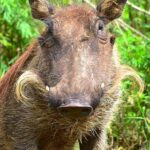
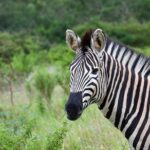
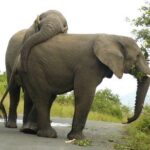
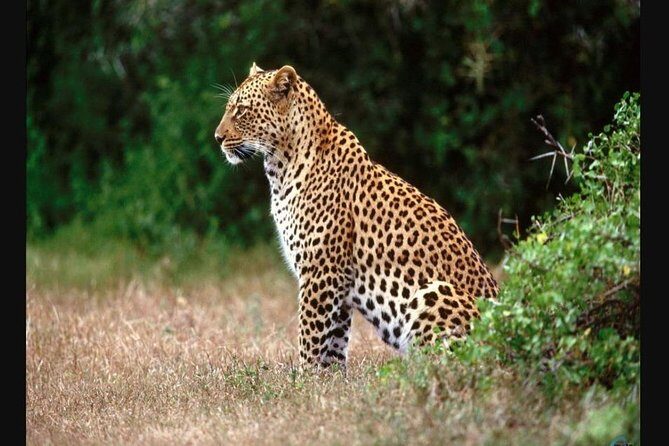
Your first park session is a late afternoon game drive. The idea is simple: many animals visit water sources around this time, so your chances of seeing multiple species in a smaller window increase. You’ll be scanning for the headline targets—lions, elephants, rhinos, leopards, and buffalo—but you’ll also see plenty of other wildlife along the way.
One balanced expectation: Big Five sightings are never guaranteed. But three drives across two days is a better strategy than one long day trip. It’s the difference between one shot at the wildlife and repeated opportunities as light and animal behavior change.
What three drives really do for you
A lot of safari packages advertise “one big drive.” This one gives you multiple viewing windows. That matters because animals react to light and temperature. If lions are sleeping in one area at one time, they may be active later. If elephants are moving toward water in late afternoon, they might be gone by dawn—so you want both.
Overnight in a wildlife camp: the part you’ll remember later
Once your first game drive wraps up, you stay overnight in a wildlife camp. There’s no way to sugarcoat it: being in the reserve means you’re living with the sounds of the wilderness. Some people love that. Others realize they’re not as “camping” as they thought they were.
Based on the vibe of this type of stop, expect a simple, functional camp setup where the point is the night sky and the morning start—not luxury comforts. If you’re sensitive to noise, bring earplugs. If you like atmosphere, enjoy it. The camp night is often where the safari stops feeling like sightseeing and starts feeling like you’re really there.
Also, one highlight that comes up in feedback is the camp-style braai. The exact menu can vary, but it’s a nice morale boost after a full day of driving and scanning for animals.

Day 2 at 6:00am: dawn game drive with coffee, biscuits, and sharper sightings
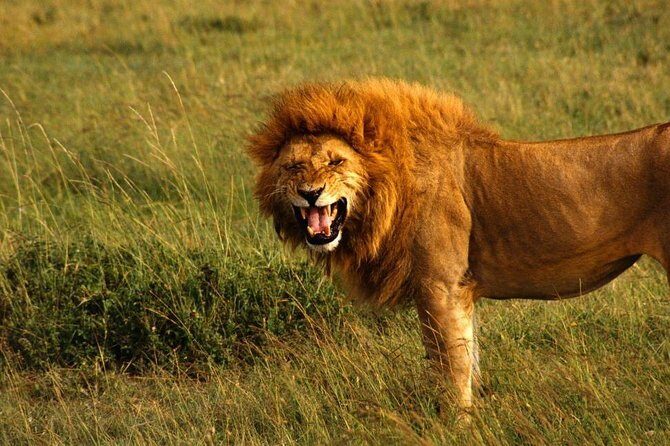
Day 2 starts with the early morning game drive, scheduled for about 6:00am. This is the “get up before you think you’re ready” portion of the trip, and it pays off. Morning drives often bring better animal activity and more predictable spotting because animals move when temperatures are cooler.
You’ll be served a morning cup of coffee and biscuits, then you’ll spend several hours in the reserve. Plan for slow, steady scanning rather than constant adrenaline. When sightings happen, you want your eyes ready and your patience intact.
Breakfast and lunch rhythms
After a few hours of game viewing, there’s a stop for breakfast, then you continue game drives until around lunchtime. The tour then includes lunch at the game reserve, and after that you keep driving again. This structure is practical: it protects you from the two classic safari mistakes—getting too hungry to think, or getting tired enough that you start missing animals.
And yes, you’ll still be watching for those headline species. But don’t ignore the in-between: tracks, birds, smaller mammals, and moments where an animal appears at the edge of the road can be just as memorable.
The final game drive and the return to Durban
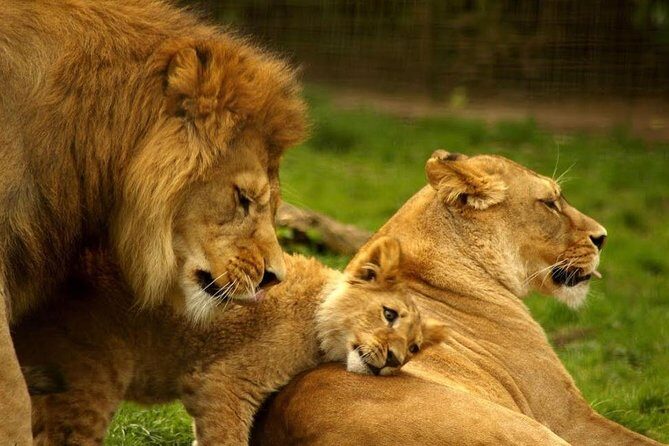
After lunch, the itinerary keeps momentum. Your final game drive continues until you depart the reserve at around 2:30pm, then you head back to Durban for drop-offs at hotels and the airport.
That return timing has one big advantage: you get a full second half of daylight for sightings, and you’re not stuck in the reserve so long that you arrive back at night exhausted. Still, remember you’ve had early starts and long drives. Hydrate during the day and don’t treat the safari as something you can wing on energy alone.
When the tour ends, it’s usually with that mix of satisfaction and frustration that safari days create. You may have seen multiple Big Five animals, or you may have come away with a couple of near-misses and one animal that surprised you most. Either way, the two-day structure makes it feel more like a real wildlife experience than a rushed stop.
Price and value: what $675-ish actually buys you
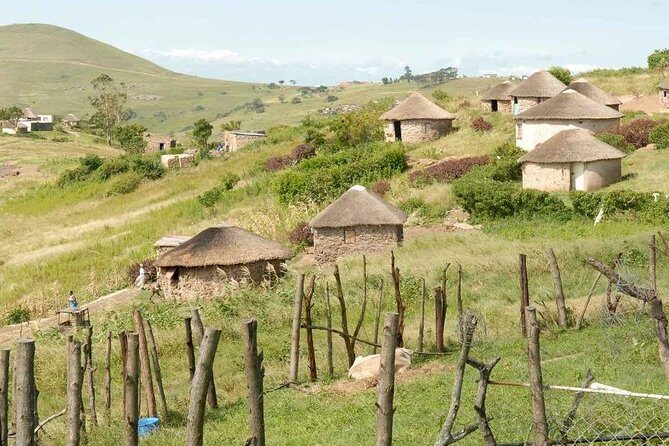
At $675.61 per person for a private 2-day combo, you’re paying for three main things:
1) Time and logistics handled for you
You get private transfers from Durban hotels and the airport side. That’s not just comfort—it saves you from coordinating transport across long distances and park timing.
2) Three game-drive opportunities plus an overnight camp night
A one-day safari can feel like you’re racing daylight. Here you get late afternoon, dawn, and another daytime window. That’s more “hours of searching,” which is what matters when wildlife is the product.
3) Zulu culture programming that’s more than a quick show
Phezulu isn’t just a billboard stop. You get a few hours to learn about sangomas and warrior traditions, plus spear-making and dancing demonstrations.
Is it expensive? For sure, it’s not a budget outing. But it’s also not a “just pay for a seat on a bus” deal. If you want a single, organized package that covers both the cultural and wildlife sides with minimal hassle, this is a strong value for the format.
If you’re traveling as a group, keep an eye out for the group discount feature. With private tours, small numbers can change the feel of the cost.
Who this tour suits best (and who might not)
This is a great fit if you:
- Want a two-day wildlife plan with multiple viewing windows
- Like the idea of pairing culture and safari instead of choosing one
- Prefer private pickup and transfers so you don’t lose time figuring things out
- Are comfortable with an early morning game drive and a full schedule
You might want to rethink it if you:
- Want a slow pace and lots of free time to wander on your own
- Hate early starts
- Expect total guarantee of Big Five sightings (no safari can promise that)
A good strategy before you go: decide what you’d call success. If you’re chasing one specific animal, you’ll be more stressed. If you’re open to the whole safari experience—Big Five plus the rest—you’ll enjoy it more.
Small practical tips that make a difference
- Bring layers. Early mornings can feel cooler, and you’ll spend long stretches outside.
- Have patience with spotting. Animals don’t line up for photos, and that’s normal.
- Keep your camera ready but don’t stare through it the whole time. Take quick moments to look with your eyes first.
- If you’re sensitive to camp noise, earplugs are smart.
- At Phezulu, wear comfortable shoes and expect to stand for parts of the demonstrations.
Should you book this Durban safari combo?
I’d book it if you want a tightly planned, private 2-day experience that covers both Zulu cultural programming and real safari time in Hluhluwe–iMfolozi. The structure is the selling point: three game drives, an overnight camp stay, and a mix of late afternoon and dawn timing that boosts your chances.
It’s also a good choice if you’re short on planning energy. You’ll handle pickup, transfers, park timing, and meal moments without juggling multiple confirmations.
If you’re the type who needs downtime and hates early mornings, you may find the schedule a bit much. But if you’re willing to trade a little comfort for more wildlife time, this is one of those trips that tends to leave you with stories you’ll keep replaying long after the drive home.
FAQ
How long is the tour from Durban?
It’s listed as about 2 days.
What does the tour cost per person?
The price is $675.61 per person.
Do I get pickup from Durban and drop-offs after the safari?
Yes. The tour offers 2-way private transfers from Durban hotels and also drop-offs to the airport.
What time does the experience start?
The meeting/start time is listed as 7:30 am.
How many game drives are included?
You have three game drives in Hluhluwe Game Reserve across the two days (late afternoon on Day 1, early morning on Day 2, and another drive after breakfast).
What wildlife should I look for?
The tour highlights the possibility of seeing the Big Five: lions, elephants, rhinos, leopards, and buffalo, along with other wildlife.
What is Phezulu Safari Park, and how much time do we spend there?
You visit the Phezulu Cultural Center for about 3 hours. You’ll learn about Zulu traditions and see demonstrations including spear making and dancing.
Is the overnight stay in a wildlife camp?
Yes. You’ll stay the night in a wildlife camp in the reserve area.
What’s the cancellation policy?
There’s free cancellation. You can cancel up to 24 hours in advance of the experience’s start time for a full refund.