REVIEW · DURBAN
Sani Pass – Lesotho Mountain Kingdom
Book on Viator →Operated by Afro Zulu tours · Bookable on Viator
A road up to the roof of Africa feels like a side quest. The Sani Pass tour is one of those trips where the drive is part of the story: you ride an air-conditioned vehicle to Underberg, then switch to a 4×4 for the famous climb into Lesotho around 9,000 feet. I like that it mixes wildlife-spotting with real mountain-life contact, not just a viewpoint stop, and you also get the world’s-in-the-weirdest-way stop at the highest pub in Africa.
My main caution is simple: you need to be ready for a long day and you must travel with the right paperwork. A passport is essential for crossing into Lesotho, and the tour runs only with good weather.
In This Review
- Key things to know before you go
- Sani Pass and Lesotho: why this day trip feels different
- Getting from Durban to Underberg without drama
- The 4×4 climb: switchbacks, wildlife, and mountain reality
- Crossing into Lesotho at altitude (around 9,000 feet)
- Stop at the Sani Top Chalet: Africa’s highest pub
- Scenery, flora, and birdlife: what to watch for
- Timing and pacing: a 12-hour day that still works
- Price and value: is $182.45 worth it?
- Who should book this Sani Pass trip (and who should reconsider)
- Quick packing tips that actually matter here
- Should you book Sani Pass with Afro Zulu tours?
- FAQ
- FAQ
- Do I need a passport for this tour?
- How long is the Sani Pass tour?
- Is pickup included if I’m staying in Durban?
- What does the tour include?
- How big is the group?
- What transport do we use once we reach the pass area?
- What should I wear or bring?
- Is good weather required?
- Can I get a refund if I cancel?
Key things to know before you go
- Small group (max 15) keeps the day personal and manageable on narrow roads
- Durban-to-Underberg transfer starts you out comfortably before the rugged climb
- Wildlife scouting at altitude for elands, baboons, and bearded vultures (when conditions cooperate)
- Lesotho village area at about 9,000 feet gives you a sense of high-mountain life
- Sani Top Chalet pub is the big stop and it’s famously isolated and high
- Bring binoculars and sturdy clothes if you want the best wildlife viewing chances
Sani Pass and Lesotho: why this day trip feels different
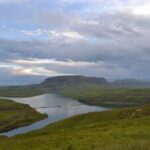
The Sani Pass sits in the Drakensberg region, and the whole point is the contrast. You start in the lowlands, then you’re climbing into Lesotho’s high country, where the air changes and the scenery tightens into dramatic mountain views.
What I like about this tour is the way it balances natural showpieces with everyday human moments. At around 9,000 feet, you’ll be in a harsh, beautiful place where you can look up for birds, scan the slopes for antelope, and also connect with local villagers living at altitude.
The tour also works for people who don’t want to plan a complex border day on their own. You get guided structure, transport set up, and a route that’s focused on the Sani Pass itself rather than turning into a long chain of random stops.
You can also read our reviews of more tours and experiences in Durban.

Getting from Durban to Underberg without drama
The day starts in Durban, with pickup offered so you don’t have to solve your own timing puzzle. You’ll ride in an air-conditioned vehicle to Underberg before you head toward the pass, which matters because you’ll be spending time in vehicles long enough that comfort helps.
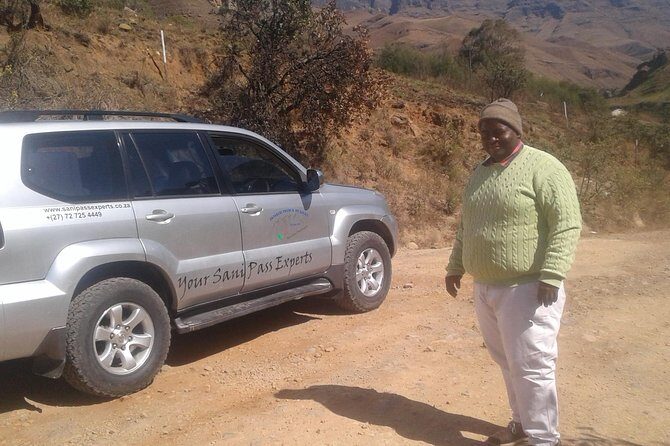
Underberg is your launch point for the real mountain work. Once you transfer into the 4×4, you’re trading smooth roads for hairpin switchbacks and that “slow and steep” feel that the Sani Pass is known for.
This structure is a practical win: you arrive at the pass area rested instead of already tired from travel. It also means you can concentrate on what matters once you start climbing—views, wildlife, and the crossing into Lesotho.
The 4×4 climb: switchbacks, wildlife, and mountain reality
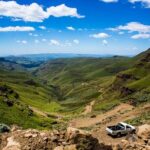
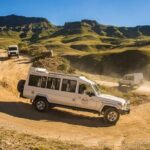
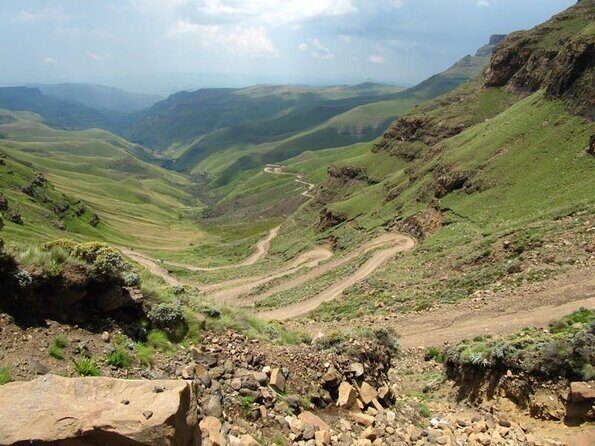
When you transfer into the 4×4, the day becomes a moving viewpoint. The route up the pass is described as a winding dirt road with sharp bends, and that’s exactly what you should expect: a ride that’s exciting, not just scenic.
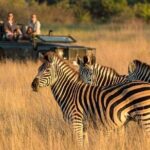
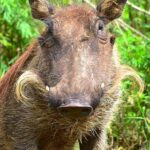
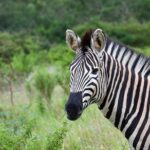
This is also where wildlife spotting becomes more than a “maybe.” The pass area is known for animals like elands (the largest antelope in Africa), duikers, baboons, and bearded vultures. You’ll be scouting for them during the day, and that’s why a good pair of binoculars is recommended—you’ll likely spot movement first, then want to confirm what you’re seeing.
A quick consideration: the tour is listed as requiring moderate physical fitness. That doesn’t mean you need to be a mountaineer, but you should expect some uneven ground, getting in and out of vehicles, and time spent outdoors at altitude. Comfortable shoes and an attitude of patience help a lot.
Crossing into Lesotho at altitude (around 9,000 feet)
One of the most “real” parts of this day trip is getting into Lesotho rather than staying only along the border roads. You’ll enter Lesotho and meet mountain people living in a very harsh land, at roughly 9,000 feet.
That high altitude setting changes what you notice. Birdlife tends to feel more active at altitude, and the overall atmosphere is cooler and thinner-feeling compared with the start of the day. You’ll also likely understand why people live with a different rhythm here—weather, exposure, and steep terrain shape daily life.
This tour doesn’t present Lesotho as a theme park. It’s built to get you into the area and out to the places where the environment does the talking.
Stop at the Sani Top Chalet: Africa’s highest pub
The highest pub stop is the big payoff people remember. You’ll visit the Sani top chalet, described as one of the most isolated pubs in Africa and certainly the highest.
Even if you’re not a pub person, this is worth it for two reasons. First, the location is genuinely part of the experience: you’re at altitude, you’re surrounded by mountain scenery, and you can take your time without feeling rushed through a quick photo and leave.
Second, it’s a natural gathering point during a long transit day. After the 4×4 ride and the time spent scanning for wildlife, having a clear “rest and look” moment keeps the day enjoyable rather than exhausting.
Practical tip: if you care about spotting birds, slow down here. People often go for the view and forget to look slightly above it. Be patient with your scan.
Scenery, flora, and birdlife: what to watch for
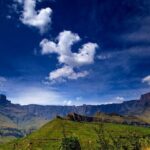
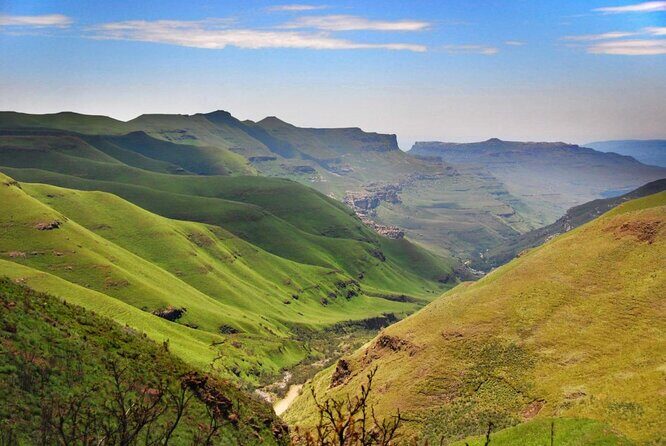
The Sani Pass area is noted for incredible scenery, flora, and birdlife. That matters because it tells you this isn’t only an animal tour or only a “look at mountains” tour.
If you want the best odds for seeing wildlife, go in with a strategy:
- Use binoculars for animals that look like movement against the slope.
- Expect animals to be easier to spot when the light is steady, not right after sudden cloud changes.
- Don’t chase every far-off speck with your feet. Let the driver/guide’s scouting and your position do the work.
You’ll also be on the lookout for bearded vultures, which are rare. You may not see one on every day, but the fact that the route is designed around this kind of birdlife gives you a better chance than random sightseeing.
Timing and pacing: a 12-hour day that still works
The tour duration is listed as about 12 hours, so it’s not a quick half-day escape. That’s the trade: you’re covering distance and climbing into high terrain, and the day stretches because the pass is the point.
The good news is the trip is structured to stay organized. A consistent theme in the feedback is that everything is handled professionally—pickup works, transfers happen smoothly, and the long day still feels fun and informative rather than chaotic.
Still, you should plan for fatigue. Bring a layer you can adjust if temperatures drop at altitude, and pace yourself so you enjoy the chalet stop instead of just surviving to the end.
Price and value: is $182.45 worth it?
At $182.45 per person, this tour sits in the “pay for the expertise” category. What makes it feel reasonable is that you’re not just buying a driver and a seat on a road trip.
You’re getting:
- Round-trip transfers from your Durban hotel (pickup offered, and it ends back at the start point)
- An air-conditioned ride to Underberg
- Bottled water
- Admission ticket listed as free (not something you’d want to skip if you were arranging separately)
- A small-group cap of 15 travelers, which helps on narrow roads and in tight viewing moments
- A guided route that connects the pass, the wildlife scouting opportunities, and the Lesotho experiences
If you tried to DIY this, you’d spend time figuring out transport, timing, and border-day logistics. Here, the structure is already built for the Sani Pass itself, and that’s where the value shows.
Who should book this Sani Pass trip (and who should reconsider)
This tour is a strong match if you want:
- A serious high-mountain day trip without complex planning
- Wildlife viewing chances with a route designed for it
- A small-group experience that doesn’t feel like a cattle call (max 15)
- A blend of scenery, animals, and a meaningful stop in Lesotho
You might reconsider if:
- You dislike long days with lots of vehicle time
- You’re not comfortable with moderate physical demands on uneven ground
- You don’t have the right travel documents for Lesotho
Also, it’s a good idea to take the weather requirement seriously. The experience is weather dependent, which leads to either a different date or a full refund if it can’t run safely.
Quick packing tips that actually matter here
You’ll do best with clothing and gear suited to a cool high-altitude day and dirt road time. The guidance emphasizes jerseys and jeans, and binoculars are a must. That’s exactly the right mindset: dress for practicality, not for city comfort.
A few other sensible ideas:
- Bring a warm layer even if the day starts mild
- Wear shoes you trust on rocky ground when you stop and move around
- Keep essentials easy to reach during transfers so you’re not fumbling when wildlife appears
Should you book Sani Pass with Afro Zulu tours?
If you’re deciding between random day trips and a route built specifically around the Sani Pass, I’d lean toward booking this one. The combination of 4×4 ascent, wildlife scouting (including the rare bearded vulture), and the iconic Sani Top Chalet pub gives you multiple reasons to care about the day, not just one scenic highlight.
Book it if you can commit to a long, well-organized day and you’re ready with your passport and appropriate clothes. Avoid it if you’re traveling with a fragile schedule or you don’t handle weather changes well.
In short: this is the kind of trip where the road up matters as much as the views—and the highest pub stop gives you a fun payoff along the way.
FAQ
FAQ
Do I need a passport for this tour?
Yes. A passport is essential for entry into Lesotho.
How long is the Sani Pass tour?
The duration is listed as about 12 hours.
Is pickup included if I’m staying in Durban?
Pickup is offered, and the activity ends back at the meeting point in Durban.
What does the tour include?
It includes bottled water and an air-conditioned vehicle.
How big is the group?
The tour has a maximum of 15 travelers.
What transport do we use once we reach the pass area?
You’ll take an air-conditioned ride to Underberg, then transfer into a 4×4 vehicle to go up the Sani Pass.
What should I wear or bring?
The guidance says jerseys, jeans, and binoculars are a must.
Is good weather required?
Yes. The experience requires good weather. If it’s canceled due to poor weather, you’ll be offered a different date or a full refund.
Can I get a refund if I cancel?
Yes. You can cancel up to 24 hours in advance for a full refund. If you cancel less than 24 hours before the start time, the amount you paid will not be refunded.