REVIEW · DURBAN
Hluhluwe Imfolozi Park And Isimangaliso Wetlands Park .st Lucia
Book on Viator →Operated by Afro Zulu tours · Bookable on Viator
Two parks, one early start. This full-day combo from Durban pairs Hluhluwe-iMfolozi wildlife drives with an iSimangaliso boat ride and real conservation context.
I like how the schedule gives you two very different animal-viewing styles—safari searching on land, then close-to-the-water sightings in wetlands. I also like that the tour runs as a small group (up to 15), so your guide can answer questions without turning your day into a slideshow.
One consideration: it’s a long day, and the 6:00 a.m. start means you’ll want an easy morning and a good lunch strategy.
In This Review
- Key highlights worth your attention
- A two-park day from Durban: why this combo works
- Price and value: what $225.48 buys you
- 6:00 a.m. start, small-group comfort, and how to time your day
- Hluhluwe-iMfolozi: 96,000 hectares, Big Five odds, and the white rhino story
- What to watch for during the drive
- Switching gears to iSimangaliso: UNESCO wetlands and a short boat ride
- The best mindset for the boat portion
- What the itinerary time really means for you
- Getting the most from your guide and your group size
- Logistics in plain English: pickup, mobile ticket, and air-conditioned travel
- When this tour is a great fit (and when it might not be)
- Should you book Hluhluwe-iMfolozi and iSimangaliso from Durban?
- FAQ
- What time does the tour start and how long is it?
- Where does the tour take place?
- How many people are in the group?
- Are admission tickets included?
- What wildlife might I see at Hluhluwe-iMfolozi?
- What wildlife might I see at iSimangaliso by boat?
- What’s included in the price besides transportation?
- Is pickup from Durban included?
- Does weather affect the tour?
Key highlights worth your attention
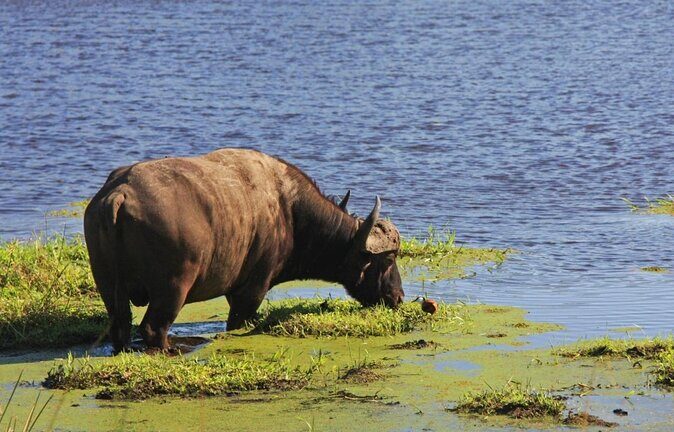
- Small-group safari feel (max 15) for more back-and-forth with your guide during game drive time
- White rhino conservation focus at Hluhluwe-iMfolozi so sightings connect to a bigger story
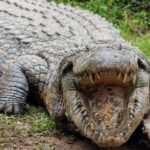
- UNESCO iSimangaliso Wetland Park by boat with chances to see hippos and crocodiles
- Bird watching on the water including the African fish eagle
- Round-trip Durban transfers in an air-conditioned vehicle with bottled water included
- Mobile ticket for a smoother check-in on the day
A two-park day from Durban: why this combo works
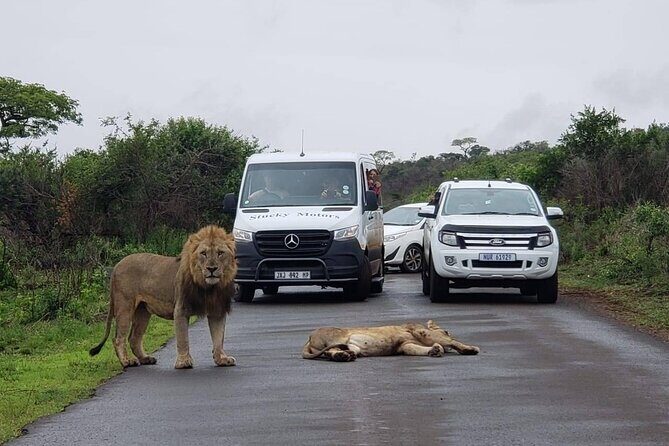
This tour is basically a one-day sampler of KwaZulu-Natal’s wildlife “habitats.” You start with a classic game reserve drive, where you’re scanning for animals in open view and dense bush. Then you switch to iSimangaliso, where the action comes from the waterline—crocodiles, hippos, and birds that use the wetlands like a highway.
The real value here is that it’s not only about checking animals off a list. You also get conservation framing. Hluhluwe-iMfolozi is known for helping save the white rhino from extinction, and iSimangaliso is treated as a UNESCO site with delicate eco-systems that all affect each other. That kind of context can make even a quiet sighting feel meaningful.
One more practical reason it works: you’re not doing this as two separate outings. Your morning pickup and your day-long routing from Durban reduce the hassle of transport and planning, which is often half the battle on wildlife trips.
You can also read our reviews of more tours and experiences in Durban.
Price and value: what $225.48 buys you
At $225.48 per person, this is not a bargain-basement outing—but it also isn’t just a bus ride. You’re paying for a lot of “logistics you don’t want to manage yourself”:
- Round-trip transfers from your Durban hotel area
- An air-conditioned vehicle
- Bottled water during the day
- Admission tickets included for both park portions
- A small group format (maximum 15)
When I look at price like this, I think about opportunity cost. If you tried to piece this together independently, you’d likely spend money on transport and park access, and you’d still have to time everything around early morning and long drives. Here, the day is handled as a single package, with tickets bundled in.
Also, the price can feel more reasonable if you’re traveling with others and taking advantage of group discounts (the tour lists group discounts as an option). If you’re comparing offers, make sure you’re matching inclusions—admission included versus admission extra can swing the value fast.
6:00 a.m. start, small-group comfort, and how to time your day
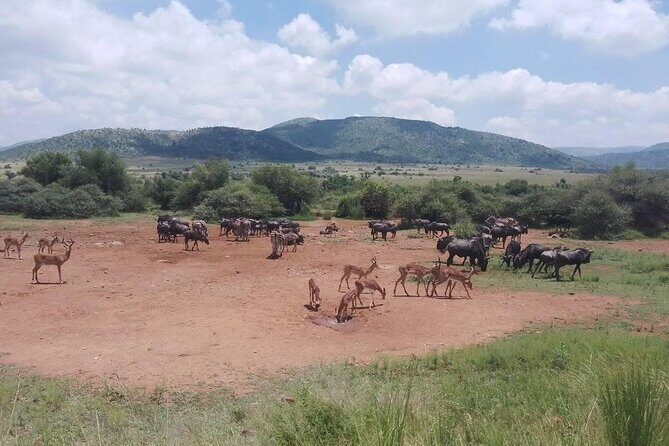
The tour kicks off at 6:00 a.m. and runs about 14 hours. That sounds intense because it is. But early starts matter in wildlife viewing, especially when you’re trying to fit a morning drive and still keep momentum for the wetlands portion later.
You’ll travel in an air-conditioned vehicle, and you get bottled water. That’s a simple inclusion, but it matters on a long day in South Africa where heat can sneak up on you. The group size cap (up to 15) also changes the feel: it’s less chaotic at stops, and questions can get answered in real time rather than later in a group announcement.
For planning, think in terms of “one long outing” rather than two small ones. You’ll want:
- A hat and sunscreen for the safari window
- A light layer for early morning vehicle time
- A camera-ready bag you can access without turning your whole ride into a rummage sale
And because the experience requires good weather, build in a bit of flexibility. If weather forces changes, you should expect the tour operator to offer a different date or a full refund.
Hluhluwe-iMfolozi: 96,000 hectares, Big Five odds, and the white rhino story
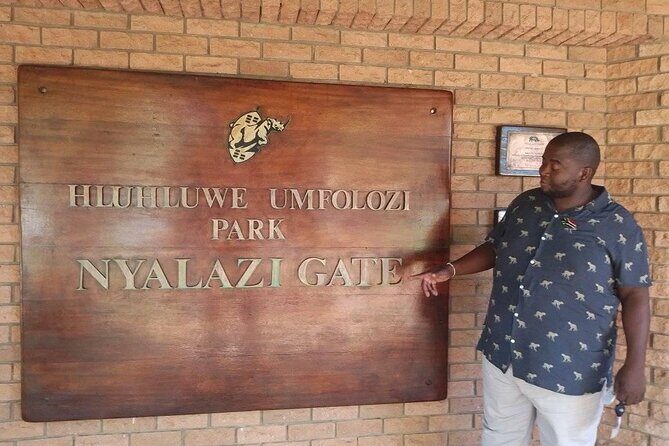
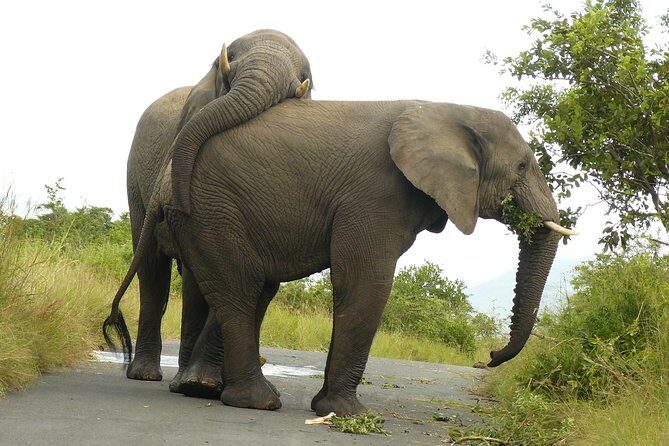
Stop one is the Hluhluwe-iMfolozi Game Reserve wilderness area, with 96,000 hectares of wildlife sanctuary. The time on this portion is about 4 hours, and admission is included.
What I like about starting here is the mix of “possible major sightings” and “why this place matters.” The reserve is renowned for conservation efforts that helped save the white rhino from extinction. That’s not just a trivia line. It affects how you interpret what you see—rhinos aren’t only part of a wildlife checklist. They’re proof that habitat protection and management can reverse outcomes.
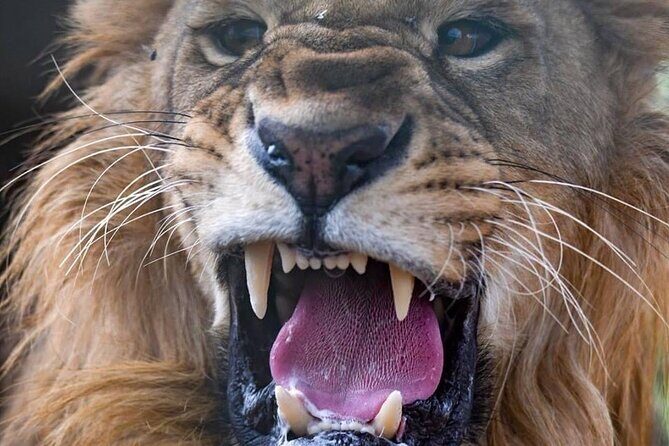
This is also where your chance to spot the Big Five comes in. Your odds depend on luck and animal movement, and the driver can only do so much. Still, a good game drive is about pattern and persistence: scanning, repositioning, and watching how animals react to surrounding conditions.
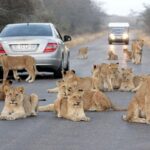
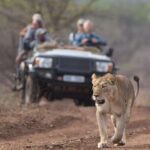
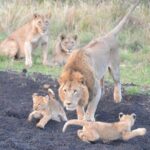
From the kind of sightings people report from this sort of day, you can get memorable moments even when every Big Five category doesn’t show up. For example, some outings don’t include big cats like lions or leopards, but you may still catch cheetah sightings. Other days can produce more dramatic action, like watching a lioness catch prey. Even when the day is not a full checklist match, Hluhluwe-iMfolozi tends to deliver wildlife behavior, not just animals standing still for photos.
What to watch for during the drive
Because the tour doesn’t promise specific animals, focus on behavior:
- Movement on the edges of the vegetation (animals often travel before they pause)
- Signs of predation activity (quiet areas can suddenly turn active)
- Rhinos and large herbivores moving with purpose rather than wandering randomly
Also, give the guide a chance to do their job. When you’re chasing a photo, it’s easy to forget that positioning and timing are everything on safari.
Switching gears to iSimangaliso: UNESCO wetlands and a short boat ride
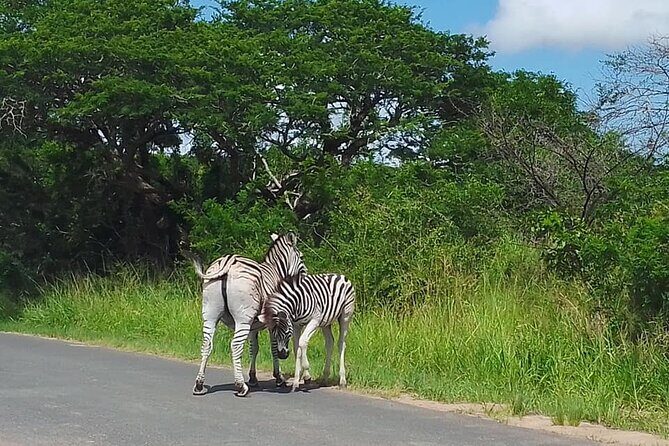
After Hluhluwe-iMfolozi, the tour heads to iSimangaliso Wetland Park, a UNESCO World Heritage Site. This portion is built around a boat ride that’s scheduled at about 3 minutes in the itinerary details you’ll receive.
Even if the ride time listed looks short, it still changes the viewing angle completely. On land, you hunt for sightings. On the water, you’re working with the animals’ routines—where they surface, where they feed, and how they move along the wetland channels.
What you’re likely to see includes:
- Crocodiles
- Hippos
- A number of bird species, including the African fish eagle
The tour also includes a learning component about the delicate balance of eco-systems in the area and the relationship between large and small inhabitants. That matters because wetlands aren’t just scenic. They’re functional: water flow, food chains, and habitat conditions all affect what animals show up and when.
The best mindset for the boat portion
Don’t treat this like a casual sightseeing cruise. Treat it like a viewing window. Bring your camera settings ready—fast shutter if you’re hoping for birds, and be ready for sudden motion when you spot a head surface or a flipper breach.
If hippos are your priority, this is the right type of outing. People tend to feel wowed when the animals are close enough to register their size and behavior rather than seeing them as distant dots.
What the itinerary time really means for you
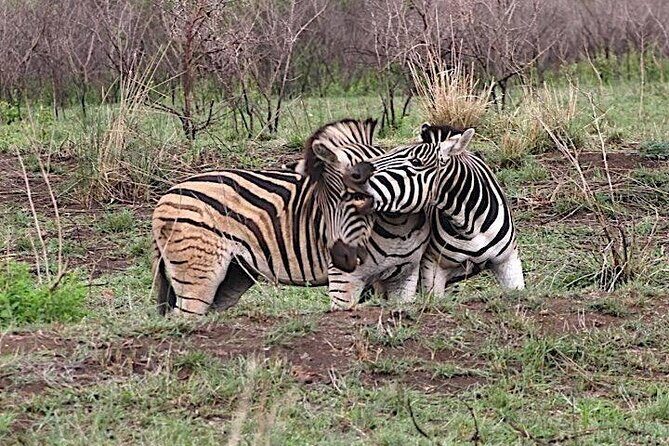
A 14-hour day can feel like a lot on paper, but the itinerary timing is built around getting you the two experiences that require different schedules: safari viewing early-ish, then wetlands time later.
Stop one is 4 hours on Hluhluwe-iMfolozi. Stop two is the iSimangaliso boat ride segment plus interpretation and viewing. Even if one segment feels shorter, it’s usually better than stacking too many activities. On long tours, the danger is packing in so much that you miss what you paid for.
The practical takeaway: plan for a full day rather than eating on the fly. Keep snacks handy if that’s allowed where you’ll be (the tour lists bottled water included, but doesn’t mention meals). You’ll be less stressed if you’re not hungry, especially with an early start.
Also, keep expectations flexible. You can’t force a lion to appear. The best approach is to enjoy the full range—rhino conservation context, bird life, and animal behavior moments that happen when they happen.
Getting the most from your guide and your group size
One of the best parts of this tour is the small group cap of 15. That’s not just a comfort detail. It can directly affect your experience because:
- You can ask questions during the drive and get answers in context
- You can hear guide explanations clearly (no one shouting over a 40-person crowd)
- Stops feel easier, not rushed
The tour provider is Afro Zulu tours. With a guide who’s working a smaller group, you’re more likely to get practical, real-time adjustments—where to look, when to wait, and how to interpret animal movement.
My advice: ask one good question early in the day, then stay alert. If you care about rhino conservation, ask what the current focus is. If you care about bird spotting, ask what signals you’ll watch for on the wetlands portion. You’ll get more out of the day when you’re actively listening rather than passively collecting photos.
Logistics in plain English: pickup, mobile ticket, and air-conditioned travel
You’ll get pickup offered from Durban, and your tour includes round-trip transfers back to your meeting point. That reduces uncertainty about how to get to the reserves and back.
You’ll also receive a mobile ticket. For day trips like this, a mobile ticket is one less thing to worry about in the morning—especially when the start time is 6:00 a.m.
Inside the vehicle, you’re riding in air-conditioned comfort. That’s a meaningful inclusion on a long day because you don’t want to arrive cranky and overheated before you even see animals.
When this tour is a great fit (and when it might not be)
This tour is a smart choice if you:
- Want a full-day wildlife experience that combines game reserve and UNESCO wetlands
- Prefer a small group over a large bus
- Like learning conservation context, not just taking pictures
- Are staying around Durban and want a guided, low-stress day
It may not be ideal if you:
- Hate early starts and long days
- Need lots of free time to explore independently
- Are expecting guaranteed Big Five sightings (the reserve offers a chance, not a promise)
Should you book Hluhluwe-iMfolozi and iSimangaliso from Durban?
If your goal is a wildlife day with strong conservation meaning and two different types of animal viewing, I’d book this. The value comes from bundled admission, included transfers, and the way the day is structured: land safari first, wetlands boat viewing second.
I’d especially lean yes if hippos, crocodiles, and birds sound exciting to you, and if you want to pair that with Hluhluwe-iMfolozi’s white rhino conservation reputation. Just go in with the right mindset: it’s a long day, and wildlife is always a mix of luck and patience.
If you’re traveling with limited time in KwaZulu-Natal and you want one guided day that covers major natural highlights without you driving and planning all morning, this is one of the more sensible ways to do it.
FAQ
What time does the tour start and how long is it?
The tour starts at 6:00 a.m. and runs for about 14 hours.
Where does the tour take place?
It’s based in Durban, South Africa, and includes stops at Hluhluwe-iMfolozi Park and iSimangaliso Wetland Park.
How many people are in the group?
The tour has a maximum of 15 travelers.
Are admission tickets included?
Yes. Admission tickets are included for the Hluhluwe-iMfolozi Park portion and the iSimangaliso Wetland Park portion.
What wildlife might I see at Hluhluwe-iMfolozi?
You have a chance to spot animals including the Big Five, and the area is known for white rhino conservation efforts.
What wildlife might I see at iSimangaliso by boat?
On the boat ride, you can view crocodiles and hippos, along with a number of bird species, including the African fish eagle.
What’s included in the price besides transportation?
The tour includes bottled water, an air-conditioned vehicle, and admission tickets.
Is pickup from Durban included?
Pickup is offered, and the tour ends back at the meeting point.
Does weather affect the tour?
Yes. The experience requires good weather. If it’s canceled due to poor weather, you’ll be offered a different date or a full refund.