REVIEW · THE BIG 5 HLABISA MUNICIPALITY
Hluhluwe-iMfolozi Park – Open Safari Vehicle Game Drives
Book on GetYourGuide →Operated by Bushbaby Safaris - Zululand · Bookable on GetYourGuide
Bigger than the hype, this safari feels personal. I love the local guides and the park’s white rhino conservation story told in a way you actually remember. The main trade-off is simple: you’re in an open vehicle for hours, so bring water, sun gear, and patience.
Hluhluwe-iMfolozi Park, known locally as H.I.P, mixes dense forested areas with open grassland savannah, so the drive never feels routine. You’ll also get a strong sense of place here, because this was once part of the royal hunting grounds of mighty Zulu King Shaka.
In This Review
- Key Things I’d Focus on Before You Go
- Hluhluwe-iMfolozi Park Still Feels Like Real Wilderness
- Where You Start: Pick-up Options Around Hluhluwe and St Lucia
- Choosing the Right Drive Length: 3, 6, or 9 Hours
- Entering Through Two Gates: Northern Hluhluwe vs Southern iMfolozi
- More Than the Big Five: Birds, Plains Game, and Changing Terrain
- White Rhinos and the Centenary Center Stop You’ll Want to Time
- How Picnic Sites and Lookouts Fit Into the Day
- Guides Who Drive Carefully and Explain What You See
- What You Should Bring (And What’s Not Allowed)
- Price and Value: Is $191 Fair for This Safari?
- Who This Safari Suits Best
- Should You Book This Open Safari Game Drive?
- FAQ
- How long are the Hluhluwe-iMfolozi open safari vehicle game drives?
- Where can you be picked up and dropped off?
- What’s included in the price?
- What languages are the guides?
- What should I bring for the game drive?
- Is free cancellation available?
Key Things I’d Focus on Before You Go
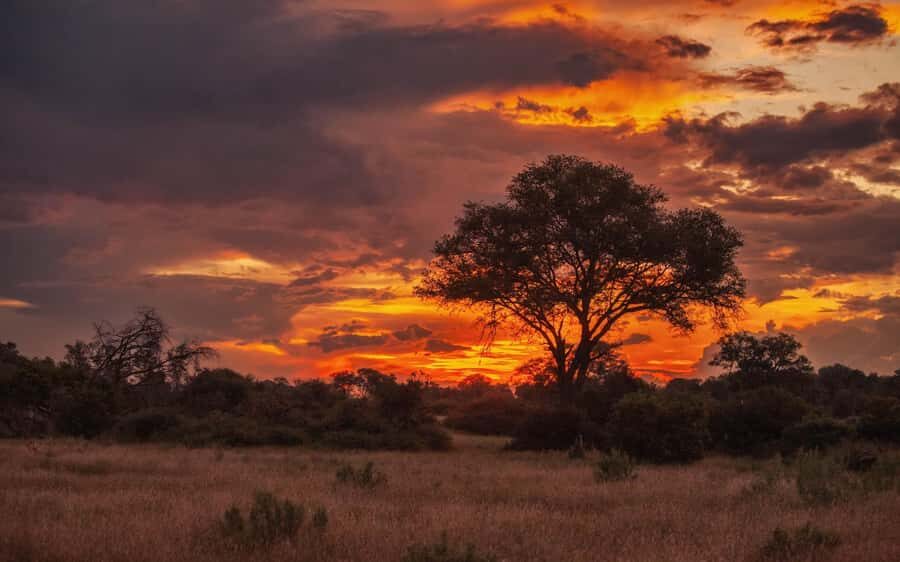
- Oldest Big Five reserve feel, with fewer crowds: 96,000 hectares that still reads like conservation-first wilderness
- Two different park sections, two different gate experiences: Memorial Gate (northern Hluhluwe) or Nyalazi Gate (southern iMfolozi)
- Serious guide expertise in real habitats: trained, registered guides born and raised around the park
- More than the headline animals: plenty of plains game, plus birds, and the kind of bush-and-grass variety that keeps scanning rewarding
- Comfort breaks that work with wildlife watching: coffee and rusks for early starts, plus picnic sites and lookout points
- Responsible driving habits: the guides make a point of reducing disturbance when animals are close
Hluhluwe-iMfolozi Park Still Feels Like Real Wilderness
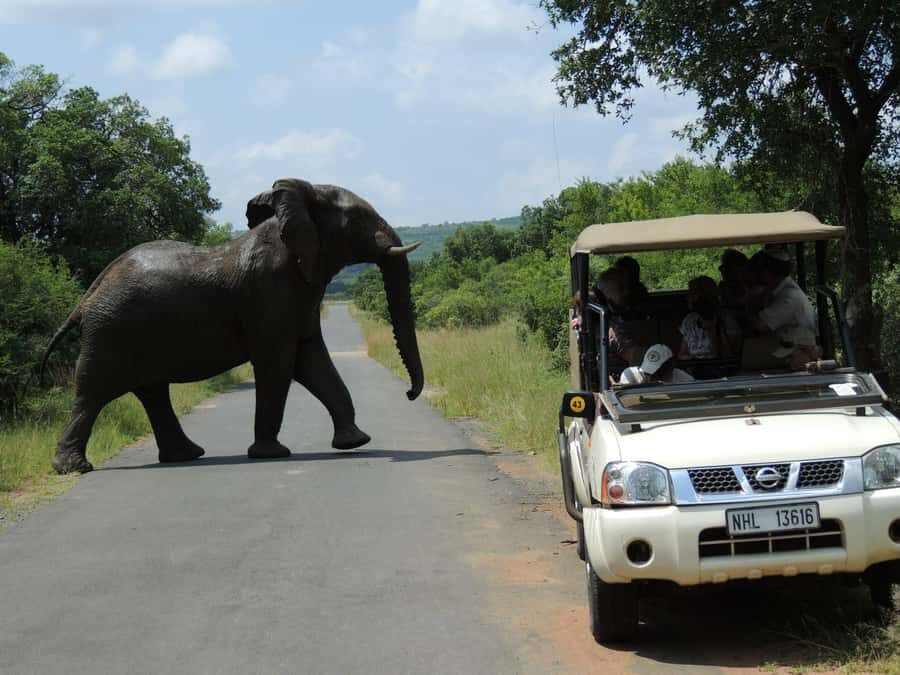
If you’re chasing a safari that doesn’t feel rushed, Hluhluwe-iMfolozi is a smart choice. It’s one of Africa’s iconic conservation reserves, and it’s described as the oldest Big Five game reserve in Africa. That matters because the park’s identity is built around long-term protection, not short-term spectacle.
The size is striking in a good way. At about 96,000 hectares—roughly 5% of Kruger’s scale—you get the geography without the overwhelming foot traffic. The park also keeps a conservation orientation, with large areas where human activity is basically absent except for the rangers doing the work of protection and monitoring.
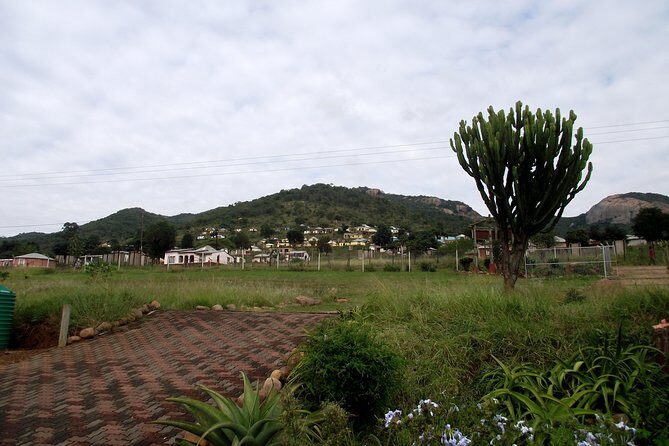
And the terrain is a big part of the charm. You’re not just driving in one “kind of savannah.” Expect changes that make you rethink where to look: dense, wooded pockets that can hold birds and smaller movement, then wider open sections where visibility improves.
Where You Start: Pick-up Options Around Hluhluwe and St Lucia
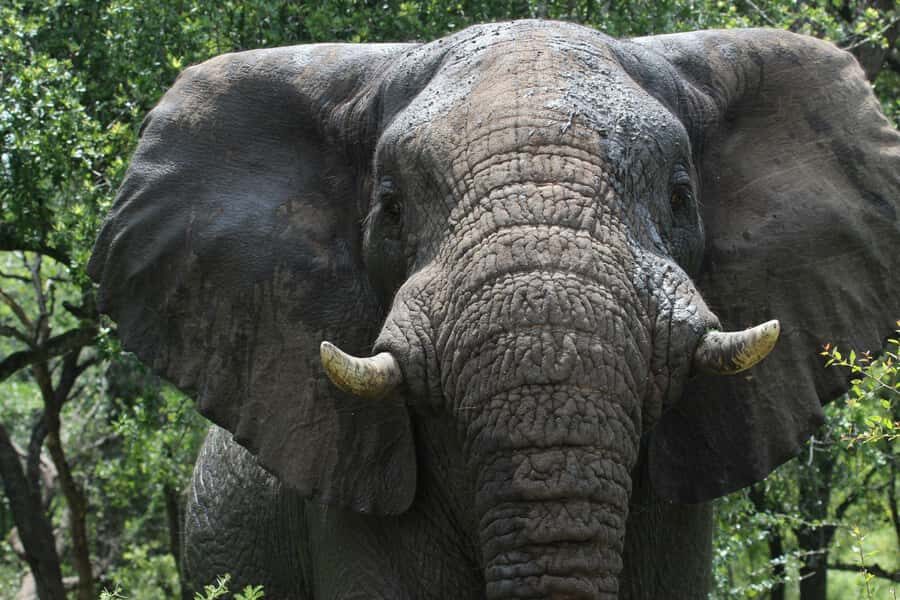
This safari is designed to be easy to plug into a KwaZulu-Natal itinerary. You can be picked up from one of four areas: Saint Lucia, Hluhluwe, Mtubatuba, or Bushlands. If you’re staying very close to Hluhluwe, the operator specifically notes accommodations within a 10 km radius. If you’re further out, they’ll arrange an alternate meeting point in or closer to Hluhluwe.
You also have flexible drop-off: the same zones are used for drop-off (Hluhluwe, Mtubatuba, Saint Lucia, Bushlands). If you’d rather meet at the park directly, you can do that too—at either Nyalazi Gate for the iMfolozi section or Memorial Gate for the Hluhluwe section.
Why this matters for value: game drives are easier when transport is handled for you. You spend your energy on wildlife watching, not on figuring out which gate fits your lodging and how to get there on time.
Choosing the Right Drive Length: 3, 6, or 9 Hours
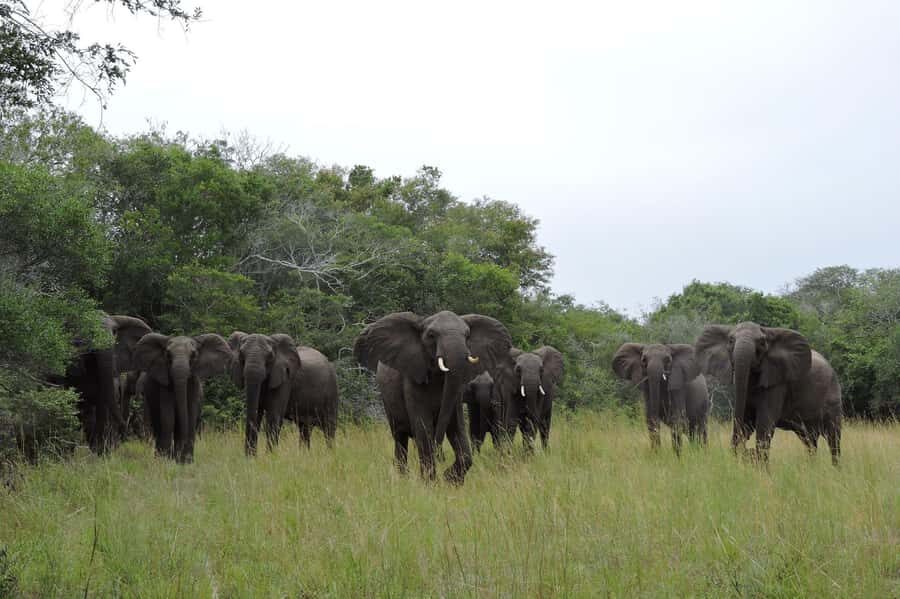
You’ll pick a drive option in the 3, 6, or 9-hour range, with open safari vehicle game drives. In plain terms, longer drives give you more chances to catch animals moving between habitats, but shorter drives can still work well if you’re strategically timing your day.
Here’s how to choose based on your style:
- If you want a lighter day or you’re juggling other activities, go 3 hours and focus on quality viewing rather than covering everything.
- If you want a more relaxed rhythm and a fuller mix of habitats, pick 6 hours.
- If you truly want time for more stops and more patience-driven sightings, choose 9 hours.
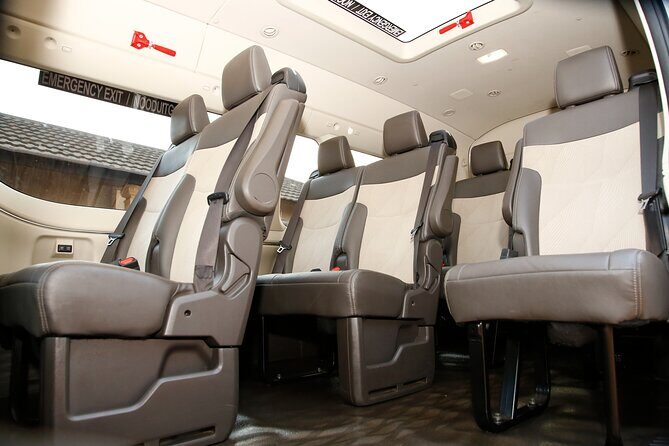
Because this is an open vehicle, comfort planning becomes part of the decision. During long drives, you’ll be glad you packed water, shade protection, and weather-appropriate clothing. It’s also a private group, so you’re not squeezed into a crowded van setup.
Entering Through Two Gates: Northern Hluhluwe vs Southern iMfolozi
One of the more interesting parts of this safari is that it can run through either the northern or southern section of the park, depending on where you start.
- From Hluhluwe via Memorial Gate, you’ll enter the northern Hluhluwe section.
- From St Lucia via Nyalazi Gate, you’ll enter the southern iMfolozi section.
This matters because the park isn’t a flat “same view all day” situation. The information you’re given emphasizes a variety of vegetation types—from forested areas to open savannah. That variety tends to influence what you can spot and where the guide chooses to pause.
If you’re interested in the park’s most famous conservation landmark, you’ll want the southern iMfolozi-side access. The Centenary Center is highlighted as being in the iMfolozi section, and that’s where the dramatic white rhino rescue story is showcased.
More Than the Big Five: Birds, Plains Game, and Changing Terrain
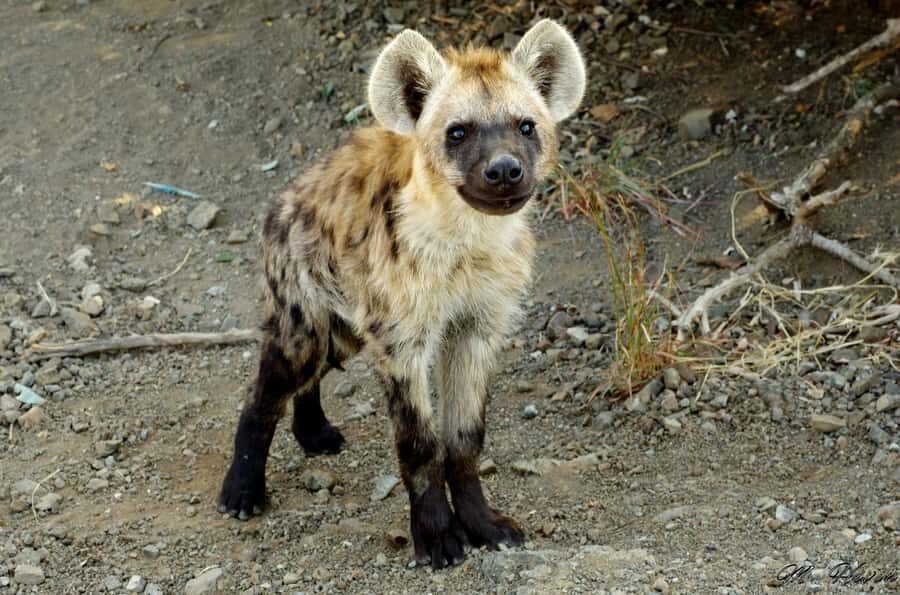
Even if you came for the Big Five idea, you’ll likely be pleasantly distracted by how much else is happening in H.I.P. The park is described as teeming with plains game and supporting far more biodiversity than just the headline species.
Dense areas matter here. When you have forested patches mixed with open grassland, your viewing strategy changes. Dense cover can hide movement and concentrate bird activity, while open sections give you longer sightlines where you can scan for bigger silhouettes.
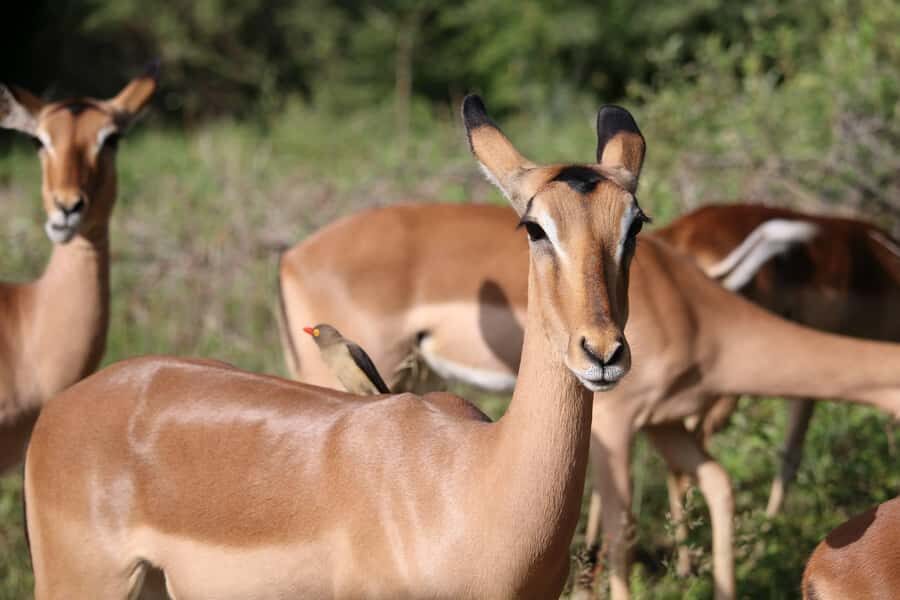
From what you can reasonably expect to see, the safari experience includes opportunities for animals like elephants and rhinos, plus giraffes, monkeys, impalas, and buffalo. The key point isn’t any single species—it’s that the habitat variety keeps the drive from becoming repetitive.
Bird watching is also part of the setup. The tour highlights bird hides, picnic sites, and lookout points. If you like slowing down and watching behavior instead of just chasing a sighting, these breaks can be as rewarding as the game drive itself.
White Rhinos and the Centenary Center Stop You’ll Want to Time
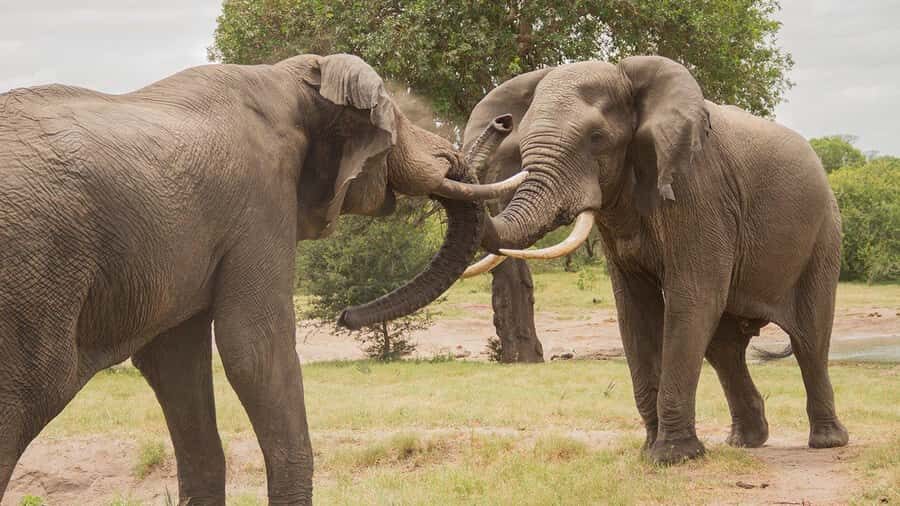
Hluhluwe-iMfolozi is globally known for saving the white rhino from extinction. The story here is tied to Project Rhino, led by conservation figures including Dr Ian Player. What’s especially memorable is the claim that the park is the genetic home to every single white rhino alive today, with the conservation work showcased at the Centenary Center in the southern iMfolozi section.
Even if you’re not a conservation-nerd, this stop adds meaning to the whole day. A safari can turn into just a wildlife spotting exercise. Here, you get context for why these animals exist in the numbers and range they do today.
If you’re booking a shorter drive and you care most about this conservation aspect, you’ll want to choose the option that includes access to the iMfolozi side. If you’re starting from St Lucia, that often lines up naturally with the Nyalazi Gate entry for the southern section.
How Picnic Sites and Lookouts Fit Into the Day
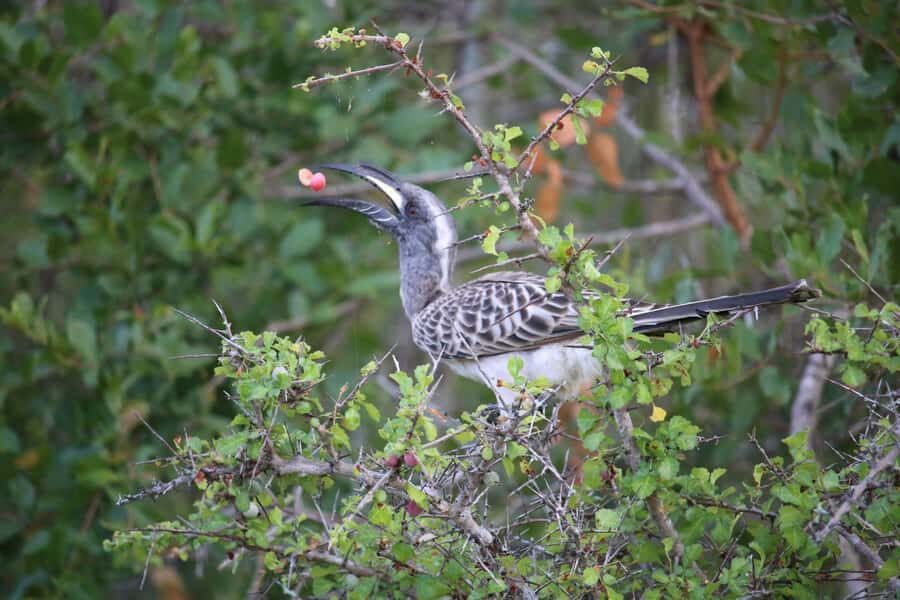
Game drives can feel like “drive, stop, repeat,” but this safari is structured with the kind of breaks that make time feel productive.
Early starts get special treatment: there’s complimentary coffee and rusks included when the safari starts early. One booking experience also highlights a breakfast picnic done in the park, which is exactly the kind of pause that helps you enjoy the environment instead of rushing through it.
The tour also points you to picnic sites and lookout points, plus bird hides. Practically, these stops are where you reset your body (especially in warm weather) and let your eyes adjust to a new viewing area. When you’re in an open vehicle, that reset is more than comfort—it improves scanning.
And if you want an added meal, the operator offers options as add-ons. Meals aren’t automatically included by default, so if food is a priority, plan to choose the extra meal option rather than assuming it’s part of the base price.
Guides Who Drive Carefully and Explain What You See
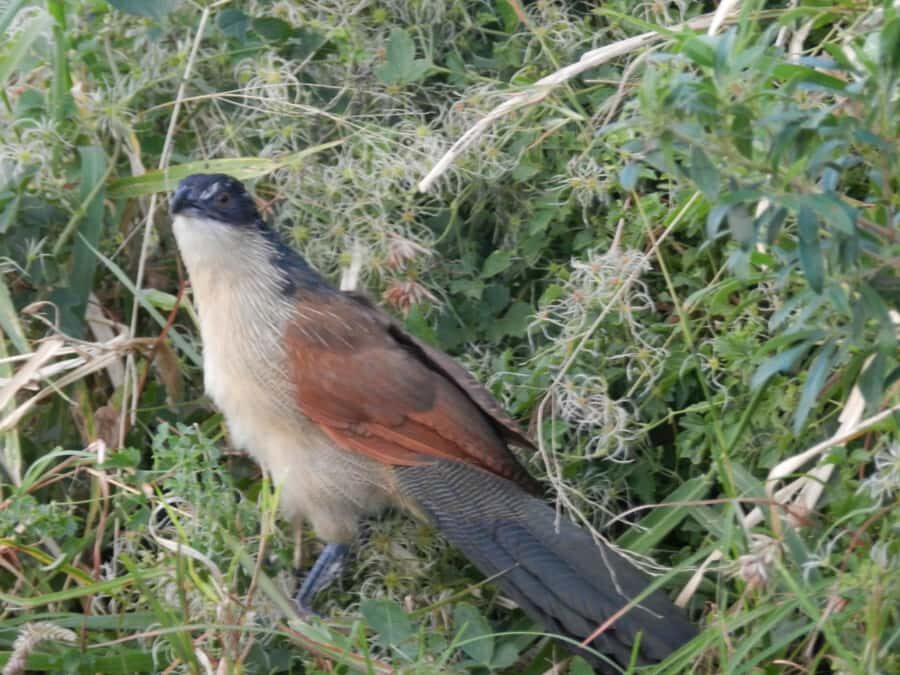
A safari lives or dies by the guide. Here, the emphasis is on trained and legally registered local guides, born and raised in rural communities around the park. That local grounding tends to translate into a practical kind of storytelling: where animals tend to be, what movement means, and how weather and vegetation shape sightings.
There’s also a strong pattern in the praised guide behavior: they watch closely and they manage the vehicle to reduce disturbance. One highly rated experience explicitly notes that the guide turned off the engines when animals came close. That’s not just a nice gesture—it helps keep the animals calm and improves the listening and observation experience for you.
On the knowledge side, guide names like Sifiso and Sifusi show up in high ratings, along with mentions of organizers like Larni. Those details matter because they point to a staffed operation, not a random driver who learned wildlife facts on YouTube.
If you’re the type who likes to ask questions—about elephants, rhino habits, or why a guide chooses a certain spot—this safari is built for that back-and-forth.
What You Should Bring (And What’s Not Allowed)
The park rules are straightforward, and following them makes the experience better for everyone—animals included.
Bring:
- A hat
- Camera
- Snacks
- Sunscreen
- Water
- Weather-appropriate clothing
Even if meals are available as add-ons, you’ll still want water and snacks for the drive length you choose. If you’re taking a self-catering approach, plan on stops at park camps and shops where you can refill or grab something.
Not allowed:
- Drones
- Smoking in the vehicle
- Littering
- Touching animals
- Touching plants
This is the kind of safari where good etiquette matters. It also protects the ecosystem you came to see.
Price and Value: Is $191 Fair for This Safari?
At around $191 per person, the biggest value question is what’s included and what you get for your time. Here’s the practical breakdown of value drivers:
Included in the price:
- Hluhluwe-iMfolozi Park entry fees and levies
- Pickup and drop-off from your accommodation or a nearby entry gate area
- Qualified and registered guide
- Coffee and rusks on early starts
Not included:
- Meals and refreshments unless you select add-ons
- Personal purchases like snacks and curios
So you’re paying for more than driving. You’re paying for park access, a professional guide, and the logistics of getting you into the right gate routes without stress. That’s a good deal compared to DIY driving plus park fees plus guide time.
Where you can tweak the value further: decide whether you want extra meal service. If you hate thinking about food timing on safari days, add meals. If you prefer flexibility and already packed snacks, you can keep it simple and buy refills at camps and shops during stops.
Who This Safari Suits Best
This is a great fit if you want:
- A private group safari drive with a local guide
- A park that’s known for real conservation, not just a wildlife checklist
- A mix of open savannah and thicker cover where both birds and larger animals can show up
- Flexible pickup from areas like St Lucia, Hluhluwe, Mtubatuba, or Bushlands
It’s also clearly not for everyone. The safari is listed as not suitable for children under 4 years, babies under 1 year, and people with mobility impairments.
If you’re traveling as a couple, small group, or solo traveler who likes personal space in the vehicle, the private format is a strong plus.
Should You Book This Open Safari Game Drive?
If your goal is a guided, open-vehicle safari that connects wildlife viewing with conservation and local knowledge, I’d book it. The value is strong because park fees, guide service, and pickup/drop-off are part of the package, and the drive structure (3, 6, 9 hours) lets you match your energy level.
I’d be extra thoughtful if you’re sensitive to sun, dust, or long time outdoors in an open vehicle. But if you can plan for hydration and comfort, this is the kind of day that builds real memories—especially with the white rhino conservation story tied to the Centenary Center.
If you want, tell me your travel month and where you’re staying (St Lucia vs Hluhluwe side). I can suggest whether the 3, 6, or 9-hour option fits best.
FAQ
How long are the Hluhluwe-iMfolozi open safari vehicle game drives?
You can choose a drive length of 3, 6, or 9 hours, depending on availability and starting times.
Where can you be picked up and dropped off?
Pick-up and drop-off are offered from Saint Lucia, Hluhluwe, Mtubatuba, and Bushlands. You can also meet at the park gates: Memorial Gate (Hluhluwe section) or Nyalazi Gate (iMfolozi section).
What’s included in the price?
The price includes Hluhluwe-iMfolozi Park entry fees and levies, pickup and drop-off, complimentary coffee and rusks for early morning starts, and a qualified, legally registered guide.
What languages are the guides?
The safari guide provides live guidance in English and Zulu.
What should I bring for the game drive?
Bring a hat, camera, snacks, sunscreen, and water, plus weather-appropriate clothing. You should also plan for enough refreshment if you choose a self-catering approach.
Is free cancellation available?
Yes. You can cancel up to 24 hours in advance for a full refund. The booking also offers a reserve now and pay later option.