REVIEW · JOHANNESBURG
Full-Day Soweto Apartheid Museum & Johannesburg Tour
Book on Viator →Operated by Wildside Tours and Safaris · Bookable on Viator
Few days hit like this one. This full-day Johannesburg and Soweto loop pairs the Nelson Mandela Foundation with the Apartheid Museum, then adds real-world context in Kliptown and on Vilakazi Street. What I like most is the straightforward mix of museum history and street-level storytelling, and I also like that you get practical support along the way with pickup, bottled water, and even professional photos. One thing to consider: it’s a long day, and several parts are emotionally heavy, so bring a calm mindset and pace yourself.
You start in the morning, then spend hours moving between major sites: first Mandela’s post-presidency work, then apartheid’s story in a major museum, and finally the lived experience of Soweto neighborhoods. The tour is designed for small groups (max 13), which helps keep the day from feeling like a cattle drive.
In This Review
- Key Highlights You Should Know Before You Go
- A Day Built Around Mandela, Apartheid, and Soweto Streets
- Morning Start: Pickup, Coffee, and a Focused Road Map
- Nelson Mandela Foundation: Where the Story Continues After Presidency
- Driving Into Johannesburg’s Past: Newtown and the City Center Route
- Apartheid Museum: 3 Hours That Move Like a Story
- Kliptown in Motion: A Guided Walk Through One of Soweto’s Oldest Neighborhoods
- Vilakazi Street: Lunch, Then an Easy Stroll With Vendor Energy
- Freedom Square (Walter Sisulu Square): The 1955 Gathering and the Freedom Charter
- Guides Matter: When Humor and Context Improve the Day
- What’s Included (and Why It Adds Real Value)
- Timing and Pace: An 8-Hour Day That Still Leaves Space
- Who This Tour Fits Best
- Should You Book This Soweto Apartheid Museum Day?
- FAQ
- How long is the Full-Day Soweto Apartheid Museum & Johannesburg Tour?
- What time does the tour start?
- Is pickup included?
- What’s included for tickets and admissions?
- Is lunch included?
- Is the Nelson Mandela Foundation stop available every day?
- What’s the group size limit?
- What if I need to cancel?
Key Highlights You Should Know Before You Go

- Mandela Foundation, weekdays only: the office and documents are part of the experience when it’s open Monday to Friday
- Apartheid Museum admission included: about 3 hours to follow the rise-and-fall story through films, photos, and artifacts
- Kliptown walking time: a guided, on-foot look at one of the older shantytowns in Soweto
- Vilakazi Street stroll after lunch: shopping stops and views of Mandela and Desmond Tutu’s neighborhood sites
- Freedom Square (Walter Sisulu Square): a quick but meaningful stop tied to the 1955 Freedom Charter beginnings
- Professional photos on the day: built-in keepsakes without you having to chase perfect timing
A Day Built Around Mandela, Apartheid, and Soweto Streets
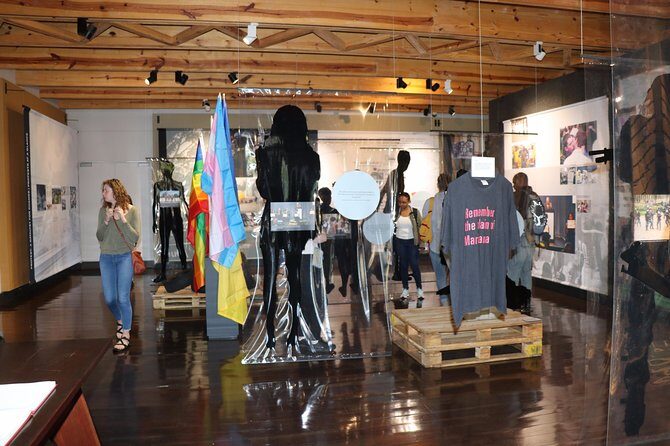
This is one of those Johannesburg trips that doesn’t just ask you to read history. It moves you through places where people lived it, argued it, and fought to change it. You begin with Mandela’s world after he left the presidency at the Nelson Mandela Foundation, then you head into the Apartheid Museum, and later the day shifts into Soweto—Kliptown on foot, then a relaxed walk on Vilakazi Street.
The best part is the balance. You get context from museum exhibits, then you get a sense of daily life in Soweto. That combination helps a lot if you’re the type who wants both the facts and the human scale.
Group size stays small (up to 13), and you’re picked up in the morning, which makes it easier on your schedule—especially if you’re new to the city. The tour also includes tea, coffee, and homemade rusks at pickup, plus bottled water through the day.
You can also read our reviews of more museum experiences in Johannesburg

Morning Start: Pickup, Coffee, and a Focused Road Map
The day begins around 8:30 am, and pickup is offered. That matters more than it sounds: Johannesburg traffic and parking can turn a simple outing into a time-sink. Starting with pickup keeps your energy for the morning stops, which are the ones that set the emotional and historical tone.
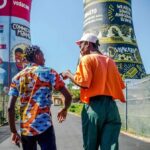
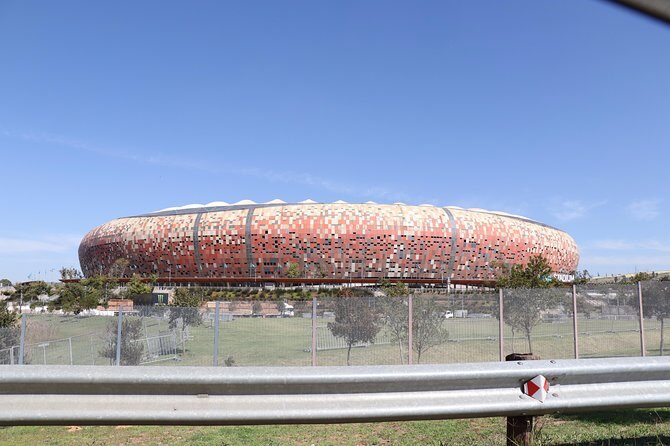
Once you’re on the road, you’ll get a guided drive through areas that once served as Johannesburg’s business center, with a pass through spots like Newtown and the city center. You’ll also pass Soccer City, tied to the opening and closing soccer matches during the 2010 World Cup. That quick detour helps break the day up without losing momentum.
A practical tip: wear comfortable walking shoes early. You’ll have museum time, then later you’ll be on your feet in Soweto.
Nelson Mandela Foundation: Where the Story Continues After Presidency
The Nelson Mandela Foundation stop runs Monday to Friday only, so this isn’t available on weekends. If you’re planning around the calendar, double-check your travel dates so you don’t end up with a different experience on a Saturday or Sunday.
At the Foundation, you’ll watch a short film about Mandela’s life, then you get access to his office. It’s left as it was, and the experience includes handwritten documents from his prison period plus other artifacts. Even if you’ve read a lot about Mandela already, this kind of close, physical access helps facts feel real. You’re not just seeing a timeline—you’re seeing the working documents and traces of time.
What I like about this stop is that it frames democracy as something continued work, not a single moment. After presidency, Mandela stayed involved with service to people in need, and the Foundation is built around that idea.
Driving Into Johannesburg’s Past: Newtown and the City Center Route
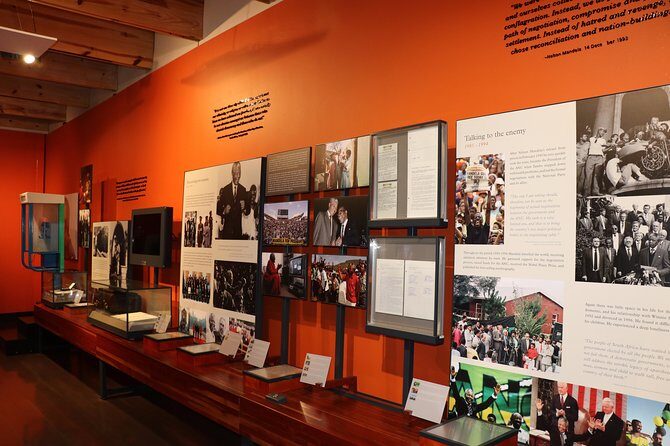
Between stops you’re driven through central Johannesburg areas that once played a major role in African business life. The route gives you a sense of how layered the city is—how apartheid era geography, economic power, and daily life all overlap.
Even if you’re tired from an arrival day, this drive works as a warm-up. It’s not yet the deepest walking or most intense museum time. You can mentally adjust before the Apartheid Museum takes the main stage.
If you care about getting a feel for a place quickly, pay attention during the drive. It helps you later when you’re trying to understand where Soweto fits into the broader Johannesburg story.
Apartheid Museum: 3 Hours That Move Like a Story
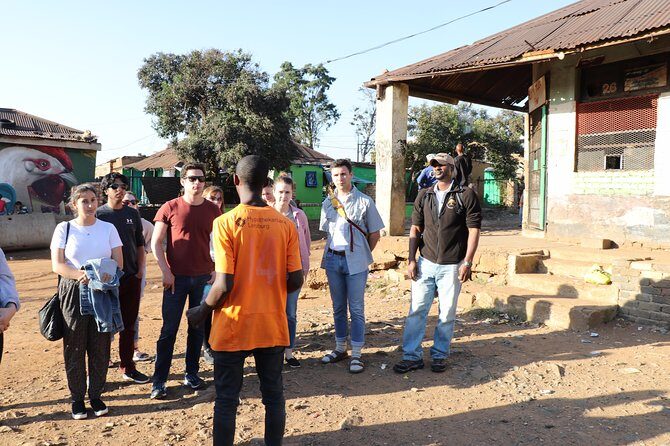
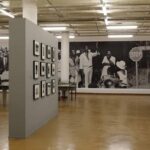
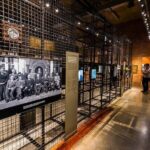
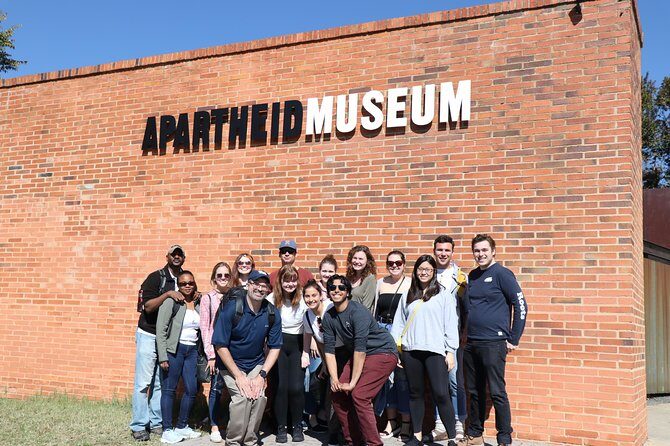
The Apartheid Museum is where this day becomes unforgettable in a heavy way. Admission is included, and you’ll have about 3 hours inside. The museum is organized into 22 exhibition areas, which are designed to take you through a dramatic emotional journey—starting with the rise of apartheid and moving through how it ended.
What you’ll encounter is a mix of tools: film footage, photographs, text panels, and artifacts. That combination matters because apartheid wasn’t only laws—it was control through propaganda, segregation in everyday life, and violence. The museum communicates that through multiple formats instead of relying on one type of display.
One drawback to expect: the content is intense. If you’re sensitive to injustice topics, plan to slow down inside the museum rather than rushing. The structure helps you pace yourself, but you still need to go in prepared for emotional weight.
If you like guided context, this is the stop where having a strong guide really pays off. The museum does a lot on its own, but an interpretive conversation makes the timeline click faster.
A few more Johannesburg tours and experiences worth a look



Kliptown in Motion: A Guided Walk Through One of Soweto’s Oldest Neighborhoods
After lunch time later in the day (more on that soon), the itinerary includes a dedicated visit to Kliptown: a shantytown experience with 45 minutes on site and admission included. You’ll have a guided walk and a chance to see how people live and survive in very challenging conditions.
This is the kind of stop where you’ll want to stay respectful and practical. The tour is described as guided on foot through one of the older shanty towns in Soweto, which means you should expect close-up viewing rather than a quick look from a distance.
What I like here is that it’s not treated like a photo stop. The point is to witness daily reality in a place shaped by forced social conditions. You also get the human side—how people live with humility despite difficult circumstances.
A consideration: the lived conditions here are not staged. If you’re going to carry this experience home, bring extra patience. You might find it easier if you decide in advance how you want to behave—quiet attention, minimal interruption, and an honest willingness to learn.
Vilakazi Street: Lunch, Then an Easy Stroll With Vendor Energy
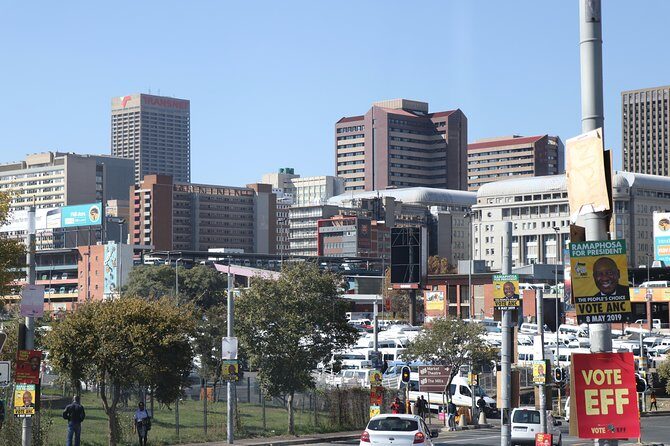
After the museum and Kliptown, you’ll stop for lunch. Lunch is not included, which gives you flexibility to choose what fits your tastes and dietary needs. In a day like this, it’s smart to treat lunch as a reset, not just a break.
Then you’ll walk Vilakazi Street, where vendors sell typical African items and the street becomes a shopping and conversation zone. This is also where you’ll see Mandela and Desmond Tutu’s residence sites from the area. The tour description notes that entering Mandela’s house may be possible, but it would be for your own account, meaning you’d handle it directly if you want to try.
This part of the day is a change of pace. Instead of heavy exhibits and careful walking through challenging conditions, you get movement, local sound, and the chance to interact with vendors. If you’re shopping for a small, meaningful souvenir, this is a practical place to do it—within a guided environment.
One caution: set a budget before you start browsing. Vendor-rich streets are fun, but they can also lead to overspending if you’re not paying attention.
Freedom Square (Walter Sisulu Square): The 1955 Gathering and the Freedom Charter
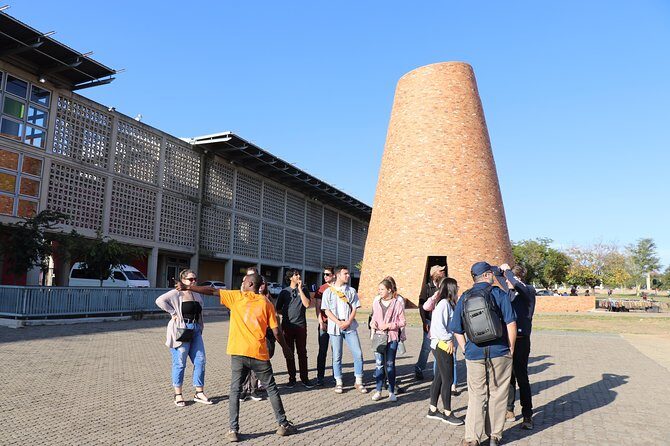
Next up is Walter Sisulu Square, also called Freedom Square. You’ll spend about 45 minutes here, with admission included.
This stop connects the dots to political organization. It’s tied to the 1955 gathering in Kliptown, when thousands of people came together and handed in ideas for a better South Africa. That activity is described as the beginning of the Freedom Charter.
Even in a short time, this stop can help you understand the difference between outrage and organization. Apartheid used laws and systems to control people. The Freedom Charter represents people building a future they could argue for together.
If you want a takeaway from the whole day, this is one of the best places for it. It’s a short bridge between the museum’s story and what you saw earlier on the ground.
Guides Matter: When Humor and Context Improve the Day
The experience runs on more than sites. It runs on how your guide connects the dots. In past days, guides from Wildside Tours and Safaris have shown a strong blend of history and human communication—people who can also work with your energy levels if you’re arriving from another place the day before.
You may also notice a style that makes the day easier to carry. Some guides bring humor, and some use language touches—like Zulu language knowledge—that can help you feel more oriented and less lost while you’re moving around Johannesburg and Soweto.
This isn’t just entertainment. When you understand why a street, museum section, or square matters, the day becomes easier to process after you leave. You’ll also likely feel safer with a guide who knows the city well and manages pacing.
What’s Included (and Why It Adds Real Value)
This tour includes several items that can lower the hassle cost:
- Tea, coffee, and homemade rusks on pickup
- Bottled water during the day
- Professional photographs
- Admission tickets for the Apartheid Museum, Kliptown, and Walter Sisulu Square
- Pickup is offered, which saves you time and energy
Given the price point of $82.59 per person for an about 8-hour experience, the admissions included and the photo component do a lot of the heavy lifting for value. If you were to arrange the same cluster of stops yourself, you’d be paying separately for entry fees and likely losing time coordinating transport.
Lunch and gratuity aren’t included, so budget for that. But because lunch is your choice, you can keep it simple rather than feeling locked into a set menu.
Timing and Pace: An 8-Hour Day That Still Leaves Space
On paper it’s a full day, and that’s accurate. The tour runs about 8 hours. Inside that time you’ll hit a major museum (about 3 hours), plus multiple site stops, plus a guided walking segment in Kliptown and a stroll later on Vilakazi Street.
This pacing works best if you plan to be flexible and accept that some parts of the day will be slow and reflective. If you rush, you’ll miss what the exhibits and the walking segments are trying to show you.
Bring layers if you run cold or warm easily. Johannesburg weather can change, and museum time plus walking time can make you wish you had something extra.
Who This Tour Fits Best
This tour is a strong match if you want:
- A guided, historically grounded day in Johannesburg and Soweto
- Museum context plus street-level reality
- A small group experience rather than a large bus crowd
- Practical support like pickup and built-in photos
It may be less ideal if you hate uncomfortable topics or you prefer light sightseeing only. The content here is serious. Even if you’re well informed, you should expect emotional weight and planned reflection.
Should You Book This Soweto Apartheid Museum Day?
I’d book it if you want one day that connects Mandela after the presidency, apartheid’s systematic story, and Soweto’s human scale. It’s not just about seeing famous places. It’s about understanding how democracy got shaped through lived struggle and organization.
I’d pause only if you’re traveling with very limited stamina or you know you’ll struggle with emotionally intense material. In that case, you might prefer a lighter day first and then add this later when you’re ready to process.
If you can, choose a weekday so the Mandela Foundation visit is available. And pack comfortable shoes, water readiness, and a calm mindset.
FAQ
How long is the Full-Day Soweto Apartheid Museum & Johannesburg Tour?
It runs about 8 hours.
What time does the tour start?
The start time is 8:30 am.
Is pickup included?
Yes, pickup is offered, and tea and coffee with homemade rusks are provided on pickup.
What’s included for tickets and admissions?
Admission tickets are included for the Apartheid Museum, Kliptown, and Walter Sisulu Square. Vilakazi Street is a walking stop, and admission there is not included.
Is lunch included?
No, lunch is not included.
Is the Nelson Mandela Foundation stop available every day?
No. The Nelson Mandela Foundation is only open Monday to Friday for this tour stop.
What’s the group size limit?
The tour has a maximum of 13 travelers.
What if I need to cancel?
You can cancel for free up to 24 hours in advance of the experience start time for a full refund.