REVIEW · JOHANNESBURG
Soweto Apartheid Museum and Lunch
Book on Viator →Operated by Khutso Tours · Bookable on Viator
Soweto and Johannesburg tell one story fast. What makes this day tour work is the way Khutso strings together the people, places, and dates in plain language, without turning tragedy into a blur. I also like that you get both Soweto landmarks and the Apartheid Museum in a single run, so the morning’s context actually lands by the afternoon.
The route is heavy on reflection, so here’s the main drawback to plan around: you’ll be on your feet and reading in emotionally intense spaces, and the schedule can feel a bit tight if you like to linger.
This is the kind of tour where a good guide matters. In one review, Khutso was praised for making guests feel safe from the first minute, with humor and accommodation for individual pace. Just note that some stops are shown as shorter on the schedule, so bring a calm mindset and accept that you might not see every corner in maximum depth.
In This Review
- Key highlights to look for
- A Six-Hour Johannesburg Day That Connects Soweto and Apartheid
- Meet Khutso: A Guide Who Keeps the Day Clear and Comfortable
- Stop 1: Soweto Highlights on Mandela House, Vilakazi Street, and Orlando Towers
- Hector Pieterson Memorial: Where the 1976 Uprising Hits Hard
- Mandela House: A Modest Home With Major Meaning
- Lunch on Vilakazi Street at Sakhumzi Restaurant
- Apartheid Museum in Ormonde: The System Explained Through Stories
- Transport, Tickets, and the Real Value of the $156.64 Price
- Who This Tour Suits Best (and Who Might Want Something Different)
- Should You Book This Soweto and Apartheid Museum Tour?
- FAQ
- How long is the Soweto and Apartheid Museum tour?
- What time does the tour start?
- Is pickup available?
- What does the price include?
- Is bottled water included?
- Is alcohol included?
- How big is the group?
- Is there a mobile ticket?
- What is the cancellation policy?
Key highlights to look for
- Khutso’s storytelling links street-level life in Soweto to what the museums explain
- Mandela House + Vilakazi Street gives you the human scale behind major historical events
- Hector Pieterson Memorial slows the day down with strong exhibits tied to the 1976 uprising
- Sakhumzi Restaurant lunch on Vilakazi Street keeps it local, not a generic tourist meal stop
- Apartheid Museum in Ormonde provides the broader system-level context after Soweto
A Six-Hour Johannesburg Day That Connects Soweto and Apartheid
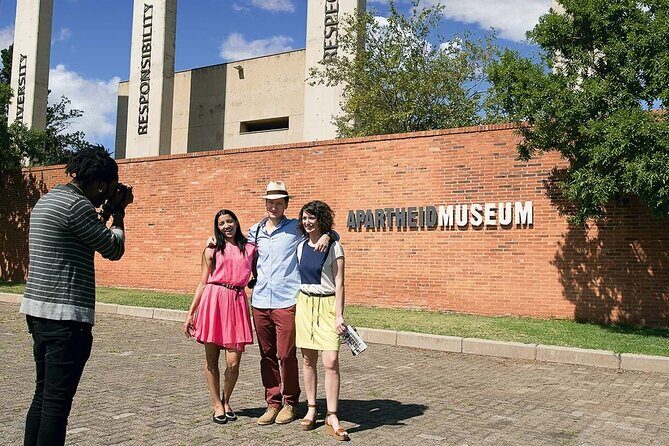
This tour is built like a chain: Soweto first, then the bigger picture. The logic is simple. You start in the neighborhoods where anti-apartheid struggle is part of everyday geography. Then you move to the Apartheid Museum in Ormonde, where the exhibits put names, policies, and impacts into order.
It’s also a practical format. You’re in an air-conditioned vehicle, and you’re not trying to stitch together multiple attractions on your own. With WiFi on board and lunch included, the day stays smoother than the usual “quick morning museum, late lunch, then scramble” rhythm.
One more reason I like this itinerary: it’s small. The group size is capped at 10 travelers. That matters in a place where you’ll want to hear the guide clearly—especially around memorials where people tend to speak more softly and slow down.
You can also read our reviews of more museum experiences in Johannesburg

Meet Khutso: A Guide Who Keeps the Day Clear and Comfortable
This is a Khutso Tours experience, and the biggest quality shows up right away in how the day is paced and delivered. Reviews highlight how guests felt safe and welcomed from the start, which is huge for first-time visitors in Johannesburg and Soweto. The same feedback also mentions humor, plus a guide who responds when someone wants a slightly different pace.
You should expect a morning that doesn’t just list facts. The guide talks through the story as you travel, including route points that help you get your bearings fast. That “context on the move” is what makes later stops easier to understand. Without it, you’re just hopping between landmarks. With it, you start recognizing patterns: where the struggle happened, how it spread, and why certain streets and buildings matter.
Practical tip: when the guide asks a question or encourages you to look out the window, take that moment. Those small prompts often connect directly to what you’ll see inside the next stop.
Stop 1: Soweto Highlights on Mandela House, Vilakazi Street, and Orlando Towers
Soweto is where the tour becomes personal. You get time for key sights and also for the kind of street-level observation that’s hard to do when you’re moving independently.
The stop is planned for about 2 hours, and you’re looking at the main anchors:
- Nelson Mandela House (as a site you’ll connect to later through the museum visit)
- Hector Pieterson Memorial area nearby in the broader Soweto theme
- Vilakazi Street, known as the home of two Nobel Prize winners
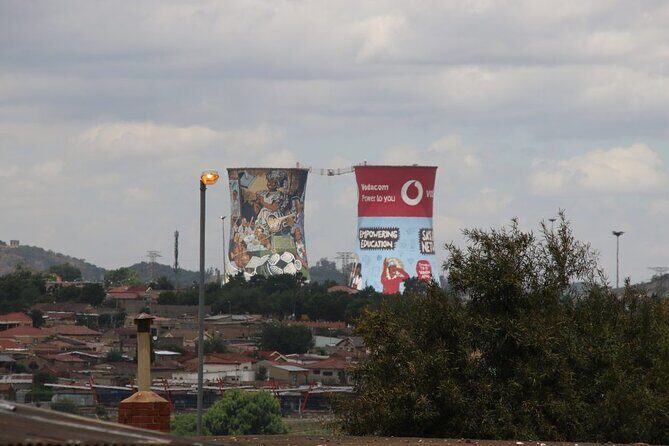
- Orlando Towers for scenic views
What I like here is that the day doesn’t treat Soweto as a museum district. The itinerary points you toward the lived environment—there’s mention of engaging with local residents, plus time to absorb the atmosphere and heritage of the community.
The Orlando Towers viewpoint is also more than a photo stop. Views like this help you understand distance and direction in the city. When you see the layout from above, later movements through Johannesburg feel less confusing.
Possible drawback: you’ll need to manage your energy. Two hours in Soweto can be a good amount of time, but if you’re the type who reads every sign and lingers for photos, you might feel a bit rushed. That’s not a failure of the tour; it’s just the math of a packed day.
Hector Pieterson Memorial: Where the 1976 Uprising Hits Hard
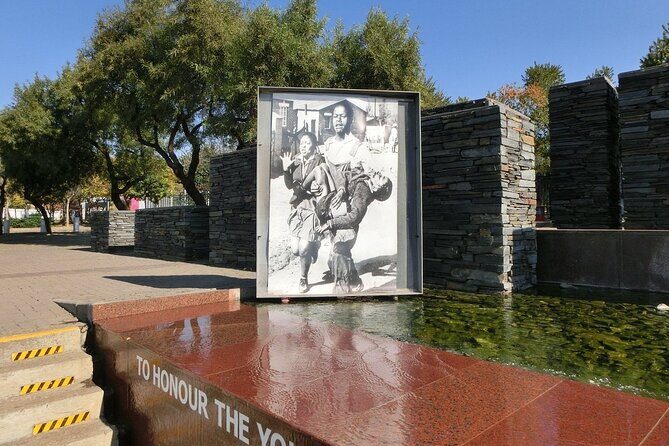
After Soweto landmarks, the tour shifts into heavier territory at the Hector Pieterson Museum and Memorial. This is the site that commemorates students who lost their lives during the Soweto Uprising of 1976.
The schedule lists about 30 minutes here, but the emotional weight of the exhibits can easily stretch the experience. The important thing is your mindset: this is not a quick look-and-go museum. Expect exhibits and stories that slow you down and ask you to reflect on the legacy of youth who fought for freedom.
What makes this stop valuable is that it gives you the “why” behind later understanding. If you only visited broader apartheid galleries without this reminder, the system details can feel abstract. Here, the human cost becomes the center of gravity.
Practical advice:
- Give yourself permission to go at your own pace.
- If you get overwhelmed, take a short break and come back to the stories. The memorial is designed to be read in moments, not only marched through.
Mandela House: A Modest Home With Major Meaning
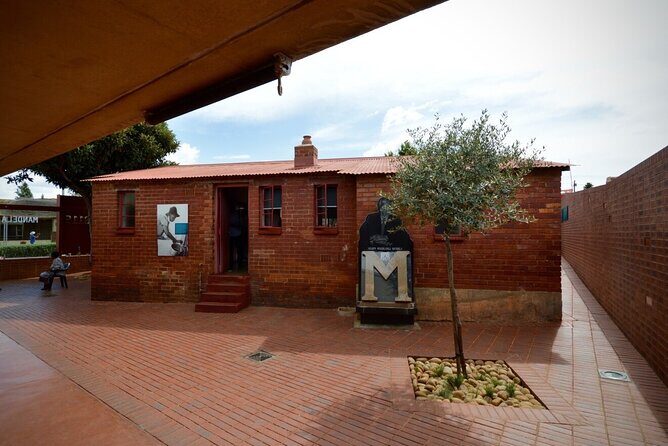
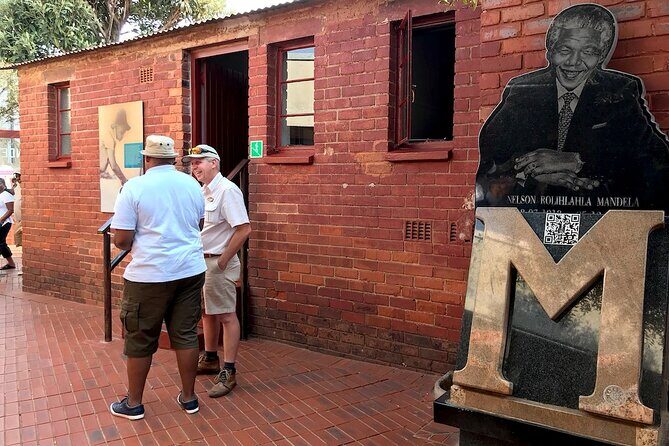
Next is Mandela House, presented as his former home and now a museum. The visit is listed at 30 minutes, with an added note that many visitors take longer if they slow down for artifacts and photographs.
Here’s the strength of this stop: you’re not just seeing a monument. You’re seeing a scale of life—personal artifacts, images, and memorabilia that trace Mandela’s journey and early fight against apartheid. For me, that helps connect the memorial intensity from Hector Pieterson to the larger figure history often reduces.
This kind of museum works best when you let it. Instead of trying to memorize everything, focus on what changes from one room to the next. You’ll usually find that the home museum format makes the timeline feel more human.
If you’re short on time, still don’t skip the small details. The most meaningful parts are often the ones that look ordinary at first glance.
A few more Johannesburg tours and experiences worth a look






Lunch on Vilakazi Street at Sakhumzi Restaurant
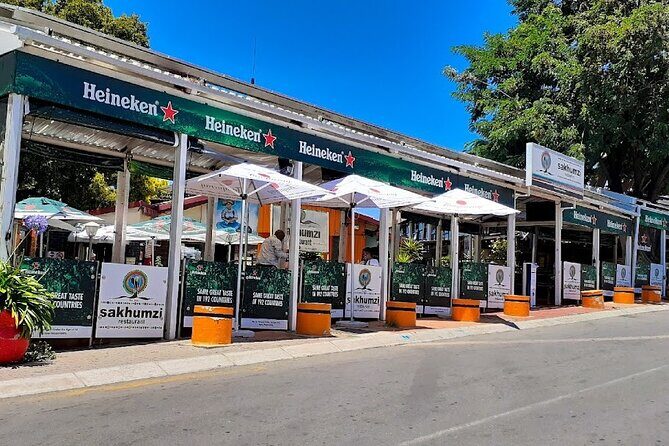
Midday, the tour turns into food and breathing room. You’ll stop at Sakhumzi Restaurant on Vilakazi Street in Orlando West. Lunch is included, and the itinerary allows about 1 to 1.5 hours for the meal.
What stands out is the setting. Vilakazi Street is already central to the tour, and having lunch here keeps it connected. It’s not a random restaurant added at the last minute; it’s part of the neighborhood rhythm you’ve been learning.
The restaurant experience is described as lively, with live music, friendly staff, and a community feel. That means you get a break from the serious tone without drifting into something generic.
What to plan:
- The tour does not list bottled water as included, and it also doesn’t include alcoholic beverages. So if you sweat easily, bring a little water strategy. Either buy water before you settle in or plan to request it.
- Since you’ll be back out afterward, don’t overdo it. Think steady energy, not a food coma.
Apartheid Museum in Ormonde: The System Explained Through Stories
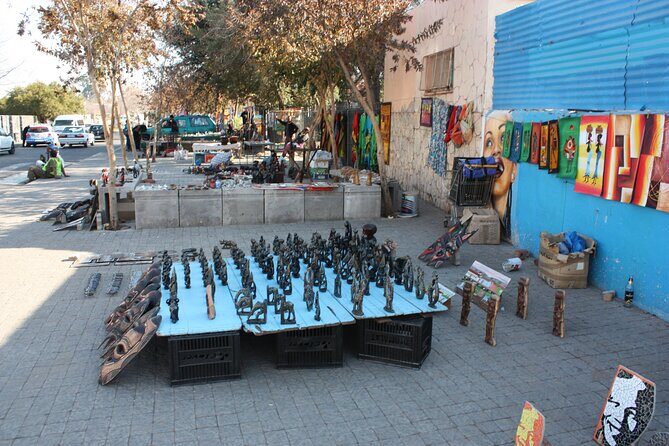
The final major stop is the Apartheid Museum in Ormonde. This museum is included and typically takes about 1.5 to 2 hours.
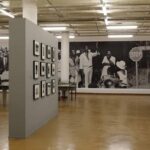
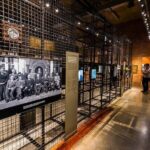
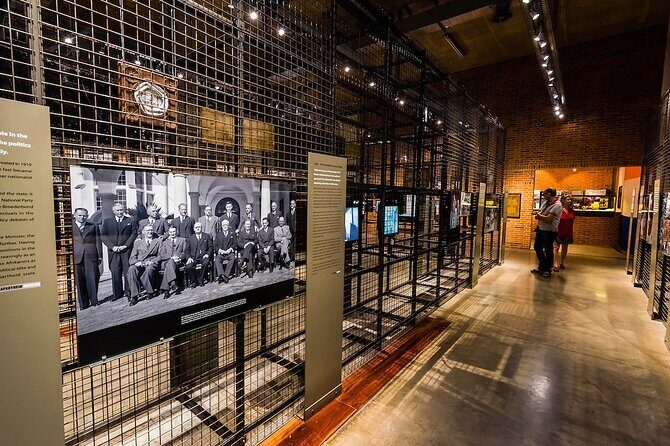
This is where the day shifts from local sites to broader context. The exhibits walk you through the emotional journey of South Africa’s struggle for freedom and equality. You’ll see powerful displays, photographs, and personal stories that show how apartheid affected people’s lives—and how resilience kept pushing against the system.
I like that the tour doesn’t treat apartheid history as a single straight line. It treats it as lived reality—something the Soweto stops set up for you. By the time you reach the museum, you’ve already seen the geography of resistance. So the displays feel less like distant textbook content.
A practical consideration: allocate your attention carefully here. Museums can blur together, especially on a long day. If you can, pick a few themes to pay attention to while you’re walking:
- How policies changed daily life
- How ordinary people and youth shaped events
- How the story moves from oppression toward equality
If you keep those themes in mind, you’ll get more out of the exhibits than if you try to absorb everything at once.
Transport, Tickets, and the Real Value of the $156.64 Price
Let’s talk value, because this is where tours often disappoint. Here, the price makes more sense than it looks.
You’re paying $156.64 per person for a roughly 6-hour day that includes:
- Lunch
- Air-conditioned vehicle
- WiFi on board
- Mandela House and Apartheid Museum admission (listed as included)
- Some other key stops with admission marked as free
You’re not paying extra for the biggest ticket items that can cost time and hassle when booked separately—especially on a packed schedule.
The money part that may catch you: bottled water and alcoholic beverages are not included. That’s normal, but it’s still something to plan around so you aren’t forced into expensive impulse buys at the worst moment. I’d recommend you start the day with a water plan and keep a bottle handy if you like.
Also, the vehicle and schedule add real comfort. Johannesburg days can get warm, and air-conditioning helps you stay focused at museums instead of dealing with heat fatigue.
Finally, the group size cap at 10 travelers is a value feature, not just a number. In smaller groups, your guide can manage the pace better, and you’re less likely to feel like you’re being herded.
Who This Tour Suits Best (and Who Might Want Something Different)
This tour is a strong fit if you want:
- A guided day that connects Soweto sites to the Apartheid Museum
- Clear storytelling instead of self-navigation
- A lunch stop that’s actually on Vilakazi Street, not somewhere generic
It’s also a good match if you like humor and humanity in your guide style, because reviews mention Khutso bringing humor while keeping the topic serious and respectful.
You might consider a different format if you:
- Want long, slow museum time without any schedule pressure
- Prefer to travel totally at your own rhythm with no set stops
This isn’t a half-day sprint. It’s structured enough that you’ll see the big anchors, but not so structured that you never get to pause. Think of it as a balanced day with a clear flow.
Should You Book This Soweto and Apartheid Museum Tour?
Yes, I think you should book it if you want one day that truly ties together the story of Soweto and the larger apartheid system. The best reason is the guide-led connection—Khutso’s storytelling, his pacing, and the way he’s described as making guests feel safe and welcomed from the first minute.
Book it if you’ll appreciate the mix: memorial time that requires respect, museum time that demands focus, and lunch that gives you a breather on Vilakazi Street. The included lunch and transportation sweeten the value, and the small group size helps the day feel controlled rather than chaotic.
Skip it only if you know you struggle with emotional-heavy sites or you need more flexible time in museums. In that case, you might prefer a longer, slower private arrangement.
FAQ
How long is the Soweto and Apartheid Museum tour?
The tour is approximately 6 hours.
What time does the tour start?
The start time is 8:00 am.
Is pickup available?
Yes, pickup is offered.
What does the price include?
Lunch, air-conditioned vehicle, and WiFi on board are included, and admission for Mandela House and the Apartheid Museum is included.
Is bottled water included?
No, bottled water is not included.
Is alcohol included?
No, alcoholic beverages are not included.
How big is the group?
The tour has a maximum of 10 travelers.
Is there a mobile ticket?
Yes, the tour offers a mobile ticket.
What is the cancellation policy?
You can cancel for free up to 24 hours in advance for a full refund.
If you tell me your hotel area (Johannesburg vs. Pretoria, and roughly where), I can suggest how to best plan your morning so the first stop feels unhurried.