REVIEW · PLETTENBERG BAY
Jukani Wildlife Sanctuary Admission with Guided Tour
Book on Viator →Operated by Jukani Wildlife Sanctuary · Bookable on Viator
Big cats, rescued and right up close. This guided visit to Jukani Wildlife Sanctuary is a practical way to see lions, tigers, leopards, jaguars, and more without fuss. I like the small group size (max 16), which makes it easier to hear the guide and ask questions, and I like that your ticket includes admission so you can skip the ticket-buying line. Guides such as Xola, Elvis, and Riko come through here, and their energy shows in the way they explain animal behavior and conservation.
My main caution is timing. On hot days, cats may choose shade and rest, so a late morning slot can feel slower than you expect. If you go with your eyes open and aim for a cooler period of the day, you’ll get more out of the walk through their large natural habitats.
In This Review
- Key things to know before you go
- Jukani Wildlife Sanctuary: what this guided tour really delivers
- Price and value: what $24.73 buys you
- The guided walking safari: what happens during your 90 minutes
- Big cats close up
- The “speed and stealth” stars
- More than cats
- Conservation explained as you walk
- Timing advice: late afternoon works better than late morning
- Small-group experience: hearing the guide matters
- Guides: why their style changes the visit
- Photography and viewing decks: how to get sharper shots
- What to plan for: clothes, food, and getting there
- Who this tour suits best (and who should adjust expectations)
- Should you book Jukani with a guided tour?
- FAQ
- How long is the guided tour at Jukani Wildlife Sanctuary?
- Is admission included in the price?
- How many people are in each guided group?
- What languages are available for the guided tour?
- Do I need to bring food or drinks?
- Can I cancel and get a full refund?
Key things to know before you go
- Max 16 people means a calmer pace and real chances to ask questions
- Entrance included with a mobile ticket so you can move straight into the sanctuary
- Rescue-focused setting: animals are rehomed from places that could no longer care for them
- Big cats plus other wildlife including cheetah, pumas, caracal, honey badger, zebra, springbok, and spotted hyena
- Photography-friendly viewing decks can reduce fence clutter in your photos
- Late-day visits tend to work best, especially around feeding time (commonly late afternoon)
Jukani Wildlife Sanctuary: what this guided tour really delivers
Jukani Wildlife Sanctuary isn’t a classic zoo experience where you just pass by cages and keep walking. The whole point of the guided tour is to slow you down just enough to notice how these animals use space, shelter, and behavior to cope with life in human care.
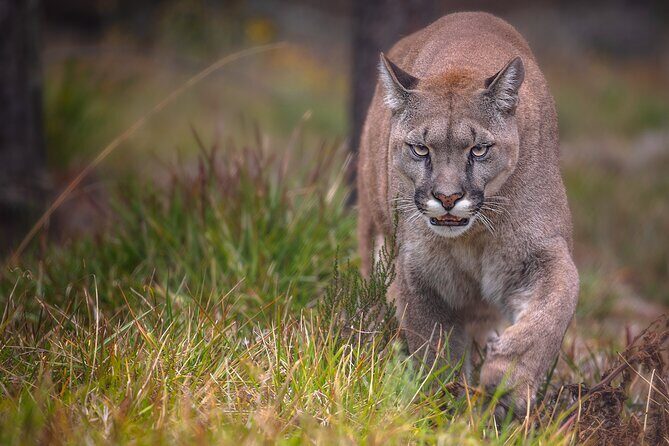
You’ll be walking a marked route with a guide who explains animal biology, behavior, and conservation status—the “why” behind what you’re seeing. That matters because it turns the visit from a checklist into an understanding. When you learn how a cheetah hunts differently than a big cat that prefers stalking, or how a tree-climbing puma uses height as an advantage, the animals start to feel less like photos on a phone and more like living beings with strategies.
The other big win is the group size. With up to 16 on the tour, you’re not stuck behind a crowd. You can hear the guide, and you don’t have to shout over the tour bus crowd energy. That small-group setup also helps with photography because you’re not constantly getting jostled at each viewing point.
You can also read our reviews of more guided tours in Plettenberg Bay

Price and value: what $24.73 buys you
At $24.73 per person, you’re paying for more than entry. Your ticket covers the entrance fee and the guided part, and the tour format is designed so you don’t waste time standing in a line buying admission on arrival.
If you’re trying to keep travel math simple, here’s the practical way to look at it: you’re paying for (1) access to the sanctuary, (2) a local guide who points out animals and explains what you’re seeing, and (3) a time-efficient route that lasts about 90 minutes (listed as roughly 1–2 hours).
Also, the tour is commonly booked about 12 days in advance, which is a hint that demand can pop up during peak holiday stretches. If you’re traveling in busy season or on a tight schedule, booking earlier is the smart move.
The guided walking safari: what happens during your 90 minutes
Your “Stop 1” is the sanctuary itself, and it’s structured around a walking safari guided tour. That’s important because the property is set up for viewing along the way. Instead of stopping wherever you want, you follow the guide’s route, enclosure by enclosure, so you spend your time where the animals are most likely to be seen clearly.
Here’s what the tour focuses on:
Big cats close up
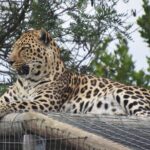
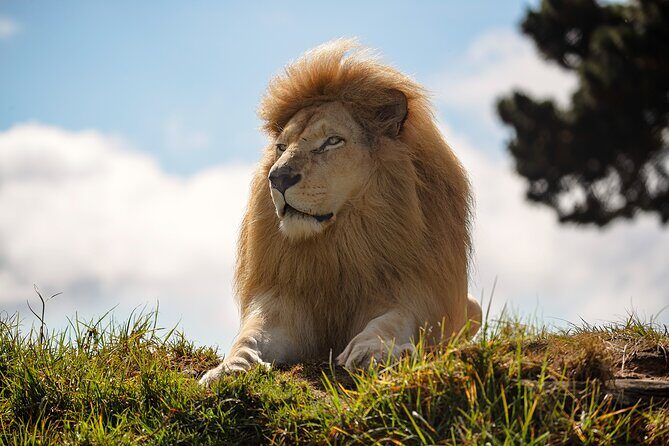
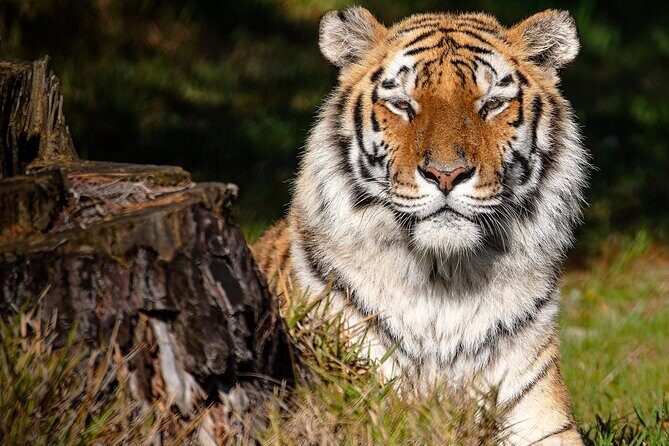
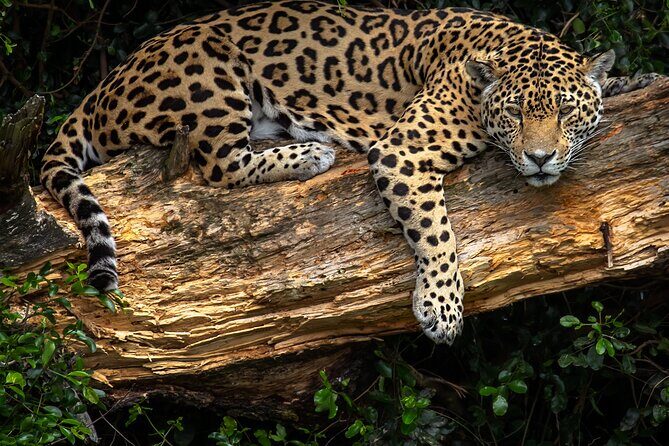
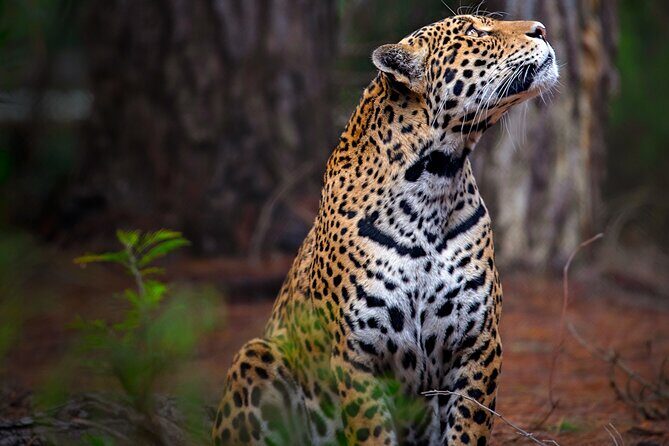
You can expect to see a lineup of major cats, including lions, tigers, leopards, and jaguars. These animals live at Jukani as their forever home, after being rescued or rehomed from situations where they could no longer be cared for properly.
On a good day, you’ll spot them at the viewing areas with enough time to watch behavior—not just snap a single picture and move on. On a hot day, cats may choose shelter, and you might see them resting more than roaming. That doesn’t mean the tour fails; it just means the experience shifts from activity spotting to observation.
The “speed and stealth” stars
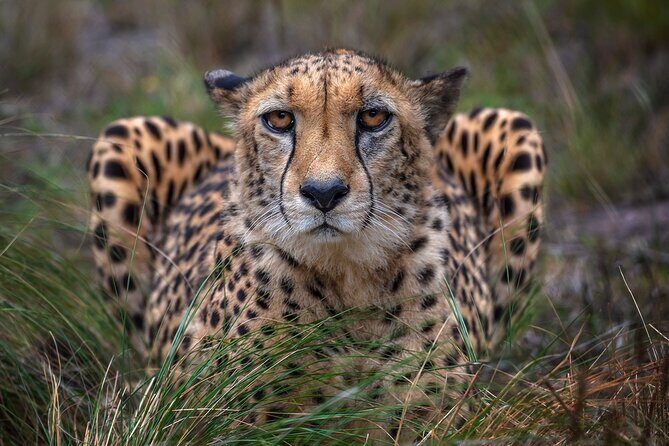
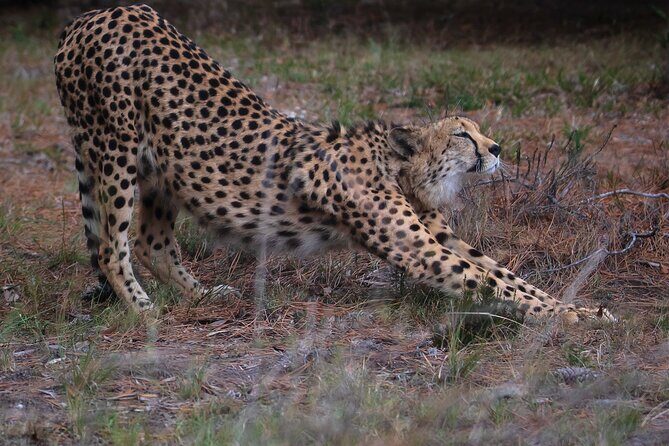
Two animals that often stand out during the walk are the cheetah (described as lightning fast) and pumas that can be agile and climb trees. Even if you only catch brief moments, the guide can help you interpret what you’re seeing—like why an animal might stay still until it feels safe enough to move.
A few more Plettenberg Bay tours and experiences worth a look
More than cats
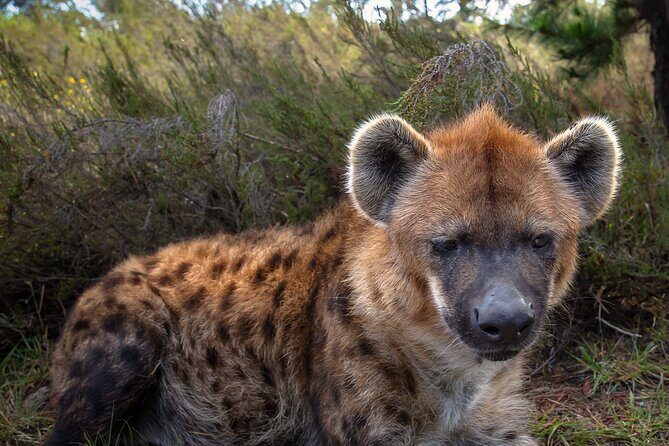
Jukani isn’t only big-cat viewing. The sanctuary also includes other wildlife such as caracal, honey badger, raccoons, zebra, springbok, and spotted hyena. That variety is a nice bonus because it breaks the rhythm. After you’ve stared at lion enclosures for a while, it helps to have other species to watch and compare.
Conservation explained as you walk
You’re also made aware of the animals’ situation—why they end up here, what happens to animals in captivity-related cases, and the broader conservation conversation. In other words, you’re not just looking at animals; you’re learning why the sanctuary exists and what it’s trying to fix.
Timing advice: late afternoon works better than late morning
If I had to pick one practical lever that changes how satisfying this tour feels, it’s when you go.
The sanctuary runs tours throughout the day, and you’ll have the best chance of seeing more movement and engagement by scheduling for late afternoon. There’s also commonly feeding activity around 3:30–4:00 pm, and that can add energy to the visit.
If you arrive at a time when heat is high, it’s easy for cats to take cover in shade or huts. In that case, you may still see plenty of animals, but their behavior can be slower—more lying down, less pacing. If you’re traveling with a camera, you may also find that you want to wait for the moment the animal lifts its head and decides to work the viewing deck.
One small practical tip from experience patterns: when the sun is strong, bring gear to handle the heat. An umbrella came up as a useful idea on a hot day, mainly for comfort while you wait at the enclosures.
Small-group experience: hearing the guide matters
A max group of 16 sounds like a marketing detail, but it affects the entire feel of the tour. With a smaller crowd, the guide can slow down enough to explain what you’re looking at instead of rushing to cover every enclosure.
It also helps when kids are along. There are reports of children aged 6 and 3 staying engaged for the full 90 minutes, which suggests the pacing and spotting rhythm works for families—especially when the guide can answer questions as they come up.
This is a tour where you’ll get more out of it if you actually talk. Ask why an animal behaves a certain way. Ask what to look for next. With this group size, those questions don’t get lost.
Guides: why their style changes the visit
The guide is the heart of the experience, and the evidence is right there in the names people mention: Xola, Elvis, and Riko show up in the best-loved tours.
Good guides do two things:
- They point out where to look so you don’t miss animals that are present but not immediately obvious.
- They connect the animal’s behavior to something you can understand, not just facts recited on autopilot.
So if you’re sensitive to tour-guide energy, this is the one to care about. A strong guide can turn a quiet enclosure into a thoughtful experience instead of a waiting game.
Photography and viewing decks: how to get sharper shots
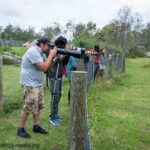
Jukani’s viewing setup seems designed with photographers in mind. People mention that viewing decks help with photos because fences don’t always dominate the frame.
One hands-on photography note: if you’re shooting through fence areas, using manual focus can help you lock onto the subject. That’s especially useful when the background texture is busy and autofocus hunts.
If you’re the type who likes to take time, this is your tour. The walk doesn’t feel like a sprint, and you’ll have repeated chances to capture animals from slightly different angles.
What to plan for: clothes, food, and getting there
This tour operates in all weather conditions, so plan to dress appropriately for the day. Also, the sanctuary is on the N2 near The Crags, and the meeting point is at Jukani Wildlife Sanctuary, N2, The Crags, 6600, South Africa. You’ll return to the same meeting point when it ends.
Two practical items from the tour setup:
- Food and drinks are not included. Plan your own snacks or drink breaks before or after.
- Transportation to and from attractions isn’t included. So factor in getting yourself to the sanctuary and back.
When you arrive, you’ll also sign an indemnity form at reception before starting. That’s normal for animal-related experiences, and it helps keep things smooth once the tour begins.
Who this tour suits best (and who should adjust expectations)
This is best for you if:
- You want a focused, guided way to see big cats in a rescue-focused sanctuary setting
- You like learning while you walk, not just ticking off animals
- You’re traveling with kids and want a tour that can keep attention for about 90 minutes
- You care about photography and want viewing decks plus guidance on where to aim
You might want to adjust expectations if:
- You’re going during the hottest part of the day and expecting nonstop action. The cats may rest. You’ll still likely see a variety of species, but behavior can be calmer.
- You’re the type who needs constant movement. This is more about observation and interpretation than constant sprinting.
Should you book Jukani with a guided tour?
Yes, I’d book it—especially if you’re already in the Western Cape area and want a time-efficient big-cat experience with context. The biggest reasons: small-group access, entrance included, and a guide who explains what you’re seeing as you go.
If you’re choosing a time slot, aim for late afternoon when feeding is closer and the animals may be more active. Bring something to handle heat, and if you’re a photographer, plan to slow down at viewing points and use the right focusing approach.
If you’re ready for a respectful, rescue-based animal visit where the point is to watch closely and understand, this tour is a strong use of your time.
FAQ
How long is the guided tour at Jukani Wildlife Sanctuary?
It’s listed as about 1 hour 30 minutes, with the overall duration shown as roughly 1 to 2 hours.
Is admission included in the price?
Yes. The tour price includes the entrance fee, and you’ll use a mobile ticket.
How many people are in each guided group?
Each tour has a maximum of 16 travelers.
What languages are available for the guided tour?
Tours are in English, and Afrikaans tours can be arranged.
Do I need to bring food or drinks?
Food and drinks aren’t included, so you’ll need to plan those on your own.
Can I cancel and get a full refund?
Yes, free cancellation is available. You can cancel up to 24 hours in advance for a full refund. If you cancel within 24 hours of the start time, it isn’t refundable.