REVIEW · CAPE TOWN
Kelp Forest Snorkeling in Cape Town
Book on Viator →Operated by Cape Town Freediving · Bookable on Viator
A kelp forest feels like another world. You’ll head out with a small group to snorkel along Cape Town’s African sea forest, where the “plants” are actually alive and crowded with fish, invertebrates, and the occasional surprise animal. I like that the guides run a clear gear fit and a real safety system, so you spend more time watching and less time figuring out what to do.
Two things I’d call out right away: the shore-entry setup (no boat) makes this easier to manage than many ocean tours, and the guide briefing helps you understand what you’re seeing instead of just getting dropped in the water. A possible drawback to plan around is that the snorkeling spot is weather dependent, so the location can shift day to day and you’ll want to go with the flow.
In This Review
- What Makes This Snorkel Experience Work So Well
- Key Points You Should Know Before You Go
- Muizenberg Start: Getting Set Up at Albert Rd
- The 3.5-Hour Rhythm: How the Time Usually Flows
- Choosing the Water: Weather, Visibility, and Calm Seas
- Shore Entry Without a Boat: Why This Matters
- How the Safety Buoy System Works
- What You’ll See in the Kelp Forest Sea
- Spotting Marine Life: Learning While You Float
- Your Comfort in the Water: Gear, Suits, and First-Time Ease
- After the Snorkel: Debrief and Changing Clothes
- Price and Value: What $0.00 Means Here
- Who This Is Best For (And Who Might Want to Think Twice)
- Practical Tips to Make Your Snorkel Day Smoother
- Should You Book Kelp Forest Snorkeling in Cape Town?
- FAQ
- Where does the snorkeling experience start?
- How long is the experience?
- What snorkeling location do you usually go to?
- Do you go out by boat?
- Do I need to be a strong swimmer?
- Is there any safety support in the water?
- What equipment is included?
- What is not included?
- Can I leave from the snorkeling site instead of returning to Muizenberg?
- What’s the cancellation policy if the weather changes?
What Makes This Snorkel Experience Work So Well
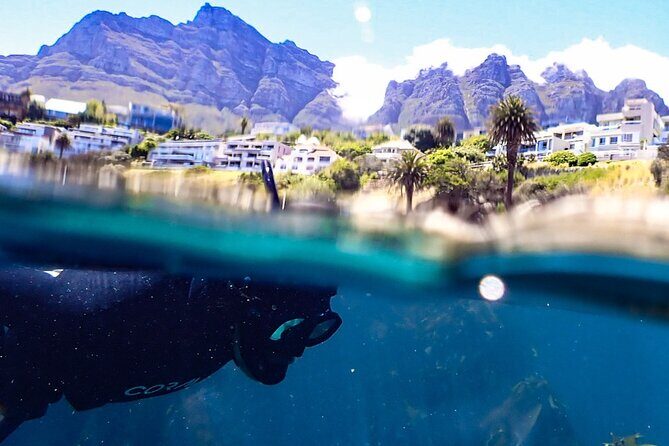
The format is built for comfort and control. You meet at 1 Albert Rd in Muizenberg, get fitted with quality snorkeling equipment, then head to a nearby shore entry chosen for calm conditions and visibility. Guides carry a safety buoy in the water, which is a big deal if you’re less confident.
From there, the time you spend in the kelp is guided and purposeful. You’ll get help entering, get settled with your gear, and learn what’s living around you—everything from sea stars and anemones to brittle stars and abalone. If it’s your first time snorkeling, the tone is relaxed and supportive.
One more consideration: towels, food, and drinks aren’t included, so you’ll want to plan for comfort after you change out of your snorkeling gear.
Key Points You Should Know Before You Go
- Small group size (max 10) means more hands-on help when you’re getting set up
- Shore entries, no boat keep things simple and reduce the usual tour stress
- Safety buoy in the water gives extra confidence for less steady swimmers
- Weather-dependent location choice targets better visibility and calmer water
- Guides help you spot and understand marine life beyond just seeing shapes in the water
You can also read our reviews of more tours and experiences in Cape Town.

Muizenberg Start: Getting Set Up at Albert Rd
Your day starts at the center on 1 Albert Rd in Muizenberg. You’ll check in, then go straight into a briefing and equipment fitting. This is where the trip earns its calm reputation.
The equipment is provided, and the focus is on getting you comfortable in the water. From what you can expect, they aim to remove the guesswork so you’re not wrestling a mask or struggling with a fin setup halfway through. Even better, the experience includes a marine life and equipment briefing, so you know what to look for while you’re actually in the kelp.
If you’re nervous about snorkeling, this first phase matters. The clearer you feel about your gear and what to do next, the easier the water part becomes.
The 3.5-Hour Rhythm: How the Time Usually Flows
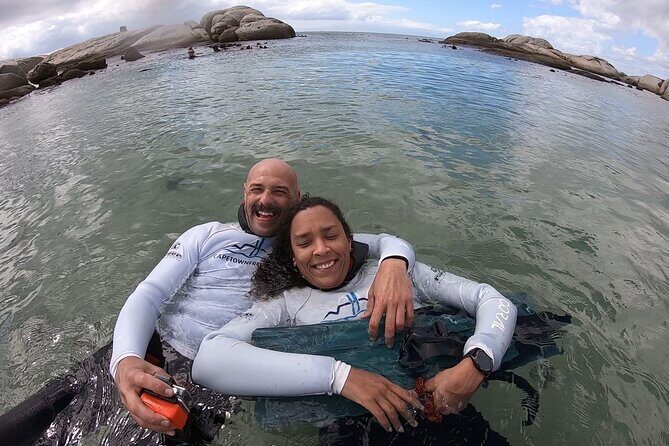
The total experience runs about 3 hours 30 minutes. That time is designed around a simple cycle: meet and gear up, snorkel in the kelp, then debrief and change out.
You’ll stay out long enough to enjoy the kelp environment without turning it into a marathon. And because the entry is from shore, you’re not losing time to travel on a boat or to boat schedules.
At the end, the activity finishes back at the meeting point in Muizenberg. There’s also an option to depart from the snorkeling site if you have your own vehicle, or you can accompany the group back to Muizenberg.
Choosing the Water: Weather, Visibility, and Calm Seas
Here’s the smart part: the snorkeling location is weather dependent. The team chooses the day’s spot based on visibility and how calm the water is. That approach matters, because in a kelp forest, your experience depends on seeing clearly and staying comfortable in the conditions.
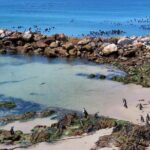
Most days, the snorkeling goes to Windmill Beach in Simons Town. Even if your day ends up at a different spot, the goal stays the same—shore entry, good viewing, and manageable water.
This is one of those “pay attention” details. If you’re the kind of person who needs a fixed plan, weather-based routing can feel a little unpredictable. But if you want the best possible snorkeling conditions, it’s the right way to run the day.
Shore Entry Without a Boat: Why This Matters
You don’t use a boat. You’ll snorkel from shore, and the entry is described as easy enough for most ages. The trip also doesn’t require you to be a skilled swimmer.
For me, that’s the biggest practical advantage. Shore entries remove a lot of variables: less time on moving water, fewer steps in getting to the snorkeling area, and a more controlled start. You can focus on the kelp and sea life instead of bracing for a transport component.
Another confidence boost is that guides help you enter and get comfortable with your equipment. They also provide a safety buoy you can hold onto if you need it. That’s a comfort detail you feel immediately, not just a line on paper.
How the Safety Buoy System Works
Guides carry a safety buoy in the water. If you’re less confident, you can hold onto it while you settle in. This isn’t about turning your snorkel into a training session. It’s about giving you an option so you can keep your breathing steady and your mind focused on the kelp around you.
The buoy also changes the vibe of the experience. You’re not constantly thinking about keeping up or not falling behind. Instead, you can take your time watching details close by.
In the reviews, this kind of practical support comes up again and again. People also highlight how helpful the instructors are and how they stay available when you need a hand.
What You’ll See in the Kelp Forest Sea
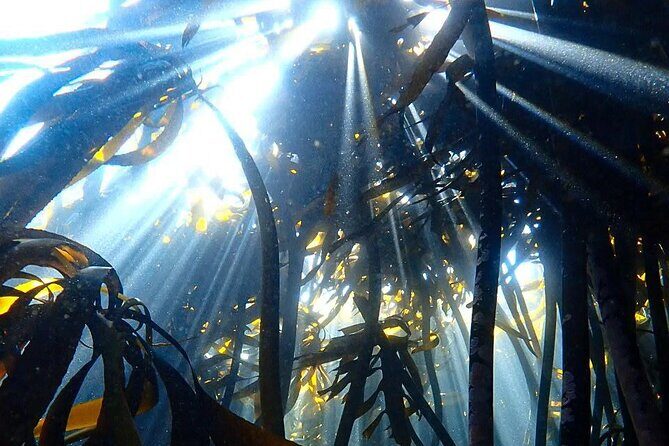
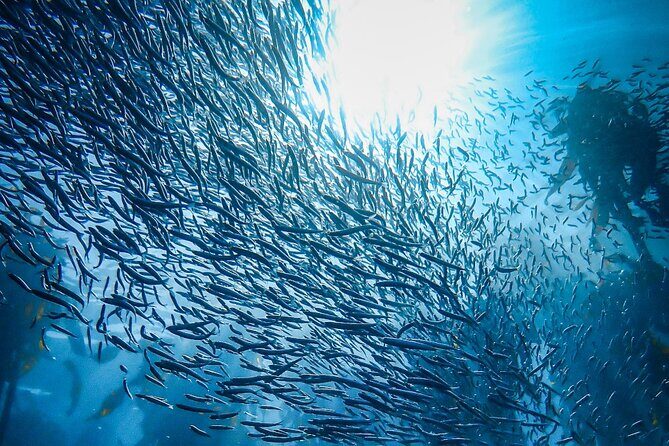
The kelp forest is the star. The experience is built around that “sea forest” feeling—thick, colorful kelp structures with animals living in the spaces between. Your guides will point things out during the snorkel, so you’re more likely to notice creatures you might otherwise miss.
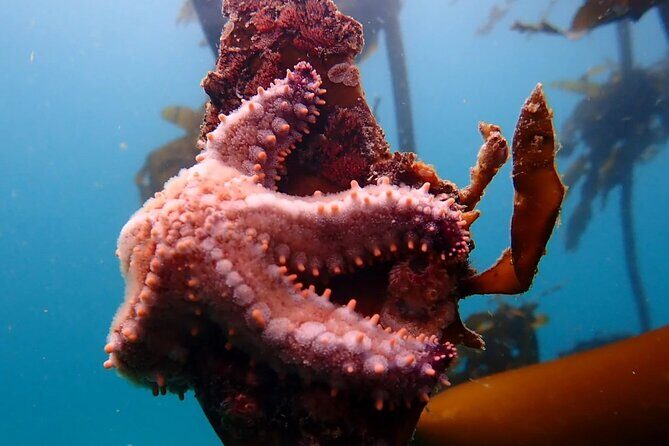
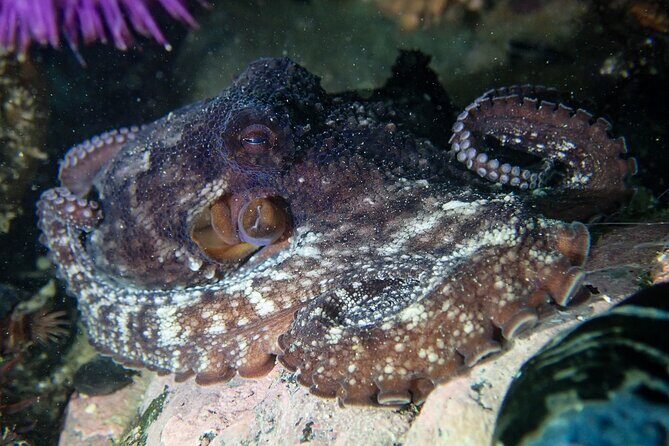
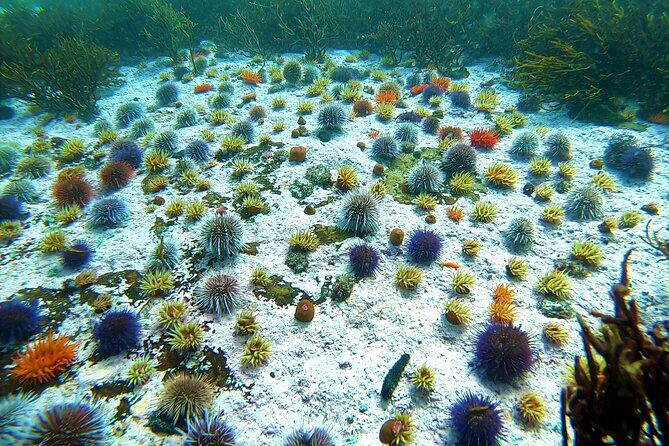
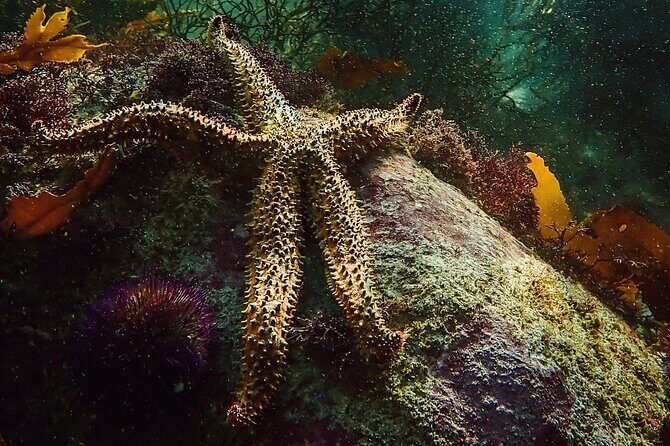
Depending on the day and the location, you could encounter fish and octopus. The tour also mentions a variety of shy sharks, plus sea stars and anemones. Other possible sightings include brittle stars and abalone, and there may be other wonderful creatures beyond that list.
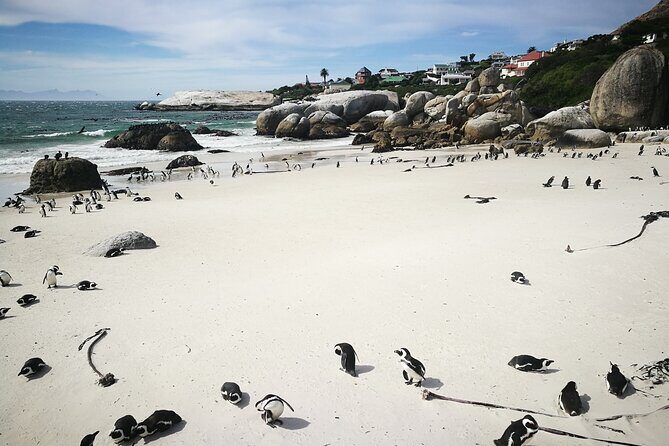
There’s also an element of surprise. On occasion, passing seals, stingrays, and penguins have been seen. Those sightings aren’t guaranteed, but the fact that the guides are ready to help you react calmly is part of what makes this feel like a real nature experience instead of a scripted “look here” moment.
If you like wildlife that doesn’t pose for a camera, this is your kind of outing. The animals are there, but they’re wild. You’ll spend time scanning, then getting a good, slow look when something appears.
Spotting Marine Life: Learning While You Float
The briefing isn’t just equipment talk. It’s also marine life guidance, so you can translate what you see into something meaningful. That’s a big difference between snorkel tours that feel like sightseeing and ones that feel like learning.
One guide named Chris is specifically mentioned for being very knowledgeable and for making the experience feel easier to follow. The effect you should expect is simple: fewer mysteries, more “Oh, that’s what that is” moments.
You’ll also get help during the snorkel itself. That usually means pointing out features in the kelp, guiding your attention to motion or hiding spots, and helping you adjust your position so you can look without kicking everything up.
Your Comfort in the Water: Gear, Suits, and First-Time Ease
This trip is designed to feel warm and enjoyable. Quality snorkeling equipment is provided, and the guides focus on fitting you properly. If you’re doing this for the first time, that matters, because comfort is what keeps you calm in open water.
One detail that shows up in the feedback is that the swimsuits help you feel very comfortable in the water. That’s not a tiny thing. When you’re comfortable, you breathe better, look longer, and spend less time trying to fix what isn’t working.
Also, since the entries are from shore and a safety buoy is available, you don’t need to be a fearless swimmer to have a good time. You do need basic comfort with water, but the setup is clearly aimed at keeping things manageable.
After the Snorkel: Debrief and Changing Clothes
Once the snorkeling session ends, you’ll debrief and then change into your clothes. That helps you close the experience with clarity—what you saw, what likely lives in that kelp area, and what to pay attention to on your next look.
The tour ends back at the meeting point in Muizenberg. If you came with your own vehicle, you may be able to depart from the snorkeling site instead. If not, you’ll go back with the group.
Since towels aren’t included, you’ll want to plan for that comfort moment. If you like to stay warm afterward, bring what you’ll need so the “getting out” part doesn’t feel like a rush.
Price and Value: What $0.00 Means Here
The price shown is $0.00 in the details I received. I can’t promise that’s always the live price at checkout, but if it truly matches what you pay, it’s an eye-catching value for a guided, gear-included ocean experience.
Even without relying on the listed cost, the value is in the structure: you get equipment, you get guided marine life spotting, and you get a safety buoy system built for real-world comfort. A 3.5-hour session with a max group size of 10 also suggests you won’t get lost in a crowd.
The key trade-off is that you’re not getting towels, food, or drinks. So your total “true cost” is really what you bring for afterward and for any snack you want during the day.
Who This Is Best For (And Who Might Want to Think Twice)
This is a great choice if you:
- Want calm, shore-based snorkeling with support
- Are new to snorkeling and want extra help getting comfortable
- Like wildlife spotting with guides who point out what matters
- Prefer smaller groups over big crowd chaos
It might be less ideal if you:
- Need a fully fixed location regardless of conditions
- Want a tour that includes food and towels
- Don’t like the idea that the water spot is chosen based on the day’s visibility and calmness
If you’re traveling with mixed comfort levels in the group, this setup tends to work because the buoy and guide support reduce pressure. That’s also why first-time snorkeling is specifically called out as a success in the feedback.
Practical Tips to Make Your Snorkel Day Smoother
Bring what you’ll need after you get out. Towels, food, and drinks aren’t included, so plan for warmth and a snack afterward.
Wear clothing that helps you transition quickly. Since you’ll change into your clothes after the debrief, make it easy on yourself—think simple layers and a setup that won’t turn into a puzzle.
Arrive with a calm mindset. The kelp forest is alive and active, but it doesn’t always show up on command. If you treat the snorkel like a slow scan—look, wait, look again—you’ll get more from the time in the water.
And if you’re even slightly unsure about swimming confidence, use the system they give you. Holding onto the safety buoy is exactly what it’s there for. You don’t need to prove anything to enjoy the kelp forest.
Should You Book Kelp Forest Snorkeling in Cape Town?
I’d book this if you want real Cape Town ocean character—kelp, sea life, and guided attention from start to finish. The biggest reasons are the practical ones: shore entry instead of a boat, safety buoy support for less confident snorkelers, and guide help that makes the marine life easier to spot and understand.
It’s also a good fit if you’re traveling in a small group vibe (max 10) and you like professional, friendly support. The feedback emphasizes that the staff is accommodating and that people feel comfortable in the water thanks to the gear and suit setup.
One last check: because the snorkeling spot depends on weather, be flexible with timing and location expectations. If you can roll with that, you’re in for a very memorable ocean experience.
FAQ
Where does the snorkeling experience start?
It starts at 1 Albert Rd, Muizenberg, Cape Town, 7950, South Africa.
How long is the experience?
The duration is approximately 3 hours 30 minutes.
What snorkeling location do you usually go to?
Most days, the snorkeling location is Windmill Beach in Simons Town. The exact location can vary depending on the weather.
Do you go out by boat?
No. This experience uses shore entries and does not use a boat.
Do I need to be a strong swimmer?
No. The easy shore entry is suitable for most ages, and you do not need to be a skilled swimmer.
Is there any safety support in the water?
Yes. Each guide has a safety buoy with them in the water, and less confident snorkelers can hold onto it.
What equipment is included?
Snorkeling equipment is included, along with a marine life and equipment briefing.
What is not included?
Towels, food, and drinks are not included.
Can I leave from the snorkeling site instead of returning to Muizenberg?
Yes, if you have your own vehicle you can depart from the snorkeling site. Otherwise you will be taken back to the center in Muizenberg.
What’s the cancellation policy if the weather changes?
You can cancel for a full refund up to 24 hours in advance. If it’s canceled due to poor weather, you’ll be offered a different date or a full refund.