REVIEW · KNYSNA
Knysna: Marine Life & Garden Route Coastline Tour
Book on GetYourGuide →Operated by Ocean Odyssey Whale Watching Knysna · Bookable on GetYourGuide
Dolphins, penguins, and whales in one sail. This Knysna cruise is interesting because it runs past the Knysna Heads and out toward the Indian Ocean, not just around the harbour. I like that it’s Knysna’s only permitted whale and dolphin watching operator, and I also like the smaller groups, which usually means more attention and better wildlife-spotting talk on board. My one caution: this is weather-dependent, and marine sightings are never guaranteed.
You’ll spend a full 90 minutes on the water, but you should plan your expectations like a nature trip, not a theme-park show. If you’re the type who gets seasick, you’ll want to prepare early, because the pace is mostly out on the open water rather than parked in a calm channel.
In This Review
- Key things that make this cruise worth your time
- Knysna Heads to the Indian Ocean: What You’re Really Paying For
- Starting at Thesen Harbour Town: Where the tour begins and how it feels
- The 20-minute safety briefing: Not exciting, but worth it
- The Heads and beyond: Your route, in plain language
- 1) The estuary start: where the ecosystem begins
- 2) Past the Knysna Heads: cliff, caves, and the meeting of sea and sky
- 3) Further out into the blue: longer spotting time on open water
- Wildlife spotting the smart way: how the skippers help you actually see things
- Weather changes: what happens if the sea won’t cooperate
- What to bring: your personal comfort kit for Knysna water time
- Motion sickness and back comfort: who should think twice
- Small-group guiding: why it changes what you learn
- Price and value: how $5 fits the experience
- Who this Knysna tour suits best
- Should you book the Knysna Heads eco cruise?
- FAQ
- How long is the Knysna Marine Life & Garden Route Coastline Tour?
- Where do I meet for the tour?
- What is included in the price?
- Are dolphin, whale, or other animal sightings guaranteed?
- What should I bring?
- Is the tour suitable for kids and people with mobility issues?
- What is not allowed on board?
Key things that make this cruise worth your time
- Permitted operator: Knysna’s only permitted whale and dolphin watching operator
- Ocean-going route: you go beyond the Heads into Indian Ocean waters
- Smaller groups: more personalized guiding instead of a big crowd scramble
- Big-wildlife chances: look out for dolphins, seals, penguins, and even Bryde’s whales
- Three-part scenery plan: estuary views, Knysna Heads, then coastline and open-water spotting
- Sea-and-weather reality: conditions can change, sometimes at short notice
Knysna Heads to the Indian Ocean: What You’re Really Paying For
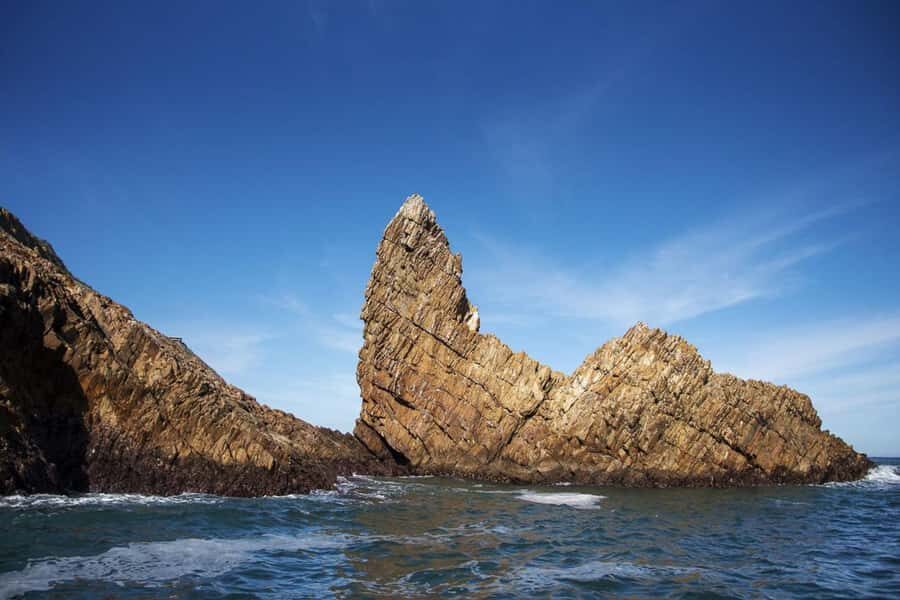
This isn’t just a scenic boat ride. You’re paying for access to the area where the estuary meets the sea, plus a route that continues past the Heads out toward the Indian Ocean. That matters, because the marine life you’re hoping to see isn’t stuck behind the harbour breakwater. It moves, it breathes, and it follows food. When your route has real open-water time, your odds improve simply because you’re in the right habitat longer.
The cruise is also positioned as an eco experience, but the practical part is this: the guide and skipper are focused on spotting and interpreting wildlife in its natural space. They’re not just pointing at scenery for the sake of it; they’re reading the water and using their local knowledge so you know what you’re looking at.
Price is a sweet spot here: it’s listed at $5 per person for a 90-minute outing. Even if you treat that as a promotional or budget-friendly fare, you still get a real time block on the water, plus life jackets and water included. In a town like Knysna—where boat trips can vary a lot—that’s the kind of value that turns a one-time visit into a memory you actually talk about.
One more reality check: sightings are not guaranteed. That’s not a marketing trick; it’s how wildlife works. You’re going because you want a chance, not because you want to tick boxes.
You can also read our reviews of more tours and experiences in Knysna.

Starting at Thesen Harbour Town: Where the tour begins and how it feels
The meeting point is Ocean Odyssey Whale Watching office at TH22 Long Street, Thesen Harbour Town, Knysna, with the starting location at Odyssey Cafe on Thesen Island. Expect to show up, get directed to the right place, and then get ready for the safety briefing.
That briefing is part of the experience timing. You’re looking at a total duration of about 90 minutes, and the plan includes roughly 20 minutes of safety briefing early on. Translation: you shouldn’t plan to arrive at the last second and then race down to the boat. Build in a little buffer so you’re comfortable before departure.
Once you’re kitted out, life jackets are compulsory and supplied. If you’re worried about fit or comfort, that’s an easy fix before you leave the harbour. Get the jacket snug, keep your hands free (phone secured), and then you’ll enjoy the cruise more instead of thinking about your gear.
And yes, the whole vibe is designed for viewing: you’ll be out on the water, moving between viewpoints, and listening for the cues that tell you something is worth focusing on.
The 20-minute safety briefing: Not exciting, but worth it
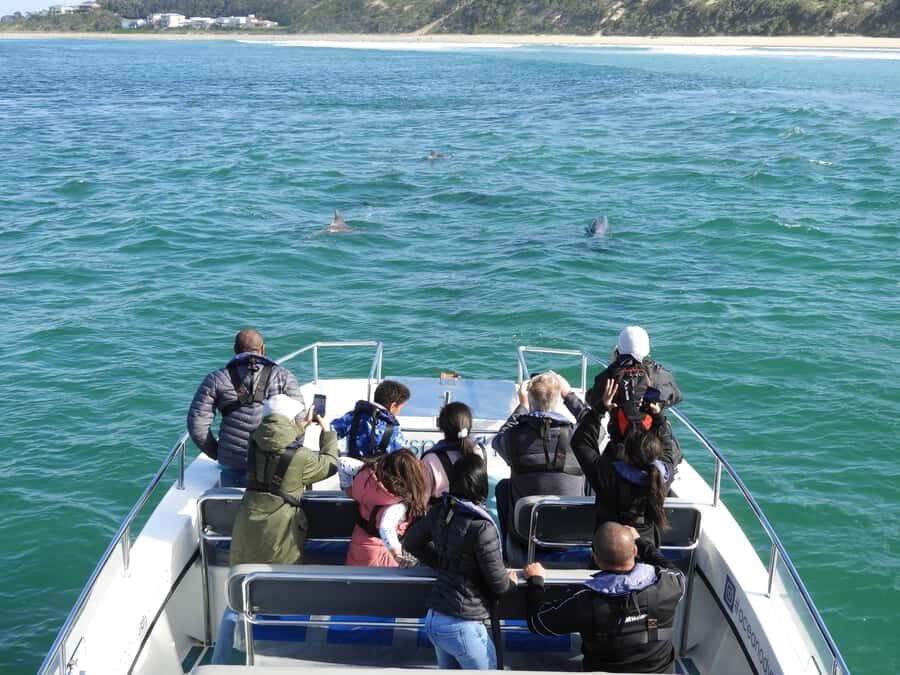
The safety briefing is included, and it takes time. I actually like that approach for cruises like this, because boat riding can get choppy fast when you’re heading into open water.
Here’s what it tells you about the operator’s priorities:
- They treat safety as part of the plan, not an afterthought.
- You’ll be reminded how to behave on board, where to stand, and how life jackets work.
- You’ll understand what the skipper expects if conditions get rough.
You don’t need to be a sailor to handle this tour. But you do need to follow instructions. On a wildlife cruise, everyone staying steady and attentive makes the experience better for the whole group.
If you’re prone to motion sickness, this is also the moment to take your plan seriously. The tour notes that those at risk are at risk for seasickness, so it’s recommended that you take motion sickness medicine, which you can buy at any pharmacy.
The Heads and beyond: Your route, in plain language
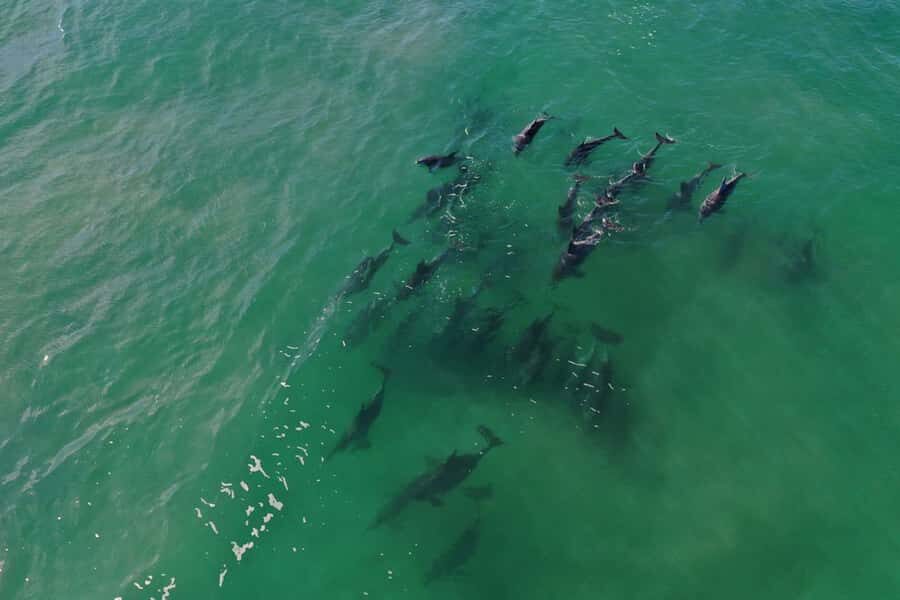
The cruise is built around three major zones, and each one changes what you see and what the crew can reasonably look for.
1) The estuary start: where the ecosystem begins
You start on the Knysna estuary. This is a natural meeting point—fresh and sea-influenced waters mixing, food moving through, and marine animals using the area as a transit or feeding zone. Even if you don’t see something instantly, this is usually where you get your bearings, learn what conditions feel like on board, and get early wildlife cues from your skipper.



2) Past the Knysna Heads: cliff, caves, and the meeting of sea and sky
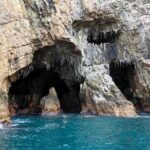
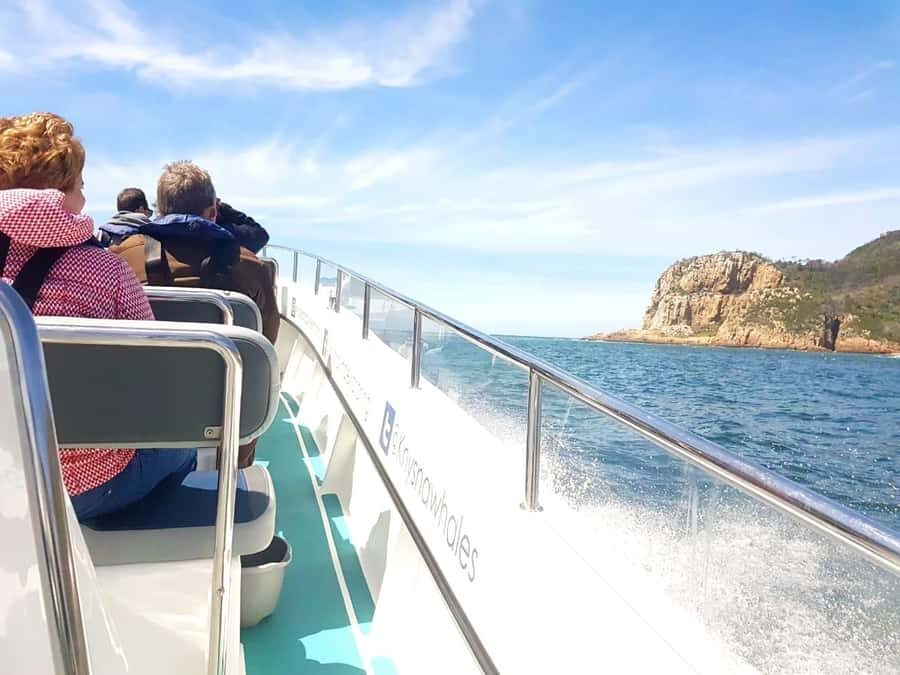
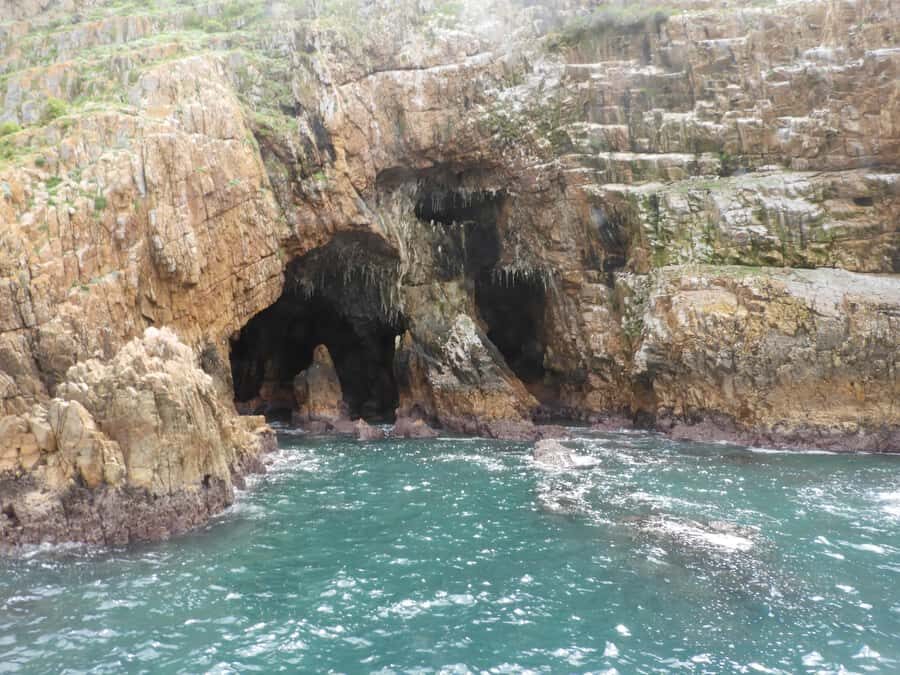
Then you cruise past the Knysna Heads, where the estuary meets the Indian Ocean. This is where the scenery turns dramatic: rugged headlands, cliffs, and those famous coastal features including caves. It’s also where you start to feel the open-water influence.
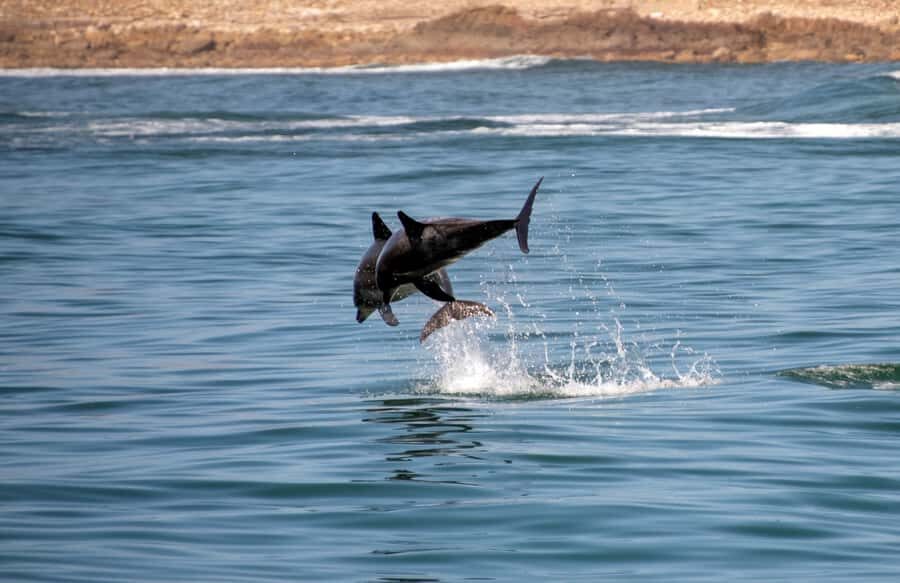
For wildlife, this is often a key stretch. Animals use these edges and channels because they create opportunities—current lines, oxygen-rich movement, and access to prey. If conditions are decent, this leg is when dolphins and other sightings may start showing up.
3) Further out into the blue: longer spotting time on open water
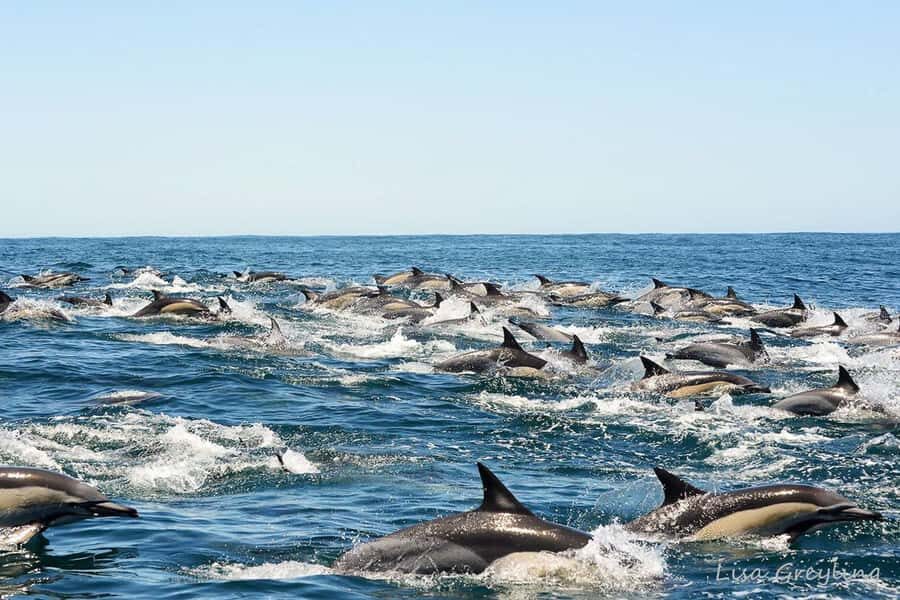
Finally, the route goes beyond the Heads to the Indian Ocean, taking you into deeper water where the crew can scan for marine life. This is the leg built for the higher-profile sightings: the tour mentions possible dolphins, seals, penguins, and even Bryde’s whales.
Here’s the practical part: the farther out you are, the less you can predict. Weather, wind, and water movement influence where animals surface. That’s why the tour is clear that sightings are not guaranteed. You’re choosing this because you want the best shot possible, not because you’re promised a specific animal.
Wildlife spotting the smart way: how the skippers help you actually see things
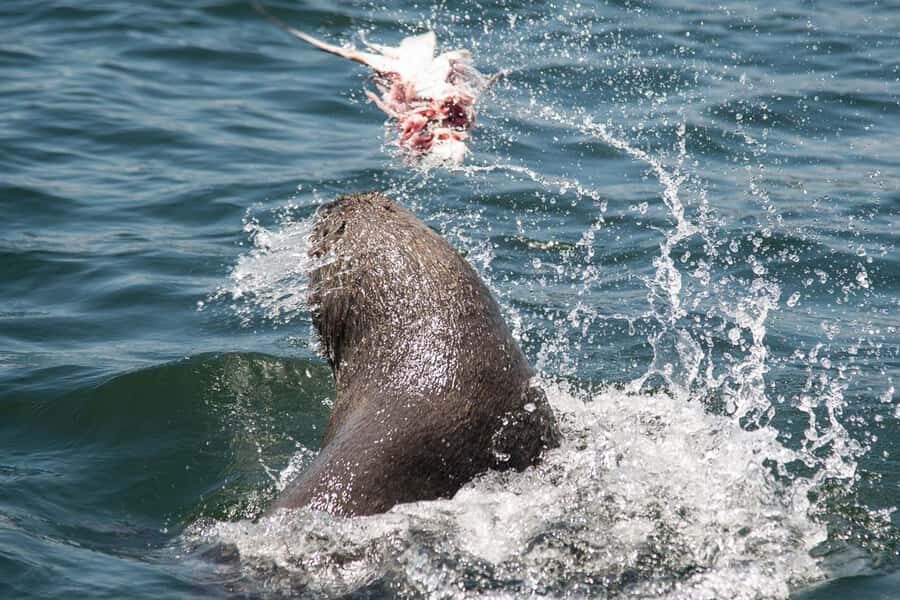
This is where the tour earns its repeat recommendations. The operator describes experienced whale and dolphin watching skippers and guides, and the focus is clearly on recognizing animals and understanding the area.
What that means for you:
- You’ll get context about the region’s geological features and how the estuary ecosystem works.
- You’ll likely hear what to watch for when a sighting is possible (surfacing patterns, group behaviour, where eyes should go first).
- You get help turning distant shapes into something you can identify instead of just guessing.
One of the strongest signals from the experience is the variety of wildlife people report seeing in the right conditions—whales, seals, dolphins, and penguins. That doesn’t mean you’ll see all of it on your trip. But it does mean the route and timing are capable of producing big moments.
And the small-group setup is not just a comfort perk. When you’re scanning from a boat, fewer people often means fewer blocked lines of sight and quicker communication. You spend less time waiting for your turn to look and more time actually watching.
Weather changes: what happens if the sea won’t cooperate
This cruise runs sea and weather conditions permitting. That’s stated upfront, and it’s the most important thing to internalize before you go.
If conditions are not ideal, you may be contacted on the day of the activity about changes. The tour also makes it clear that conditions sometimes need to be assessed close to departure, so you should be ready for last-minute cancellations or rescheduling.
How to plan around it:
- Keep your day flexible if you can.
- Don’t schedule a tight connection right after your cruise.
- Bring layers so you can handle cooler, windier water conditions even if the sun is out.
There’s also a practical review note to be aware of: in one case, weather cancelled a planned trip and a refund was expected, but the person later reported still waiting after a week. That doesn’t mean refunds always stall, but it does support the idea that if your dates are strict, you should double-check your own timelines and payment method so you’re not stressed if weather pushes things.
What to bring: your personal comfort kit for Knysna water time
The tour gives a clear packing list, and you should follow it. On the water, the wind can steal warmth faster than you expect.
Bring:
- Warm clothing
- Sunglasses
- Sun hat
- Sunscreen
- Jacket
Even on a nice day, you’ll often be exposed—sun on top, wind on the face, cool air near the waterline. A jacket solves most of that. Sunglasses reduce eye strain while scanning. Sunscreen matters because reflection off water is real.
Also note what you should not bring: pets, baby strollers, smoking, and food and drinks aren’t allowed. Plan on water being provided, and if you need snacks for personal reasons, you’ll have to plan that outside the tour rules.
Motion sickness and back comfort: who should think twice
This is not a hard requirement list, but it’s honest guidance you should take seriously.
The tour says it’s not suitable for:
- Children under 3 years
- People with back problems
- Wheelchair users
- Babies under 1 year
It also flags that those prone to motion sickness are at risk for seasickness on board, and recommends taking motion sickness medicine.
If you’re on the fence, here’s the practical decision rule I’d use: if you struggle on ferries or open-water boats even on calmer days, don’t treat this as a casual outing. Prepare meds early, wear comfortable clothing, and keep your head supported and stable. Life jackets are compulsory, so it’s smart to avoid anything bulky that restricts your movement or makes you feel trapped.
Small-group guiding: why it changes what you learn
Smaller groups are one of the key selling points here, and you can feel the difference when wildlife is involved.
On bigger boats, you often get:
- a lot of noise
- slower instruction
- more waiting for a decent viewing angle
On a smaller group, you tend to get:
- better guidance on what to watch for
- easier spotting because fewer people crowd the same edges
- a more conversational vibe with skippers and guides
That also means you’re more likely to come away with understanding, not just images. The tour notes that the guides share insights into geological features and how the estuary ecosystem works. That kind of explanation turns a random sighting into a real story you can retell.
Price and value: how $5 fits the experience
At $5 per person for a 90-minute ocean-going cruise, the value is striking. You’re getting:
- a route that actually goes past the Heads
- life jackets and water included
- guided whale and dolphin watching support
- a small-group approach
- enough time on the water (90 minutes total) to matter for spotting
Could it ever feel too cheap for what you get? Maybe. But the bigger point is risk and flexibility. This is wildlife watching, so the value isn’t in guaranteed animals. It’s in the chance to see them, and in the chance to experience Knysna’s estuary-to-ocean meeting point with real local guidance.
If you’re on a budget and you want one meaningful boat outing on the Garden Route, this is the kind of price that makes it worth trying—even if you accept that the sea has the final say.
Who this Knysna tour suits best
This cruise makes the most sense if you:
- want a marine-life focused outing, not just sightseeing
- enjoy guided wildlife interpretation
- prefer smaller groups
- can handle cool wind and possible swell
- are okay with the idea that sightings are not guaranteed
It’s also a great pick if you’re in Knysna for a short time and want your time on the water to count. Ninety minutes is long enough to settle in and scan, but short enough that you don’t lose half a day.
On the other hand, skip it if you need wheelchair access, have significant back issues, or you’re traveling with very young children. And if motion sickness hits you hard, prepare or choose a calmer alternative.
Should you book the Knysna Heads eco cruise?
Book it if you want the best combo of real ocean-going time, local whale and dolphin watching expertise, and a low-cost entry into a wildlife cruise that’s built around the estuary and the Indian Ocean edge.
Don’t book it if you can’t tolerate weather variability or you’re strict about having everything run on schedule. Since the sea and weather are the boss, keep your plans flexible. And go in with the right mindset: this is about living in the wildlife rhythm, not forcing animals to appear.
If you’re ready for that, you’re likely to leave with at least one standout moment—whether it’s dolphins cutting through the water, seals hanging around, or the special thrill of seeing penguins and whales when conditions line up.
FAQ
How long is the Knysna Marine Life & Garden Route Coastline Tour?
The tour lasts about 90 minutes.
Where do I meet for the tour?
Meet at Ocean Odyssey Whale Watching office at TH22 Long Street, Thesen Harbour Town, Knysna, with the starting location at Odyssey Cafe on Thesen Island.
What is included in the price?
Life jackets and water are included.
Are dolphin, whale, or other animal sightings guaranteed?
No. Sightings are not guaranteed because this is marine life in their natural environment.
What should I bring?
Bring warm clothing, sunglasses, a sun hat, sunscreen, and a jacket.
Is the tour suitable for kids and people with mobility issues?
It is not suitable for children under 3 years, people with back problems, wheelchair users, and babies under 1 year.
What is not allowed on board?
Pets, baby strollers, smoking, and food and drinks are not allowed, and baby carriages are also not allowed.