REVIEW · KNYSNA
Knysna: Close Encounter Whale Watching Tour by Boat
Book on GetYourGuide →Operated by Ocean Odyssey Whale Watching Knysna · Bookable on GetYourGuide
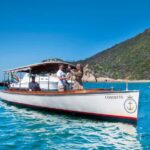
Whales feel real here, not like a distant show. This 2-hour boat whale watching trip runs out of Thesen Harbour and cruises through the Knysna Estuary and Knysna Heads, where you’re set up for the kind of sightings you came for.
I love the way the crew runs a small-capacity outing, with a whale spotter watching from an elevated viewpoint and directing the boat to good activity over the radio. I also like that you’re not just sitting on the open ocean. You get the estuary, the iconic heads, and a proper ocean approach before the search even starts.
The main drawback to plan for is real-life nature: sea conditions matter, sightings are not guaranteed, and sometimes weather can trigger last-minute rescheduling.
In This Review
- Key things that make this tour worth your time
- Ocean Odyssey departure: what the first 15 minutes teach you
- Sailing through Knysna Estuary and out the Heads
- How the whale spotter system actually helps you see more
- What whales you’re most likely to spot here
- The 2-hour plan: why this timing works
- Comfort on a choppy boat: packing tips that matter
- Safety rules and behavior: the “you’ll love it if you follow it” part
- Price and value: what $113 buys on this kind of outing
- Weather realities in Knysna: when plans can shift
- Who this tour is best for (and who should skip it)
- Should you book this Knysna whale watching tour?
- FAQ
- How long is the Knysna whale watching boat tour?
- Where is the meeting point?
- Are whale sightings guaranteed?
- What marine life might we see besides whales?
- What should I bring with me?
- What is included on board?
- What happens if the weather is rough?
- FAQ
- Is this tour suitable for wheelchair users or babies?
- What’s not allowed during the trip?
- If I cancel, can I get a refund?
- What languages is the guide available in?
Key things that make this tour worth your time
- Only permitted whale watching operation in Knysna for this type of in-water close encounter
- Whale spotter on a viewpoint scans for activity and guides the vessel via radio
- Small capacities that make the experience feel personal, not crowded
- Knysna Estuary + Knysna Heads are part of the ride, not just the whale hunt
- Humpback whales are the main target, with southern right also possible in-season
- Safety and comfort first, including compulsory life jackets and staff support
Ocean Odyssey departure: what the first 15 minutes teach you
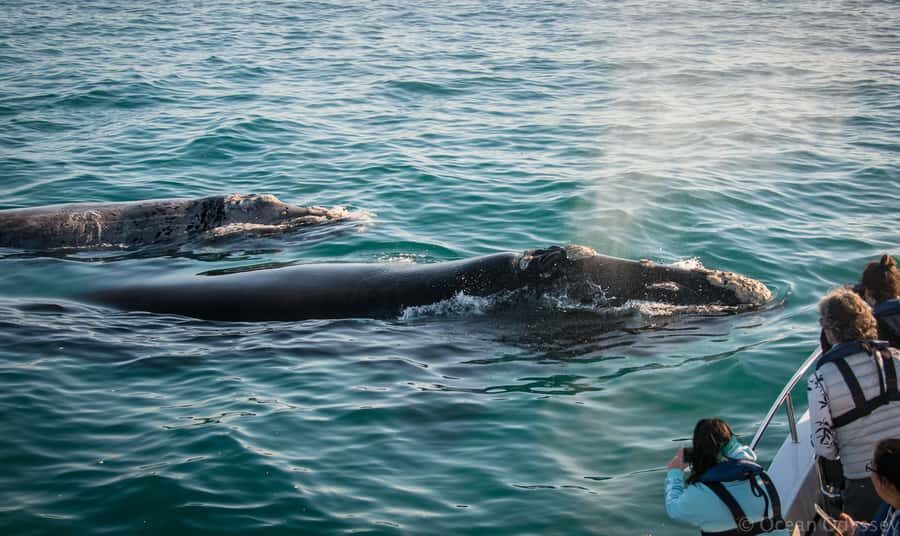
Your tour starts at Ocean Odyssey Whale Watching Knysna, at TH22 Long Street, Thesen Harbour Town, Knysna. This matters because Thesen Harbour Town is built for getting you quickly onto the water without a long scramble. Expect a straightforward meet-up, a quick check-in, and then time to get life jackets sorted before you board.
Life jackets are compulsory and supplied, which is a big deal on boats where the ride can be fast and choppy. I like that the safety basics are handled for you, so you’re not stuck hunting for gear while everyone else is leaving. You’ll also have mineral water included, which helps for the “breathe, look, maybe snap a photo” rhythm that whale watching turns into.
If you’re prone to seasickness, treat that as your #1 planning item. The tour isn’t pitched as a gentle cruise that floats on calm seas. It’s a working whale-watching boat experience, and the information makes it clear that conditions and boat motion can affect people.
You can also read our reviews of more boat tours in Knysna

Sailing through Knysna Estuary and out the Heads
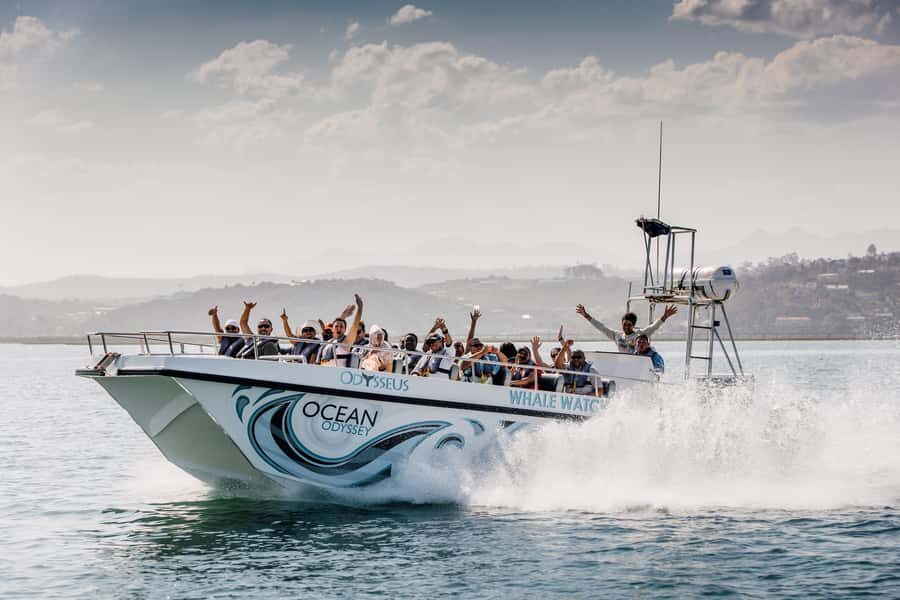
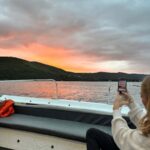
Before you’re even hunting whales, you’re getting the best warm-up: the Knysna Estuary first, then the approach through Knysna Heads. On the water, that order is more than a nice scenic intro. It helps you get your bearings quickly. You hear the gulls, feel the rhythm of the water, and settle into “spotting mode” before the ocean opens up.
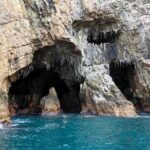
The estuary run gives you sheltered-water vibes with lagoon views and the feeling of being surrounded rather than exposed. Then, as you pass through the heads and the Indian Ocean unfolds, the sound changes. That’s when anticipation spikes, because you finally understand how much open-water there is to cover.
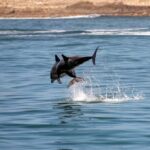
This part of the tour is also valuable because it adds variety. Even when you’re not seeing whales at every moment, you still get marine life viewing and coastal scenery as the boat works its way toward sightings. Several experiences mention dolphins and seals as part of the day’s mix, which is exactly the kind of “you might get more than you planned” bonus that makes a short tour feel full.
How the whale spotter system actually helps you see more
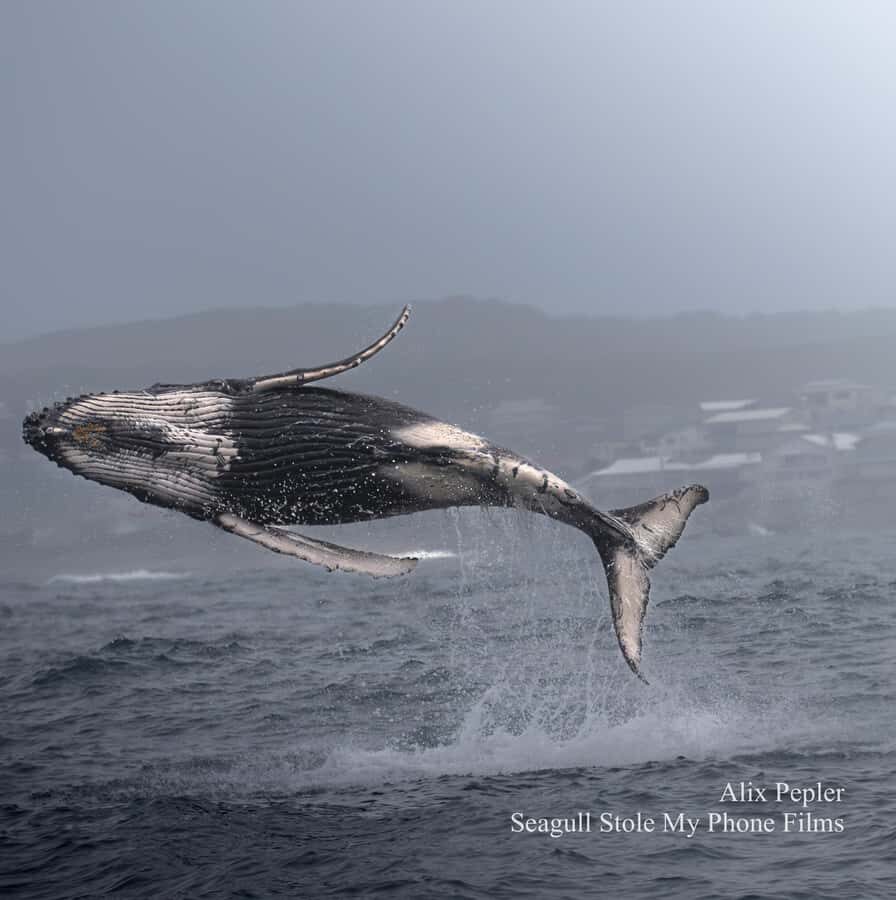
Whale watching isn’t just luck. It’s positioning. That’s where this tour’s setup stands out.
On board, you’re not only relying on the skipper’s eye. You have a whale spotter stationed at an elevated viewpoint scanning for signs of whale activity. When something looks promising, the spotter directs the vessel to the best area using radio contact.
That detail changes the experience for you in practical ways:
- You’re more likely to spend time where whales are actually showing surface behavior.
- The search feels organized, not random.
- When you do find whales, you usually get a longer viewing window rather than a quick glance.
It also fits the “gentle giants” theme: the aim is to observe, not force. The tour info is explicit that you won’t be allowed to touch marine life or swim, which keeps the focus where it belongs: watching whales in their real environment.
What whales you’re most likely to spot here
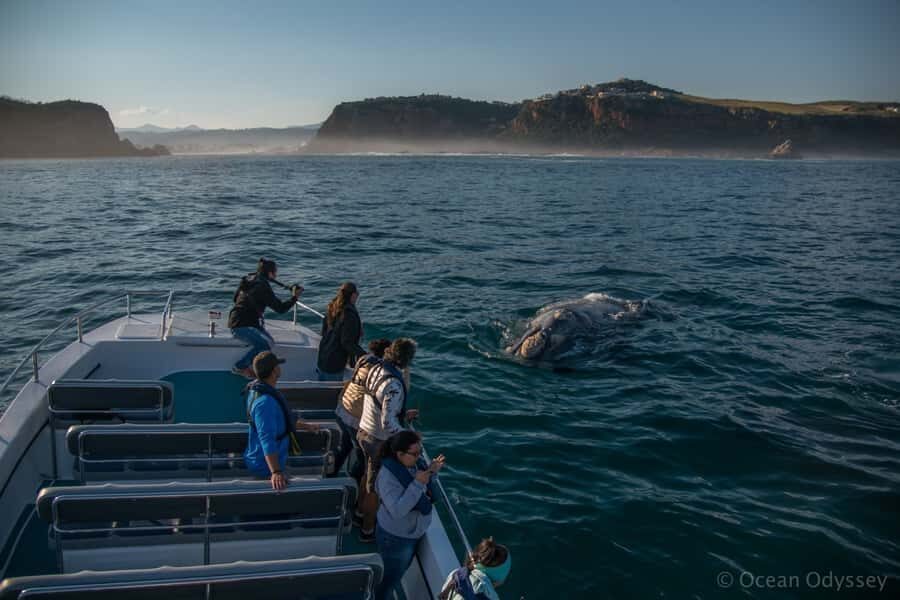
This tour is built around the migration story you’ve heard about in documentaries, but with a local twist: humpback and southern right whales come to these warmer, sheltered waters to mate and calve after traveling thousands of kilometers. The tour information notes the migration over 3,000 km from Antarctica, which gives context for why this time of year matters so much.
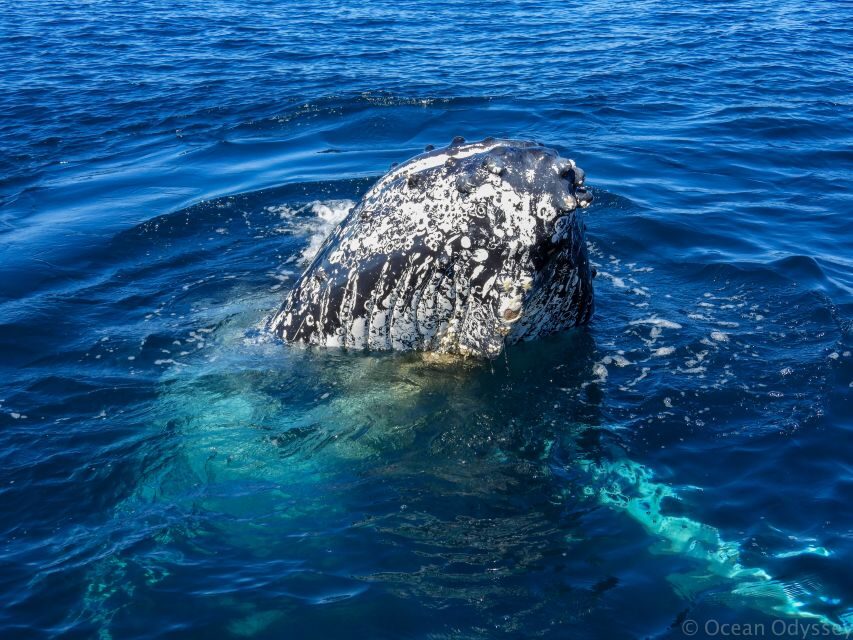
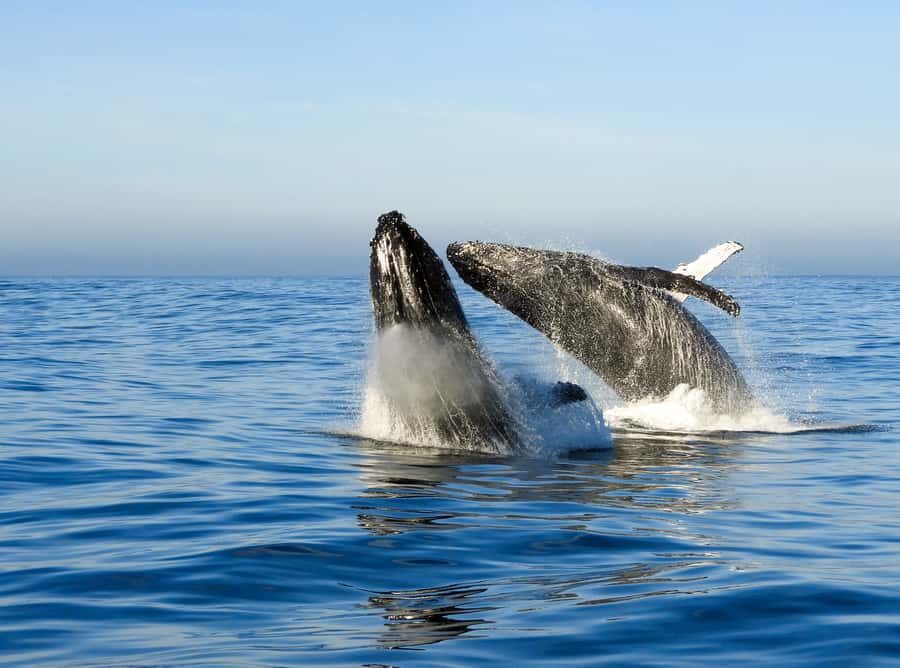
Here’s the practical part. The tour emphasizes that humpback whales are the one you want to see most, and that humpbacks are the most likely focus for your sightings. That lines up with why many experiences describe humpbacks in a way that feels specific: multiple individuals, repeated surface activity, and time spent near the boat.
Southern right whales are also part of the possibility. So your viewing experience may include:
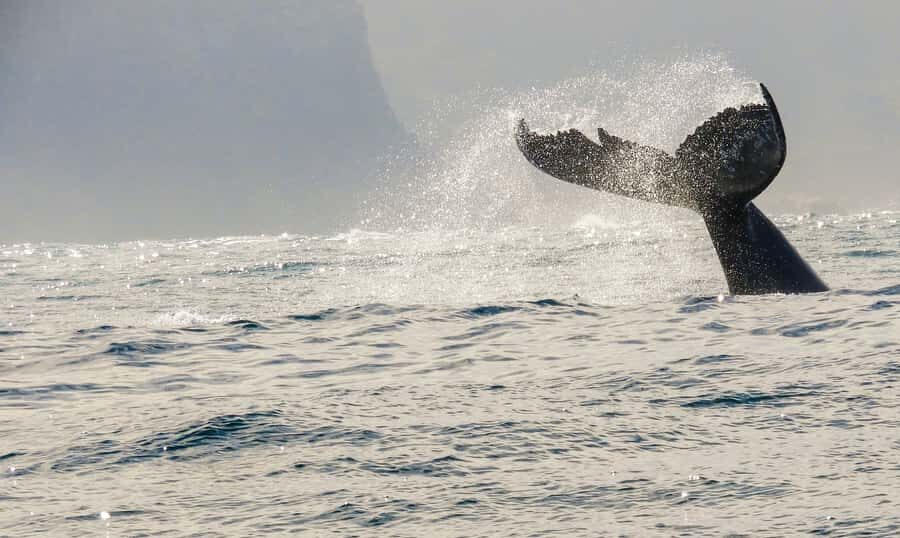
- Humpbacks surfacing frequently and showing recognizable behavior like breaches and slaps
- Southern rights when conditions and location line up
- Dolphins, seals, and sea birds as they cross your path
One thing to keep your expectations honest: the tour explicitly warns that sightings are not guaranteed. That doesn’t mean it’s a gamble with no structure. It means your success depends on the sea and on whales being where whales choose to be.
The 2-hour plan: why this timing works
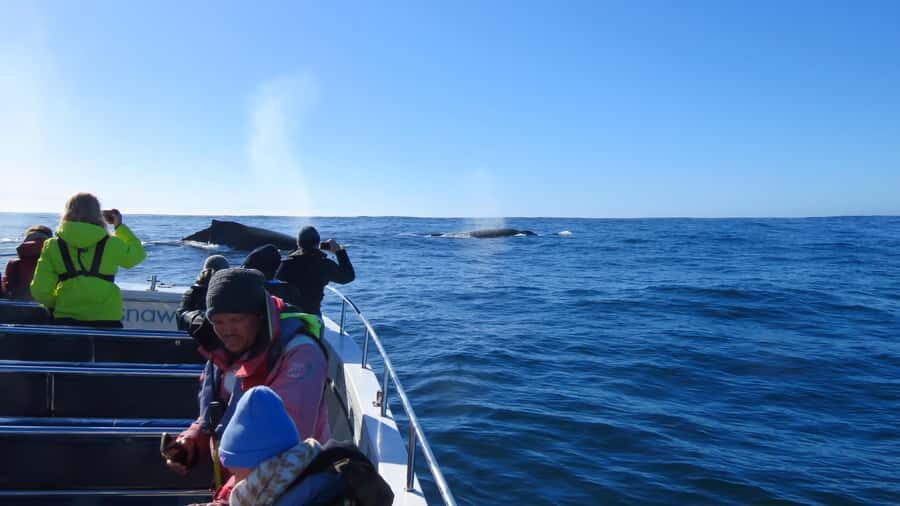
At 2 hours, this tour is short enough to feel energetic, but long enough to do more than a quick “heads tour.” It also aligns with how marine sightings behave. Whales can be present and still not show much for a stretch. A short window can feel like a drive-by. Two hours lets the boat adjust its position as activity appears.
In practice, the day usually feels like two phases:
1) cruise and ocean approach (with scenery and general marine life watching)
2) active whale searching and viewing time once activity is confirmed
Some experiences describe spending more time than you’d expect around whales once they’re found. Others mention brief dolphins early and then a pair of humpbacks later. That’s why the tour length is important. It gives the crew a chance to keep working without turning the outing into your whole day.
You can also read our reviews of more whale watching tours in Knysna
Comfort on a choppy boat: packing tips that matter
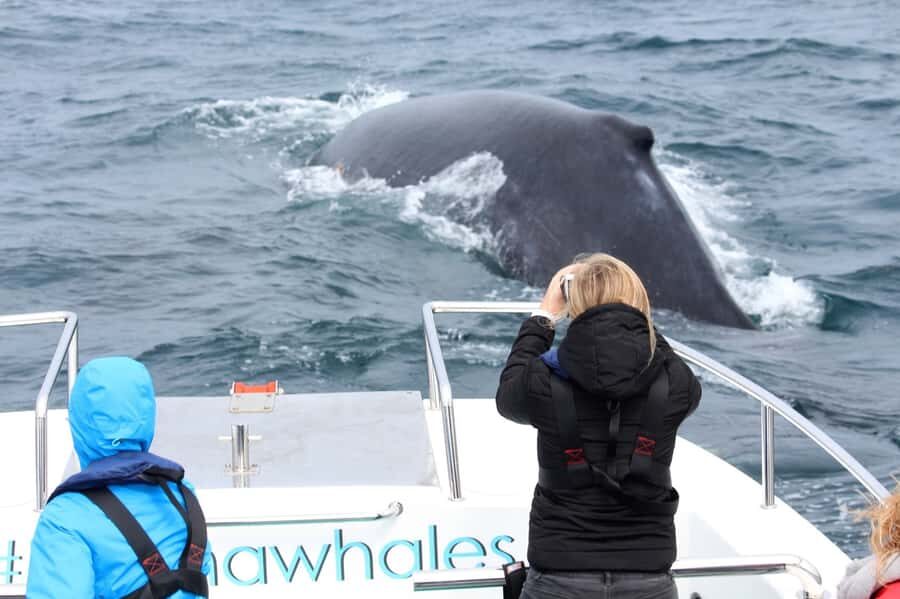
This is one of those tours where your clothing choices can make or break the experience.
Bring warm clothing and a jacket. Even if Knysna is pleasant on land, conditions at sea can change quickly. You’ll want sunglasses to cut glare, and a sun hat if the weather is bright. Use biodegradable sunscreen too, because the sun can still hit hard when you’re out on the water.
If you’re susceptible to motion sickness, plan in advance. The tour information notes that people prone to seasickness are at risk, and recommends taking motion sickness medicine available at any pharmacy. You’ll also find an implicit tip in how the crew handles issues: they aim to keep things safe and manageable if someone starts feeling unwell.
Also note what you won’t have: food and drinks are not included beyond the mineral water. That’s fine on a 2-hour trip, but it’s useful to know so you don’t arrive hungry thinking snacks are provided.
Safety rules and behavior: the “you’ll love it if you follow it” part
The rules are clear, and they’re there for your safety and for the whales’ well-being. You won’t be allowed to:
- Touch marine life
- Swim
- Bring drones
- Bring alcohol or drugs
- Bring food and drinks onto the vessel
There are also specific bans on baby strollers/carriages, plus a “not suitable for” list for people with certain mobility and health considerations.
What this means for you on the day: if you want great photos, you can focus on framing and timing instead of worrying about getting too close. If you want calm, avoid last-minute movements while the boat is underway. If you want the whales to feel like a privilege rather than a circus, these rules help keep it that way.
Price and value: what $113 buys on this kind of outing
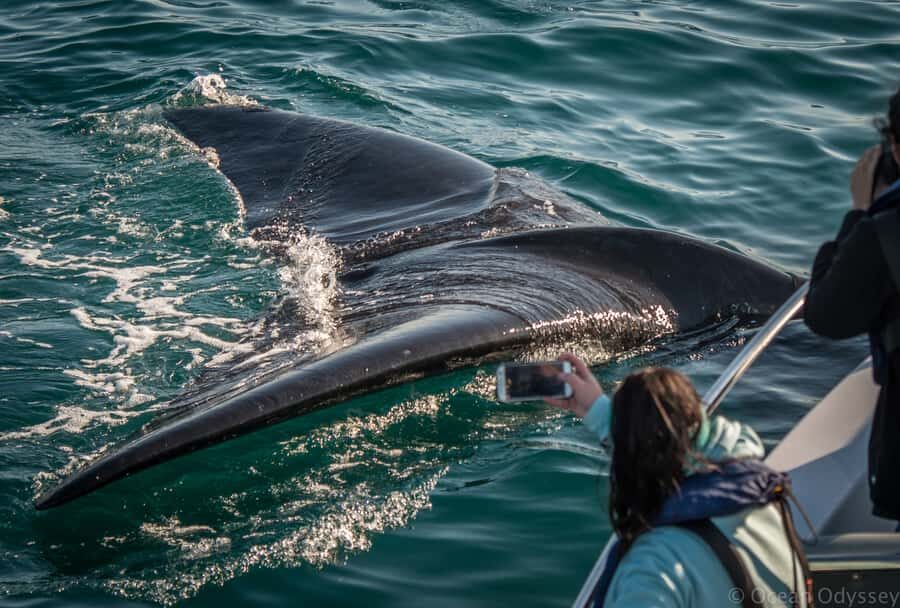
At $113 per person, this tour sits in the mid-to-upper range for whale watching, but you’re not just paying for time on a boat. You’re paying for:
- a small-capacity format (which usually means more attention per person)
- a whale spotter system that helps locate activity
- time spent not only searching, but also cruising the estuary and out through the heads
- compulsory life jackets and crew support for comfort and safety
Also, the tour highlights that this is the only permitted whale watching company and vessels in Knysna, which is a value signal that matters. It suggests the operation is regulated for how close and how the viewing is done. When wildlife is involved, that’s the kind of “boring paperwork” you’re happy exists.
The one caveat on value is the nature variable. Because sightings are not guaranteed and weather can affect operations, your best value depends on going with the right mindset. If you treat it like a nature encounter rather than a ticket that guarantees whales, the experience tends to land well.
Weather realities in Knysna: when plans can shift
The tour info is upfront: sea and weather conditions can affect whether the boat runs as planned. You’ll only know right up to departure, and you should be ready for last-minute cancellations or rescheduling if conditions aren’t ideal.
That matters for your trip strategy. If you’re planning a tight schedule, don’t stack the whale trip as the single make-or-break activity. Instead, keep it as a flexible day plan. If you are staying in Knysna for a couple nights, you’re better positioned to adjust if one morning is too rough.
It also matters psychologically. Whale watching is not a controlled environment, so the best mindset is to show up, suit up, and let the sea decide. When whales appear, it feels like a gift. When they don’t, you still did a good boat outing with marine life viewing and the Knysna Heads approach.
Who this tour is best for (and who should skip it)
This tour fits best if you:
- want a focused 2-hour wildlife outing, not a long day excursion
- can handle boat motion and possibly choppy conditions
- like the idea of a spotter + skipper teamwork approach rather than “good luck and hope”
- enjoy photographing from the boat without getting too close physically
It may not be a good fit if you:
- have back problems
- use a wheelchair (the tour states it’s not suitable)
- are prone to seasickness
- need strollers (strollers/carriages are not allowed)
- are traveling with children under 3
If you’re traveling with kids, check ages carefully. The not-suitable-for list is specific, so you’ll want to plan around that.
Should you book this Knysna whale watching tour?
If you want a short, well-run chance at humpback whales with a system designed to find activity, I think this is a strong pick. The spotter-by-radio approach and the small-cap feel are the kinds of details that improve your odds without making promises.
I’d only hesitate if you know you’re sensitive to motion or you can’t handle weather-related rescheduling. In that case, it’s worth choosing a different style of activity that doesn’t depend on sea conditions.
If your goal is a real ocean encounter from Knysna Heads, with the estuary cruise as part of the reward, this is the kind of tour that makes sense.
FAQ
How long is the Knysna whale watching boat tour?
It’s a 2-hour tour.
Where is the meeting point?
Meet at Ocean Odyssey Whale Watching Knysna, at TH22 Long Street, Thesen Harbour Town, Knysna.
Are whale sightings guaranteed?
No. Sightings are not guaranteed because whales are in their natural environment.
What marine life might we see besides whales?
The tour includes marine life viewing and whale watching, and you may also see dolphins, penguins, and other wildlife depending on conditions (whale types mentioned include humpback and southern right).
What should I bring with me?
Bring warm clothing, sunglasses, a sun hat, biodegradable sunscreen, and a jacket.
What is included on board?
You’ll get life jacket support (life jackets are supplied) and mineral water.
What happens if the weather is rough?
The trip runs only if sea and weather conditions permit, and you may be contacted the day of the activity if conditions aren’t ideal. The tour info also notes last-minute cancellations or rescheduling can happen.
FAQ
Is this tour suitable for wheelchair users or babies?
No. The tour is not suitable for wheelchair users, and it’s also listed as not suitable for children under 3 years. Baby strollers are not allowed.
What’s not allowed during the trip?
You can’t bring food and drinks, drones, or alcohol/drugs, and you’re not allowed to touch marine life or swim.
If I cancel, can I get a refund?
Yes. There’s free cancellation up to 24 hours in advance for a full refund.
What languages is the guide available in?
The live tour guide is available in English and Afrikaans.