REVIEW · HOEDSPRUIT
Kruger Park Scheduled Full day Safari Drive from Hoedspruit
Book on GetYourGuide →Operated by MoAfrika Tours (Pty)Ltd · Bookable on GetYourGuide
Before sunrise, Kruger starts moving. This full-day Kruger National Park drive from Hoedspruit is built around an open safari vehicle and a very early start, so you’re in position for prime sightings and wide-angle views. I like how the FGASA-certified guide goes beyond spotting—talking you through animal behaviour, bush patterns, and what to look for next.
The biggest plus is how the day keeps changing, from morning searches to waterholes and viewpoints, then a rest-camp lunch before the afternoon drive. One consideration: expect real early-morning chill when you’re riding in an open vehicle, and you’ll want to plan your layers (one guide/driver experience also suggested that a slow morning pickup can eat into time).
In This Review
- Key highlights worth your attention
- Why the open-vehicle early start really matters
- Hoedspruit pickup and entering Kruger through Orpen Gate
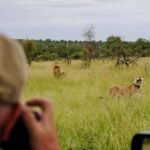
- The morning game drive: where your first big sightings happen
- Waterholes and viewpoints: how the schedule improves your odds
- Lunch at a Kruger rest camp: plan for your stomach and your photos
- Afternoon drive and getting back to Hoedspruit around 4 pm
- Price and value: what you’re paying for (and what you’re not)
- What to pack and wear for an open-vehicle day
- Safety and etiquette that makes the experience better
- Guide impact: FGASA commentary and the style that earns praise
- Who should book this Hoedspruit to Kruger safari
- Should you book this tour or not?
- FAQ
- How long is the full-day Kruger safari drive?
- When are you picked up in Hoedspruit?
- Where do you enter Kruger National Park?
- What’s included in the price?
- Is lunch included?
- What should I bring for an open-vehicle morning?
Key highlights worth your attention
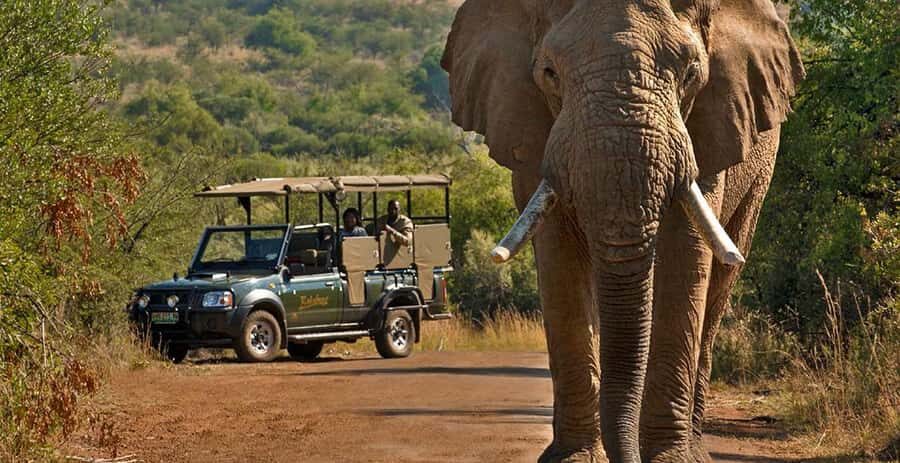
- Early pickup from Hoedspruit (around 05:30–06:00) so you enter Kruger before the day warms up.
- Orpen Gate access plus drives focused on savannah grasslands and wildlife near Orpen.
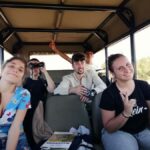
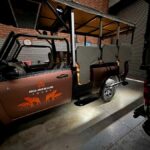
- Open safari vehicle viewing that improves your sightlines for photography and spotting.
- FGASA-guided animal tracking and explanations, including Big Five priorities.
- Waterhole and lookout stops to boost your odds as the day moves on.
- Lunch at a Kruger rest camp (own account), with time to stretch and browse.
Why the open-vehicle early start really matters
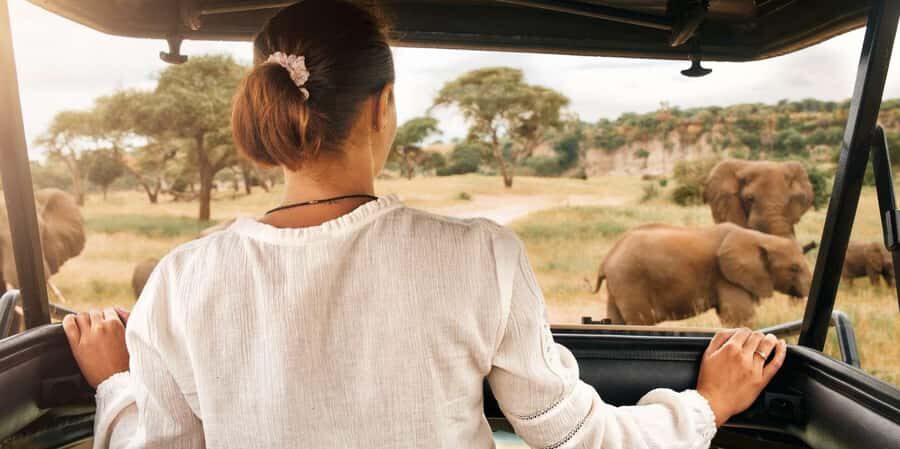
Kruger is at its best when the day is still fresh. This tour is designed for that reality. You get collected in Hoedspruit very early—pickup begins around 5am, with timing typically between 05:30 and 06:00—and then you drive toward Orpen Gate before the light gets fully hot.
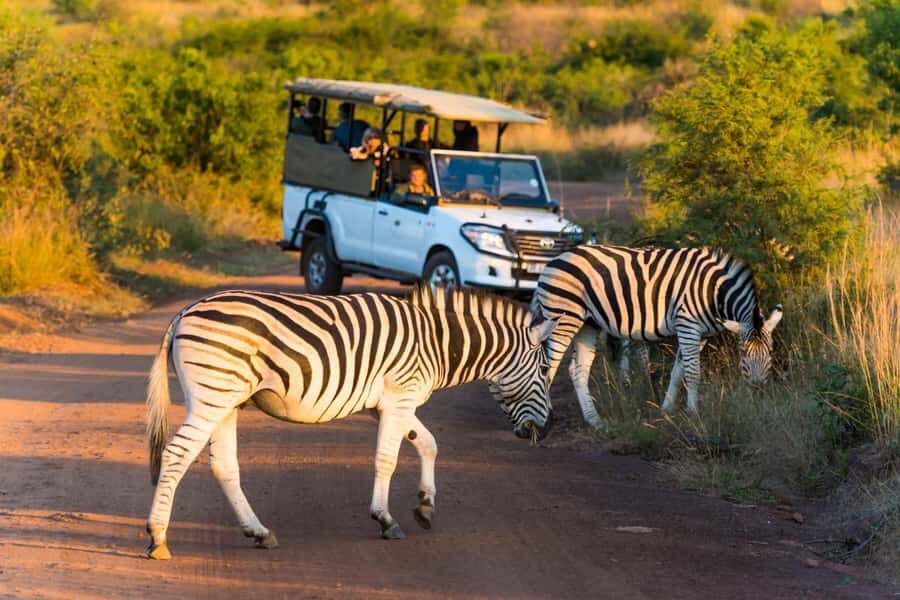
That timing matters for two reasons. First, animals tend to be more active in the cooler hours. Second, visibility often stays better early because heat haze hasn’t built up. The open vehicle helps here: you’re not watching through glass. You get higher vantage points and a more panoramic view, which is exactly what you want when you’re trying to spot movement in long grass or spot an animal silhouetted against a stand of trees.
I also like the day’s rhythm. You don’t just “drive and hope.” The schedule explicitly targets morning wildlife, then adds more opportunities later at waterholes and rivers. That structure makes it easier to stay patient when sightings aren’t instant.
A few more Hoedspruit tours and experiences worth a look
Hoedspruit pickup and entering Kruger through Orpen Gate
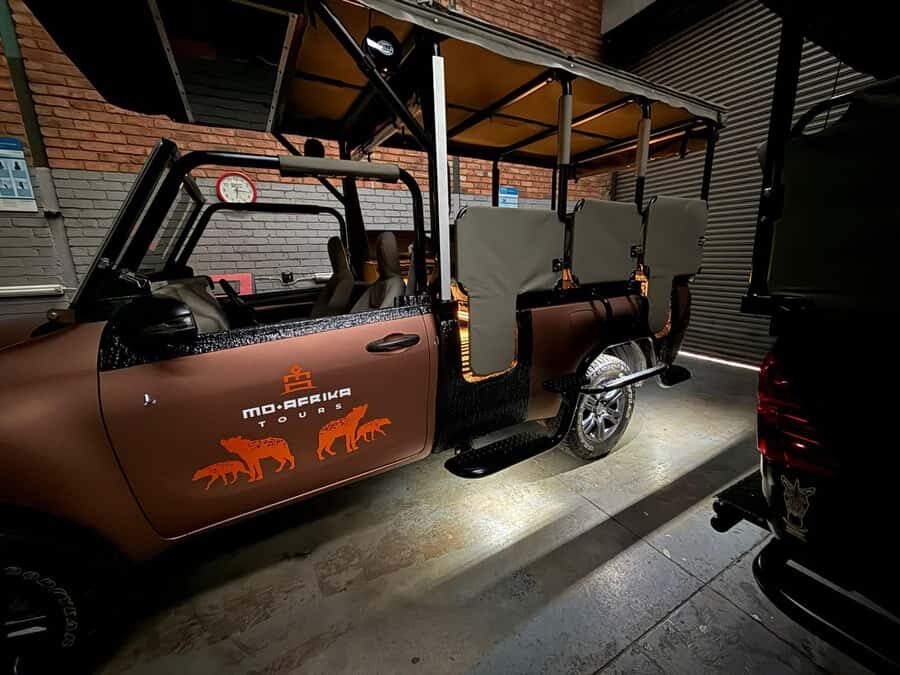
Your day starts the moment you’re picked up in or near Hoedspruit. The tour runs from a nearby pickup point, and the whole plan is built around getting you ready for safe, respectful wildlife viewing with clear guidance from the start.
From there, the route takes you into Kruger at Orpen Gate. The morning drive focuses on regions near Orpen, known for savannah grasslands and lots of wildlife activity. This is a clever choice if you’re short on time: you’re not only trying to find the park’s famous animals—you’re also putting your chances where wildlife is likely to show up.
There’s also a practical angle. If you’re coming from Hoedspruit, this format saves you the stress of self-driving logistics inside Kruger for a full day. You’ll still need to follow the rules—stay back at safe distances, don’t feed or tease animals—but you won’t have to manage navigation, gates, or timing.
The morning game drive: where your first big sightings happen
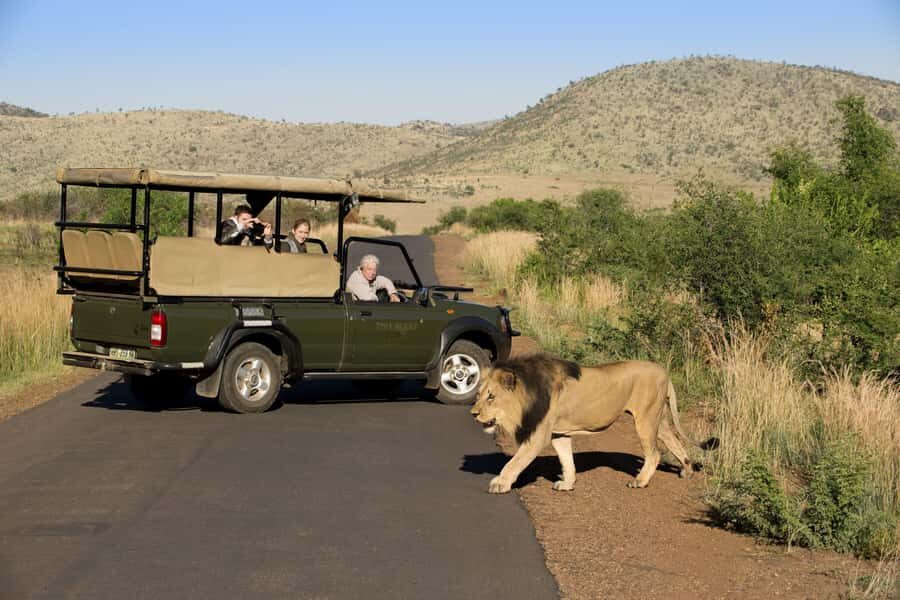
Your morning is the heart of the day. It begins before sunrise and continues through the time when animals often come out to feed or move. The goal is simple: get you as many sightings as possible while wildlife is most active.
This is also when a good guide’s skill shows. The tour includes a qualified guide with FGASA certification, and the guide’s job is more than pointing. You should expect guidance on how to scan for signs—tracks, movement patterns, and the kinds of areas animals prefer at different hours. You’ll also get commentary on natural phenomena, which helps you understand the landscape you’re driving through instead of just memorizing animals.
The Big Five focus is part of the pitch, too. In practice, that means the guide is actively working the routes and timing based on what’s likely to be productive. You might see all—or you might see most—depending on what’s happening in the park that day. One strong point from past experiences: guides like Lemon Juice, Eddy, and Senior Lamas have been praised for putting in serious effort to help groups see as much as possible, including multiple Big Five sightings (with one exception noted: rhino wasn’t always guaranteed).
If you’re hoping for big cats, the morning is a good time to try. Even when you don’t catch the full set, early drives often turn up leopards, sightings near prey activity, and the kind of intense “wait, look there” moments that make a safari feel like safari rather than a drive.
Waterholes and viewpoints: how the schedule improves your odds
After the first stretch of morning scanning, the tour adds structure with stops at viewpoints and waterholes (and along rivers). This isn’t random sightseeing. Waterholes are magnets. In a large park, you’re hunting a moving target. Water brings animals together at predictable times, which means your chance of multiple sightings in a similar area goes up.
Expect the day to slow down slightly at these stops. You’re usually there long enough to watch how animals behave, not just to snap one photo and move on. That’s when you benefit from the guide’s ability to read behaviour—why an animal might keep a distance, why movement changes around certain times, and how different species share (or avoid) space.
Past guides such as Ewance and Lambs were highlighted for making the drive feel personal and for giving detailed explanations—exactly what you want at a waterhole, because you’re watching more than the obvious. You might notice how birds react, how other animals respond to a predator’s presence, or how “quiet” stretches suddenly turn active.
One small caution: not every day is equally perfect. Kruger is wild, and that means your best moments can come from patience rather than speed. The schedule helps, but it can’t control where animals decide to be.
Lunch at a Kruger rest camp: plan for your stomach and your photos
Around 13:00 to 14:00, you stop for lunch at a Kruger rest camp. Lunch is not included, so this is a time for you to choose what suits you—whether it’s something quick, a sit-down meal, or a snack you’ve brought along (if allowed for your own planning).
Why this stop matters: rest camps give you a break from the constant scanning. You can stretch your legs, reset your camera settings, and take a moment to breathe. It’s also a practical shopping window. Many rest camps offer a mix of souvenirs and small essentials, which can be useful if you forgot something or simply want a memory you can take home.
The only “drawback” you’ll want to manage is timing. If you’re the type who hates delays, remember lunch is part of why the full day works. The afternoon drive still happens after, so you don’t want to linger too long in the souvenir shops—but you also don’t want to eat fast and then feel wiped out during the last drive.
A few more Hoedspruit tours and experiences worth a look
Afternoon drive and getting back to Hoedspruit around 4 pm
After lunch, the tour continues with an afternoon game drive. The plan is to drive through the park until about 15h00, then head back toward Orpen Gate and exit the park.
That “exit around 15h00 and drop-off around 4 pm” timeline is useful because it keeps your day realistic. You’re not stuck late into the night, and you’ll still have energy for dinner back in Hoedspruit.
In the afternoon, sightings can look different. Animals may move again as temperatures shift, and predators often become more noticeable when prey is active. Even if the morning was quieter, the afternoon can still deliver. One safari moment highlighted in past experiences: a leopard sighting along with prey activity and even wild dog sightings—this is the kind of thing that keeps the afternoon worth it.
Price and value: what you’re paying for (and what you’re not)
The price is $130 per person. For a full-day Kruger safari, the value mainly comes from what’s included:
- Kruger Park entrance fee
- Conservation fee
- Full day open vehicle safari
- Qualified FGASA guide
- Bottled water
Not included is food and drinks, plus personal purchases. Lunch is on your own account at the rest camp.
Here’s the key way to think about value: you’re paying for four things that are hard to replicate if you’re self-driving—park access (with the entrance/conservation fees handled), an open-vehicle viewing setup, a guide who helps you spot and interpret wildlife, and a full-day schedule designed to increase chances with morning drives plus waterholes.
If you’re comfortable budgeting for lunch, $130 can feel reasonable for the amount of guiding you get and the amount of time you spend actually driving and searching—not just sitting in transit.
What to pack and wear for an open-vehicle day
This tour is comfortable in design, but it’s still an outdoor morning. Dress for the day you’ll actually have, not the day you wish you had.
What to wear:
- Neutral-coloured clothing to blend in
- Sunglasses and a hat
- Sunscreen (African sun doesn’t care about your plans)
- Comfortable shoes for rest camp breaks
What to bring for comfort:
- Your camera
- And a windbreaker or warm layers for the early morning cold. Multiple experiences have flagged this exact issue: when you’re transferring early and sitting in an open vehicle, it can get chilly fast.
It’s also smart to bring a small reusable water bottle if you like. Bottled water is included, but having a backup can keep you calm during longer lookout pauses.
Safety and etiquette that makes the experience better
This safari depends on respectful wildlife rules, and your guide will set the tone. The tour is explicit about safe viewing: keep a safe distance from animals and don’t feed or tease them.
That etiquette matters for two reasons. First, it protects you. Second, it protects the animals and the natural balance of the ecosystem. On safaris, the best moments often come from animals feeling no pressure from you.
Also: you’ll get best results when you follow the guide’s instructions quickly. If the guide says shift, stop, or look now, it’s usually because they’ve spotted a pattern or sign you can’t see yet.
Guide impact: FGASA commentary and the style that earns praise
A lot of safari tours look similar on paper: vehicle, entrance fee, game drive. The difference is the guide.
This tour uses FGASA-certified guides, and the commentary is built into the experience: they’ll help you find animals and explain animal behaviour and natural phenomena. In the best cases, you end up learning while you watch, which is what turns wildlife spotting into understanding.
You can also tell from guide names and styles that different personalities work well for different people. Past experiences highlighted Lemon Juice for effort and a friendly vibe, Eddy for humour and detailed answers, Senior Lamas for consistent explanations, Lambs for fun and timing, Ewance for making people feel at ease, and Lemon Juice again for big-effort searching. The consistent theme is that the guide’s enthusiasm becomes part of the safari.
One practical note: a well-run morning pickup helps the schedule. In one case, time was lost during morning collection because the driver seemed to lack GPS. That’s not something you can fully control, but you can reduce stress by planning to be ready at pickup time in the safest, easiest-to-find location possible.
Who should book this Hoedspruit to Kruger safari
This fits you best if:
- You want a full-day Kruger visit without planning the driving inside the park
- You care about learning behaviour, not just checking off animals
- You’re happy to do an early morning start for better wildlife odds
- You like photography and want open-vehicle viewing angles
It’s also a good fit if you’re basing in Hoedspruit and want a structured day that takes you to one main entry point and back.
If you hate cold mornings or struggle with early starts, you can still do it—just bring proper layers and treat the morning like a serious commitment, not a casual outing.
Should you book this tour or not?
Yes—if you want the best shot at quality wildlife time and you’re comfortable with an early pickup and lunch not being included. The included entrance and conservation fees, plus an FGASA guide and open-vehicle format, make the day feel “built” for sightings rather than just transport.
You might skip or consider another option if:
- You strongly dislike early mornings or cold mornings in open vehicles
- You’d rather control every meal and stop on your own schedule (because lunch is for your own account)
- You’re very sensitive to small time losses during pickup, especially if your location in Hoedspruit is hard to find
Overall, this is a solid, practical Kruger day trip: structured, guide-led, and designed for visibility.
FAQ
How long is the full-day Kruger safari drive?
It runs for about eight to nine hours, including the morning and afternoon drives plus lunch time at a rest camp.
When are you picked up in Hoedspruit?
Pickup starts early, with collection in the 05:30 to 06:00 window (and pickup can start from 5am). The tour collects from any hotel or address in the vicinity of Hoedspruit.
Where do you enter Kruger National Park?
You enter Kruger via Orpen Gate.
What’s included in the price?
Included are the Kruger entrance fee, conservation fee, full-day open vehicle safari, a qualified FGASA guide, and bottled water.
Is lunch included?
No. Lunch at a Kruger rest camp is for your own account, typically around 13:00 to 14:00.
What should I bring for an open-vehicle morning?
Wear comfortable, neutral-colour clothing and bring sunglasses, a hat, sunscreen, and your camera. Bring a windbreaker or warm layers because the early morning can be cold in an open vehicle.