REVIEW · HOEDSPRUIT
Moholoholo Rehabilitation Centre
Book on GetYourGuide →Operated by Matumi Destinations · Bookable on GetYourGuide
Close-up wildlife care hits hard in the best way. At Moholoholo Rehabilitation Centre in Limpopo, you get up-close animal viewing and clear conservation education wrapped into a small-group guided visit. It’s also not all sunshine: many animals arrive injured, abandoned, or poisoned, so the stories can be emotional.
What makes it especially useful for your time in Hoedspruit is the flow. Matumi Destinations picks you up from one of the main retail centres, drives you to the centre, and then brings you back after the guided portion. You’re done in about 4 hours, which is perfect if you want something meaningful without losing a whole day.
In This Review
- Key Points You’ll Really Care About
- Why Moholoholo Feels Different Than a Zoo
- The 4-Hour Plan From Matumi Destinations
- Inside the Wildlife Rehabilitation Centre: What You’ll See
- The Animal Stories That Make Conservation Click
- Rehab vs. Release: Understanding the Centre’s Tough Choices
- Group Size and Guide Style: Small Matters
- What to Bring in Limpopo: Heat, Sun, and Weather
- Price and Value: What $40 Really Buys
- Who Should Book Moholoholo (and Who Might Skip It)
- Photo and Timing Tips for the Guided Hour
- Should You Book Moholoholo Rehabilitation Centre?
- FAQ
- FAQ
- How long is the Moholoholo Rehabilitation Centre tour?
- Where do I meet for the tour?
- What’s included in the price?
- Is the tour guided, and what language is it in?
- How large is the group?
- What kind of animals will I see?
- Can animals be released back into the wild?
- What should I bring?
- What clothes should I wear?
Key Points You’ll Really Care About
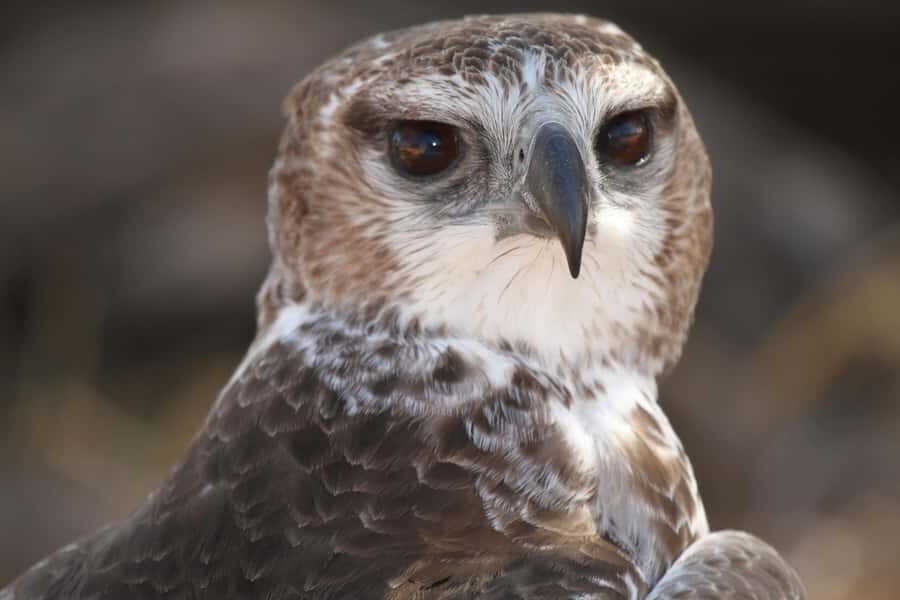
- Up-close viewing inside a wildlife rehab setting, not a distant viewing experience
- A guided story for each animal, focused on what happened and what care is needed
- Rehab plus permanent care, because not every animal can be released
- Small group size (up to 10) for a more personal, question-friendly tour
- Easy-to-plan day with transfer included from Matumi Destinations in Hoedspruit
Why Moholoholo Feels Different Than a Zoo
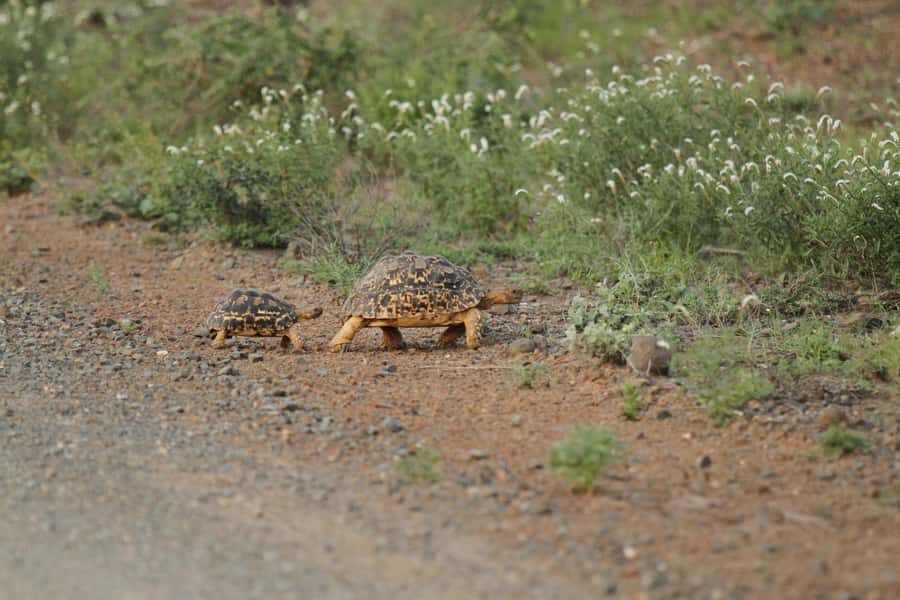
Moholoholo isn’t trying to entertain you with polish. It’s a working wildlife rehabilitation centre, which means you’re seeing animals in the middle of real-life challenges—recovery, healing, and in some cases long-term sanctuary.
That matters, because you come away with a different kind of understanding. Instead of just seeing animals behind barriers, you learn why they end up in care in the first place. The centre also explains the tradeoffs conservationists have to live with: some animals can be rehabilitated and returned to the wild, while others can’t and need permanent housing.
You’ll likely feel the difference most in the way the tour is framed. The experience is educational, and it gives context for the tough reality of wildlife living alongside people. If you want a feel-good nature stop, this isn’t that. If you want a grounded conservation experience you’ll remember, it fits well.
You can also read our reviews of more tours and experiences in Hoedspruit.


The 4-Hour Plan From Matumi Destinations
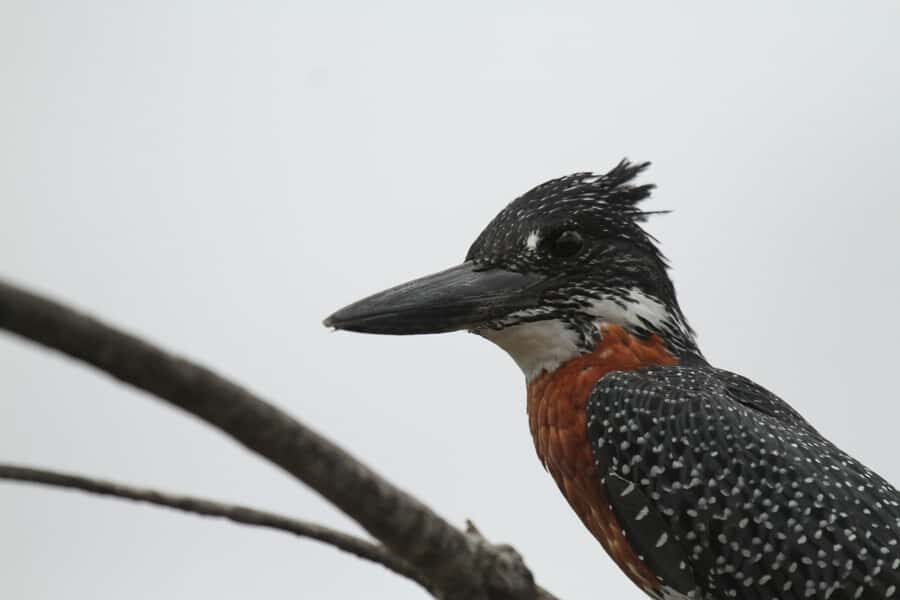
This outing is built for people who like structure. You start at Matumi Destinations in Hoedspruit, then travel by car directly to the centre. Your guided portion is about 1.5 hours, and the full experience runs around 4 hours including the drive and tour time.
Why that timing matters: you get the most important part—the guided visit—without stretching it into a half-day you’ll resent later. It’s also practical if your day already has other plans in the area.
One watch-out: the service is transfer-based, so you’re tied to their schedule. If you enjoy controlling your own timing, you may find that driving yourself can be more flexible. Still, the included transport removes one big stressor: finding your way and managing parking and logistics on your own.
Inside the Wildlife Rehabilitation Centre: What You’ll See
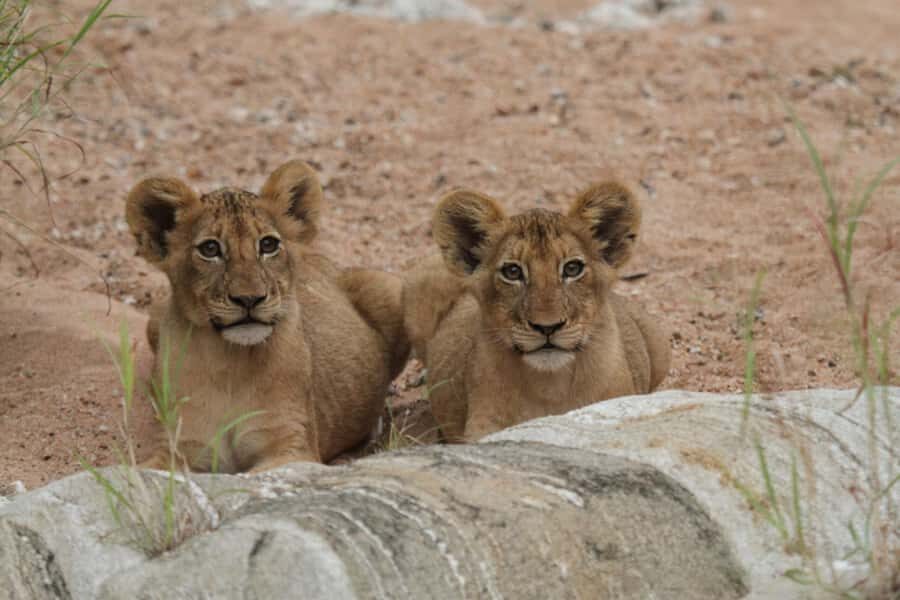
The core of your visit is a guided tour through the rehabilitation centre. Expect an educational walkthrough that helps you understand what the facility does every day, and what the animals need to survive and (sometimes) return to the wild.
The tour is also designed for close observation. The whole point is that you’re not just hearing generic conservation statements. You’re learning alongside what you can see in the facility.
A useful way to approach this: go in ready to think like the centre. Ask yourself what you’d need if you were an animal with a serious injury, poisoning history, or abandonment background. You don’t need a science degree for it—your guide’s job is to translate the situation into plain language.
If you’re the kind of person who likes hearing the story behind each animal, you’ll probably enjoy the emphasis on detailed explanations. One of the strongest themes from past visitors is that the tour brings you into the animal-by-animal narrative, not just broad facts.
The Animal Stories That Make Conservation Click
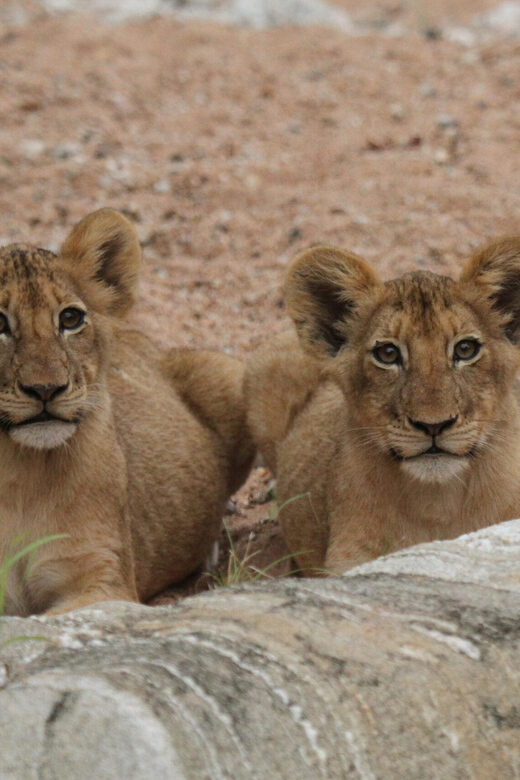
The centre’s purpose is wildlife rehabilitation, but the bigger message is conservation under pressure. Many of the animals at Moholoholo have been brought in due to real harm—injuries, abandonment, or poisoning—followed by professional care.
That setup gives you a powerful lesson: wildlife challenges today aren’t abstract. They come from specific human and environmental pressures. Moholoholo gives you a front-row view of the results.
Here’s the part that helps the learning stick. The centre doesn’t pretend every case ends the same way. Some animals can be rehabilitated and released. Others can’t, so they’re given a permanent home. That shift from hope-only stories to realistic outcomes is one reason the experience feels so honest.
If you’re worried about it being too heavy, it helps to remember what you’re actually doing by visiting. You’re supporting the work that stands between injured wildlife and the harsh reality of survival on the streets or in the bush.
Rehab vs. Release: Understanding the Centre’s Tough Choices
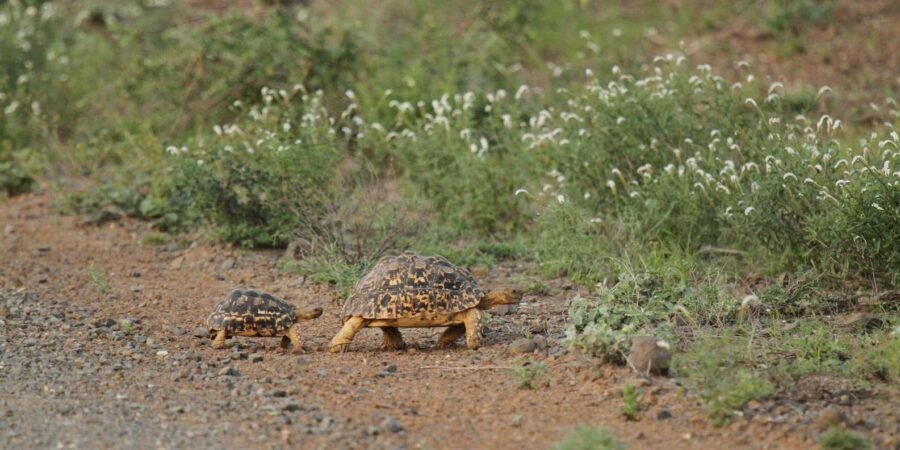
You’ll likely hear, directly, that the facility handles both outcomes. Rehab with release is one path. Permanent care is another.
That isn’t just sad—it’s practical. It means the centre is focused on long-term welfare, not a one-size-fits-all idea of what success looks like. For visitors, it also changes your perspective from rescue fantasy to conservation reality.
A good mental model for the visit:
- Rehabilitation is about recovery and suitability for life in the wild.
- Permanent care is about dignity and safety when the wild won’t be safe or possible.
When a tour talks through both sides, you learn to respect the limits of recovery. That’s a more useful understanding than just celebrating every rescue story. It also makes conservation decisions feel real, not theoretical.
Group Size and Guide Style: Small Matters
Moholoholo runs as a small group, capped at 10 participants. In practice, that often means the guide can keep the pace human and answer questions without rushing you out the door.
The tour language is English, so it should be straightforward for English-speaking visitors. Past feedback highlights that people appreciate the detailed story telling for each animal, which is exactly what you want in a setting like this. The guide’s explanations help you connect what you’re seeing with what it means.
If you’re the sort of traveler who loves asking follow-up questions, a small group gives you a better chance to do that. If you prefer quiet observation, the group size also reduces that annoying feeling of being herded like a crowd.
What to Bring in Limpopo: Heat, Sun, and Weather
This is one of those days where packing smart matters. The essentials are simple and listed clearly:
- Passport or ID card
- Sunglasses
- Sun hat
- Camera
- Sunscreen
Then there are clothing notes that are easy to overlook until you’re stuck uncomfortable mid-tour:
- Bring a warm jacket, especially in winter months
- Bring a rain jacket, especially in summer months
- Wear closed shoes
Why closed shoes? Rehab centres are functional places, and you’ll want proper footing and protection for walking areas around the facility.
A practical tip: dress in layers. Limpopo weather can surprise you, and having a jacket you can put on or take off makes the 1.5-hour tour much more comfortable.
Price and Value: What $40 Really Buys
At $40 per person, this is not a bargain attraction, but it can be good value for what you’re actually paying for: a working conservation experience plus guided interpretation and round-trip transfers from Matumi Destinations.
Here’s what you get in plain terms:
- Transfer to and from Moholoholo
- Entrance fee for the guided tour
- A live English guide
- A small group experience
- A focused visit designed around the rehab centre’s mission
Is $40 worth it? For me, it depends on what you want from your day. If you want an ordinary wildlife drive or a quick stop, there are cheaper options. If you want something that teaches you how wildlife rehab works and what animals face, the price can make sense—especially because the experience is time-efficient and includes transport.
Also, the guided aspect matters. Rehab centres aren’t just about seeing animals. They’re about understanding outcomes and the reasons behind them. That’s where your guide earns their keep.
Who Should Book Moholoholo (and Who Might Skip It)
This tour fits best if you:
- Want a conservation-focused experience rather than a typical zoo visit
- Like learning through animal-by-animal stories
- Prefer a guided visit with a small group
- Appreciate realistic conservation messaging, including permanent care for some animals
You might think twice if you:
- Really want an upbeat, low-emotion outing
- Dislike tours that feel more educational than entertaining
- Strongly prefer self-driven flexibility, since the transfer ties you to the pickup and return points
There’s also a practical consideration: you’ll spend part of your day traveling in a car. If you’re trying to squeeze in many stops, this still works because the total duration is set (about 4 hours).
Photo and Timing Tips for the Guided Hour
You’ll have a camera with you for a reason. Still, remember this is a working care centre, so focus on respecting the environment and your guide’s pacing.
Since you only get around 1.5 hours on-site, plan to:
- Use your camera during the best viewing windows rather than trying to shoot everything
- Keep an eye on your guide’s explanation points, because that’s where you’ll learn what each situation means
- Take breaks as needed, especially if weather or lighting changes quickly
If you care about photos, closed shoes and sun protection make the difference between enjoying the visit and rushing because you’re uncomfortable.
Should You Book Moholoholo Rehabilitation Centre?
If your goal is an authentic conservation experience with close viewing and real-world context, I’d say yes. Moholoholo stands out because it doesn’t just show wildlife—it explains how injuries, abandonment, and poisoning create cases that professionals must handle.
Book it if you want meaning in a short day: about 4 hours total, guided, in English, in a small group with transport included. I’d also recommend it if you enjoy detailed animal storytelling, since that’s one of the most praised parts of the experience.
Skip it only if you want a light, carefree wildlife outing. This is a place built around hard situations—and the tour doesn’t hide that.
FAQ
FAQ
How long is the Moholoholo Rehabilitation Centre tour?
The experience lasts about 4 hours in total, including transfers, with a guided tour of about 1.5 hours at the centre.
Where do I meet for the tour?
You depart from one of the three main retail centres in Hoedspruit, operated through Matumi Destinations.
What’s included in the price?
Your price includes transfer to and from Moholoholo Rehabilitation Centre and the entrance fee for the guided tour.
Is the tour guided, and what language is it in?
Yes. It includes a live tour guide and the tour is in English.
How large is the group?
It’s a small group limited to 10 participants.
What kind of animals will I see?
Many animals are there because they were injured, abandoned, or poisoned. The centre may also provide permanent homes for animals that cannot be released.
Can animals be released back into the wild?
Some can be rehabilitated and released into the wild, while others need a permanent home.
What should I bring?
Bring your passport or ID card, sunglasses, a sun hat, a camera, and sunscreen.
What clothes should I wear?
Wear closed shoes and bring a warm jacket (especially in winter) and a rain jacket (especially in summer).