REVIEW · WESTERN CAPE
Marine Big 5 Safari: Self-Drive
Book on Viator →Operated by Marine Dynamics Whale Tours · Bookable on Viator
Whales and sharks, plus soup. That combo is why the Marine Big Five safari from Gansbaai is such a good use of a few hours. You’re led by a marine biologist/guide team and set out on a custom boat, with conservation and safety briefing built into the experience from the start.
I especially like that you don’t just jump on a boat and hope for luck. Before boarding, you get a structured rundown in the conservation and education room, plus inflatable life jackets and wet weather gear, so you’re prepared for what the water throws at you.
One thing to keep in mind: sightings depend on season and weather. If you go outside peak whale months, you may not see whales or sharks every time, and the whole trip needs good conditions or it can be rescheduled/refunded.
In This Review
- Key things to know before you go
- Getting yourself to Great White House (self-drive makes it simple)
- The start: tea, muffins, and a real conservation briefing
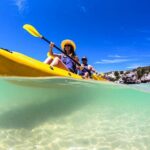
- On the water with Dream Catcher: chasing the Marine Big Five
- Whale season reality check (and what you can still hope for)
- Where the sightings focus: Dyer Island and Shark Alley
- The education factor that makes the boat ride feel more than random spotting
- The Great White House Restaurant stop: warm food after cold water
- African Penguin & Seabird Sanctuary: your land-based conservation link
- What to expect if you go in whale season vs outside it
- Price and value: is $129.98 per person a fair deal?
- Tips to make this self-drive marine day smoother
- Should you book the Marine Big 5 Safari self-drive?
- FAQ
- How long is the Marine Big 5 Safari?
- What’s the meeting point for this self-drive tour?
- Is transportation included?
- What’s included in the price?
- Is the African Penguin & Seabird Sanctuary visit included?
- Do I need to pay a conservation fee?
- Is weather a factor?
- What’s the cancellation policy?
Key things to know before you go
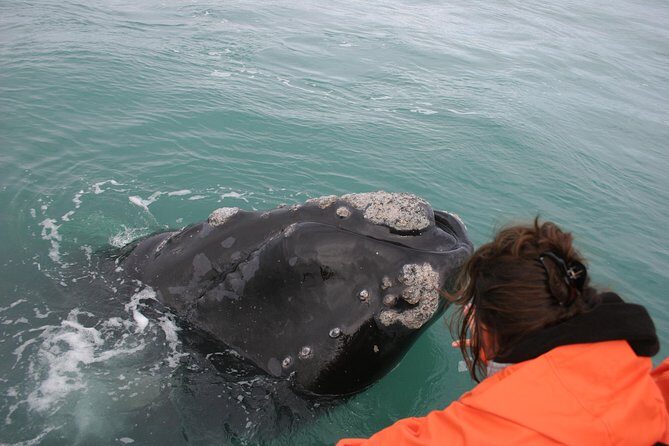
- Custom Dream Catcher boat with safety gear plus a small, attentive crew-to-guest setup
- Marine biologist on board with an education-focused approach to what you’re seeing
- Southern Right whale season vs off-season options, including occasional humpback or Bryde’s whales
- Dyer Island / Shark Alley area where marine mammals and seabirds are regularly spotted
- Warm meal included after the boat trip (soup and bread, plus lasagne as an option)
- Free African Penguin & Seabird Sanctuary visit to connect the ocean viewing with real conservation work
Getting yourself to Great White House (self-drive makes it simple)
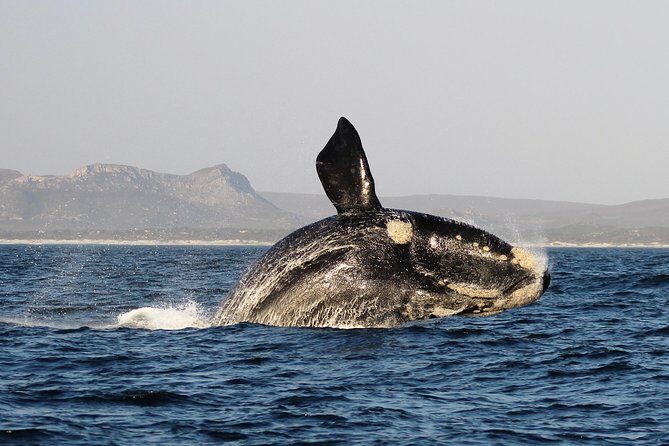
This is a self-drive outing based out of Great White House Restaurant in Gansbaai (Van Dyks Bay). The best part for practical planning: the tour starts and ends at the same meeting point. So you’re not dealing with a pick-up shuffle or a bus ride that eats time you’d rather spend on the water.
Expect about 3 hours total, with the actual tour time roughly 2 to 2.5 hours once you account for the briefing and travel down to the harbor. That timing matters here, because marine sightings are never guaranteed—you want your “real experience hours” to be on the water.
Also note that transportation to/from attractions is not included, so you’ll want to have your own car sorted. If you’re combining this with other Stops in the Overstrand/Gansbaai area, plan to keep your schedule flexible for weather.
A few more Western Cape tours and experiences worth a look
The start: tea, muffins, and a real conservation briefing
When you arrive at Great White House, you’re greeted with tea or coffee and muffins. Then you head into the conservation and education space for an in-depth briefing about the area you’ll be operating in, the conservation work, and safety.
I like how this sets expectations. It’s not just a “look left, now right” kind of trip. You’re given context for what you might see and why the local wildlife matters. The briefing also leads into practical prep: you’ll be issued inflatable life jackets and wet weather gear, which is a big help in a coastal area where the wind can change fast.
From there, it’s a short walk down to the harbor. Then you’re on the Dream Catcher, ready for the aquatic safari part of the day.
On the water with Dream Catcher: chasing the Marine Big Five
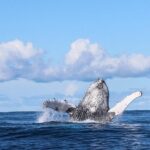
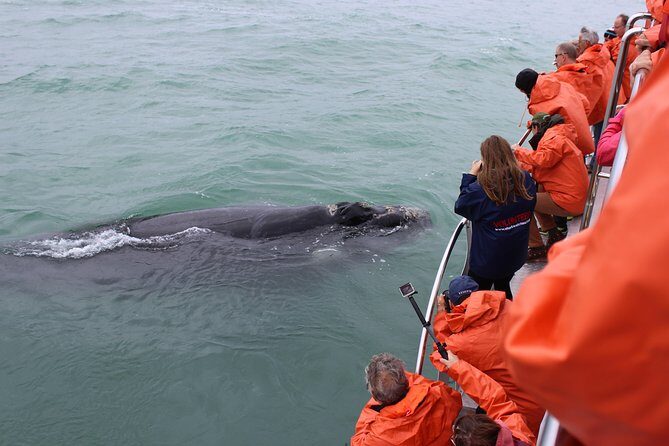
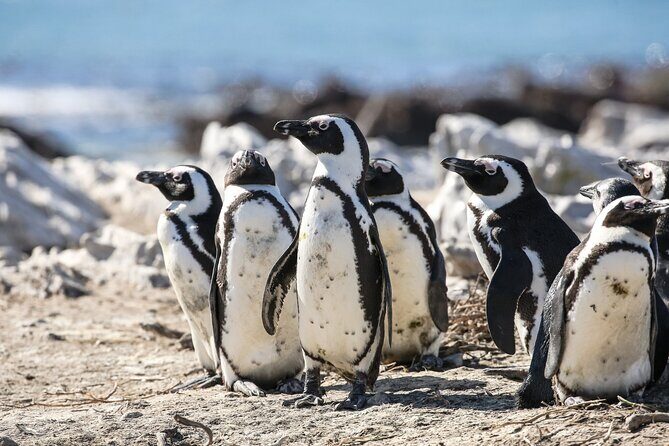
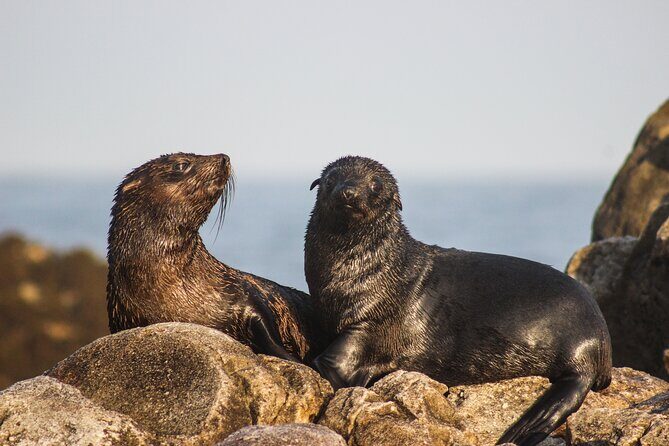
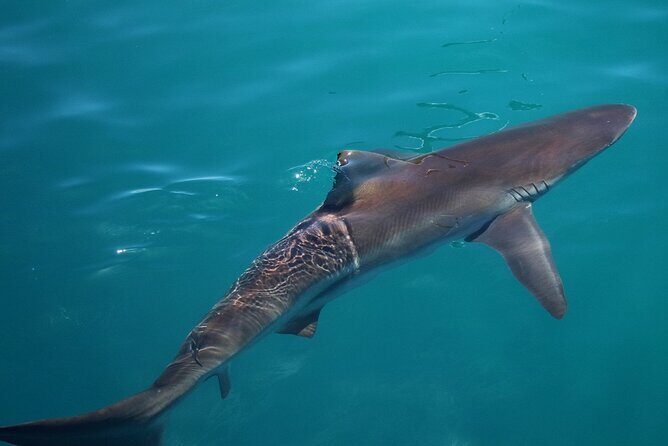
Here’s the heart of the experience: a targeted whale-and-marine-mammal search for the Marine Big Five—whales, sharks, seals, penguins, and dolphins. The tour doesn’t promise all five on one outing, but it’s structured to maximize your odds in the right waters.
Whale season reality check (and what you can still hope for)
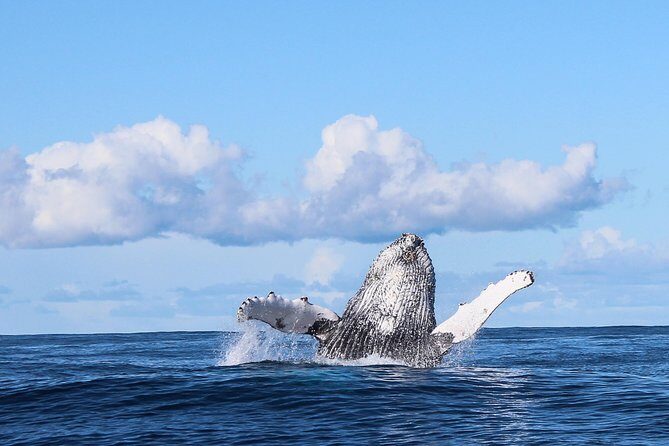
The tour runs with a seasonal lens. Southern Right whales are typically seen from June to December. Outside that window, the area can still produce sightings of other whales—humpback and Bryde’s whales are mentioned as occasional possibilities.
This matters for your decision-making. If your trip lines up with Southern Right season, your odds rise. If it doesn’t, go in with the right mindset: you may still spot whales, but you’re also there for the broader “marine world” experience.
Where the sightings focus: Dyer Island and Shark Alley
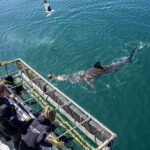
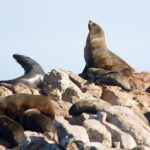
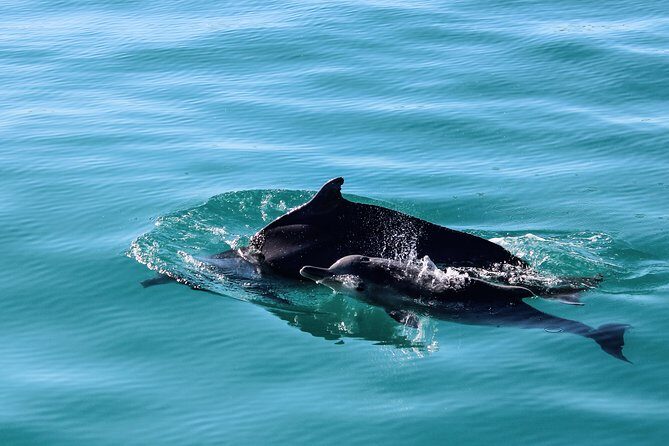
The operating area includes Dyer Island (world-famous in this region) and the area associated with Shark Alley. That’s where you might find great white sharks. You can also encounter Cape fur seals, seabirds, and visiting dolphin species depending on conditions and timing.
The tour also references a stop connected to a shark-cage area during the route. Even if you’re not focused on that specifically, it fits the overall “you’re in the right neighborhood” logic: you’re sailing with a crew that understands where marine life tends to show up.
The education factor that makes the boat ride feel more than random spotting
A big reason the rating is strong is the onboard guidance. There’s an on-board marine biologist and experienced crew. That means when wildlife appears—or when it doesn’t—you still get information that helps you interpret what you’re seeing.
And because one crew member looks after a small slice of the group (about 6–7 guests), you’re less likely to feel lost or stuck waiting for help.
The Great White House Restaurant stop: warm food after cold water
After the boat portion, you return to Great White House Restaurant. This is where the experience turns from “watching weather” into “warming up,” which I genuinely appreciate.
You’ll be served coffee/tea and muffins on arrival at the start, and later enjoy a warm meal after the trip: warm soup and bread and/or lasagne is included. You also get bottled water.
This food stop does two practical things:
- It helps you recover from wind and spray.
- It gives the day a smoother flow, instead of ending abruptly with only memories of your time on the water.
There’s also a conservation and safety angle here—part of the learning is built into the arrival routine and the time around the boat prep.
African Penguin & Seabird Sanctuary: your land-based conservation link
You can visit the African Penguin & Seabird Sanctuary (APSS) before or after the safari. It’s a short stop (about 15 minutes), and entry is included.
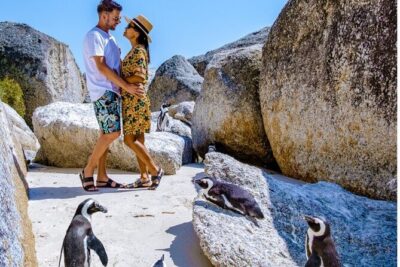
This isn’t a generic “see birds in a place” stop. APSS is described as a marine bird rehabilitation centre in the Overstrand area. It provides temporary care for birds that are diseased, displaced, injured, oiled, or abandoned, with a special focus on the endangered African penguin.
If you care about why penguins and seabirds are showing up in your boat narrative, this stop is the bridge. It connects your ocean viewing with the behind-the-scenes conservation work—rescue, rehab, release, plus research and education to reduce human impacts on colonies.
Even in just 15 minutes, it gives your sightings a sense of purpose: you’re not only watching wildlife, you’re supporting a system built to keep it alive.
What to expect if you go in whale season vs outside it
Your chances of seeing certain animals shift by season, and the tour is pretty clear about that. June–December is the primary window for Southern Right whales. If you’re outside that time, the area is still described as sometimes producing humpback or Bryde’s whales, but sightings are less predictable.
There’s also the general marine reality: even with a great crew and a good boat, the ocean isn’t obligated to cooperate. So you may not see sharks or whales every time, especially off-season.
Still, the experience can be worthwhile even when you don’t tick every box. The boat ride itself tends to be a highlight, and the education angle helps you understand the ecosystem you’re in rather than treating wildlife as random luck.
One practical note: narration quality can affect how much you take in on the water. There’s been an issue reported with microphone clarity on at least one outing, and it’s the kind of fix that would improve things fast. My advice: if audio is muffled, quietly ask the crew to repeat key points or move closer to a speaking area so you’re not missing the explanations.
Price and value: is $129.98 per person a fair deal?
At about $129.98 per person, the big question is what you get for your money. Here’s what’s clearly included:
- Professional guide (and marine-focused leadership onboard)
- Inflatable life jackets and wet weather gear
- Coffee/tea and muffins on arrival
- Warm soup and bread/lasagne after the trip
- Bottled water
- Free visit to APSS (African Penguin & Seabird Sanctuary)
In a lot of wildlife experiences, you pay extra for basic comfort items, or you get education as a side note. This tour bakes the learning and the comfort into the itinerary: you get briefing time, gear, and a real meal, not just a snack and a cold return.
One more cost detail to budget for: the conservation fee is compulsory. The listing doesn’t give an amount in the info you provided, so when you check out, look for it clearly listed and plan on that being part of the final total.
If you’re coming from nearby lodging, you’ll also save time by handling your own self-drive. You won’t pay for transfers that you don’t need.
Tips to make this self-drive marine day smoother
- Arrive with a little buffer. You’ll want time to park, check in, use the facilities, and settle before the briefing.
- Dress for spray and wind. Wet weather gear is provided, but you’ll still feel cooler on the water than on land.
- Use the briefing time. The more you listen at the start, the more meaningful the sightings become.
- Plan your penguin stop either way. APSS is only about 15 minutes, so choose the order that fits your day—before for a calmer start, after if you want the ocean first.
- If sound is bad, speak up right away. It’s a small issue, but it can cut down how much you learn during the ride.
Should you book the Marine Big 5 Safari self-drive?
Book it if you want a structured marine outing—not just a boat ride—with a marine biologist-led conservation approach, warm food, and a connected land stop at APSS. The price feels more reasonable when you look at what’s included: gear, meal, and sanctuary entry.
Skip (or at least temper expectations) if your trip dates land far outside peak whale season and you’re only chasing one outcome. Sightings are never guaranteed in the ocean. But if you’re open to seals, dolphins, seabirds, and the real “marine world” feel—this can still be a strong day out.
If your timing lines up with June–December, I’d be especially excited, since Southern Right whale chances are highest then. And if you’re flexible about weather, you’ll give yourself the best shot at a smooth day on the Dream Catcher.
FAQ
How long is the Marine Big 5 Safari?
The experience is listed at about 3 hours total, and the actual tour time is around 2 to 2.5 hours, excluding travel and briefing time.
What’s the meeting point for this self-drive tour?
The tour starts and ends at Great White House Restaurant, Gansbaai (5 Geelbek St, Van Dyks Bay, 7220, South Africa).
Is transportation included?
No. Transportation to/from attractions and hotel pickup/drop-off are not included. It’s set up for self-drive.
What’s included in the price?
Included items are bottled water, coffee/tea and muffins on arrival, warm soup and bread/lasagne after the trip, inflatable life-jackets and wet weather gear, a professional guide, and a free visit to the African Penguin & Seabird Sanctuary (APSS).
Is the African Penguin & Seabird Sanctuary visit included?
Yes. APSS entry is included, and it’s scheduled for about 15 minutes.
Do I need to pay a conservation fee?
Yes. The info states that a conservation fee is compulsory.
Is weather a factor?
Yes. The tour requires good weather. If it’s canceled due to poor weather, you’ll be offered a different date or a full refund.
What’s the cancellation policy?
Cancellation is free up to 24 hours in advance for a full refund. If you cancel less than 24 hours before the start time, the amount paid is not refunded.